
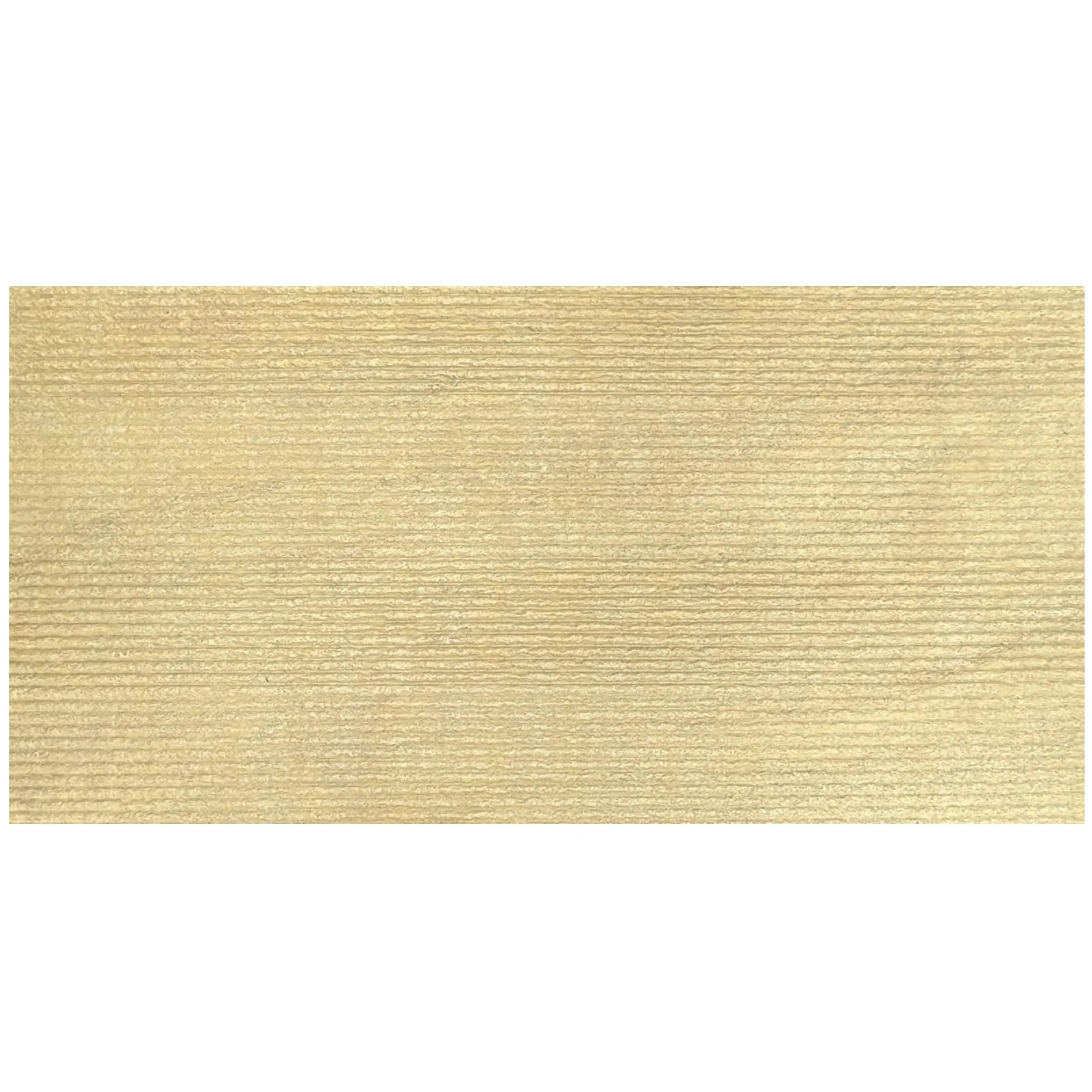
Where tradition meets technology, and nature dances with innovation
Walk into any modern building today, and you'll likely see the same old suspects: concrete walls that feel cold, marble floors that gleam but chip easily, or stone cladding that's stunning but so heavy it limits design possibilities. For years, architects and designers have been stuck in a loop: choose beauty or practicality, tradition or innovation, nature or technology. But what if there was a material that said, "Why not both?"
Enter MCM 3D printing with Gravel Omani Stone—a hybrid innovation that's turning heads in the construction world. It's not just a material; it's a story. A story of Omani desert landscapes, of ancient stone craftsmanship, and of cutting-edge 3D printing tech that's redefining what's possible. Let's dive in.
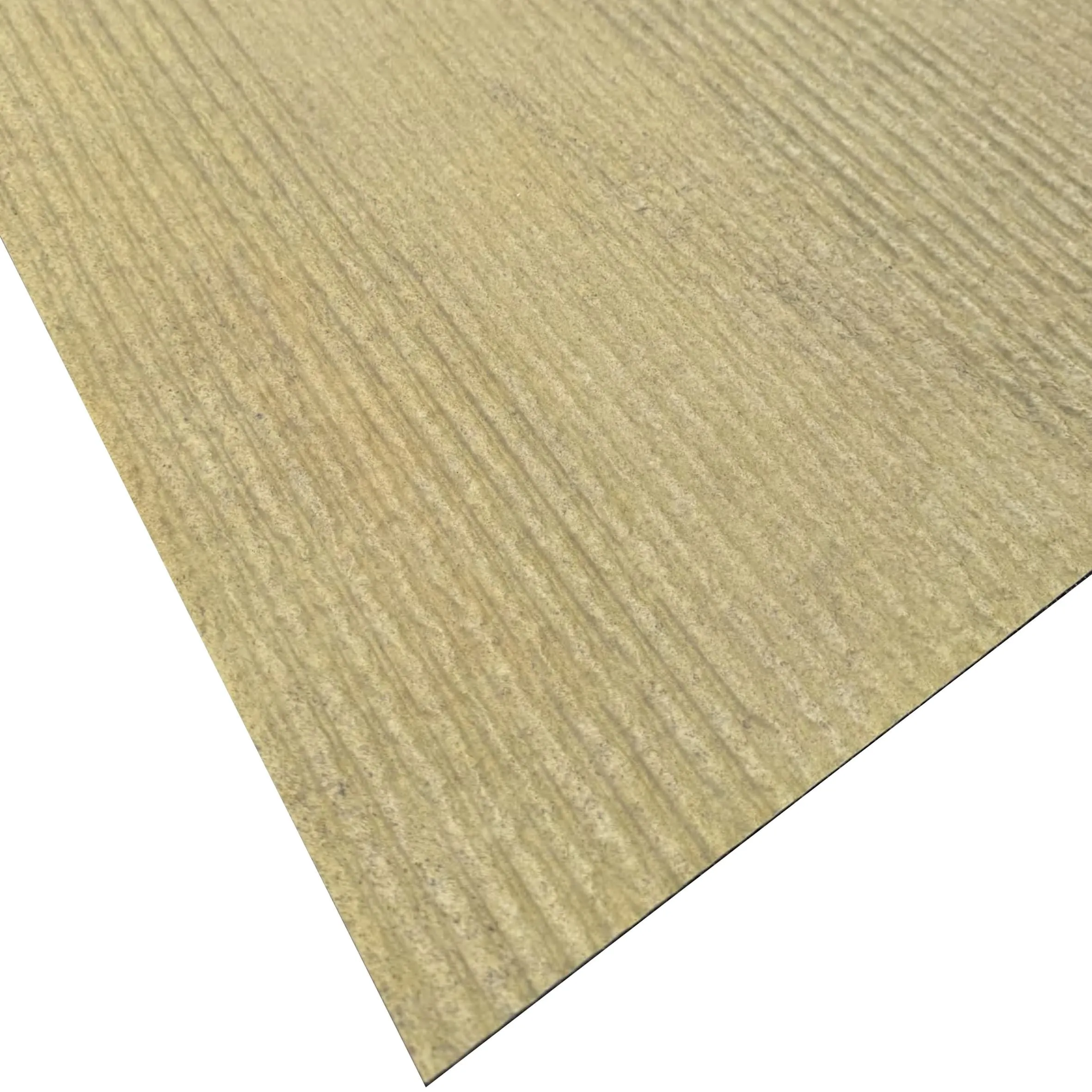
If you're new to the term, MCM stands for Modified Composite Material. Think of it as the Swiss Army knife of construction materials: lightweight, flexible, durable, and surprisingly versatile. Unlike traditional stone or concrete, MCM is a blend of natural minerals, polymers, and fibers—engineered to be strong but not heavy, rigid but not brittle. It's been around for a while, but when you pair it with 3D printing? That's when the magic happens.
And then there's Gravel Omani Stone. Picture this: the deserts of Oman, where the sun beats down on rocky outcrops, and wind carves patterns into stone that look like they were painted by time itself. That's the source of Gravel Omani Stone—quarried from the Hajar Mountains, known for its warm, earthy tones (think sandy beiges, soft terracottas, and flecks of gold) and a texture that's equal parts rough and refined. It's not just stone; it's a piece of Oman's heritage.
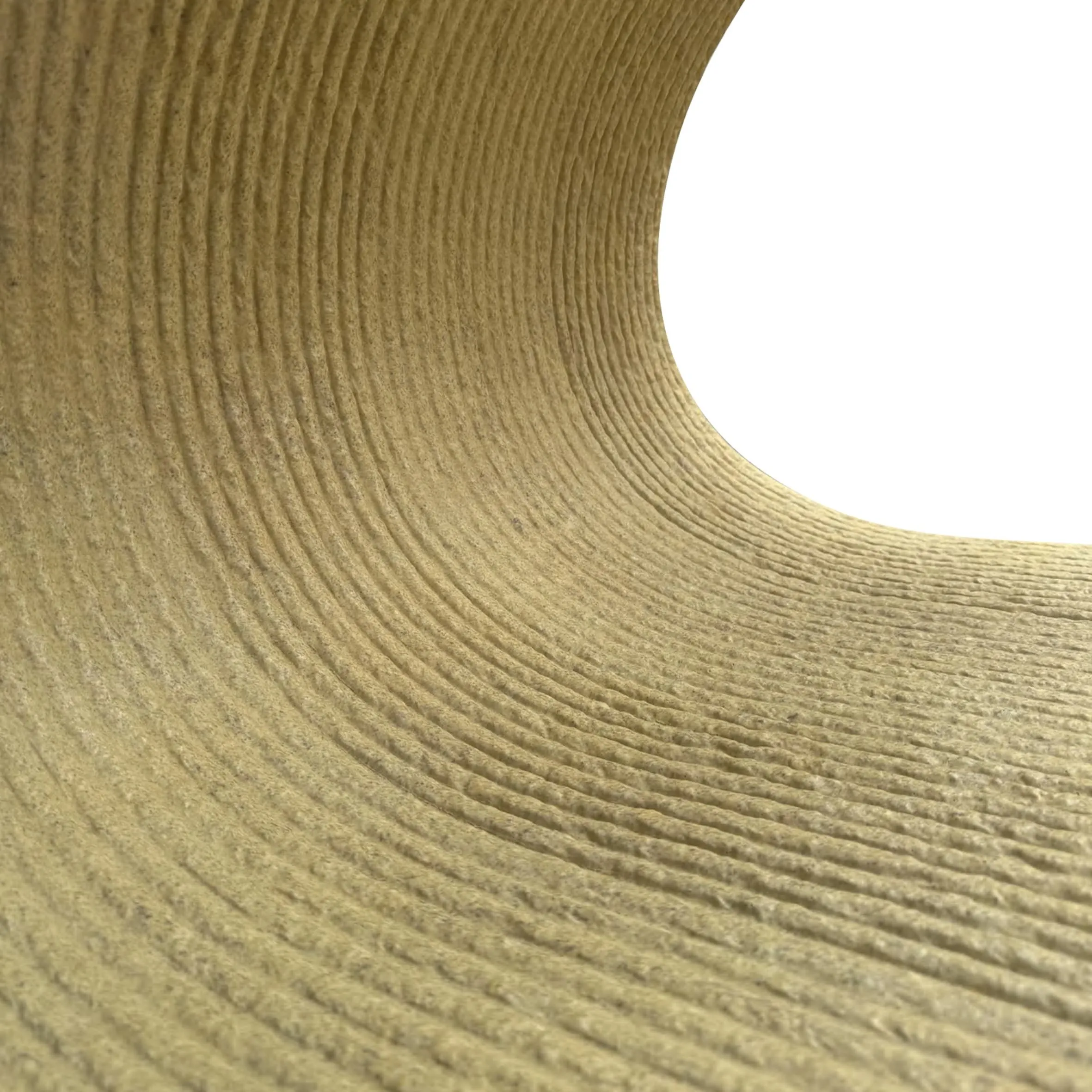
Let's get real: building with traditional stone or concrete is a hassle. First, the weight. A single slab of natural stone can weigh hundreds of pounds, making transportation and installation a logistical nightmare. You need cranes, heavy machinery, and a team of workers just to get it in place. Then there's the waste—quarrying stone means cutting huge blocks, and most of it ends up as rubble. And don't even get started on design limitations: traditional stone is rigid, so if you want a curved wall or a custom pattern? Good luck. You're either stuck with flat surfaces or paying a fortune for custom carving.
Concrete? It's durable, sure, but it's cold, industrial, and let's face it—kind of boring. And while materials like foamed aluminium alloy board (vintage silver) offer lightweight alternatives, they lack the organic, earthy feel that natural stone brings. We wanted something that had the soul of stone, the flexibility of modern composites, and the precision of technology. Enter the hybrid: MCM 3D printing with Gravel Omani Stone.
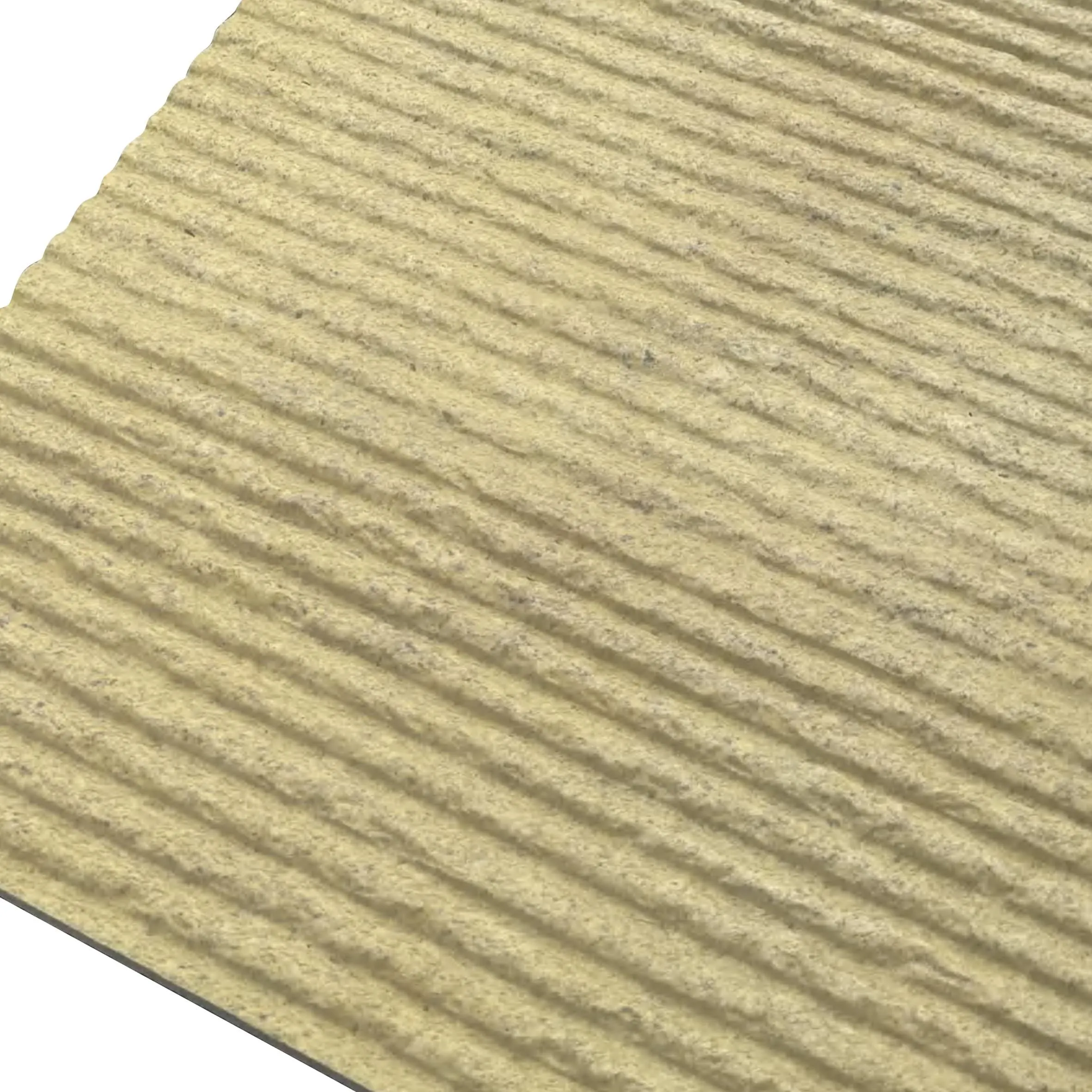
Here's how it works: tiny particles of Gravel Omani Stone are mixed into an MCM matrix—a paste-like material that's loaded into a 3D printer. The printer then layers this paste, drop by drop, to build up panels, slabs, or even custom shapes. As it dries, the MCM hardens, locking the stone particles in place, resulting in a material that looks and feels like natural stone but behaves nothing like it.
Let's break down the magic:
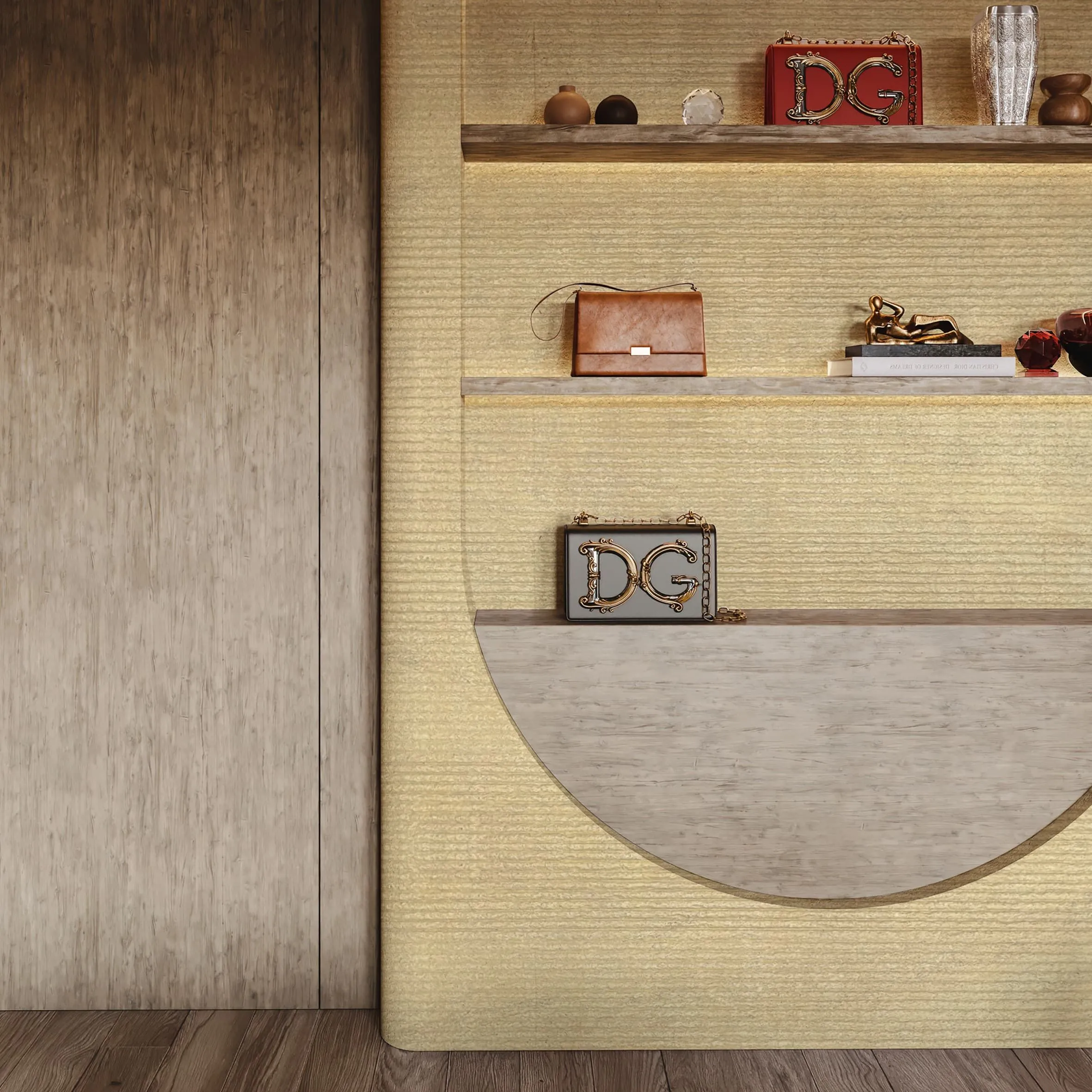
To really appreciate this hybrid material, you need to know where Gravel Omani Stone comes from. The Hajar Mountains, which stretch across northern Oman, are more than just rocks—they're a living museum. For centuries, Omani artisans have quarried stone from these mountains, using it to build forts, mosques, and homes. The stone here is formed from ancient marine sediments, which is why you'll sometimes find fossilized shells or coral in its layers—little reminders of the ocean that once covered the region.
Today, the quarries are run sustainably, with strict limits on how much stone is extracted each year. The stone is crushed into fine gravel (hence the name) and then washed to remove impurities. That gravel is then mixed into the MCM matrix, which is where the 3D printer takes over. It's a beautiful blend of old and new: the slow, deliberate work of quarrying, paired with the precision of modern tech.
"Working with Gravel Omani Stone isn't just about building—it's about honoring the land," says Ali, a quarry manager in Oman who's been in the business for 30 years. "My father taught me to respect the stone, to take only what we need. Now, with MCM 3D printing, we're not just respecting it—we're making it go further. A single ton of stone can now cover 10 times more surface area than before. That's something my father would be proud of."
One of the most exciting things about this hybrid material is its scalability. Enter the MCM big slab board series —large-format panels (up to 3m x 1.5m) that are perfect for commercial projects. Imagine a shopping mall facade covered in these slabs, each one featuring a unique pattern inspired by Omani textiles or desert landscapes. Or a hotel lobby with a single, seamless wall panel that looks like it was carved from a single block of stone, but weighs a fraction of the real thing.
Traditional big slabs? They're heavy, fragile, and expensive to transport. But MCM big slabs with Gravel Omani Stone? They're light enough to be carried by two people, strong enough to withstand high winds and rain, and customizable to boot. It's no wonder architects in Dubai, Abu Dhabi, and beyond are starting to take notice.
Let's paint a picture of how this material comes to life. Meet the Desert Rose Hotel, a boutique property in Muscat, Oman, that opened last year. The owner, a Omani architect named Fatima, wanted the hotel to feel like a "modern oasis"—something that celebrated Omani culture but didn't feel stuck in the past.
The solution? MCM 3D printed panels with Gravel Omani Stone for the exterior facade. The panels were designed to mimic the shape of desert roses—crystalline formations found in Omani deserts—with a texture that looks like petrified sand. Inside, the lobby features a curved wall made from the same material, paired with foamed aluminium alloy board (vintage gold) accents for a touch of luxury. The result? A building that looks like it grew out of the desert, not just plopped down on it.
"Guests often ask if the walls are real stone," Fatima laughs. "When I tell them they're 3D printed, they're shocked. But that's the point—we wanted to blend the old and the new. The stone keeps us connected to our roots, and the technology lets us build something truly unique."
| Feature | Traditional Stone | MCM 3D Printed with Gravel Omani Stone |
|---|---|---|
| Weight (per sqm) | 50-100 kg | 8-12 kg |
| Installation Time | 3-5 days (team of 4) | 1-2 days (team of 2) |
| Design Flexibility | Limited (flat surfaces, simple cuts) | Unlimited (curves, custom textures, patterns) |
| Waste Production | 30-40% waste | 5-10% waste |
| Durability | High (but prone to cracking) | High (flexible, weather-resistant) |
MCM 3D printing with Gravel Omani Stone is just the beginning. As technology improves, we'll see even more innovative blends—maybe pairing Omani stone with wood grain board for a rustic-modern look, or with linear travertine (claybank) for a layered effect. The goal? To keep pushing the boundaries of what's possible, while staying true to the materials that make buildings feel human.
And let's not forget sustainability. As the construction industry moves toward greener practices, materials like this will become the norm, not the exception. Imagine a world where every building tells a story—not just of design, but of respect for the planet and the people who craft its materials.
At the end of the day, construction isn't just about building walls and roofs—it's about creating spaces that connect with us. Spaces that make us feel something. MCM 3D printing with Gravel Omani Stone does exactly that. It takes the warmth and history of natural stone and pairs it with the innovation and flexibility of modern technology. It's for the dreamers who want their buildings to be both rooted in tradition and reaching for the future.
So whether you're an architect working on your next big project, a homeowner looking to add some character to your space, or just someone who appreciates the beauty of well-crafted materials—keep an eye on this hybrid innovation. It's not just changing how we build; it's changing how we think about building.
Because in the end, the best materials aren't just strong or beautiful—they tell a story. And this one? It's just getting started.
Recommend Products












