
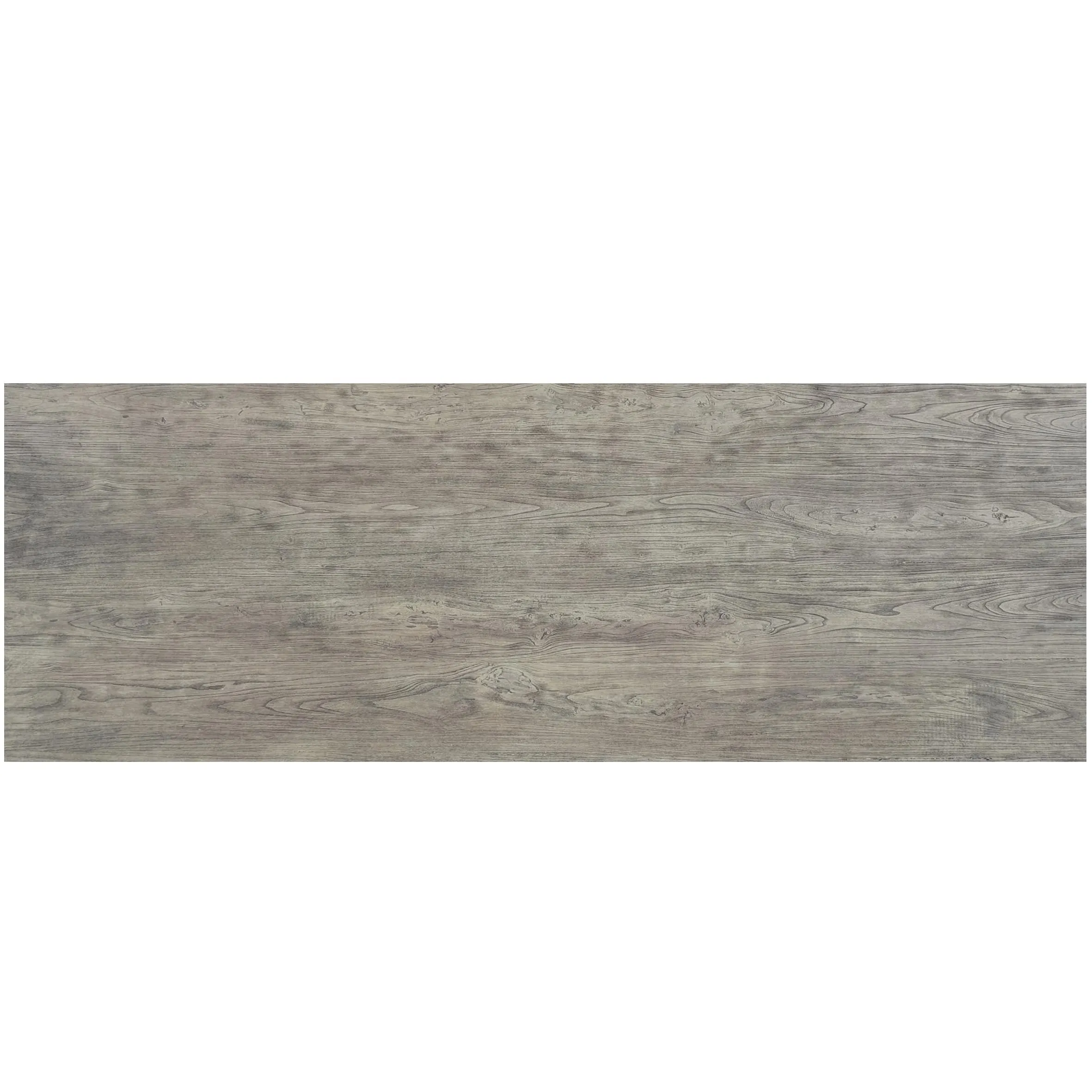
Walk through any major city today, and you'll notice a quiet revolution happening on building exteriors. Gone are the days when facades were merely functional—flat, uniform surfaces designed to keep the elements out. Today's architects are treating facades as canvases, using them to tell stories, evoke emotions, and redefine how we interact with urban spaces. But this shift hasn't come without challenges. Traditional materials like natural wood, brick, and concrete often fall short: wood warps in moisture, brick limits design flexibility, and concrete adds heavy structural load. Enter modified composite materials (MCM), a category that's quickly becoming the backbone of modern architectural innovation. And at the forefront of this category? The MCM 3D Wood Grain Board—a material that marries the timeless warmth of wood with the durability and versatility of cutting-edge composites.
In this article, we'll dive into what makes MCM 3D Wood Grain Board a game-changer for architects and designers. We'll explore its unique features, how it's made using MCM 3D printing series technology, and why it's becoming the go-to choice for projects that demand both aesthetics and performance. We'll also touch on how it complements other MCM offerings, like the MCM big slab board series and MCM flexible stone, and compare it to traditional options such as fair-faced concrete and foamed aluminium alloy board (vintage silver). By the end, you'll understand why this material isn't just a trend—it's the future of facade design.
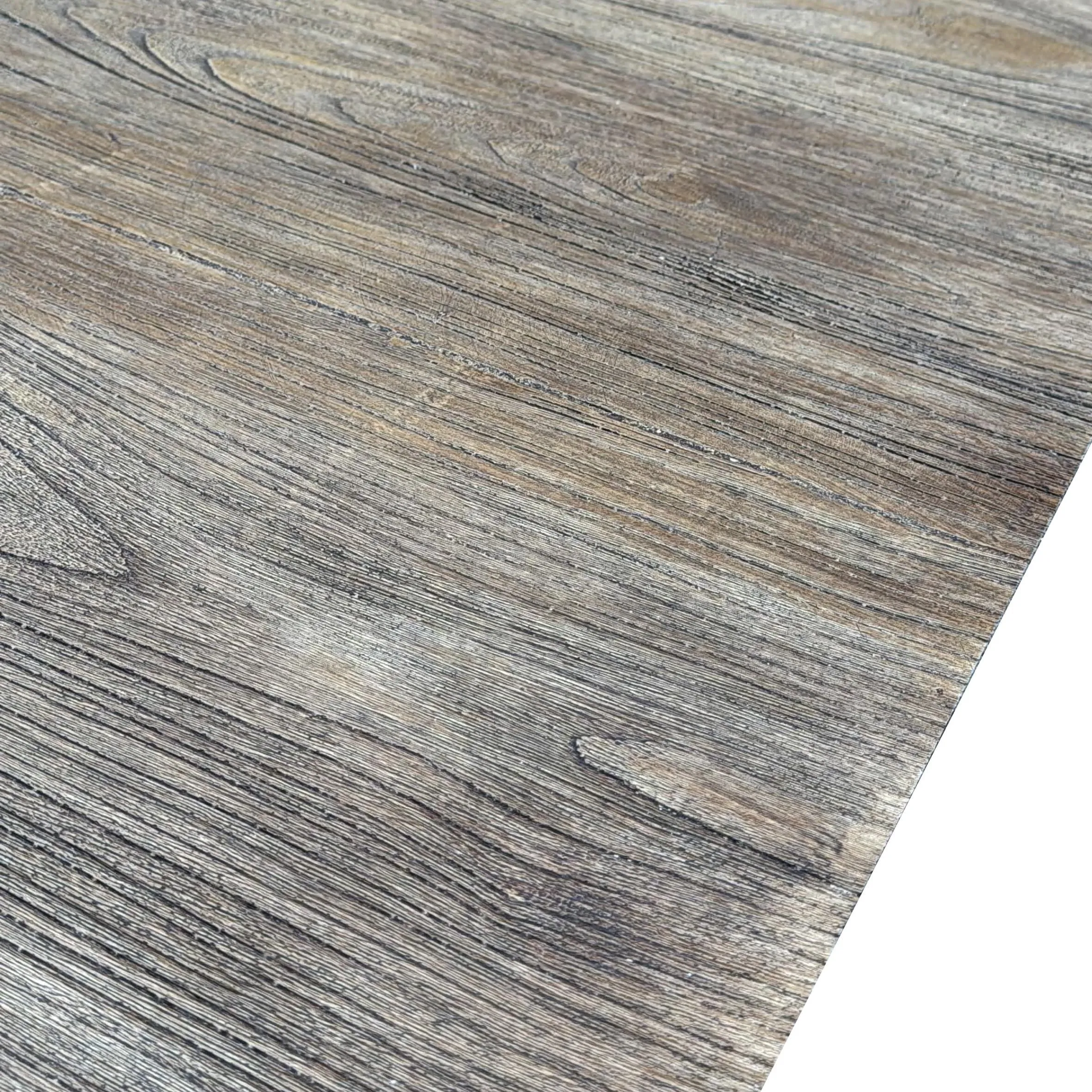
Let's start with the basics: MCM stands for Modified Composite Material, a blend of mineral powders, high-performance polymers, and reinforcing fibers engineered to overcome the limitations of natural materials. Unlike traditional composites, MCM is lightweight (typically 3-6 kg per square meter), flexible, and highly customizable. And the 3D Wood Grain Board takes this a step further by leveraging advanced 3D printing technology to replicate the intricate textures of real wood—down to the knots, grain patterns, and subtle color variations—without any of the maintenance headaches.
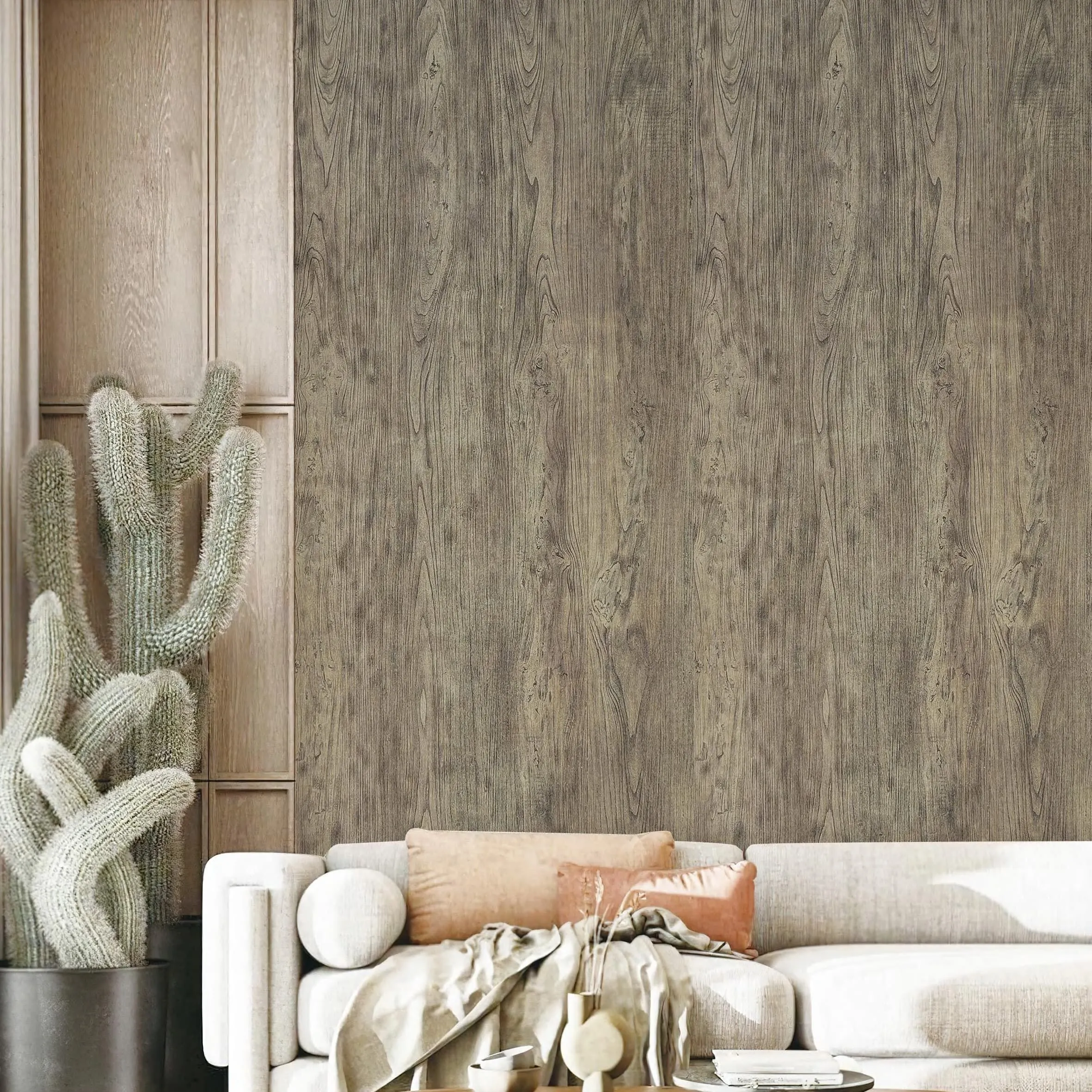
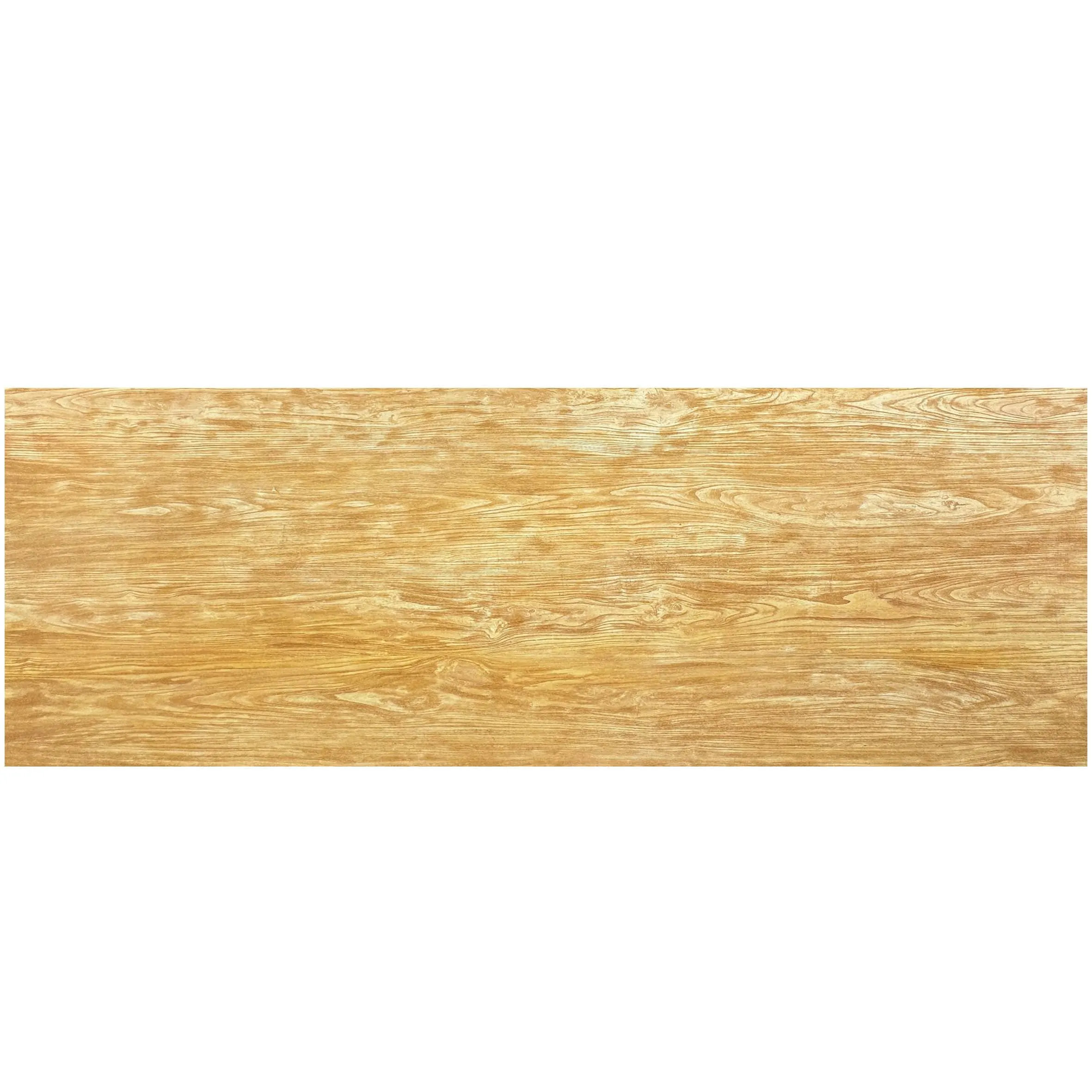
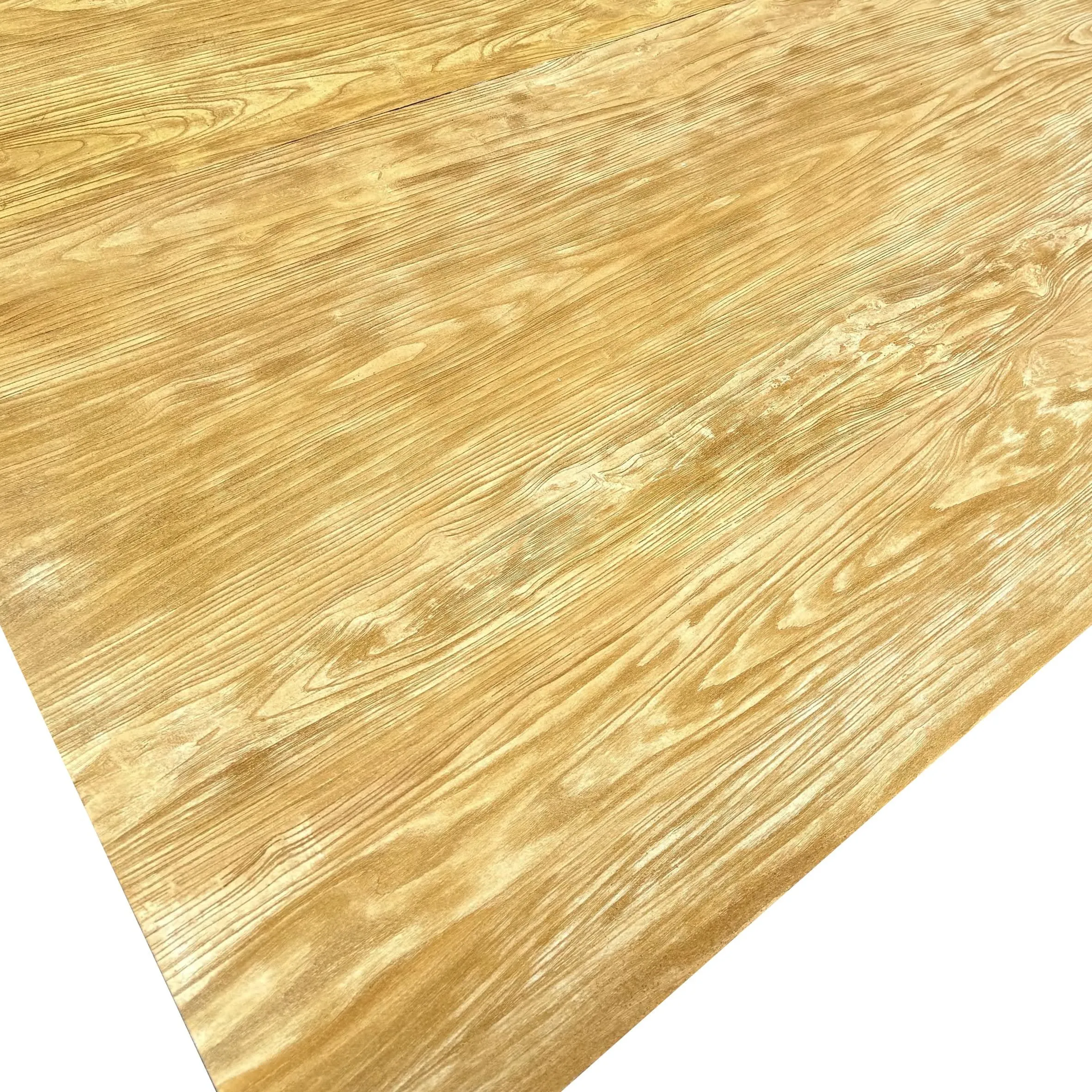
The magic of the 3D Wood Grain Board lies in its manufacturing process, which taps into the MCM 3D printing series. Traditional wood grain panels often use flat printing or embossing, resulting in a surface that looks artificial up close. MCM's 3D printing technology, however, builds texture layer by layer, creating depth that's tactile as well as visual. Run your hand over a panel, and you'll feel the rise and fall of the grain, just like you would with real oak or maple. This isn't just about aesthetics—this depth also plays with light, casting soft shadows that change throughout the day, giving buildings a dynamic, living quality.
But 3D printing isn't just for show. It allows for unprecedented customization. Architects can request specific grain patterns (think weathered barn wood for a rustic retreat or sleek teak for a modern high-rise), adjust the scale of the texture, or even blend multiple wood species into a single panel. This level of control is a dream for designers who want to create one-of-a-kind facades that reflect a building's purpose or cultural context.
Of course, a pretty facade isn't worth much if it can't stand up to the elements. Here's where MCM 3D Wood Grain Board truly shines. Unlike natural wood, which swells in rain, cracks in sunlight, and succumbs to pests, MCM panels are engineered to resist moisture, UV rays, and temperature extremes. They're also fire-resistant (meeting ASTM E84 Class A standards) and won't fade or warp over time. In coastal areas, where saltwater air eats away at traditional materials, these panels maintain their integrity for decades. And because they're lightweight, they reduce the structural load on buildings, cutting down on construction costs and allowing for more creative architectural designs—like cantilevered facades or curved surfaces that would be impossible with heavy stone or concrete.
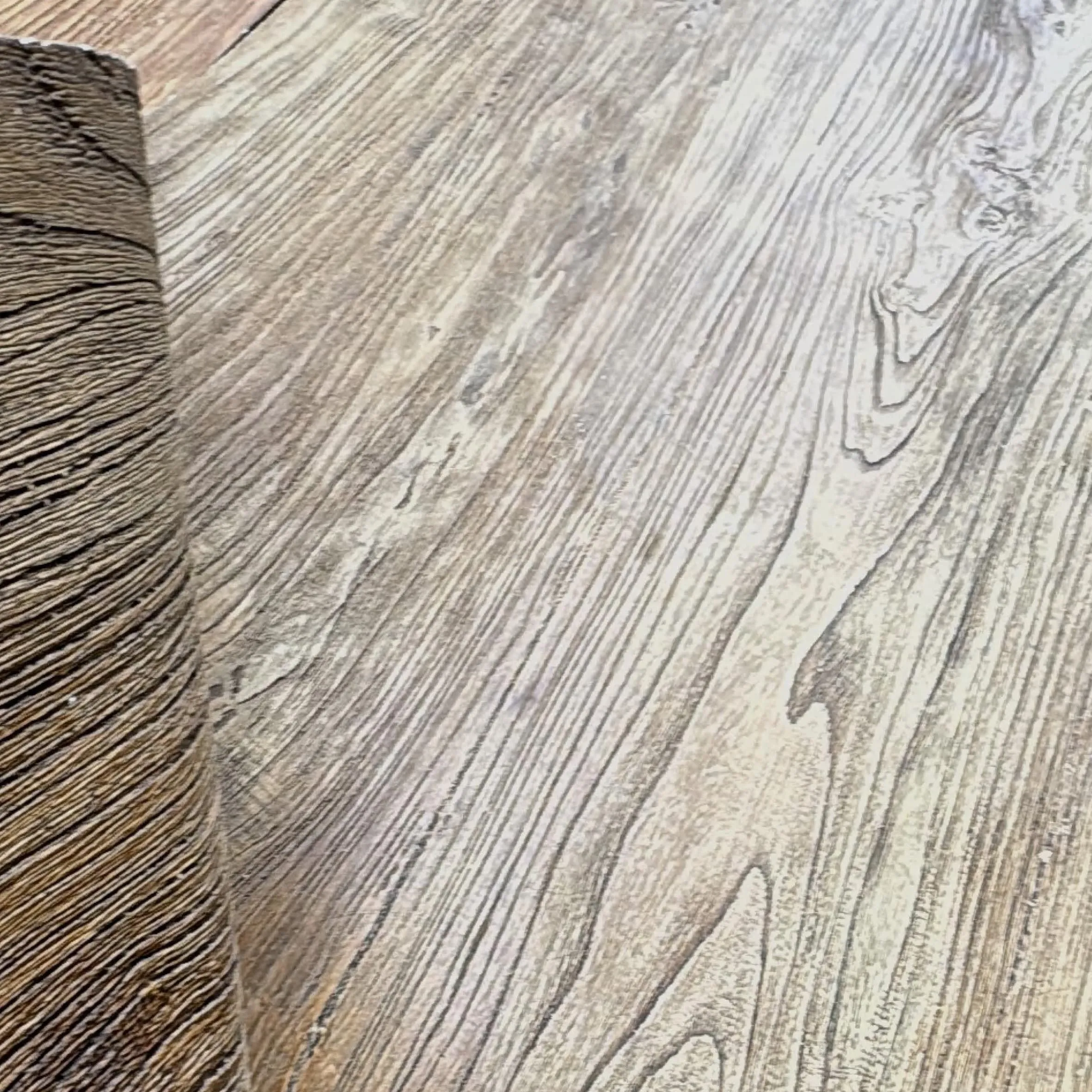
One of the biggest frustrations architects face is being forced to choose between form and function. With MCM 3D Wood Grain Board, that choice disappears. This material isn't just a standalone solution—it's part of a larger ecosystem of MCM products designed to work together seamlessly. For example, pair it with the MCM big slab board series for a striking contrast: use the 3D Wood Grain Board for accent walls and the large-format slabs for the main facade. The result? A facade with depth, texture, and visual interest that's still easy to install and maintain.
Or, for projects that call for a blend of warmth and ruggedness, combine the wood grain panels with MCM flexible stone. MCM flexible stone, as the name suggests, can be bent to fit curved surfaces, making it ideal for rounded corners or organic architectural shapes. Imagine a cultural center where the lower level uses rough-hewn flexible stone to evoke a sense of grounding, while the upper floors feature 3D Wood Grain Board to add warmth and approachability. It's a combination that tells a story of earth and nature, without sacrificing durability.
And let's not forget color. While the wood grain panels excel in natural tones—warm browns, soft beiges, and rich chestnuts—they can also be custom-colored to match brand palettes or design themes. Want a modern office building with a pop of teal? The 3D printing technology allows for precise color matching, ensuring consistency across every panel. This level of customization means that no two projects using MCM 3D Wood Grain Board have to look the same—each can be tailored to the unique vision of the design team.
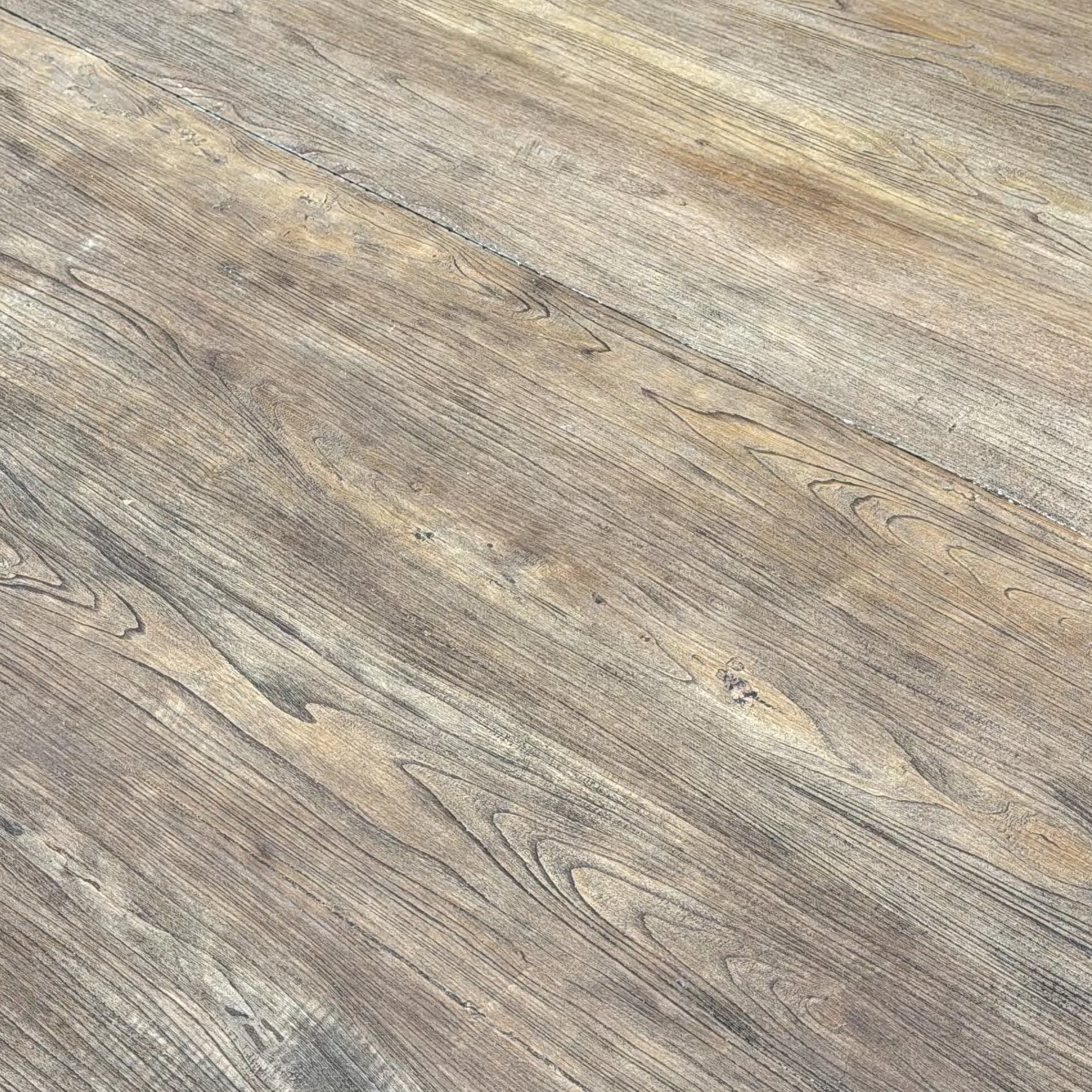
In today's world, sustainability isn't just a buzzword—it's a non-negotiable. Clients, communities, and regulators are demanding buildings that minimize environmental impact, and materials play a huge role in that. MCM 3D Wood Grain Board checks all the boxes here, starting with its composition. The panels are made using recycled mineral powders and low-VOC (volatile organic compound) binders, reducing reliance on virgin resources and minimizing off-gassing. And because they're lightweight, transporting them requires less fuel than heavy materials like concrete or natural stone, cutting down on carbon emissions during construction.
But the sustainability benefits don't stop at manufacturing. MCM panels are also low-maintenance, which means fewer resources spent on repairs and replacements over time. Unlike natural wood, which needs regular staining and sealing, the 3D Wood Grain Board can be cleaned with nothing more than soap and water. And if a panel does get damaged? It's easy to replace individually, without having to redo the entire facade. This "replace, don't rebuild" approach reduces waste and extends the lifespan of the building envelope.
Compare this to fair-faced concrete, a traditional material praised for its industrial chic. While concrete is durable, its production is carbon-intensive (cement manufacturing alone accounts for 8% of global CO2 emissions). It's also heavy, requiring more energy to transport and install. Foamed aluminium alloy board (vintage silver), another popular modern option, offers a sleek, metallic look but lacks the warmth of wood and can be prone to scratching. When you weigh the environmental impact, durability, and aesthetic versatility, MCM 3D Wood Grain Board emerges as the clear sustainable choice.
To see the MCM 3D Wood Grain Board in action, look no further than the Riverbank Community Center in Portland, Oregon. Designed by local firm GreenSpaces Architecture, the center was meant to serve as a hub for the neighborhood—a place where residents could gather, learn, and connect with nature. The design team wanted the building to reflect the area's history of logging and river life, but they also needed a facade that could withstand the Pacific Northwest's rainy, humid climate.
The solution? A combination of MCM 3D Wood Grain Board and MCM flexible stone. The main entrance features a sweeping curved wall clad in flexible stone, its rough texture mimicking the river rocks along the nearby Willamette. The upper floors, however, are wrapped in 3D Wood Grain Board in a warm chestnut tone, evoking the region's forests. The wood grain panels were custom-printed to include subtle variations in color and grain, giving the facade a natural, organic look—even from a distance.
Since opening in 2023, the center has become a beloved landmark. "We wanted the building to feel like it belonged here, like it had always been part of the neighborhood," says lead architect Maria Hernandez. "The MCM panels made that possible. They gave us the warmth of wood without the maintenance, and the flexibility to create the curved entrance we'd dreamed of. Kids love running their hands over the wood grain—it's like a tactile storybook of our region's history."
In Chicago's trendy West Loop, where industrial warehouses are being converted into luxury apartments, the Loft Apartments needed a facade that would stand out in a crowded market. Developer UrbanVibe Properties wanted to honor the neighborhood's industrial past while offering modern amenities. The design team turned to MCM 3D Wood Grain Board and foamed aluminium alloy board (vintage silver) for a look that's both retro and contemporary.
The lower two floors of the building feature foamed aluminium alloy board in a vintage silver finish, its metallic sheen echoing the area's old factory exteriors. The upper floors, however, use 3D Wood Grain Board in a weathered gray tone, giving the building a warm, residential feel. The contrast between the cool metal and warm wood creates a dynamic facade that changes with the light—shimmering silver in the morning sun, soft wood tones at dusk.
"Tenants often comment on how the building feels both industrial and homey," says UrbanVibe's project manager, James Chen. "The aluminium panels give it that edgy, urban look, but the wood grain softens it—makes it feel welcoming. And from a practical standpoint, the MCM panels were a breeze to install. We finished the facade three weeks ahead of schedule, and maintenance has been minimal, even with Chicago's harsh winters."
Still not convinced that MCM 3D Wood Grain Board is right for your project? Let's put it head-to-head with two popular alternatives: fair-faced concrete and foamed aluminium alloy board (vintage silver). The table below breaks down key factors like weight, durability, aesthetics, and sustainability to help you make an informed choice.
| Material | Weight (per sq m) | Durability (Moisture/Scratch/Fire) | Aesthetic Range | Installation Complexity | Sustainability Score |
|---|---|---|---|---|---|
| MCM 3D Wood Grain Board | 4-5 kg | High (resists moisture, scratches; Class A fire rating) | Wide (custom wood grains, colors, textures) | Low (lightweight, interlocking system) | High (recycled materials, low VOCs, minimal waste) |
| Fair-Faced Concrete | 22-25 kg | High (fire-resistant, durable; prone to cracking over time) | Limited (gray, off-white; minimal texture) | High (heavy, requires structural support) | Low (high carbon footprint, energy-intensive production) |
| Foamed Aluminium Alloy Board (Vintage Silver) | 6-8 kg | Medium (resists moisture; prone to dents/scratches) | Limited (metallic finishes only) | Medium (requires specialized fasteners) | Medium (recyclable, but high embodied energy) |
As architects and designers continue to push the boundaries of what's possible, materials like MCM 3D Wood Grain Board will only grow in importance. We're already seeing trends toward more biophilic design—incorporating natural elements into built environments to improve well-being—and this panel is perfectly positioned to lead that charge. Imagine a hospital facade clad in wood grain panels, where patients recovering in upper floors can look out at a surface that feels like a forest, reducing stress and accelerating healing.
And with advancements in MCM 3D printing series technology, the possibilities are expanding. Future iterations of the 3D Wood Grain Board could include integrated solar panels, turning the facade into an energy-generating surface. Or smart coatings that change color based on temperature, helping to regulate building heat and reduce energy use. The MCM big slab board series is already moving in this direction, with some slabs featuring embedded sensors for structural health monitoring. It's only a matter of time before these innovations make their way to the wood grain panels.
But perhaps the most exciting part is that MCM materials are becoming more accessible. As production scales, costs are coming down, making them a viable option for not just large commercial projects, but also smaller residential builds and community centers. This means that more people will get to experience the beauty and benefits of MCM 3D Wood Grain Board—not just in skyscrapers, but in the places where they live, work, and play.
At the end of the day, buildings are more than just structures—they're expressions of who we are and what we value. The MCM 3D Wood Grain Board understands this. It's not just a facade material; it's a tool for storytelling. It allows architects to blend the past and present, the natural and the man-made, the functional and the beautiful. Whether paired with MCM flexible stone for a rustic charm, combined with the MCM big slab board series for a modern statement, or used alone to evoke warmth, this material is redefining what's possible in architectural design.
So the next time you walk past a building with a facade that makes you pause—one that feels both familiar and fresh, durable and inviting—take a closer look. Chances are, you're looking at MCM 3D Wood Grain Board. And as this technology continues to evolve, we can't wait to see the stories it will help tell next.
Recommend Products












