
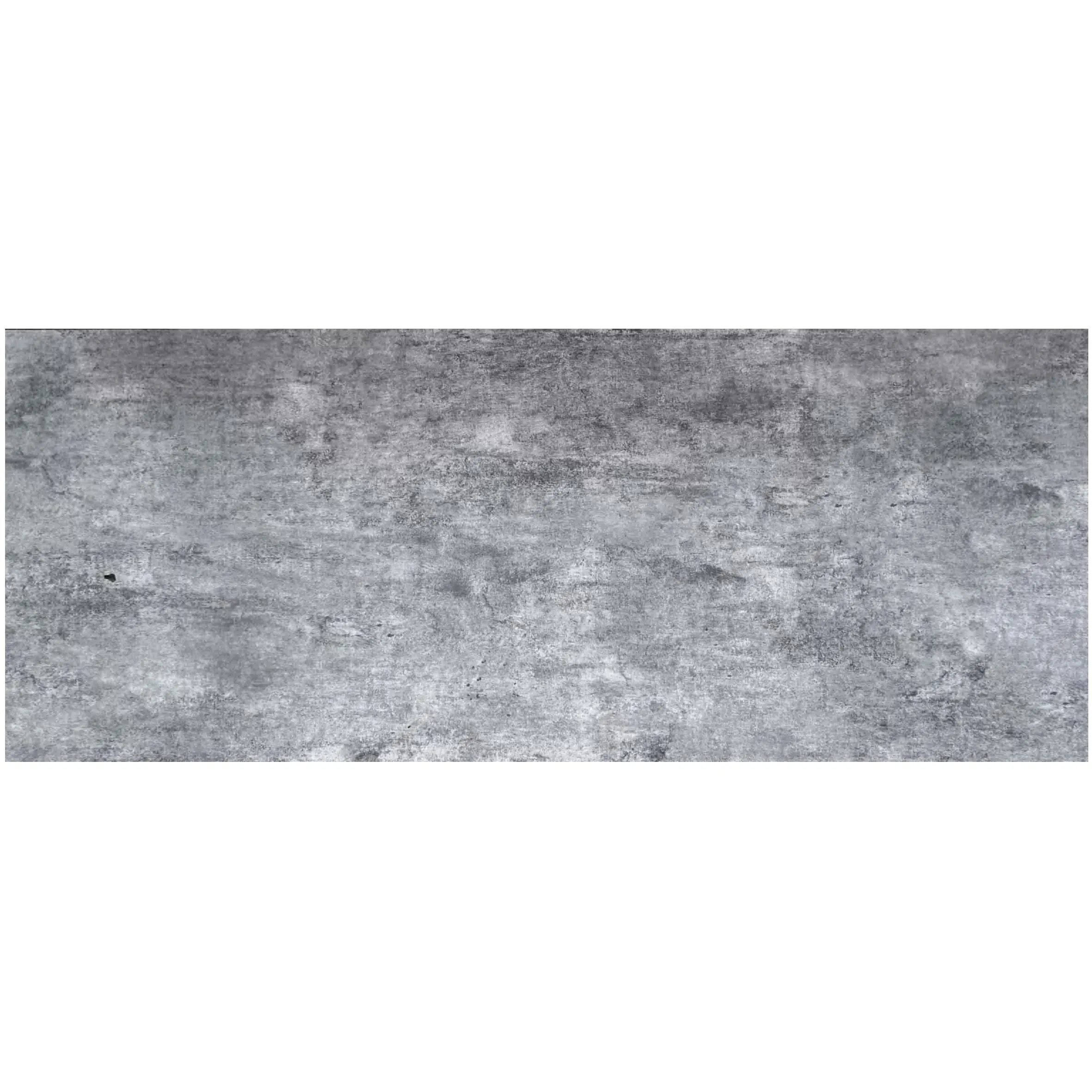
Walk into any modern commercial space—a boutique hotel lobby, a sleek museum gallery, or a bustling corporate office—and you'll likely notice something: the walls and floors. Not just their color or texture, but their flow. Do they feel cohesive, like a single, intentional canvas? Or are they broken up by tiny lines, gaps, and seams that disrupt the eye? For designers and architects, those "breaks"—the joints between materials—are often the biggest hurdle to creating truly immersive spaces. Enter MCM Big Slab Board: a game-changer in large-scale surface design that's redefining what seamless, joint-minimized spaces can look like.
Joints—the gaps between tiles, slabs, or panels—are a necessary evil in traditional construction. They allow for expansion and contraction, prevent cracking, and make installation feasible with smaller, more manageable materials. But in large-scale spaces, they quickly become a design liability. Imagine a luxury restaurant with a polish concrete floor: beautiful, raw, and modern—until you notice the grid of thin, dark lines crisscrossing the surface. Those joints collect crumbs, trap spills, and turn what should feel expansive into a patchwork quilt of small squares.
Or consider a hotel lobby wall clad in natural stone. Each slab is a work of art, but the grout lines between them? They're visual speed bumps, interrupting the stone's natural veining and making the wall feel "busy" instead of serene. Worse, over time, joints can degrade: grout cracks, allowing moisture to seep in; dirt builds up, discoloring the lines; and suddenly, that "high-end" space starts to look worn, even shabby.
Polish concrete, a staple in modern design for its industrial-chic appeal, is particularly prone to this. Even with expert pouring, concrete slabs require expansion joints to avoid cracking under temperature changes or structural movement. These joints, while functional, split the floor into sections—great for a warehouse, maybe, but not for a boutique hotel aiming for a "luxury without effort" vibe. Designers have long wished for a solution: a material that offers the durability of concrete, the beauty of natural stone, and the seamlessness of a single, unbroken surface. That's where MCM Big Slab Board comes in.
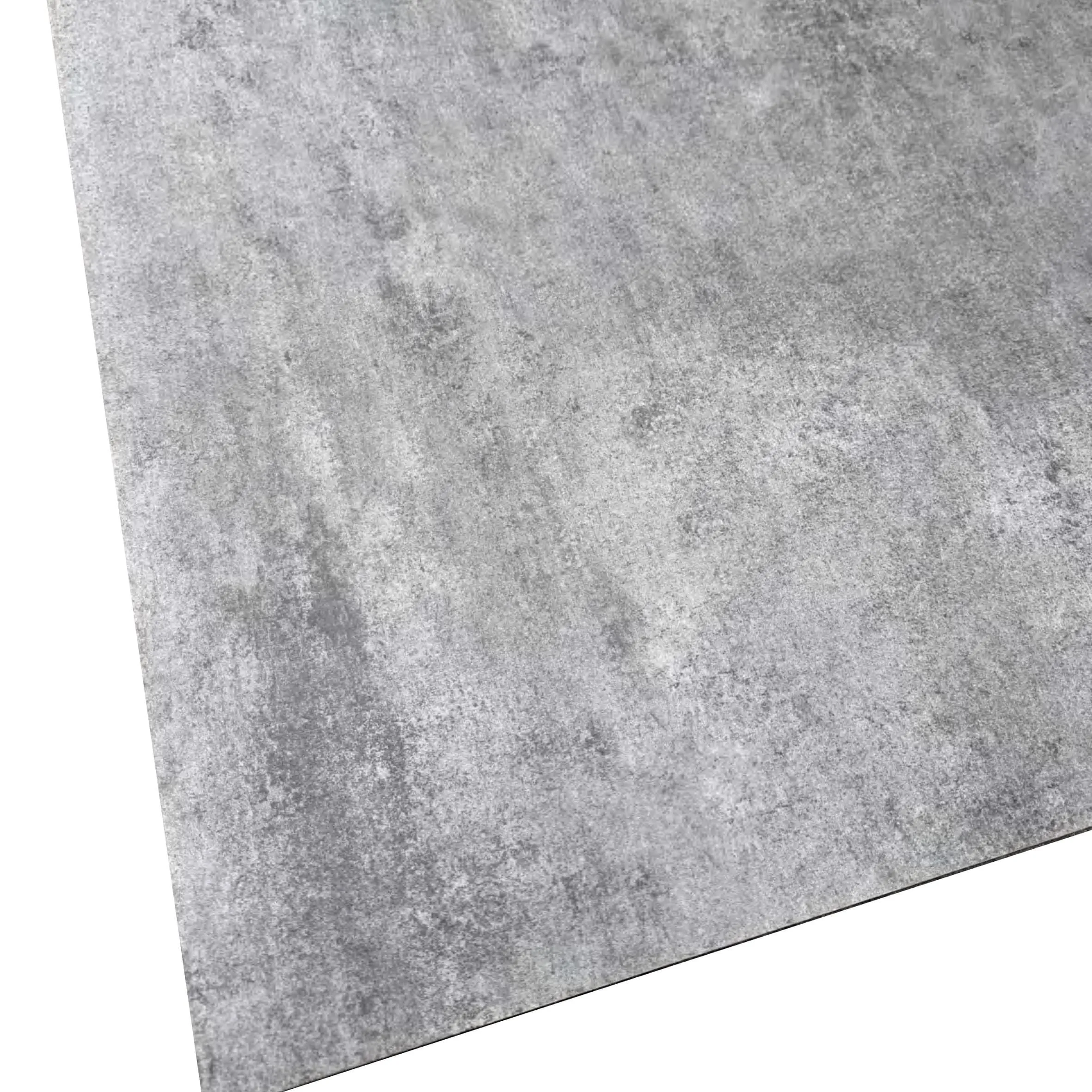
MCM—short for Modified Composite Material—is a revolutionary category of building materials designed to mimic the look of natural stone, wood, or metal, but with supercharged performance. At the heart of this lineup is the MCM Big Slab Board series: extra-large, ultra-lightweight panels that redefine what's possible in surface design. Unlike traditional stone slabs (which are heavy, brittle, and limited in size) or concrete (which requires joints), MCM Big Slab Boards are engineered to be both massive and manageable.
Think of them as "designer's dream panels": available in sizes up to 3 meters by 1.5 meters (and even larger for custom orders), they cover vast areas with far fewer seams. Made from a blend of natural minerals, recycled polymers, and reinforcing fibers, they're 70% lighter than natural stone, making installation a breeze—no need for heavy machinery or reinforced structures. And because they're factory-manufactured, their color, texture, and finish are consistent across every slab, ensuring that "seamless look" isn't just a promise, but a reality.
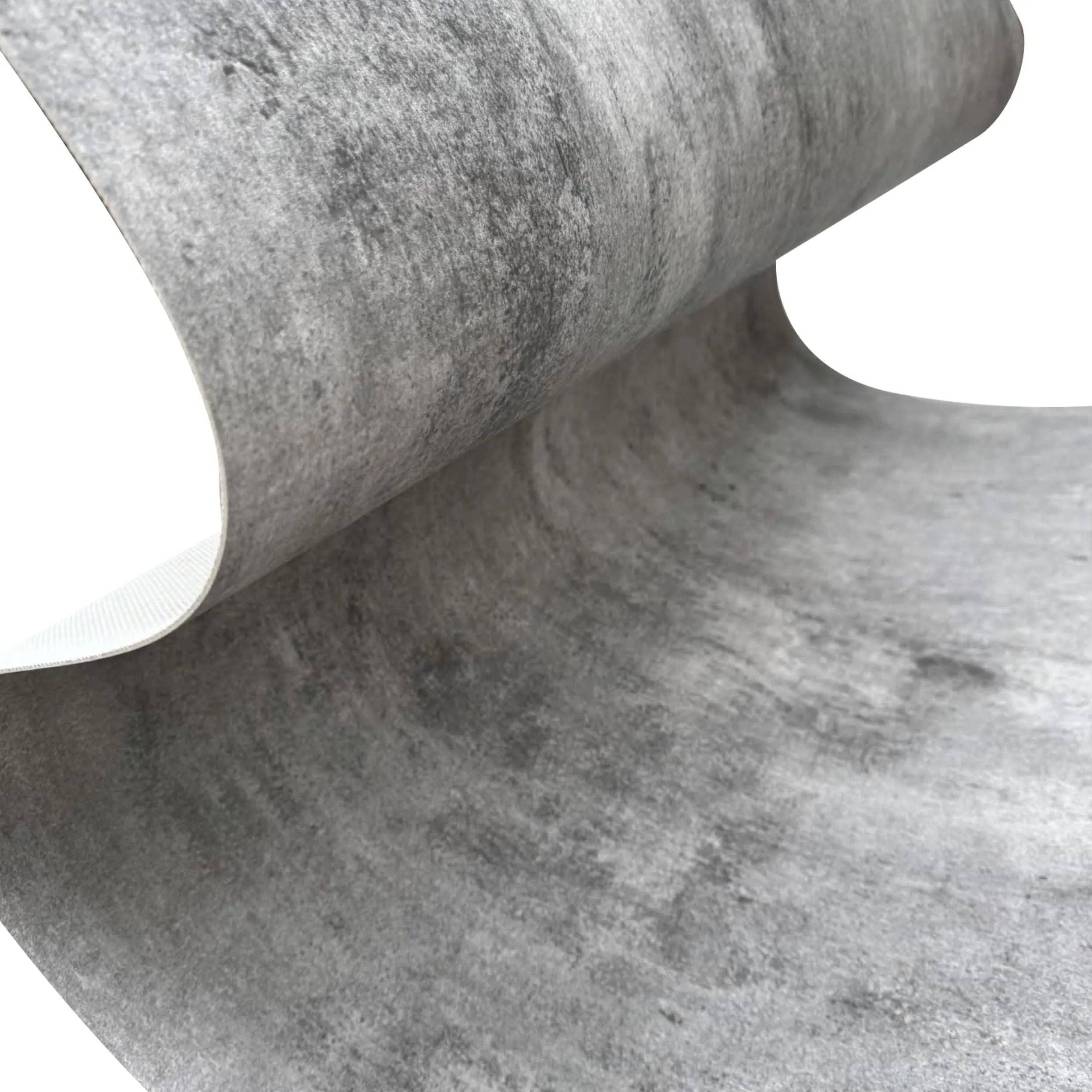
The magic of MCM Big Slab Board lies in its scale. Traditional stone slabs top out at around 1.2 meters wide; concrete pours, while larger, still need joints every 6-8 meters. MCM Big Slabs, by contrast, can span entire walls or floors with just a handful of panels. For example, a 100-square-meter lobby wall that would require 50+ standard stone tiles (and 50+ grout lines) might need only 15-20 MCM Big Slabs—cutting joint count by more than half. Fewer joints mean less visual clutter, less maintenance, and a space that feels larger, calmer, and more intentional.
But it's not just about size. MCM's flexibility plays a role, too. Unlike rigid stone or concrete, these panels can be curved slightly, allowing them to follow the contours of a wall or ceiling without cracking. Imagine a circular lobby with a curved feature wall: traditional materials would require dozens of small, wedge-shaped tiles and visible seams. With MCM Big Slab, you could wrap the curve with 2-3 panels, the joints hidden in subtle, non-disruptive places. The result? A wall that looks like it was carved from a single block—smooth, organic, and utterly striking.
What truly sets MCM Big Slab apart, though, is its versatility in finishes. Whether you're chasing the earthy warmth of natural stone, the cool sleekness of metal, or the modern edge of concrete, there's a Big Slab finish to match. Let's dive into a few standout options:
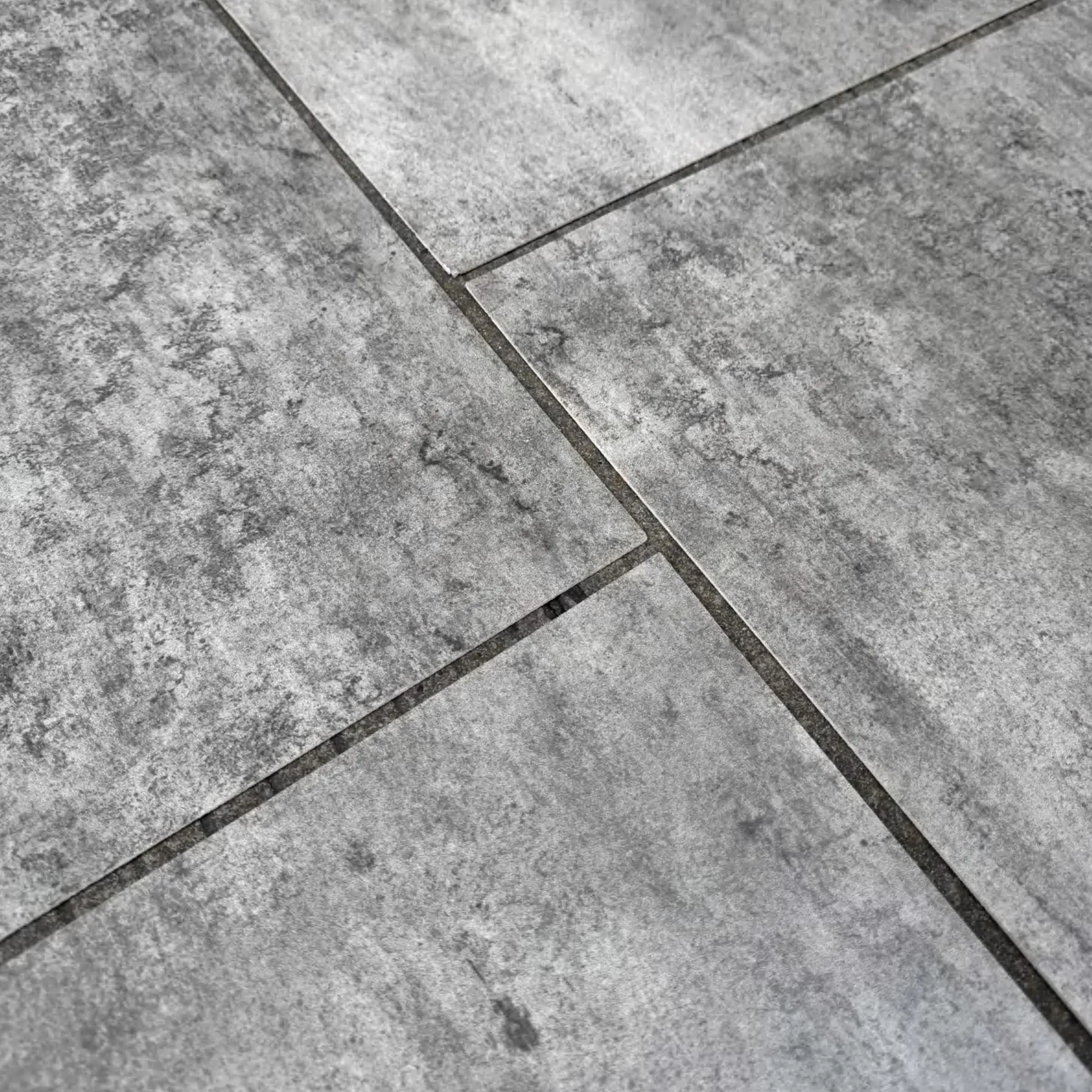
Still skeptical? Let's put MCM Big Slab Board head-to-head with traditional materials like polish concrete, marble, and granite. The difference in joint count, weight, and overall performance is clear:
| Material | Max Slab Size (WxH) | Weight (kg/sqm) | Joints per 100 sqm* | Durability (Scratch/Stain Resistance) |
|---|---|---|---|---|
| MCM Big Slab Board | 3m x 1.5m | 8-12 kg | 15-20 joints | High (resistant to most stains/scratches) |
| Polish Concrete | 6m x 3m (with joints every 6-8m) | 240 kg | 40-50 joints | Medium (prone to staining; requires sealing) |
| Natural Marble | 1.2m x 0.8m | 20-25 kg | 80-100 joints | Low (soft; prone to scratches/etching) |
| Granite | 1.5m x 1m | 28-30 kg | 60-70 joints | High (hard; but heavy, brittle) |
*Estimated joint count based on standard installation practices for a 100 sqm area with minimal cutting.
The numbers tell the story: MCM Big Slab Board offers larger sizes, lighter weight, and far fewer joints than traditional options. And when it comes to durability? It holds its own against granite and outperforms marble and even polish concrete, which requires regular sealing to resist stains. For busy commercial spaces—airports, malls, restaurants—this translates to lower maintenance costs and a longer-lasting, better-looking surface.
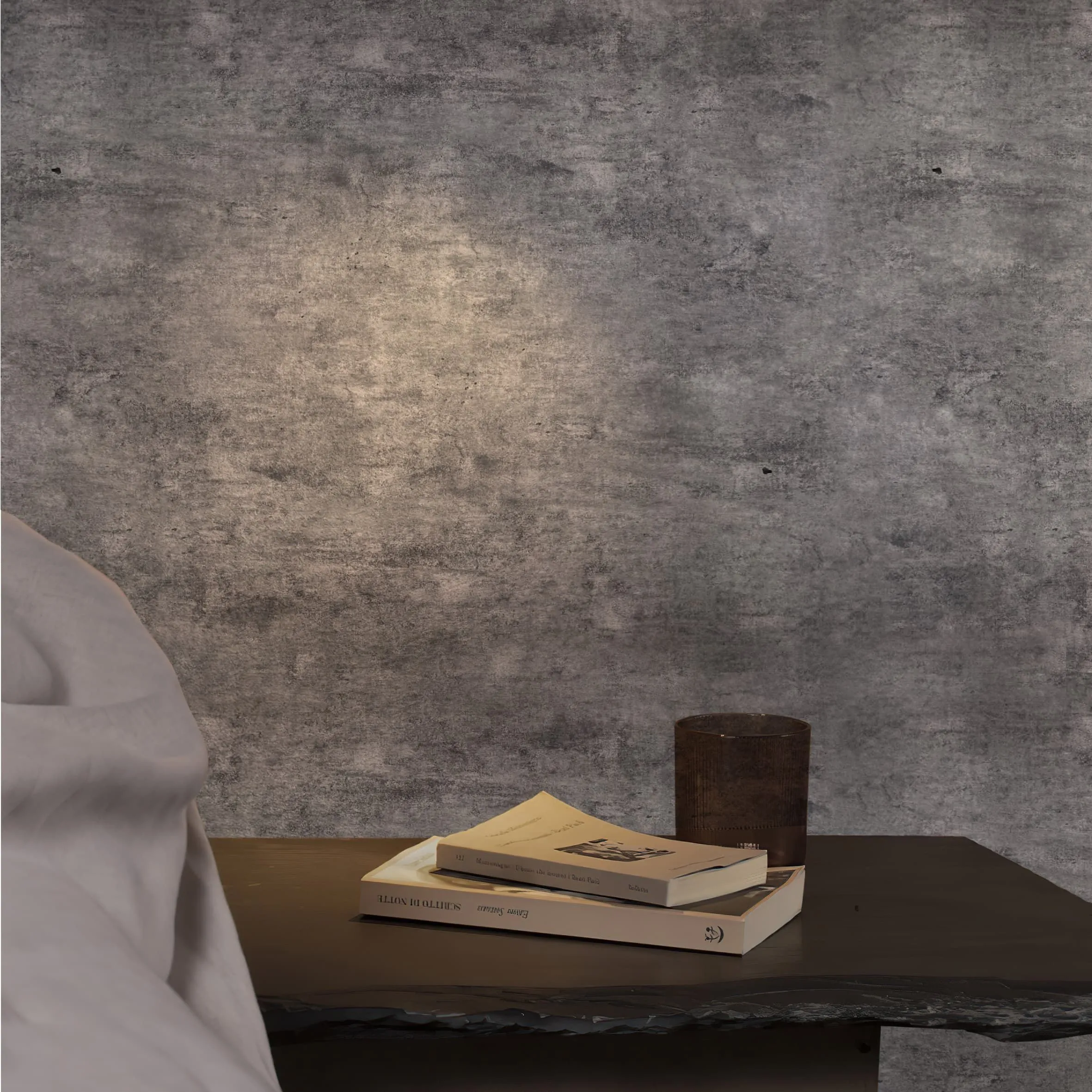
While the seamless look is a major draw, MCM Big Slab Board brings more to the table than just beauty. Let's break down the practical benefits:
Traditional stone or concrete installation is labor-intensive. Heavy slabs require cranes or teams of workers to maneuver; concrete needs time to cure. MCM Big Slabs, being lightweight, can be carried by 2-3 people and installed with basic tools. A 500 sqm commercial project that might take 2 weeks with marble could be done in 3-4 days with MCM—saving time, labor costs, and minimizing disruption to businesses.
MCM is made with recycled materials (up to 30% post-consumer content) and requires less energy to produce than mining and cutting natural stone. Its lightweight design also reduces transportation emissions—trucks can carry more panels per trip, cutting down on fuel use. For eco-conscious clients and LEED-certified projects, this is a huge win.
MCM Big Slab Board is built to last. It's resistant to moisture (no warping or rotting), UV rays (no fading in sunlight), and impact (perfect for spaces with kids, luggage, or heavy furniture). Unlike marble, it won't etch from acidic spills like coffee or wine. And because there are fewer joints, there's less risk of water seeping in and causing mold or structural damage—critical for basements, bathrooms, or outdoor areas.
It's one thing to talk about benefits; it's another to see them in action. Take the Azure Museum of Modern Art in Seattle, which reopened last year after a $12 million renovation. The museum's central atrium features a 200-square-meter wall designed to mimic the flow of a waterfall—smooth, continuous, and alive with movement. Originally, the design team planned to use polished concrete, but the need for expansion joints would have turned the "waterfall" into a series of disjointed steps. Enter MCM Big Slab Board in Lunar Peak Silvery: 3m x 1.5m panels with a cool, silvery finish that shimmers like water under the atrium's skylights. The result? A wall that looks like it was sculpted from a single block of moonlight—no joints, no interruptions. Visitors often stop to take photos, marveling at how "the whole space feels like it's breathing."
Or consider the GreenHaven Spa in Miami, where the owners wanted treatment rooms to evoke a "cave-like serenity" with natural stone walls. Traditional travertine tiles would have required hundreds of grout lines, disrupting the calm. Instead, they chose MCM Big Slab in Travertine (Starry Green)—large panels with the same pitted, organic texture as natural travertine, but in a seamless expanse. "Our clients say the rooms feel like a hidden grotto," says spa director Maria Gonzalez. "No lines, no distractions—just pure relaxation. And cleaning? A breeze. No more scrubbing grout with toothbrushes!"
Joints have long been the unsung villain of large-scale design—small, lines that chip away at a space's potential. MCM Big Slab Board isn't just a material; it's a movement toward spaces that feel intentional, immersive, and alive. Whether you're designing a hotel lobby, a restaurant, a home, or a museum, it offers the freedom to dream bigger: to create surfaces that flow, that connect, that make people stop and say, "Wow, this feels different."
With its blend of beauty, durability, and sustainability, MCM Big Slab Board is more than a trend—it's the future of how we build and design. And as more designers and architects discover its potential, we'll likely see fewer joints, more seamless spaces, and a world where our surroundings feel as cohesive and inspiring as the ideas they're meant to reflect.
So the next time you walk into a space that takes your breath away—one where the walls and floors feel like a single, perfect story—chances are, you're looking at MCM Big Slab Board. And once you've experienced that seamless magic, you'll never see joints the same way again.
Recommend Products












