

In the world of architecture, large-scale projects—whether soaring commercial towers, sprawling cultural complexes, or expansive residential developments—demand more than just structural integrity. They require materials that tell a story, that bridge the gap between bold ambition and human warmth, and that stand the test of time without sacrificing design flexibility. Today's architects and designers aren't just building structures; they're crafting experiences. And at the heart of that craft lies the choice of surface materials—the skin that defines a building's character.
Enter the MCM Big Slab Board Series: a collection of architectural surfaces designed to meet the rigorous demands of large-scale projects while unlocking new creative possibilities. Among its standout offerings is Fine Line Stone (White) —a material that marries the timeless elegance of natural stone with the practicality of modern engineering. But before we dive into what makes this particular stone a game-changer, let's first understand what sets the MCM Big Slab Board Series apart in a crowded market.
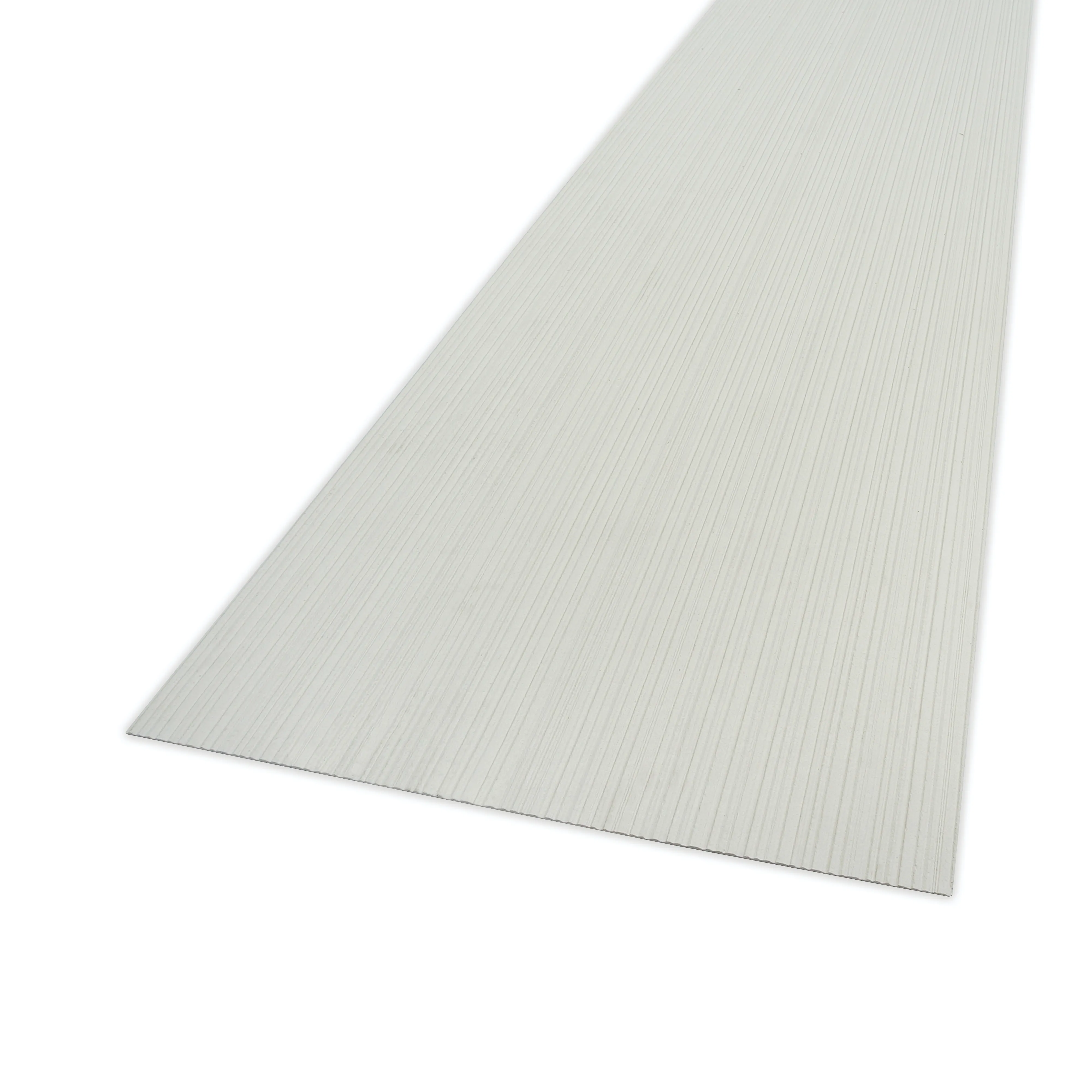
MCM, short for Modified Composite Material, has long been celebrated for its innovative approach to surface design. The Big Slab Board Series takes this legacy further by focusing on scale—offering larger-than-life panels that minimize seams, reduce installation time, and create a sense of visual continuity that smaller tiles simply can't match. But size is just the beginning.
What truly distinguishes the series is its commitment to MCM flexible stone technology. Unlike rigid natural stone slabs that crack under stress or heavyweight concrete panels that strain structural supports, MCM flexible stone combines the look and feel of authentic stone with the flexibility to bend, curve, and adapt to complex architectural forms. This duality—strength without brittleness, beauty without bulk—makes it ideal for projects where design ambition meets practical constraints.
From the rustic charm of travertine (starry green) to the metallic sheen of lunar peak silvery , the series spans a spectrum of aesthetics, ensuring there's a surface to suit every vision. Yet, among these, Fine Line Stone (White) emerges as a versatile favorite—a blank canvas that elevates spaces with understated sophistication.

Fine Line Stone (White) draws its inspiration from the quiet grandeur of natural stone formations—think the delicate veining of marble quarried from Italian hillsides or the smooth, weathered surfaces of limestone cliffs. But instead of replicating these patterns exactly, it distills them into something more refined: fine, wispy lines that traverse the surface like brushstrokes, adding depth without overwhelming the eye.
The color palette is intentionally restrained. Its base is a soft, warm white—not the stark, clinical white of institutional spaces, but a hue with subtle undertones that shift with light. In morning sun, it glows with a creamy warmth; under artificial lighting, it takes on a cool, silvery elegance. This chameleon-like quality makes it adaptable to diverse environments, from sun-drenched lobbies to intimate interiors.
But what truly sets it apart is the texture. Run a hand over its surface, and you'll feel a gentle, tactile grain—smooth enough for easy cleaning, yet textured enough to catch light and shadow, creating a dynamic play that static materials lack. It's a material that invites touch, that feels alive in a space.
For large-scale projects, beauty alone isn't enough. Materials must perform—and Fine Line Stone (White) delivers on every technical front.
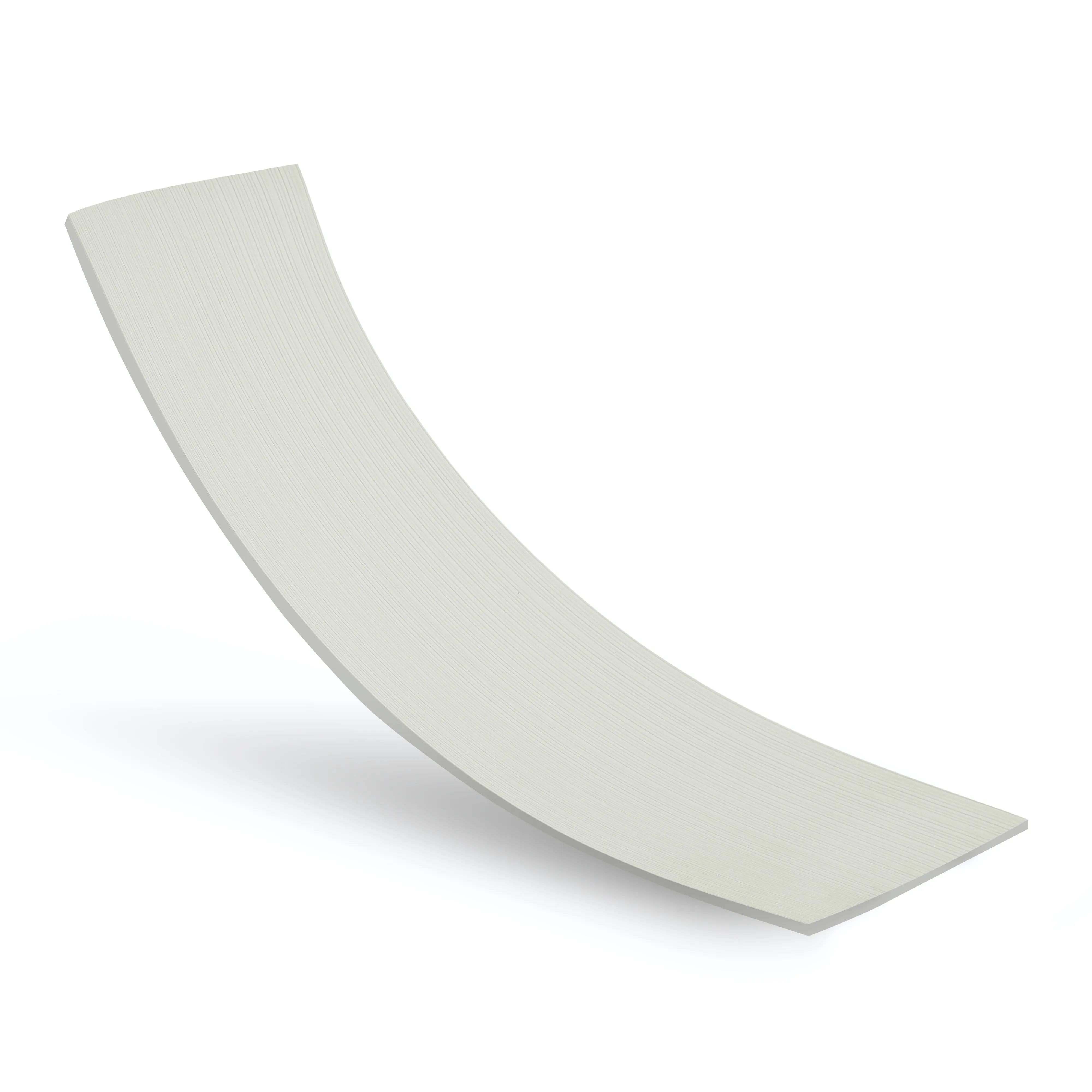
To truly appreciate Fine Line Stone (White), it helps to see how it compares to other popular materials in large-scale architecture. Below is a breakdown of key features, pitting it against fair-faced concrete , travertine (starry green) , and lunar peak silvery —each a strong contender in its own right.
| Material | Aesthetic Character | Weight (kg/m²) | Durability | Installation Ease |
|---|---|---|---|---|
| Fine Line Stone (White) | Soft white base with delicate, natural veining; warm texture | 12-15 | Excellent (UV, water, and impact resistant) | High (lightweight, flexible, large slabs reduce seams) |
| Fair-Faced Concrete | Raw, industrial look with visible formwork marks; cool gray tones | 22-28 | Good (prone to staining without sealant) | Medium (heavy, requires precise formwork) |
| Travertine (Starry Green) | Earthy green base with fossil-like "star" inclusions; porous texture | 45-55 | Moderate (porous, needs regular sealing; prone to scratching) | Low (heavy, brittle, small tiles require more labor) |
| Lunar Peak Silvery | Metallic silver with iridescent flecks; futuristic, high-gloss finish | 18-22 | Good (scratch-resistant but may show fingerprints) | Medium (requires careful handling to avoid surface damage) |
The table tells a clear story: Fine Line Stone (White) balances aesthetics, practicality, and sustainability in a way that few materials can. It offers the warmth of natural stone without the weight, the durability of concrete without the industrial coldness, and the versatility of metallic surfaces without the high maintenance.
Numbers and specs tell part of the story, but it's in real-world applications that Fine Line Stone (White) truly shines. Let's explore three projects where it transformed vision into reality.
In the heart of a bustling metropolis, Azure Heights—a 42-story residential tower—needed a facade that would stand out without clashing with its urban surroundings. The architects chose Fine Line Stone (White) for its ability to reflect light, turning the building into a beacon at dawn and dusk. The large slabs (1200x2400mm) created a seamless, monolithic look, while the fine veining added subtle movement, preventing the surface from feeling flat or sterile. Residents report that the building's exterior feels both modern and timeless, a rare feat in a city of ever-changing trends.
The Helios Cultural Center, designed to host exhibitions and performances, required interiors that would complement artworks without competing with them. Fine Line Stone (White) was used for the main lobby walls and floors, its light color maximizing natural light from the glass ceiling. The material's acoustic properties—absorbing sound rather than reflecting it—created a quiet, contemplative atmosphere, ideal for viewing art. "It's like walking through a gallery carved from a single block of stone," one visitor noted, "but with the warmth of a space that feels lived-in, not cold."
GreenWave, a LEED Platinum-certified commercial hub, prioritized eco-friendly materials without compromising on design. Fine Line Stone (White) was selected for its recycled content and low carbon footprint, as well as its durability. The material clad the building's facade and interior common areas, standing up to heavy foot traffic and exposure to the elements. "We wanted a material that would last 50 years without needing replacement," said the project manager. "Fine Line Stone (White) didn't just meet that requirement—it exceeded it, and looked stunning doing so."
Architecture is about more than buildings—it's about how we interact with space. Materials play a silent but powerful role in this interaction, influencing our mood, behavior, and perception. Fine Line Stone (White) excels here because it balances the solidity of stone with a surprising lightness of being. In healthcare settings, its clean, bright surface evokes calm and cleanliness; in hospitality, it adds a touch of luxury without feeling exclusive; in education, it creates environments that feel both durable and inspiring.
Consider how light interacts with it: in a classroom, the soft white reflects natural light, reducing eye strain and boosting focus. In a restaurant, warm artificial lighting brings out the subtle undertones, making the space feel intimate. Even in outdoor spaces, it holds heat differently than darker materials, staying cool to the touch on hot days—a small detail that makes a big difference in user comfort.
As architecture continues to evolve, so too will the materials that define it. The MCM Big Slab Board Series, with innovations like Fine Line Stone (White), points to a future where customization, sustainability, and performance go hand in hand. Imagine buildings with surfaces that adapt to weather conditions, or facades that change color with the seasons—all while maintaining the durability and beauty we demand.
With the rise of technologies like 3D printing (a cornerstone of the MCM 3D printing series ), the possibilities for surface design are expanding exponentially. Fine Line Stone (White) is just the beginning—a preview of how materials can be both a canvas for creativity and a solution to the practical challenges of modern construction.
In the end, large-scale architecture demands materials that don't just meet standards—they set them. Fine Line Stone (White), part of the MCM Big Slab Board Series, does exactly that. It's a material that understands the tension between form and function, between tradition and innovation, and between the grand scale of architecture and the intimate human experience of space. For architects and designers ready to push boundaries without compromising on practicality, it's not just a choice—it's a transformation.
Recommend Products












