
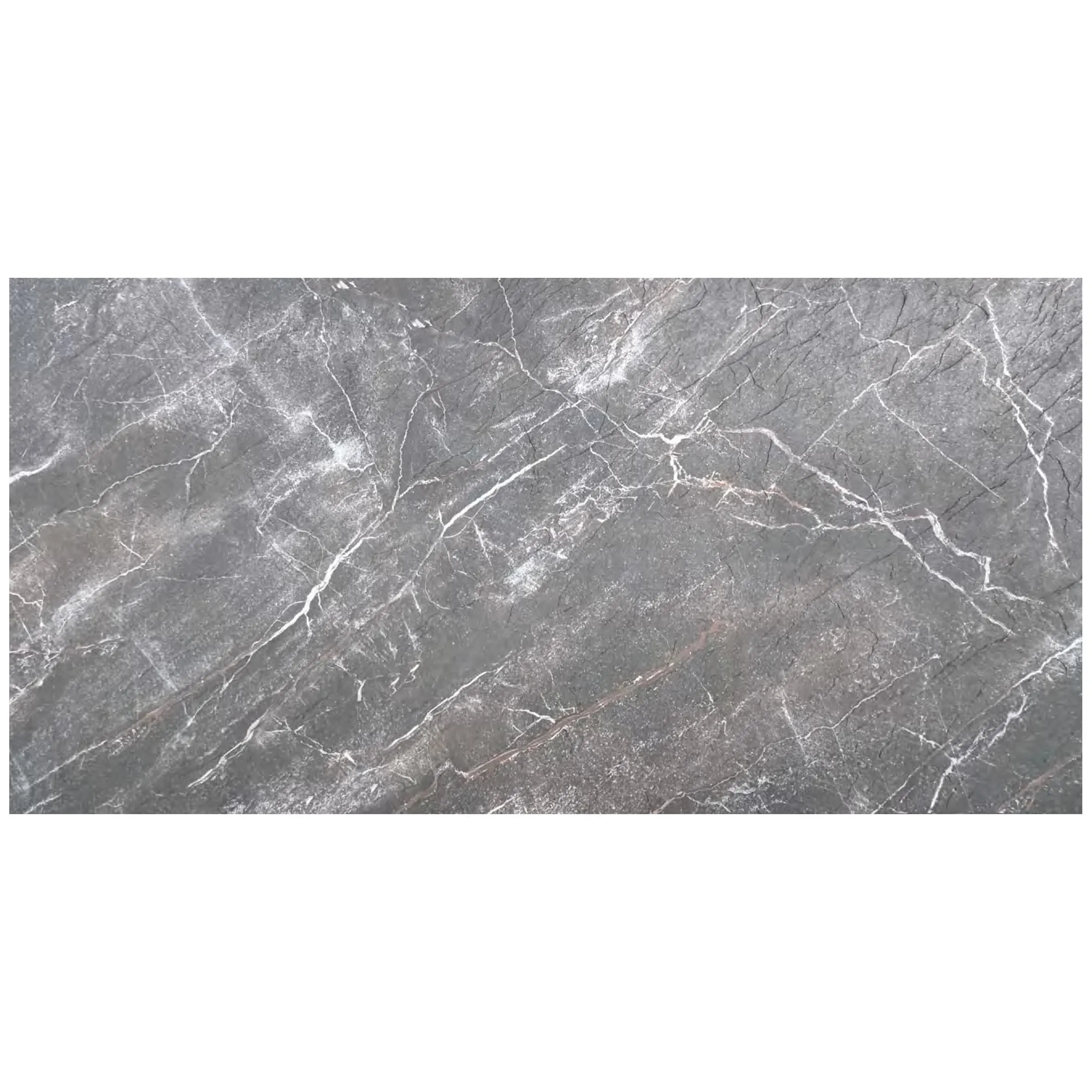
Modern architecture is no longer just about erecting walls and roofs—it's about crafting stories. Every material, every texture, every hue contributes to a narrative that blends functionality with emotion. For decades, natural stone has been the quiet storyteller of this craft, bringing timelessness and grandeur to structures worldwide. Yet among the vast array of natural stones, one stands out for its dramatic elegance: Slate Portoro. With its deep, velvety black base streaked with gold veins that seem to glow from within, it's a material that doesn't just decorate a space—it transforms it. But here's the catch: nature's masterpieces often come with heavy costs, quite literally. Enter the MCM Big Slab Board Series —a revolutionary line of building materials designed to capture Slate Portoro's awe-inspiring beauty while solving the very challenges that make natural stone a headache for modern builders. Let's dive into how this innovation is redefining elegance in contemporary architecture.
To understand why Slate Portoro has become a darling of architects and designers, we need to start with its roots. Quarried from select regions in Italy, this natural stone is a type of slate renowned for its striking contrast: a dense, jet-black background interrupted by bold, irregular gold veins. These veins aren't just lines—they're like lightning strikes frozen in stone, each one unique, each telling a 400-million-year-old story of geological formation. It's no wonder that Slate Portoro has graced some of the world's most iconic spaces: from the marble-clad lobbies of luxury hotels in Dubai to the grand fireplaces of historic villas in Tuscany. Its presence exudes opulence without being ostentatious; it's bold yet refined, making it equally at home in a minimalist penthouse or a classical museum.
But what truly sets Slate Portoro apart is its versatility in light. Under bright daylight, the gold veins shimmer like flecks of sunlight on a dark ocean; under warm artificial lighting, they take on a coppery glow, adding depth and intimacy to a room. Designers often describe it as a "chameleon stone"—one that shifts mood with the environment, keeping spaces feeling dynamic rather than static. For homeowners, it's a status symbol; for architects, it's a tool to create focal points that draw the eye and anchor a design. Small wonder, then, that demand for Slate Portoro has only grown as modern architecture leans into bold, material-driven aesthetics.
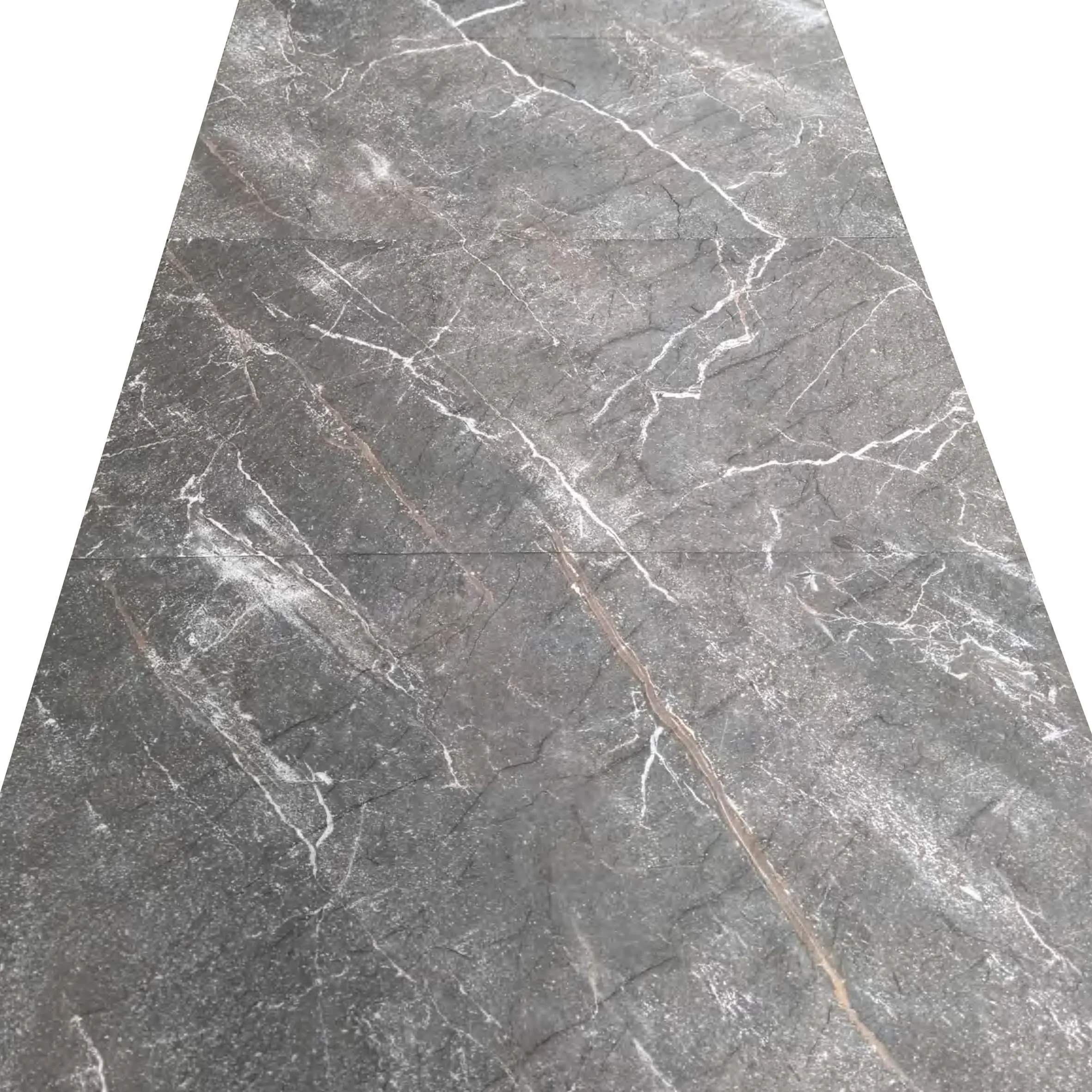
As much as we adore Slate Portoro, nature's perfection comes with a price—several, in fact. Let's start with weight. A single slab of natural Slate Portoro can weigh upwards of 200 kilograms per square meter. For high-rise buildings, this means reinforcing structural supports, adding significant costs to construction budgets. Imagine a 50-story hotel wanting to clad its facade in Slate Portoro: the engineering required to support that weight would be astronomical, not to mention the safety risks during installation. Then there's porosity. Like many natural stones, Slate Portoro is porous, making it susceptible to stains from spills, moisture, and even air pollution. In humid climates, it can develop mold; in urban areas, acid rain can etch its surface over time. Maintenance becomes a never-ending cycle of sealing, cleaning, and repairing—costly and time-consuming for both commercial and residential properties.
Supply is another hurdle. High-quality Slate Portoro is rare, and quarrying it is a labor-intensive, environmentally taxing process. Mines in Italy are strictly regulated, limiting production volumes and driving up prices. A single square meter of premium Slate Portoro can cost upwards of $500, putting it out of reach for most projects. Worse, over-quarrying has led to concerns about sustainability: each slab extracted disrupts local ecosystems, and the carbon footprint of transporting heavy stone across the globe only adds to the environmental toll. For architects and builders committed to eco-friendly practices, natural Slate Portoro often becomes a "want" rather than a "need."
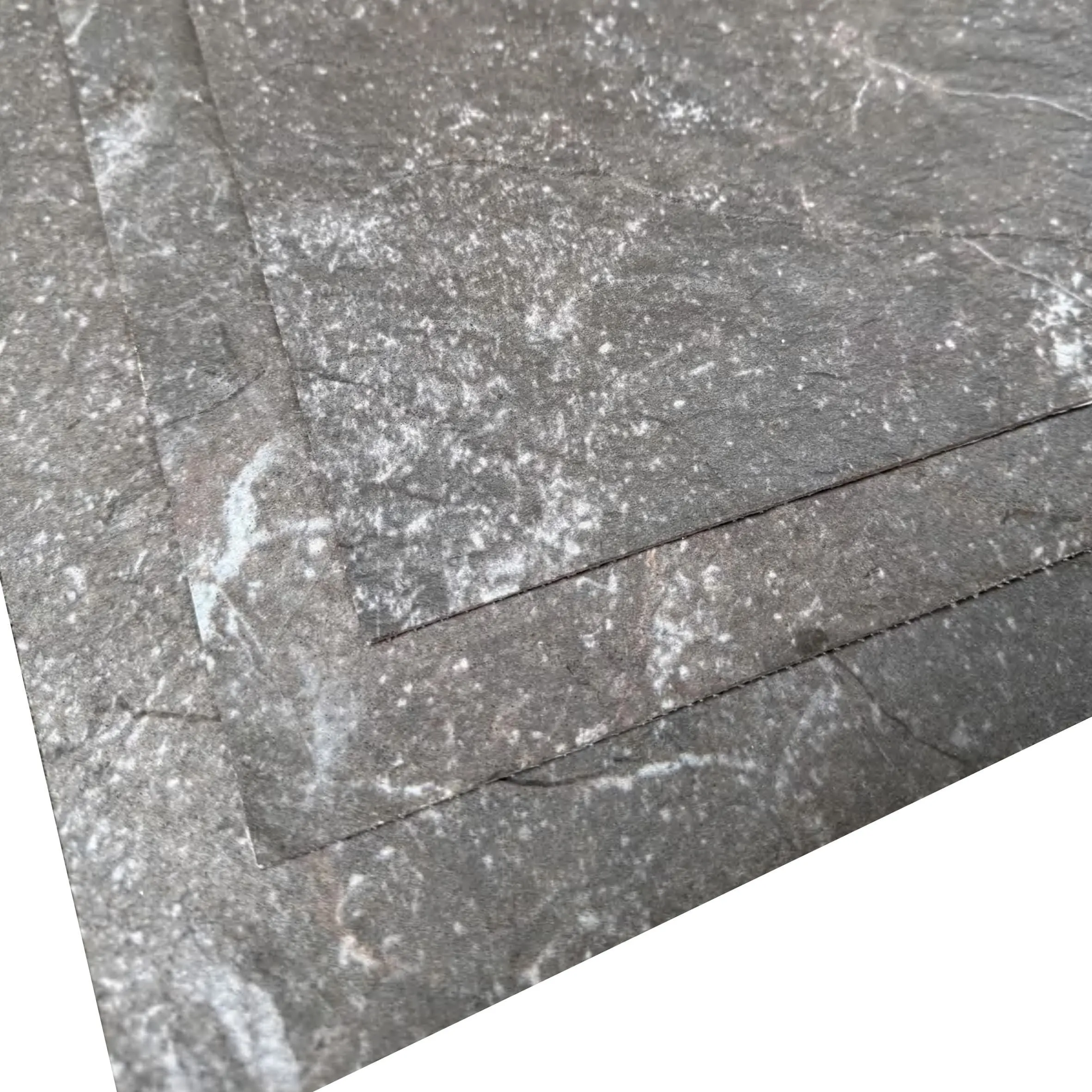
This is where the MCM Big Slab Board Series steps in. Developed by a team of material scientists and design experts, MCM—short for Modified Composite Material—is a cutting-edge blend of natural minerals, recycled polymers, and advanced binders. The result? A material that mimics the look and feel of natural stone but with the durability and practicality of modern composites. The Big Slab Series, in particular, is a game-changer: it offers large-format panels (up to 1200x2400mm) that replicate the grandeur of full-size stone slabs without the associated headaches. And when it comes to Slate Portoro, the MCM team didn't just copy the design—they captured its soul .
Replicating Slate Portoro isn't just about mixing black and gold pigments. It's about recreating the depth of the stone—the way light plays on its surface, the subtle variations in vein thickness, the tiny, almost imperceptible mineral deposits that give natural stone its "lived-in" character. To achieve this, the MCM team turned to technology, but not at the expense of artistry. First, they used 3D scanning to map the surface of 100+ premium Slate Portoro slabs, capturing every nuance of their texture and veining. This data was then fed into advanced MCM 3D printing series machines, which layer eco-friendly, mineral-rich resins to build up the panel's surface. The result? A texture so authentic that even seasoned stonemasons have to touch it to tell the difference.
Color matching was equally meticulous. The team analyzed the gold veins of Slate Portoro under spectrophotometers, identifying not just the dominant gold tones but also the subtle undertones—hints of amber, copper, and even pale yellow—that make each slab unique. These pigments were then blended into the composite material in small batches, ensuring that no two MCM Big Slab panels are identical. The finish is matte, just like natural Slate Portoro, with a slight sheen that emerges when light hits the veins at certain angles. It's this attention to detail that makes the replication so convincing: it's not a flat, printed image but a three-dimensional surface that feels as real as the stone it emulates.
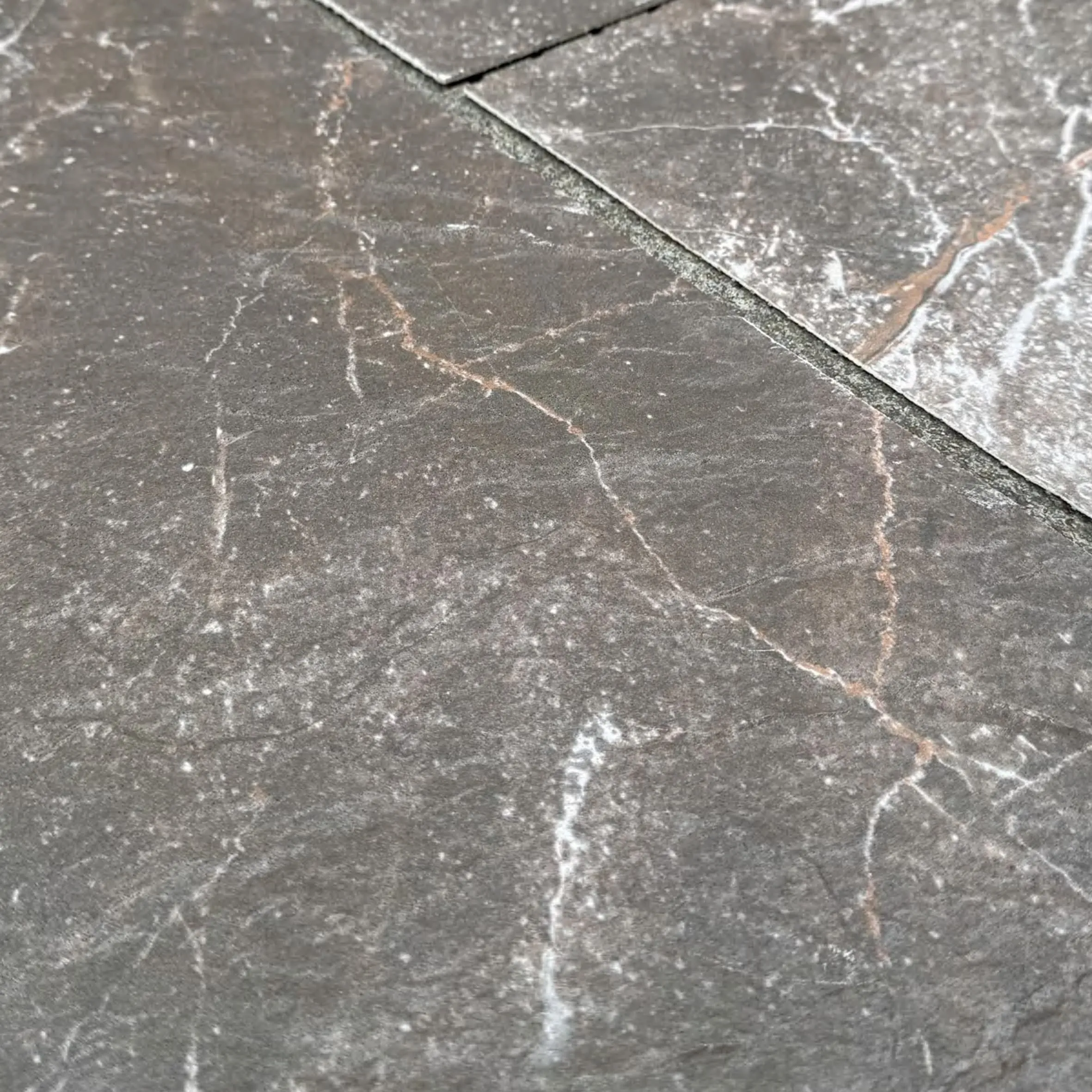
While capturing Slate Portoro's beauty was the starting point, the MCM Big Slab Series truly shines in its practical advantages. Let's break them down:
| Feature | Natural Slate Portoro | MCM Big Slab (Slate Portoro) |
|---|---|---|
| Weight (per sq.m) | 180-220 kg | 8-12 kg |
| Installation | Requires heavy machinery and structural reinforcement | Lightweight; can be installed with basic tools |
| Maintenance | Needs sealing every 1-2 years; prone to staining | Non-porous; wipe clean with water; no sealing required |
| Design Flexibility | Brittle; cannot bend or curve | Flexible; can be shaped for curved surfaces |
| Sustainability | High carbon footprint; limited supply | Recycled materials; low-carbon production |
| Cost (per sq.m) | $450-$600+ | $150-$200 |

So, where does this innovative material fit in modern design? The answer is: just about anywhere you'd use natural Slate Portoro, and then some. Let's explore a few standout applications:
Imagine walking up to a boutique hotel in downtown Manhattan. Its exterior is clad in large-format MCM Big Slab panels replicating Slate Portoro, the gold veins catching the afternoon sun. The building stands 15 stories tall, but because the panels are lightweight, the architects didn't have to skimp on window size or structural design. The result? A striking, modern silhouette that feels luxurious yet approachable. MCM's weather resistance also ensures the facade will look as good in 20 years as it does today, even with New York's harsh winters and humid summers.
For homeowners, MCM Big Slab (Slate Portoro) is a way to bring high-end design into everyday spaces. A common trend is to use it as a feature wall behind a TV or fireplace. Unlike natural stone, which would require reinforcing the wall to support its weight, MCM panels can be installed directly onto drywall using adhesive. The large slabs mean fewer seams, creating a seamless, gallery-like look. Pair it with wood grain board accents (another MCM offering) for a warm, organic contrast, and you've got a living room that feels both sophisticated and cozy.
Luxury retailers know that ambiance sells. A high-end jewelry store in Paris, for example, used MCM Big Slab (Slate Portoro) for its display counters and back walls. The black background makes the diamonds and gold jewelry pop, while the gold veins echo the merchandise, creating a cohesive visual story. Since MCM is scratch-resistant, the counters can withstand daily wear from customers and staff, and the non-porous surface means spills (perfume, lotion) wipe away without staining.
Natural Slate Portoro is rarely used outdoors because rain, snow, and UV rays degrade its surface over time. MCM Big Slab, however, thrives outside. A restaurant in Barcelona, for instance, used it to clad its outdoor patio walls, pairing it with fair-faced concrete flooring for a modern, industrial-chic vibe. Even after three years of Spanish sun and rain, the panels still look brand-new—no fading, no cracks, no moss growth. It's a testament to MCM's durability and a reminder that beauty doesn't have to be fragile.
While Slate Portoro is a showstopper, the MCM Big Slab Series offers a wide range of other finishes, each designed to cater to different aesthetic preferences. From the earthy warmth of wood grain board to the industrial edge of fair-faced concrete, there's a panel for every design vision. What ties them all together is the same commitment to quality, sustainability, and practicality that makes the Slate Portoro replication so successful. Whether you're designing a beachfront villa (try the Bali Stone finish) or a tech startup office (foamed aluminium alloy board in vintage silver), the Big Slab Series ensures you don't have to choose between beauty and functionality.
The MCM Big Slab Board Series isn't just a building material—it's a bridge between the past and the future. It honors the timeless elegance of natural stones like Slate Portoro while embracing the innovation needed to make modern architecture more accessible, sustainable, and creative. For architects, it's a tool to push boundaries; for builders, it's a way to deliver projects on time and on budget; for homeowners, it's the chance to live in spaces that feel luxurious without the stress of high maintenance. In a world where we're increasingly conscious of both beauty and practicality, MCM Big Slab proves that we don't have to compromise. Slate Portoro's gold veins will continue to tell stories—but now, those stories can be told in skyscrapers, homes, and public spaces around the world, without weighing us down.
So the next time you walk into a building and find yourself staring at a stunning black-and-gold stone wall, take a closer look. It might just be MCM Big Slab—proof that some of the best stories in architecture are written not by nature alone, but by the innovative minds that find new ways to celebrate its beauty.
Recommend Products












