
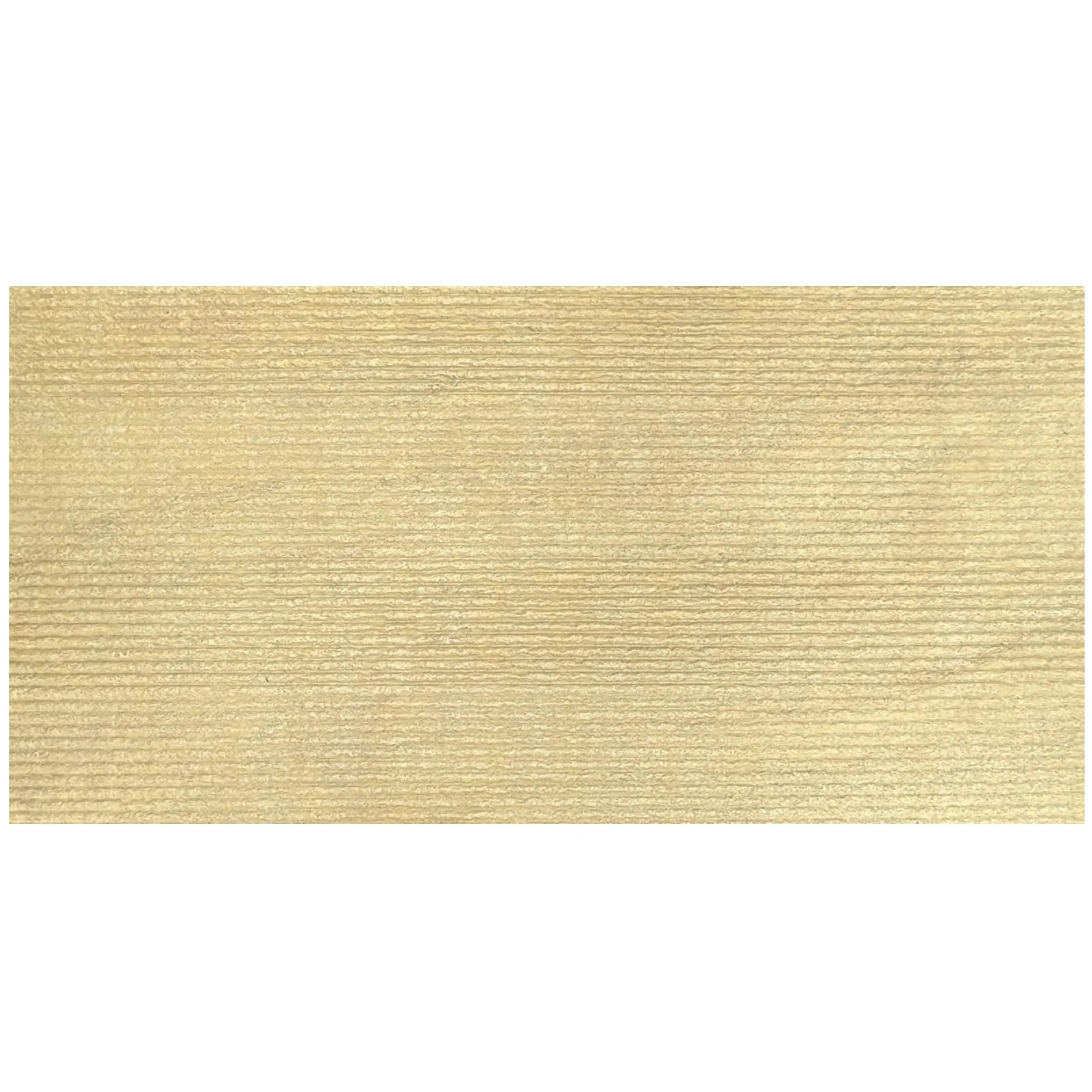
Walk into a contemporary art gallery, a boutique hotel, or even a cutting-edge corporate office, and you'll likely notice a common thread: walls and facades that don't just serve a functional purpose—they tell a story. Large-format cladding has revolutionized how we design spaces, turning ordinary surfaces into focal points that blend aesthetics with performance. Today, two materials stand out in this arena: the innovative MCM big slab board series and the timeless Gravel Omani Stone . Both promise to elevate interiors and exteriors, but they cater to distinct visions, budgets, and practical needs. Let's dive into their world, exploring what makes each unique, where they shine, and how to choose between them.
To understand any building material, start with its roots. Let's break down the "DNA" of these two cladding stars.
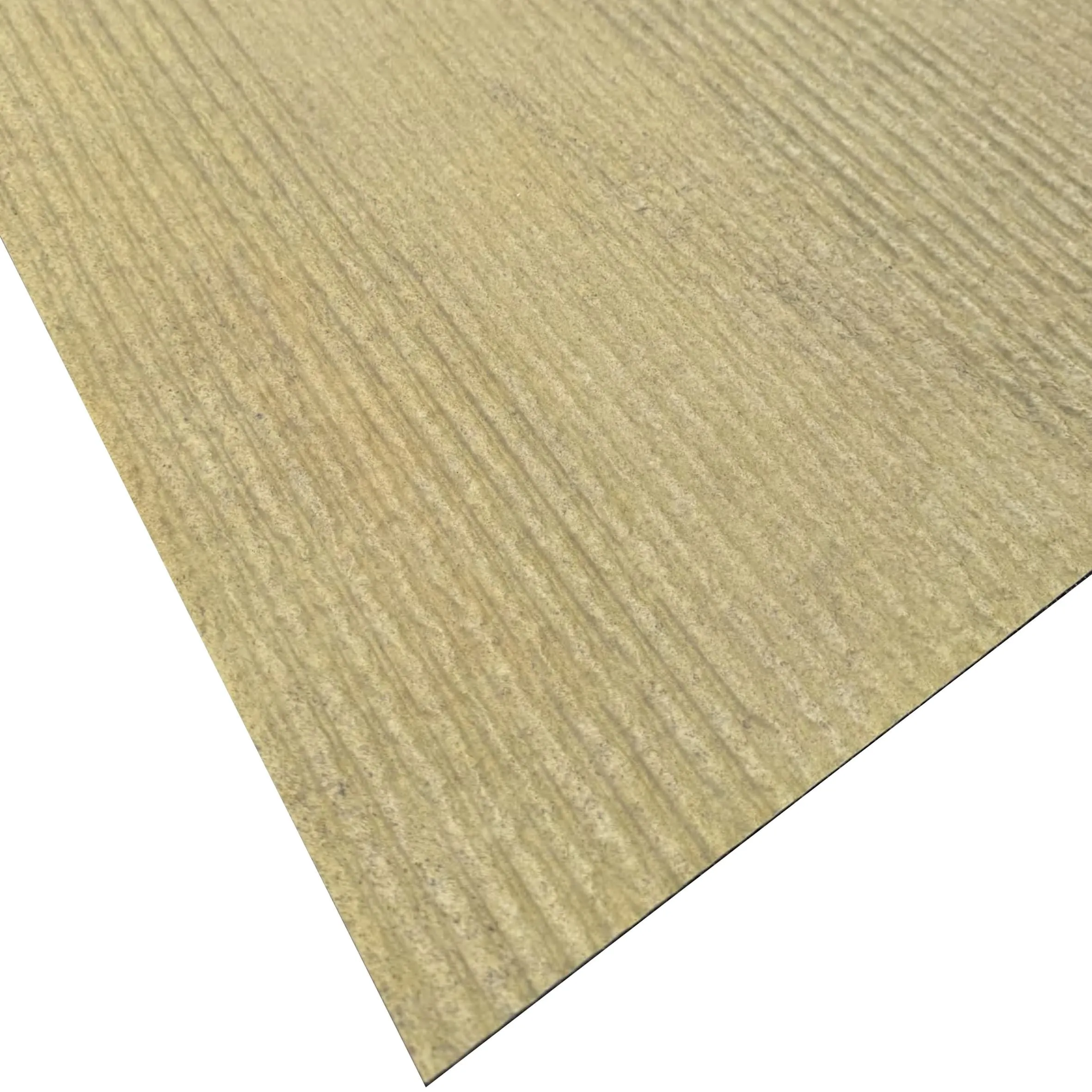
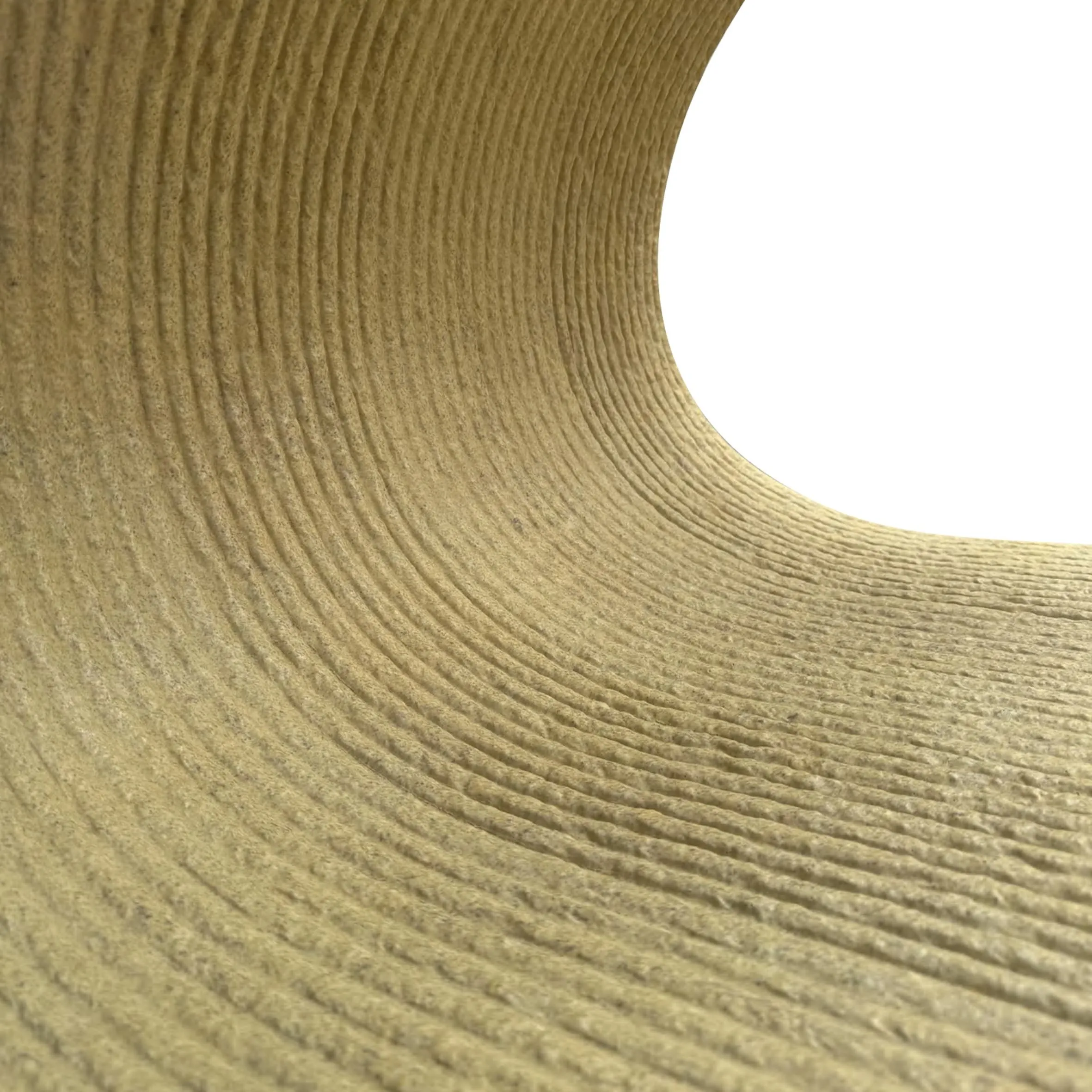
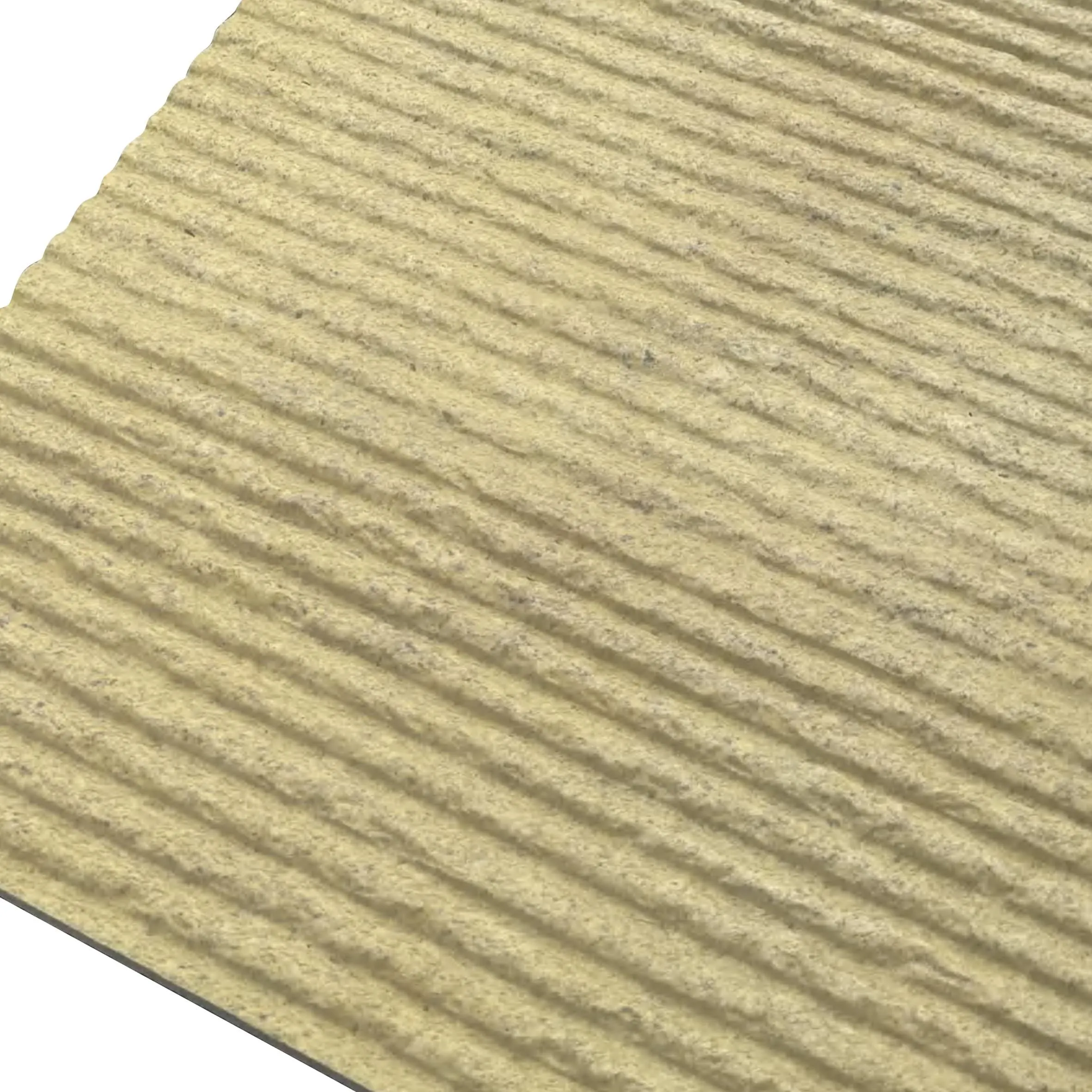
The MCM big slab board series is a product of modern material science, born from the need to marry durability with design flexibility. MCM, short for Modified Composite Material, is a hybrid of natural minerals (like stone powder and fibers) and high-performance polymers. What sets it apart is its core component: flexible stone . This isn't your typical rigid rock; it's a thin, bendable material that can be molded into large slabs (often up to 1200x2400mm) without cracking. Think of it as stone with a "memory"—it retains the look and feel of natural materials but gains the adaptability of modern composites.
Manufacturers start by grinding natural stone into a fine powder, then mix it with eco-friendly resins and reinforcing fibers. The mixture is pressed into molds, cured under controlled heat, and finished with protective coatings. The result? Slabs that weigh a fraction of natural stone (usually 8–12 kg per sqm) but offer comparable strength. It's a material designed for the 21st century: lightweight, customizable, and engineered to solve the headaches of traditional cladding (hello, heavy installation and transport costs).
On the other end of the spectrum lies Gravel Omani Stone , a natural stone quarried from the deserts and mountains of Oman. For centuries, Omani stone has been prized for its unique texture—think smooth, rounded gravel embedded in a matrix of sand and limestone, giving it a rustic, earthy charm. The stone forms over millennia as sediment deposits (gravel, sand, and minerals) are compressed and cemented together by natural processes, resulting in slabs that tell a story of time itself.
Quarrying Gravel Omani Stone is a labor-intensive process. Miners extract large blocks from the earth, then slice them into slabs using diamond-tipped saws. Each slab is unique: some have more prominent gravel clusters, others feature subtle gradients of beige, brown, and gold. No two pieces are identical, which is part of its allure. It's a material for those who crave authenticity—the kind of texture that can't be replicated in a lab.
At the end of the day, cladding is as much about beauty as it is about function. Let's see how these materials stack up in the style department.
The MCM big slab board series is a designer's dream come true. Thanks to advanced printing and texturing techniques, it can mimic almost any material under the sun—from the veining of marble to the roughness of fair-faced concrete , or even the shimmer of metals like foamed aluminium alloy. Take, for example, the travertine (starry green) variant: it replicates the porous, organic look of natural travertine but adds a twist—subtle, star-like flecks of iridescent green that catch the light, turning a plain wall into a celestial display.
Because MCM slabs are large and uniform, they create a seamless, "wall-to-wall" effect that's perfect for modern, minimalist spaces. Want a monochromatic look? Opt for solid colors like fair-faced concrete or charcoal. Craving texture? Choose a wood grain or woven pattern. The possibilities are nearly endless, making MCM a favorite for designers who want to push creative boundaries without being limited by natural stone's inconsistencies.
Gravel Omani Stone, by contrast, leans into its natural roots. Its aesthetic is all about warmth and texture—think of a desert landscape frozen in stone. The embedded gravel gives it a tactile quality; run your hand over it, and you'll feel the smooth, rounded pebbles set in a softer matrix. Colors range from pale cream to deep terracotta, with occasional hints of gray or gold, making it a natural fit for spaces that aim to evoke calm, grounded energy.
Unlike MCM's uniformity, Gravel Omani Stone celebrates imperfection. Each slab has unique gravel distribution, veining, and color variations. This makes it ideal for projects that prioritize "soul" over sleekness—rustic villas, heritage hotels, or eco-resorts where the goal is to blend with the natural environment. It's not just a cladding material; it's a piece of geology, bringing the outdoors in.
Looks matter, but in the real world, performance is king. Let's compare how these materials hold up in key areas like durability, installation, and eco-friendliness.
MCM big slabs are engineered for resilience. The flexible stone core resists cracking, even in high-traffic areas or regions with temperature fluctuations. They're also water-resistant (thanks to protective coatings), making them suitable for bathrooms, kitchens, or exterior facades in rainy climates. Stains? Wipe them off with a damp cloth—no harsh chemicals needed. UV resistance is another plus: unlike some natural stones, MCM won't fade under direct sunlight, ensuring that travertine (starry green) or other colored variants stay vibrant for decades.
Gravel Omani Stone, being natural stone, is inherently tough. It can handle scratches, impacts, and weathering better than many man-made materials. However, it's porous by nature, meaning it needs regular sealing (every 1–2 years) to prevent staining from liquids like wine or oil. In freeze-thaw climates, unsealed stone can absorb water, leading to cracks over time. It's also heavier (25–35 kg per sqm vs. MCM's 8–12 kg), which can put more stress on walls and foundations if not installed properly.
Installation is where MCM truly shines. Its lightweight nature (about 1/3 the weight of natural stone) means it doesn't require heavy machinery or structural reinforcements. Contractors can cut it on-site with standard tools, and it adheres easily to walls using specialized adhesives—a process that's faster and cheaper than traditional mortar-based installation for natural stone. For large projects, this translates to shorter timelines and lower labor costs.
Gravel Omani Stone, on the other hand, is a labor-intensive install. Its weight requires sturdy backing (like metal frames or reinforced concrete), and each slab must be carefully aligned to avoid unevenness. Mortar is often used to secure it, which takes longer to set and requires skilled masons. The result? Higher installation costs and longer project timelines, especially for large-scale applications.
In an era of eco-conscious design, sustainability is non-negotiable. MCM big slabs score points here: they're made with recycled stone powder (reducing quarry waste) and low-VOC resins, making them low-emission. Their lightweight design also cuts down on transport fuel use. Plus, since they're durable and low-maintenance, they reduce the need for frequent replacements—a win for long-term sustainability.
Gravel Omani Stone is a natural material, which some consider "greener" by default. However, quarrying natural stone can disrupt local ecosystems, and transporting heavy slabs over long distances increases carbon footprints. That said, when sourced from ethical quarries (like those with reforestation programs) and used locally, it can be a sustainable choice. It's also 100% biodegradable at the end of its life, unlike MCM (which, while recyclable, is a composite).
| Feature | MCM Big Slab Board Series | Gravel Omani Stone |
|---|---|---|
| Weight (per sqm) | 8–12 kg | 25–35 kg |
| Water Resistance | High (coated) | Moderate (needs sealing) |
| Installation Time | Fast (dry adhesive method) | Slow (requires mortar, sealing) |
| Maintenance | Low (wipe clean, no sealing) | Moderate (seal every 1–2 years) |
| Sustainability | High (recycled materials, low transport impact) | Moderate (natural but quarrying/transport costs) |
Let's look at how these materials perform in actual projects to get a clearer picture.
• Commercial Interiors: A tech startup in Singapore used MCM big slab board series in their office lobby, choosing a travertine (starry green) finish to reflect their innovative brand. The large, seamless slabs created a sense of openness, while the lightweight design allowed for easy installation on a tight deadline.
• Exterior Facades: A boutique hotel in Barcelona opted for MCM panels in fair-faced concrete texture for its exterior. The material's UV resistance ensured the gray tone stayed consistent, even under the Spanish sun, and its water resistance protected against coastal humidity.
• Residential Bathrooms: A homeowner in Canada used MCM slabs in a wood grain finish for their bathroom walls. The water resistance and easy cleaning made it perfect for a space prone to moisture, while the warm wood look added coziness.
• Eco-Resorts: A luxury resort in Oman itself used local Gravel Omani Stone for its villa walls. The earthy colors blended with the desert landscape, and the natural texture created a sense of calm for guests seeking a break from city life.
• Heritage Renovations: A 19th-century cottage in Italy was restored using Gravel Omani Stone cladding. The stone's rustic charm complemented the cottage's historic architecture, while its durability ensured it would stand another century.
• Outdoor Patios: A restaurant in Arizona installed Gravel Omani Stone on its patio walls. The stone's heat resistance kept the space cool in the desert sun, and regular sealing ensured it stayed stain-free despite spills from outdoor dining.
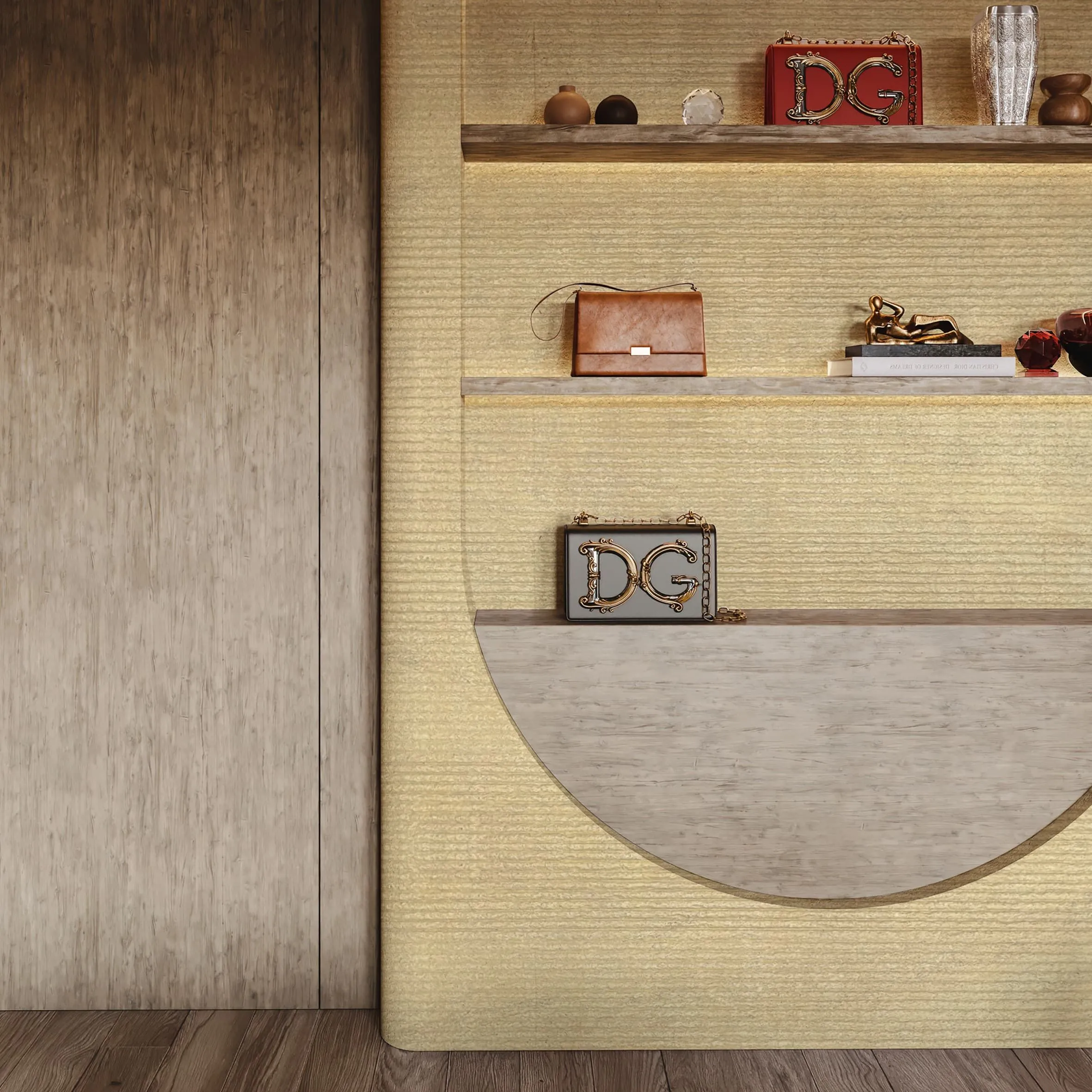
So, which one should you pick? It boils down to three questions:
• What's your aesthetic vision? If you want sleek, uniform, and customizable designs (think travertine (starry green) or fair-faced concrete ), go with MCM big slabs. If you crave natural texture, earthy colors, and a "handmade" feel, Gravel Omani Stone is your match.
• What's your budget? MCM has a higher upfront cost than some natural stones, but lower installation and maintenance costs make it more affordable long-term. Gravel Omani Stone is cheaper per sqm initially but requires sealing, heavier installation, and potential repairs—adding up over time.
• What's your project's context? For high-rise exteriors, bathrooms, or tight deadlines, MCM's lightweight, durable design wins. For low-rise buildings, heritage projects, or spaces where "naturalness" is key, Gravel Omani Stone shines.
The MCM big slab board series and Gravel Omani Stone aren't rivals—they're complementary tools in the designer's toolkit. MCM is the forward-thinking innovator, blending flexible stone technology with endless design possibilities. Gravel Omani Stone is the timeless storyteller, bringing the earth's beauty into our built environments. Whether you choose the engineered precision of MCM or the natural charm of Gravel Omani Stone, one thing is certain: large-format cladding will continue to redefine how we experience spaces, one slab at a time.
At the end of the day, the best material is the one that aligns with your project's soul—whether that's the sleek innovation of MCM or the grounded authenticity of natural stone. Happy building!
Recommend Products












