Here's the thing: Even the most beautiful material becomes a hassle if installing it takes a team of experts and a week of work. Let's break down installation into the nitty-gritty details that'll actually affect your project—weight, tools, cutting, handling, and time.
Weight: Your Back (and Budget) Will Thank You
Natural stone is heavy. Travertine (Vintage Silver) clocks in at around 25–30 kg per square meter. That might not sound like much until you're carrying a 2m x 1m slab up a flight of stairs. Suddenly, you're not just hiring installers—you're hiring extra help to move the material, and maybe even reinforcing floors or walls to support the weight. I once worked with a client who had to upgrade their wall studs because the travertine they chose was too heavy for the existing structure. Ouch.
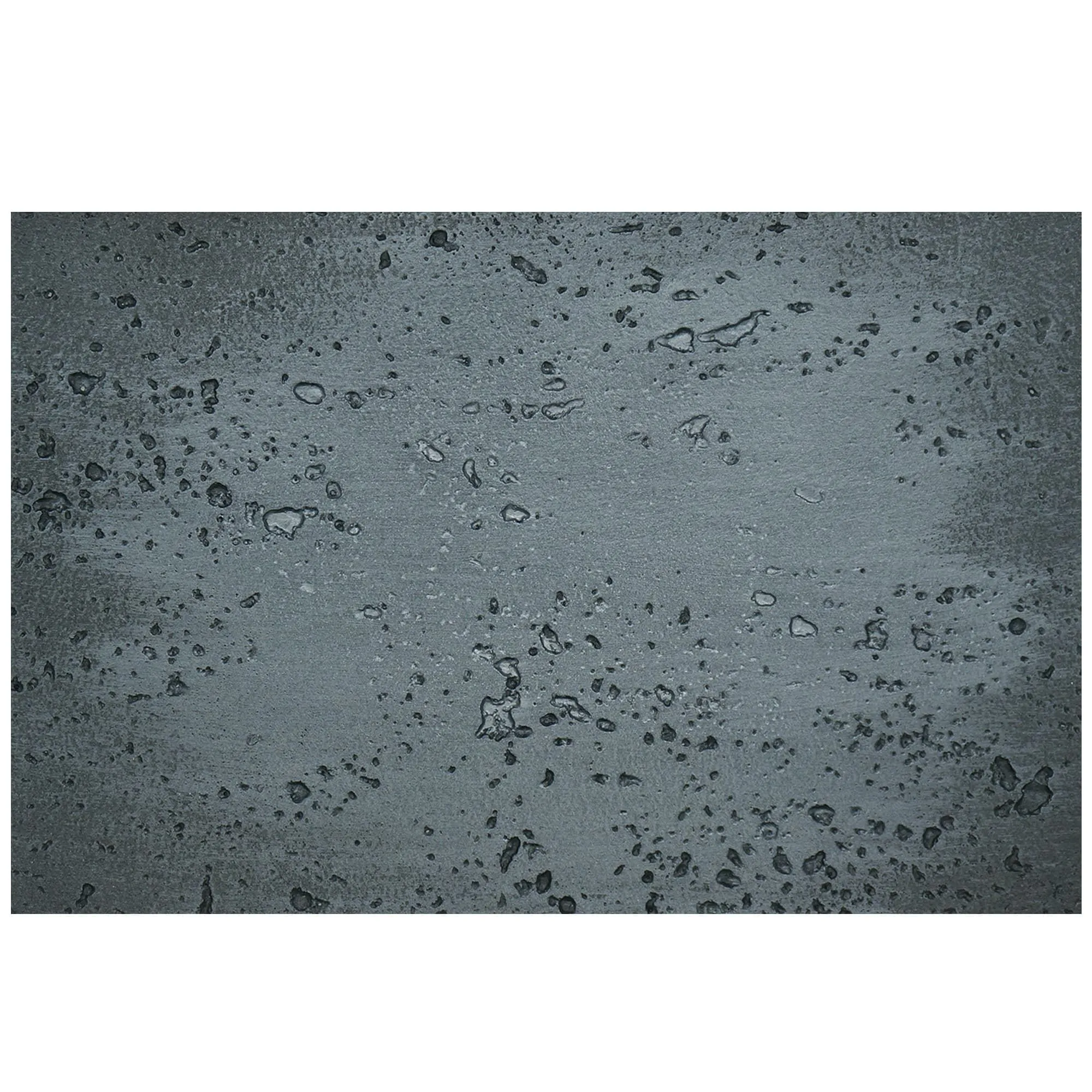
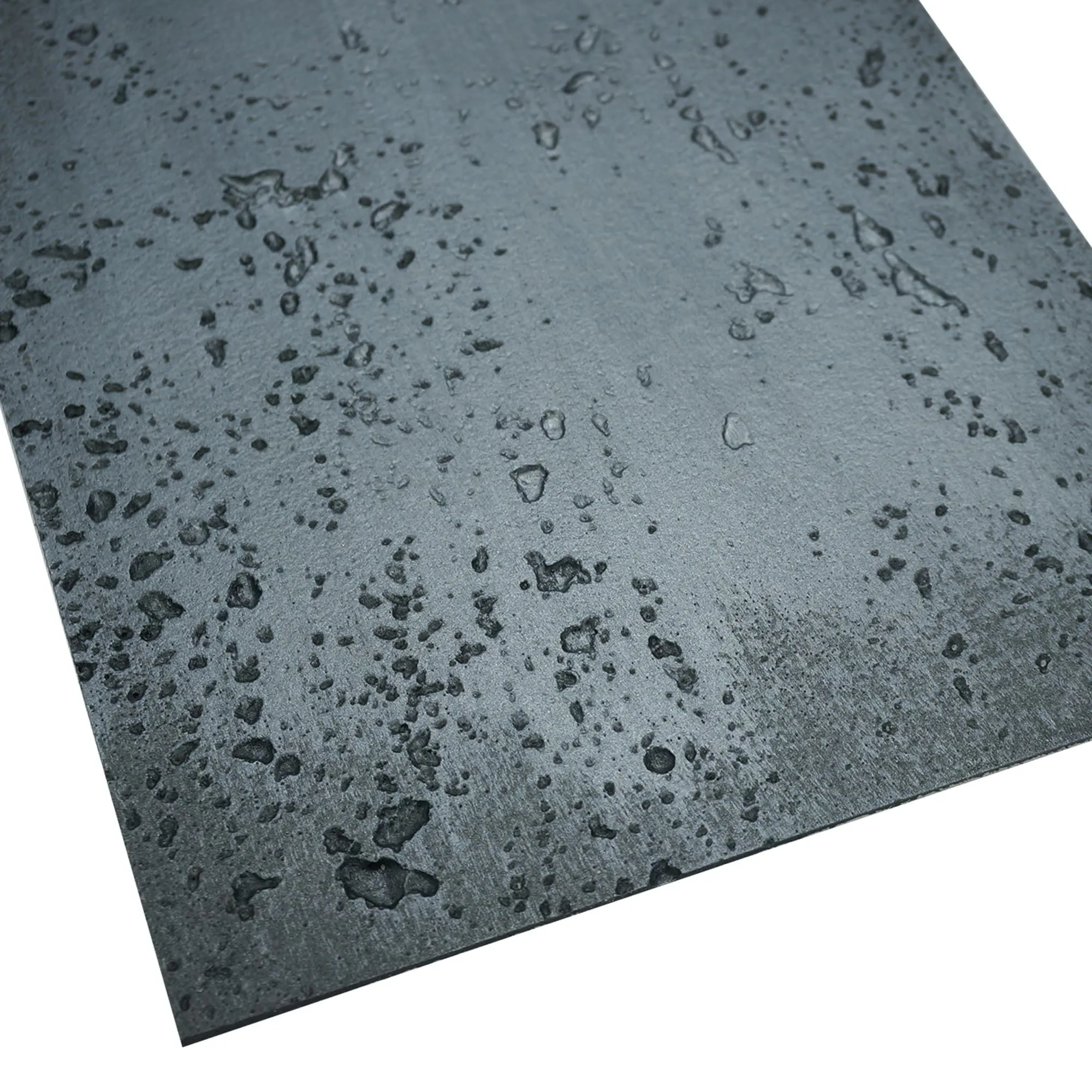
MCM Big Slab Boards? They weigh in at just 8–12 kg per square meter. That's less than half the weight of travertine. What does that mean for you? One person can carry a slab without breaking a sweat. No need for extra labor, no stress about structural support. It's a game-changer, especially for DIYers or small teams.
Tools: Do You Need a Degree in Stone Masonry?
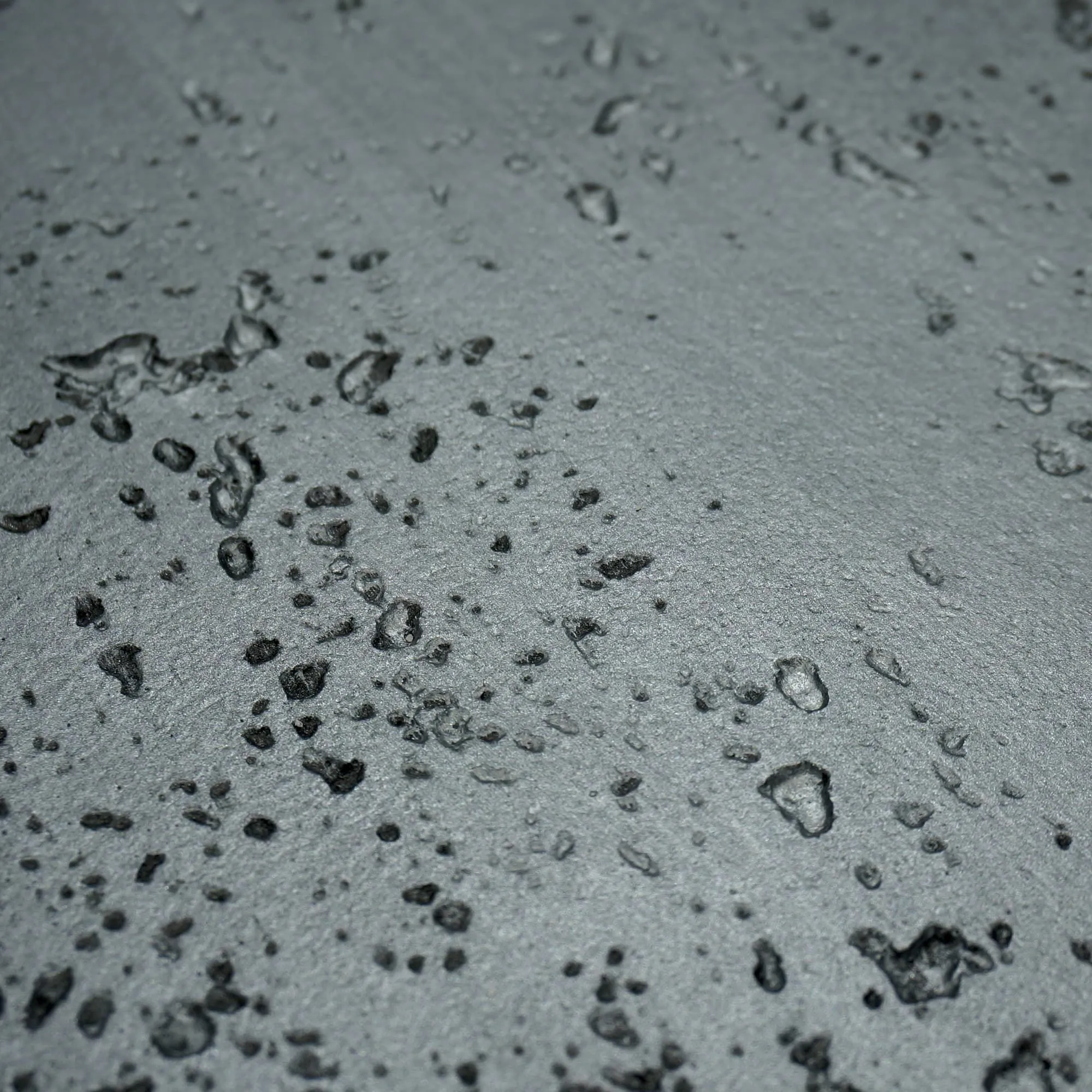
Travertine is tough, but it's also brittle. Cutting it requires specialized tools—like a wet saw with a diamond blade—to avoid chipping the edges. And even then, if you're not careful, you can crack a slab, turning a $200 piece into scrap. Plus, those vesicles we mentioned? They can make cutting uneven, so you need a steady hand and experience to get clean lines. Most homeowners end up hiring a professional stone mason, which adds to the cost.
MCM Big Slab Boards? They're designed to be user-friendly. You can cut them with a standard circular saw or even a jigsaw with a fine-tooth blade. No wet saw, no diamond blades, no drama. I've seen contractors cut MCM slabs on-site with a basic handsaw in a pinch (though we don't recommend that for precision!). The material is dense but not brittle, so it cuts cleanly every time. That means fewer mistakes, less waste, and no need to hire a specialist unless you want to.
Handling: Fragility vs. Flexibility
Travertine is natural, which means it's unpredictable. Even with careful handling, a slab can crack if it's dropped, bumped, or even if the ground is uneven during transport. I've heard horror stories of delivery teams setting a pallet down too hard, and suddenly half the order is shattered. And once it's cracked, there's no fixing it—you have to replace the whole slab. That's not just frustrating; it's expensive, especially if you're on a tight timeline.
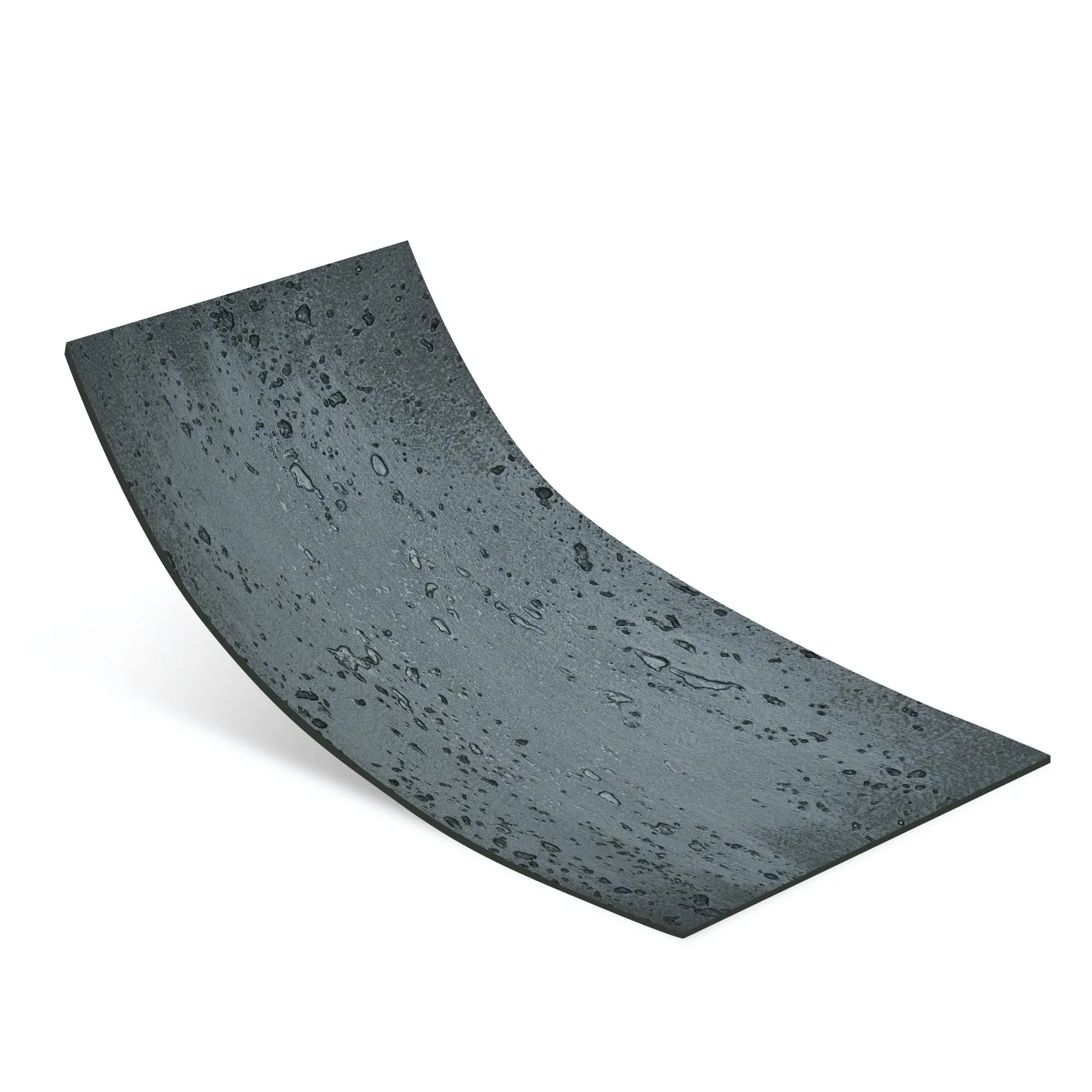
MCM Big Slab Boards, on the other hand, are flexible. Not "bend-in-half" flexible, but enough to absorb minor impacts without breaking. They're also more uniform in thickness and density, so you don't get surprise weak spots. I once watched a contractor accidentally drop a 1m x 1m MCM slab from waist height onto a concrete floor. We all winced, but when he picked it up? Not a scratch. That kind of durability during installation is priceless.
Installation Time: Days vs. Hours
Let's talk timeline. Installing travertine (Vintage Silver) is a slow process. First, you have to level the surface perfectly—any bump will show through the stone. Then, you mix thinset mortar, apply it carefully (too much, and it oozes out the sides; too little, and the slab won't stick), and then set the stone, making sure it's level and spaced evenly. And because travertine is porous, you have to seal it before and after installation to prevent stains. All told, a professional team might install 10–15 square meters in a day.
MCM Big Slab Boards? They're designed for speed. The surface prep is simpler—they adhere well to most flat surfaces, including fair-faced concrete, which is a common substrate in modern builds. The adhesive is a standard construction adhesive or even double-sided tape for lighter applications. No sealing required (though you can seal them if you want extra protection). A team can easily install 30–40 square meters in a day. That's a huge difference if you're on a deadline—like finishing a café before opening day or a home renovation before guests arrive.