
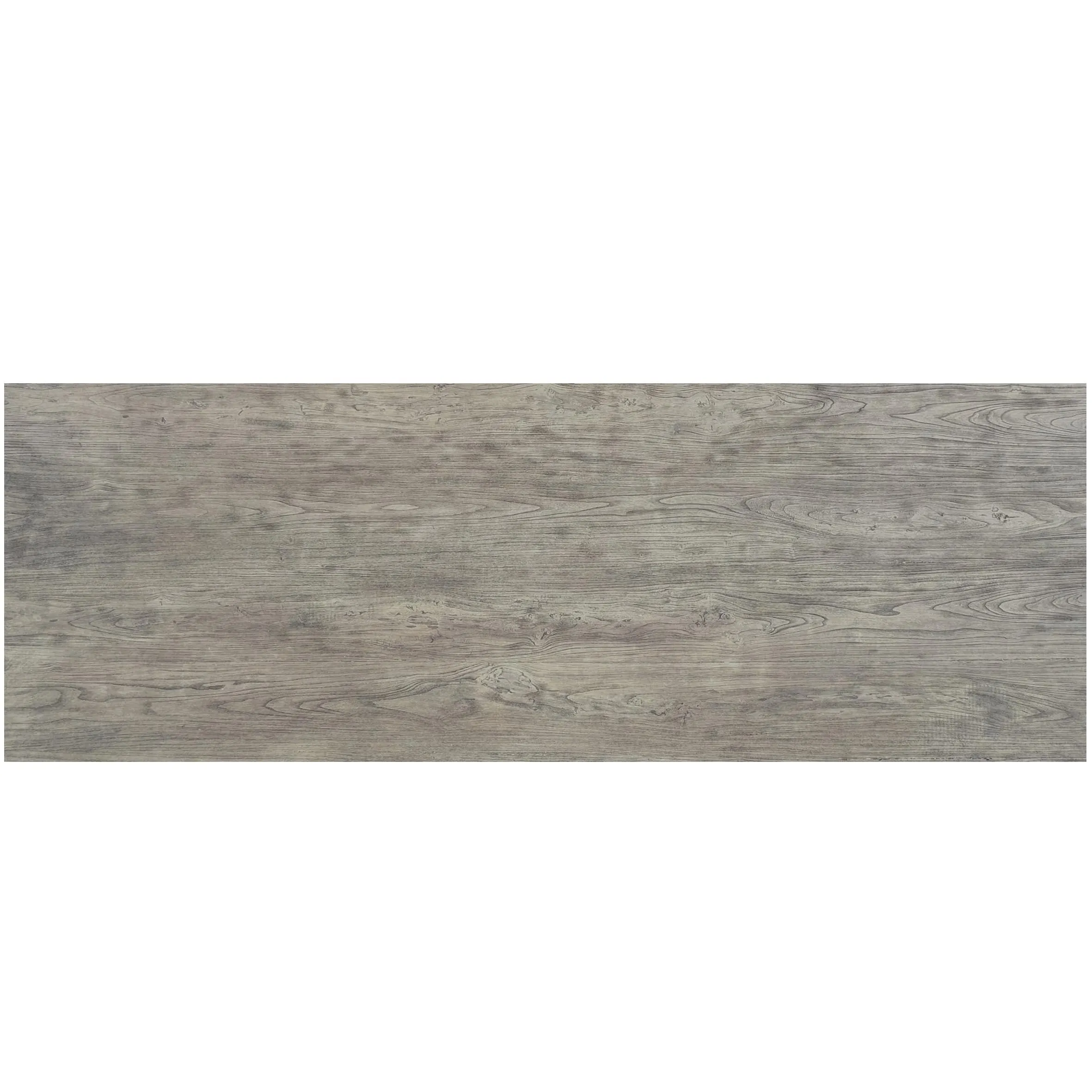
Walk down any street in a historic neighborhood, and you'll notice it: the way buildings breathe through their exteriors. A weathered brick facade whispers stories of decades past; a sleek glass curtain wall shouts modernity. Exterior cladding has always been more than just a protective layer—it's a language. It speaks to who we are, what we value, and how we want the world to see us. But in recent years, that language has evolved. We no longer settle for "good enough" when it comes to our buildings' outer skins. We crave materials that marry the warmth of tradition with the resilience of innovation, that feel human even as they stand up to the elements. Enter MCM Big Slab Wood Grain Board—a product that doesn't just cover walls, but transforms them into narratives.
In a market flooded with options—from the industrial starkness of fair-faced concrete to the timeless heft of century stone—finding a material that balances form and function can feel like searching for a needle in a haystack. Wood, for all its beauty, warps and fades. Stone, while durable, is heavy and unforgiving. That's where the MCM big slab board series steps in, redefining what exterior cladding can be. At its core is a simple promise: to capture the soul of natural materials without their limitations. And the wood grain variant? It's the love letter to craftsmanship we didn't know we needed.
To understand MCM Big Slab Wood Grain Board, we first need to talk about its roots in the MCM big slab board series—a line renowned for pushing the boundaries of what's possible in architectural materials. MCM, or Modified Composite Material, isn't new, but the big slab iteration? It's a game-changer. These aren't your average panels; they're large-format sheets (often spanning up to 1200x2400mm) designed to minimize seams, creating a seamless canvas for designers. And when you infuse that with wood grain? You get a material that feels both grand and intimate.
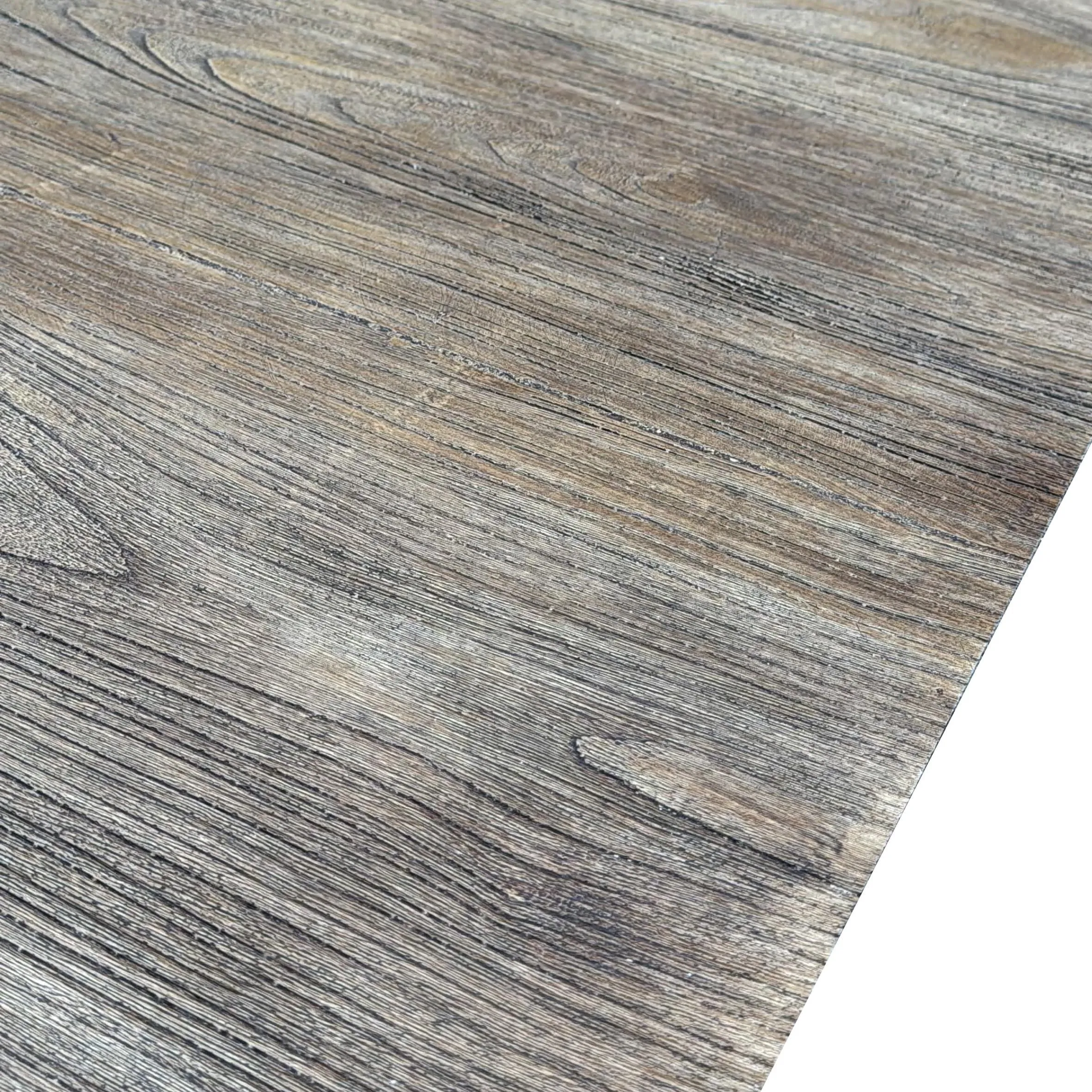
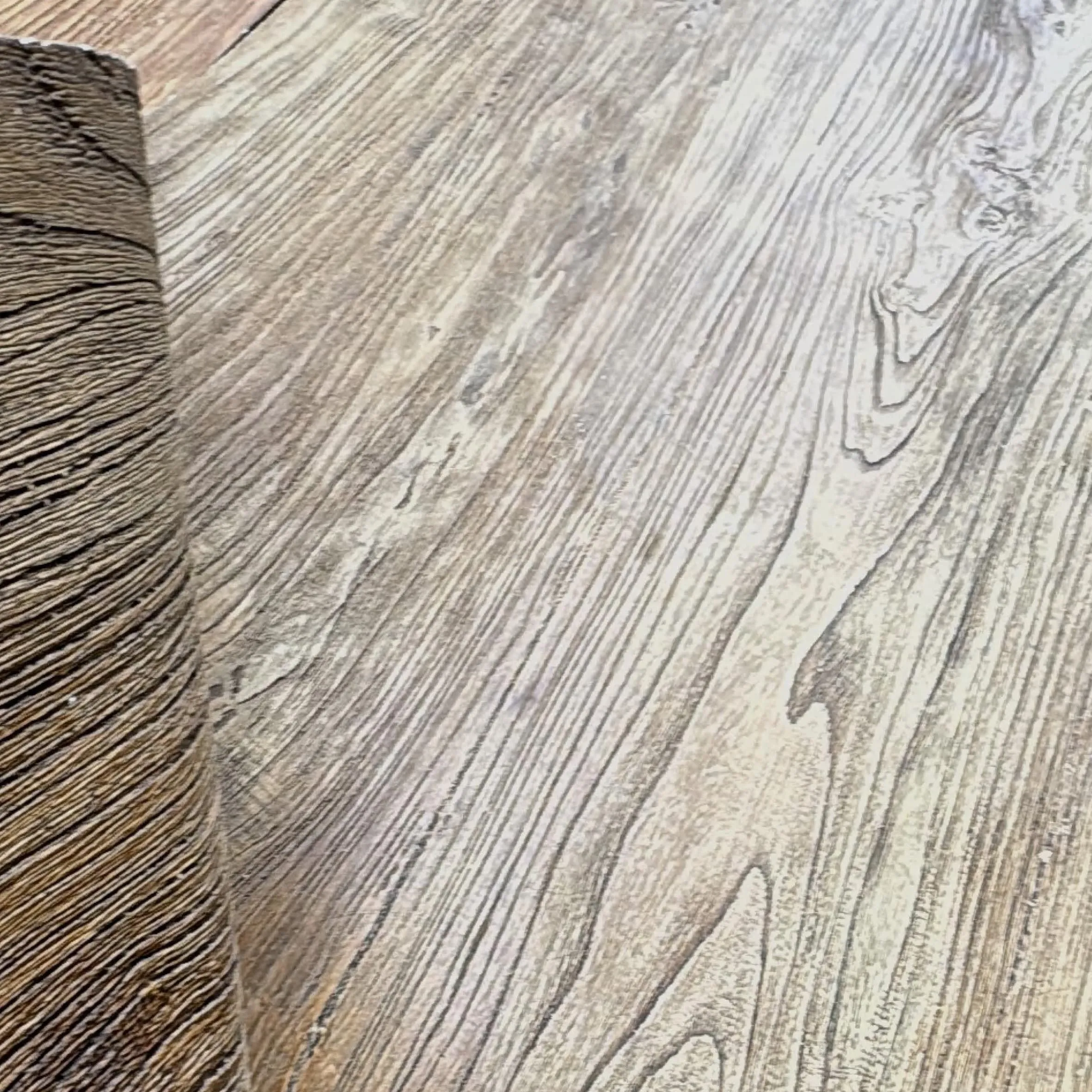
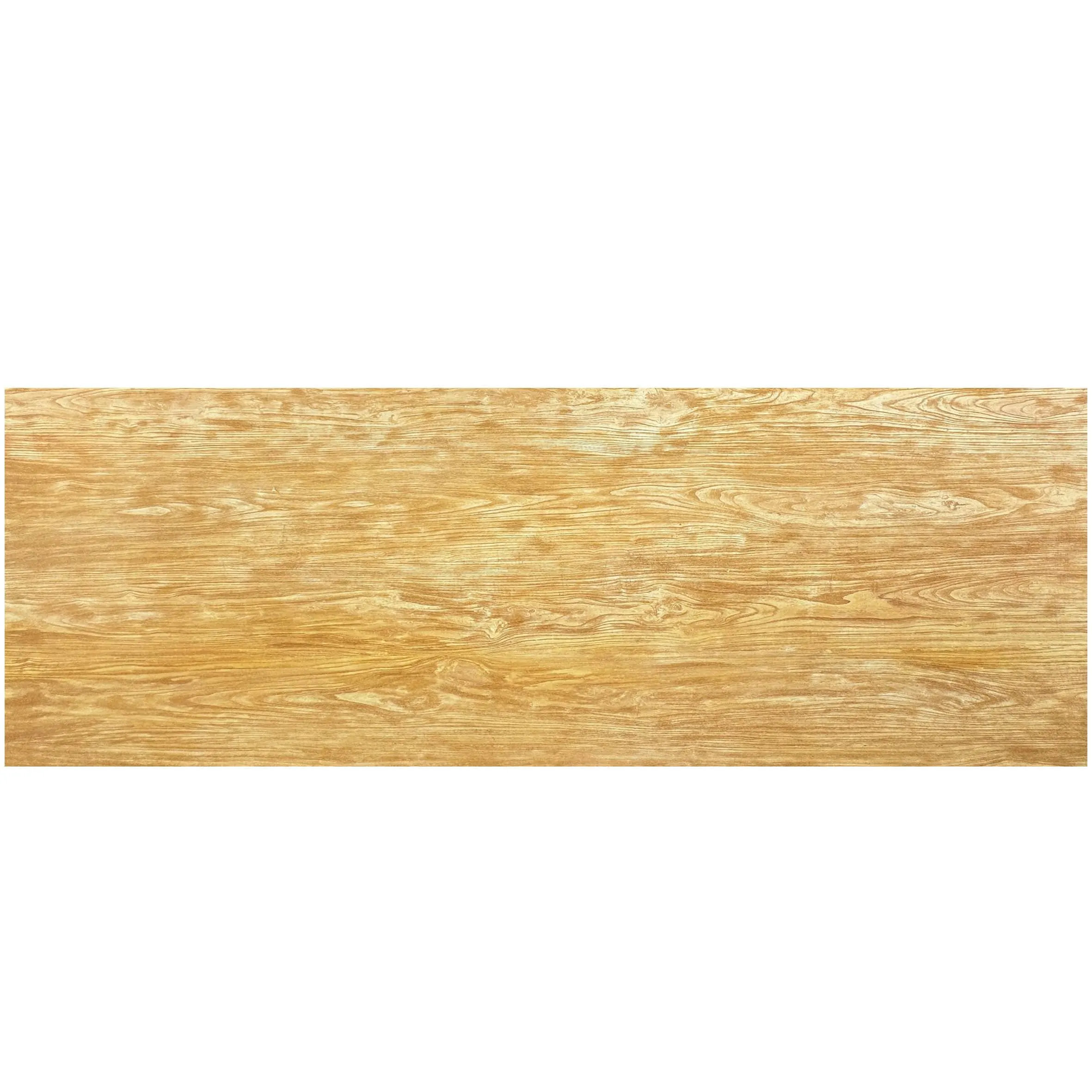
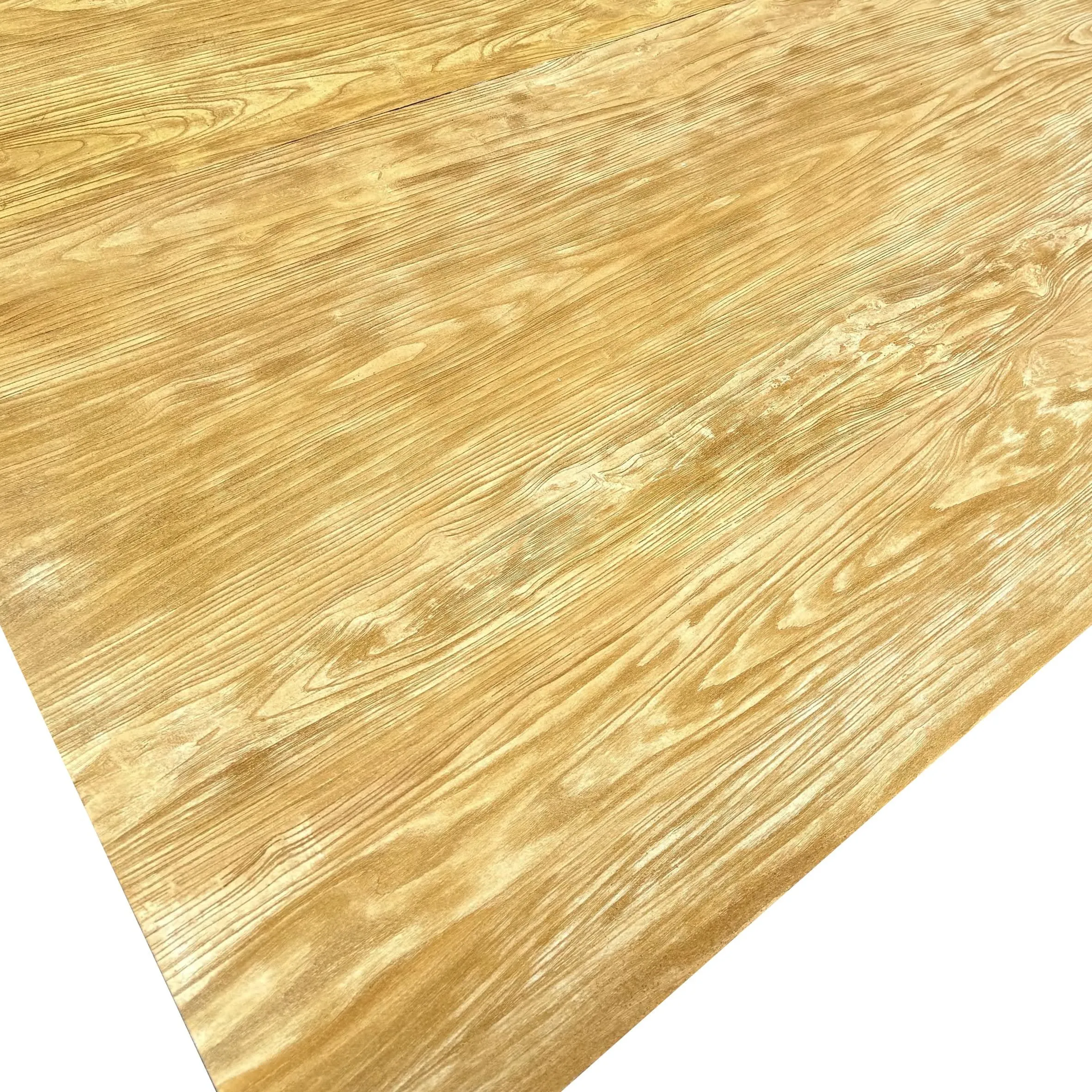
But let's get tactile. Run your hand over a sample, and you'll notice something remarkable: the grain isn't just printed on the surface. It's etched , with depth and variation that mimics the natural knots, swirls, and imperfections of real wood. That's thanks to a proprietary process that combines the flexibility of MCM flexible stone with advanced 3D texturing techniques borrowed from the MCM 3D printing series. The result? A finish so authentic, even seasoned carpenters do a double-take. "Is this real wood?" is a question designers hear constantly—and it's the highest compliment.
What's under the surface matters, too. Unlike traditional wood cladding, which relies on a solid timber core, MCM Wood Grain Board features a lightweight composite core reinforced with flexible stone. This isn't just about cutting down on weight (though at 8-12kg per square meter, it's a fraction of the weight of natural stone); it's about resilience. Flexible stone, a star material in the MCM lineup, brings inherent resistance to cracking, warping, and moisture—issues that have plagued wood cladding for centuries. Imagine a material that can withstand driving rain, scorching sun, and freezing temperatures, all while keeping that warm, honeyed glow of newly milled oak or the deep richness of walnut.
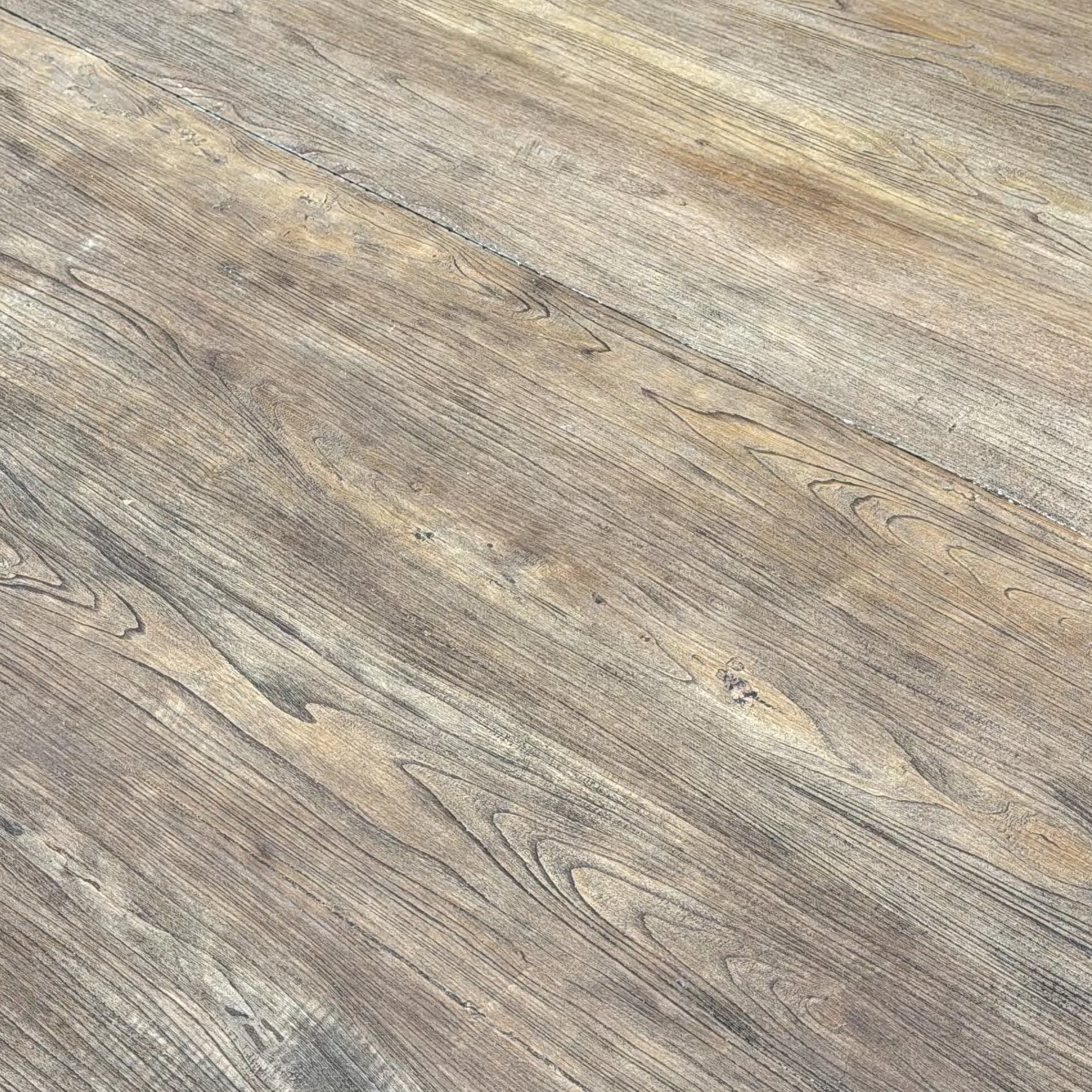
And let's not overlook the color palette. The wood grain board doesn't limit you to "natural" wood tones (though those are stunning: think ambered pine, chestnut brown, and weathered gray). It also plays with modern twists, like a driftwood-inspired bleached finish or a charcoal-stained variant that nods to contemporary minimalism. These aren't just colors—they're moods. A beach house might lean into soft, sun-bleached grains; a downtown loft could opt for bold, dark streaks that contrast with glass and steel. The versatility is staggering, yet it never feels forced. Each shade feels like a natural evolution of wood's own spectrum.
Great materials aren't born in labs alone—they're forged in the hands of craftsmen. The journey of MCM Big Slab Wood Grain Board starts with a simple question: How do we honor the chaos of nature while engineering consistency? It begins with sourcing. The wood grain patterns are inspired by real timber samples collected from around the world—old-growth forests in the Pacific Northwest, reclaimed barn wood from Tuscany, driftwood from Scandinavian coasts. These samples are digitized, their unique grain structures mapped with laser precision, creating a library of "authentic chaos" that designers can tap into.
Next comes the manufacturing process, a blend of art and science that would make any material engineer weak at the knees. The base layer starts with MCM flexible stone, a composite of natural minerals and polymers that's both strong and pliable. This core is then treated with a fire-retardant coating (a non-negotiable for exterior use) before moving to the texturing phase. Here, 3D printing technology (harnessed from the MCM 3D printing series) etches the wood grain into the surface, layer by layer, ensuring each ridge and valley is as unique as the real thing. It's not just about looks—this texturing also enhances grip, making the panels safer in wet conditions, a detail that speaks to the product's thoughtful design.
The finishing touch is the color application, and it's here that the magic really happens. Instead of a single coat of paint, the panels undergo a multi-step staining process, with dyes (shèntòu—penetrating) the surface to mimic the way wood absorbs color unevenly. Light areas (the "earlywood") take on a softer hue, while dense "latewood" regions deepen, creating that signature contrast that makes wood so visually compelling. The final sealant? A UV-resistant, water-repellent layer that locks in the color without sacrificing the natural texture. Run your finger over it, and you'll still feel the grain—no slippery, plastic-like finish here.
Quality control is relentless. Each panel is inspected under harsh lighting to check for inconsistencies in grain, color, and texture. Panels that don't meet the standard are rejected, not because they're "bad," but because MCM understands that cladding isn't just about covering a wall—it's about creating a feeling. A single off-kilter knot or a patchy stain could disrupt the harmony of a facade, and that's a risk they're not willing to take. It's this commitment to perfection that sets the MCM big slab board series apart from cheaper imitations that prioritize quantity over quality.
Let's be honest: no matter how pretty a material is, if it can't stand up to the elements, it's just a pretty face. MCM Big Slab Wood Grain Board doesn't just look good—it works harder than most of us on a Monday morning. Let's break down the benefits that make it a favorite among architects and builders alike.
Durability that Defies Time: Traditional wood cladding has a lifespan of 10-15 years before it needs replacement—less if it's exposed to harsh weather. MCM Wood Grain Board? It's engineered to last 50+ years with minimal maintenance. No rotting, no warping, no termite damage. In coastal areas, where salt air eats away at metal and wood, these panels stand firm. In desert climates, where temperatures swing from 40°C days to freezing nights, they don't crack or fade. It's the kind of durability that lets homeowners stop worrying about "when to replace the siding" and start enjoying their home.
Lightweight, but Not Light on Strength: One of the biggest challenges with large-format cladding is installation. Heavy materials require cranes, reinforced structures, and extra labor—driving up costs and timelines. MCM Wood Grain Board's lightweight design changes the game. A team of two can easily maneuver a 2400mm panel, cutting installation time by up to 40% compared to stone or traditional concrete panels. And because it's lightweight, it reduces the load on the building's structure, making it ideal for retrofits or buildings with weight restrictions. It's a win-win: easier to install, gentler on the building, and kinder to the budget.
Eco-Friendly by Design: Sustainability isn't just a buzzword here—it's a core value. Unlike century stone, which requires heavy quarrying, or solid wood, which contributes to deforestation, MCM Wood Grain Board uses recycled materials in its core and low-VOC dyes in its finish. The manufacturing process is energy-efficient, with 90% of water used being recycled. Even better, at the end of its life, the panels are recyclable, closing the loop on waste. For architects and homeowners committed to green building practices, this is a huge selling point. It's exterior cladding you can feel good about—both aesthetically and ethically.
Weather Resistance that Laughs at the Elements: Rain, snow, hail, UV rays—name a weather event, and this panel has probably survived it. The flexible stone core resists water absorption, preventing mold and mildew growth. The UV sealant keeps colors from fading, so that rich walnut tone you fell in love with stays rich for decades. Even fire resistance? It's there, with a Class A rating that meets strict building codes. In areas prone to wildfires, that's not just a feature—it's peace of mind.
| Feature | MCM Big Slab Wood Grain Board | Fair-Faced Concrete | Century Stone | Traditional Wood Cladding |
|---|---|---|---|---|
| Weight (kg/m²) | 8-12 | 20-25 | 25-30 | 15-20 |
| Installation Ease | High (lightweight, large format) | Low (heavy, requires specialized labor) | Low (very heavy, needs structural support) | Medium (light but prone to warping during installation) |
| Durability (Lifespan) | 50+ years | 30-40 years (prone to cracking) | 50+ years (but susceptible to staining) | 10-15 years (rots, fades, warps) |
| Aesthetic Versatility | High (multiple wood tones, textures) | Low (limited to gray, industrial look) | Medium (natural stone colors, but uniform) | High (natural variation, but limited by species) |
| Maintenance Required | Low (occasional cleaning) | Medium (sealing every 5-7 years) | Medium (sealing, stain removal) | High (painting, staining, replacing rotted boards) |
| Eco-Friendliness | High (recycled materials, recyclable) | Medium (high embodied carbon) | Low (quarrying impact) | Low (deforestation, chemical treatments) |
The table tells a clear story: MCM Big Slab Wood Grain Board isn't just better than the alternatives in one area—it excels across the board. It's lighter than fair-faced concrete, more durable than traditional wood, and more versatile than century stone. For architects and homeowners who refuse to compromise, that's a game-winning combination.
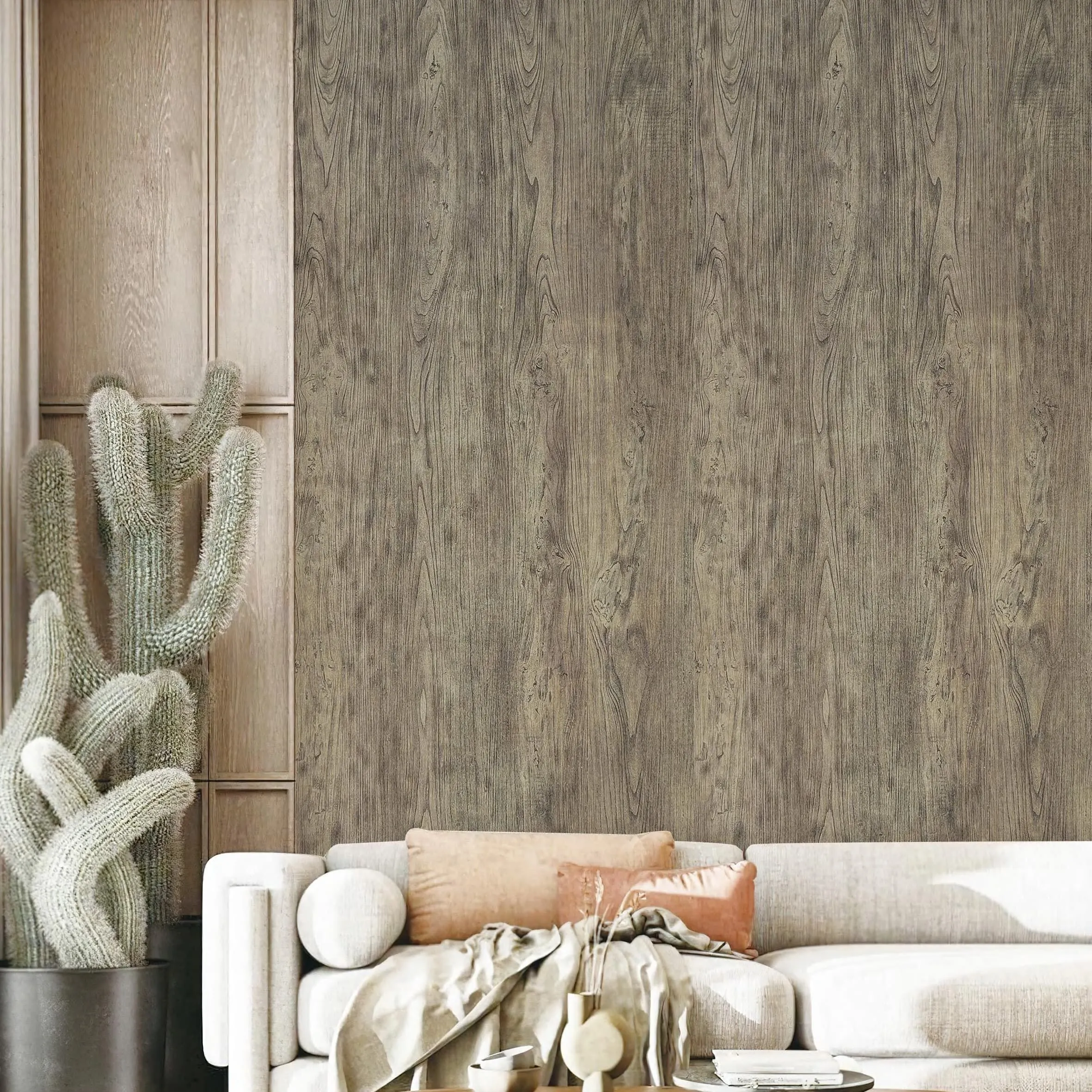
MCM Big Slab Wood Grain Board isn't picky about where it lives. It adapts, transforms, and elevates every space it touches. Let's take a tour of the applications where this material truly shines.
Residential Retreats: Imagine a modern mountain home, its exterior clad in warm, amber wood grain panels that blend seamlessly with the surrounding pines. Or a coastal villa where light, driftwood-toned MCM panels reflect the sun, creating a beachy vibe without the worry of saltwater rot. In residential settings, the wood grain board adds instant character—turning a cookie-cutter house into a home with personality. It's particularly popular for accent walls, gables, and even garage doors, where the large-format slabs create a cohesive look.
Commercial Charisma: Retail spaces, restaurants, and offices are catching on, too. A boutique café in the city? Clad in dark walnut MCM panels, it feels inviting and upscale, drawing passersby in. A tech startup's headquarters? Opt for a light oak finish to balance the sleek glass and steel, creating a workspace that feels innovative yet grounded. Even hotels are using it—picture a boutique hotel lobby with a feature wall of wood grain panels, their warmth offsetting the cool marble floors. It's a material that makes commercial spaces feel less "transactional" and more "experiential."
Heritage and Adaptive Reuse: One of the most exciting applications? Heritage buildings. Many old structures can't support the weight of traditional stone or wood cladding, but MCM's lightweight panels are a perfect fit. Take a 1920s warehouse being converted into lofts: the original brick is beautiful, but adding wood grain MCM panels to the modern extension creates a dialogue between past and present. The grain echoes the warmth of the old wood beams inside, while the durability ensures the building stands for another century. It's preservation with a modern twist.
Public Spaces with Purpose: Parks, community centers, and libraries are also embracing the wood grain trend. A public library in a suburban neighborhood uses light wood grain panels to create a "treehouse" feel, making it more welcoming to kids and families. A community pavilion in a park? Clad in weathered gray MCM panels that mimic reclaimed wood, it becomes a gathering spot that feels both rustic and durable. These are spaces designed to be loved, and MCM Wood Grain Board is built to handle the love.
Case Study: The Riverfront Residences, a mixed-use development in Portland, Oregon, is a standout example. The architects wanted to balance industrial and natural elements, so they paired fair-faced concrete with MCM Big Slab Wood Grain Board in a rich chestnut tone. The result? A building that feels both modern and timeless, with the wood grain panels softening the concrete's harshness. Residents rave about how the building "feels like a part of the riverfront," while the developers praise the ease of installation and low maintenance costs. It's a project that proves great design and practicality can coexist.
The MCM big slab board series is always evolving, and the wood grain variant is no exception. What's on the horizon? Expect to see even more customization—think panels that mimic rare wood species, like teak or mahogany, without the ethical concerns. There's also talk of integrating smart technology: panels with built-in solar receptors or thermal insulation, turning the exterior cladding into an active part of the building's energy system. Imagine a wood grain facade that not only looks good but also helps power your home. The future is bright—and grainy.
Sustainability will continue to be a focus, too. The team at MCM is experimenting with plant-based dyes and even more recycled content in the core, aiming to create a carbon-neutral cladding option by 2030. They're also exploring partnerships with reforestation projects, ensuring that for every panel sold, a tree is planted. It's a holistic approach that aligns with the growing demand for materials with a purpose beyond aesthetics.
And let's not forget the influence of other MCM series. Could we see wood grain panels with a "starry" finish, inspired by travertine (starry blue) or lunar peak silvery? Or maybe a collaboration with the foamed aluminium alloy board line, creating panels with metallic accents that complement the wood grain? The possibilities are endless, and that's the beauty of MCM—they're not just making products; they're shaping the future of architecture.
MCM Big Slab Wood Grain Board isn't just a building material. It's a testament to what happens when we refuse to choose between beauty and function, between tradition and innovation. It's for the homeowner who wants a home that feels warm and lived-in, not a museum piece. For the architect who dreams of designs that push boundaries without sacrificing practicality. For the planet, because we all deserve materials that look good and do good.
In a world that often values speed over substance, the wood grain variant of the MCM big slab board series is a reminder that craftsmanship still matters. It's in the way the grain flows, the way the light catches each ridge, the way it makes you want to reach out and touch it. It's cladding with heart—engineered to last, designed to delight, and built for the stories we'll tell in the spaces it shapes.
So the next time you pass a building with a stunning wood exterior, take a closer look. It might just be MCM Big Slab Wood Grain Board—quietly revolutionizing the way we build, one grain at a time.
Recommend Products












