
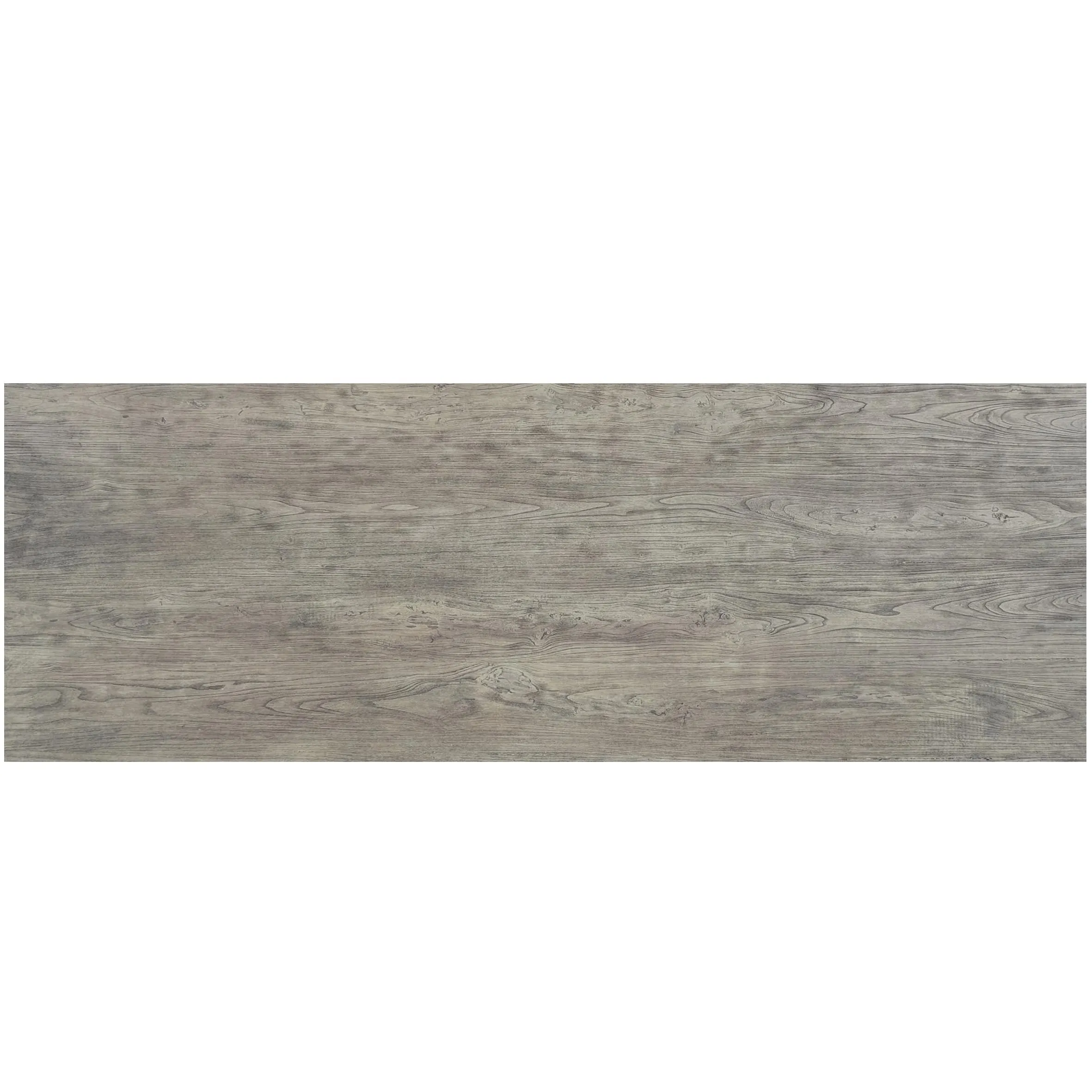
Joints are the unsung nuisances of exterior design. They start small—maybe just a hairline gap between tiles—but over time, they grow into visual distractions. Dirt accumulates in them, making the surface look unkempt. Water seeps through, leading to mold or rot behind the cladding. And aesthetically? They turn a smooth, intentional design into something that feels… piecemeal. Imagine a wall meant to evoke the warmth of natural wood, but instead of a continuous sweep of grain, it's chopped into a grid of small squares, each separated by a dark line. It's like reading a book with random punctuation marks—your brain stumbles, and the story loses its magic.
Traditional cladding materials often exacerbate this. Small-format tiles, whether they're travertine (beige) or even sleek fair-faced concrete, require dozens of joints to cover a single wall. Each joint is a potential weak point, both functionally and visually. And while some designers embrace the industrial look of exposed joints, for those chasing elegance, minimalism, or the organic flow of natural materials, they're a dealbreaker.
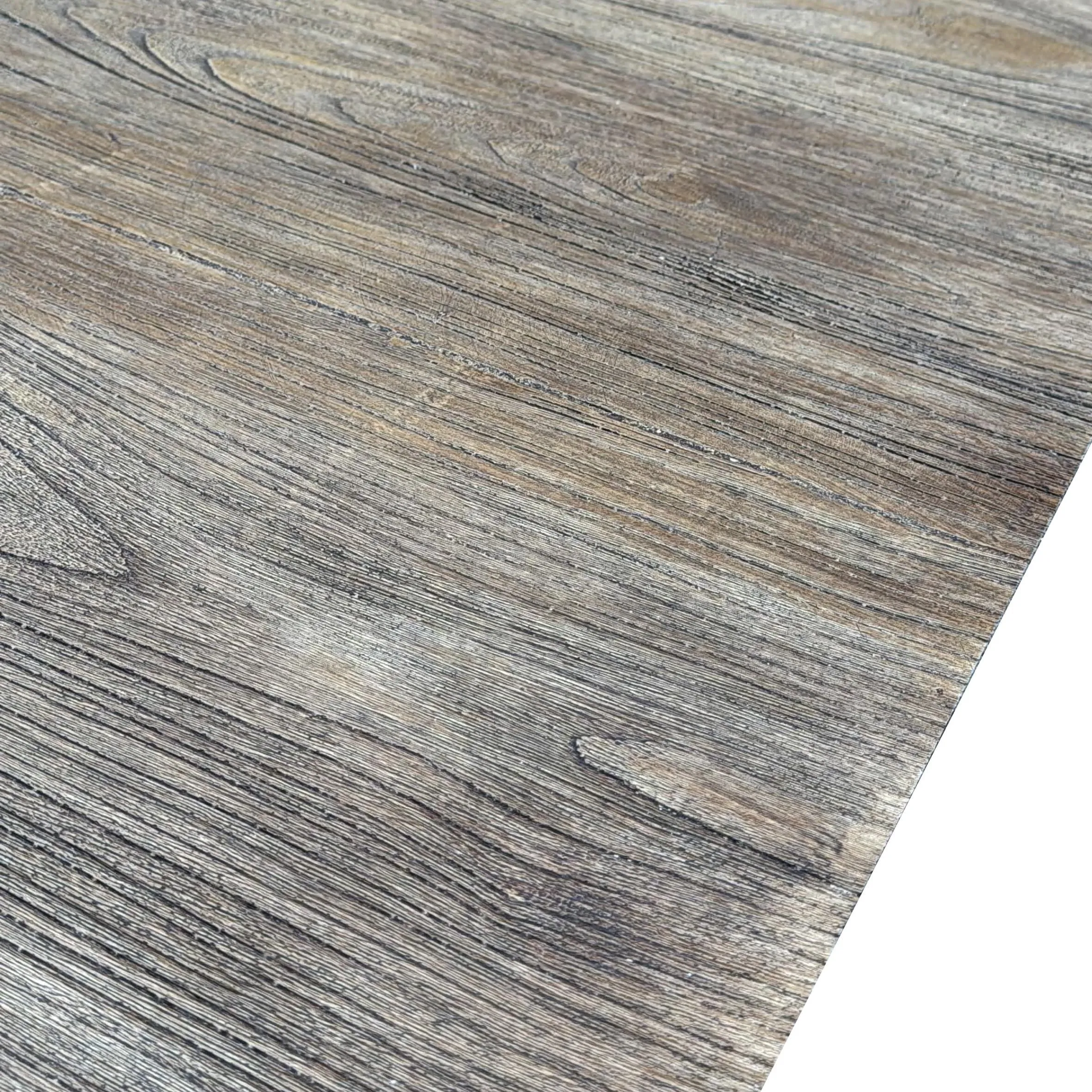
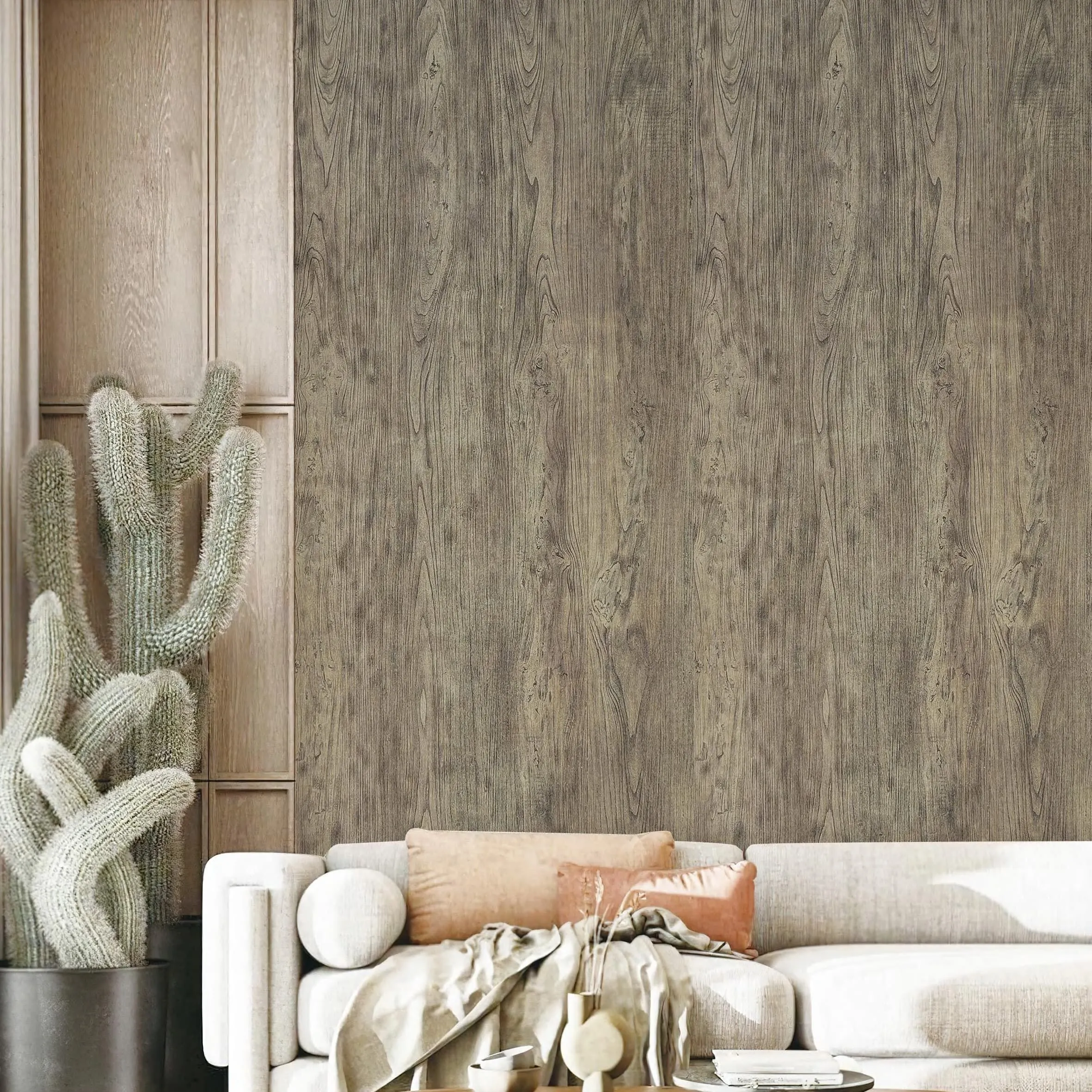
Part of the innovative MCM big slab board series, the Wood Grain Board is engineered with one clear mission: to let the material's beauty shine, unbroken by unnecessary joints. At its core is a simple but game-changing idea—larger slabs mean fewer seams. While traditional wood cladding or stone tiles might max out at 600x600mm, MCM's big slabs stretch to sizes like 1200x2400mm (and even larger in custom orders). That's a surface area of nearly 3 square meters per panel—enough to cover a significant portion of a wall with just one piece, slashing the number of joints by up to 70% compared to standard tiles.
But size alone isn't the magic. What makes this board truly special is its composition: it's crafted from flexible stone, a cutting-edge material that marries the durability of natural stone with the adaptability of modern composites. Flexible stone is lightweight (around 8-10kg per square meter, compared to 20kg+ for traditional stone), which means it's easier to install, puts less stress on building structures, and can even conform to gentle curves—something rigid stone or concrete can't do without even more joints.
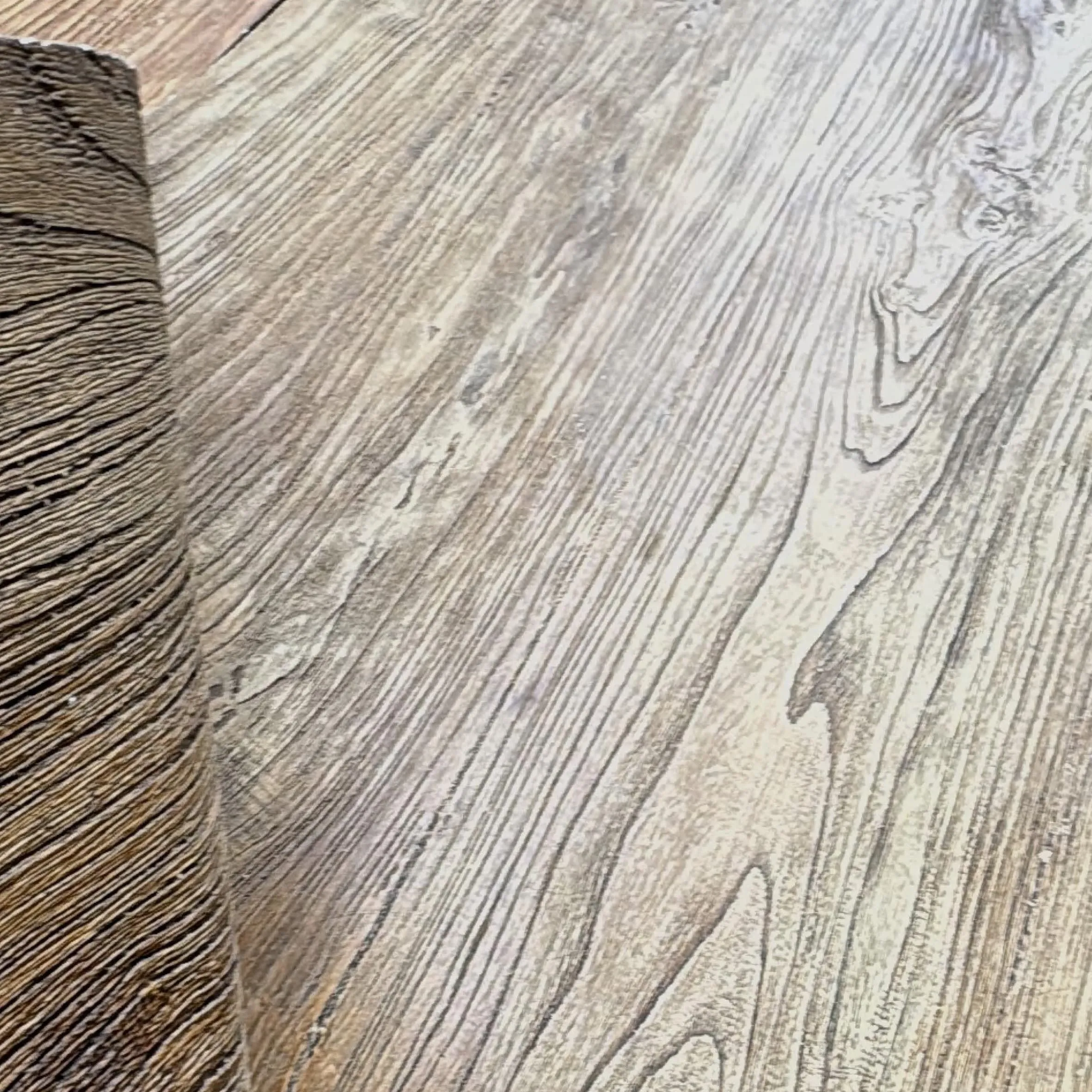
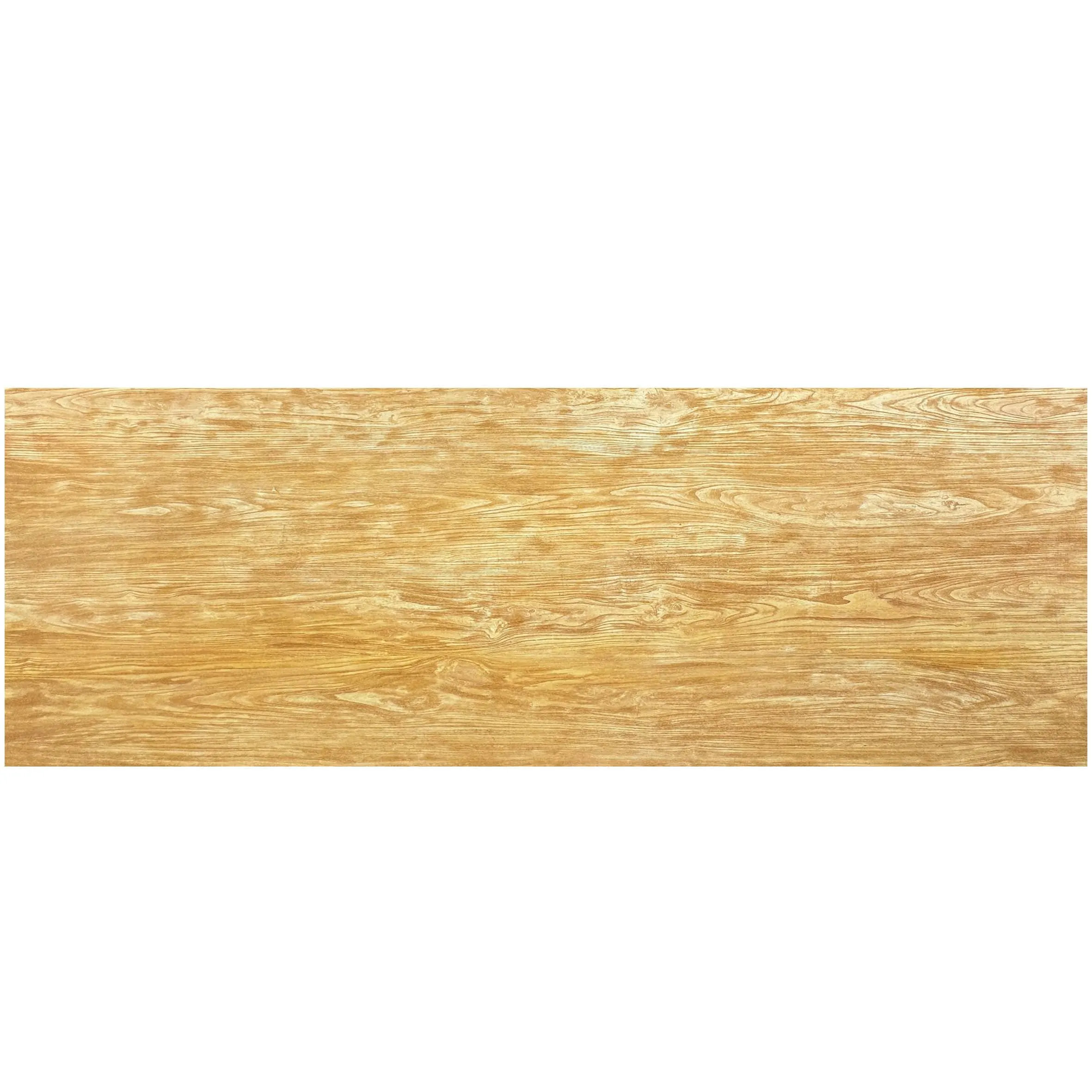
Let's talk about the "wood grain" part—because aesthetics matter just as much as function. There's a reason wood has been a beloved building material for centuries: it's warm, inviting, and inherently human. It doesn't feel cold or clinical like fair-faced concrete; instead, it softens a building's edges, making it feel approachable, like a structure that "welcomes" rather than "imposes." But traditional wood cladding has its own issues: it warps, fades, and requires constant maintenance. MCM's Wood Grain Board solves this by replicating the look of real wood—down to the subtle knots, the direction of the grain, the way light catches the "growth rings"—but with the durability of stone.
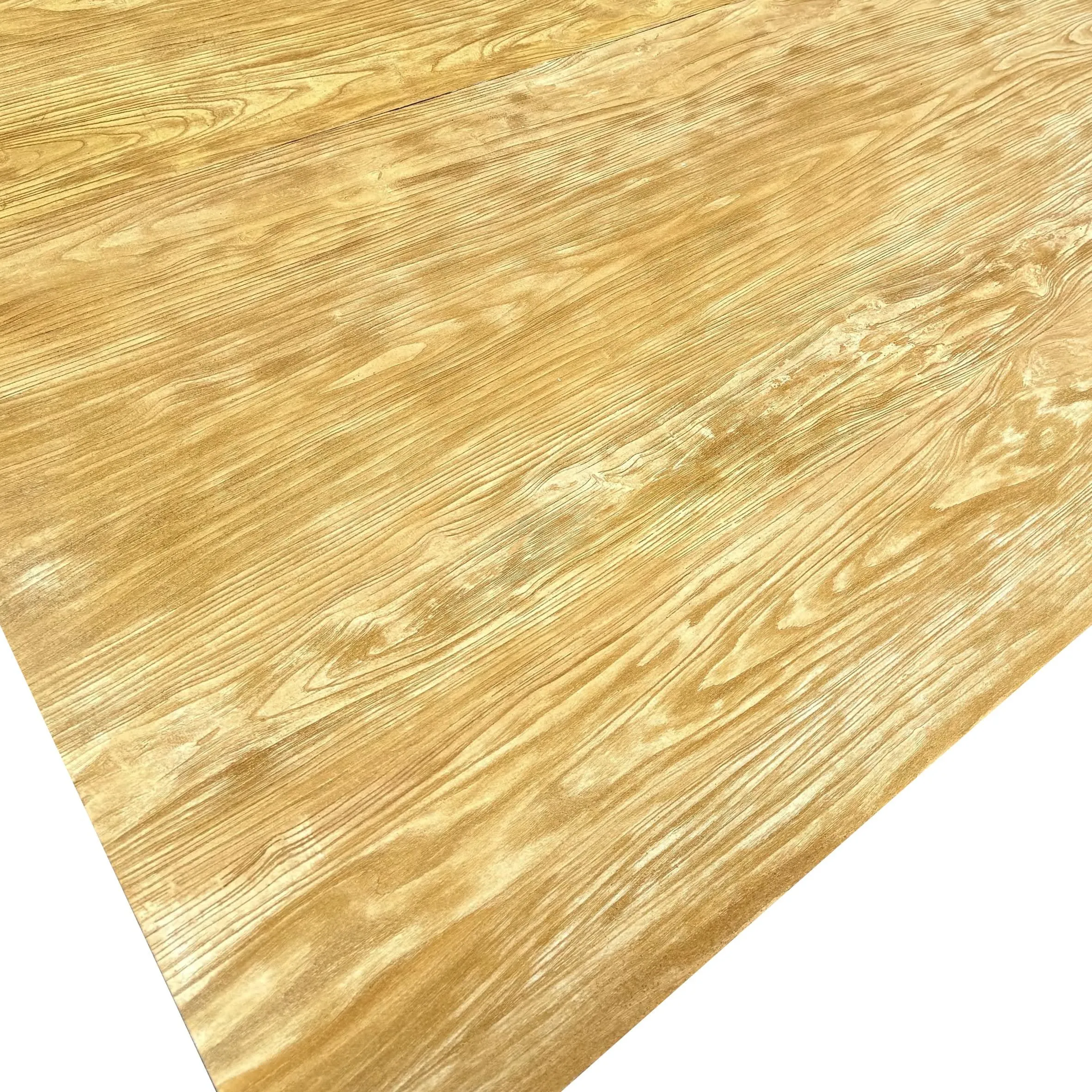
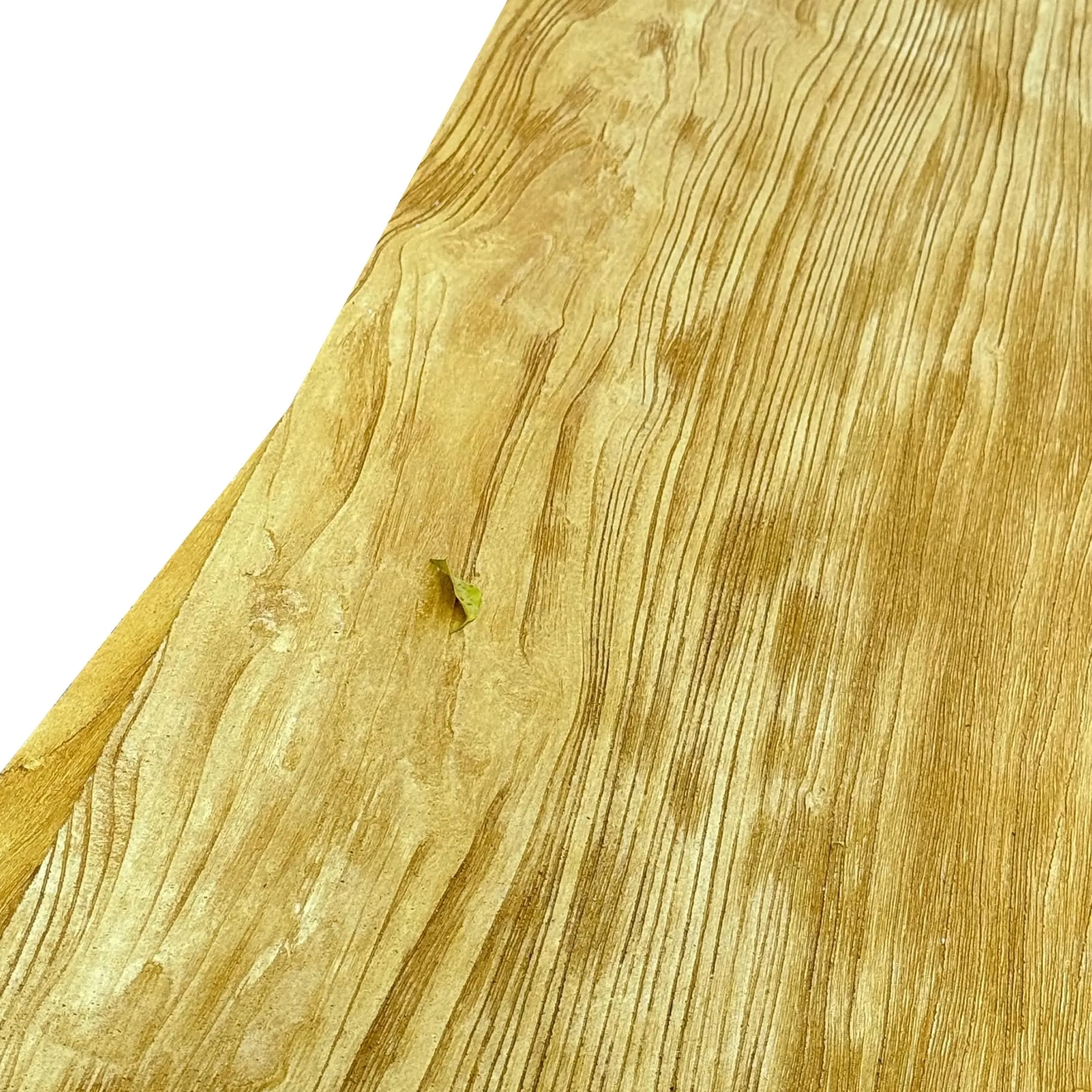
The wood grain pattern isn't just a print, either. It's a textured surface, created using advanced 3D printing techniques that mimic the tactile feel of real wood. Run your hand over it, and you'll feel the slight ridges and valleys, the same way you would with a weathered wooden plank. It's this combination of visual and tactile realism that makes the board so compelling. Whether you're designing a cozy residential home or a sleek commercial space, it adds a layer of warmth that feels both timeless and contemporary.
| Material | Typical Slab Size | Joints per 100㎡ Wall | Aesthetic Vibe | Maintenance Needs |
|---|---|---|---|---|
| MCM Big Slab Wood Grain Board | 1200x2400mm | ~15 joints | Warm, natural wood grain; seamless flow | Low (resistant to fading, mold, and water) |
| Traditional Wood Cladding | 100x2000mm (planks) | ~50 joints | Warm, but prone to warping/fading | High (annual sealing, staining, repairs) |
| Fair-Faced Concrete Panels | 1000x2000mm | ~25 joints | Industrial, sleek, but cold | Medium (prone to staining if not sealed) |
| Travertine (Beige) Tiles | 600x600mm | ~80 joints | Earthy, timeless, but fragmented | High (joints collect dirt; requires regular cleaning) |
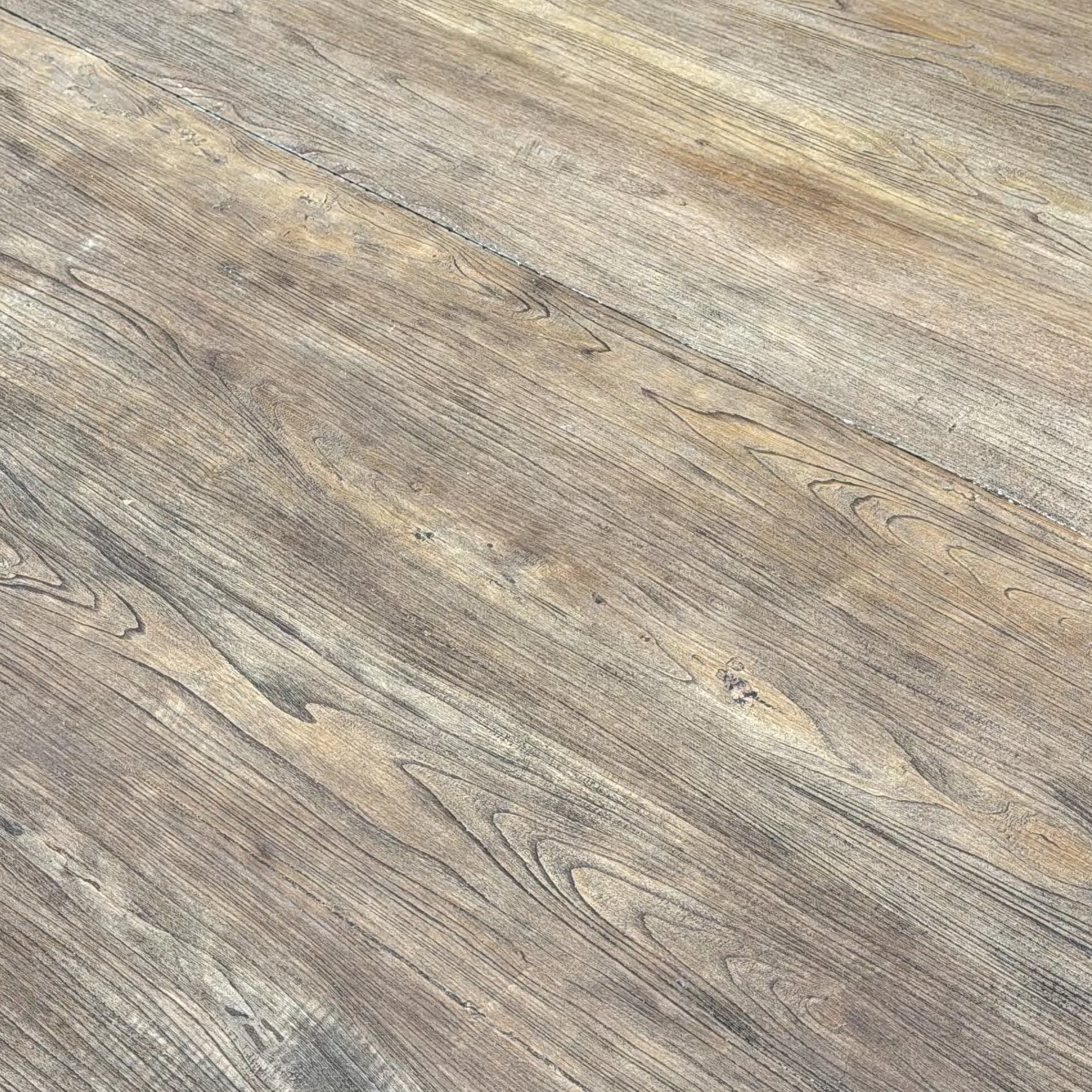
While the beauty of a seamless surface is immediately obvious, the functional benefits of MCM's big slab design are just as compelling. Let's start with durability. Every joint is a potential entry point for water, especially in rainy or humid climates. With fewer joints, there's less risk of moisture seeping behind the cladding and causing damage to the structure. That means fewer repairs, longer-lasting exteriors, and peace of mind for homeowners and building managers.
Maintenance is another win. With traditional cladding, cleaning often involves scrubbing not just the panels, but the joints too—those tiny gaps collect dirt, algae, and grime that's hard to reach. MCM's Wood Grain Board, with its large, smooth surface and minimal seams, can be hosed down or wiped clean in minutes. No more crawling on ladders with a toothbrush-sized scrubber; just a quick rinse, and it looks as fresh as the day it was installed.
And let's not forget installation. Traditional stone or concrete slabs are heavy, requiring cranes, specialized labor, and careful handling to avoid breakage. MCM's flexible stone slabs, by contrast, are lightweight enough to be carried by two people, reducing installation time and labor costs. For contractors, this means faster project turnarounds. For clients, it means lower overall expenses and less disruption during construction.
Take the example of a small café in Portland, Oregon, that was struggling with its exterior. The owner, a designer herself, had initially chosen travertine (beige) tiles for the front wall, drawn to their earthy, organic look. But within a year, the tiles' small size (300x300mm) had led to over 200 joints on a single 20㎡ wall. Dirt collected in the gaps, making the wall look dingy despite regular cleaning. Worse, water had seeped through during the rainy season, causing the paint behind the tiles to bubble and peel.
Enter MCM Big Slab Wood Grain Board. The café's redesign swapped the travertine tiles for 1200x2400mm slabs in a warm oak-inspired grain. The result? The number of joints plummeted from 200 to just 12. The wall now reads as a single, cohesive surface, with the wood grain flowing uninterrupted from the base to the roofline. "It's like night and day," the owner told us. "Customers used to comment on how 'tired' the exterior looked. Now, they stop to take photos. It feels inviting, like an extension of the cozy vibe inside."
Functionally, the difference is just as stark. After six months of Oregon's rain and snow, there's no sign of water damage. The owner estimates she spends 75% less time cleaning the wall—no more scrubbing joints—and the color hasn't faded, even under the summer sun. "It's not just a cladding material," she said. "It's a design partner."
At the heart of MCM Big Slab Wood Grain Board is flexible stone—a material that sounds almost contradictory until you see it in action. Traditional stone is rigid, heavy, and brittle; flexible stone, by contrast, is a composite of natural stone particles (like marble or travertine) mixed with a high-performance polymer binder. This combination creates a material that's thin (just 4-6mm thick), lightweight, and surprisingly bendable—able to curve around corners or follow the contours of a building without cracking.
This flexibility is key to its joint-minimizing power. Unlike rigid materials, which often require additional cuts (and thus more joints) to fit around windows, doors, or architectural details, MCM's slabs can be gently shaped on-site, reducing the need for small, awkward pieces. It's like using a roll of wallpaper instead of individual stickers—you can cover more surface with fewer seams, even when the wall isn't perfectly flat.
And for those worried about sustainability? Flexible stone is eco-friendly too. It uses recycled stone particles from quarry waste, reducing the environmental impact of mining new materials. Plus, its durability means it won't need to be replaced every decade, cutting down on waste long-term.
While MCM's big slab technology is impressive, the wood grain design isn't just a pretty face—it's a deliberate choice rooted in human psychology. Studies have shown that natural materials, like wood, have a calming effect on the brain, reducing stress and increasing feelings of well-being. In a world dominated by cold steel, glass, and fair-faced concrete, wood grain adds a touch of nature that makes buildings feel less like machines and more like spaces for people.
MCM's Wood Grain Board takes this a step further by avoiding the "plastic-y" look of some synthetic wood alternatives. The 3D-printed texture isn't just a flat image; it's a raised, tactile surface that catches light and shadow, just like real wood. Run your hand over it, and you'll feel the subtle peaks and valleys of the grain—a detail that engages not just the eyes, but the sense of touch, making the building feel more alive.
And unlike real wood, it won't warp, split, or fade. No more worrying about termites, rot, or the cost of annual staining. It's the best of both worlds: the warmth of wood, with the resilience of stone.
This board isn't just for cafes or homes. It's for anyone who wants their building's exterior to make a statement—quietly, confidently, and without distraction. Think boutique hotels aiming for a "rustic-luxe" vibe, office buildings wanting to soften their corporate edges, or even residential developments looking to stand out in a sea of cookie-cutter facades.
Architects, in particular, are embracing it for its design flexibility. One firm in Chicago used the Wood Grain Board on a mixed-use building, pairing it with floor-to-ceiling windows to create a contrast between warm wood and cool glass. "The big slabs let us create a 'skin' for the building, not just a cladding," the lead architect explained. "It's a surface that tells a story, not just covers a wall."
Even those on a budget are finding value in it. While MCM's upfront cost is slightly higher than traditional tiles, the long-term savings—fewer repairs, lower maintenance, faster installation—often make it the more economical choice. As one contractor put it: "You pay a little more now, but you'll thank yourself in five years when you're not replacing rotted wood or re-grouting a hundred joints."
At the end of the day, exterior design is about more than just covering walls. It's about creating a feeling—a sense of harmony, intention, and beauty. Joints, for too long, have been the invisible barrier to that feeling, breaking surfaces into fragments and stealing the spotlight from the materials we love. MCM Big Slab Wood Grain Board changes that. By combining large-format slabs, flexible stone technology, and the timeless warmth of wood grain, it lets exteriors breathe, flow, and tell their stories without interruption.
Whether you're designing a home, a business, or a public space, this isn't just a cladding material—it's a way to make your building feel whole. No more patchwork, no more distractions, no more "almost perfect." Just seamless beauty, from the first glance to the hundredth.
So the next time you stand in front of a building and let your eyes trace its lines, imagine it without the joints. Imagine the wood grain flowing like a river, unbroken and alive. That's the future of exterior design. And it's here, now, in MCM Big Slab Wood Grain Board.
Recommend Products












