
Walk into any modern architectural marvel—a sleek office tower, a cozy boutique hotel, or a community center—and you'll notice something quietly powerful: the materials. They don't just fill space; they shape experiences. The texture of a wall, the durability of a facade, the way light plays off a surface—these details turn buildings into stories. But behind every great material choice lies a question that keeps architects and developers up at night: Can we trust it? Trust that it's safe. Trust that it's sustainable. Trust that it meets the rigorous standards of a global market. For MCM products like the Boulder Slab and MCM flexible stone, that trust isn't just a promise—it's written into certifications like CE, LEED, and beyond. Let's dive into why these certifications matter, how MCM earns them, and what they mean for the spaces we build and live in.
Imagine you're an architect tasked with designing a school. You want materials that can withstand decades of busy hallways, playful students, and harsh weather. But you also need to ensure those materials don't off-gas harmful chemicals, contribute to climate change, or fail a safety inspection. That's where certifications come in. They're like a material's report card—third-party validation that it meets specific criteria for safety, performance, and sustainability. For MCM, a brand known for innovative products like the Boulder Slab and foamed aluminium alloy board (vintage silver), these certifications aren't just boxes to check. They're a commitment to the people who use their materials: builders, occupants, and the planet.
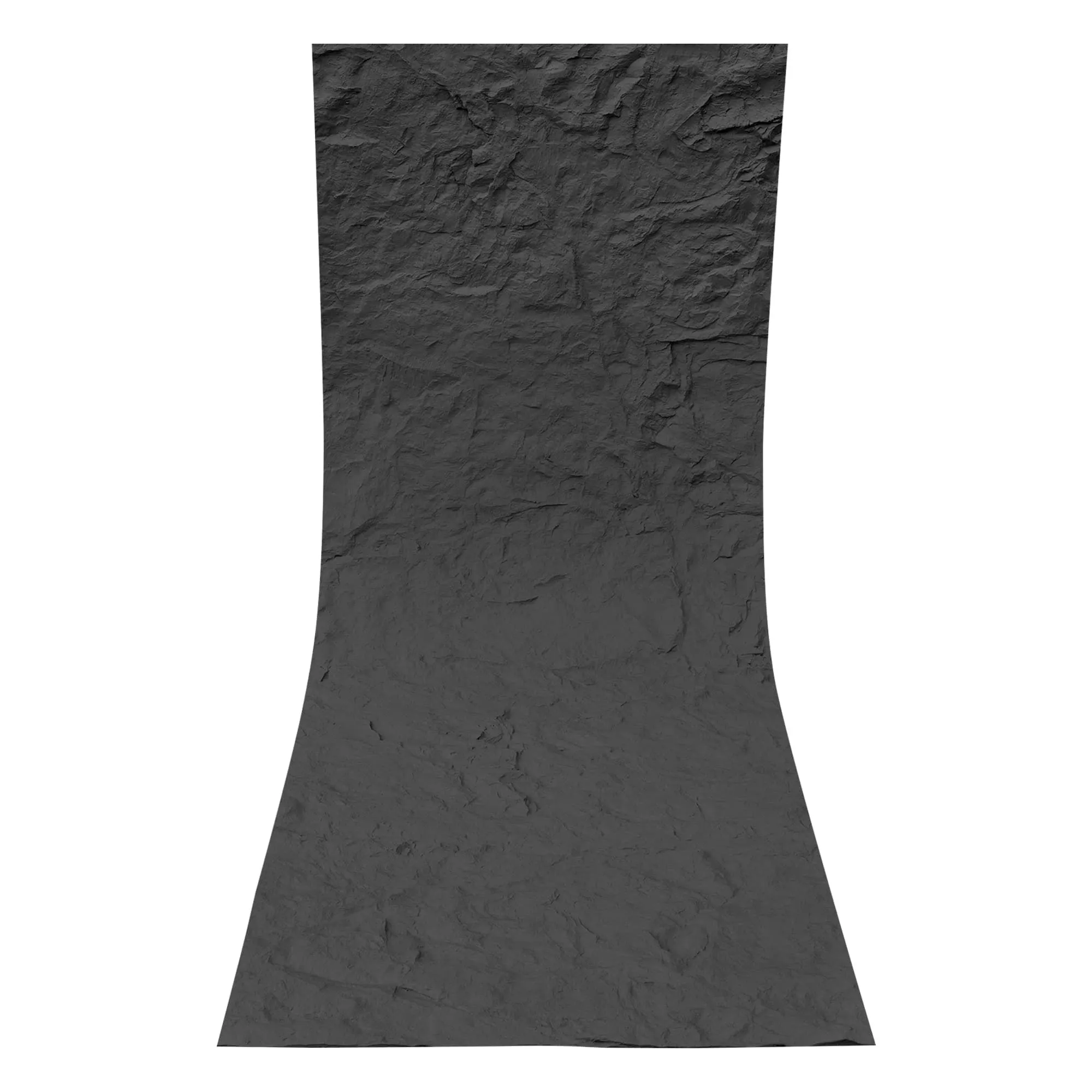
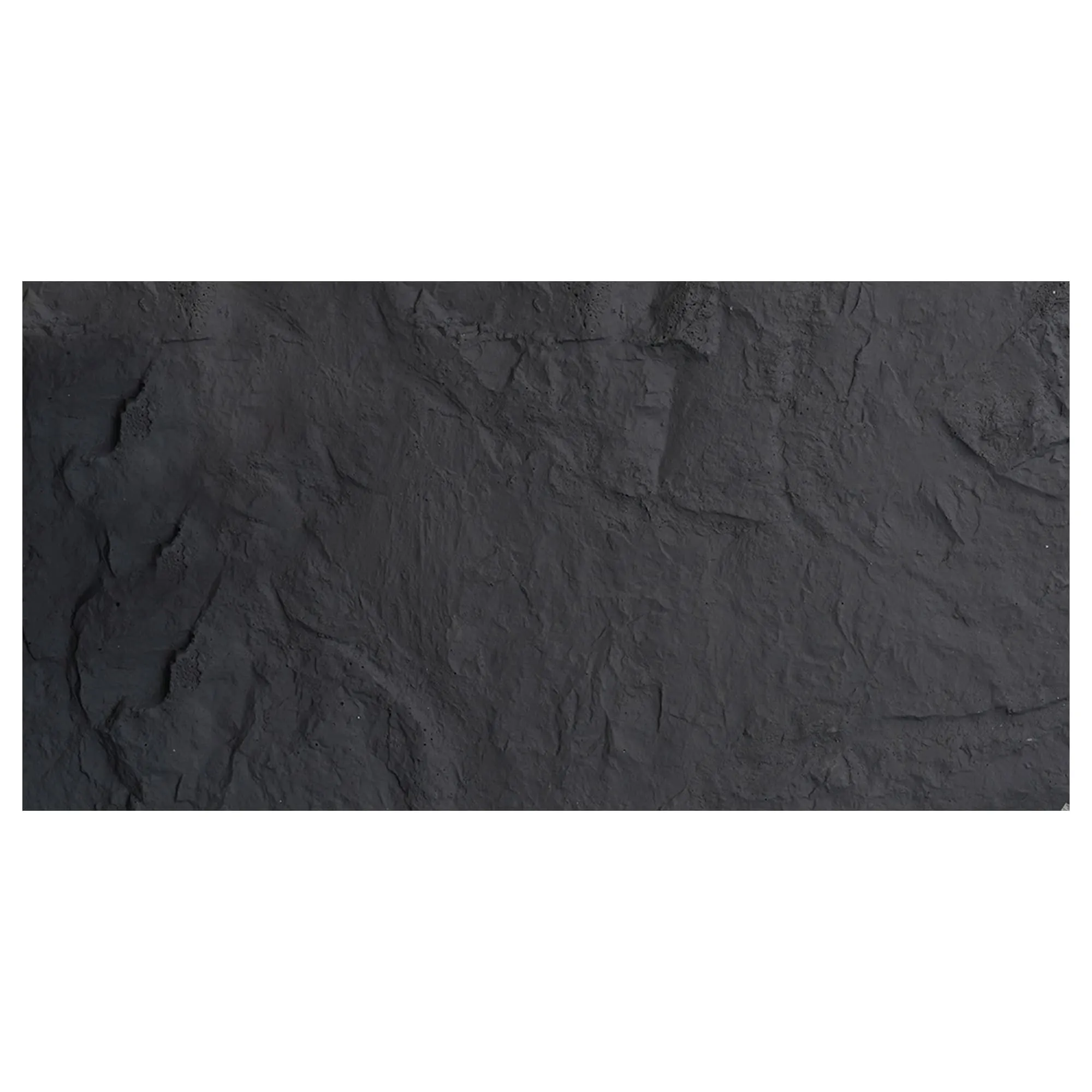
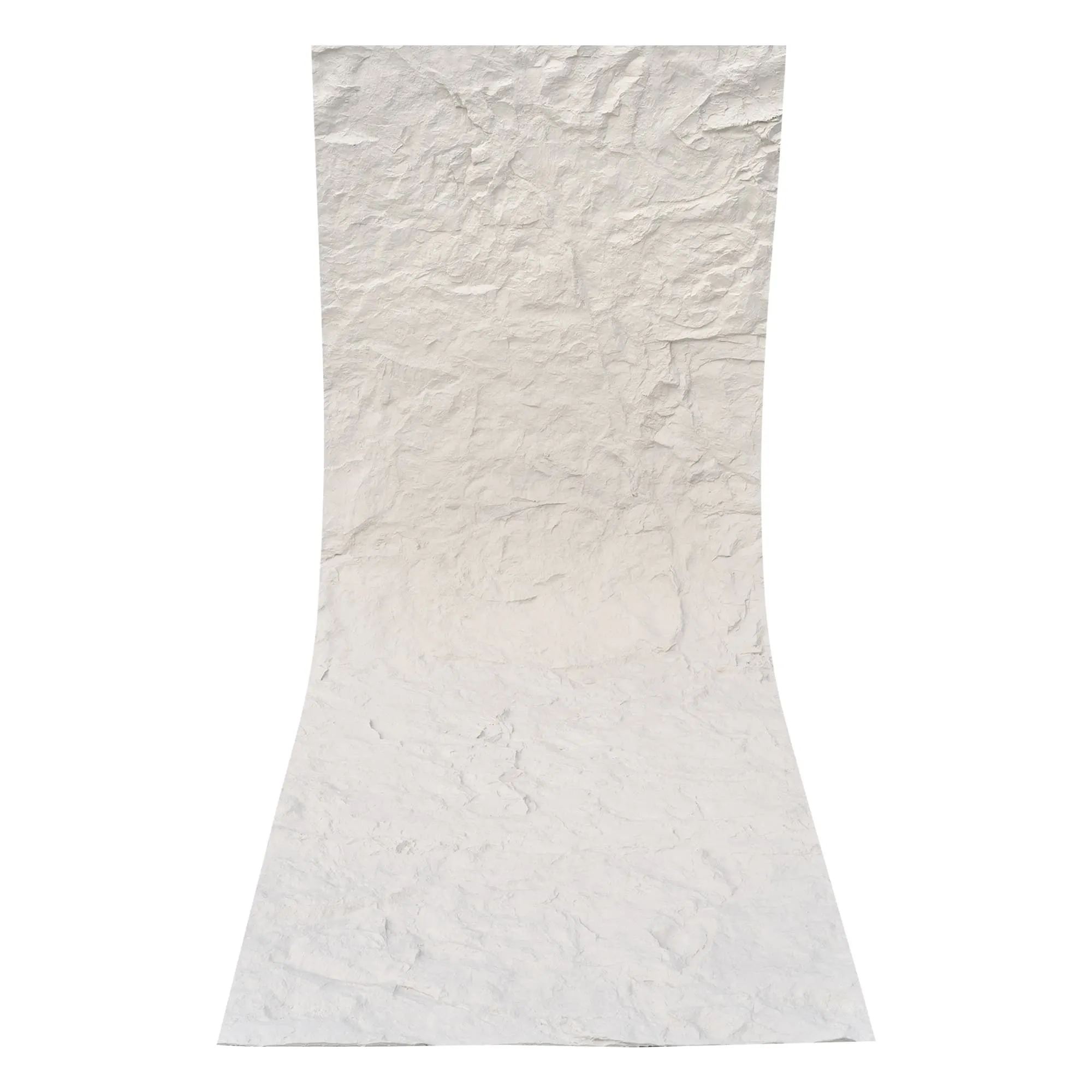
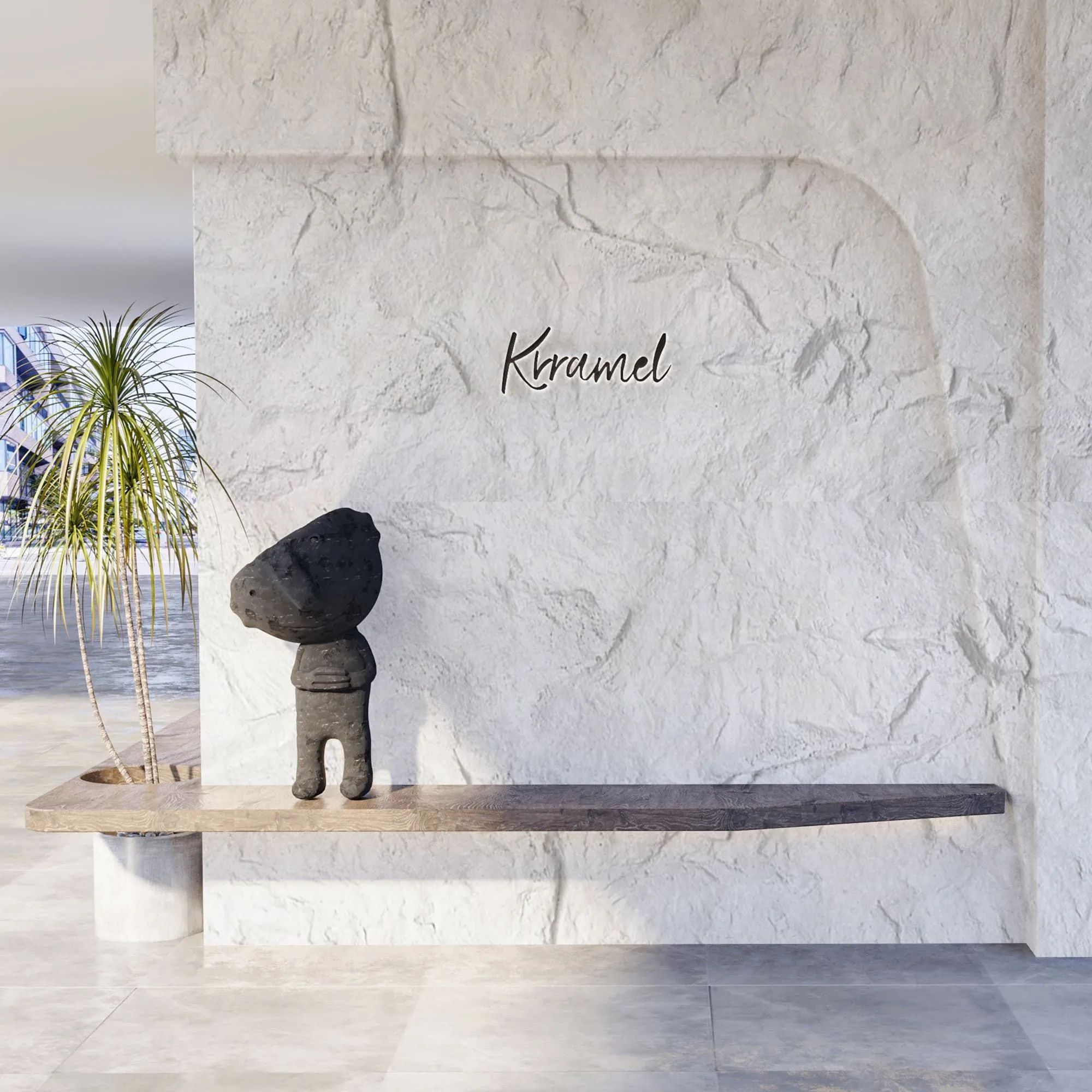
Take the MCM Boulder Slab, for example. With its rich, vintage finishes—silver, gold, black—it's a favorite for adding warmth to commercial facades and residential interiors. But what makes it more than just a pretty face? Certifications. They tell architects that this slab isn't just durable; it's certified durable. That it's not just eco-friendly; it's proven eco-friendly. In a world where greenwashing and empty claims run rampant, certifications are the anchor that keeps the industry honest.
If you've ever traveled internationally, you know the relief of seeing your passport stamped—proof you're allowed to cross borders. For construction materials sold in the European union (EU) and beyond, CE certification is that passport. It stands for "Conformité Européenne," and it's mandatory for products like MCM Boulder Slab and MCM flexible stone before they can be sold in EU markets. But CE isn't just about market access; it's about safety and performance.
To earn CE marking, MCM products undergo rigorous testing against European standards (EN standards). For the Boulder Slab, that means testing for things like fire resistance (EN 13501-1), mechanical strength (EN 12373), and even resistance to freeze-thaw cycles—a critical factor for buildings in colder climates. MCM's team doesn't just send samples to a lab and cross their fingers, though. They work closely with accredited testing bodies, like TÜV or SGS, to ensure every step of production aligns with CE requirements. "We start with raw materials," explains Maria Gonzalez, MCM's Quality Assurance Manager. "If the base material doesn't meet EN 15285 for flexible stone, we don't use it. It's that simple."
For architects working on EU projects, CE certification is non-negotiable. It's a legal requirement, but more than that, it's peace of mind. When you specify MCM Boulder Slab (vintage black) for a hotel facade in Paris, you don't have to wonder if it will hold up to rain, snow, or the wear of daily life. The CE mark says, "This has been tested, and it works."
While CE focuses on safety and market access, LEED is all about sustainability. Short for Leadership in Energy and Environmental Design, LEED is the most widely used green building rating system in the world. Administered by the U.S. Green Building Council (USGBC), it awards points for practices like energy efficiency, water conservation, and using sustainable materials. For developers aiming for LEED Gold or Platinum, every point counts—and MCM products like flexible stone and Boulder Slab are designed to help rack them up.
Let's start with MCM flexible stone. Unlike traditional stone, which often requires heavy mining and transportation, MCM flexible stone is made with a modified composite material that reduces waste by up to 30% during production. Its lightweight design also cuts down on transportation emissions—a key factor for LEED's "Materials and Resources" category. "We had a client in Chicago using our flexible stone for a retail space," recalls James Lin, MCM's Sustainability Director. "They were chasing LEED Silver, and the material's low embodied carbon alone helped them earn 4 points. That's the difference between missing and hitting their target."
Then there's the MCM Boulder Slab, particularly the vintage silver and gold variants. These slabs are crafted with recycled content—up to 25% post-consumer recycled materials in some cases—which contributes to LEED points for "Recycled Content." But it's not just about what's in the slab; it's about what's not. MCM's production process for Boulder Slab avoids volatile organic compounds (VOCs), which are harmful to indoor air quality. That's a win for LEED's "Indoor Environmental Quality" category, ensuring the spaces we build are healthy for the people inside them.
LEED isn't just a badge, though. It's a commitment to reducing a building's carbon footprint. When a hospital in Seattle chose MCM Boulder Slab (vintage gold) for its new wing, they didn't just get a beautiful, durable facade—they got a material that helped them reduce their overall energy use by 15% thanks to its thermal insulation properties. "It's rewarding to see our products contribute to buildings that heal people and the planet," James adds. "That's the heart of green building materials."
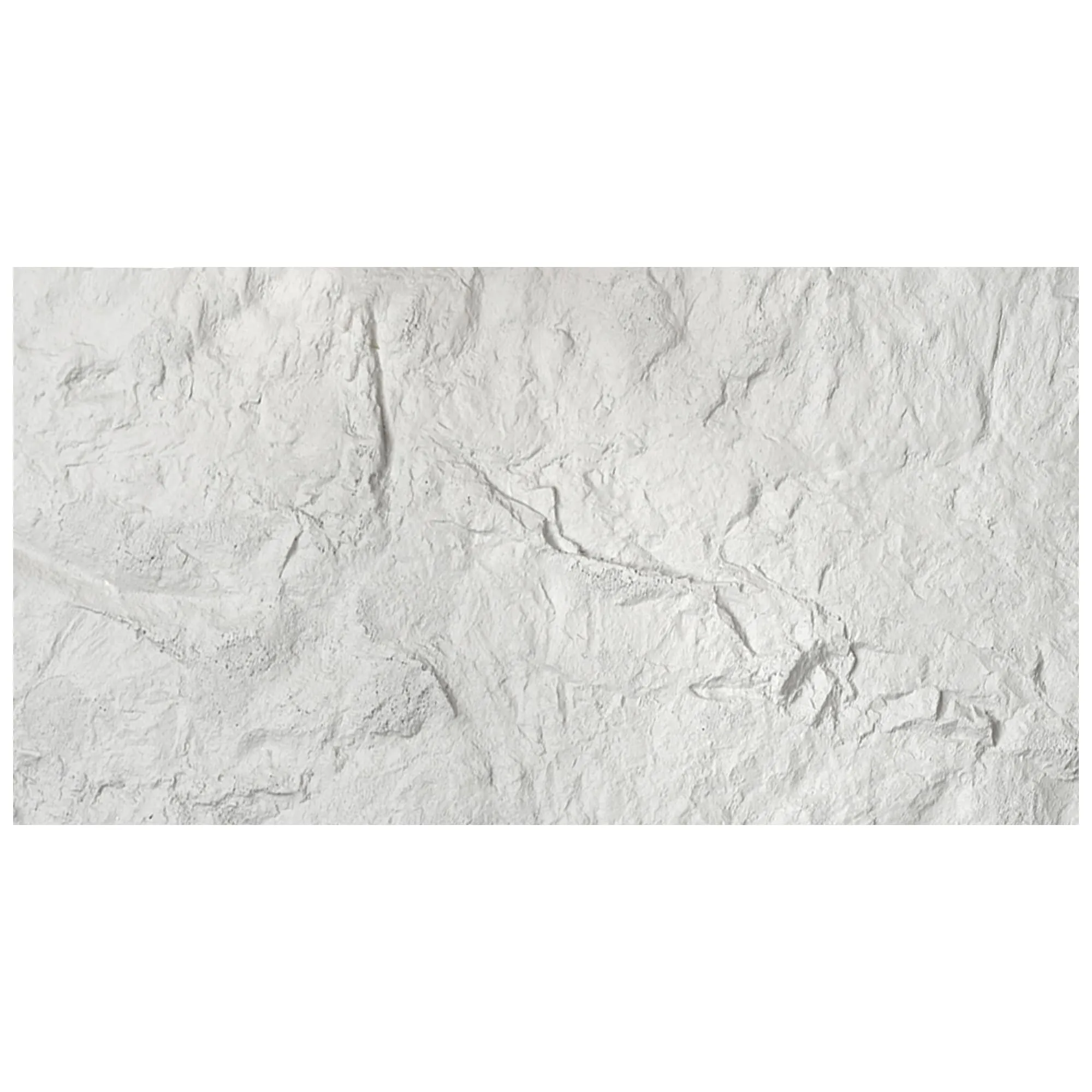
CE and LEED are big players, but MCM doesn't stop there. To truly stand out in a global market, the brand also adheres to standards like ISO 14001 (environmental management) and ASTM International (for durability and performance). Let's break down what these mean for products like the foamed aluminium alloy board (vintage silver) and MCM flexible stone.
ISO 14001 is all about a company's environmental management system (EMS). It requires MCM to track, reduce, and continuously improve its environmental impact—from water usage in production to waste management. For example, MCM's factory in Italy, which produces the foamed aluminium alloy board (vintage silver), has cut water consumption by 20% in the last three years by installing rainwater harvesting systems. "ISO 14001 isn't just about checking boxes," Maria says. "It's about building a culture of sustainability. Our employees are trained to identify ways to reduce waste daily—like reusing packaging materials or optimizing machine energy use."
ASTM International, on the other hand, sets standards for how materials perform in real-world conditions. For MCM flexible stone, that means testing against ASTM C1364 (standard test method for freeze-thaw resistance of ceramic tile) and ASTM E84 (standard test method for surface burning characteristics of building materials). "We once had a client in Canada worried about how flexible stone would hold up to -30°C winters," James laughs. "We sent them the ASTM E84 results showing it had a Class A fire rating and passed 500 freeze-thaw cycles. They were sold."
There's also the Global Green Tag certification, a rigorous standard from Australia that focuses on low toxicity and sustainability. MCM's flexible stone and Boulder Slab both carry this tag, which is especially valuable for projects in Asia-Pacific markets. "Global Green Tag goes beyond compliance—it's about transparency," Maria explains. "They audit our supply chain, our production, even our waste disposal. It's tough, but it shows clients we're serious about doing the right thing."
To make it easier to see how MCM's top products meet global standards, here's a snapshot of their compliance. Whether you're an architect choosing materials for a hospital or a developer eyeing a LEED Platinum project, this table shows why MCM is a trusted partner:
| Product | CE Certified? | LEED Points Contribution | ISO 14001 Compliant? | ASTM Tested? |
|---|---|---|---|---|
| MCM Boulder Slab (Vintage Silver) | Yes (EN 13501-1, EN 12373) | 4-6 points (Recycled Content, Low VOCs) | Yes | ASTM C1364 (Freeze-Thaw), ASTM E84 (Fire) |
| MCM Flexible Stone | Yes (EN 15285) | 3-5 points (Low Embodied Carbon, Waste Reduction) | Yes | ASTM D4977 (Tensile Strength), ASTM C1026 (Impact Resistance) |
| Foamed Aluminium Alloy Board (Vintage Silver) | Yes (EN 485-2) | 2-3 points (Recycled Aluminium Content) | Yes | ASTM B209 (Aluminium Alloys), ASTM E90 (Acoustic Performance) |
At the end of the day, certifications are about people. They're about the architect who needs to defend their material choices to a client. The developer who can't afford delays due to failed inspections. The parent who drops their kid off at a school and wants to know the walls are safe. MCM's certifications give these people confidence—and that confidence translates to better, more resilient spaces.
Take Sarah Chen, an architect in New York who specializes in sustainable commercial buildings. "I specify MCM Boulder Slab and flexible stone on almost every project now," she says. "Not just because they're beautiful, but because their certifications mean I don't have to second-guess myself. When a client asks, 'Is this material safe for our employees?' I can hand them the CE and LEED docs and say, 'Yes, and here's why.' It saves time, reduces stress, and lets me focus on designing great spaces."
For developers, certifications also open doors. A luxury resort in Bali chose MCM's Bali stone (a close cousin of the Boulder Slab) for its villas, and because the material was CE and LEED compliant, they were able to attract international investors who prioritized sustainability. "Certifications make our projects more marketable," says Raj Patel, a developer in Bali. "Investors see them as a sign of quality and forward-thinking. MCM's products didn't just help us build a resort—they helped us sell it."
And let's not forget the end users: the teachers in that school, the nurses in that hospital, the families in that community center. When a material is certified, it's a promise that someone cared enough to test it, refine it, and ensure it works—for them. That's the human touch of MCM's compliance efforts.
Certifications aren't static. Standards evolve, new technologies emerge, and the industry demands more from materials. MCM knows this, which is why they're already working on the next generation of compliant products. "We're investing in R&D to make our Boulder Slab even more recycled-content rich—aiming for 40% by 2026," James says. "And we're exploring how to reduce the carbon footprint of our foamed aluminium alloy board production by switching to renewable energy in our factories."
They're also collaborating with organizations like the USGBC to shape the future of LEED. "We want to be part of the conversation about what 'sustainability' means in 2030 and beyond," Maria adds. "Certifications should push us to do better, not just meet a minimum bar."
At the end of the day, MCM's certifications are more than just labels on a product sheet. They're a reflection of a brand that believes building materials should be trusted, sustainable, and human-centered. Whether it's the Boulder Slab standing tall on a skyscraper or flexible stone softening the walls of a community center, these products carry with them the weight of third-party validation—and the heart of a company that cares about the spaces we build and the people who inhabit them.
So the next time you walk into a building and pause to admire its facade, remember: behind that beauty is a story of certifications, testing, and commitment. MCM's Boulder Slab, flexible stone, and other products aren't just materials—they're proof that great buildings start with great, certified materials. And in a world that needs more trust, more sustainability, and more heart, that's a story worth building on.
Recommend Products












