
When you step into a bustling commercial space—a sleek office tower, a vibrant shopping mall, or a busy hotel—the first things that catch your eye might be the modern design, the natural light, or the flow of people. What often goes unnoticed, though, is the silent guardian working behind the scenes: the exterior cladding that protects the building from the elements, enhances its aesthetics, and most critically, keeps occupants safe. In today's world, where building safety regulations grow stricter and public awareness of fire risks rises, choosing the right cladding material isn't just a design decision—it's a promise to prioritize lives and livelihoods. Enter MCM Boulder Slab, a material that marries cutting-edge safety with timeless style, and today, we're diving deep into how its fire ratings make it a standout choice for commercial buildings.
Commercial buildings are more than just structures; they're hubs of activity, housing hundreds—sometimes thousands—of people every day. From employees clocking in for work to shoppers browsing stores, the stakes for safety are sky-high. When it comes to exterior cladding, fire resistance is non-negotiable. A cladding material that fails under fire stress can turn a small incident into a catastrophic disaster, spreading flames rapidly and endangering lives. Think of the tragic incidents in recent years where flammable cladding contributed to building fires—these events have reshaped regulations globally, pushing architects, developers, and builders to demand materials that don't just meet minimum standards, but exceed them.
Fire ratings, in this context, aren't just numbers on a certificate. They're a benchmark of trust. A material with a high fire rating means it resists ignition, slows the spread of flames, and releases minimal heat and toxic smoke—all critical factors in giving occupants time to evacuate and firefighters time to respond. For commercial buildings, which often face stricter codes than residential spaces, achieving the highest fire ratings isn't optional; it's a legal and ethical obligation.
In the search for safer, more versatile cladding, Modified Composite Material (MCM) has emerged as a game-changer. Unlike traditional materials like vinyl or some metal panels, MCM is engineered for performance. It typically consists of a mineral-filled core sandwiched between thin aluminum sheets, creating a lightweight yet durable solution that resists impact, weathering, and yes—fire. MCM's rise in popularity isn't just due to its safety credentials, though; it's also a favorite among designers for its flexibility. Whether you're aiming for a rustic stone look, a sleek metallic finish, or a bold color, MCM can mimic natural materials while offering superior durability and lower maintenance.
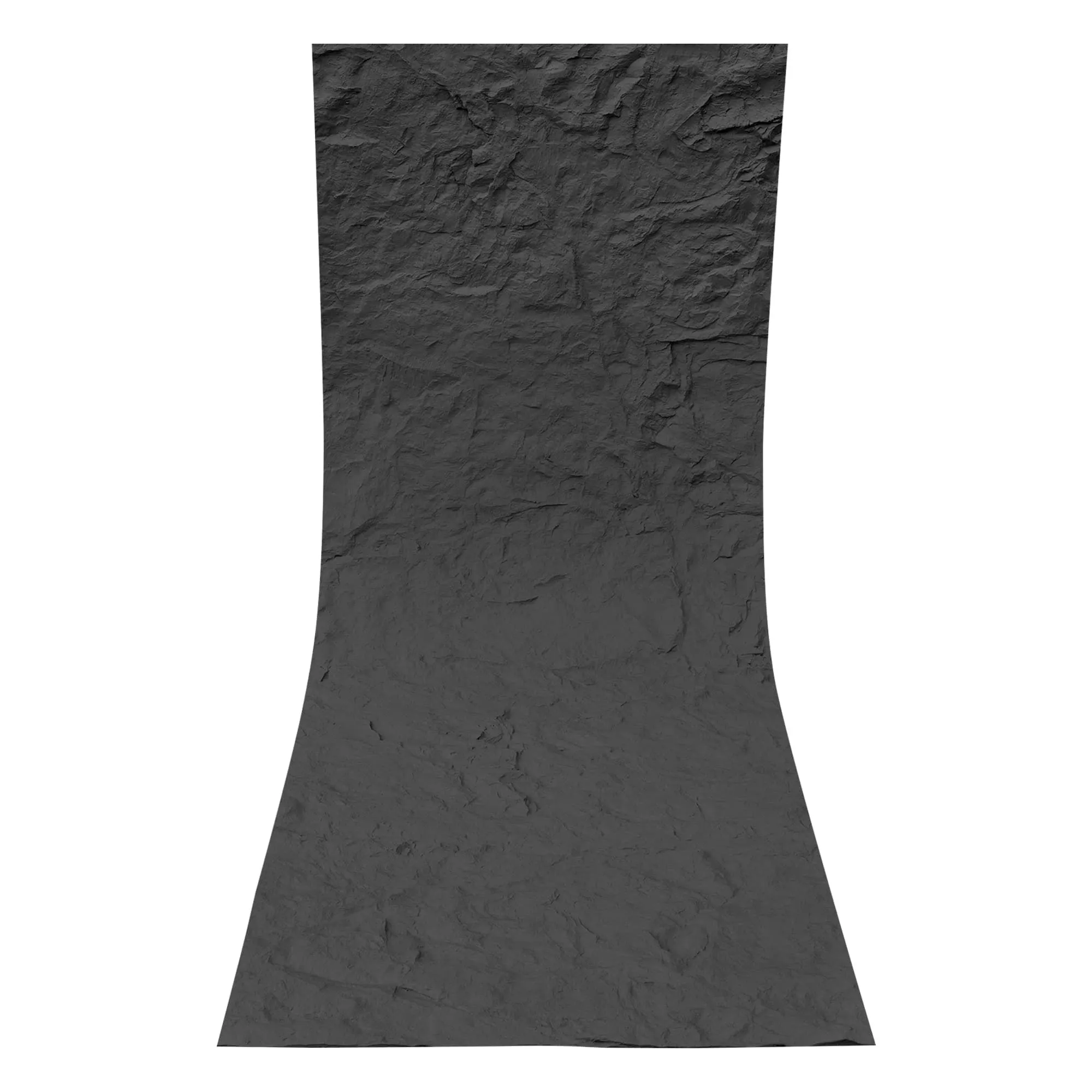
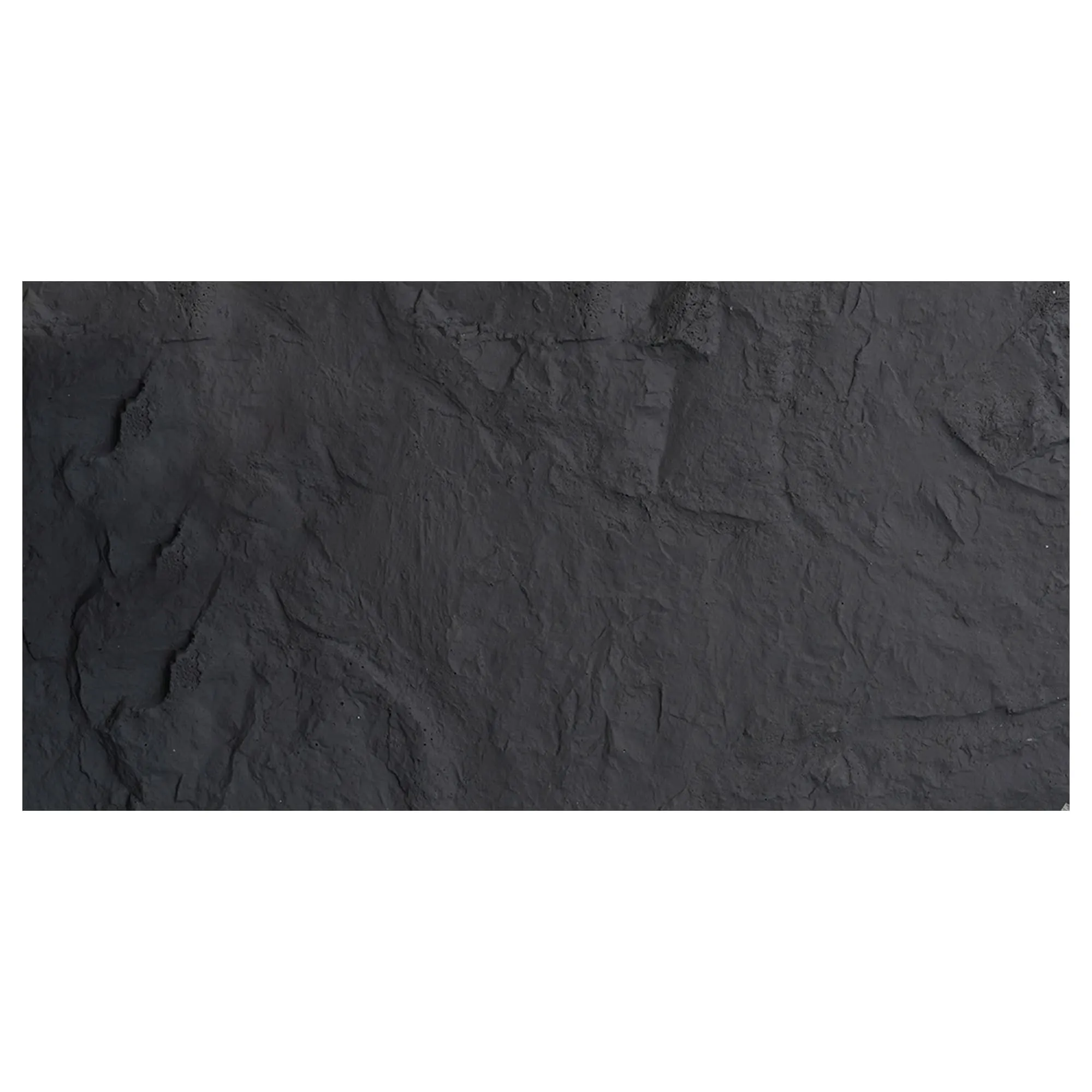
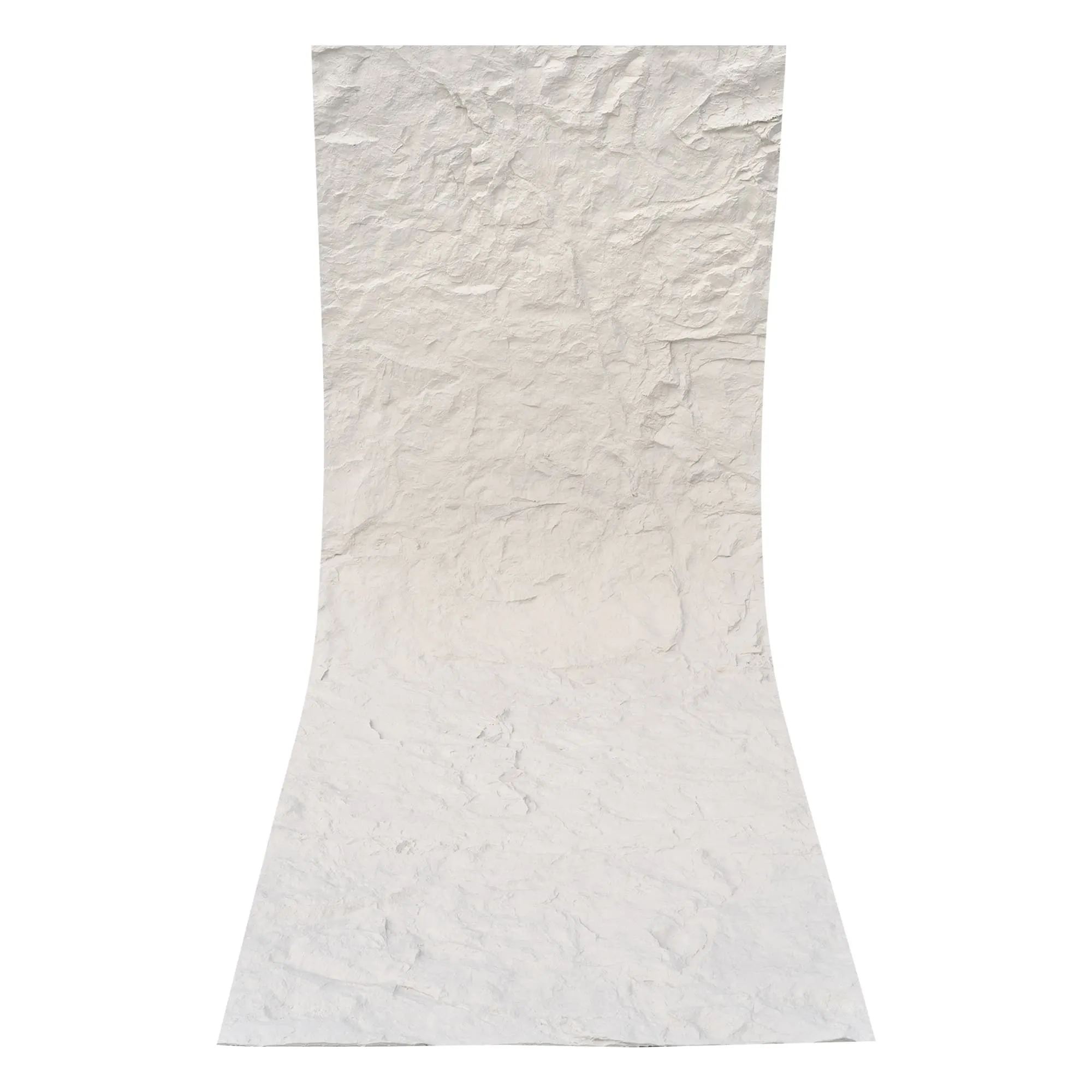
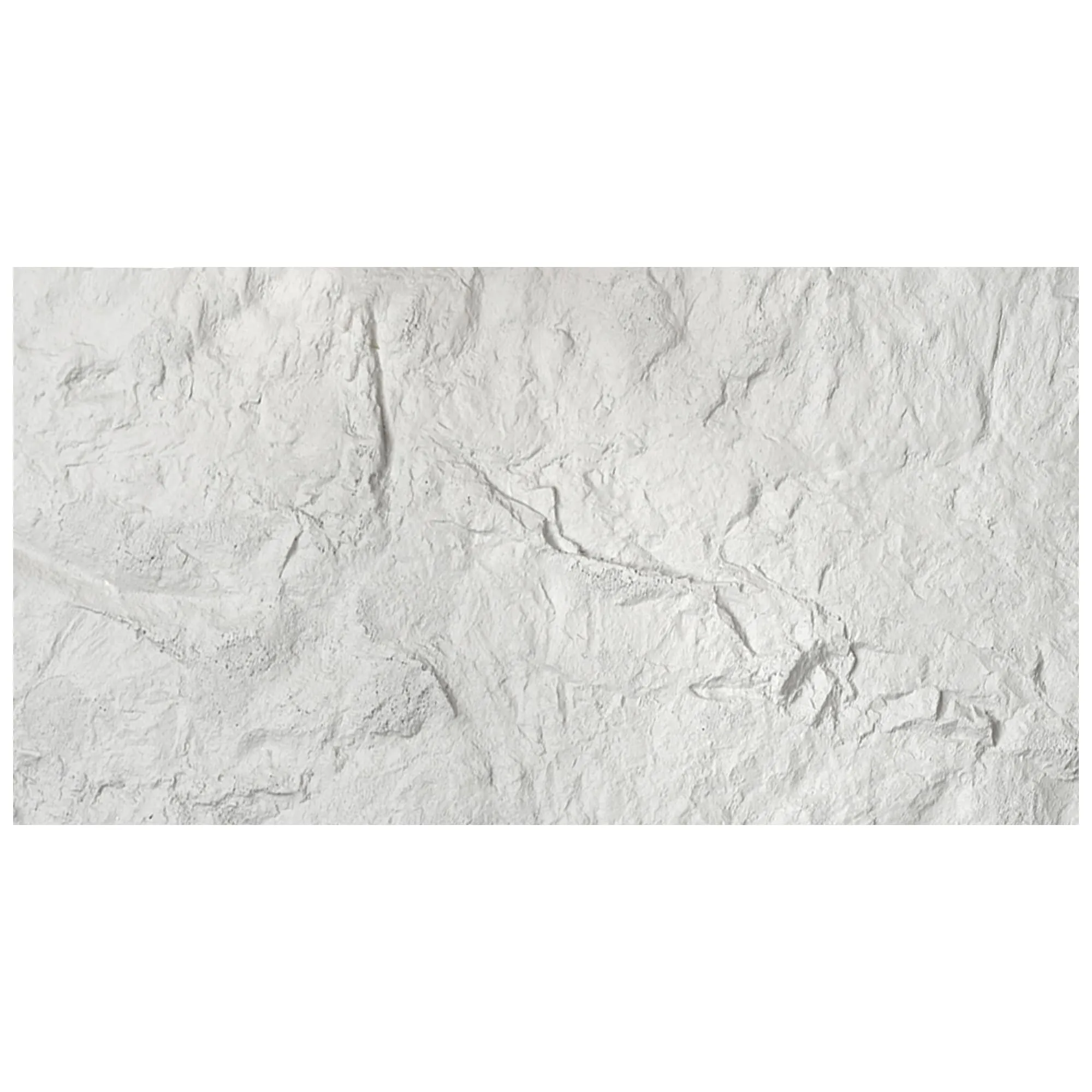
Within the MCM family, the Boulder Slab series stands out. Designed to evoke the rugged beauty of natural stone boulders, it's a material that doesn't just protect buildings—it elevates them. Available in boulder slab (vintage silver) , boulder slab (vintage gold) , and boulder slab (vintage black) , the series blends industrial charm with timeless elegance, making it a top pick for commercial projects that want to balance safety with curb appeal.
Before we dive into how MCM Boulder Slab performs, let's break down what fire ratings actually measure. In most regions, cladding materials are rated based on their performance in standardized fire tests, with classifications ranging from Class A (highest resistance) to Class C (lowest). Class A is the gold standard for commercial buildings, especially high-rises, as it indicates the material is non-combustible or has very limited combustibility. To earn a Class A rating, a material must pass rigorous tests, including resistance to flame spread, heat release, and smoke production.
These tests are rigorous. For example, the ASTM E108 test (Standard Test Methods for Fire Tests of Roof Coverings) evaluates how a material behaves when exposed to fire from below, simulating an external fire source. Another key standard, EN 13501-1, assesses reaction to fire, classifying materials from A1 (non-combustible) to F (highly flammable). For commercial buildings, especially those over a certain height, only materials rated A1 or A2 (limited combustibility) are typically permitted. So when we say MCM Boulder Slab excels here, we're talking about meeting some of the toughest safety standards in the industry.
So, how does MCM Boulder Slab stack up? Let's cut to the chase: the entire Boulder Slab series, including its vintage silver, gold, and black variants, boasts a Class A fire rating. This means it's classified as non-combustible, making it ideal for high-rise commercial buildings, hospitals, schools, and other structures where safety is paramount. But what makes it non-combustible? The secret lies in its composition. MCM Boulder Slab's core is made from mineral-filled materials, including Portland cement and fiberglass, which are inherently fire-resistant. Unlike materials with plastic cores or organic binders, it doesn't melt, drip, or release flammable gases when exposed to high heat.
To put this in perspective, let's compare it to a material like fair-faced concrete —a classic choice for its industrial, raw aesthetic. While fair-faced concrete is also fire-resistant, it's heavy, limiting its use in retrofits or buildings where weight is a concern. MCM Boulder Slab, by contrast, is lightweight (typically 3-5 kg per square meter), making it easier to install and reducing structural load. This combination of lightness and fire resistance is a game-changer, especially for architects working on projects where both safety and design flexibility are priorities.
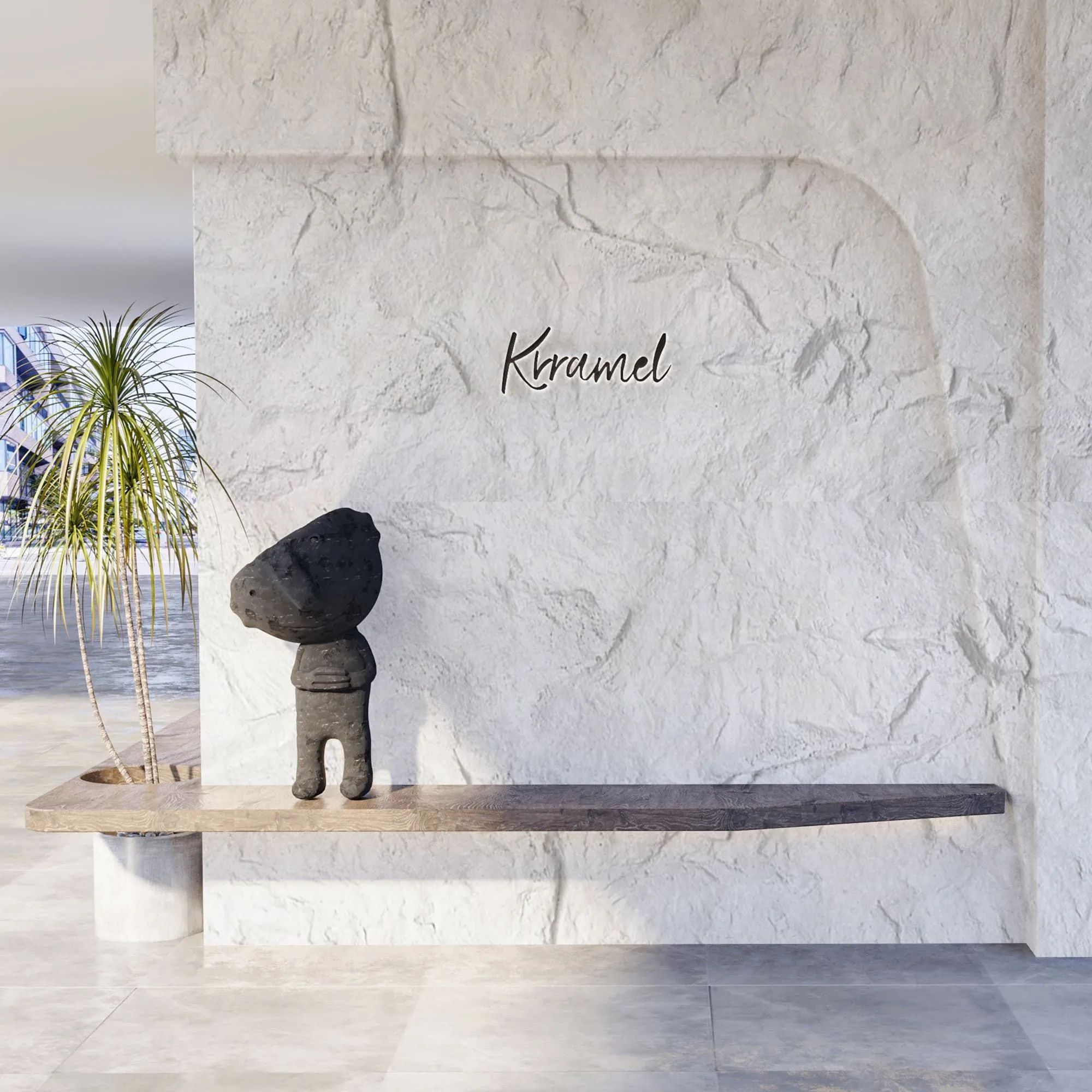
A fire rating certificate is important, but real-world performance is what truly matters. Let's take a look at a recent project that showcases MCM Boulder Slab's fire safety in action: a 30-story office tower in downtown Chicago. The developer wanted a cladding material that would complement the building's modern design while meeting Chicago's strict fire codes, which require Class A rated materials for buildings over 75 feet. After evaluating options, the team chose boulder slab (vintage gold) for its warm, metallic finish and Class A fire rating.
During construction, the material underwent on-site fire tests, including exposure to open flames for 30 minutes. The results? The Boulder Slab panels resisted ignition, and even when exposed to direct heat, they charred minimally and didn't spread flames. Firefighters on-site noted that the panels acted as a barrier, preventing heat from transferring to the building's interior. Today, the tower stands not just as a landmark of design, but as a testament to how safety and aesthetics can coexist.
To truly understand Boulder Slab's, let's compare its fire performance with other popular cladding materials. The table below breaks down key metrics, including fire rating class, key features, and best-use cases:
| Material | Fire Rating Class | Key Features | Best For |
|---|---|---|---|
| MCM Boulder Slab (vintage silver) | Class A (Non-combustible) | Lightweight (3-5 kg/m²), weather-resistant, vintage metallic finish | High-rise offices, luxury hotels |
| Fair-Faced Concrete | Class A (Non-combustible) | Durable, raw aesthetic, heavy (20-30 kg/m²) | Industrial-style buildings, low-rise structures |
| Foamed Aluminium Alloy Board (vintage silver) | Class B (Limited combustibility) | Lightweight, corrosion-resistant, modern metallic look | Low-rise commercial, decorative accents |
| Travertine (starry blue) | Class B (Depends on finish) | Natural stone appearance, porous, requires sealing | Low-rise retail, accent walls |
| Lunar Peak Golden | Class A (Non-combustible) | Shimmery golden finish, high impact resistance | Accent panels, cultural centers |
As the table shows, Boulder Slab holds its own against even the most fire-resistant materials, with the added bonus of being lightweight and design-friendly. While lunar peak golden also boasts a Class A rating, its specialty is in accent panels, whereas Boulder Slab is engineered for full-scale exterior cladding, making it a more versatile choice for large commercial projects.
One of the biggest challenges in commercial cladding is balancing safety with design. Too often, fire-resistant materials are dismissed as "industrial" or "utilitarian," limiting creative freedom. MCM Boulder Slab flips that script. With variants like vintage silver, gold, and black, it offers a range of aesthetics to suit any project. The vintage silver finish, for example, exudes modern elegance, perfect for sleek tech offices or luxury retail spaces. Vintage gold adds warmth, making it ideal for hotels or cultural centers aiming for a welcoming vibe. And vintage black? It's bold and dramatic, a favorite for statement-making buildings in urban skylines.
But Boulder Slab doesn't stop at color. Its texture, inspired by natural boulders, adds depth and dimension to exteriors, mimicking the look of quarried stone without the weight or maintenance. Architects love it because it allows them to create unique facades—whether mixing and matching finishes or using large-format panels for a seamless look—all while knowing the material meets the highest fire safety standards.
As building codes evolve and public demand for safer spaces grows, the future of commercial cladding belongs to materials that don't compromise. MCM Boulder Slab, with its Class A fire rating, lightweight design, and versatile aesthetics, is leading that charge. It's a material that understands that safety isn't just about avoiding disaster—it's about building trust. When occupants walk into a building clad in Boulder Slab, they might not know the technical details of its fire rating, but they'll feel the confidence that comes from knowing the structure was built with their safety in mind.
For architects and developers, Boulder Slab is more than a cladding material—it's a partner in creating spaces that inspire. It's the ability to design a building that turns heads and passes the toughest safety tests. It's the peace of mind that comes from choosing a material with a proven track record of performance.
In the world of commercial construction, every decision is an investment—in the building's longevity, in its occupants' well-being, and in its impact on the community. MCM Boulder Slab represents the kind of investment that pays dividends for decades: a material that protects, performs, and pleases the eye. Its fire ratings aren't just a feature; they're a commitment to excellence. So the next time you pass a commercial building with a stunning exterior, take a closer look. If it's clad in MCM Boulder Slab, you can rest assured that behind that beauty lies a foundation of safety—one that will stand the test of time, and fire.
Recommend Products












