
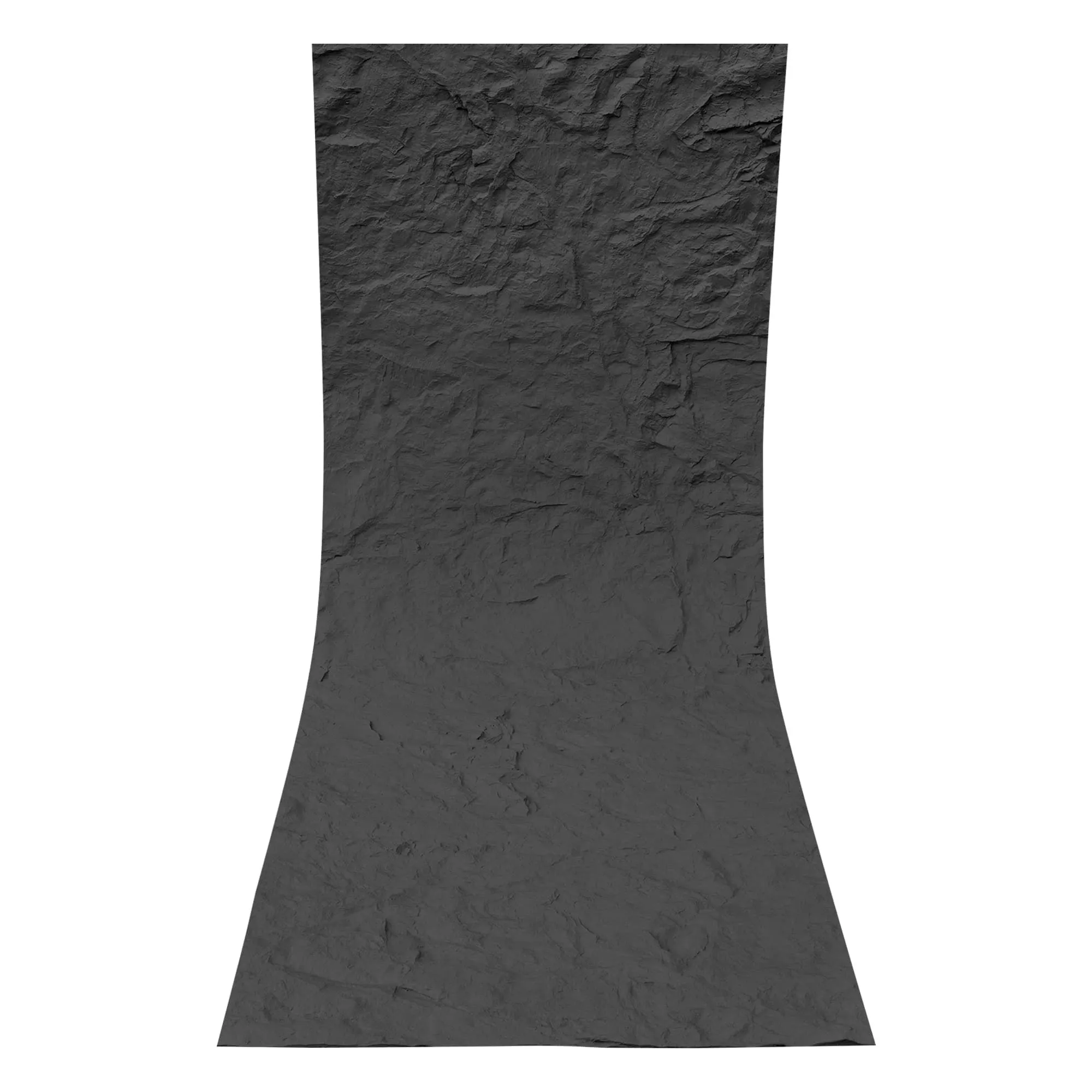
Navigating the world of modified composite materials for your next design project
Walk into any modern space—whether it's a sleek office tower, a cozy café, or a luxury home—and you'll notice something immediately: the materials tell a story. They set the mood, evoke emotions, and even influence how we move through a room. In recent years, one material has been quietly revolutionizing this narrative: Modified Composite Material, or MCM. Lightweight yet durable, versatile yet distinctive, MCM has become a go-to for architects and designers craving both innovation and reliability.
But within the MCM family, two stars have risen to the top: the bold, unyielding Boulder Slab and the adaptable, curve-hugging Flexible Stone . Each brings something unique to the table, and choosing between them isn't just about specs—it's about aligning your material with the vision of your project. Let's dive in, explore their personalities, and help you decide which one deserves a spot in your next design.
Before we pit these two contenders against each other, let's get clear on what MCM is. Short for Modified Composite Material , it's a blend of natural minerals, polymers, and reinforcing fibers engineered to mimic the look and feel of natural stone, wood, or metal—without the drawbacks. Think: the elegance of marble without the weight, the warmth of wood without the warping, or the industrial edge of metal without the corrosion.
MCM's claim to fame? It's lightweight (often 70% lighter than natural stone), highly durable (resistant to scratches, UV rays, and moisture), and surprisingly versatile. Manufacturers can craft it into slabs, tiles, or even flexible sheets, opening up a world of design possibilities. And with finishes ranging from vintage metallics to earthy stone textures, it's no wonder MCM has become a favorite for both commercial and residential projects.
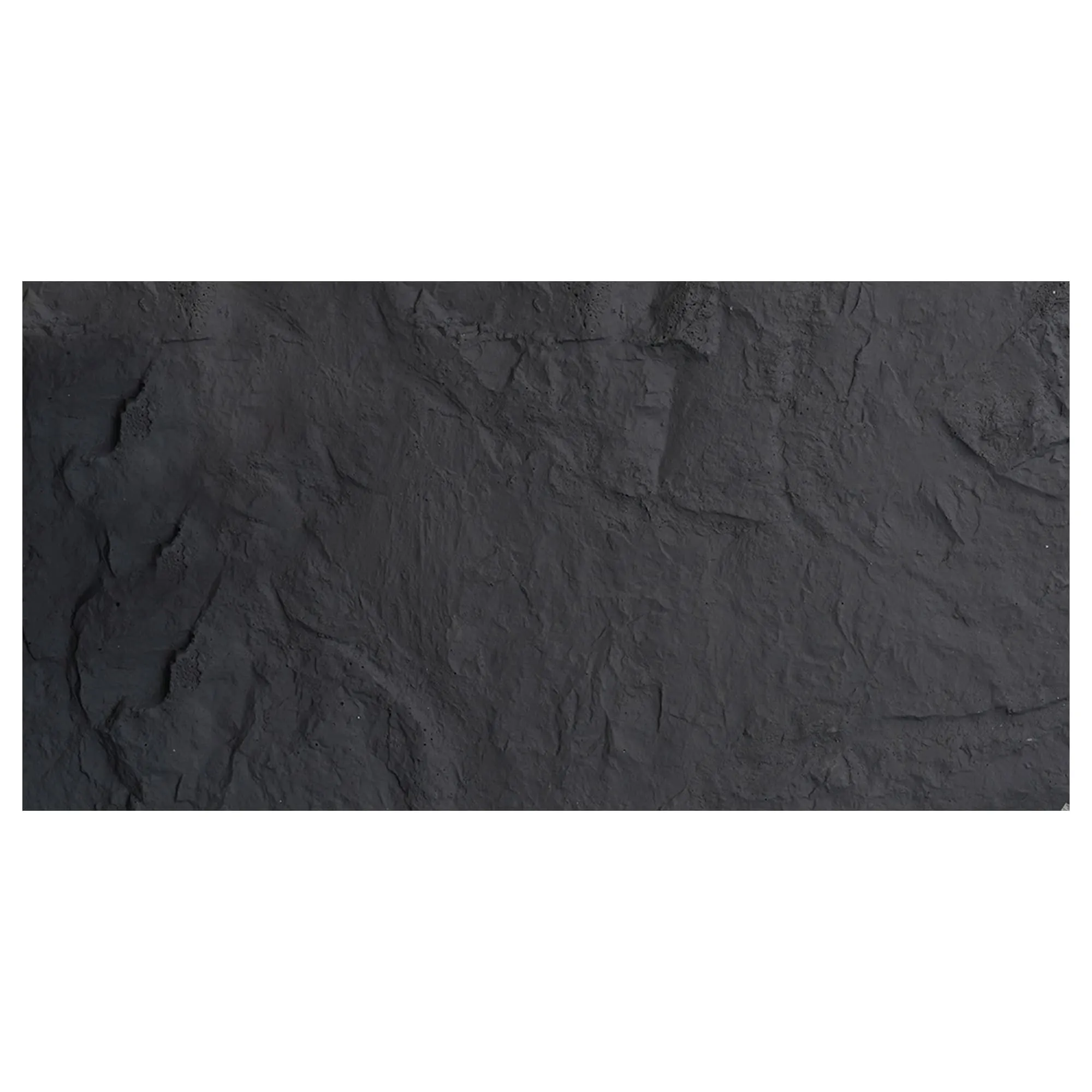
If MCM were a personality type, Boulder Slab would be the confident leader in the room—unafraid to take up space and make an impression. Part of the mcm big slab board series , Boulder Slab lives up to its name: it's a rigid, slab-like panel designed to command attention. Imagine thick, substantial sheets that look like they've been hewn from solid rock or polished metal, but with the lightweight benefits of MCM. It's the material equivalent of a power suit—sharp, strong, and impossible to ignore.
What really sets Boulder Slab apart is its finish options—specifically, the Boulder Slab (vintage silver) , Boulder Slab (vintage gold) , and Boulder Slab (vintage black) variants. These aren't your average metallic panels; they're designed to look "lived-in," with subtle patinas, brushed textures, and a soft sheen that feels both luxurious and timeless. Vintage silver has a cool, industrial edge—think old factory machinery with a modern upgrade. Vintage gold warms up a space, adding a touch of opulence without veering into gaudy. Vintage black? It's sleek, dramatic, and perfect for creating contrast in minimalist designs.
Run your hand over a Boulder Slab panel, and you'll notice the texture: not perfectly smooth, but with enough grain to feel organic. It's a deliberate choice—manufacturers want these slabs to feel "real," like they've been weathered by time but still stand strong. That texture also plays with light beautifully; depending on the angle, the vintage finishes shift from matte to shimmer, adding depth to walls, facades, or countertops.
Boulder Slab isn't just about looks—it's built to perform in high-stakes environments. Here are a few places where it truly excels:
Pros:
Cons:
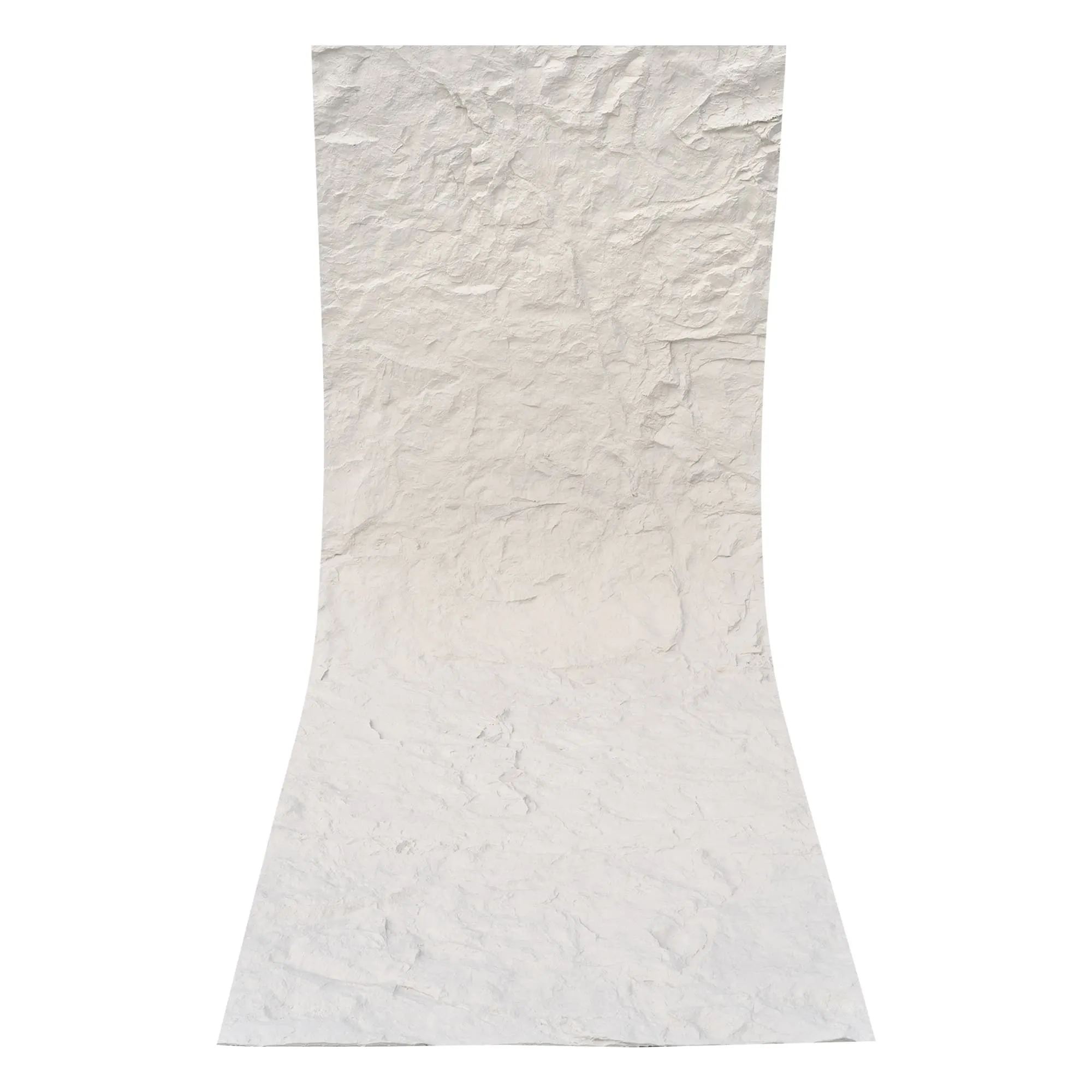
If Boulder Slab is the bold leader, mcm flexible stone is the creative problem-solver—always ready to adapt, bend, and fit into spaces others can't. As the name suggests, this variant is thin (often less than 2mm thick) and surprisingly bendable, mimicking the look of natural stone but with the flexibility of a sheet of paper. It's like wrapping your design in a second skin—one that conforms to curves, corners, and even cylindrical surfaces.
Flexible Stone is a game-changer for architects and designers who refuse to be limited by straight lines. Ever wanted a stone-clad curved wall in a museum? Or a rounded fireplace that feels like it's sculpted from a single piece? Flexible Stone makes it possible—without the weight or cost of traditional stone.
You might be wondering: How can something that looks like stone bend? The secret is in the manufacturing. Flexible Stone starts with a thin layer of natural stone particles (think marble, travertine, or slate) bonded to a lightweight, flexible backing (often fiberglass or polymer mesh). This combination creates a material that's thin enough to bend but strong enough to withstand daily wear and tear. It's like a stone veneer with superpowers—thin, light, and surprisingly tough.
The result? A material that can wrap around columns, hug convex or concave walls, and even be applied to furniture for a custom look. And because it's so thin (typically 1-2mm), it adds minimal thickness to surfaces—perfect for retrofitting existing spaces without sacrificing square footage.
Flexible Stone isn't just a novelty—it's a practical solution for design challenges. Here are a few scenarios where it outshines rigid options:
Pros:
Cons:
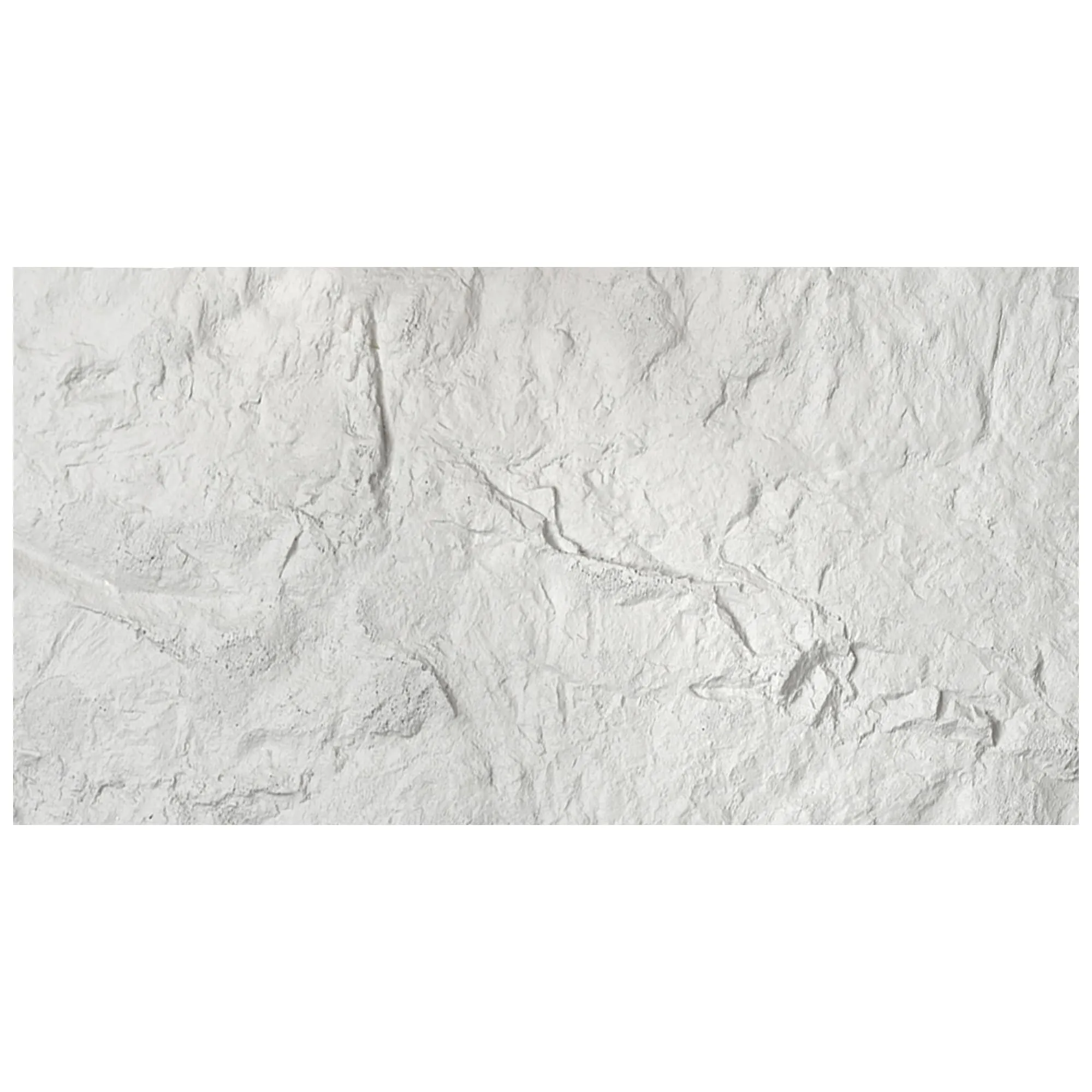
| Category | Boulder Slab (Vintage Finishes) | Flexible Stone |
|---|---|---|
| Structure | Rigid, thick slabs (part of mcm big slab board series) | Thin, flexible sheets (1-2mm thick) |
| Best For | Statement walls, exteriors, high-traffic areas | Curved surfaces, unique architectural details, lightweight needs |
| Durability | High—resists impacts, scratches, and harsh weather | Moderate—good for daily use but less impact-resistant |
| Installation | Requires sturdy mounting; professional installation recommended | Simple adhesive application; DIY-friendly for small projects |
| Aesthetic | Bold, luxurious; vintage silver/gold/black finishes with minimal seams | Natural stone look; more seams but adaptable to curves |
| Weight | Heavier (but lighter than natural stone) | Ultra-lightweight (easily handled by one person) |
| Outdoor Use | Excellent—resists UV, rain, and temperature swings | Good for covered areas; avoid prolonged exposure to extreme weather |
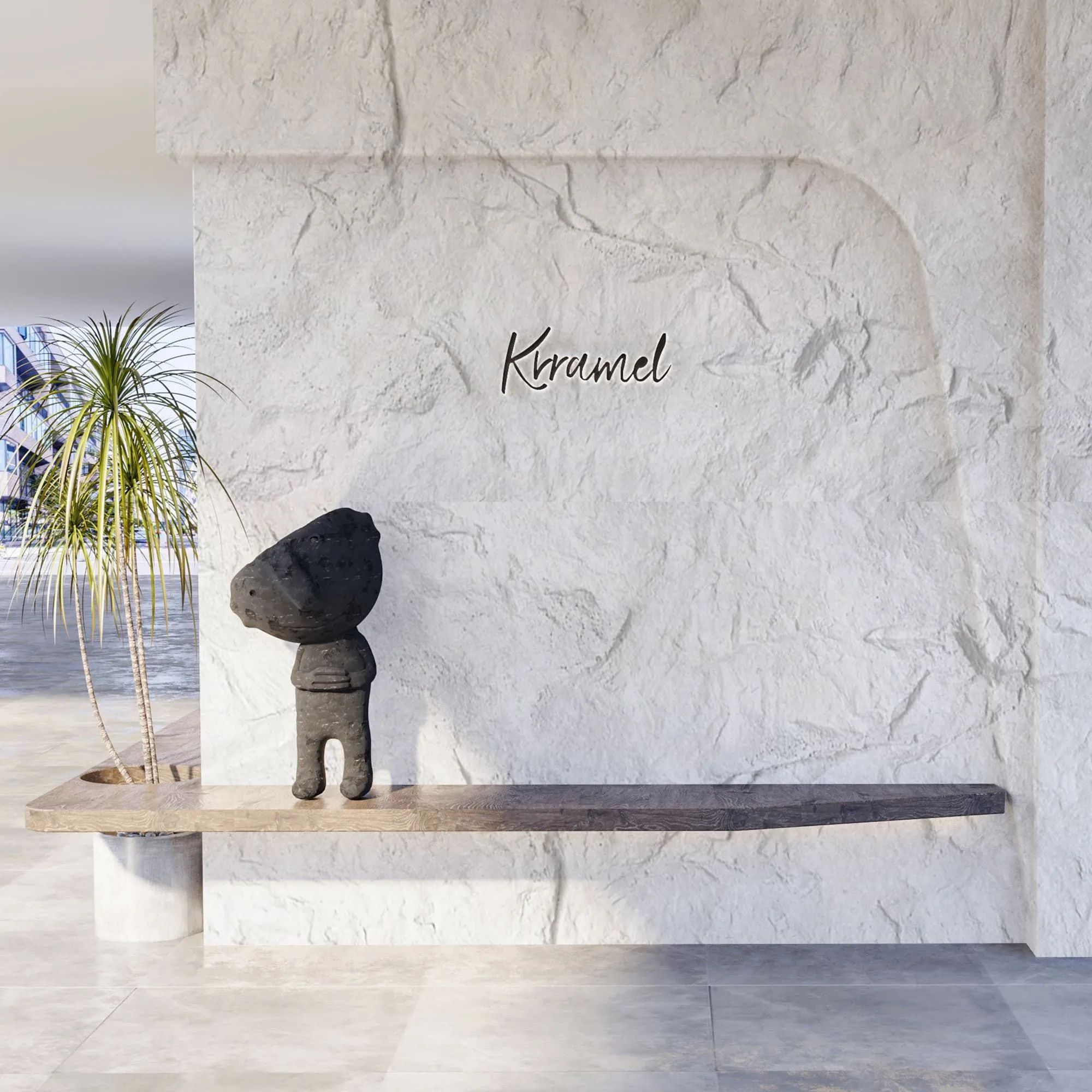
At this point, you might be thinking, "Both sound great—how do I pick?" The answer depends on your project's unique needs. Here's a step-by-step guide to help you decide:
If you're working on an exterior project—say, cladding a building facade or a poolside wall—Boulder Slab's weather resistance gives it the edge. Its rigidity also stands up better to wind and rain. For indoor spaces, both work, but Flexible Stone is a star if you have curved walls or custom furniture pieces.
High-traffic areas like hotel lobbies, airports, or retail stores need materials that can take a beating. Boulder Slab's durability makes it a safer bet here. Low-traffic spaces—like a home office or a boutique café's accent wall—can benefit from Flexible Stone's unique texture without worrying about heavy impacts.
Do you want the material to be the focal point? Go with Boulder Slab's vintage silver, gold, or black finishes—they demand attention. If you want the material to complement other design elements (like artwork or furniture), Flexible Stone's natural stone looks blend in beautifully while adding texture.
Boulder Slab panels cost more upfront than Flexible Stone, and professional installation adds to the expense. But if you're looking for longevity and minimal maintenance, the investment might be worth it. Flexible Stone is more budget-friendly and faster to install, making it great for projects with tight timelines or budgets.
At the end of the day, choosing between MCM Boulder Slab and Flexible Stone isn't about which is "better"—it's about which aligns with your project's goals. Boulder Slab brings the drama, durability, and vintage luxury of the mcm big slab board series , perfect for making bold statements in high-stakes spaces. Flexible Stone, on the other hand, is the chameleon of MCM, adapting to curves and creative designs with ease.
And here's a secret: you don't have to choose one or the other. Many designers mix and match—using Boulder Slab for exterior cladding and Flexible Stone for interior curved walls, or pairing vintage gold Boulder Slab with a travertine-patterned Flexible Stone accent. MCM's versatility means the only limit is your imagination.
So whether you're dreaming of a vintage silver statement wall that wows clients or a curved Flexible Stone feature that makes your home feel like a work of art, MCM has you covered. After all, the best designs aren't just about materials—they're about how materials make us feel. And with Boulder Slab and Flexible Stone, that feeling is sure to be one of innovation, beauty, and lasting quality.
Recommend Products












