
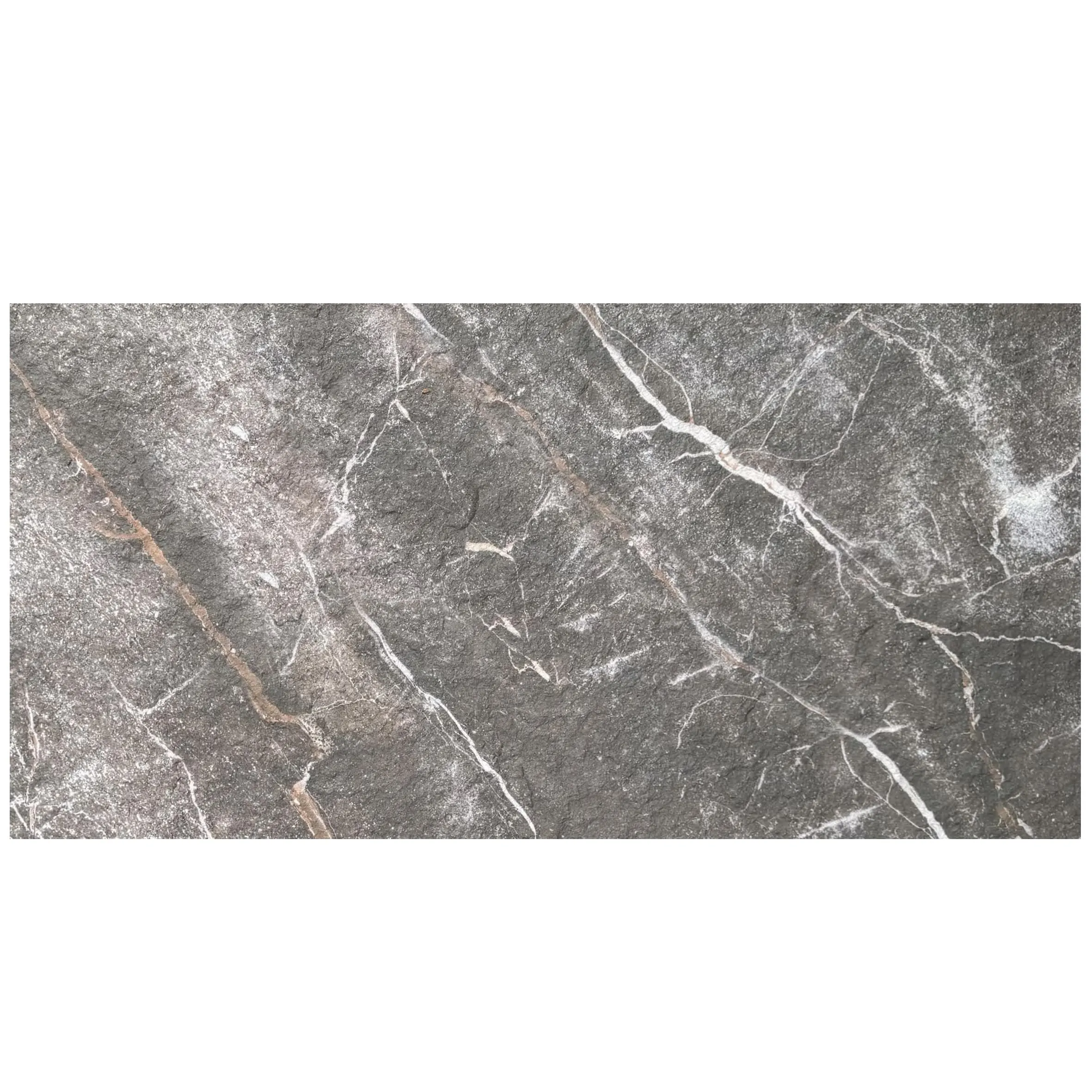
Walk into any modern home or commercial building, and the first thing that often catches your eye isn't just the layout or the furniture—it's the materials. The texture of the walls, the finish of the floors, the way light plays off a countertop—these elements shape how we feel in a space. For decades, architects and homeowners alike have turned to heavy, luxurious stones like granite to add that touch of elegance. Granite Portoro, with its deep black base and striking gold veins, has long been a favorite for high-end projects. But here's the thing: beauty shouldn't come with a heavy price—literally. Enter MCM Flexible Stone, a game-changer that's redefining what we expect from building materials. It's lightweight, versatile, and yes, just as stunning as the stones we've come to love. Let's dive into why this innovative material is quickly becoming the go-to choice for those who refuse to compromise on style or practicality.
Before we get into why MCM Flexible Stone is a better alternative to Granite Portoro, let's make sure we're all on the same page about what it actually is. MCM stands for Modified Composite Material, a blend of natural minerals, recycled polymers, and advanced binders that's engineered to mimic the look and feel of natural stone—without the bulk. Think of it as stone, but with a "flexible" personality. Unlike traditional stone slabs that are quarried, cut, and shipped as heavy, rigid blocks, MCM Flexible Stone comes in thin, lightweight sheets that can bend, curve, and adapt to almost any surface. It's like having the beauty of natural stone with the convenience of a peel-and-stick wallpaper (though, to be clear, it's way more durable than that).
But MCM isn't just a one-trick pony. The MCM project board series and MCM 3D printing series take this versatility even further, allowing for custom designs, textures, and patterns that were once impossible with traditional stone. Imagine a wall that looks like it's carved from ancient rock but weighs a fraction of the real thing, or a facade that curves gracefully around a building without requiring massive structural support. That's the magic of MCM. And while Granite Portoro has its place in design history, MCM Flexible Stone is writing a new chapter—one where beauty, functionality, and sustainability coexist.
I once worked with a friend who renovated his kitchen with Granite Portoro countertops. He fell in love with the stone's dramatic look, but the installation was a nightmare. The slabs were so heavy that they needed a team of four men to carry them up his narrow staircase, and one wrong move left a chip in the corner (which cost a pretty penny to repair). Worse, the added weight meant reinforcing his kitchen cabinets to prevent them from sagging over time. When he saw my MCM Flexible Stone backsplash a year later—light enough for me to install myself, with zero structural changes needed—he shook his head and laughed. "Why didn't I know about this sooner?" he said. It's a question I hear a lot.
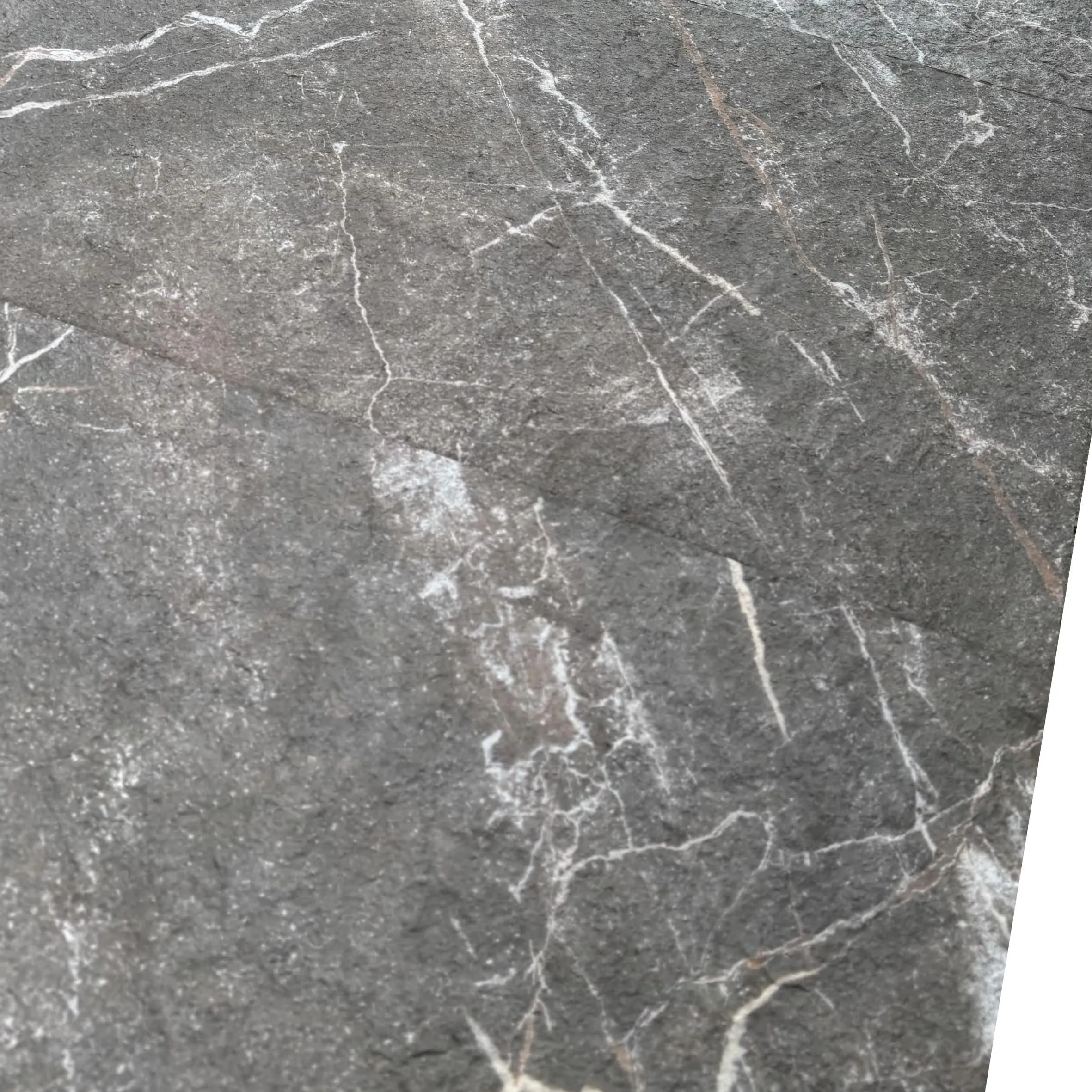
Let's talk about weight. Granite Portoro is dense—really dense. A standard 2cm thick slab can weigh around 18-20 pounds per square foot. For a small kitchen countertop, that might be manageable, but scale it up to a commercial building's facade or a large feature wall, and you're looking at tons of weight. That weight isn't just a hassle during installation; it affects every part of a project, from the foundation to the long-term structural integrity of the building. Engineers have to design stronger support systems, contractors need specialized equipment to transport and install the stone, and homeowners end up paying more in labor and materials just to handle the heft.
MCM Flexible Stone, on the other hand, weighs in at a mere 3-5 pounds per square foot. That's less than a third of the weight of Granite Portoro. Let that sink in: a material that looks and feels like natural stone but is light enough to be carried by one person. This isn't just about convenience—it's about possibility. Suddenly, you can install stone-like surfaces on upper floors without worrying about overloading the structure. You can clad a entire exterior wall without requiring steel reinforcements. You can even use it in renovation projects where the original building can't support heavy materials. For architects, this opens up a world of design freedom; for contractors, it cuts installation time and labor costs; for homeowners, it means more options without the stress of structural overhauls.
But lightweight doesn't mean flimsy. MCM Flexible Stone is engineered to be tough. It's resistant to scratches, stains, and UV rays, and it can handle extreme temperatures—from the sweltering heat of a desert to the freezing cold of a winter storm. I've seen MCM panels installed on beachfront properties that have weathered salt spray for years without fading or deteriorating. Compare that to Granite Portoro, which, while durable, can still crack under stress (like the weight of heavy appliances) or etch if exposed to acidic substances like lemon juice or vinegar. MCM's flexibility adds another layer of durability: it can bend slightly without breaking, making it ideal for curved surfaces or areas prone to minor shifts, like older buildings.
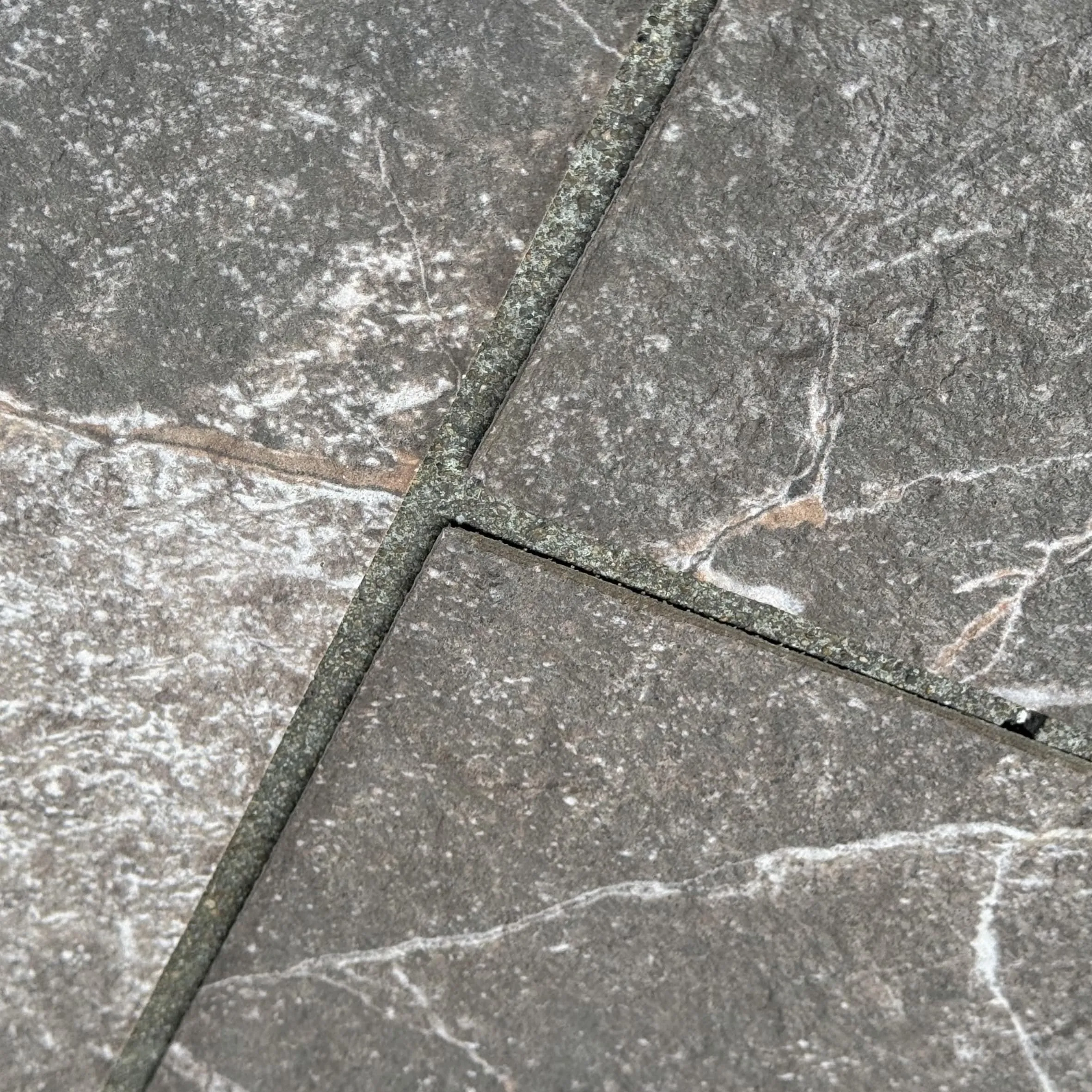
Curious how these two materials stack up in real-world scenarios? Let's put them head-to-head in a table that covers everything from weight to sustainability. Whether you're a homeowner planning a renovation or an architect drafting blueprints, these details might just change your mind about what's possible.
| Feature | MCM Flexible Stone | Granite Portoro |
|---|---|---|
| Weight (per sq. ft.) | 3-5 lbs | 18-20 lbs |
| Installation Difficulty | Easy; can be cut with standard tools; lightweight for solo/team installation | Challenging; requires specialized equipment (cranes, lifts); needs 2-4 people per slab |
| Durability | Scratch-resistant, UV-resistant, flexible (bends without cracking) | Hard but brittle; prone to chipping/cracking under impact; susceptible to etching from acids |
| Aesthetic Options | Wide range: Lunar Peak Silvery , Travertine (Starry Green) , Foamed Aluminium Alloy Board (Vintage Silver) , and more; customizable textures/patterns via 3D printing | Limited to natural variations of black/gold veining; no custom textures |
| Sustainability | Made from recycled materials (up to 80% recycled content); low carbon footprint due to lightweight transportation; energy-efficient production | Quarrying requires heavy machinery; high carbon footprint from transportation (due to weight); limited recyclability |
| Cost (Material + Installation) | Generally 30-50% lower than natural stone; reduced labor costs due to easy installation | High material cost; added expenses for structural reinforcement and specialized installation |
| Maintenance | Low maintenance; wipe clean with soap and water; no sealing required | High maintenance; needs annual sealing; stains easily if not sealed; hard to repair chips |
| Structural Impact | No need for reinforced support; suitable for retrofits and upper floors | Requires reinforced foundations, walls, or cabinets; not ideal for upper floors in older buildings |
The table tells a clear story: MCM Flexible Stone isn't just a "substitute"—it's an upgrade in almost every category. But don't just take my word for it. Let's look at some real-world applications where MCM has outshone traditional stone.
A few years back, a architecture firm in Singapore was tasked with designing a 15-story office tower with a "floating" facade—an effect where the exterior appears to hover above the ground. Their initial plan called for Granite Portoro panels, but there was a problem: the building's foundation couldn't support the weight of traditional stone. Enter MCM Flexible Stone. The team opted for Foamed Aluminium Alloy Board (Vintage Silver) for the lower levels and Lunar Peak Golden for the upper floors, creating a gradient effect that catches the sunlight beautifully. The total weight of the facade was reduced by 70% compared to the original plan, saving the client millions in structural reinforcements. Today, the tower is a landmark, and the architects still talk about how MCM made their "impossible" design possible.
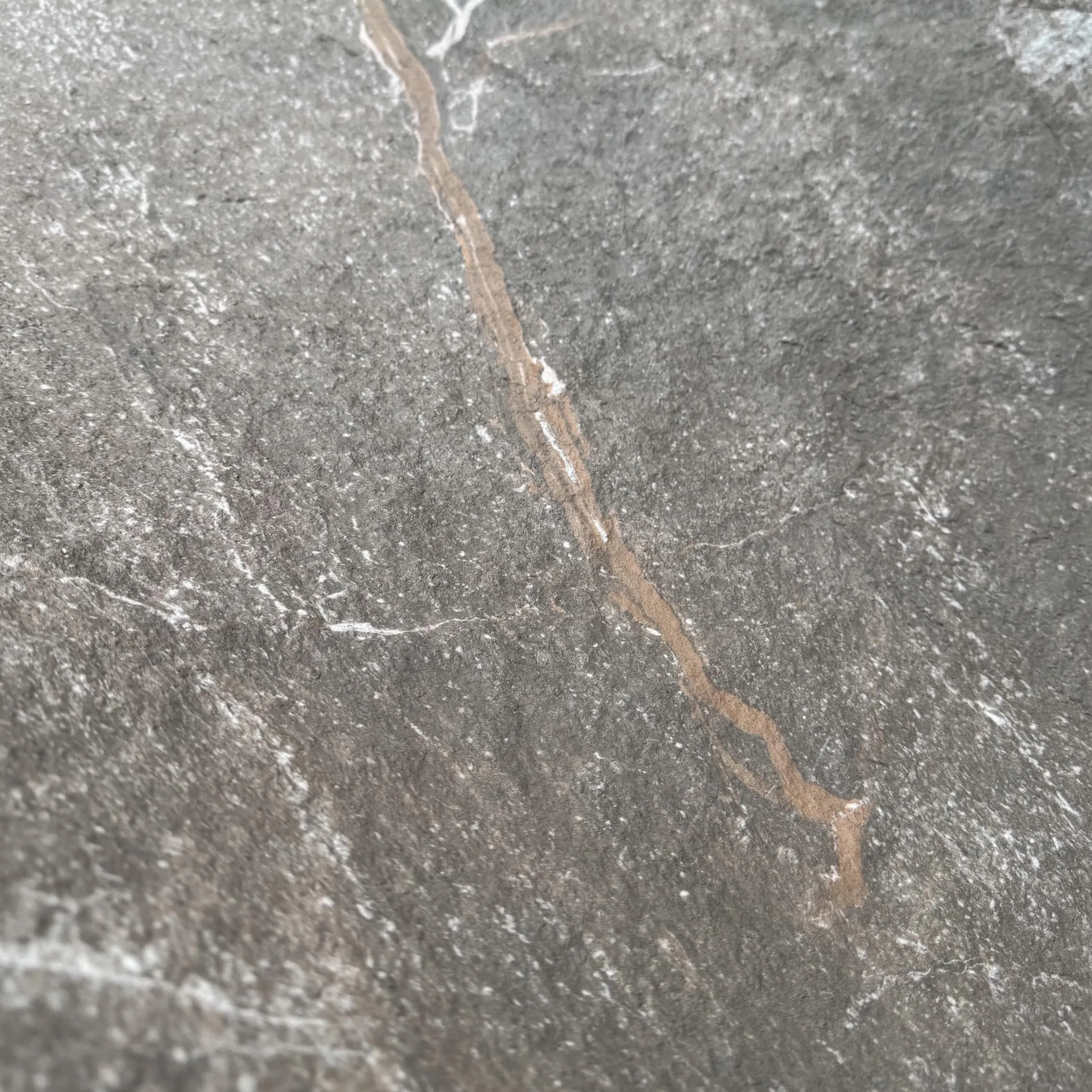
One of the biggest myths about MCM Flexible Stone is that it's only good for mimicking traditional stone. Nothing could be further from the truth. MCM's real superpower is its ability to transform into almost any texture, color, or pattern you can dream up. The MCM 3D printing series takes this to the next level, allowing for intricate designs that would be impossible to carve into natural stone. Want a wall that looks like it's covered in star gravel or wave panels ? MCM can do that. Craving the warmth of wood but need the durability of stone? Check out the wood grain board or bamboo mat board options. The possibilities are endless, and that's a game-changer for designers who want to push boundaries.
Let's take Travertine (Starry Green) as an example. Traditional travertine is known for its porous, earthy look, but MCM's version adds a twist: tiny, iridescent flecks that sparkle like stars when hit by light. I recently used this in a boutique hotel lobby, installing it on a feature wall behind the reception desk. At night, with the overhead lights dimmed, the wall glows softly, creating a cozy, almost magical atmosphere. Guests often stop to touch it, surprised that something so beautiful is actually lightweight and easy to maintain. Compare that to Granite Portoro, which, while stunning, has a more uniform look—gorgeous, but not exactly "customizable."
Then there's the Lunar Peak series — silvery , golden , and black —which mimics the texture of moon rock, with subtle craters and a matte finish that feels otherworldly. I used Lunar Peak Silvery in a modern home theater, and the owner loves how it absorbs sound (thanks to its porous texture) while adding a futuristic vibe. Traditional stone like Granite Portoro, with its polished surface, would have reflected sound, making the room echo—a nightmare for movie nights.
Even better, MCM isn't limited to walls and countertops. I've seen it used for furniture (think coffee tables with travertine (vintage black) tops), outdoor fire pits (using heat-resistant rammed earth board (matcha green) ), and even ceiling panels (lightweight enough to hang without heavy brackets). The big slab board series offers extra-large panels (up to 4x8 feet) that create seamless surfaces with minimal grout lines, perfect for a sleek, modern look. Imagine a kitchen backsplash made from a single slab of linear travertine (claybank) —no seams, no hassle, just a smooth, continuous texture that flows from counter to ceiling. That's the kind of detail that makes a space feel luxurious without the luxury price tag.
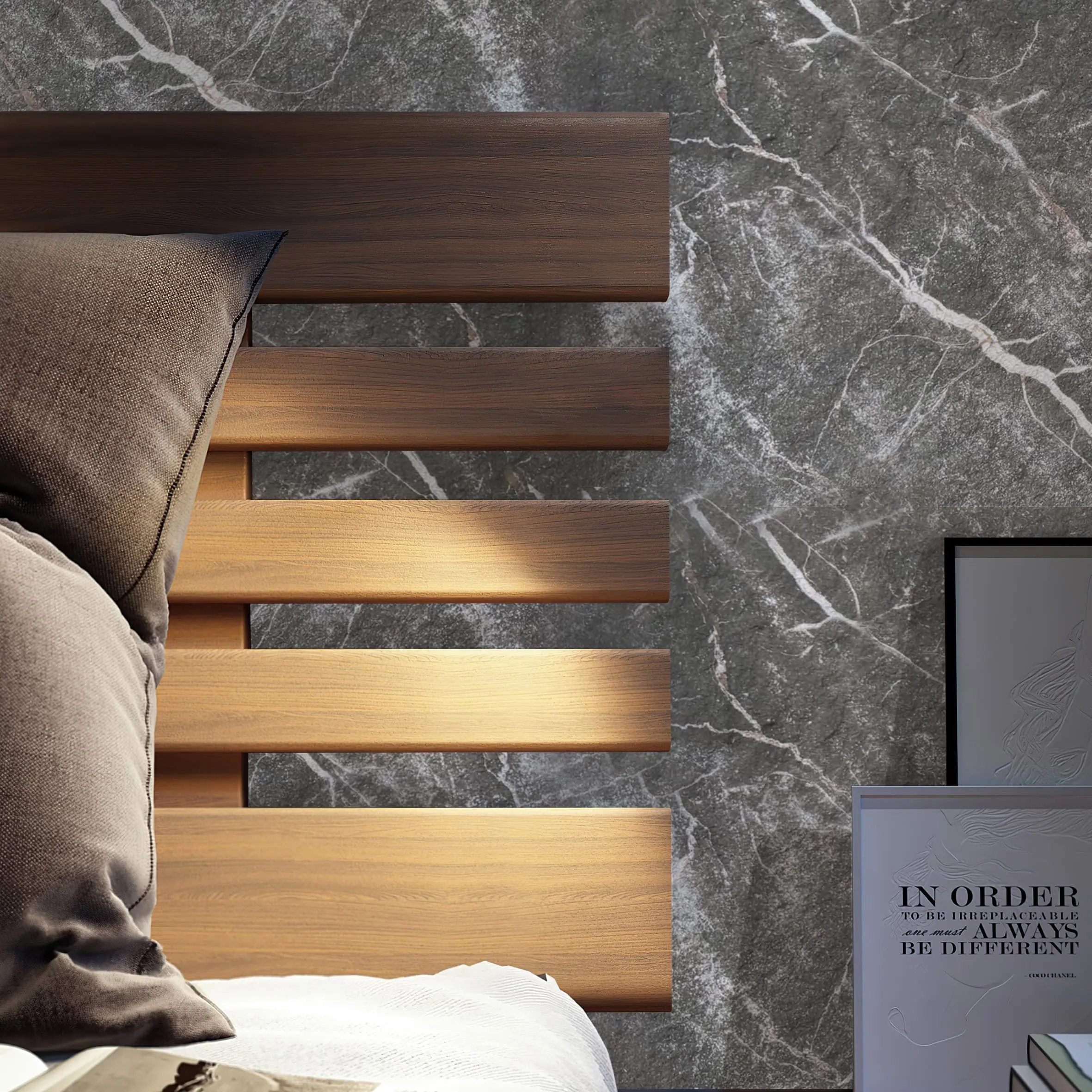
In a world where "sustainability" is more than just a buzzword, building materials are under scrutiny like never before. Traditional stone quarrying is resource-intensive: it requires massive machinery, disrupts local ecosystems, and generates tons of waste (up to 30% of a quarry's stone is discarded as "scrap"). Transporting heavy stone slabs across the country (or the world) adds to the carbon footprint, with trucks and ships burning fossil fuels to move those massive weights. Granite Portoro, which is often imported from Italy or Brazil, has a particularly high carbon footprint compared to locally sourced materials.
MCM Flexible Stone, on the other hand, is designed with sustainability in mind. Most MCM panels are made from recycled materials—think crushed stone, glass, and even reclaimed wood fibers—reducing the need for new quarrying. The production process uses significantly less water and energy than traditional stone cutting, and because MCM is lightweight, transporting it emits far less CO2. A study by the Green Building Council found that using MCM instead of natural stone for a 10,000 sq. ft. commercial facade reduces transportation emissions by up to 65%. That's a huge win for the planet.
But sustainability isn't just about the environment—it's about longevity. MCM panels are designed to last for decades, which means less frequent replacements and less waste over time. Unlike natural stone, which can degrade or become outdated, MCM's color and texture are fade-resistant, so your walls or countertops will look as good in 20 years as they do today. And when the time does come to replace them, MCM is fully recyclable, closing the loop on the material lifecycle. I recently visited a school that renovated its cafeteria using MCM panels made from 100% recycled glass, and the students love pointing out how "green" their lunchroom is. It's a small detail, but it teaches kids that sustainability can be beautiful, too.
One of MCM's most innovative lines is the Gobi panel , inspired by the harsh, beautiful landscapes of the Gobi Desert. These panels are made from recycled sand and stone dust collected from construction sites, giving new life to material that would otherwise end up in landfills. The result? A textured, earthy finish that looks like it was carved from desert rock, but with none of the environmental impact of quarrying. A resort in Arizona used Gobi panels for their outdoor patios, and guests often comment on how "authentic" the space feels—little do they know, they're standing on recycled waste. It's a powerful reminder that sustainability and beauty don't have to be enemies.
Let's get practical. Where exactly can you use MCM Flexible Stone? The short answer: almost anywhere. From cozy homes to bustling commercial spaces, MCM adapts to fit the needs of any project. Let's break it down into two categories to see how it shines in different settings.
For homeowners, MCM is a dream come true. Kitchens, bathrooms, living rooms—you name it, MCM can enhance it. Take kitchen countertops, for example. Traditional Granite Portoro countertops are stunning but require constant sealing (at least once a year) to prevent stains. MCM countertops, like the polish concrete or marble concrete board options, are non-porous, meaning spills wipe right off with a cloth—no sealing needed. I installed Travertine (Starry Blue) countertops in my sister's kitchen, and she still raves about how easy they are to clean, even with two messy kids and a dog that thinks the counter is a snack bar.
Bathrooms are another area where MCM excels. The stream limestone (dark grey) panels are water-resistant and mold-resistant, making them perfect for shower walls or backsplashes. Unlike natural stone, which can absorb moisture and grow mold in grout lines, MCM's tight seams and non-porous surface keep bathrooms clean and dry. A friend of mine used slate veil white for her bathroom walls, and the light, airy texture makes the small space feel bigger—something Granite Portoro (with its dark, heavy look) would never do.
Outdoor spaces aren't left out, either. MCM's durability makes it ideal for patios, pool decks, and even outdoor kitchens. The rust board granite finish mimics the look of weathered metal, adding a industrial-chic vibe to backyard gatherings, while bali stone brings a tropical, beachy feel to pool areas. I helped a neighbor install rough granite stone (medium grey) panels around his fire pit, and after two winters of snow and rain, the panels still look brand new. No cracks, no fading—just a beautiful, low-maintenance addition to his outdoor space.
Commercial projects have unique needs: high traffic, strict safety codes, and the pressure to make a memorable impression. MCM checks all these boxes and more. Retail stores, for example, love MCM because it's durable enough to withstand daily foot traffic and easy to clean (important for spaces that see spills, dirt, and constant movement). A clothing boutique in downtown Chicago used linear travertine (claybank) for their fitting room walls, creating a warm, inviting space that customers love to snap photos in (hello, free social media marketing).
Restaurants and hotels, too, are embracing MCM. The marble interstellar gray panels add a touch of luxury to hotel lobbies, while wood line finishes create cozy, cabin-like vibes in restaurants. One hotel chain even used travertine (vintage gold) for their elevator interiors—lightweight enough to not strain the elevator's motor, but elegant enough to make guests feel pampered. And let's not forget healthcare facilities: MCM's non-porous, easy-to-sanitize surface makes it perfect for hospitals and clinics, where cleanliness is non-negotiable. A children's hospital in Texas used starmoon stone for their playroom walls, with colorful, star-shaped patterns that delight kids while standing up to sticky fingers and toy trucks.
As we look to the future, the demand for materials that are beautiful, functional, and sustainable will only grow. MCM Flexible Stone isn't just a trend—it's a glimpse into what building materials can (and should) be. It challenges the idea that "luxury" has to be heavy, expensive, or harmful to the planet. It proves that you can have the look of Granite Portoro, the durability of stone, and the flexibility of modern materials—all in one package.
But don't just take my word for it. Talk to architects, contractors, or homeowners who've made the switch to MCM, and you'll hear the same story: it's a game-changer. It saves time, money, and headaches, all while delivering a finish that turns heads. Whether you're building a new home, renovating a commercial space, or just dreaming of a kitchen upgrade, MCM Flexible Stone offers something traditional stone never could: freedom. Freedom to design without limits, to create spaces that feel personal and unique, and to do it all without sacrificing sustainability or your budget.
So the next time you walk into a space and admire the walls or floors, take a closer look. If it's lightweight, durable, and stunningly beautiful, there's a good chance it's MCM. And who knows? Maybe one day, you'll be the one telling your friends, "Why didn't I know about this sooner?"
In the end, building materials are more than just "stuff"—they're the foundation of how we live, work, and connect with our spaces. MCM Flexible Stone isn't just a substitute for heavy granite; it's a better way forward. A way to build with intention, creativity, and respect for the planet. And that? That's a future worth getting excited about.
Recommend Products












