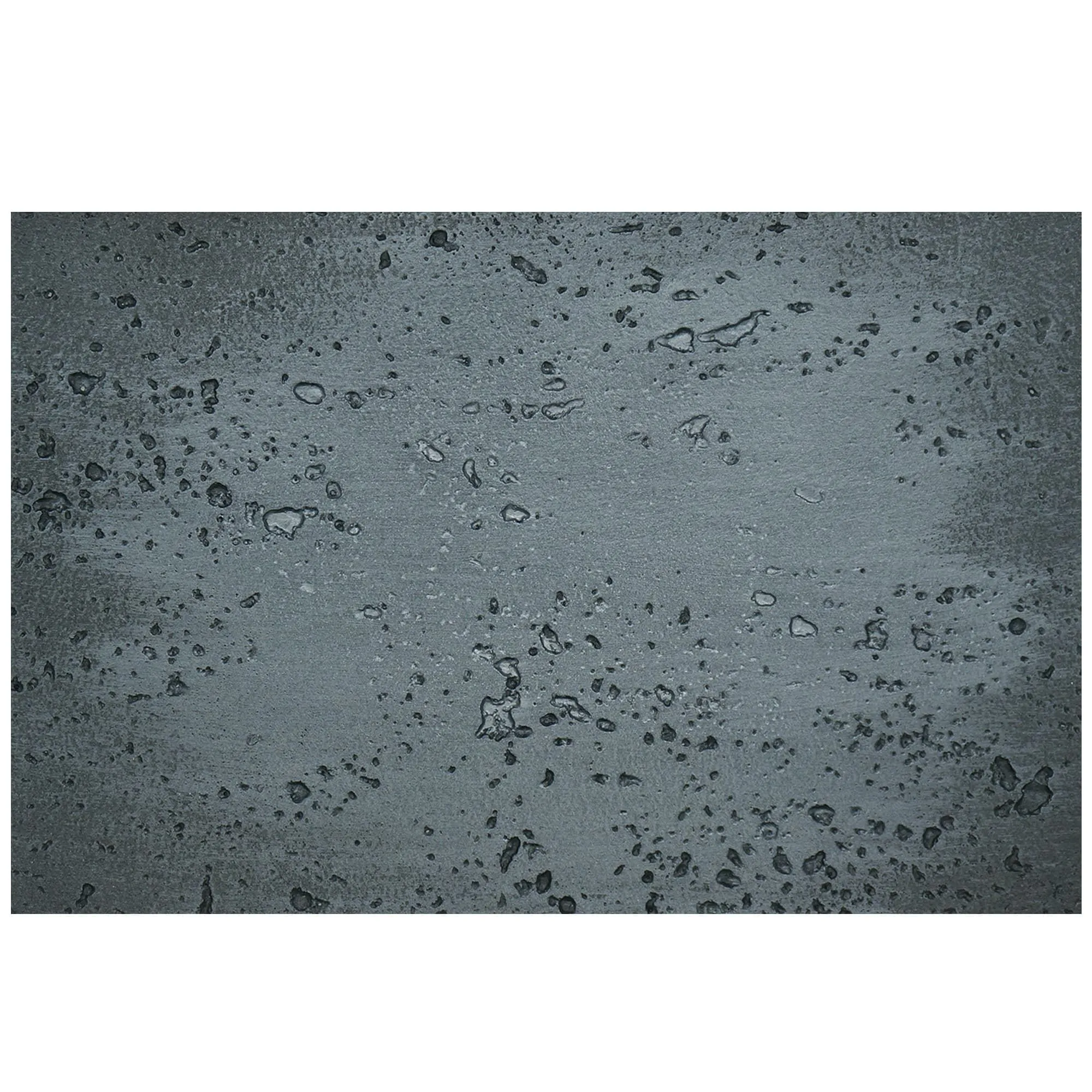
Walk into any thoughtfully designed space, and you'll feel it immediately—the materials. They don't just occupy square footage; they shape moods, spark memories, and even whisper stories about who we are and what we value. But for today's architects, designers, and homeowners, choosing the right materials has become a delicate dance: honoring the timeless allure of natural stone while embracing the urgent need for sustainability, and balancing durability with the kind of aesthetic flexibility that turns "good" spaces into "unforgettable" ones. It's a challenge that's led many to ask: Is there a material that can do it all?
Enter
MCM Flexible Stone—a material that's less like a product and more like a revolution in how we build. At its core, it's a celebration of possibility: the warmth of natural stone, the strength of modern engineering, and the conscience of eco-friendly design, all wrapped into one. What makes it "flexible"? Unlike rigid traditional stone slabs that crack under stress or limit installation creativity, MCM bends without breaking, adapting to curves, corners, and unconventional surfaces with ease. It's lightweight, too—up to 70% lighter than natural stone—making transportation, handling, and installation a breeze for contractors and a budget-saver for clients. But perhaps its most compelling trait? It doesn't force you to choose between beauty and responsibility.
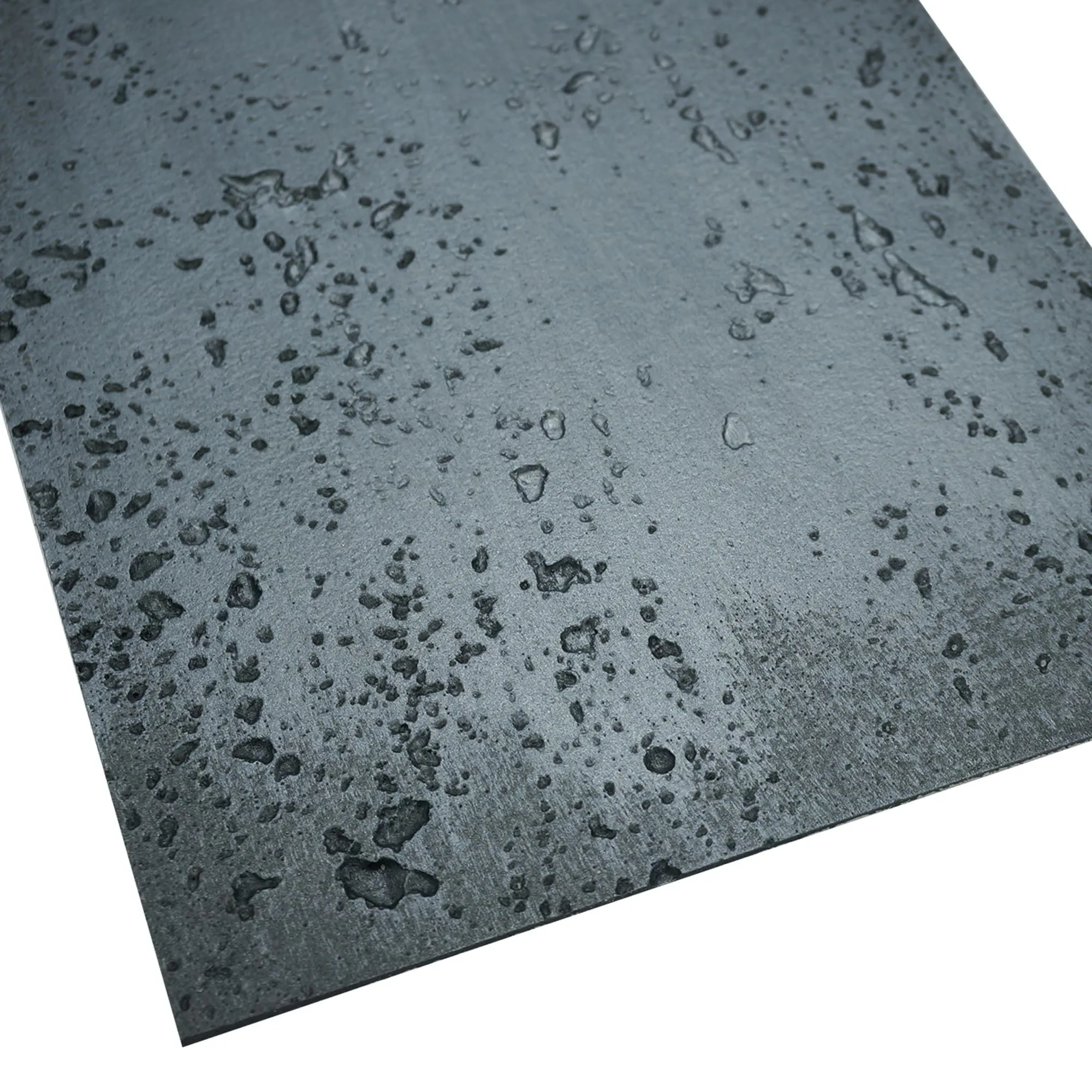
Let's talk about
travertine—a stone that's been gracing buildings for centuries, from ancient Roman baths to modern luxury homes. Its porous surface, soft veining, and warm earthy tones have made it a symbol of understated elegance. The Vintage Silver variant, in particular, has captured designers' hearts lately: a muted, silvery-gray base with subtle cream and taupe streaks, it feels both nostalgic and contemporary, like a well-loved photograph with a fresh filter. But as stunning as natural
travertine is, it comes with trade-offs. Quarrying it disrupts ecosystems, its weight adds structural strain to buildings, and its porosity means constant sealing to avoid stains—a maintenance chore that eats into time and budgets. For all its beauty, traditional
travertine often feels stuck in a bygone era, struggling to keep up with today's demands.
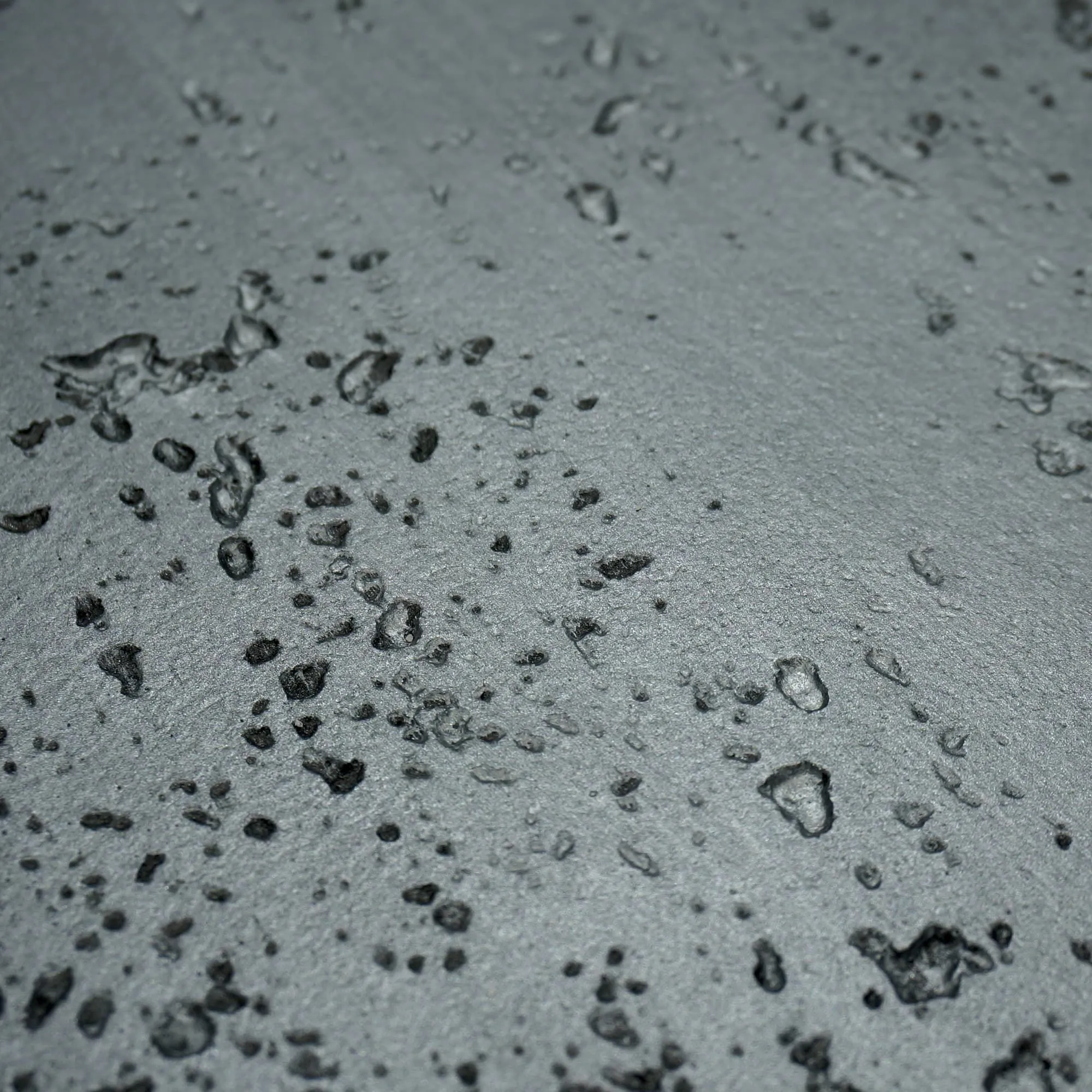
This is where
MCM Flexible Stone's
Travertine (Vintage Silver) steps in—and steals the show. It replicates every nuance of natural
travertine: the soft sheen, the organic veining, that "lived-in" charm that makes the stone feel like it's been part of the landscape for decades. But here's the twist: it does it without the environmental cost of quarrying, the weight of solid stone, or the hassle of endless upkeep. Imagine (no—think of) a homeowner who's always dreamed of a
travertine accent wall in their living room but worried about the cost and upkeep. With MCM's Vintage Silver variant, that wall becomes a reality: it's installed in hours (not days), resists scratches from playful kids or curious pets, and never fades under sunlight. It's
travertine, reimagined for the way we live now.
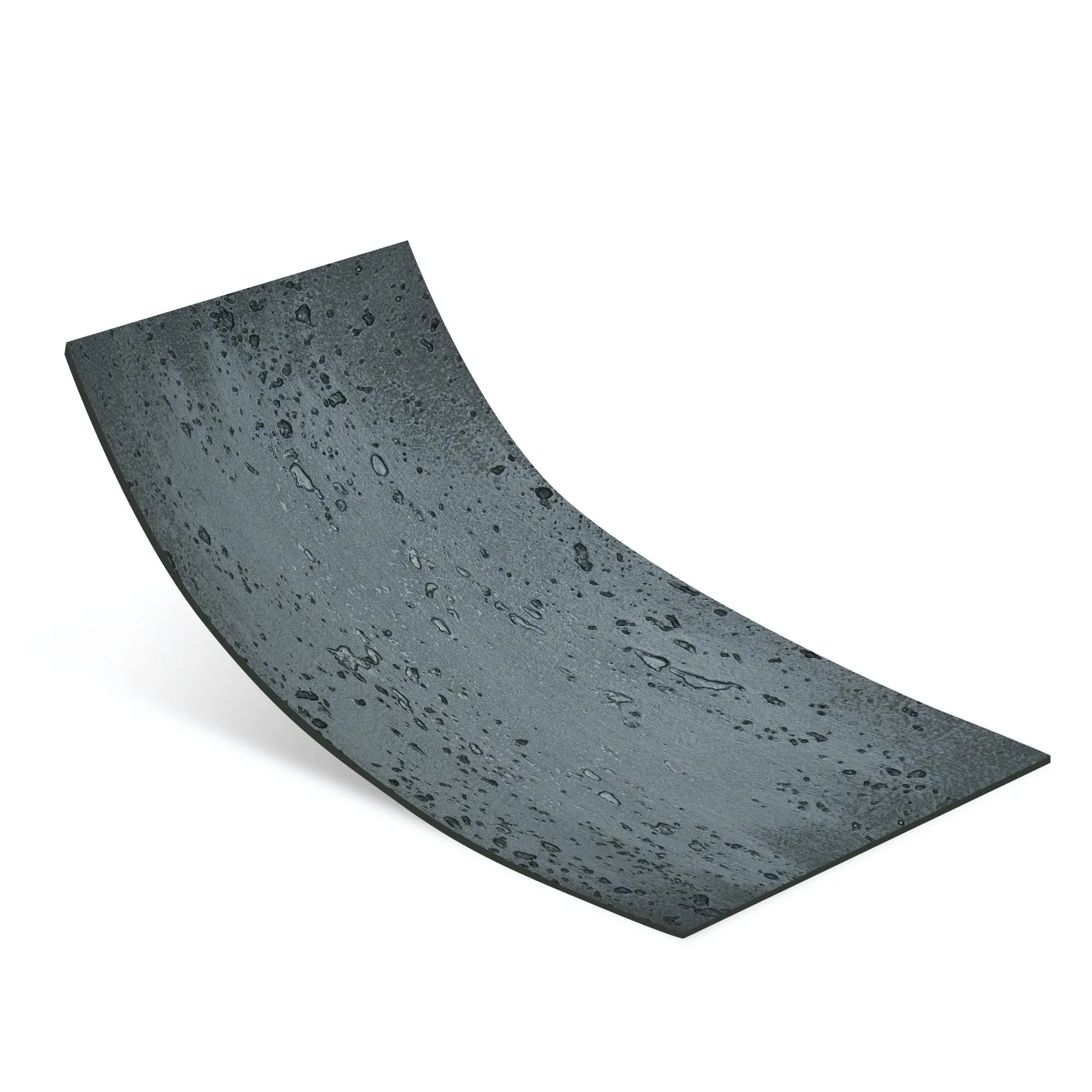
What truly sets MCM apart is its ability to play well with others—and by "others," we mean a universe of complementary materials that expand design horizons. Take the
Lunar Peak Silvery
series, for example. If
Travertine (Vintage Silver) is about cozy nostalgia,
Lunar Peak Silvery is about quiet grandeur. Its surface shimmers like moonlight on still water, with a subtle metallic undertone that shifts with the angle of light—never gaudy, always ethereal. It's the kind of material that turns a mundane office lobby into a space that feels almost sacred, or a bedroom wall into a backdrop for stargazing (even in the city). Pair it with MCM's
Travertine (Vintage Silver), and you've got a palette that balances warmth and wonder, like a forest at dawn.
Then there's the
Foamed Aluminium Alloy Board (Vintage Silver)
—a sleek, industrial cousin to MCM's stone offerings. Lightweight yet surprisingly robust, it brings a modern edge to projects that crave contrast. Picture a café facade where Vintage Silver
travertine panels wrap around the lower half, while foamed aluminium accents climb the upper levels—soft meets sharp, rustic meets refined. It's the kind of design synergy that feels intentional, not accidental, made possible by materials that were engineered to collaborate.
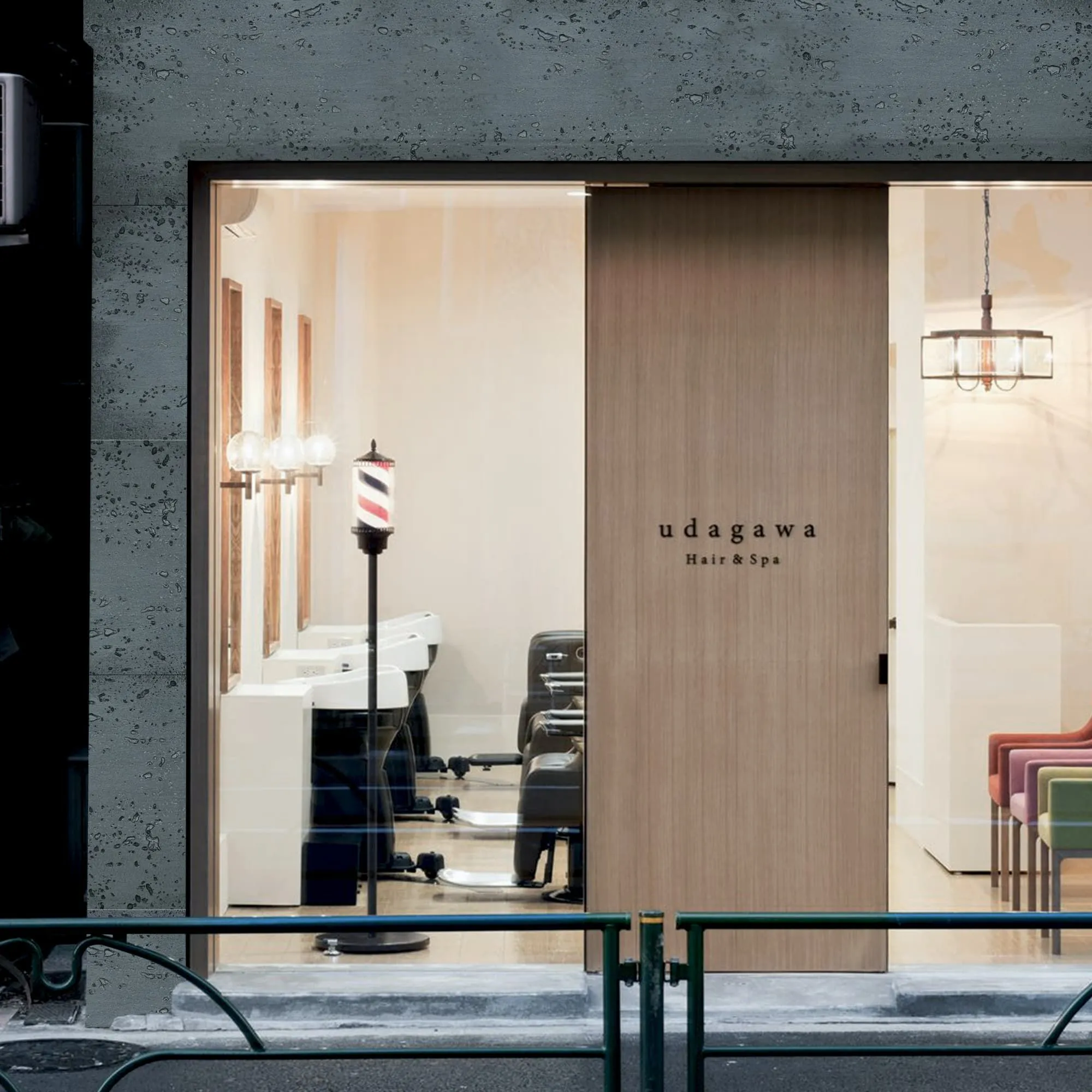
Ask any designer who's worked with MCM, and they'll tell you: it's not just about the specs—it's about the freedom to dream. Take Maria, an architect in Portland who recently used
MCM Flexible Stone (
Travertine Vintage Silver) and
Lunar Peak Silvery to redesign a historic bookstore. "The building had these beautiful curved archways that traditional stone would have destroyed—too heavy, too rigid," she recalls. "MCM bent around those curves like it was meant to be there. And the color? The Vintage Silver
travertine warm up the space, while the
Lunar Peak walls make the bookshelves look like they're floating in light. Customers keep saying it feels 'like home, but better.' That's the magic of MCM—it doesn't just fill space; it elevates it."
For commercial projects, the benefits are just as clear. A boutique hotel in Miami opted for MCM's Foamed Aluminium Alloy Board (Vintage Silver) alongside
Travertine (Vintage Silver) for its exterior. "We needed something that could handle salt air, intense sun, and the occasional tropical storm without fading or corroding," says the project manager. "MCM delivered. Two years later, the facade still looks brand-new, and guests can't stop taking photos of that silver-on-silver contrast. It's become part of our brand identity."
Let's talk about the "why" behind the "what": sustainability.
MCM Flexible Stone isn't just eco-friendly by accident—it's a core promise. Its production process uses recycled materials where possible, and emits significantly less carbon than traditional stone quarrying, which often involves heavy machinery, deforestation, and water pollution. For builders chasing LEED certification or homeowners who want to leave a lighter footprint, that's a game-changer. "I used to lose sleep over choosing between 'beautiful' and 'responsible,'" admits a residential builder in Colorado. "With MCM, I don't have to. It's not just about building a house; it's about building a legacy that respects the planet. That matters to my clients—and honestly, it matters to me, too."
|
Material
|
Weight (per sqm)
|
Installation Ease
|
Eco-Friendliness (1-5)
|
Durability (1-5)
|
Aesthetic Versatility
|
|
MCM Flexible Stone (Travertine Vintage Silver)
|
4-6 kg
|
Easy (flexible, lightweight)
|
5/5 (recycled materials, low carbon)
|
5/5 (resists fading, cracking, stains)
|
High (curves, corners, custom colors)
|
|
Natural Travertine (Vintage Silver)
|
20-25 kg
|
Challenging (rigid, heavy)
|
2/5 (quarrying impact, high water use)
|
3/5 (porous, needs sealing)
|
Medium (limited to flat surfaces)
|
|
Fair-Faced Concrete
|
18-22 kg
|
Moderate (brittle, requires formwork)
|
3/5 (high carbon footprint)
|
4/5 (resistant but prone to cracking)
|
Low (minimal texture options)
|
At the end of the day, materials are more than just tools—they're storytellers. They speak to our values, our creativity, and our hope for a world where beauty and responsibility coexist.
MCM Flexible Stone, with its
Travertine (Vintage Silver) warmth,
Lunar Peak Silvery magic, and Foamed Aluminium Alloy edge, isn't just redefining what's possible in construction. It's redefining how we connect with the spaces we inhabit. It's proof that we don't have to choose between the past and the future, between nature and innovation, or between "good for the planet" and "good for the soul."
So the next time you step into a space that takes your breath away, take a closer look at the walls, the floors, the details. Chances are, it's not just stone or metal or concrete—it's MCM. And in that moment, you'll realize: great materials don't just build spaces. They build lives.