
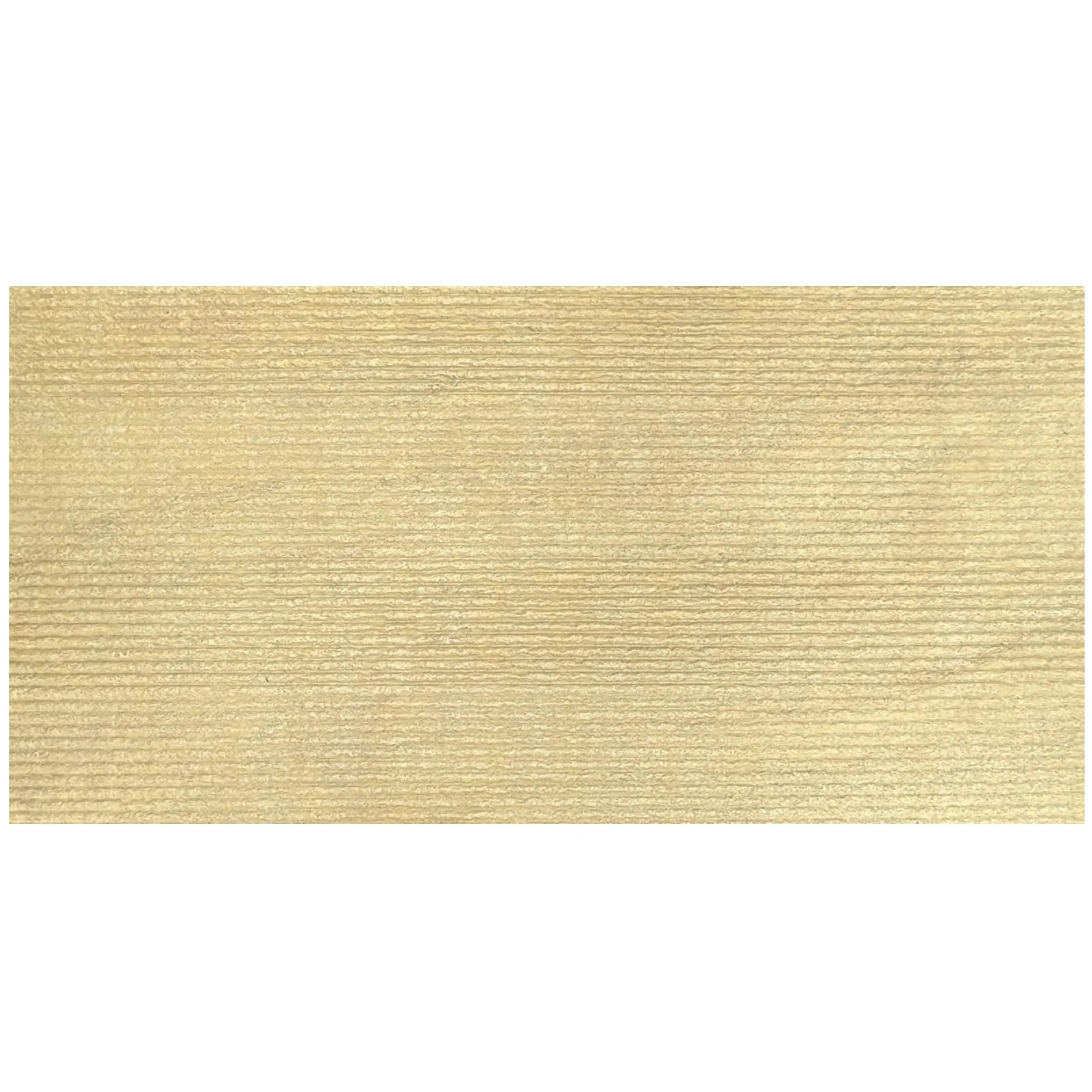
Curved facades have become the heartbeat of modern architecture, transforming rigid city skylines into dynamic landscapes that blend artistry with functionality. From the sweeping arcs of cultural centers to the gentle bends of residential complexes, these designs demand more than just aesthetic vision—they require materials that can keep up with ambition. For decades, architects and builders have turned to natural stones like Gravel Omani Stone for their earthy charm and perceived durability. Yet, when it comes to the unique challenges of curved surfaces, a new contender has emerged: MCM flexible stone. This isn't just a material swap; it's a shift in how we think about building cladding—prioritizing flexibility, practicality, and design freedom without sacrificing beauty.
Imagine a team of builders working on a boutique hotel with a facade inspired by desert dunes, its curves meant to evoke the fluidity of wind-swept sand. The initial choice? Gravel Omani Stone, a natural aggregate stone prized for its warm, textured surface and connection to regional heritage. But as installation began, the problems surfaced: heavy slabs cracked when bent to the building's arcs, uneven weight distribution strained the structure, and on-site cutting left jagged edges that disrupted the seamless flow. By the end, the design vision was compromised, and the budget ballooned from unexpected repairs. This scenario isn't uncommon. Traditional stones like Gravel Omani Stone, while stunning on flat surfaces, were never engineered for the demands of curves.
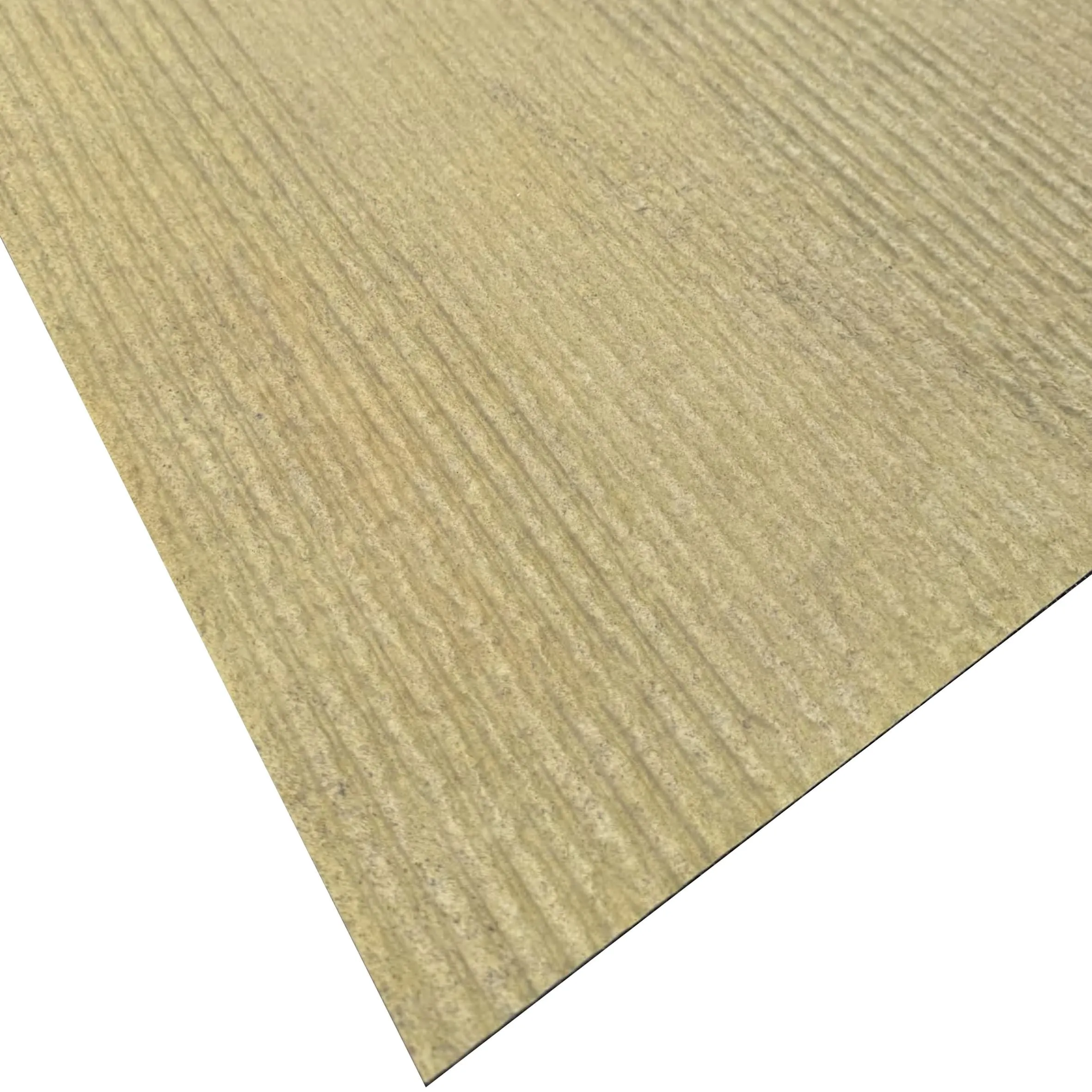
Before diving into the advantages, let's get to know the materials themselves.
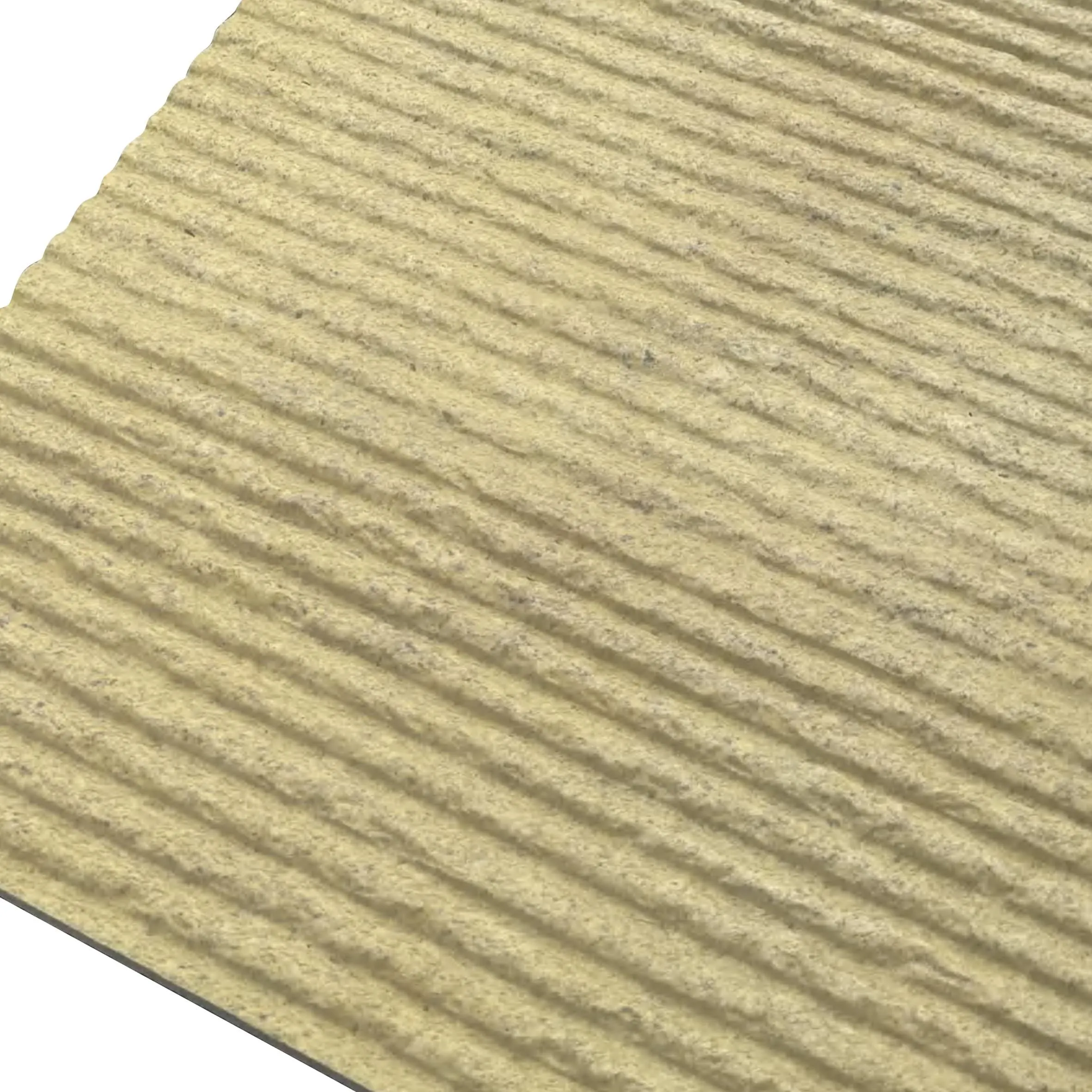
Gravel Omani Stone is a natural stone cladding made from compacted gravel aggregates, often sourced from Oman's rocky landscapes. Its appeal lies in its organic, rustic look—think earthy beige and brown tones with visible gravel particles that add depth. It's been a staple in Middle Eastern and Mediterranean architecture, favored for projects aiming to reflect local geology. But its strengths—natural composition and rigidity—become weaknesses when curves enter the equation.
MCM flexible stone , on the other hand, is a modern composite material that marries the best of natural stone and engineering. Short for "Modified Composite Material," MCM blends natural stone powders (like marble or travertine) with high-performance polymers, creating panels that retain the look and feel of stone but with a game-changing twist: flexibility. Products like flexible stone cladding panels and the MCM big slab board series take this a step further, offering large-format sheets that can bend, adapt, and adhere to even the most complex curved surfaces.
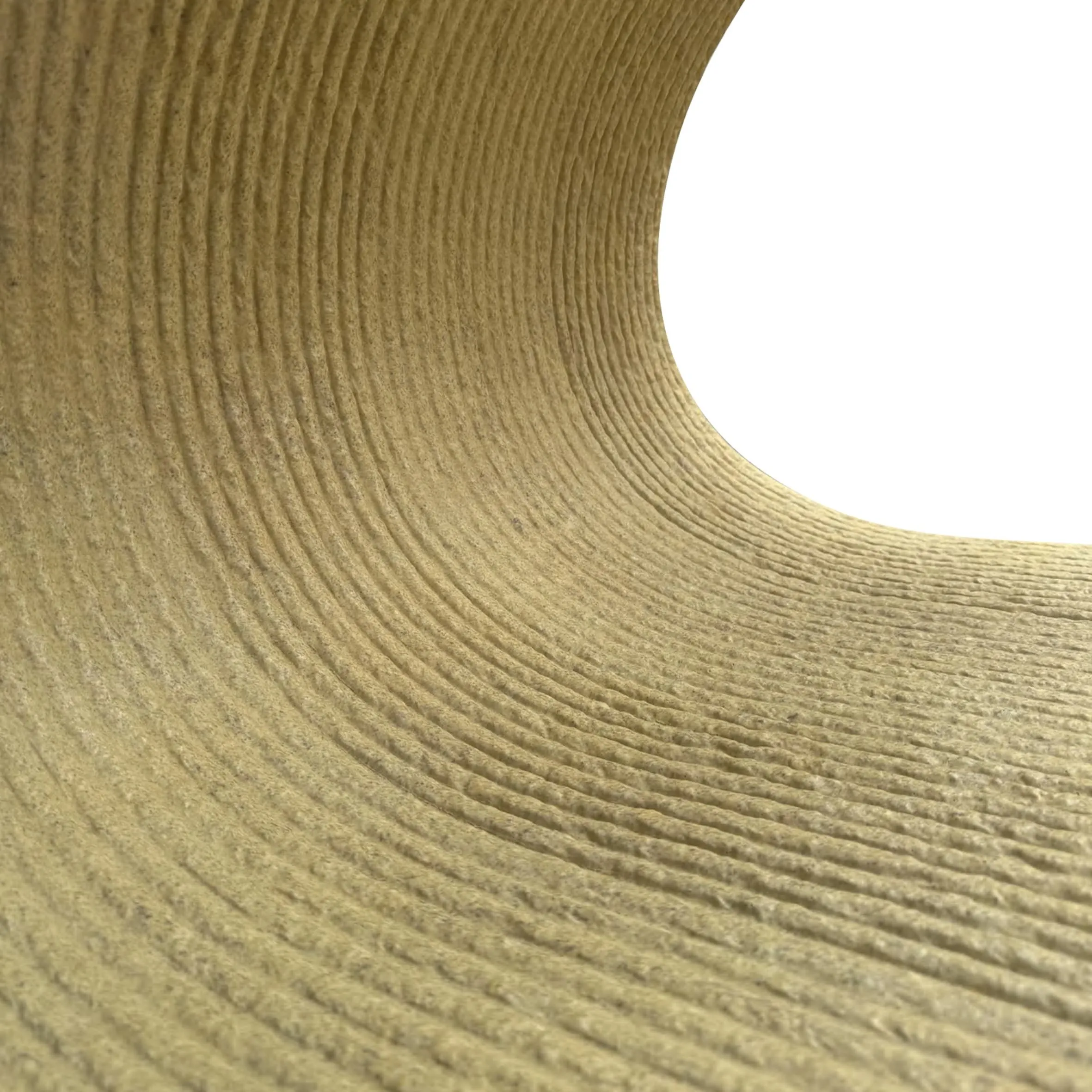
Gravel Omani Stone is inherently rigid. Its compacted gravel structure resists bending, making it prone to cracking or chipping when forced to conform to curves. Even small radii—like a 2-meter concave wall—can cause stress fractures that weaken the material over time. MCM flexible stone, by contrast, is designed to move. Thanks to its composite makeup, it can flex up to 45 degrees without losing structural integrity, hugging curves like a second skin. Take the MCM big slab board series, for example: these large panels (up to 1200x2400mm) bend smoothly around arcs, eliminating the need for multiple small, disjointed pieces that disrupt the design flow. For architects, this means fewer seams, cleaner lines, and the freedom to dream bigger with curves.
Weight is the silent enemy of curved facades. Gravel Omani Stone clocks in at a hefty 25-30 kg per square meter, a load that demands reinforced structural supports, thicker concrete frames, and additional engineering costs. On a 10-story building with a curved facade, that weight adds up—often requiring steel reinforcements that eat into budgets and construction timelines. MCM flexible stone, however, weighs just 6-8 kg per square meter. This drastic reduction (up to 70% lighter) slashes structural demands, making it feasible for projects where weight is a constraint—like retrofitting historic buildings with curved extensions or adding cantilevered curved sections to existing structures. Builders report not just cost savings, but also faster construction times, as lighter panels require fewer workers to handle and install.
Installing Gravel Omani Stone on curves is a labor-intensive dance. Each slab must be cut on-site to fit the exact curve, a process that's time-consuming, messy, and prone to errors. The result? Wasted material (up to 15% of stone is discarded as off-cuts), delayed timelines, and inconsistent finishes. MCM flexible stone flips the script with pre-fabricated precision. Panels are custom-cut in factories to match the project's exact curves, arriving on-site ready to install. With lightweight flexible stone sheets and interlocking edge systems, crews can attach panels in half the time—no heavy machinery, no dust clouds from cutting, and no guesswork. One contractor in Dubai noted that switching to MCM cut their curved facade installation time from 8 weeks to 3, allowing the project to open ahead of schedule.
Natural stones like Gravel Omani Stone are often praised for durability, but their porosity tells a different story. In humid climates, they absorb moisture, leading to mold growth or efflorescence (those unsightly white salt deposits). In arid regions, extreme temperature swings cause expansion and contraction, widening cracks over time. MCM flexible stone, however, is engineered to resist the elements. Its polymer matrix repels water, preventing moisture damage, while UV-stable pigments ensure colors don't fade under harsh sunlight. Unlike Gravel Omani Stone, which may require annual sealing to maintain its look, MCM needs little more than an occasional wash with mild soap. In coastal areas, where saltwater air corrodes many materials, MCM's resistance to corrosion makes it a long-term investment—saving on maintenance costs and preserving the facade's beauty for decades.
Gravel Omani Stone offers a limited palette—mostly earthy beiges and browns with a consistent textured finish. While charming, this leaves little room for customization. MCM flexible stone, by contrast, is a designer's playground. Beyond its core flexibility, it comes in a range of finishes that mimic natural stones, woods, and even metals. Want the look of travertine with the bend of rubber? There's a MCM variant for that. Prefer the sleekness of concrete or the warmth of wood grain? It's available. This versatility lets architects pair curved facades with complementary materials—like combining MCM flexible stone in "Lunar Peak Silvery" with foamed aluminium alloy boards for a modern, industrial edge. For commercial projects, this means branding through design: a tech company might opt for MCM in "Ethereal Shadow Travertine" to convey innovation, while a boutique hotel could choose "Bali Stone" for a tropical, organic vibe. Gravel Omani Stone, for all its charm, simply can't compete with this level of creative control.
| Feature | MCM Flexible Stone | Gravel Omani Stone |
|---|---|---|
| Flexibility | Can bend up to 45° without cracking | Rigid; prone to cracking on curves >5° |
| Weight (per m²) | 6-8 kg | 25-30 kg |
| Installation Time | 3-4 days per 100 m² (pre-fabricated panels) | 7-10 days per 100 m² (on-site cutting required) |
| Water Resistance | High (polymer matrix repels moisture) | Low (porous; requires sealing) |
| Design Options | Wide range (stone, wood, metal finishes; MCM big slab series) | Limited (earthy tones, consistent texture) |
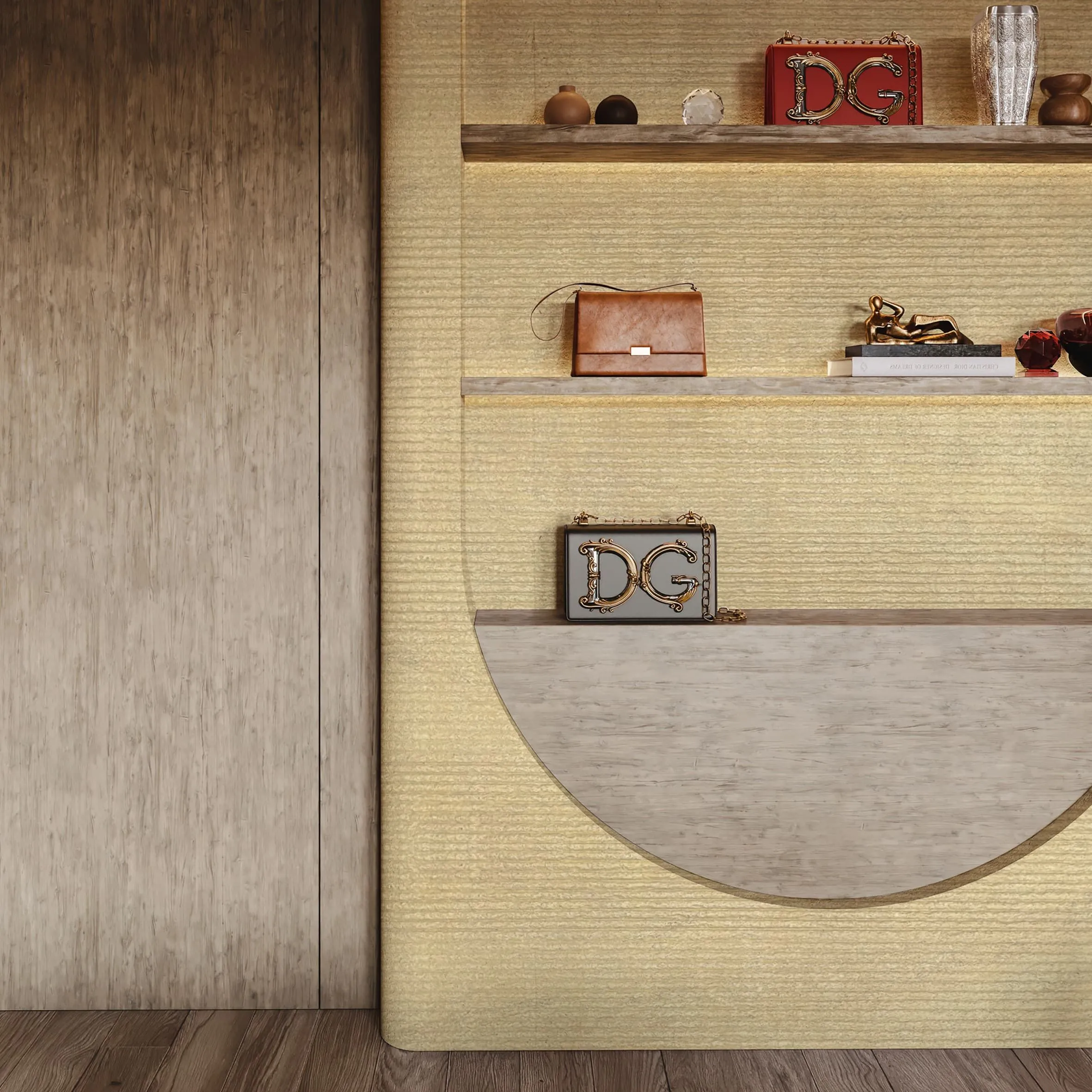
In 2023, a luxury resort in Oman set out to build a curved beachfront facade inspired by the region's sand dunes. Initially, the design team specified Gravel Omani Stone to honor local heritage. But after consulting with cladding experts, they switched to MCM flexible stone. The result? A 12,000 m² curved facade that wraps around the resort, its "Starry Blue Travertine" finish shimmering in the sunlight. Installation took 6 weeks instead of the projected 12, and the structural engineers reported no need for additional steel supports. Guests now marvel at the seamless curves, unaware that behind the beauty lies a material that made the impossible possible.
Gravel Omani Stone will always have a place in architecture for its natural beauty and cultural significance. But when it comes to curved facades—where flexibility, weight, and design freedom are non-negotiable—MCM flexible stone isn't just better; it's transformative. It's the difference between a facade that looks "almost right" and one that takes your breath away. It's the material that lets architects stop compromising and start creating. For builders, it's fewer headaches, faster timelines, and happier clients. For the future of architecture, it's proof that innovation and nature can coexist—curves included.
Recommend Products












