
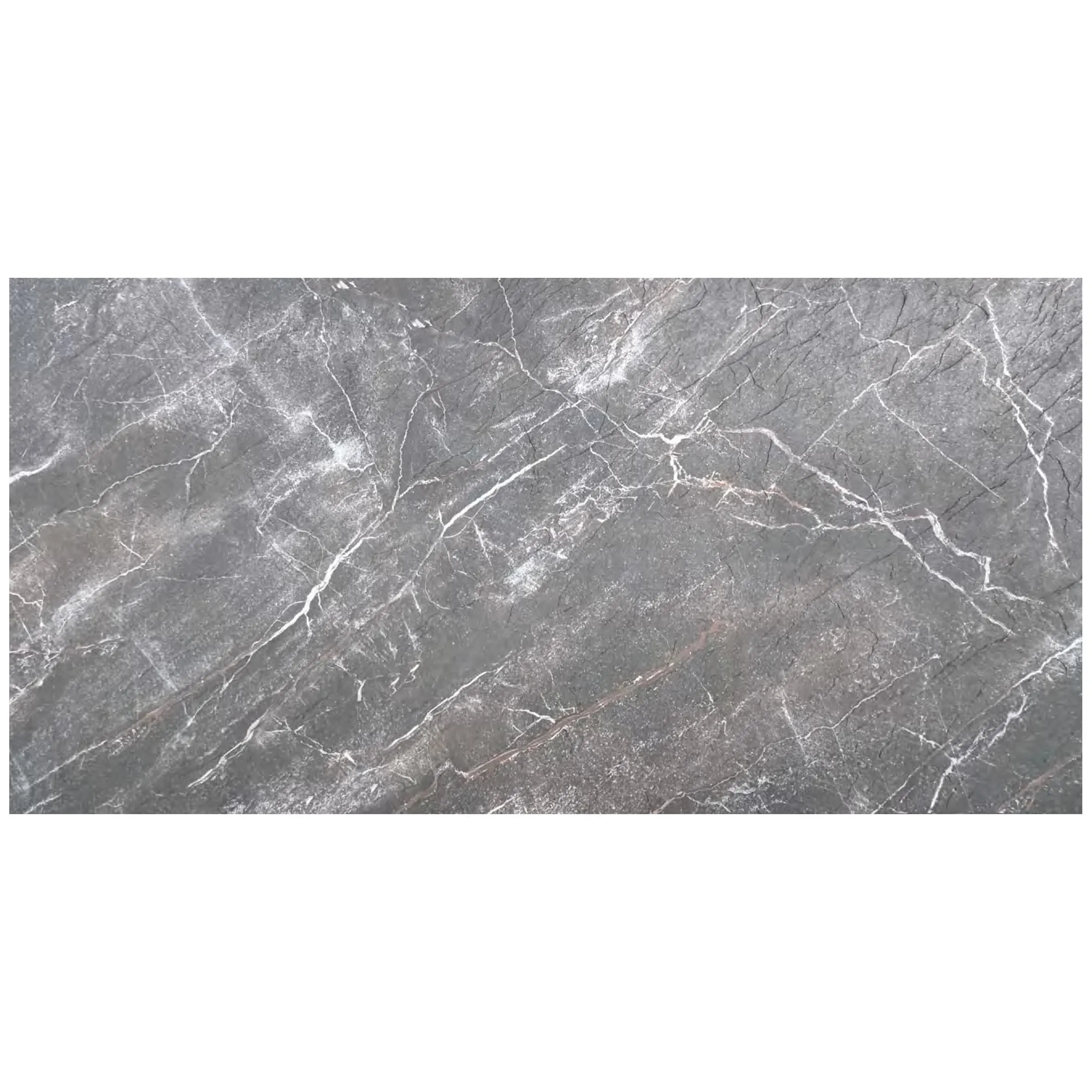
In the world of architecture, curves are more than just a design choice—they're a statement. They soften harsh lines, evoke movement, and create spaces that feel alive. But for decades, turning those flowing visions into reality has been a battle against rigid materials. Enter MCM Flexible Stone, a game-changer that marries the timeless elegance of Slate Portoro with a flexibility that bends to the boldest of curves. Let's dive into how this innovative material is reshaping what's possible in modern design.
Picture this: an architect sketches a stunning curved wall, its surface rippling like a wave, clad in the deep blacks and gold veins of Slate Portoro. It's breathtaking on paper—but when it comes to execution, reality hits hard. Traditional natural stone is heavy, brittle, and unforgiving. Marble cracks under pressure, granite resists shaping, and even lightweight alternatives like ceramic tiles lack the durability to stand up to the elements. For years, designers have been forced to compromise: flattening curves, settling for less striking materials, or blowing budgets on custom-cut stone that rarely lives up to the vision.
Slate Portoro, with its dramatic contrast of inky black and shimmering gold veins, has long been a favorite for adding luxury to spaces. But its natural rigidity made it nearly impossible to use on anything but flat surfaces. That is, until MCM Flexible Stone arrived. This isn't just stone with a new name—it's a material reimagined.
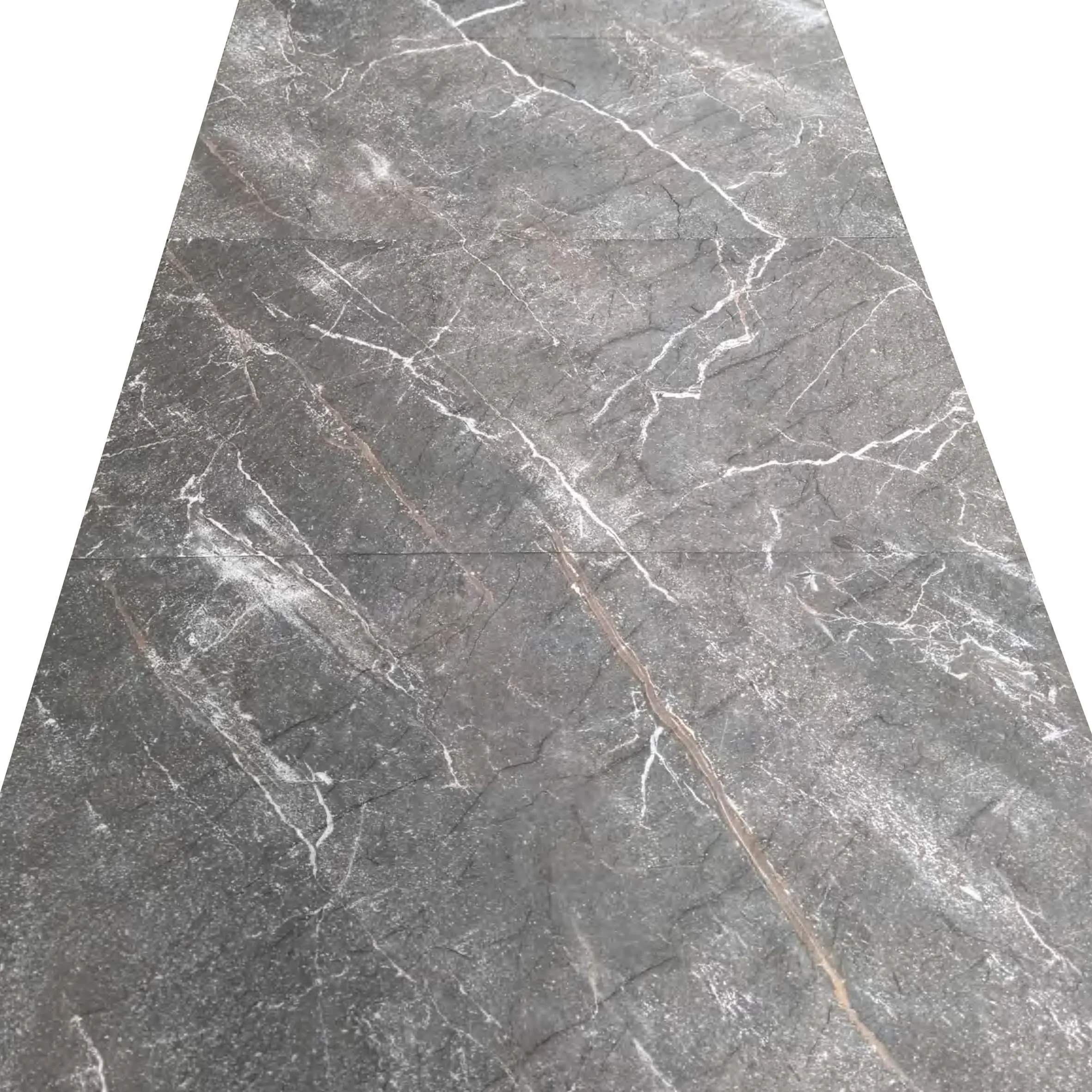
MCM, or Modified Composite Material, is the result of blending cutting-edge engineering with nature's best. At its core, MCM Flexible Stone is a lightweight panel made from a mix of natural mineral aggregates, high-performance polymers, and reinforcing fibers. The magic? It's thin—often just 3-5mm thick—yet surprisingly strong, with a flexibility that lets it wrap around curves as tight as 30cm in radius without cracking. Imagine a material that feels like real stone to the touch but bends like a sheet of thick paper. That's MCM in action.
But what truly sets MCM apart is its ability to mimic the look and texture of natural stone flawlessly. For Slate Portoro style, that means capturing every nuance of the original: the depth of the black base, the irregularity of the gold veins, even the subtle matte finish that softens light. It's not a cheap imitation—it's a precision-crafted homage, engineered to outperform the real thing in curved applications.
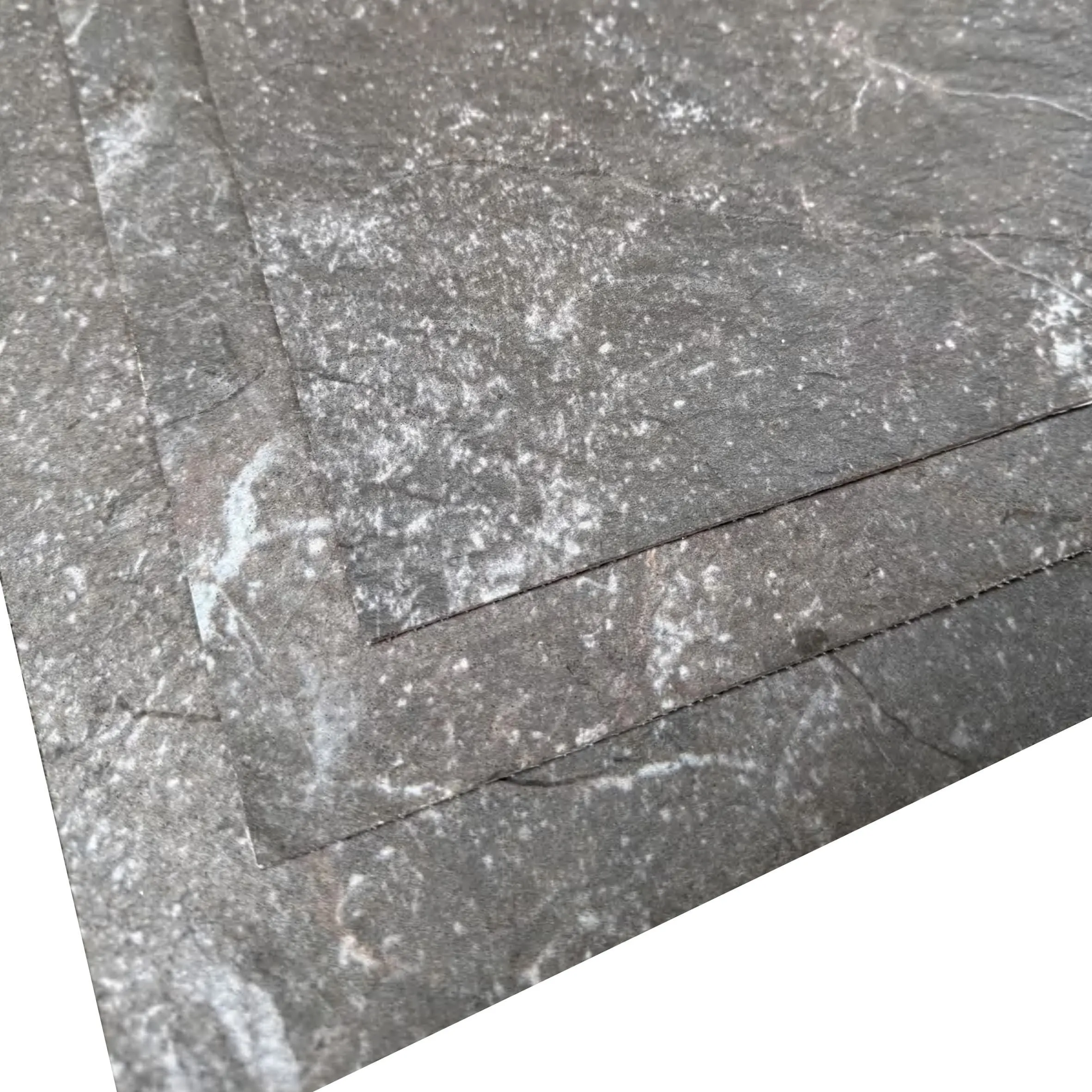
Slate Portoro has a history as rich as its appearance. Originally quarried in Italy, it's been used in palaces, museums, and luxury hotels for centuries, prized for its bold, almost theatrical look. The name "Portoro" is said to derive from "Porto Oro," or "Golden Port," a nod to the golden veins that streak through its dark surface like sunlight on water.
In MCM Flexible Stone, this classic style gets a modern upgrade. Traditional Slate Portoro is heavy—up to 20kg per square meter—making it a logistical nightmare for curved installations. MCM slashes that weight to just 4-6kg per square meter, making it easy to handle and install. And unlike natural stone, which often has inconsistencies in veining or color, MCM Slate Portoro offers uniformity, ensuring that a curved wall or ceiling looks cohesive from every angle.
Designers are already falling for the possibilities. Imagine a residential lobby with a sweeping curved wall clad in Slate Portoro MCM—warm, inviting, and impossible to ignore. Or a boutique store with a curved countertop that flows seamlessly into the backsplash, all in that signature black-and-gold palette. Suddenly, curves aren't just for museums anymore; they're for everyday spaces that want to make a statement.
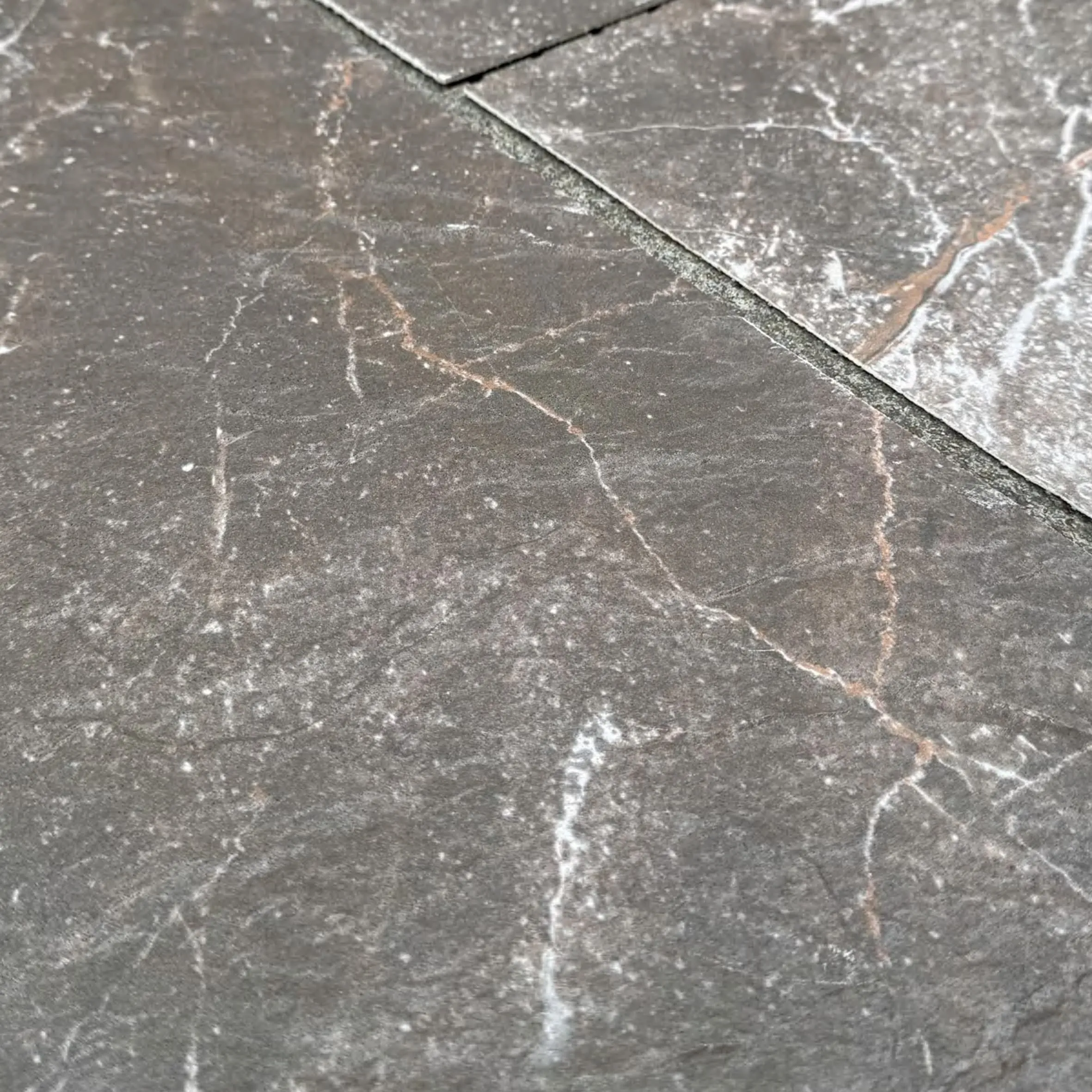
So, how does MCM Flexible Stone achieve that perfect balance of strength and flexibility? It starts with the manufacturing process, where precision meets innovation. Unlike traditional stone, which is cut from quarried blocks, MCM is crafted using advanced techniques like those found in the MCM 3D Printing Series. This technology allows for controlled layering of materials, creating a microstructure that's both dense (for durability) and pliable (for bending).
The key ingredients? Crushed natural stone aggregates (for that authentic texture), a polymer resin binder (for flexibility), and glass fibers (for tensile strength). These components are mixed, pressed into thin sheets, and cured under heat, resulting in a material that's resistant to impact, moisture, and UV rays. Even better, the 3D Printing Series ensures that each panel is consistent in thickness and flexibility, so installers know exactly how far it can bend without compromising integrity.
But don't just take our word for it. Independent tests show that MCM Flexible Stone can withstand temperatures from -40°C to 80°C, making it suitable for both indoor and outdoor use. It's also fire-resistant and mold-proof, addressing common pain points with traditional stone in humid or high-heat environments. In short, it's not just flexible—it's tough as nails.
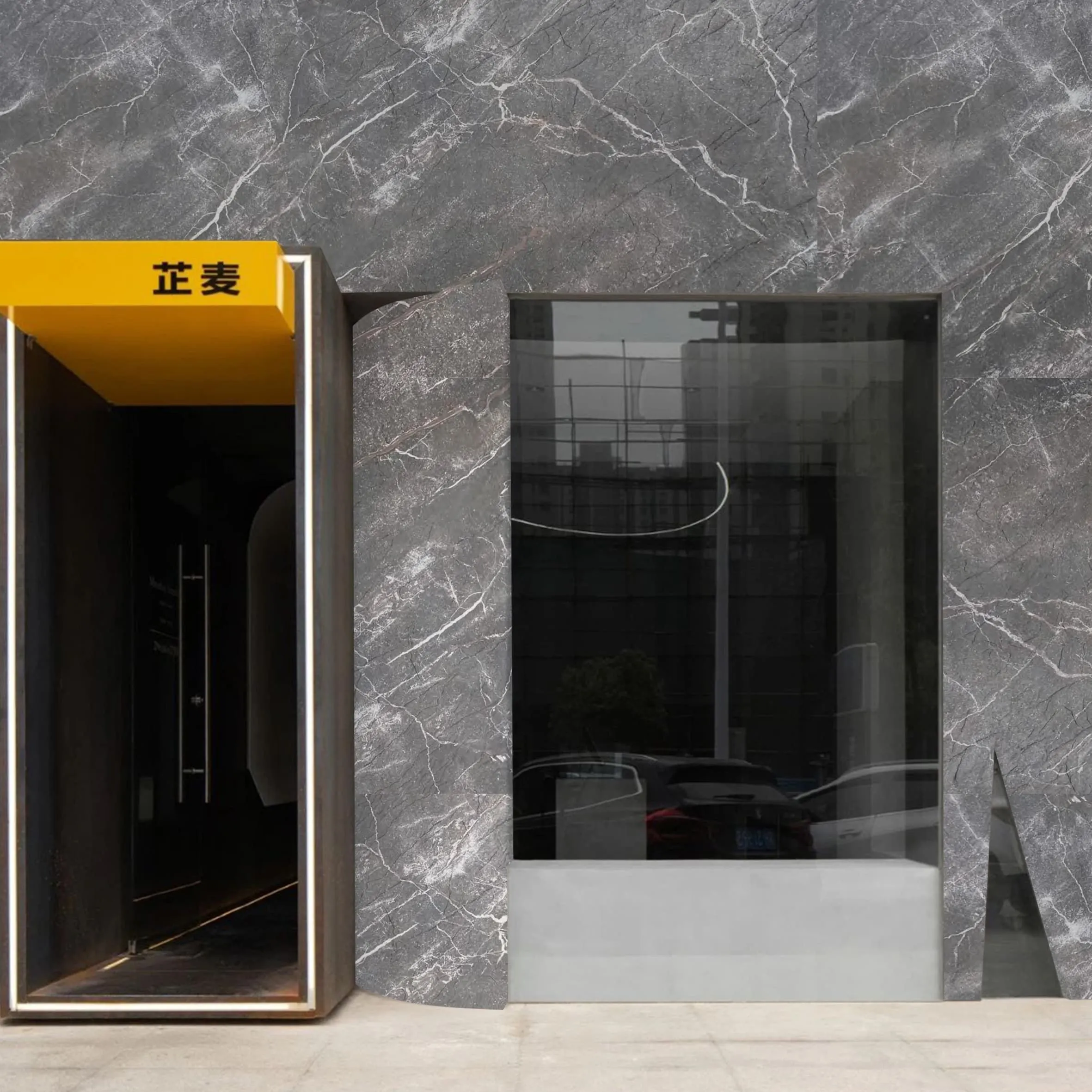
While Slate Portoro is a showstopper, MCM Flexible Stone's versatility doesn't end there. The MCM Big Slab Board Series, for example, takes things to the next level with larger panels (up to 1200x2400mm), perfect for creating seamless curved surfaces with minimal joints. Imagine a curved feature wall in a hotel ballroom, where the Slate Portoro pattern flows uninterrupted from floor to ceiling—no grout lines, no breaks, just pure, unbroken elegance.
And Slate Portoro is just one of many styles in the MCM lineup. From the earthy tones of Lunar Peak Silvery to the rustic charm of Travertine (Starry Blue), there's a texture and color to suit every design vision. But what ties them all together is that same core flexibility. Whether you're dreaming of a curved kitchen backsplash in Rona Yellow or a sweeping outdoor facade in Granite Portoro, MCM makes it possible.
MCM Flexible Stone with Slate Portoro style isn't just a lab experiment—it's already making waves in real projects around the world. Let's take a look at a few standout examples:
These projects share a common thread: they turned "impossible" curves into "incredible" realities, all thanks to MCM's unique properties.
| Material | Flexibility (Minimum Curve Radius) | Weight (kg/m²) | Installation Time (per m²) | Durability (UV & Moisture Resistance) |
|---|---|---|---|---|
| MCM Flexible Stone (Slate Portoro) | 30cm radius | 4-6kg | 1-2 hours | Excellent (tested 10+ years) |
| Natural Slate Portoro | > 200cm radius (brittle) | 18-22kg | 3-4 hours (requires specialized labor) | Good (prone to staining) |
| MCM Big Slab Board Series | 50cm radius (larger panels) | 5-7kg | 1.5-2.5 hours | Excellent (same as flexible stone) |
In an era where sustainability is non-negotiable, MCM Flexible Stone shines. Traditional stone quarrying is resource-intensive, often requiring heavy machinery and leaving behind scars on the landscape. MCM, by contrast, uses recycled mineral aggregates and a water-based manufacturing process, reducing its environmental footprint significantly.
The lightweight nature of MCM also cuts down on transportation emissions—trucks can carry more panels per trip, reducing the number of vehicles on the road. And because MCM is so durable, it lasts longer than many traditional materials, meaning less frequent replacements and less waste over time. For architects and builders aiming for LEED or BREEAM certifications, MCM Flexible Stone is a smart choice that checks all the sustainability boxes.
One of the most exciting things about MCM Flexible Stone is its customizability. Unlike natural Slate Portoro, which is limited by what the quarry yields, MCM lets you tweak every detail to match your vision. Want the gold veins to be thicker? No problem. Prefer a slightly lighter black base? Consider it done. Even the finish—matte, semi-polished, or textured—can be adjusted to suit the space.
This level of customization is a game-changer for designers working on unique projects. For example, a restaurant owner might request Slate Portoro MCM with custom gold vein patterns that echo the restaurant's logo. Or a homeowner could opt for a Slate Portoro backsplash with a honed finish to reduce glare in a sunny kitchen. The possibilities are as endless as your imagination.
As architects push the boundaries of what's possible, materials like MCM Flexible Stone will only grow in importance. We're already seeing trends toward more organic, nature-inspired designs—think buildings that mimic the curves of hills or the flow of rivers. With MCM, these designs aren't just concepts; they're buildable.
Looking ahead, innovations in MCM technology could lead to even more flexibility, thinner panels, and new textures that mimic rare or endangered stones without harming the environment. The 3D Printing Series, for instance, is evolving to allow even more precise control over veining and texture, making MCM an even more powerful tool for customization.
In short, the future of architecture is curved, and MCM Flexible Stone is holding the blueprint.
Recommend Products












