
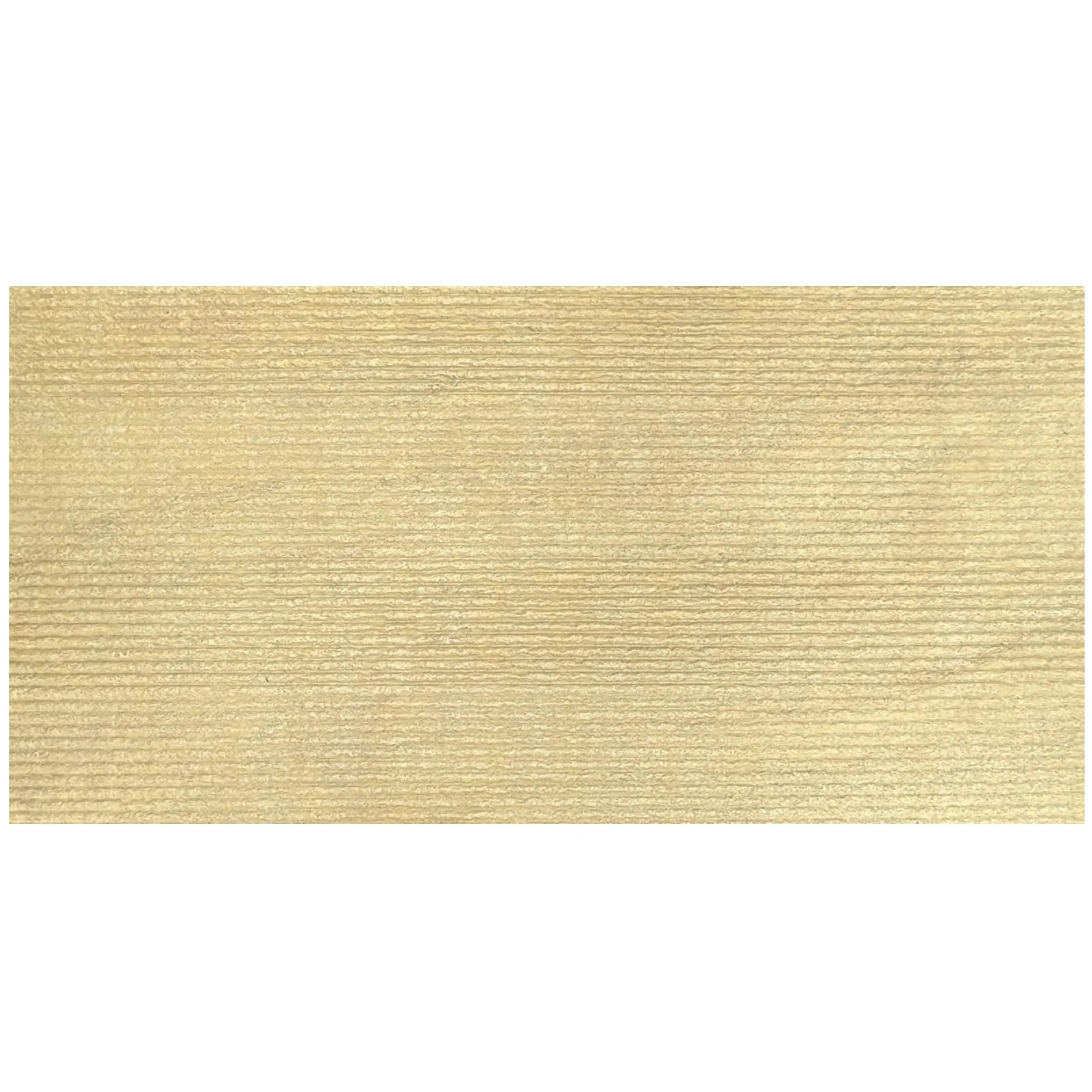
Walk through any modern city, and you'll notice them: sleek skyscrapers, boutique hotels, and cultural centers wrapped in stunning curtain walls that blend form and function. These outer skins do more than just look good—they protect buildings from the elements, insulate interiors, and make a bold design statement. But here's the thing: not all curtain wall materials are created equal. For decades, architects and builders have grappled with a tricky trade-off: how to balance durability, aesthetics, and weight.
Take Gravel Omani Stone , for example. With its rich, earthy texture and natural warmth, it's a favorite for adding a touch of timeless elegance to facades. But there's a catch: it's heavy. Really heavy. A standard panel can weigh upwards of 50 kg per square meter, and when you're cladding a 50-story tower, that weight adds up—fast. Suddenly, you're not just choosing a material; you're designing around it. Structural engineers have to beef up foundations, contractors face slower installation times, and budgets stretch to accommodate the extra labor and materials needed to support all that heft. And it's not just Gravel Omani Stone. Even materials like fair-faced concrete, while durable, can feel limiting in terms of design flexibility, leaving little room for the creative flourishes that make a building truly memorable.
In a world where architecture is pushing taller, greener, and more innovative, the demand for a better solution has never been clearer. Enter MCM Flexible Stone—a material that's quietly revolutionizing how we think about curtain walls. Lightweight, versatile, and packed with personality, it's the answer to the "heavy material headache" that's plagued the industry for years. Let's dive in.
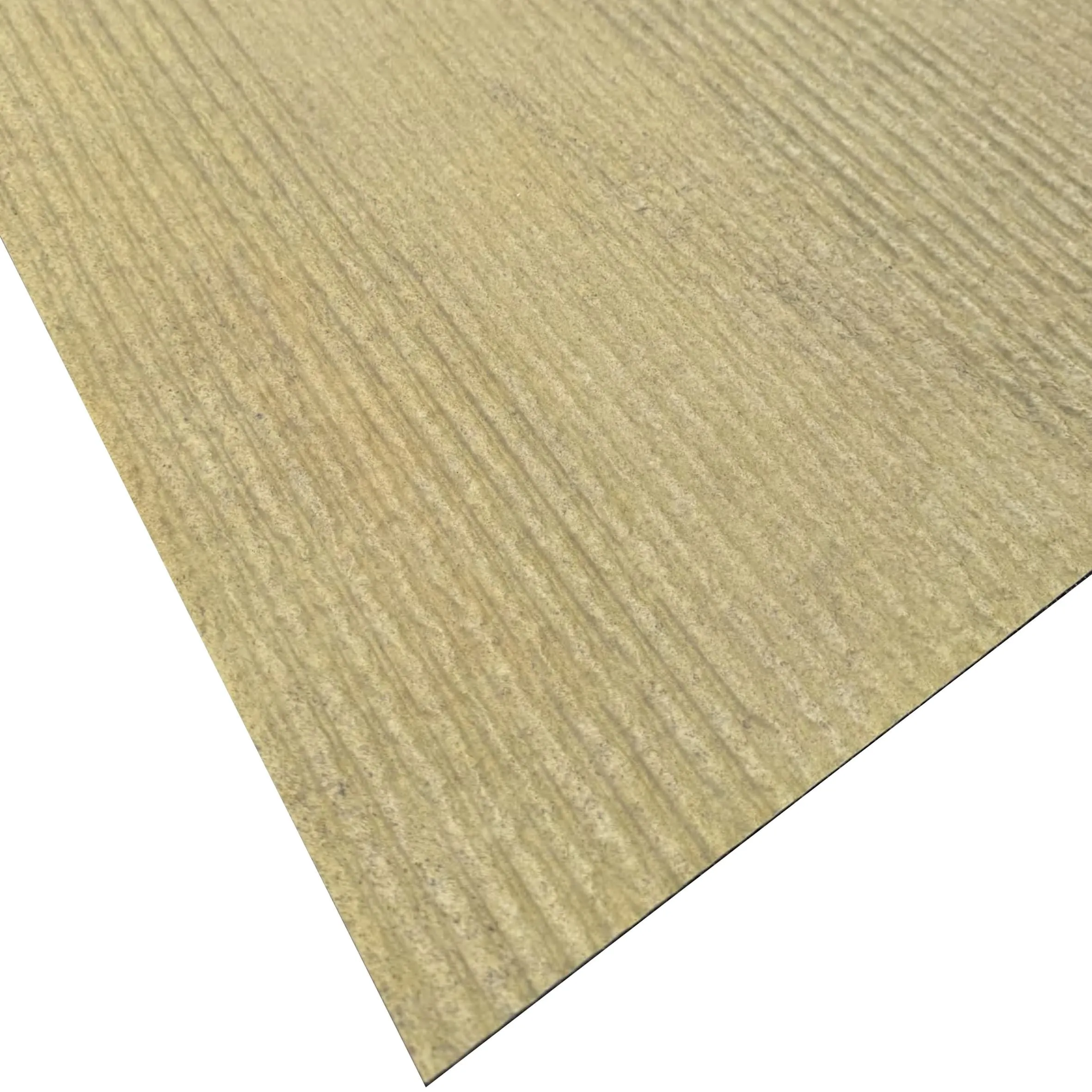
First things first: what is MCM Flexible Stone? At its core, it's a modified composite material (MCM) that mimics the look and feel of natural stone, concrete, or even wood—without the bulk. Think of it as stone, but reimagined. Instead of quarried slabs, MCM Flexible Stone is crafted by bonding layers of mineral aggregates, resins, and fibers into thin, flexible panels. The result? A material that weighs as little as 4-6 kg per square meter—less than 15% of the weight of traditional Gravel Omani Stone. That's like swapping a backpack full of textbooks for a lightweight messenger bag; suddenly, everything feels easier.
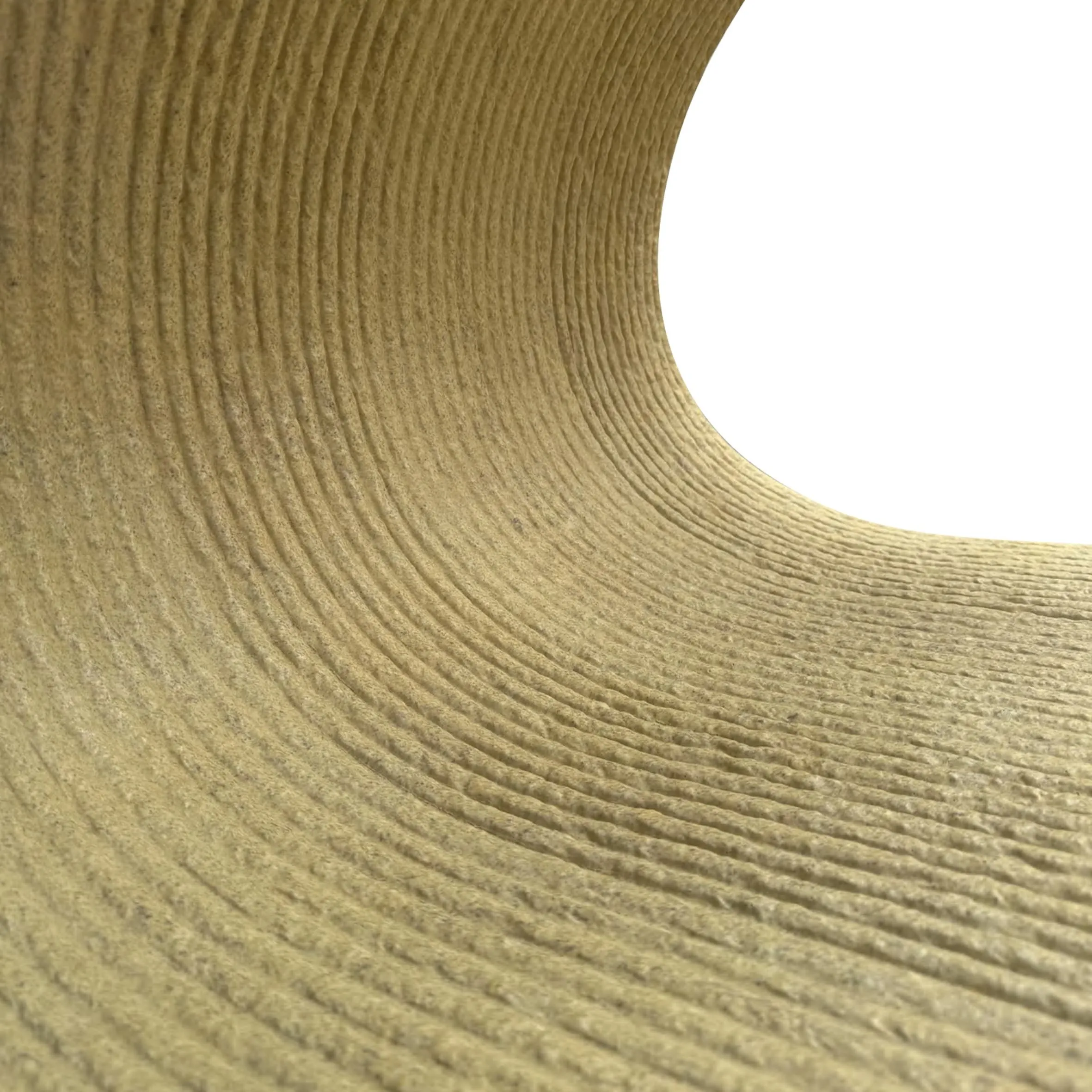
But don't let the "flexible" part fool you. This isn't some flimsy, bendable sheet that'll warp or crack. MCM Flexible Stone is tough. We're talking scratch-resistant, impact-resistant, and weatherproof—able to stand up to rain, snow, UV rays, and even the occasional stray football (yes, that happens in urban areas). It's also surprisingly thin, usually ranging from 3-6 mm thick, which means it takes up less space and puts minimal strain on a building's structure. For architects, this is a game-changer: suddenly, the sky's the limit (literally) for where and how you can use it.
What really sets MCM Flexible Stone apart, though, is its design versatility. Unlike natural stone, which is limited by what the earth provides, MCM can be customized to mimic almost any texture, color, or pattern. Want the look of Lunar Peak Silvery with its subtle metallic sheen? Done. Craving the bold, starry pattern of Travertine (Starry Green) to add a cosmic twist to a hotel facade? Consider it available. From the warm golds of Lunar Peak Golden to the deep blacks of Lunar Peak Black, the color palette is vast—and it's only growing. Even better, these designs aren't just surface-level; the texture runs through the material, so scratches or wear won't reveal a different color underneath. It's beauty that lasts.
Let's talk numbers. A typical high-rise might have 10,000 square meters of curtain wall. With Gravel Omani Stone at 50 kg/m², that's 500,000 kg (or 500 tons) of weight added to the building. With MCM Flexible Stone at 5 kg/m², that drops to just 50 tons. That's a 90% reduction in cladding weight. For structural engineers, that's not just a relief—it's a revolution. Suddenly, foundations can be lighter, support beams slimmer, and overall construction costs lower. In areas prone to earthquakes or high winds, that reduced load also translates to increased safety; the building is less likely to suffer structural stress during extreme events.
Contractors love it too. Traditional stone cladding often requires cranes, heavy lifting equipment, and teams of workers to maneuver each panel into place. MCM Flexible Stone, on the other hand, is so light that a single installer can carry and position a panel with ease. Installation times are cut by up to 40%, which means projects finish faster, and crews can move on to the next job sooner. For developers, that's a win-win: lower labor costs and quicker time-to-market.
Lightweight materials aren't just good for budgets and safety—they're good for the planet, too. Transporting 50 tons of cladding uses a fraction of the fuel needed to haul 500 tons, cutting down on carbon emissions. MCM Flexible Stone is also made with eco-friendly resins and recycled mineral aggregates, reducing its environmental footprint from quarry to installation. And because it's so durable, it lasts longer, meaning less frequent replacement and less waste over time. In a world where sustainability is no longer optional, that's a big tick in the "pro" column.
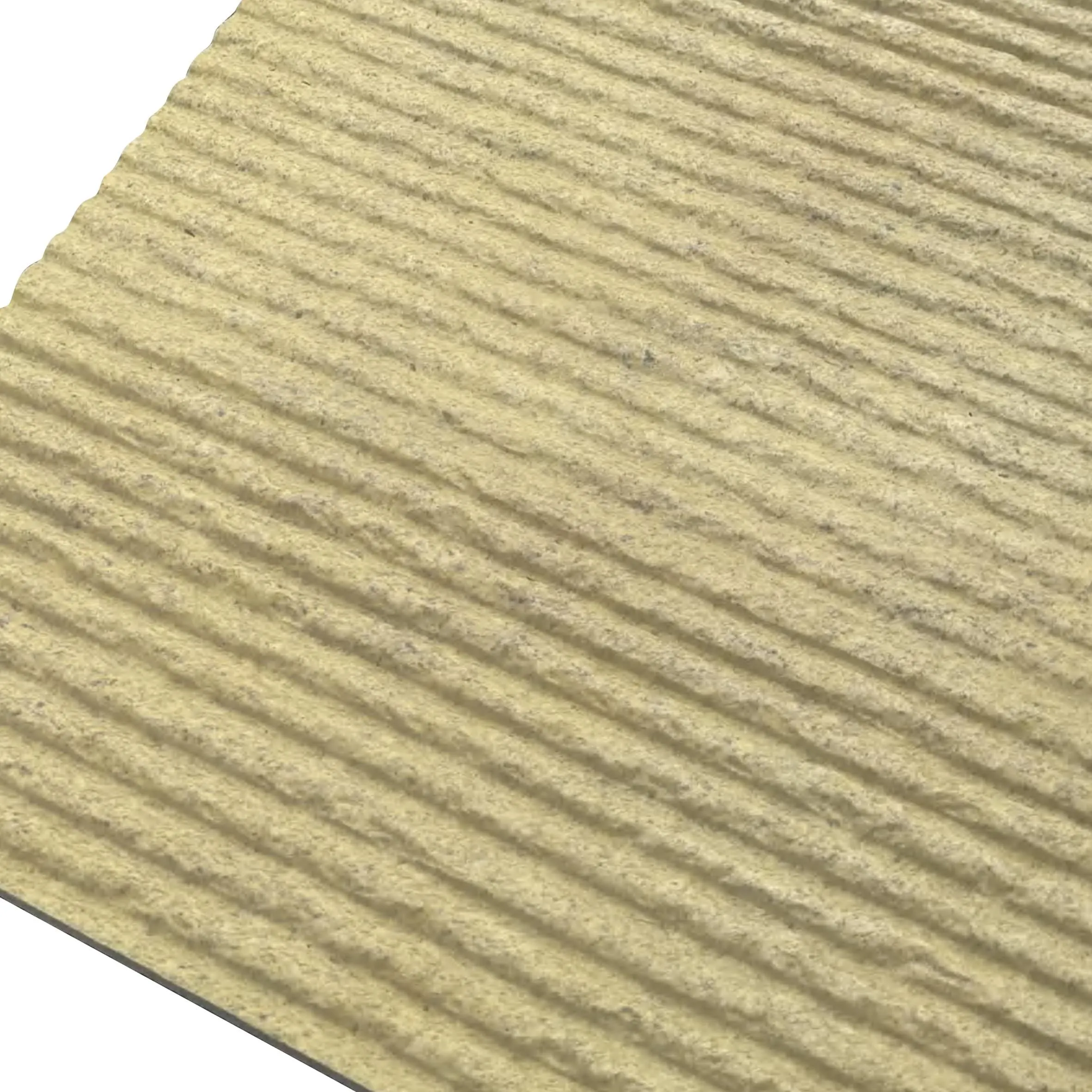
Here's the fun part: MCM Flexible Stone doesn't just solve the weight problem—it unlocks a whole new world of design possibilities. Let's say you're designing a boutique hotel in a coastal city. You want the facade to feel airy and beachy, but also a little luxurious. With traditional stone, you might be stuck with muted beiges or grays. With MCM, you could opt for Lunar Peak Silvery panels for the main facade, their soft metallic finish catching the sunlight like ocean waves. Then, add accents of Travertine (Starry Blue) around the entrance—a nod to the night sky over the water—with its unique star-like flecks adding depth and intrigue. Suddenly, your building isn't just a structure; it's a story.
Or maybe you're working on a tech company's headquarters, and you want to blend industrial edge with warmth. MCM has you covered there, too. The Lunar Peak Black series offers a sleek, modern look that pairs perfectly with glass and steel, while wood grain boards add a touch of organic texture. Even better, MCM can be cut into almost any shape—curves, angles, custom patterns—without losing its strength. Imagine a facade that curves gently around a corner, or a feature wall with geometric cutouts that cast playful shadows at different times of day. With MCM, it's not just possible; it's practical.
Color options are practically endless, too. Beyond the Lunar Peak trio (Silvery, Golden, Black), there's Travertine (Starry Green) with its deep, forest-inspired hue and starry pattern, rusty red for a bold, earthy statement, and even gradient color rammed earth board that shifts from soft terracotta to warm gold, mimicking the look of natural soil. Whether you're going for understated elegance or eye-catching drama, MCM has a shade and texture to match.
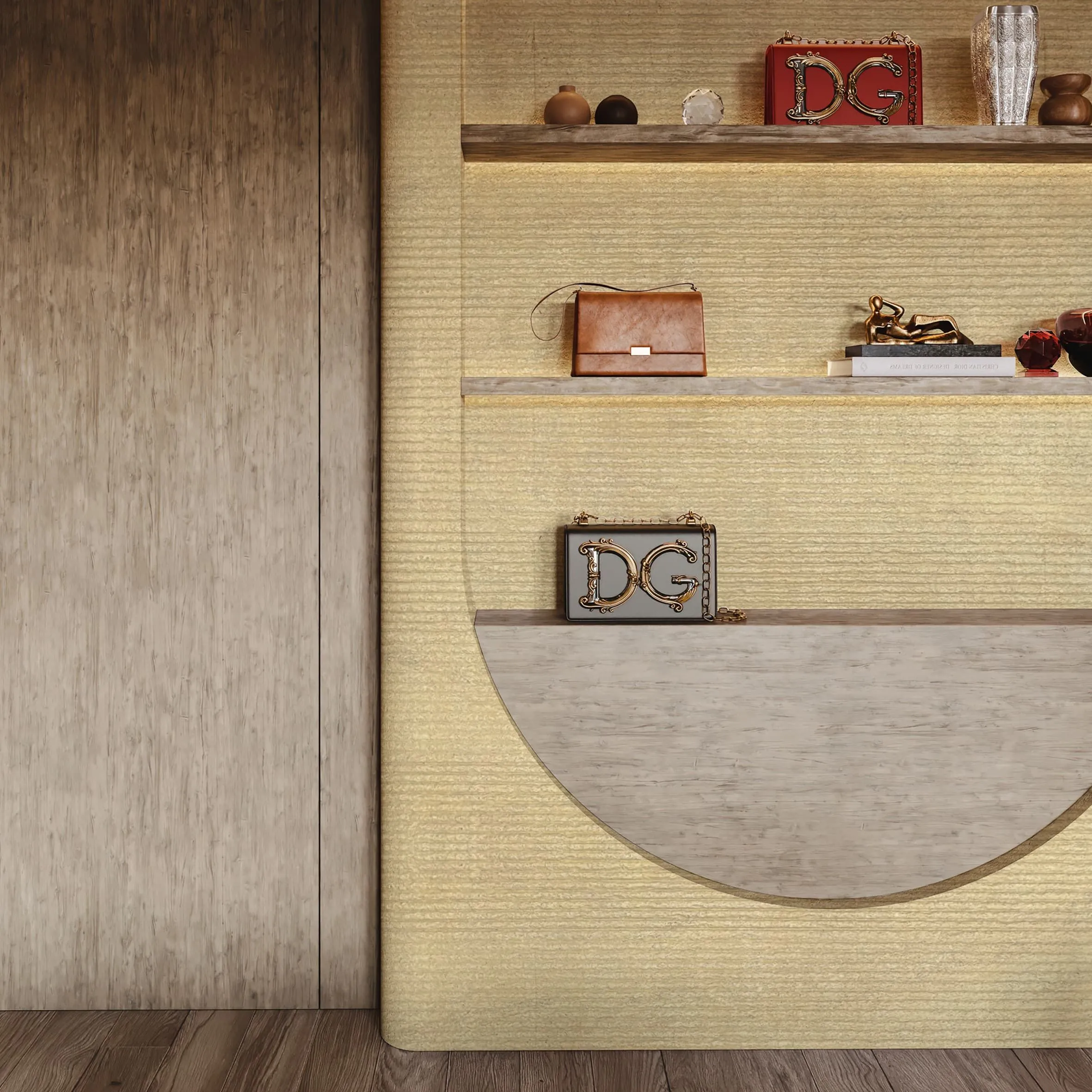
Of course, looks only get you so far. A curtain wall material needs to keep its beauty for decades, not just years. MCM Flexible Stone delivers here, too. Let's break down its durability:
Weather Resistance: MCM panels are treated with UV inhibitors to prevent fading, even in sunny climates. They're also water-resistant, so rain, snow, and humidity won't cause warping or discoloration. In coastal areas, where saltwater can corrode metal and degrade stone, MCM holds its own, making it a top choice for beachfront properties.
Impact Resistance: Thanks to its composite structure, MCM is surprisingly tough. It can handle accidental bumps from maintenance equipment, stray debris, or even the occasional hailstorm without chipping or cracking. That's a big deal for high-traffic areas like shopping malls or airport terminals, where durability is non-negotiable.
Low Maintenance: Unlike natural stone, which may need sealing or polishing over time, MCM is easy to care for. A quick wash with mild soap and water is usually all it takes to keep panels looking fresh. No special treatments, no expensive upkeep—just long-lasting beauty with minimal effort.
In short, MCM Flexible Stone isn't just a lightweight alternative to Gravel Omani Stone; it's a material that's built to last, even in the harshest environments. It's the kind of durability that gives architects and building owners peace of mind, knowing their facade will look as good in 20 years as it did on day one.
Curious how MCM Flexible Stone measures up against traditional materials like Gravel Omani Stone and fair-faced concrete? Let's take a look:
| Feature | MCM Flexible Stone | Gravel Omani Stone | Fair-Faced Concrete |
|---|---|---|---|
| Weight (kg/m²) | 4-6 kg | 45-55 kg | 20-25 kg |
| Thickness | 3-6 mm | 20-30 mm | 15-20 mm |
| Design Options | Extensive (colors, textures, shapes, gradients) | Limited (natural variations only) | Basic (smooth or textured, limited colors) |
| Installation Time | Fast (lightweight, easy to handle) | Slow (requires heavy lifting equipment) | Moderate (needs formwork, curing time) |
| Structural Load | Very low (ideal for high-rises) | Very high (requires reinforced support) | Moderate (still adds significant weight) |
| Weather Resistance | Excellent (UV, water, salt-resistant) | Good (but porous; may need sealing) | Good (but prone to staining) |
| Sustainability | High (recycled materials, low carbon footprint) | Low (quarrying, high transport emissions) | Moderate (energy-intensive production) |
As you can see, MCM Flexible Stone outperforms traditional materials in almost every category—especially when it comes to weight, design flexibility, and installation efficiency. It's not just a "lightweight alternative"; it's a superior choice for modern architecture.
Still on the fence? Let's look at some real-world examples of MCM Flexible Stone in action. Take the Azure Tower, a 30-story luxury residential building in downtown Chicago. The architects wanted a facade that felt both modern and inviting, but structural constraints limited them to materials under 8 kg/m². Gravel Omani Stone was out of the question, and fair-faced concrete felt too cold. Enter MCM Flexible Stone in Lunar Peak Golden . The warm, metallic panels catch the morning sun, giving the building a soft, glowing appearance, while wood grain accents add warmth to the entrance lobby. Residents love the look, and the developers report that installation was completed 30% faster than originally planned—saving both time and money.
Then there's the Starry Night Hotel in Bali, a boutique resort nestled in the jungle. The design team wanted to blend into the natural surroundings while adding a touch of whimsy. They chose Travertine (Starry Green) for the main facade, its deep green color mirroring the lush foliage, and Travertine (Starry Blue) for the poolside cabanas, creating a "night sky" effect after dark. The lightweight panels were easy to transport up the steep, jungle roads, and the custom starry pattern has become a signature feature of the hotel—drawing rave reviews from guests and Instagrammers alike.
Even commercial spaces are getting in on the action. The Innovation Hub, a tech campus in San Francisco, used Lunar Peak Black and rusty red MCM panels to create a bold, modern facade that reflects the company's innovative spirit. The geometric cutouts in the panels not only add visual interest but also improve natural ventilation, reducing the building's reliance on air conditioning. It's a perfect example of how MCM combines form and function.
As architecture continues to evolve, one thing is clear: the demand for lightweight, sustainable, and design-forward materials will only grow. MCM Flexible Stone isn't just keeping up with this trend—it's leading it. With ongoing innovations in texture, color, and performance, the possibilities are endless. Imagine self-cleaning MCM panels that repel dirt and grime, or panels embedded with solar cells that generate energy while still looking beautiful. The technology is already in the works, and MCM is poised to be at the forefront.
For architects, builders, and developers, this means more freedom to dream big—without being held back by heavy materials. It means creating buildings that are safer, greener, and more visually stunning than ever before. And for the rest of us? It means cities filled with facades that inspire, delight, and stand the test of time.
So, the next time you're standing in front of a beautiful building, take a closer look. If the facade is lightweight, colorful, and full of character, there's a good chance it's MCM Flexible Stone. And if it's not? Maybe it should be.
Recommend Products












