
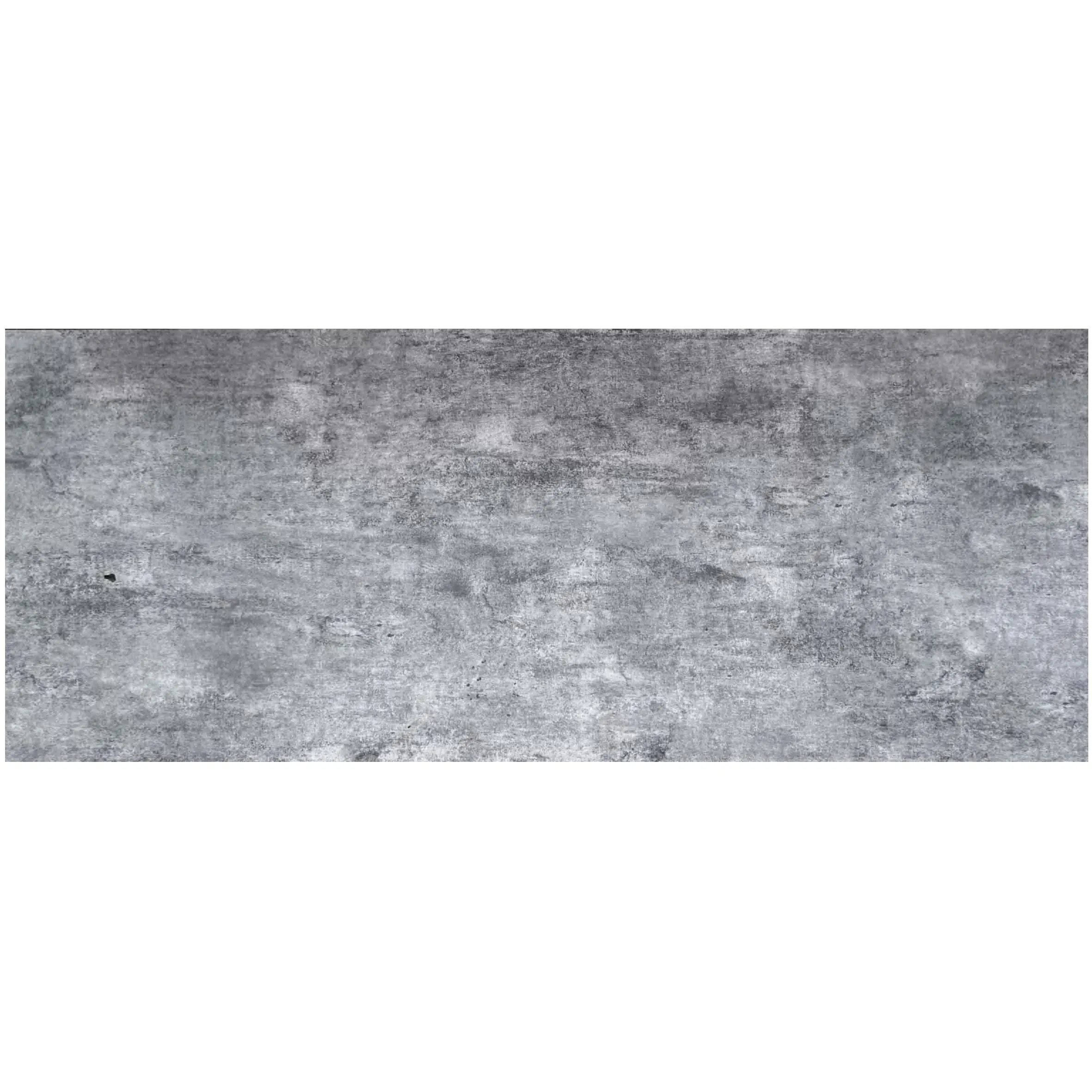
Cities are living, breathing entities, and their skylines tell stories of ambition, innovation, and artistry. For architects and builders, the quest to create high-rises that stand out—while remaining practical, safe, and sustainable—has always been a balancing act. One of the biggest hurdles? The materials that clothe these giants. Traditional stone and concrete, while beautiful, often come with a heavy price: literal weight, skyrocketing installation costs, and limited design flexibility. Enter MCM Flexible Stone, a game-changer that's quietly transforming how we build upward. Paired with versatile options like polish concrete, it's not just a material—it's a new language for urban design.
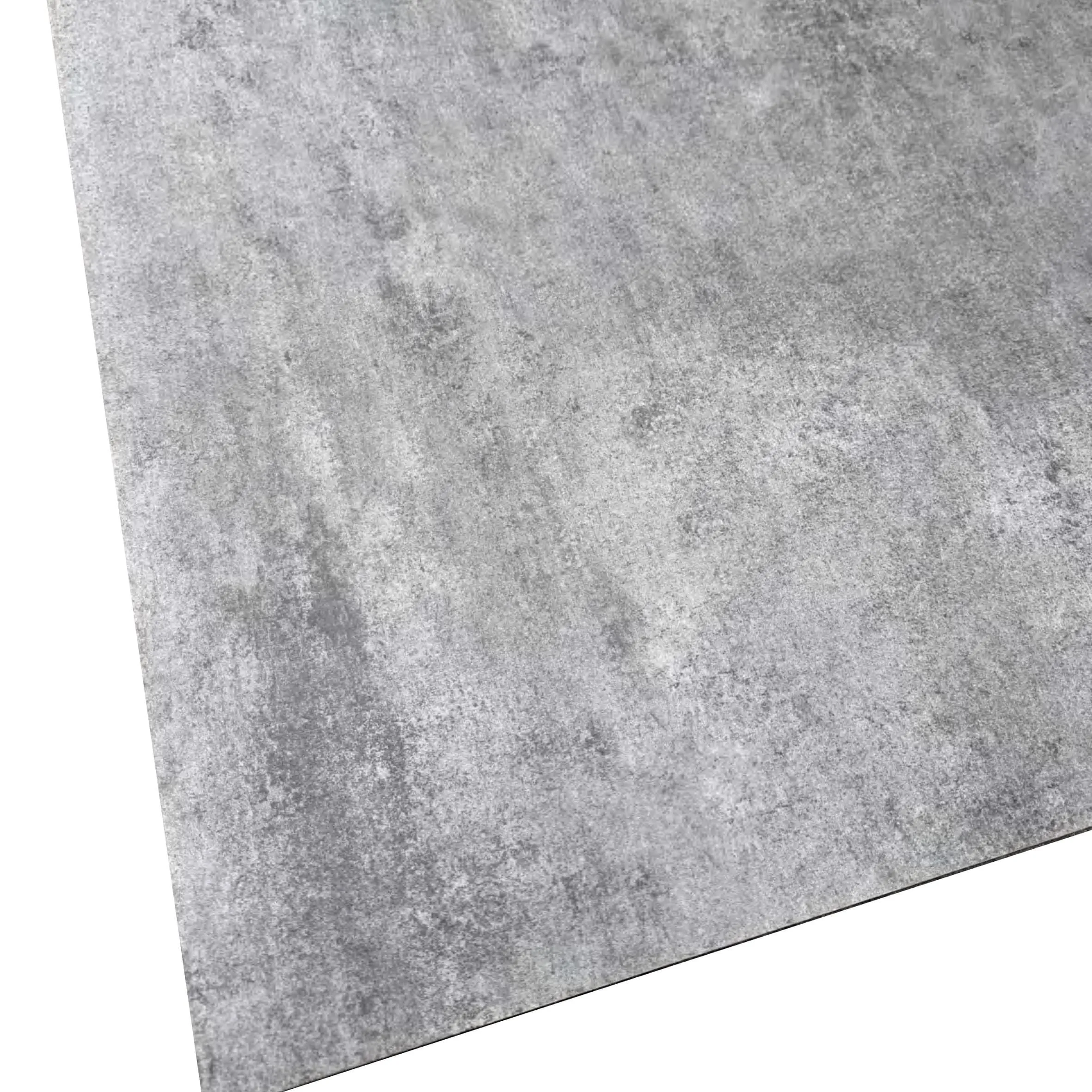
Ask any structural engineer about high-rise construction, and they'll likely sigh at the mention of "cladding weight." Every pound added to a building's exterior translates to increased stress on the foundation, higher demands on cranes and labor, and even stricter safety protocols. Traditional natural stone, for example, can weigh upwards of 150 pounds per square foot—a burden that limits not just how high you can build, but also how creative you can be with design. Imagine (oops, scratch that) Think about a project where an architect dreams of a facade with intricate travertine patterns or rugged boulder slab textures. With heavy materials, that dream might get scaled back to flat, plain panels just to keep the structure stable.
Then there's the issue of installation. Heavy panels require specialized crews, slower installation times, and more logistics—all of which drive up costs and delay project timelines. And let's not forget aesthetics: many traditional materials lock builders into a narrow range of looks, leaving little room for the unique textures and colors that make a building memorable. For a high-rise aiming to be more than just a steel and glass box, these limitations can feel like a creative straightjacket.
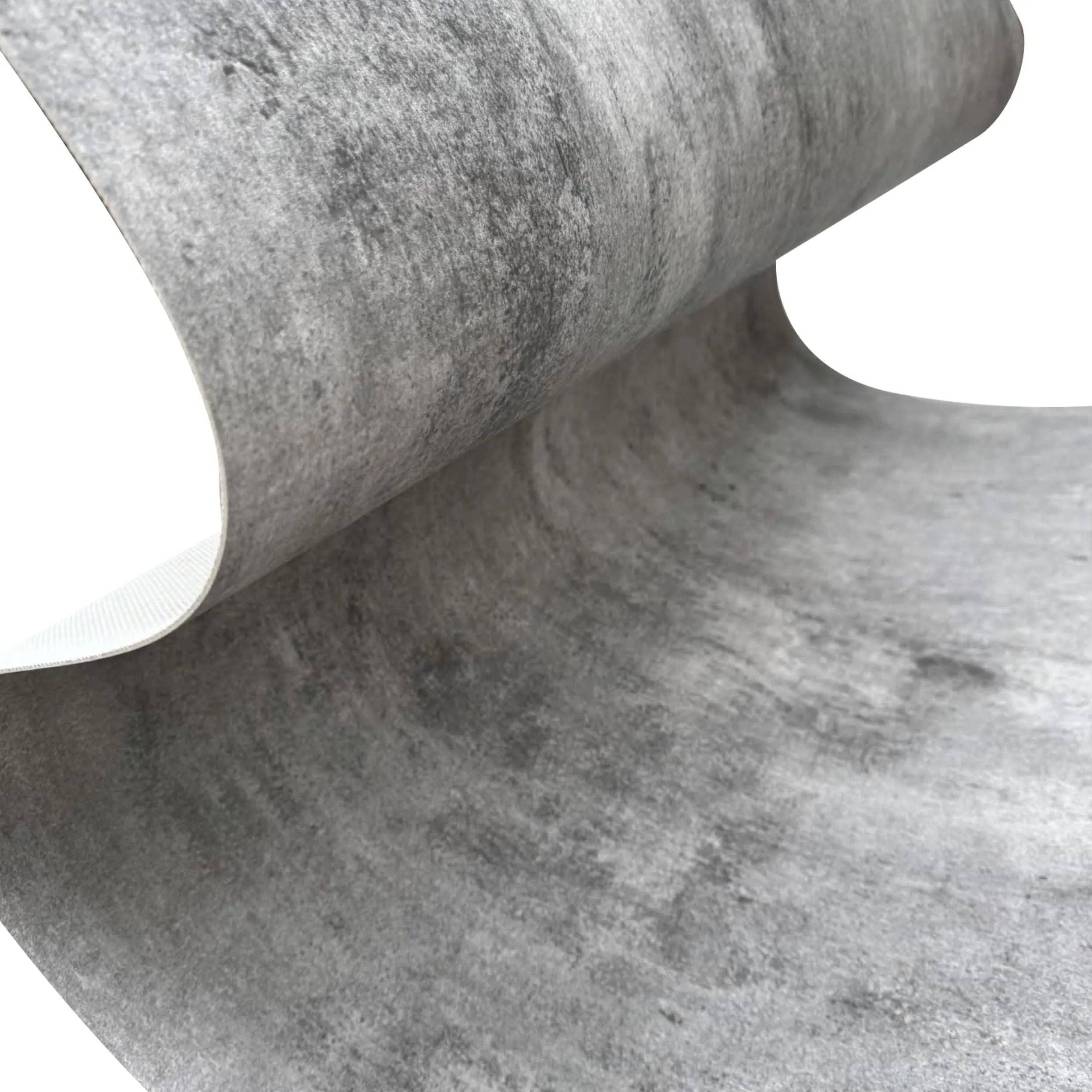
MCM Flexible Stone, short for Modified Composite Material, is exactly what its name suggests: a composite material designed to mimic the look and feel of natural stone, concrete, or metal—without the weight. At its core, it's a blend of mineral aggregates, high-performance polymers, and reinforcing fibers, engineered to be ultra-lightweight (typically 8–12 pounds per square foot) yet surprisingly durable. Think of it as nature's beauty, reimagined through modern science.
But MCM isn't just about being light. It's about flexibility—both physical and creative. These panels can bend slightly to follow curved surfaces, making them ideal for buildings with organic, flowing designs. They're also customizable to replicate almost any texture: from the warm, porous surface of travertine (beige) to the rugged, uneven edges of boulder slab, or the sleek, minimalist finish of fair-faced concrete. For architects, this means the sky's not just the limit in height—it's the limit in design.
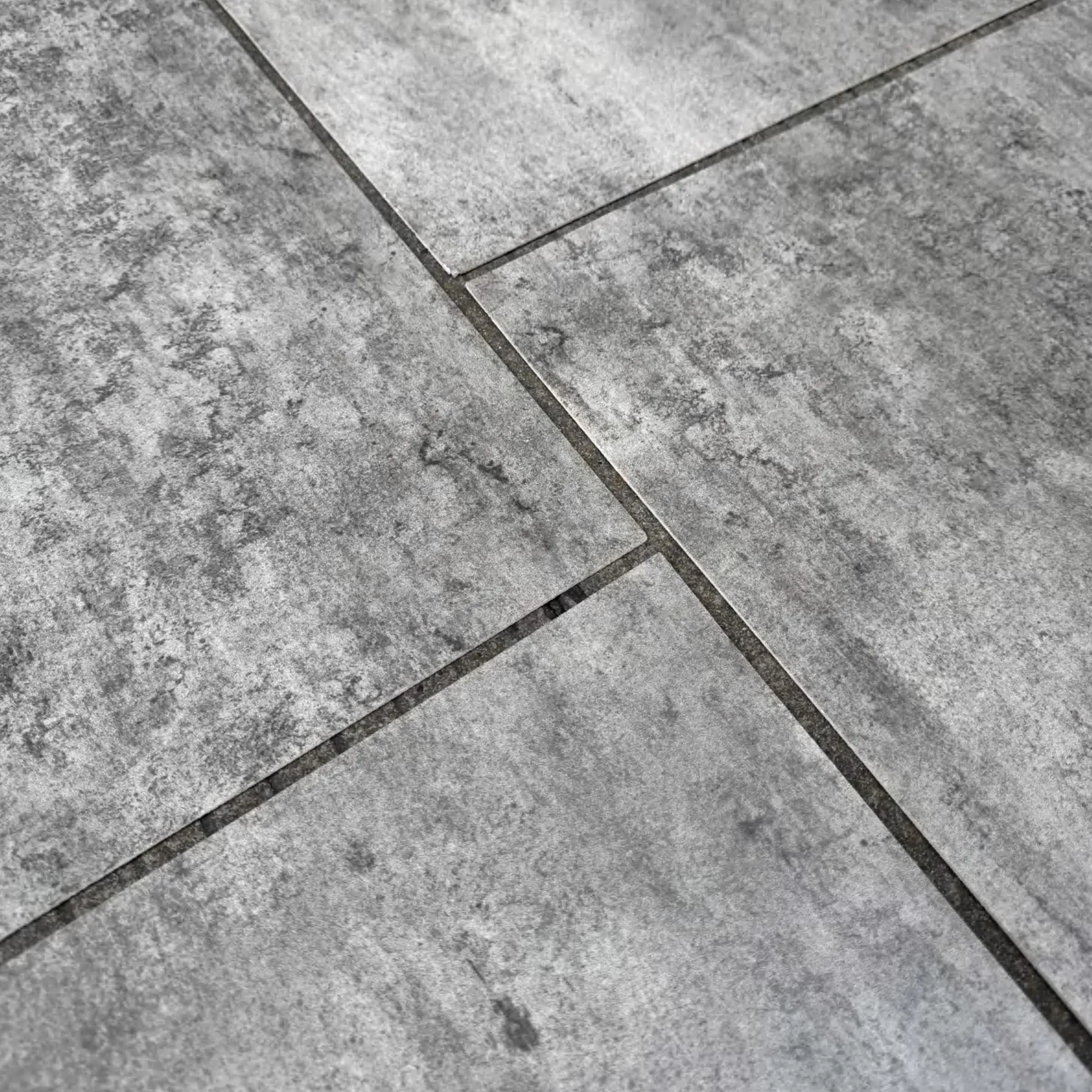
Let's cut to the chase: why are builders and architects swapping traditional materials for MCM Flexible Stone? It comes down to three big wins: practicality, performance, and personality.
1. Lightweight = Less Stress, More Savings The most obvious benefit is weight. At 8–12 pounds per square foot, MCM panels reduce structural load by up to 90% compared to natural stone. This isn't just about making cranes happy—it translates to real cost savings. Lighter materials mean smaller, more affordable cranes, faster installation (since crews can handle panels without heavy machinery), and even lower shipping costs (more panels per truck). On a 50-story project, these savings can add up to millions.
2. Durability That Stands the Test of Time Don't let the lightweight fool you: MCM is tough. It's resistant to water, fire, UV rays, and even impact—making it ideal for harsh urban environments. Unlike natural stone, which can crack or fade over time, MCM panels maintain their color and texture for decades. One project in a coastal city, for example, used MCM travertine (beige) cladding over 10 years ago; today, it still looks as warm and inviting as the day it was installed, despite salt spray and high winds.
3. Design Freedom: From Classic to Cutting-Edge Here's where MCM truly shines. With traditional materials, you're often stuck with whatever nature (or a quarry) provides. MCM? It's a blank canvas. Want the earthy warmth of travertine (beige) for a residential tower? Done. Craving the industrial edge of fair-faced concrete for a tech headquarters? Easy. Or maybe the rugged texture of boulder slab for a hotel aiming for a "mountain retreat in the city" vibe? Consider it handled. MCM even lets you mix and match textures and colors—think a facade that transitions from lunar peak silvery to lunar peak golden as it rises, mimicking the way sunlight hits a mountain.
MCM's magic lies in its ability to adapt to any design vision. Let's dive into a few standout products that are making waves in high-rise projects:
Travertine has been a favorite for centuries, prized for its soft, porous texture and warm, earthy tones. But traditional travertine is heavy and prone to staining. MCM's travertine (beige) panels capture that same timeless beauty—those subtle honey hues and natural veining—without the hassle. Imagine (again, no) Think of a luxury apartment building in the heart of the city, where the facade is clad in MCM travertine (beige). From the street, it glows softly in the morning light, inviting residents home with a sense of warmth that contrasts with the surrounding steel and glass. Inside, floor-to-ceiling windows frame the cladding, blurring the line between indoor and outdoor spaces. It's classic design, reborn for the modern skyline.
For buildings that want to make a bold, organic statement, boulder slab is a showstopper. MCM's take on this texture replicates the rough, weathered surface of natural boulders—complete with uneven edges and deep, shadowy crevices—without the weight of actual stone. A recent office project in Colorado used boulder slab (vintage silver) cladding to echo the nearby Rocky Mountains, creating a connection to the landscape that feels both powerful and grounded. Employees often comment on how the building "feels alive," with the slab's texture shifting as sunlight moves across it throughout the day. It's not just a facade; it's a conversation starter.
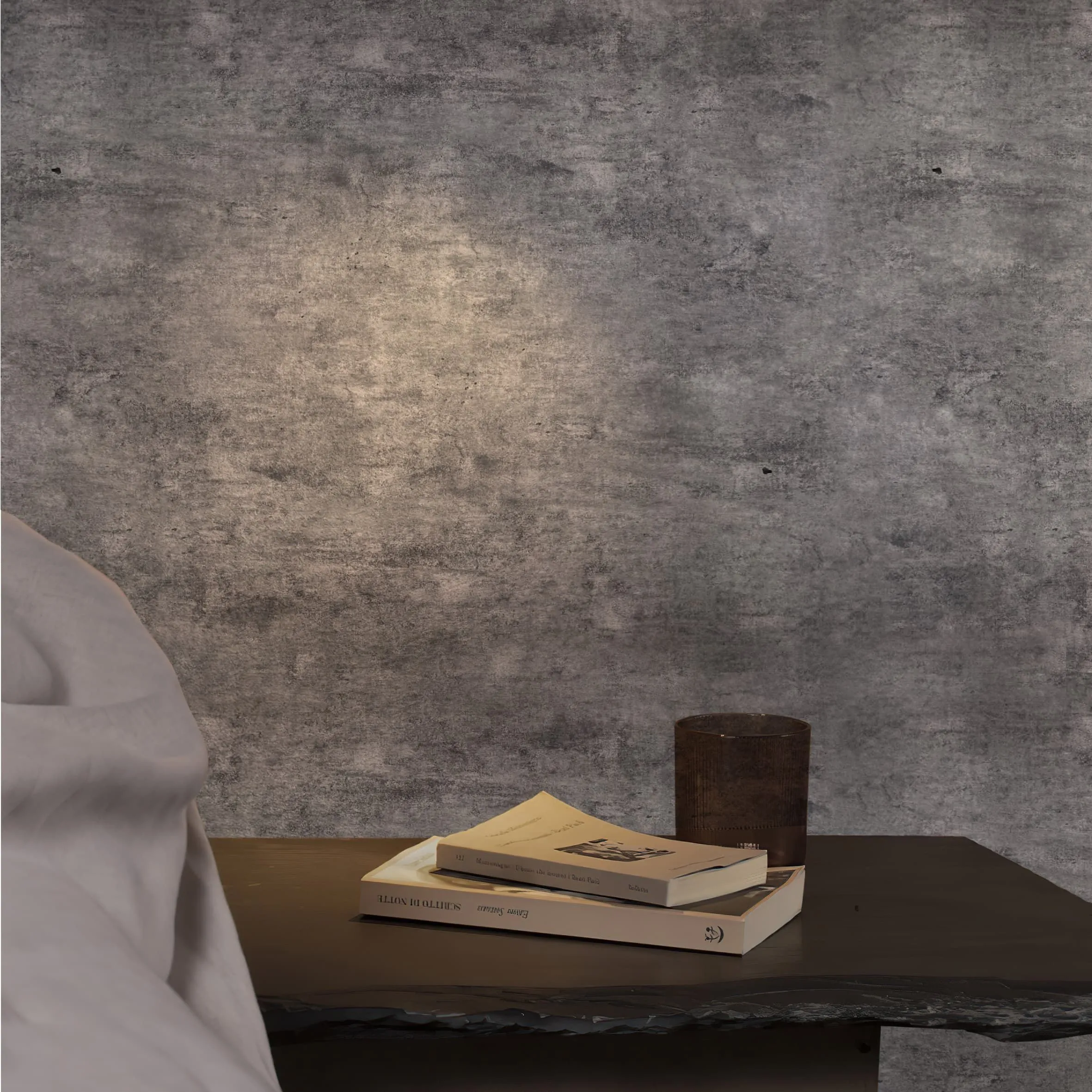
Minimalist design is having a moment, and fair-faced concrete is leading the charge. This style celebrates the raw, unadorned beauty of concrete—think smooth surfaces, subtle color variations, and a quiet, industrial elegance. Traditional fair-faced concrete can be heavy and prone to cracking, but MCM's version is lightweight and reinforced to resist damage. A tech startup in Seattle chose fair-faced concrete MCM panels for its headquarters, pairing them with large glass windows and polished concrete floors. The result? A space that feels both modern and grounded, where the concrete's neutral palette lets the company's vibrant culture and art installations take center stage.
While MCM steals the show for exteriors, polish concrete is quietly elevating interiors—and the two make a dynamic duo. Polish concrete is exactly what it sounds like: concrete that's ground, polished, and sealed to a smooth, glossy finish. It's durable, low-maintenance, and versatile, making it ideal for high-traffic areas like lobbies, hallways, and retail spaces. When paired with MCM cladding, it creates a cohesive design language that flows from outside to in.
Take a hotel project that used MCM travertine (beige) for the exterior and polish concrete for the lobby floors. The warm tones of the travertine cladding complement the concrete's subtle gray hues, creating a sense of continuity. Guests walk through doors and feel instantly connected to the building's exterior—no jarring transitions, just a seamless experience. Even better, both materials are low-maintenance: the MCM cladding resists stains and fading, while the polish concrete floor handles scuffs and spills with ease. For busy hotels, this means less time on upkeep and more time on what matters: guest experience.
Still on the fence? Let's see how MCM Flexible Stone compares to traditional cladding materials:
| Material | Weight (per sq ft) | Installation Time | Durability | Design Options |
|---|---|---|---|---|
| Natural Stone | 100–150 lbs | Slow (requires heavy machinery) | High, but prone to cracking/fading | Limited (depends on quarry) |
| Traditional Concrete | 40–60 lbs | Moderate (heavy, but moldable) | High, but heavy and rigid | Basic (smooth or stamped patterns) |
| MCM Flexible Stone | 8–12 lbs | Fast (lightweight, easy to handle) | High (resistant to water, fire, UV) | Unlimited (replicates stone, concrete, metal, etc.) |
Installing MCM panels is a breeze compared to traditional materials. Because they're lightweight, crews can carry panels by hand (no need for cranes for every piece), and the interlocking design means faster, more precise installation. On one 30-story project in Chicago, the team cut installation time by 40% using MCM boulder slab panels—meaning the building opened months ahead of schedule. For developers, that's not just a win for timelines; it's a win for ROI.
Sustainability is another big plus. MCM is often made with recycled materials, and its lightweight nature reduces carbon emissions during transportation (fewer trucks, less fuel). It's also 100% recyclable at the end of its life, making it a favorite for green building certifications like LEED. When paired with polish concrete, which uses locally sourced materials and reduces the need for floor coverings (like carpet or tile), the environmental footprint shrinks even more. In a world where sustainability is no longer a "nice-to-have" but a "must-have," MCM and polish concrete are helping buildings do good while looking good.
High-rises are more than just buildings—they're landmarks, symbols of progress, and homes for millions. MCM Flexible Stone, with its lightweight strength, design versatility, and sustainability, is helping architects and builders create structures that don't just reach for the sky—they connect with people. Whether it's the warm embrace of travertine (beige), the rugged charm of boulder slab, or the sleek simplicity of fair-faced concrete, MCM brings personality to the skyline. And when paired with polish concrete, it creates spaces that feel cohesive, durable, and uniquely human.
So the next time you look up at a city skyline, take a closer look. Chances are, that building with the stunning, texture-rich facade isn't just standing tall—it's standing smart, thanks to MCM Flexible Stone. The future of high-rise design isn't just about height. It's about heart, science, and the perfect blend of nature and innovation.
Recommend Products












