
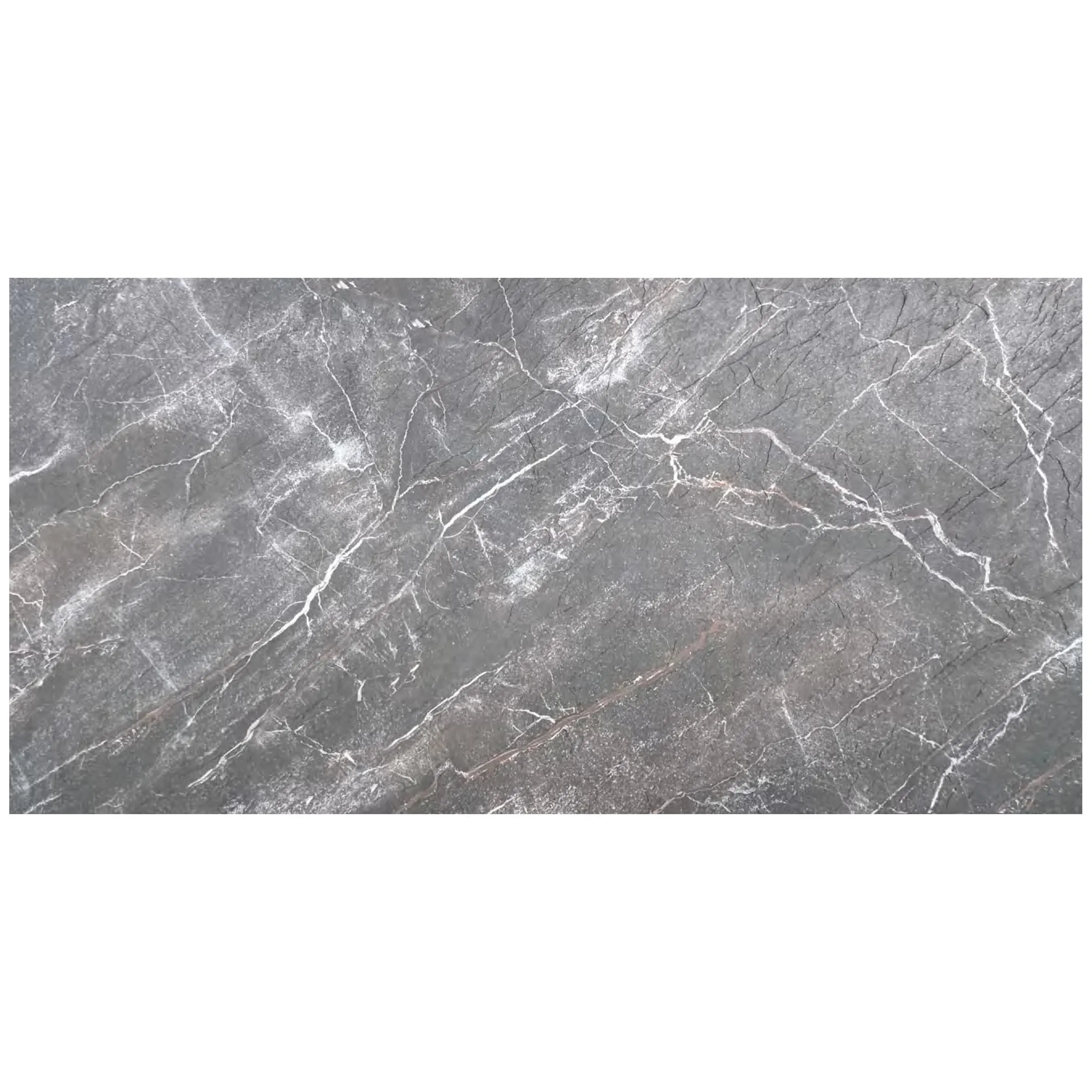
Walk into any modern architectural masterpiece, and you'll likely notice one thing: curves are back. From gently arcing museum facades to sinuous hotel lobbies, curved walls add a sense of movement, warmth, and fluidity that straight lines just can't match. But here's the secret architects don't always talk about: creating those curves with traditional building materials is a nightmare. Heavy marble slabs crack under the pressure of bending. Rigid concrete panels refuse to conform to anything but 90-degree angles. And natural stone? Beautiful, but about as flexible as a cinder block. That's where MCM Flexible Stone changes the game—turning the once-impossible dream of flawlessly curved stone walls into a reality that's as durable as it is stunning.
Let's start with the basics: traditional building materials weren't designed for curves. Take natural marble, for example. It's gorgeous, timeless, and has been a staple in architecture for centuries—but it's also dense, heavy (we're talking 20-25 kg per square meter), and completely inflexible. Try to bend it even a few degrees, and it will snap. Concrete panels? Slightly better, but still rigid and prone to cracking when forced into non-linear shapes. Wood? It warps, rots, and can't handle moisture. Even lightweight options like vinyl or plastic lack the (texture) and authenticity of stone, leaving designers stuck between "stiff and heavy" or "cheap and fake."
For years, the workaround was to use small, individual tiles or labor-intensive masonry work—tedious, time-consuming, and often resulting in visible seams that broke the flow of the curve. Architects would sketch bold, sweeping designs, only to scale them back because "the materials can't handle it." It was a creative bottleneck, and the industry was ready for a solution that didn't force compromise.
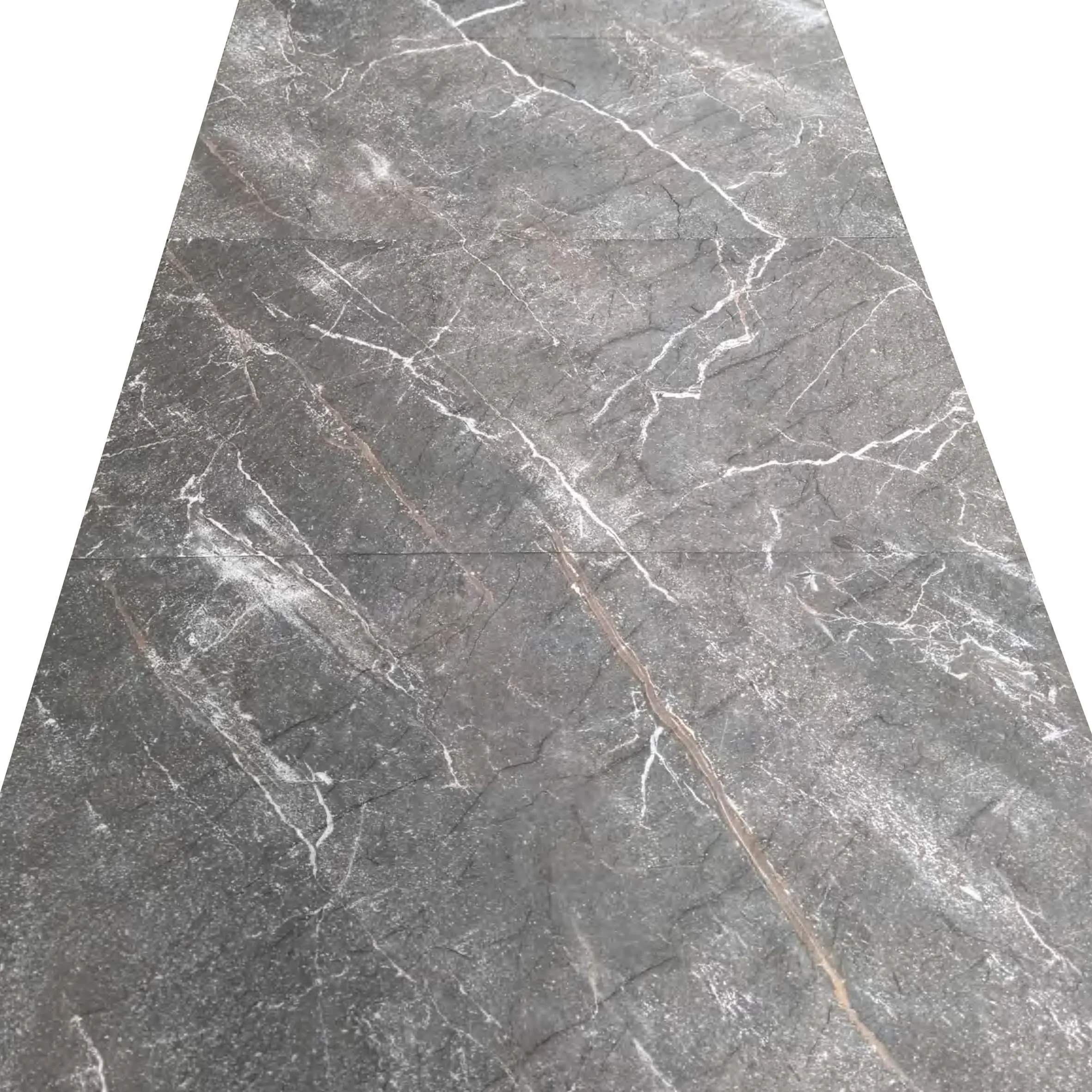
MCM Flexible Stone isn't just another building material—it's a revolution in design freedom. Short for "Modified Composite Material," MCM blends natural minerals (like stone powder and aggregates) with advanced polymers to create panels that are thin (just 3-5mm thick), lightweight (4-6 kg per square meter), and incredibly flexible. Think of it as stone with a yoga membership: it can bend, curve, and wrap around surfaces that would leave traditional materials in pieces.
What makes MCM Flexible Stone different?
It's the perfect marriage of natural beauty and modern engineering. The surface retains the texture, color, and depth of real stone—you can run your hand over it and feel the same granular detail as travertine or slate—while the composite core gives it the flexibility to handle curves with ease. And because it's lightweight, it puts less stress on building structures, making it ideal for both new construction and renovations where weight is a concern.
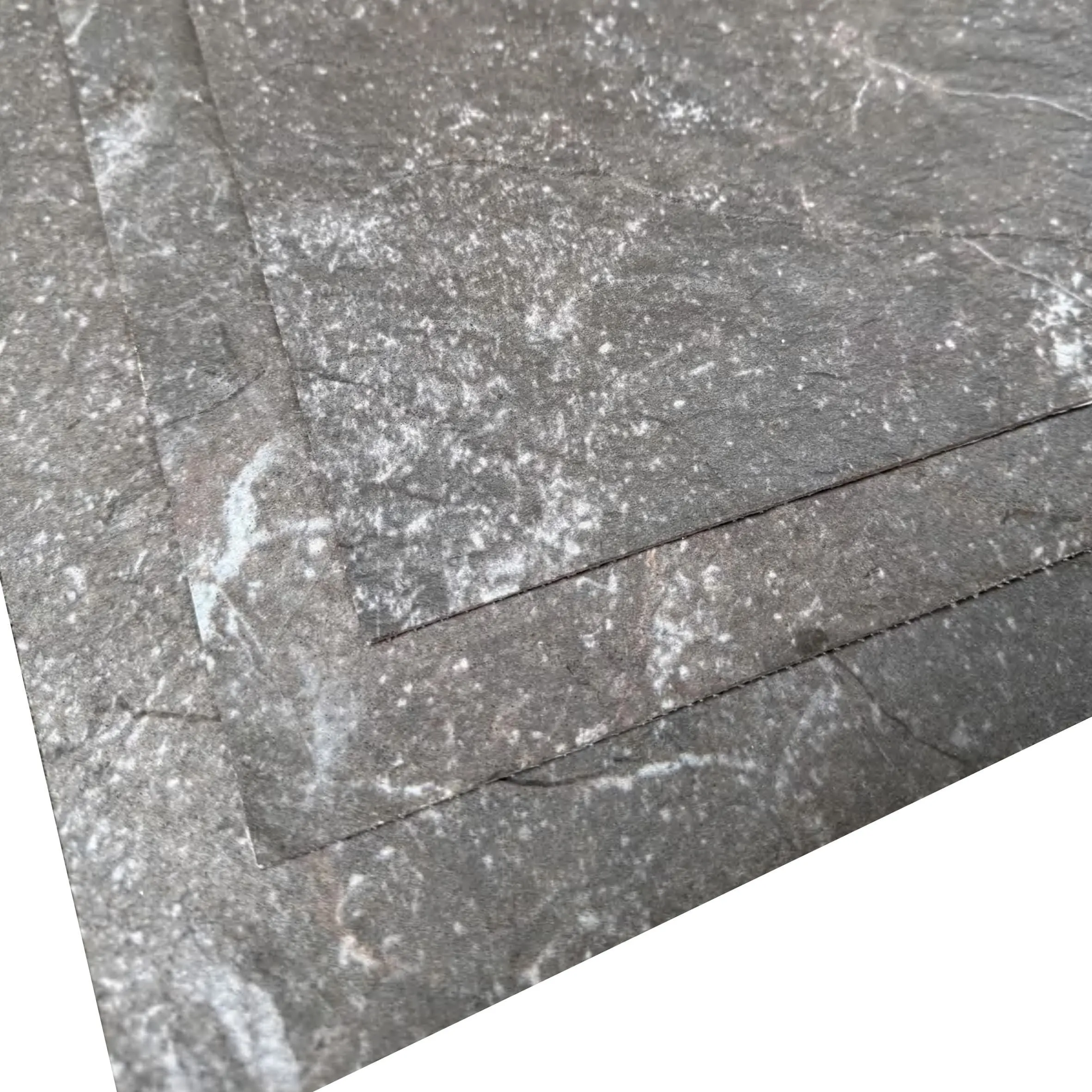
If MCM Flexible Stone is the canvas, then Slate Portoro is the masterpiece painted on it. Inspired by the iconic Portoro marble—a black stone with striking gold veining that's been used in palaces and luxury spaces for centuries—Slate Portoro Style takes that classic look and makes it flexible. Imagine wrapping a wall in deep, velvety black, streaked with threads of gold that catch the light as you move past. Now, imagine that wall curving gently, like a wave frozen in stone. That's the magic of Slate Portoro in MCM Flexible Stone.
Unlike real Portoro marble, which is heavy, expensive, and impossible to curve, MCM Slate Portoro panels are easy to install, affordable, and designed to flow with the architecture. Whether you're designing a high-end restaurant's bar backdrop, a boutique hotel's lobby feature wall, or a homeowner's statement fireplace, Slate Portoro adds a touch of old-world luxury without the old-world limitations.
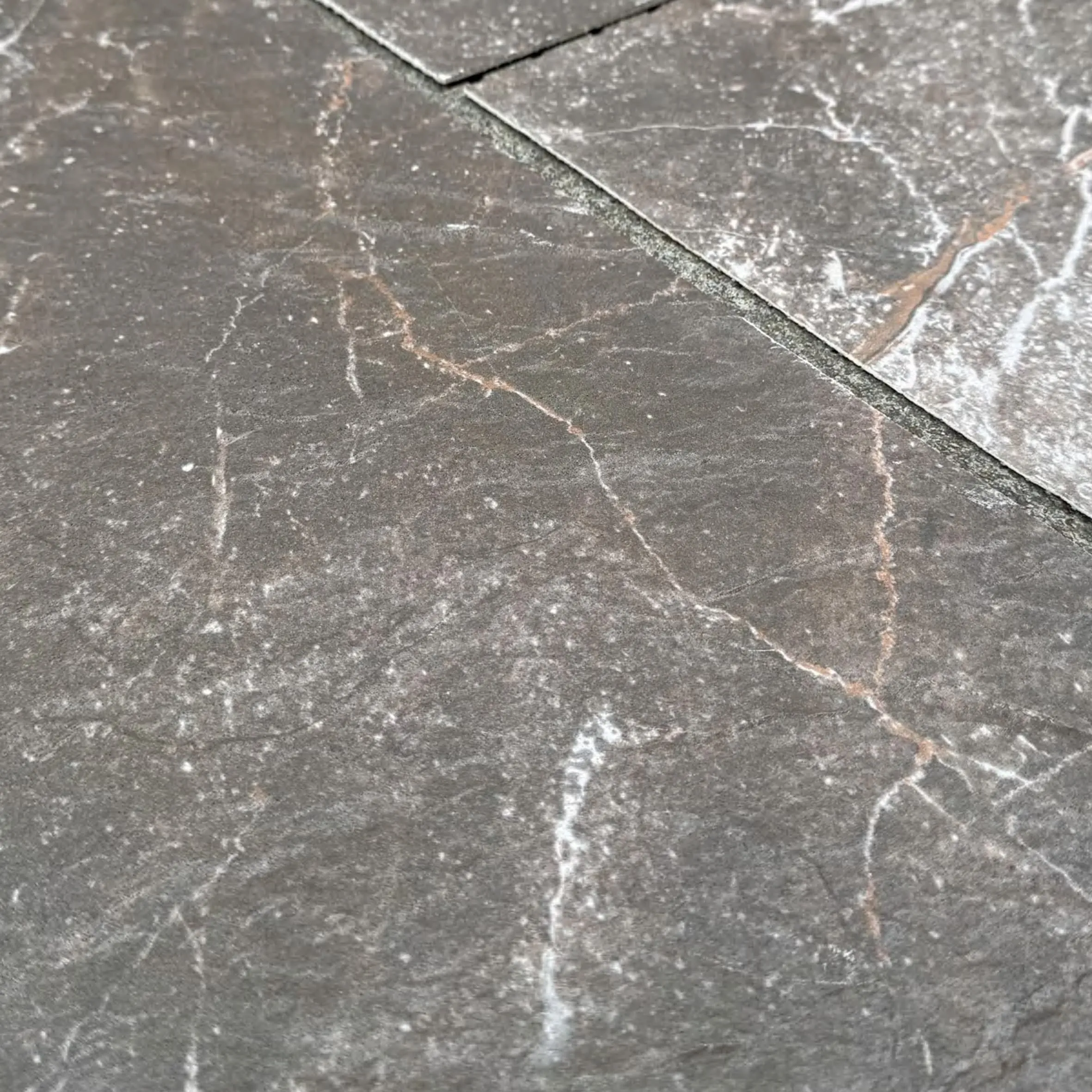
Slate Portoro is just the tip of the iceberg. MCM offers a staggering range of styles, textures, and colors to suit every aesthetic—from industrial chic to rustic warmth, from futuristic metallic to earthy natural. Let's dive into a few standout series that are redefining what's possible with curved walls:
For designers craving a sleek, contemporary look, the Lunar Peak Series delivers with three stunning finishes: Silvery, Golden, and Black. Imagine a curved wall in a tech startup's office wrapped in Lunar Peak Silvery—its cool, metallic sheen catching the light like moonlight on water. Or a luxury retail store using Lunar Peak Golden to add warmth and opulence to a curved display wall. These panels blend the industrial edge of metal with the flexibility of MCM, making them perfect for spaces that want to feel both cutting-edge and inviting.
If you prefer a more organic vibe, Travertine (Starry Green) is a showstopper. This style mimics the look of natural travertine—pitted, porous, and full of character—with a twist: subtle green undertones that evoke a forest floor at dawn. The "starry" texture, with tiny, glittering flecks embedded in the stone, adds depth and movement, making it ideal for curved walls in spas, wellness centers, or residential spaces where calm and connection to nature are key. Unlike natural travertine, which is heavy and prone to staining, MCM's version is lightweight, stain-resistant, and ready to curve.
For larger curved surfaces—think auditorium walls or grand hotel facades—the MCM Big Slab Board Series is a game-changer. These panels come in generous sizes (up to 1200x2400mm), reducing seams and creating a seamless, uninterrupted curve that feels expansive and intentional. Pair them with flexible styles like Slate Portoro or Lunar Peak, and you've got a wall that's both grand in scale and graceful in form.
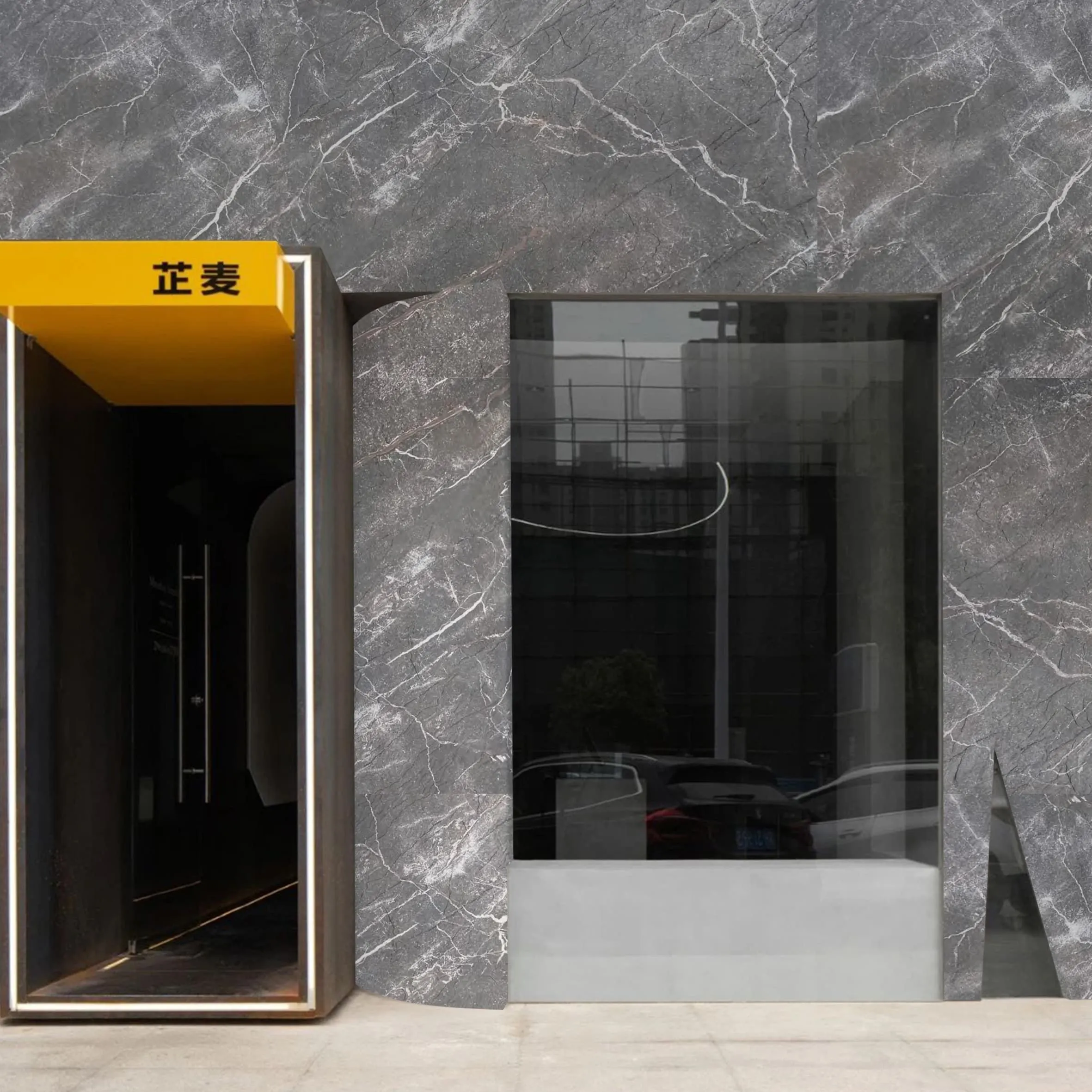
Still not convinced that MCM Flexible Stone is the right choice for your curved wall project? Let's break it down with hard facts. The table below compares MCM Flexible Stone to common traditional materials, so you can see exactly why designers and contractors are making the switch:
| Material | Flexibility (1-10) | Weight (kg/m²) | Installation Time (100m²) | Durability (Years) | Cost (Relative) |
|---|---|---|---|---|---|
| MCM Flexible Stone | 9/10 (bends up to 30°) | 4-6 | 8-10 hours | 50+ | Moderate |
| Natural Marble | 1/10 (rigid) | 20-25 | 24-30 hours | 30-40 (prone to chipping) | High |
| Traditional Concrete Panels | 2/10 (minimal flex) | 15-18 | 18-22 hours | 40-50 (prone to cracking) | Moderate-High |
| Wood Panels | 5/10 (some flex, but warps) | 8-10 | 12-15 hours | 15-20 (rot, pests, moisture damage) | Moderate |
While curved walls are MCM Flexible Stone's claim to fame, its versatility doesn't stop there. This material shines in almost any application where beauty, durability, and flexibility matter. Here are just a few spaces where MCM is making a mark:
For too long, the phrase "the materials can't handle it" has limited architectural creativity. MCM Flexible Stone erases that limitation, giving designers the freedom to build the curves, textures, and styles they've only dreamed of. It's not just about making walls look good—it's about making spaces feel alive. A curved wall wrapped in Slate Portoro doesn't just divide a room; it (embraces) it, creating a sense of movement and flow that makes people stop, look, and feel connected to the space.
And with MCM's ever-growing range of styles—from the celestial shimmer of the Lunar Peak Series to the earthy charm of Travertine (Starry Green)—there's no design vision too bold. Whether you're aiming for old-world elegance, modern minimalism, or something entirely unique, MCM Flexible Stone has a style that fits.
At the end of the day, architecture is about more than function—it's about emotion. It's about how a space makes you feel when you walk into it. With MCM Flexible Stone, that feeling is no longer limited by rigid materials. Curved walls, once a frustrating challenge, are now an opportunity to create something extraordinary. So the next time you sketch a design with a bold, sweeping curve, don't ask, "Can the materials handle it?" Ask, "Which MCM style will make this curve unforgettable?"
Recommend Products












