
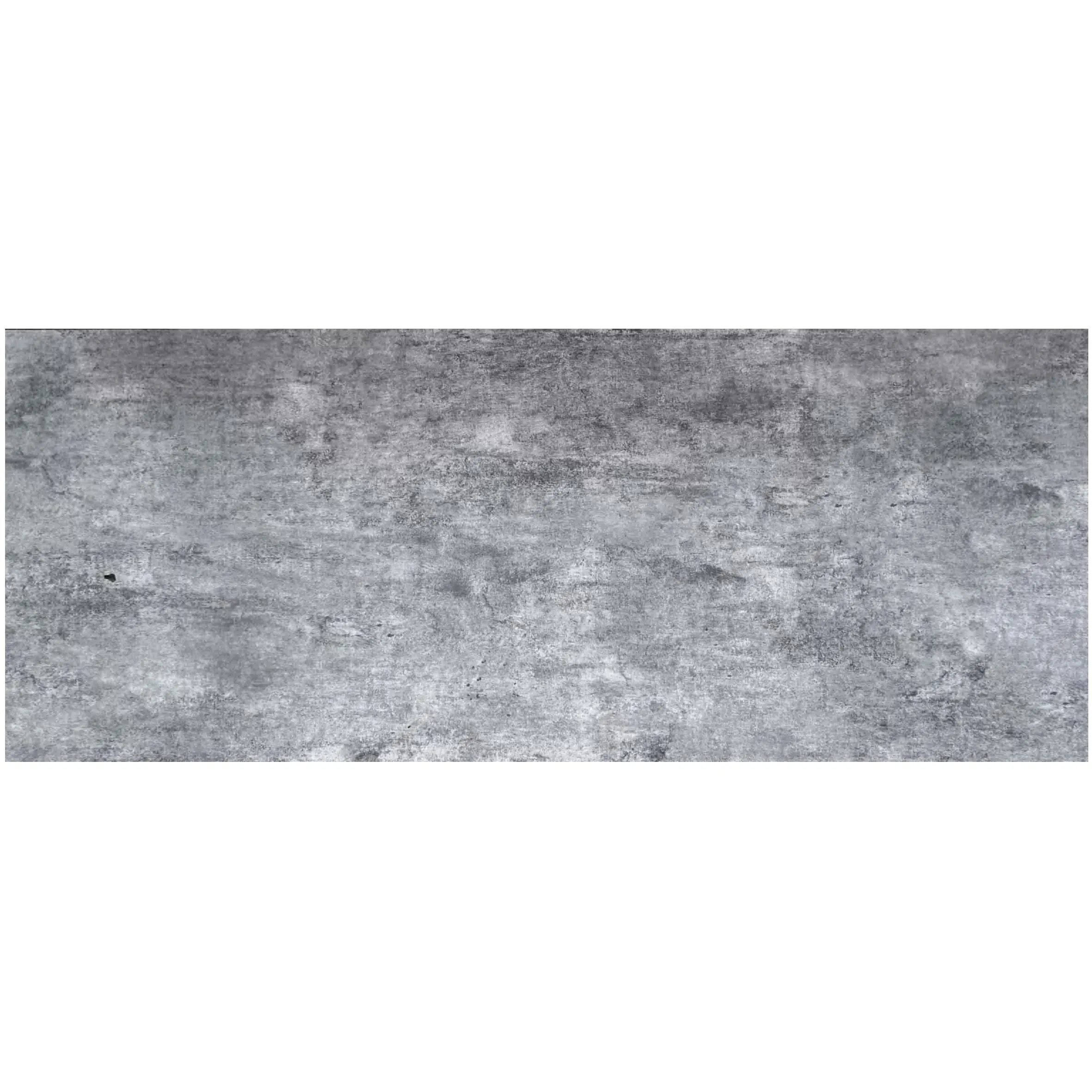
Design is more than just aesthetics—it's about solving problems, pushing boundaries, and turning vision into reality. For architects, interior designers, and builders, one of the most persistent challenges has long been working with curved surfaces. Whether it's a sweeping lobby arch, a rounded fireplace surround, or a sinuous accent wall, rigid building materials have historically forced compromises: edges that don't quite meet, seams that disrupt the flow, or textures that crack under the stress of bending. But what if the materials themselves could bend, adapt, and even embrace curves? Enter the MCM Flexible Stone Series —a game-changer in the world of surface design—and at its heart, a material that's redefining possibility: polish concrete .
Polish concrete has long been celebrated for its industrial-chic appeal, durability, and versatility. But traditional polish concrete, for all its strengths, is fundamentally rigid. It's poured in slabs, set hard, and once cured, it doesn't budge. That rigidity makes it perfect for straight floors and walls, but when the design calls for curves, it becomes a liability. Cracks, uneven edges, and the need for multiple seams can turn a dream design into a disjointed reality. MCM's innovation? They've taken the best of polish concrete—its smooth, tactile finish, its resistance to wear and tear—and infused it with flexibility. Suddenly, polish concrete isn't just a flat surface; it's a material that can wrap, curve, and flow, opening up a universe of design possibilities.
To understand why the MCM Flexible Stone Series matters, let's first unpack the problem with rigid materials. Imagine a designer sketching a boutique hotel lobby with a sweeping, curved wall that guides guests from the entrance to the reception desk. The vision is seamless—no breaks, no seams, just a continuous flow that feels welcoming and dynamic. Now, try to build that with traditional materials: natural stone slabs are heavy and brittle, prone to cracking if bent. Ceramic tiles require grout lines that interrupt the curve. Even standard concrete, while moldable when wet, hardens into an inflexible block that can't be shaped post-cure. The result? The curve gets simplified, broken into smaller straight segments, or abandoned entirely in favor of a "safer" straight wall. Creativity takes a backseat to practicality.
This isn't just an aesthetic issue—it's a functional one, too. Curved surfaces aren't just about beauty; they improve flow in spaces, soften harsh angles, and can even enhance acoustics by reducing sound reflection. In healthcare settings, curved walls create calmer environments for patients. In retail, they guide foot traffic and highlight products. In homes, they add warmth and personality to otherwise boxy rooms. Yet for decades, these benefits have been hard to achieve without sacrificing durability or increasing costs (think custom-molded materials that are expensive and time-consuming to install).
Even when rigid materials are forced into curves, the results often fall short. Seams become inevitable, as smaller pieces are cut and glued together to approximate a curve. Over time, those seams can collect dirt, weaken, or separate, leading to maintenance headaches. The texture, too, suffers: natural stone may chip at the edges when cut, and concrete can develop hairline cracks under the stress of being bent into shape. For designers who pride themselves on precision and attention to detail, these flaws are more than just annoyances—they're compromises that undermine the integrity of the design.
Then there's the weight factor. Traditional stone and concrete are heavy, which limits where they can be used. A curved wall made of natural marble might require additional structural support, driving up construction costs and complicating installation. For high-rise buildings or renovations where load-bearing capacity is a concern, rigid materials often get ruled out entirely. The message to designers? Stick to flat surfaces. Stay in your lane. But what if you don't want to stay in your lane?
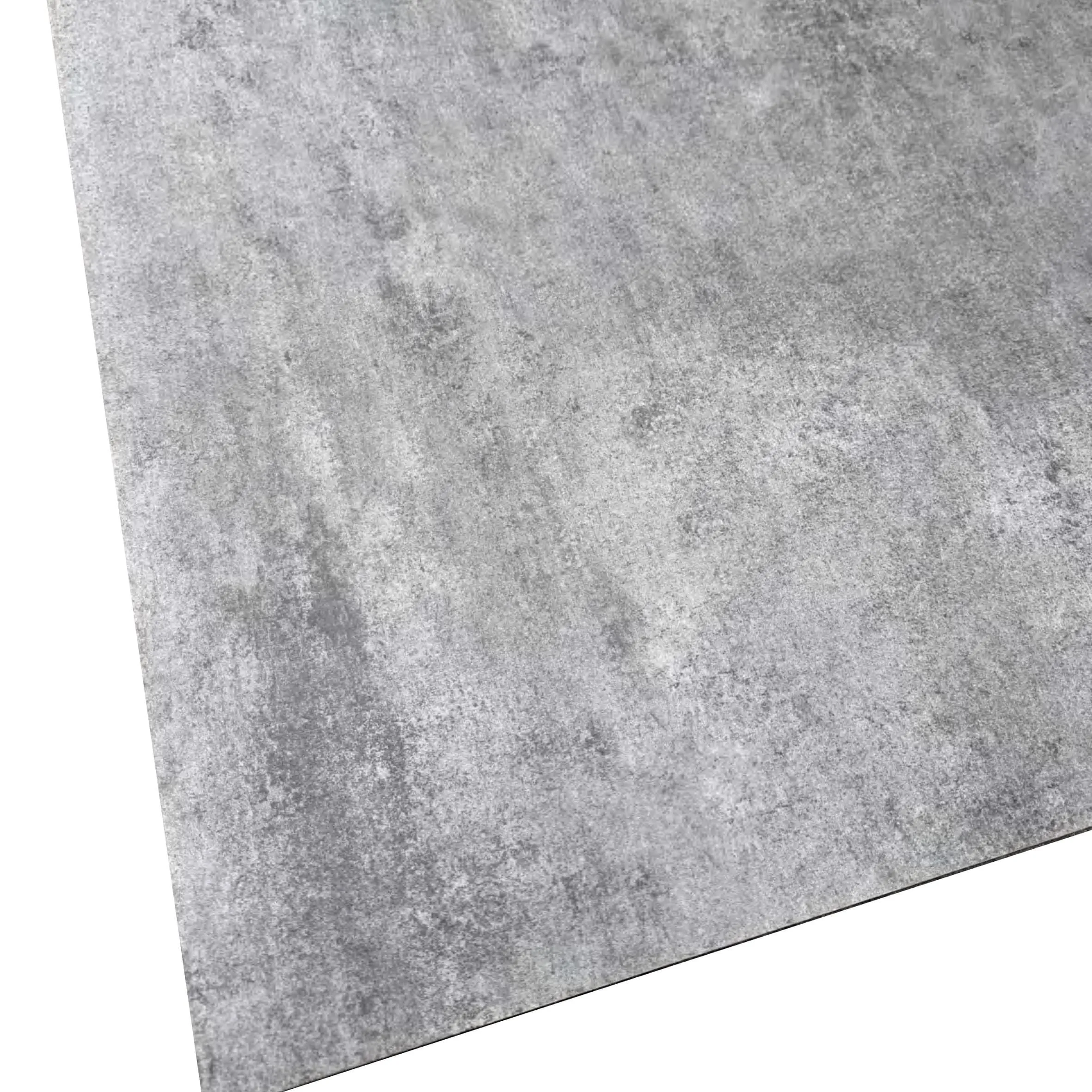
The MCM Flexible Stone Series was born from a simple question: What if we could make stone-like materials flexible without sacrificing strength? The answer lies in MCM's proprietary manufacturing process, which combines natural mineral aggregates with advanced polymers to create a composite material that's both rigid enough to stand up to daily wear and flexible enough to bend around curves. Unlike traditional stone or concrete, which are monolithic and dense, MCM's flexible stone is lightweight (up to 70% lighter than natural stone) and engineered to flex without cracking. It's a material that feels solid and substantial to the touch but moves with the kind of grace you'd expect from fabric or leather.
At the core of this innovation is the understanding that flexibility shouldn't mean fragility. MCM's materials undergo rigorous testing to ensure they can handle the demands of real-world use: impact resistance (think furniture being moved, kids running around), water resistance (perfect for bathrooms and kitchens), and UV stability (so colors don't fade in sunlight). This isn't a "delicate" material meant only for low-traffic areas; it's built to perform in commercial spaces, high-end homes, and everything in between.
But the real magic is in how this flexibility transforms the design process. With MCM Flexible Stone, that curved hotel lobby wall we imagined earlier isn't just possible—it's easy. The material comes in large, lightweight sheets that can be cut to size, bent to the desired radius (some variants can bend up to 180 degrees without damage), and installed with minimal seams. No need for custom molds or specialized tools; contractors familiar with standard wall installation can work with it, saving time and labor costs. It's a solution that marries creativity with practicality, letting designers dream bigger while keeping projects on schedule and budget.
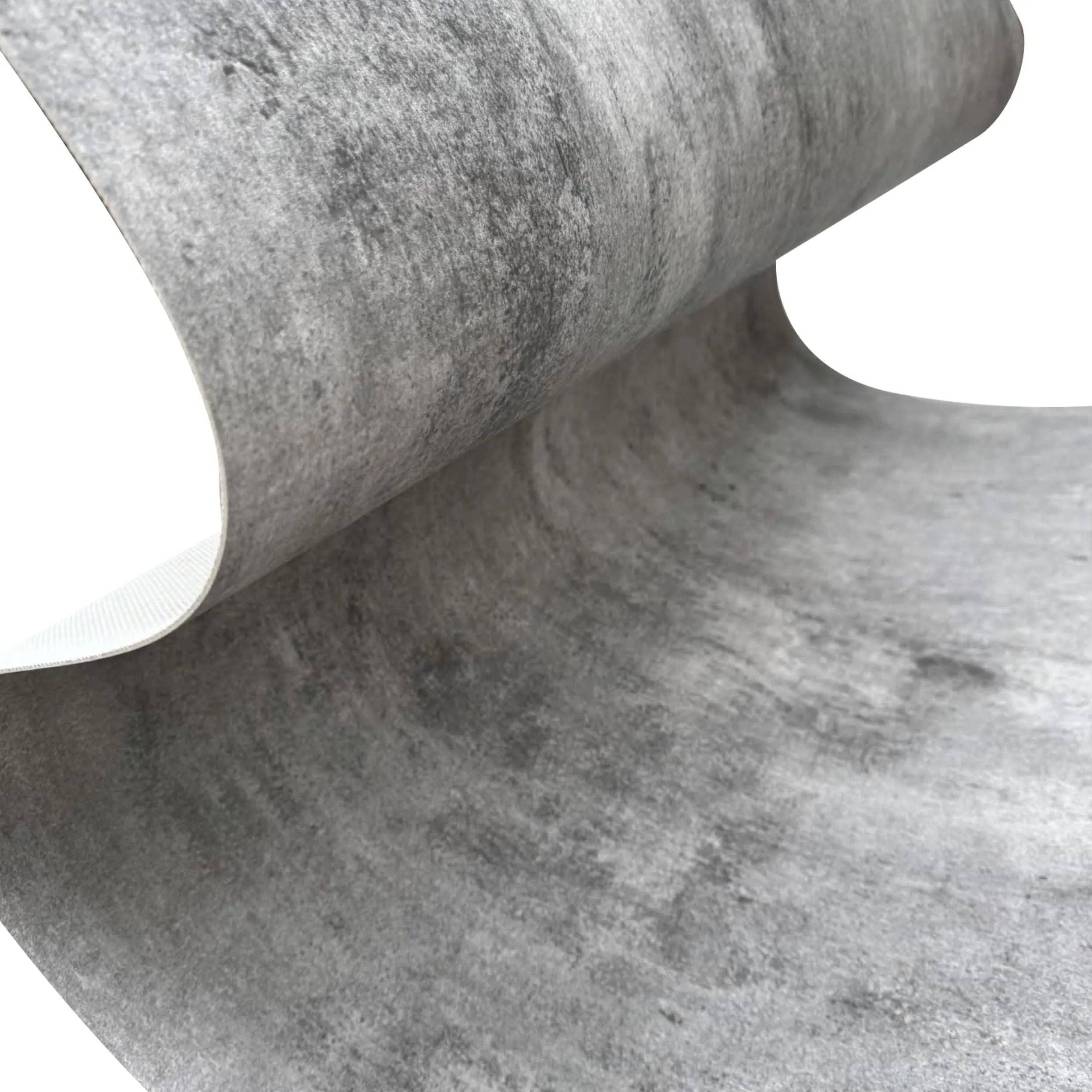
Within the MCM Flexible Stone Series, polish concrete stands out as a star player. Let's dive into what makes this material so special. Traditional polish concrete is created by grinding down the surface of cured concrete to expose the aggregate, then polishing it to a smooth, glossy finish. It's tough, easy to clean, and has a raw, authentic look that pairs well with both modern and industrial styles. But again, rigidity is its Achilles' heel—until now.
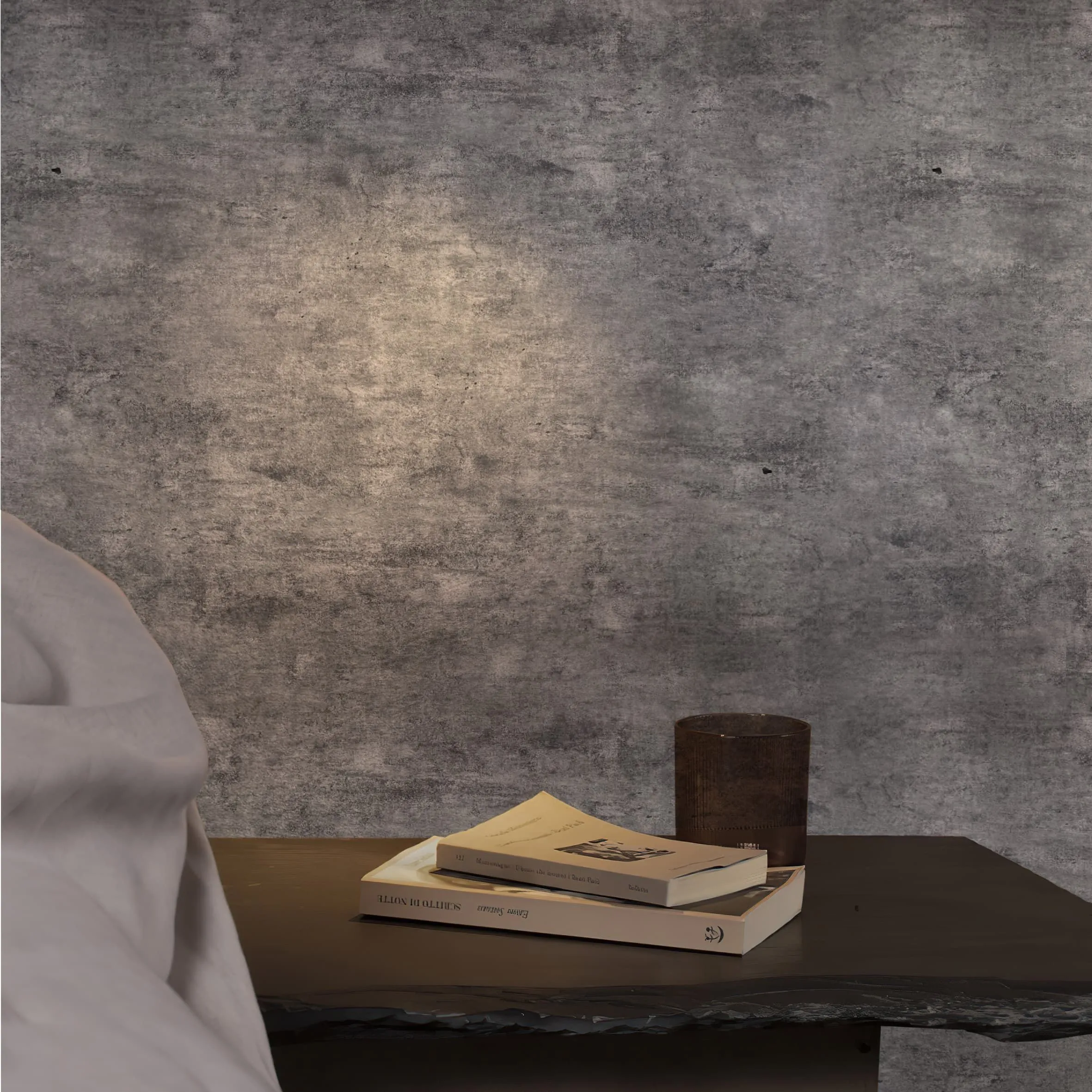
MCM's bendable polish concrete retains all the best qualities of the traditional version but adds a game-changing twist: flexibility. How? The secret is in the composite blend. MCM starts with a base of cement and mineral aggregates (the same ingredients that give concrete its strength) but adds a polymer binder that allows the material to flex without losing structural integrity. The result is a sheet material that, when installed, looks and feels like polished concrete—smooth, cool to the touch, with that characteristic subtle sheen—but can be curved to radii as tight as 50mm (depending on thickness). Imagine wrapping this material around a curved kitchen island, where the countertop flows seamlessly into the backsplash, or using it to create a rounded accent wall in a home theater, where the curve enhances sound quality and creates an immersive vibe.
Texture is another standout feature. MCM's polish concrete isn't just "smooth"—it has depth. Run your hand over it, and you'll feel the subtle granularity of the aggregate, a tactile quality that adds warmth to its industrial edge. It's not overly shiny, either; the polish is matte to satin, which means it hides fingerprints and scuffs better than high-gloss surfaces, making it ideal for busy spaces. And unlike traditional concrete, which can be prone to staining, MCM's polish concrete is treated with a protective sealant that repels water, oil, and dirt, ensuring it stays looking fresh for years.
Let's put this into perspective with a real-world example. A restaurant owner wants to create a feature wall behind the bar—a curved surface that serves as a backdrop for bottles and glassware. They love the look of concrete but don't want the wall to feel cold or institutional. With MCM's bendable polish concrete, they can install a continuous curved wall in a warm, neutral tone (think lime stone(beige) as a complementary accent) that wraps around the bar, softening the space. The material's flexibility means no visible seams, and its durability ensures it can handle the inevitable splashes and bumps of a busy bar. Guests comment on how "inviting" the space feels, not realizing the secret is a material that once would have been too rigid to curve.
| Feature | Traditional Polish Concrete | MCM Bendable Polish Concrete |
|---|---|---|
| Flexibility | Rigid; cannot bend without cracking | Can bend to radii as tight as 50mm (varies by thickness) |
| Weight | Heavy (approx. 2400 kg/m³) | Lightweight (approx. 800 kg/m³—70% lighter) |
| Installation | Poured on-site, requires curing time; difficult to curve | Comes in sheets; can be cut, bent, and installed in hours |
| Seams | Requires multiple slabs with visible seams on curves | Minimal seams; can create near-seamless curved surfaces |
| Durability | Highly durable but prone to cracking under flex stress | Impact-resistant; resists cracking even when bent |
| Aesthetic Range | Limited to gray/industrial tones | Available in a range of colors and finishes (e.g., lunar peak silvery , lime stone(beige) ) |
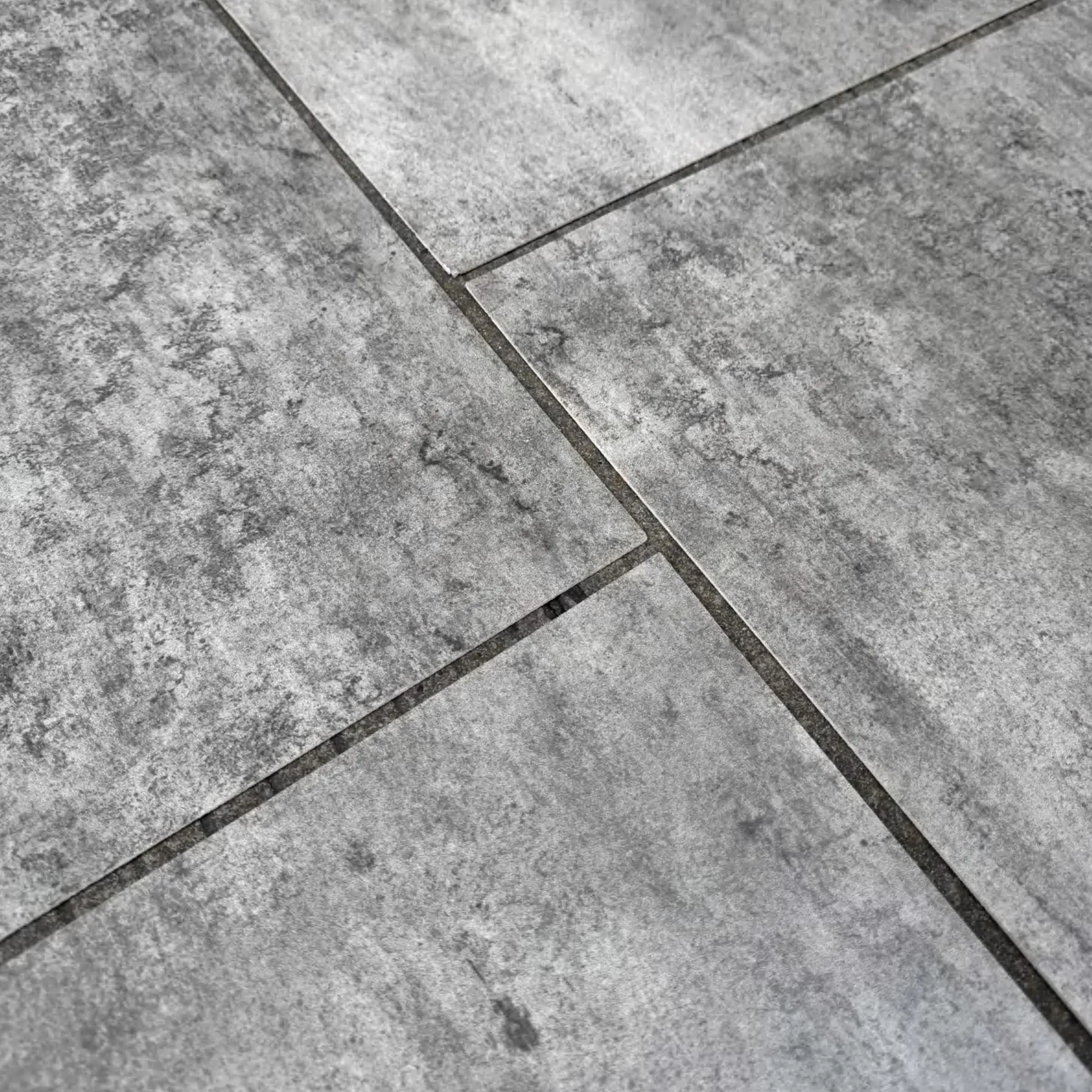
One of the joys of working with the MCM Flexible Stone Series is how well its materials play together. While polish concrete is a standout, pairing it with other textures and finishes from the series can elevate a design from "nice" to "unforgettable." Let's explore a few complementary options that designers are loving right now.
For spaces that need a touch of elegance, lunar peak silvery is a perfect match for polish concrete. This finish has a soft, metallic sheen that shimmers subtly in light, adding depth without overwhelming. Imagine a residential living room with a curved polish concrete fireplace surround, accented by lunar peak silvery panels on the adjacent wall. The contrast between the matte concrete and the silvery glow creates visual interest, while the shared flexibility of both materials ensures the curves flow seamlessly from one to the other. It's a combination that feels modern yet timeless, industrial yet refined.
Designers also love lunar peak silvery for commercial lobbies, where it pairs with polish concrete to create a sense of luxury. A curved reception desk wrapped in MCM's bendable polish concrete, with lunar peak silvery accents on the front, makes a bold first impression. The materials' lightweight nature means the desk can be larger and more dramatic without requiring extra structural support—a win for both design and engineering.
While polish concrete excels in neutral tones, adding a pop of color can transform a space. travertine (starry blue) from the MCM series is a stunner here. Travertine is known for its porous, pitted texture, which adds natural character, and MCM's flexible version retains that texture while making it bendable. The "starry blue" hue is deep and moody, with subtle flecks that catch the light like stars in the night sky. Pairing this with polish concrete creates a dynamic contrast: the smooth, cool concrete balances the textured, warm blue travertine.
A boutique clothing store might use this combination for a fitting room area. The walls are curved polish concrete in a soft gray, while the ceiling is lined with travertine (starry blue) panels that curve down to meet the walls, creating a cozy, cocoon-like space. The blue adds a sense of calm, making customers feel relaxed while trying on clothes, and the curves guide them through the space intuitively. It's a design that's both functional and emotionally resonant—exactly what MCM's materials enable.
For designers who want to take curves to the next level, wave panel is a must-see. As the name suggests, this material has a undulating, wave-like texture that adds movement and rhythm to surfaces. When paired with MCM's bendable polish concrete, it creates a dynamic interplay of form and function. Imagine a conference room where the main wall is covered in bendable polish concrete, curved gently to soften the space, while a wave panel accent wall behind the speaker's podium adds texture and visual interest. The wave panel's organic shape complements the concrete's clean lines, creating a space that feels both modern and inviting.
Wave panel is also popular in hospitality settings, like a hotel pool area. Here, the curved walls of the pool house are clad in MCM's polish concrete, resistant to moisture and easy to clean, while wave panel in a light, airy tone (think slate veil white ) lines the ceiling, mimicking the movement of water. The effect is serene and immersive, making guests feel like they're in a luxury resort rather than a standard hotel. It's a reminder that design isn't just about individual materials—it's about how they work together to tell a story.
In today's design world, aesthetics and sustainability go hand in hand. Clients aren't just asking for beautiful surfaces—they want materials that are eco-friendly, too. The MCM Flexible Stone Series delivers here, too, and polish concrete is no exception. Traditional concrete production is energy-intensive, releasing large amounts of CO2. MCM's process, by contrast, uses recycled mineral aggregates and reduces energy consumption by up to 40% compared to traditional stone manufacturing. The lightweight nature of the materials also reduces transportation emissions, as more panels can be shipped in a single load.
Durability is another sustainability win. MCM's polish concrete is built to last, reducing the need for frequent replacements. Its resistance to staining and wear means it won't need harsh chemical cleaners to maintain, further lowering its environmental impact. And because it's flexible, there's less waste during installation—no need to cut large slabs into smaller pieces to fit curves, which often results in unused scraps. For designers and clients committed to green building practices (think LEED-certified projects), MCM's materials check all the boxes.
Take, for example, a corporate office building aiming for LEED Gold certification. The design team chooses MCM's bendable polish concrete for the lobby floors and walls, not just for its aesthetic appeal but for its sustainability credentials. The material's recycled content contributes to the project's "Materials and Resources" credits, while its durability ensures the lobby won't need renovation for decades. Employees and visitors alike appreciate the space's modern, welcoming vibe, and the company can proudly showcase its commitment to the environment. It's a win-win-win.
The MCM Flexible Stone Series isn't just a collection of materials—it's a philosophy: design should be unconstrained. Curves shouldn't be optional; they should be accessible to every designer, regardless of the project's scope or budget. Polish concrete , with its blend of durability, flexibility, and style, is at the forefront of this philosophy. It's a material that honors the past (concrete's industrial roots) while embracing the future (flexibility and sustainability).
As we've explored, the impact of this innovation is far-reaching. It's in the boutique hotel lobby that feels more welcoming because of its curved walls. It's in the restaurant where the bar backdrop flows seamlessly, making guests feel at home. It's in the office building that achieves LEED certification without sacrificing style. It's in the who, for the first time, can sketch a curve and know it can be built—no compromises, no workarounds, just pure, unadulterated creativity.
So, to all the designers, architects, and builders out there: the next time you find yourself hesitating to draw a curve, remember the MCM Flexible Stone Series. Remember that polish concrete can bend, that travertine (starry blue) can curve, and that wave panel can dance across a wall. The future of design isn't rigid—it's flexible. And it's here, waiting to be shaped.
At the end of the day, great design is about making people feel something. It's about creating spaces that inspire, comfort, and delight. With the MCM Flexible Stone Series, we're one step closer to a world where every curve, every texture, and every finish works together to create that feeling. And isn't that what design is all about?
Recommend Products












