
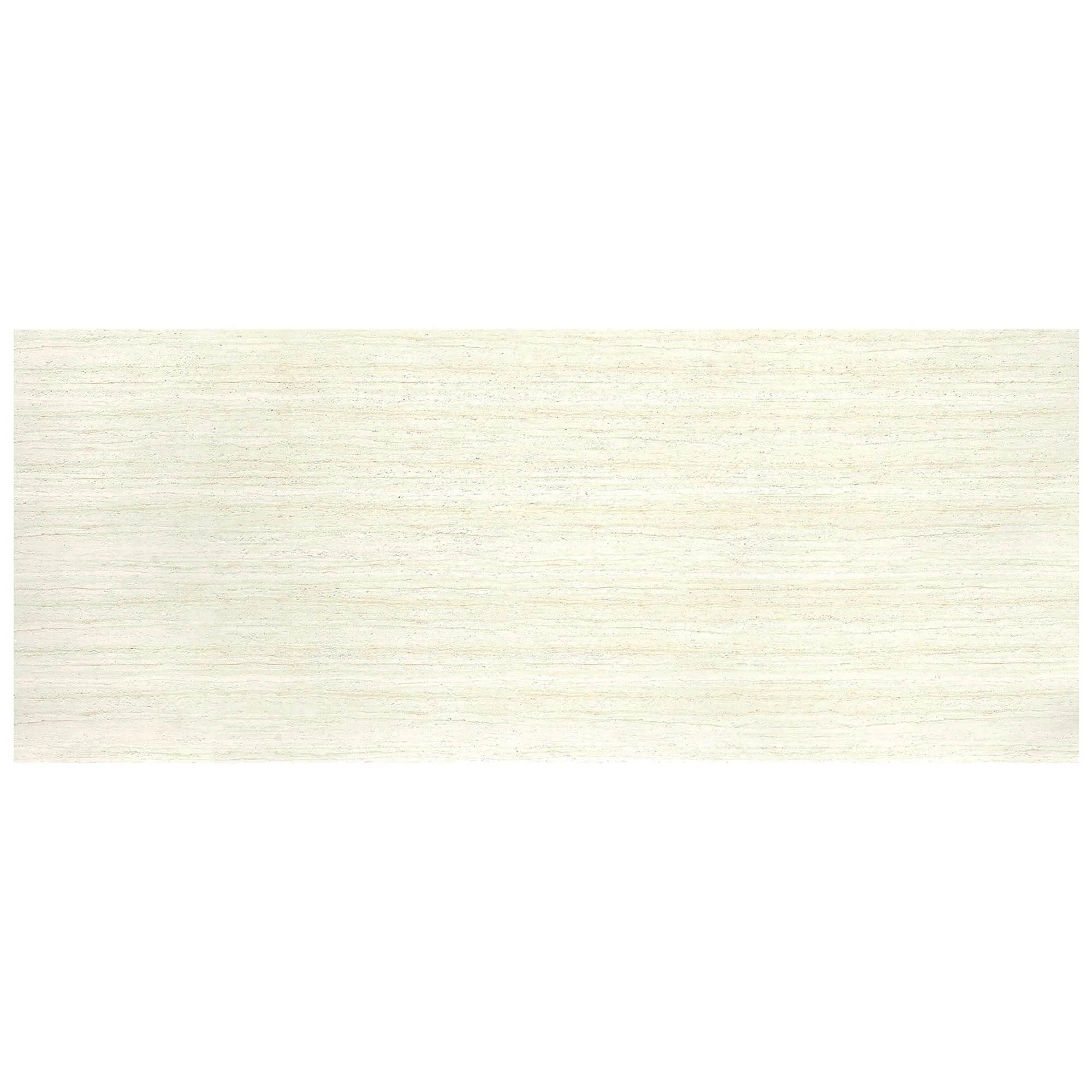
In the rolling hills of earthquake-prone regions, where the ground can shift without warning and buildings stand as both shelters and symbols of resilience, there's a quiet tension that architects and builders know all too well. For decades, the choice has often been stark: prioritize safety with rigid, utilitarian materials that withstand tremors but lack character, or chase beauty with fragile natural stones that crack under pressure. It's a trade-off that leaves communities with structures that either feel like fortresses or ticking aesthetic time bombs. But what if there were a material that refused to choose? Enter MCM Flexible Stone —a innovation that marries the best of both worlds, thanks to a breakthrough feature: thread elasticity. In this deep dive, we'll explore how this material is redefining seismic-resistant design, why its unique flexibility matters, and how it's transforming spaces from schools to skyscrapers with both safety and soul.
To understand the revolution of MCM Flexible Stone, we first need to grasp the enemy: earthquakes. When the earth shakes, buildings don't just move—they twist, bend, and absorb energy. Rigid materials like traditional concrete or solid stone have little give. They're strong in compression, but when faced with lateral forces (the side-to-side shaking that defines most quakes), they act like glass: they resist until they can't, then shatter. This is why, in high-seismic zones, architects often default to materials like fair-faced concrete —a durable, no-nonsense option that's been a staple for decades. But fair-faced concrete has its limits. It's heavy, hard to customize, and aesthetically, it leans toward the industrial. For communities that want their buildings to reflect their culture or inspire pride, it's a compromise that stings.
Natural stone, on the other hand, is a designer's dream. Think of the warm hues of travertine, the depth of marble, or the texture of slate—materials that tell stories of the earth itself. But in a quake, that beauty becomes a vulnerability. A single tremor can send cracks spiderwebbing across a marble facade, turning a landmark into a hazard. Builders have tried reinforcing stone with metal brackets or mesh, but these band-aids often add weight, complexity, and cost, while doing little to address the core issue: rigidity. So, the cycle continues: safety or beauty, pick one.
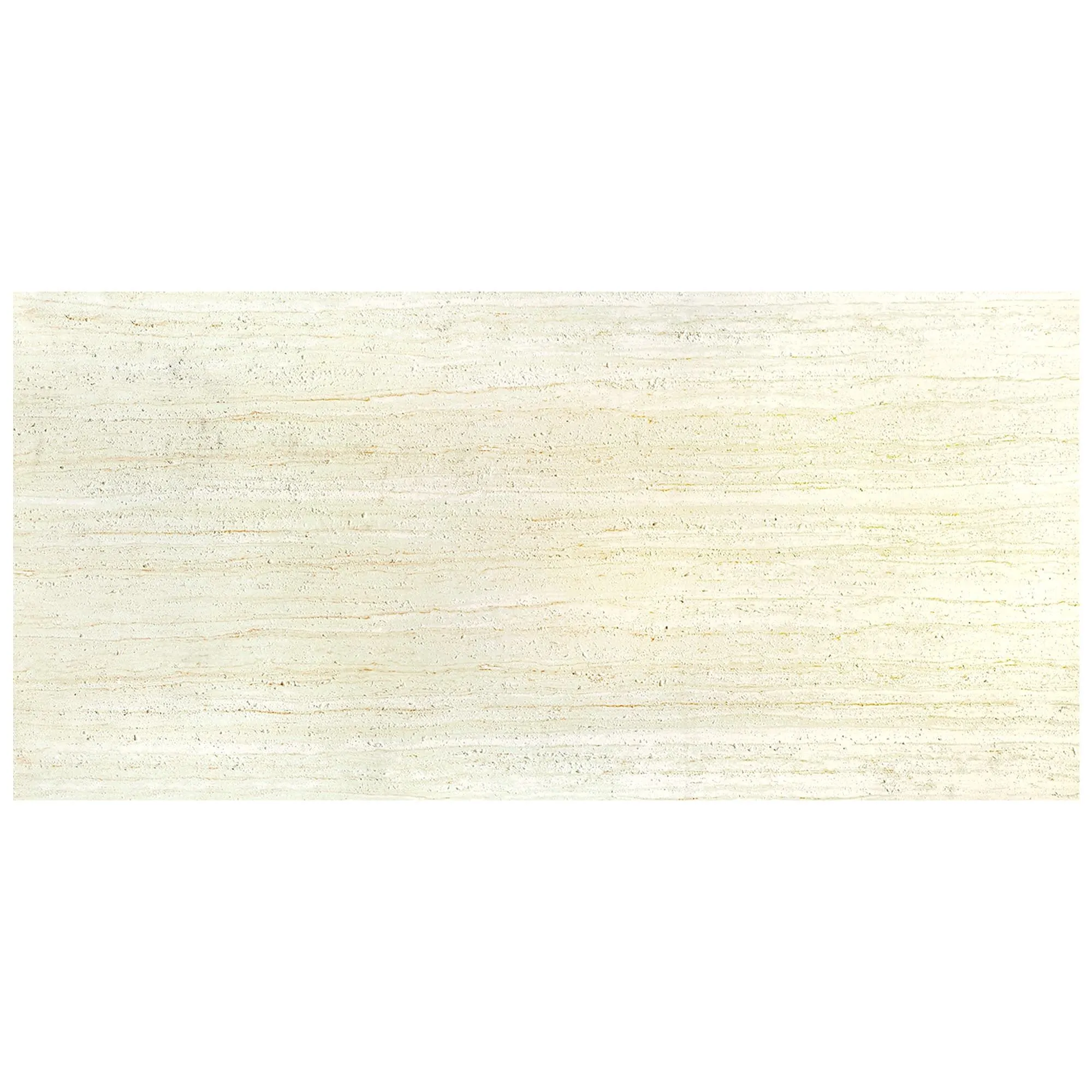
Let's start with the basics: MCM stands for Modified Composite Material, and that "modified" part is key. Unlike traditional composite materials, which often mix plastics with fillers, MCM Flexible Stone starts with natural stone aggregates—think crushed travertine, marble, or slate—blended with a proprietary mix of polymers and micro-thread reinforcements . The result? A thin, lightweight panel that looks and feels like natural stone but behaves like a material with a memory. It's not "soft" in the way rubber is; instead, it has controlled flexibility. When pressure is applied, it bends, then returns to its original shape. When extreme force hits—like during an earthquake—it absorbs energy rather than transferring it to the structure. It's a material that's both a mimic and a maverick: it copies the beauty of nature but fixes its fatal flaw.
But MCM isn't a one-trick pony. It's a family of products, with lines like the MCM big slab board series (for seamless, joint-minimizing installations) and specialized collections that mimic everything from travertine (starry blue) to weathered wood. This versatility is crucial because seismic zones aren't just about survival—they're about living. A school in Tokyo shouldn't have to look like a bunker, and a boutique hotel in San Francisco shouldn't sacrifice style for safety. MCM's range ensures that resilience doesn't mean uniformity.
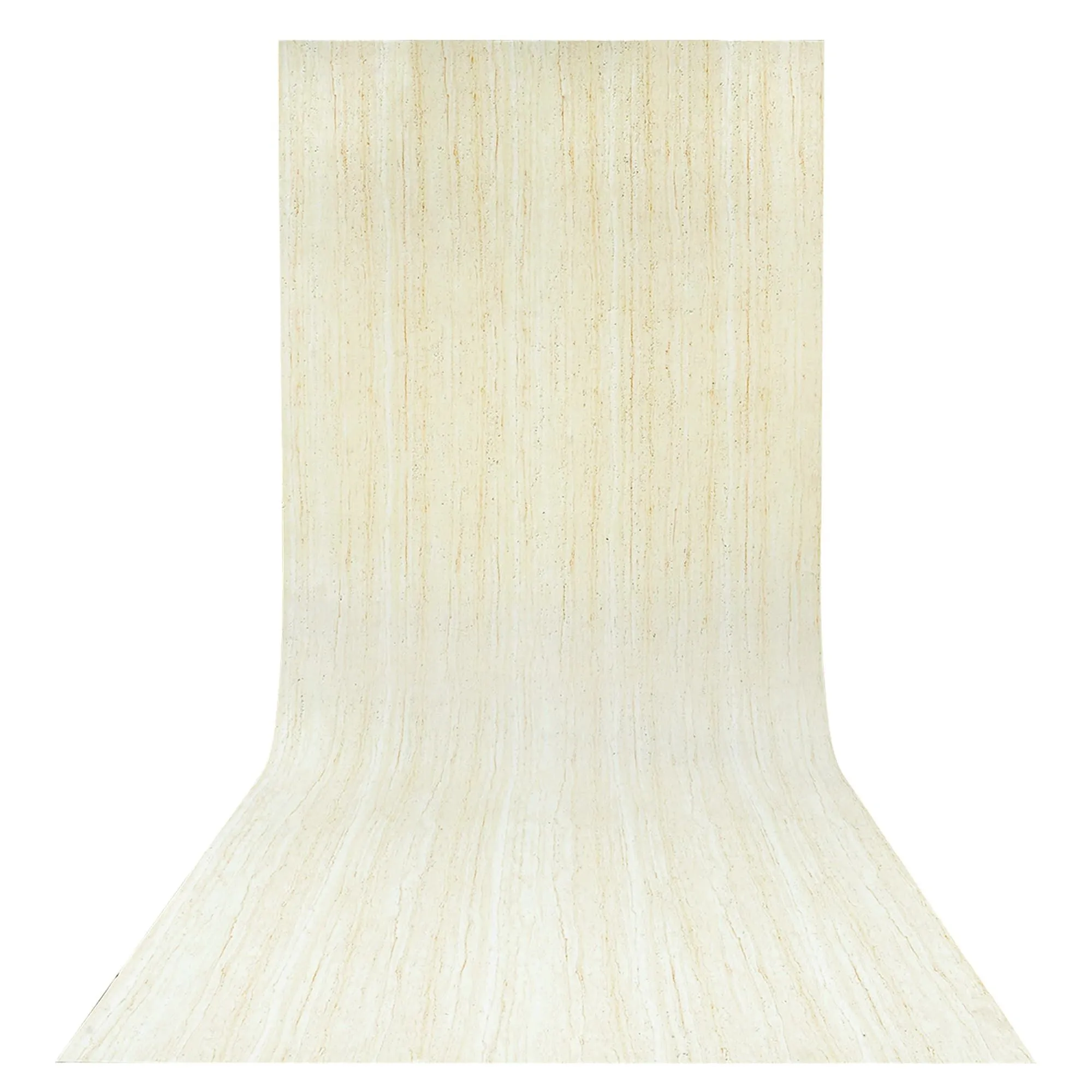
At the heart of MCM Flexible Stone's magic is thread elasticity —a term that sounds technical but describes something surprisingly intuitive. Imagine a rope: individual fibers are strong, but when twisted together, they form a structure that can stretch, flex, and absorb force without snapping. MCM's micro-thread reinforcements work similarly. These ultra-fine, high-tensile threads are woven into the composite matrix during manufacturing, creating a network that acts like a hidden skeleton. When the panel is bent or shaken, the threads distribute stress evenly, allowing the material to deform temporarily (up to a certain threshold) and then snap back. It's a principle borrowed from nature—think of how a palm tree sways in a hurricane while an oak cracks—and adapted for the built environment.
To put it in numbers: traditional stone panels might crack under 0.5% strain (a tiny amount of bending), while MCM Flexible Stone can withstand up to 3% strain before showing signs of damage. That might not sound like much, but in earthquake terms, it's the difference between a hairline fracture and a catastrophic split. During a magnitude 6.0 quake, for example, a building's facade can experience lateral movements of several inches. Rigid materials would resist until they fail; MCM moves with the building, like a dancer following the music instead of fighting the rhythm.
But thread elasticity isn't just about surviving the quake—it's about what happens after. In many cases, buildings with rigid facades that don't collapse still need expensive repairs post-quake, with cracked panels requiring full replacement. MCM, by contrast, often bounces back, retaining its structural integrity and appearance. This "self-healing" quality (while not literal) reduces long-term costs and downtime, making it a practical choice for communities where every dollar and day counts.
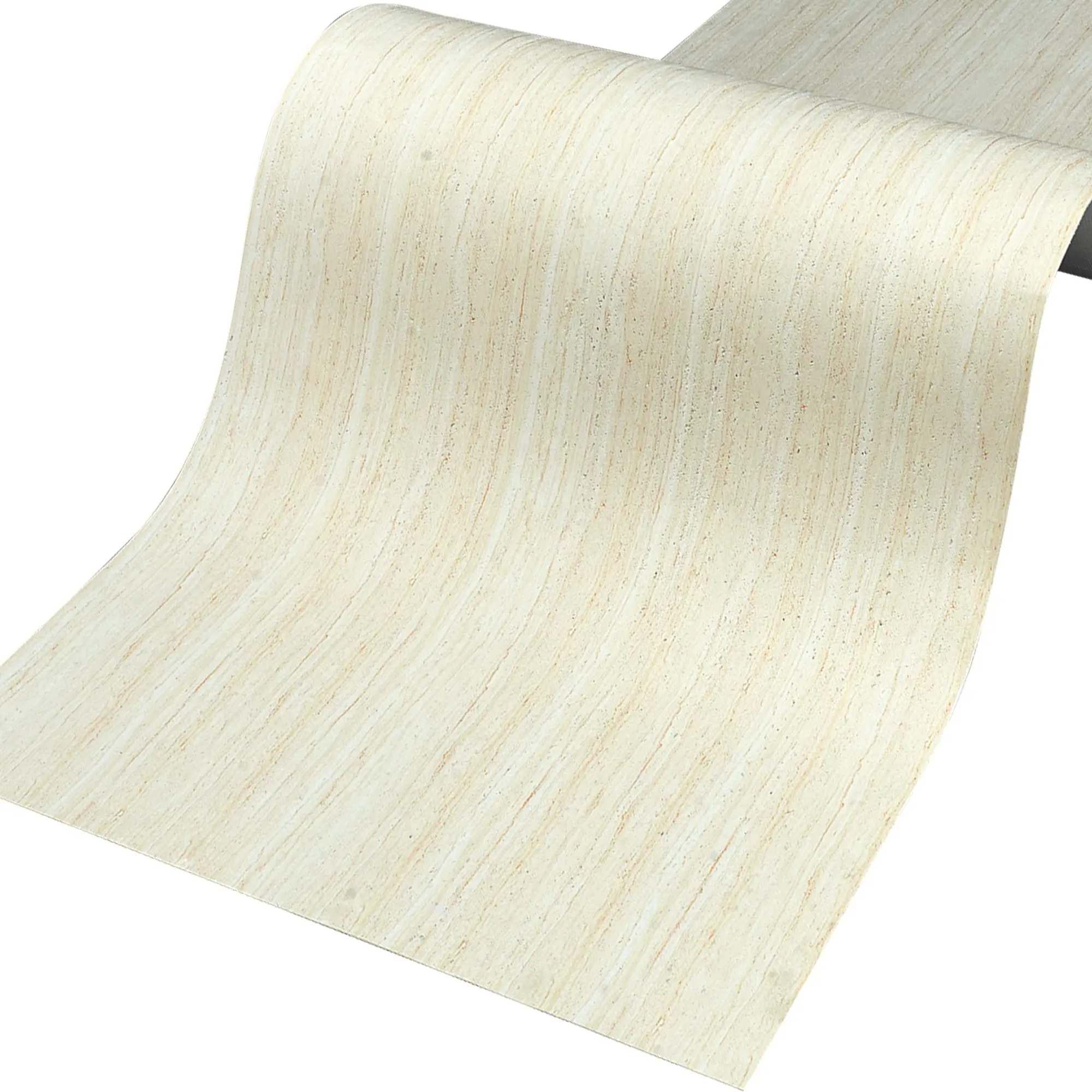
If MCM Flexible Stone only offered seismic resilience, it would still be impressive—but what truly sets it apart is its ability to deliver that resilience without sacrificing beauty. Let's take a closer look at some of its standout lines, each designed to prove that safety can be stunning:
MCM Big Slab Board Series: One of the biggest frustrations with traditional stone cladding is the need for multiple small panels, which create seams that collect dirt, weaken structural integrity, and disrupt visual flow. The MCM big slab series solves this with panels up to 1200x2400mm—large enough to cover entire walls with minimal joints. Imagine a commercial lobby wrapped in a single, unbroken expanse of travertine (starry blue) , its surface dotted with iridescent "stars" that catch the light like a night sky. Or a residential facade in lunar peak silvery , where the big slab's smoothness mimics the moon's surface, uninterrupted by ugly grout lines. Fewer joints mean fewer weak points, too—another win for seismic safety.
Travertine (Starry Series): Travertine is beloved for its porous, organic texture, but traditional travertine is prone to cracking. MCM's starry variants—like starry blue, starry red, and starry orange—replicate that texture with synthetic "voids" filled with colored resins that add depth and sparkle. The result? A panel that looks like it was quarried from a celestial cave, but bends like rubber. A recent project in Istanbul, a community center in a high-seismic zone, used travertine (starry red) for its exterior, and locals now call it "the Phoenix Wall"—a nod to both its fiery appearance and its ability to rise from the shake.
Wood Grain and Natural Textures: Not all MCM panels mimic stone. The wood grain board line, for example, captures the warmth of oak, teak, and pine with realistic grain patterns, but without the vulnerability of real wood to moisture, pests, or quakes. A school in Chile, built in a region prone to both earthquakes and wildfires, used MCM wood grain boards for its classrooms, giving students the cozy feel of a cabin with the fire-resistant, shake-proof durability of composite. Similarly, the bamboo mat board and Bali stone lines bring tropical vibes to temperate zones, proving that aesthetic inspiration doesn't have to be geographically limited.
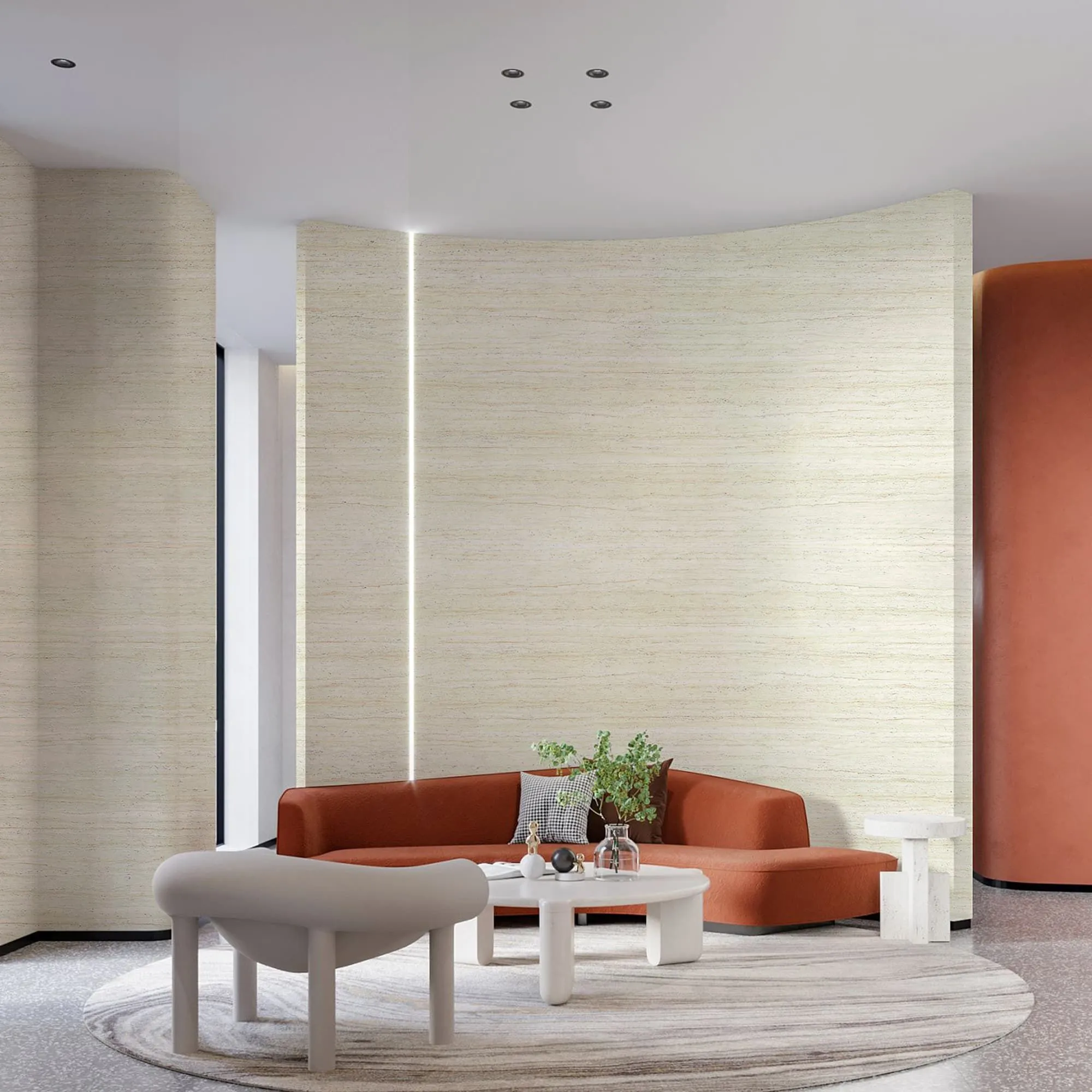
To truly appreciate MCM Flexible Stone, let's stack it against the usual suspects in seismic-resistant design. Below is a comparison table highlighting key factors that matter to architects, builders, and communities:
| Feature | MCM Flexible Stone | Fair-Faced Concrete | Traditional Natural Stone | Foamed Aluminium Alloy Board |
|---|---|---|---|---|
| Weight (kg/m²) | 8-12 (lightweight) | 22-25 (heavy) | 18-20 (moderate-heavy) | 5-7 (very light) |
| Flexibility (Strain Capacity) | Up to 3% (high) | 0.3-0.5% (low) | 0.2-0.4% (very low) | 2-2.5% (moderate) |
| Aesthetic Options | 50+ textures/colors (stone, wood, metal, etc.) | Limited (gray, off-white; minimal texture) | Varied but fixed (depends on quarry) | Metallic finishes only (silver, gold, etc.) |
| Installation Time | Fast (lightweight, big slabs = fewer panels) | Slow (requires formwork, curing time) | Moderate (heavy, requires careful handling) | Fast (lightweight, but limited design) |
| Seismic Performance | Excellent (absorbs shock, returns to shape) | Poor (cracks under strain, heavy = more inertia) | Very Poor (brittle, prone to shattering) | Good (flexible but less aesthetic range) |
| Sustainability | High (recycled materials, low transport emissions) | Moderate (high carbon footprint, but recyclable) | Low (quarrying impacts, heavy transport) | Moderate (recyclable but energy-intensive to produce) |
As the table shows, MCM Flexible Stone outperforms traditional materials in nearly every category that matters for seismic zones. It's lighter than stone and concrete (reducing building load and foundation costs), more flexible than any rigid option, and far more versatile aesthetically than foamed aluminium or fair-faced concrete. It's not just a better choice—it's a smarter one.
Talk is cheap; results matter. Let's look at a few real projects where MCM Flexible Stone has proven its mettle in seismic zones:
Osaka Central Library, Japan (2023): Located in a region with a 70% chance of a major quake in the next 30 years, this 10-story library needed to protect its priceless book collection while serving as a community hub. The architects chose the MCM big slab board series in marble interstellar gray for the exterior, creating a sleek, modern facade that spans entire floors with minimal joints. During a 5.2 magnitude aftershock in early 2024, sensors recorded the facade moving 4 inches laterally—yet post-quake inspections found zero damage. "It's like the building breathed with the earth," said lead architect Yuki Tanaka. "The MCM panels didn't just survive; they looked untouched. That's peace of mind you can't put a price on."
Santiago Community School, Chile (2022): In a country still recovering from the 2010 magnitude 8.8 earthquake, safety was non-negotiable for this K-12 school. But the community also wanted a space that felt welcoming, not sterile. The solution? MCM Flexible Stone in travertine (starry orange) for the classroom exteriors (to evoke warmth) and wood grain board for the interiors (to mimic the local forest). Today, students call the orange walls "the Sunset Side," and teachers report that the bright, textured spaces boost engagement. When a 4.8 magnitude tremor hit in 2023, the only casualty was a water glass—no cracks, no damage, no disruption to classes.
San Francisco Tech Campus, USA (2021): A leading tech company wanted its new campus to reflect its innovative spirit while complying with California's strict seismic codes. The design team opted for a mix of MCM products: foamed aluminium alloy board (vintage silver) for the main entrance (a nod to industrial chic), lunar peak golden for the auditorium facade (adding warmth to a modern space), and fair-faced concrete accents (for contrast, but used sparingly). The result is a campus that's both cutting-edge and earthquake-ready. "We used to think of seismic design as a limitation," said the project's lead engineer, Maria Gonzalez. "With MCM, it's become a design opportunity."
In today's world, resilience isn't just about surviving earthquakes—it's about surviving the planet's changing climate, too. MCM Flexible Stone shines here, too, with a sustainability profile that aligns with green building standards like LEED and BREEAM. Here's why:
For communities in seismic zones, which often face compounding challenges like climate change and limited resources, this sustainability factor is a game-changer. It means building for the next earthquake and the next generation—all at once.
As MCM Flexible Stone gains traction, it's inspiring a shift in how the construction industry thinks about seismic resilience. Architects are no longer asking, "How can we make this safe?" but "How can we make this safe, beautiful, and sustainable?" Manufacturers are racing to develop their own flexible composites, but MCM remains ahead of the curve, with ongoing innovations like 3D-printed custom textures (part of the MCM 3D printing series ) and self-cleaning coatings that reduce maintenance.
Looking ahead, we can expect to see MCM used in even more ambitious projects: bridges with flexible cladding, hospitals with infection-resistant MCM surfaces that still bend in quakes, and affordable housing developments that prove safety and style aren't luxuries. There's even talk of integrating sensors into MCM panels to monitor strain in real time, turning facades into "smart" early-warning systems for earthquakes.
In the end, MCM Flexible Stone is more than a material—it's a mindset. It's a rejection of the idea that we must choose between safety and beauty, between resilience and sustainability. It's a reminder that the best innovations don't just solve problems; they expand possibilities. For the architect designing a clinic in Nepal, the builder erecting a home in California, or the community gathering in a in Turkey, MCM offers something priceless: confidence. Confidence that their space will stand strong when the earth shakes, that it will reflect their identity, and that it will leave a lighter footprint on the planet.
So, the next time you walk past a building in a seismic zone and pause to admire its facade—whether it's the starry blue travertine shimmering in the sun, the warm wood grain of a classroom wall, or the sleek lines of a big slab series—take a moment to appreciate what you can't see: the thread elasticity, the hidden resilience, and the quiet revolution that's making it all possible. With MCM Flexible Stone, the future of building isn't just safer. It's more human.
Recommend Products












