
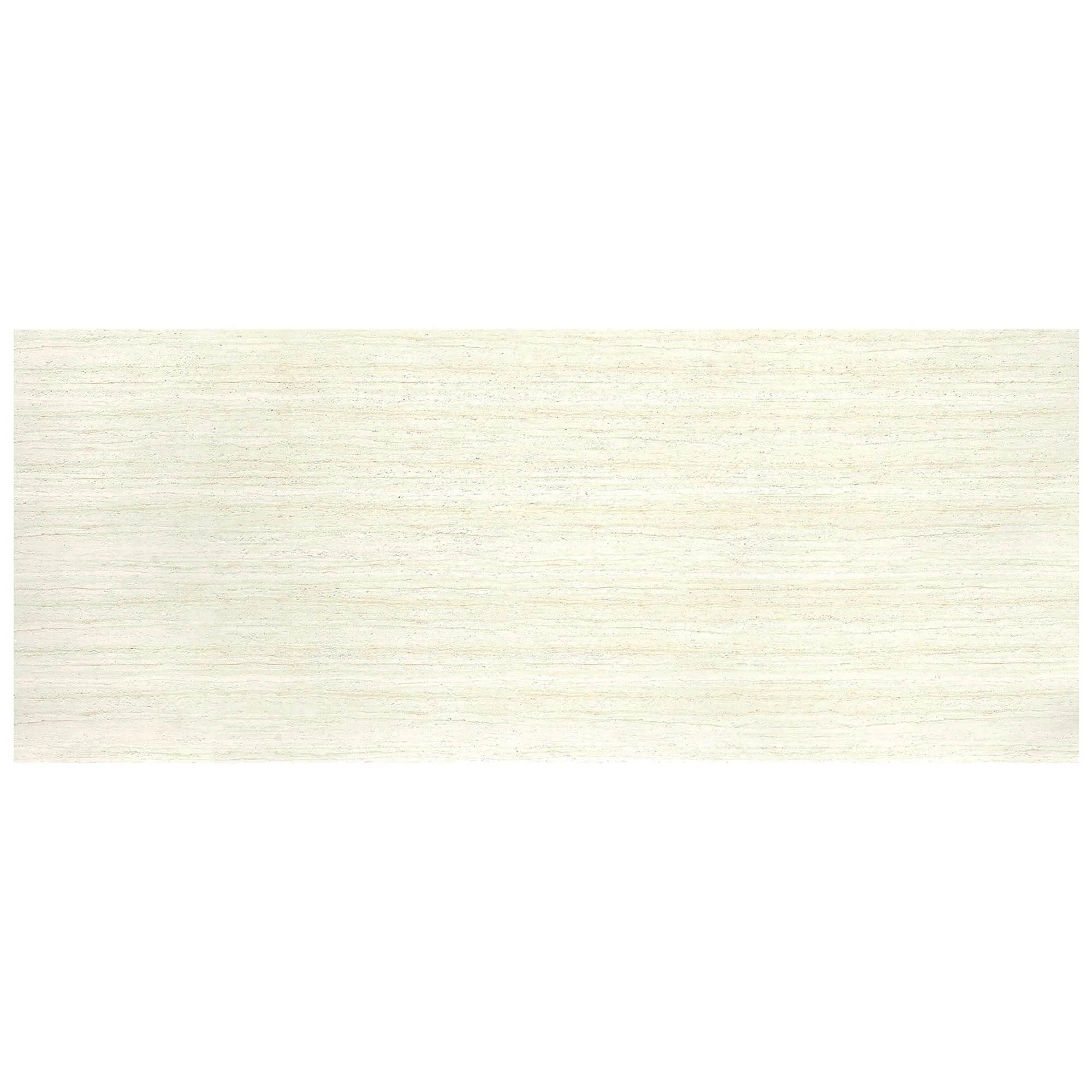
We've all been there: knee-deep in a renovation project, paint swatches scattered, measuring tape permanently looped around your wrist, and that thrill of finally bringing your design vision to life. You've splurged on stunning materials—maybe MCM flexible stone for the accent wall, weaving (beige) panels for the bedroom, or even a pop of travertine (starry blue) to add that "wow" factor. But then comes the moment you've been dreading (or maybe didn't even think about): handling the threads that hold it all together. Loose seams, frayed edges, panels that sag like a deflated balloon… sound familiar? Don't worry—you're not alone. Thread handling is the unsung hero of renovation, and getting it right can turn a "meh" project into one that makes guests ask, "Did you hire a professional?" Today, I'm breaking down my tried-and-true tips to master thread handling with MCM flexible stone and beyond. Let's dive in.
Here's the thing about threads: they're not just string. They're the backbone of your installation, especially with materials as unique as MCM flexible stone. Using the wrong thread is like wearing flip-flops to a hike—you might start strong, but by mile two (or, in renovation terms, six months later), you'll regret it. Let's break it down by material, because what works for MCM flexible stone could spell disaster for something delicate like weaving (beige).
Take MCM flexible stone first. This stuff is lightweight, flexible, and designed to bend without breaking—perfect for curved walls or statement pieces. But that flexibility means your thread needs to keep up. Go for nylon thread here. It's stretchy enough to move with the stone but strong enough to hold it in place, even if the wall shifts a little over time. Plus, it's water-resistant, which is a lifesaver if you're using it in a bathroom or kitchen (hello, steam and splashes).
Now, if you're pairing that MCM stone with weaving (beige) accents—say, a woven panel behind your bed—you'll want to switch gears. Weaving (beige) has a soft, textured look that can easily fray if you yank it with a heavy-duty thread. Cotton thread is your BFF here. It's gentle on the woven fibers, blends seamlessly with the beige tone, and has just enough give to keep the weave looking natural, not pulled tight. Pro tip: Look for mercerized cotton—it's stronger than regular cotton and less likely to shrink if it gets damp.
And let's not forget about showstoppers like travertine (starry blue). That porous, dreamy blue stone with flecks that look like a night sky? Gorgeous, but porous materials absorb moisture, which can weaken threads over time. Polyester thread is the way to go here. It repels water, so it won't get mushy and break down, and it's tough enough to support the weight of the travertine without stretching. Trust me, you don't want to redo that backsplash because your thread turned into mush.
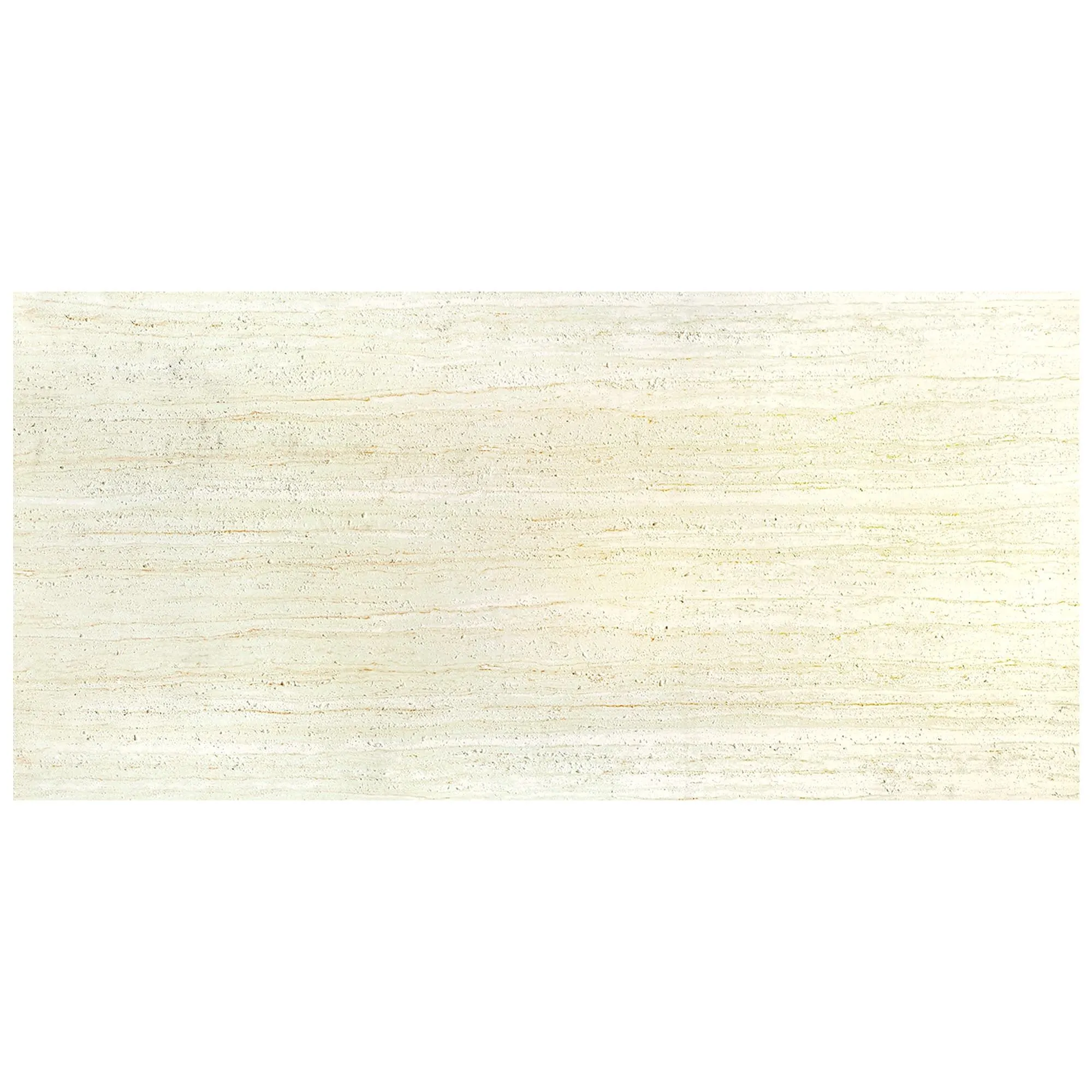
Ever tried threading a needle with greasy fingers? Frustrating, right? The same logic applies to your renovation materials. If your MCM flexible stone or weaving (beige) panel is covered in dust, dirt, or even leftover adhesive, your thread won't grip properly. It's like trying to tape a poster to a dusty wall—it might stick for a day, but it's coming down by week's end.
For MCM flexible stone, start by wiping the edges with a microfiber cloth. These stones often have a slightly textured surface, and dust loves to hide in those nooks. A quick once-over removes any debris that could gunk up your thread or create weak spots. If there's leftover adhesive from a previous project (we've all been there), use a plastic scraper to gently lift it off—metal scrapers can scratch the stone's finish, and you don't want that.
Weaving (beige) panels need a little extra TLC. Since they're made of woven fibers, dust can get trapped deep in the weave, making threads slip or fray. Use a soft-bristled brush (like a clean paintbrush) to sweep along the edges where you'll be threading. If the panel is extra dusty, a quick pass with a lint roller works wonders—just be gentle so you don't pull out fibers.
Travertine (starry blue) requires a bit more care because of its porosity. Before threading, wipe the surface with a damp cloth (not soaking wet!) to remove dust, then let it dry completely. If you skip drying, moisture gets trapped in the stone's pores and can weaken the thread from the inside out. Think of it like wearing wet socks—uncomfortable and a breeding ground for problems.
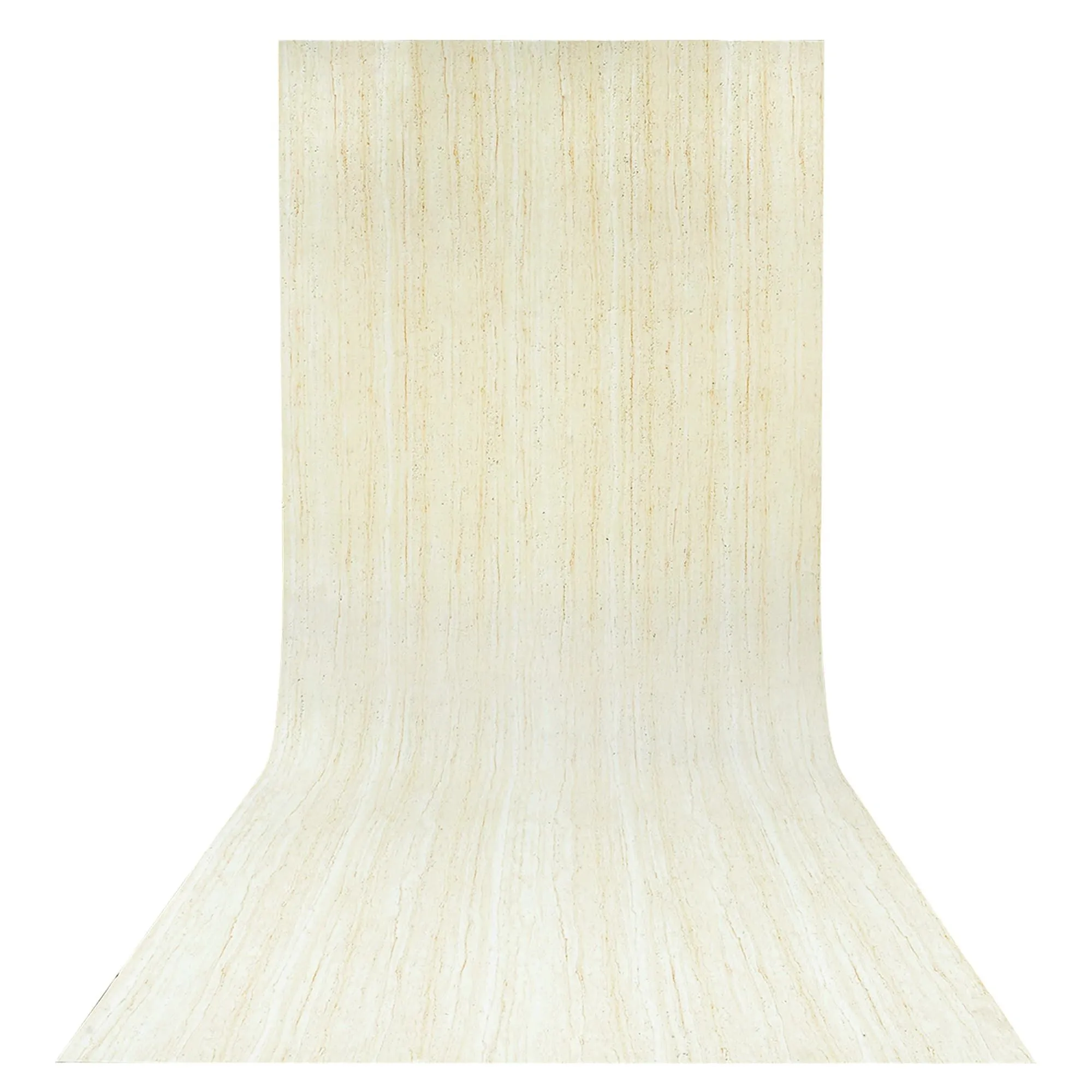
Tension is everything. Pull the thread too tight, and you'll warp your MCM flexible stone panel or stretch out your weaving (beige) fibers. Leave it too loose, and your installation will sag faster than a overcooked noodle. So how do you find that sweet spot?
Let's start with MCM flexible stone. Since it's flexible, you need tension that holds it flat against the wall but still lets it move slightly (walls shift over time—thank you, house settling). Here's a trick: hold the thread between your thumb and forefinger, pull it taut, then let it go. It should spring back about 1/4 inch. That's the "just right" tension. If it doesn't spring back, it's too tight; if it sags more than that, it's too loose. Practice on a scrap piece first—you'll get the hang of it.
Weaving (beige) panels are more delicate, so you'll want a lighter touch. Imagine you're threading a strand of hair—gentle, but firm enough to keep it in place. If you pull too tight, the weave will pucker, and that soft, textured look you love will turn into a lumpy mess. A good test: after threading, run your hand over the panel. It should feel smooth, not stretched or bumpy. If you feel ridges, you've pulled too hard—loosen the thread slightly and try again.
Travertine (starry blue) is heavier than MCM flexible stone, so you need a bit more tension here—but not too much! The goal is to support the weight without cracking the stone. A good rule of thumb: the thread should hold the travertine firmly against the wall, but if you press gently on the stone, it should give a tiny bit (like a firm handshake). If it doesn't move at all, you've over-tightened, and that pressure could cause hairline cracks in the stone over time. Nobody wants to ruin that starry blue beauty with cracks—trust me.
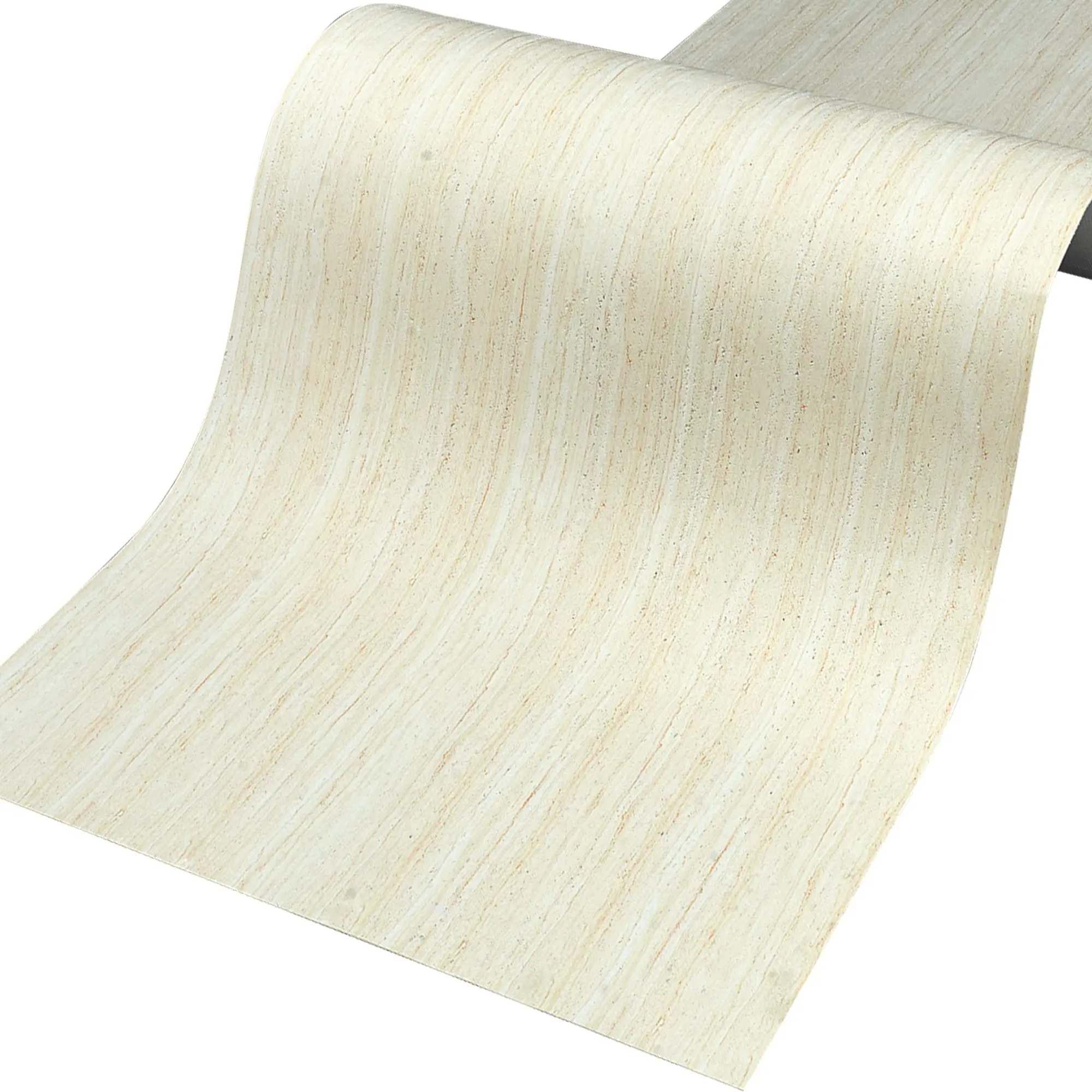
You wouldn't paint a wall with a toothbrush, right? So why use dull scissors or bent needles for thread handling? The right tools make this job 10x easier—and your hands will thank you later.
For MCM flexible stone, invest in a pair of sharp, pointed scissors. The stone's edges can be a bit tough, and dull scissors will fray the thread, leaving you with messy, weak seams. Curved needles are also a game-changer here. MCM panels often need to be threaded in tight corners (like around a window frame or under a cabinet), and a curved needle lets you reach those spots without contorting your hand into a pretzel. Look for needles with a large eye, too—nylon thread can be thick, and you don't want to spend 10 minutes trying to thread it (we've all been there, and it's not fun).
Weaving (beige) panels call for finer tools. Embroidery scissors are perfect—small, sharp, and designed to snip threads close to the weave without cutting the panel itself. A thimble is also a must if you're hand-threading (which you probably are, since weaving is delicate). Trust me, pushing a needle through woven fibers without a thimble is a one-way ticket to sore fingers and maybe a few curse words.
For travertine (starry blue), you'll need a stronger needle—think heavy-duty upholstery needles. Travertine is denser than MCM flexible stone, so a flimsy needle will bend or break. And since polyester thread is thicker, a needle with a large eye is non-negotiable. A needle threader can save you time here—those tiny eyes + thick thread = frustration, and you've got better things to do (like admire your soon-to-be-gorgeous renovation).

| Material | Best Thread Type | Tension Level | Pro Tip |
|---|---|---|---|
| MCM Flexible Stone | Nylon (water-resistant, stretchy) | Medium (springs back 1/4 inch when pulled) | Use curved needles for tight corners—your hands will thank you. |
| Weaving (Beige) | Mercerized Cotton (gentle, blends with texture) | Light (smooth to the touch, no puckering) | Test tension by running your hand over the weave—if it feels bumpy, loosen up. |
| Travertine (Starry Blue) | Polyester (moisture-resistant, strong) | Firm (supports weight, but gives slightly when pressed) | Seal threads with clear sealant afterward to protect against moisture. |
| Fair-Faced Concrete | Fiberglass (ultra-strong, heat-resistant) | High (holds firm, no sagging) | Pre-drill tiny holes for threading—concrete is tough, and needles can snap. |
You've measured, threaded, and installed—congrats! But the job isn't done yet. Threads, like everything else in renovation, need protection to stand the test of time. Moisture, UV rays, and even everyday wear and tear can weaken threads, leading to loose panels or frayed edges. A little sealant goes a long way here.
For MCM flexible stone, grab a clear, water-based sealant. Spray it lightly over the threaded areas (hold the can 6-8 inches away to avoid drips) and let it dry completely. This creates a barrier against moisture and dust, so your threads stay strong even in humid rooms like bathrooms or kitchens.
Weaving (beige) panels need a fabric-safe sealant—look for one labeled "for delicate fabrics" to avoid discoloring the beige fibers. Apply it with a small paintbrush (don't soak the weave!) and let it air dry. This will prevent the thread from fraying and keep that soft texture intact.
Travertine (starry blue) is porous, so you'll want to seal both the stone and the threads. First, seal the travertine with a stone sealer (follow the manufacturer's instructions—some need multiple coats). Once that's dry, apply a thin layer of clear silicone sealant over the threads. Silicone is flexible, so it moves with the stone and won't crack, and it's waterproof—perfect for protecting that starry blue finish from moisture damage.
Thread handling might not be the most glamorous part of renovation, but it's the detail that makes all the difference. Whether you're working with MCM flexible stone, weaving (beige) panels, or travertine (starry blue), taking the time to choose the right thread, prep the surface, and master tension will save you headaches (and money) down the line. Remember: practice makes perfect. Grab some scrap materials, experiment with tension, and don't be afraid to make mistakes—they're just lessons in disguise.
At the end of the day, your renovation is a labor of love, and those little details—like perfectly handled threads—are what will make it feel like home. So take a deep breath, grab your tools, and let's make those threads shine. Your future self (and your guests) will thank you.
Recommend Products












