
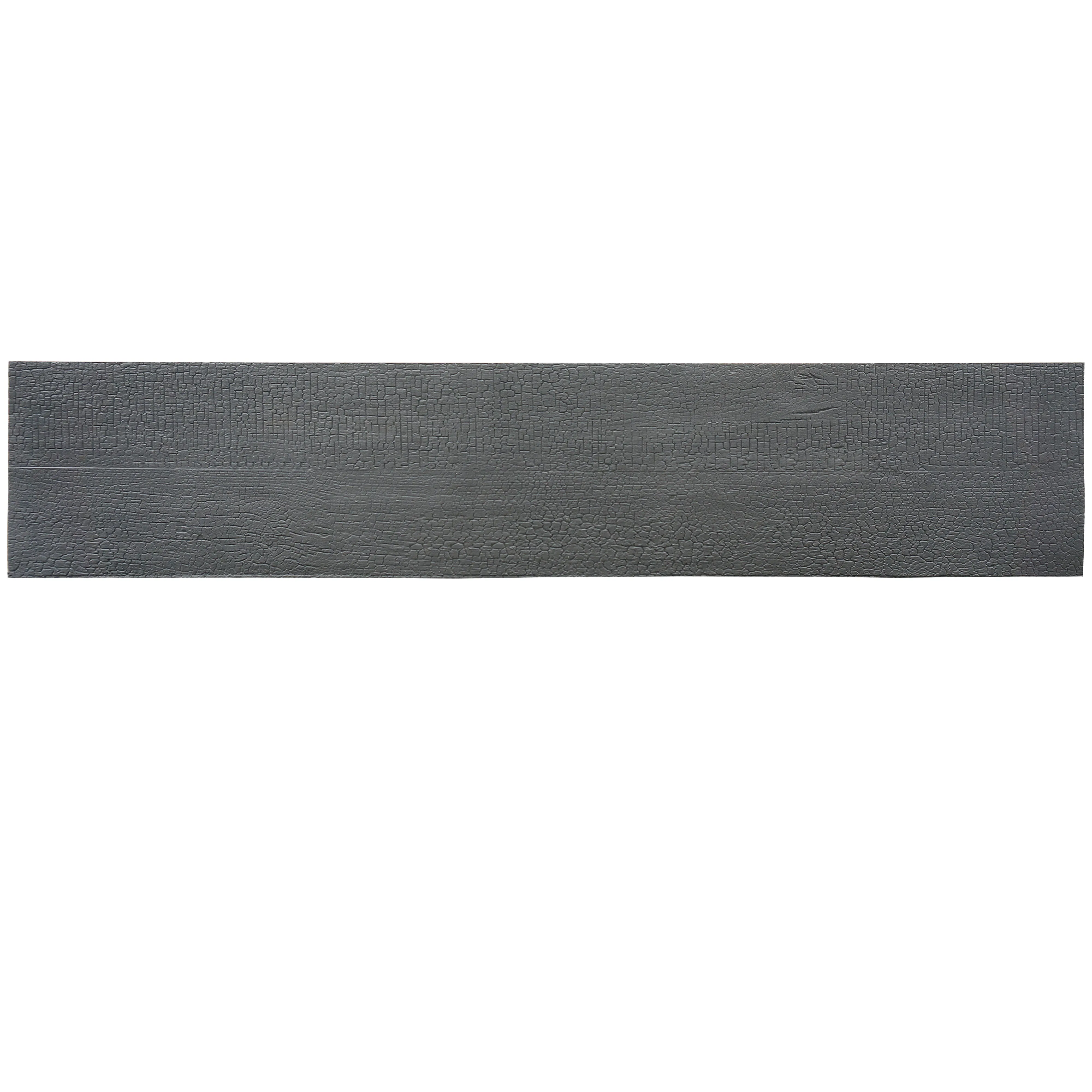
When we walk into a space—whether it's a sleek modern office, a cozy café, or a historic home—we rarely stop to think about the science happening beneath our feet or on the walls. But the materials that shape these spaces aren't just about looks; they're living, breathing components with their own chemical stories. One of the quietest yet most critical chapters in that story? pH levels.
pH, the measure of how acidic or alkaline a substance is, might sound like a lab-only topic, but it directly impacts how a material behaves over time. Imagine a fair-faced concrete wall in a lobby: if the material next to it is highly acidic, it could eat away at the concrete's surface, leaving unsightly stains or weakening its structure. Or consider a Charcoal Burnt Wood Board accent wall in a home—if its pH is too low, it might leach acids that discolor nearby paint or irritate sensitive skin. For architects, designers, and builders, pH isn't just a number; it's the key to durability, safety, and the long-term beauty of a project.
Today, we're diving deep into two materials that have been turning heads in the industry: MCM Flexible Stone and Charcoal Burnt Wood Board. Both bring unique aesthetics—MCM with its chameleon-like ability to mimic natural stone in lightweight, flexible sheets; Charcoal Burnt Wood with its rich, smoky that adds instant warmth. But how do their pH profiles stack up? Let's find out.
MCM Flexible Stone isn't your average building material. Short for Modified Composite Material, it's a high-tech blend of natural minerals (think crushed stone, quartz, or marble) and polymer resins, engineered to be thin, bendable, and surprisingly tough. What makes it stand out? Its versatility. Whether you're aiming for the look of travertine (starry green) for a cosmic-inspired accent wall or a rustic lime stone(beige) finish for a Mediterranean villa, MCM can mimic almost any texture—without the weight or fragility of real stone.
But MCM's magic isn't just skin-deep. Its composition is designed to resist moisture, UV rays, and temperature swings, making it a favorite for both indoor and outdoor projects. From skyscraper exteriors to boutique store interiors, it's become the go-to for designers who want bold visuals without compromising on performance.
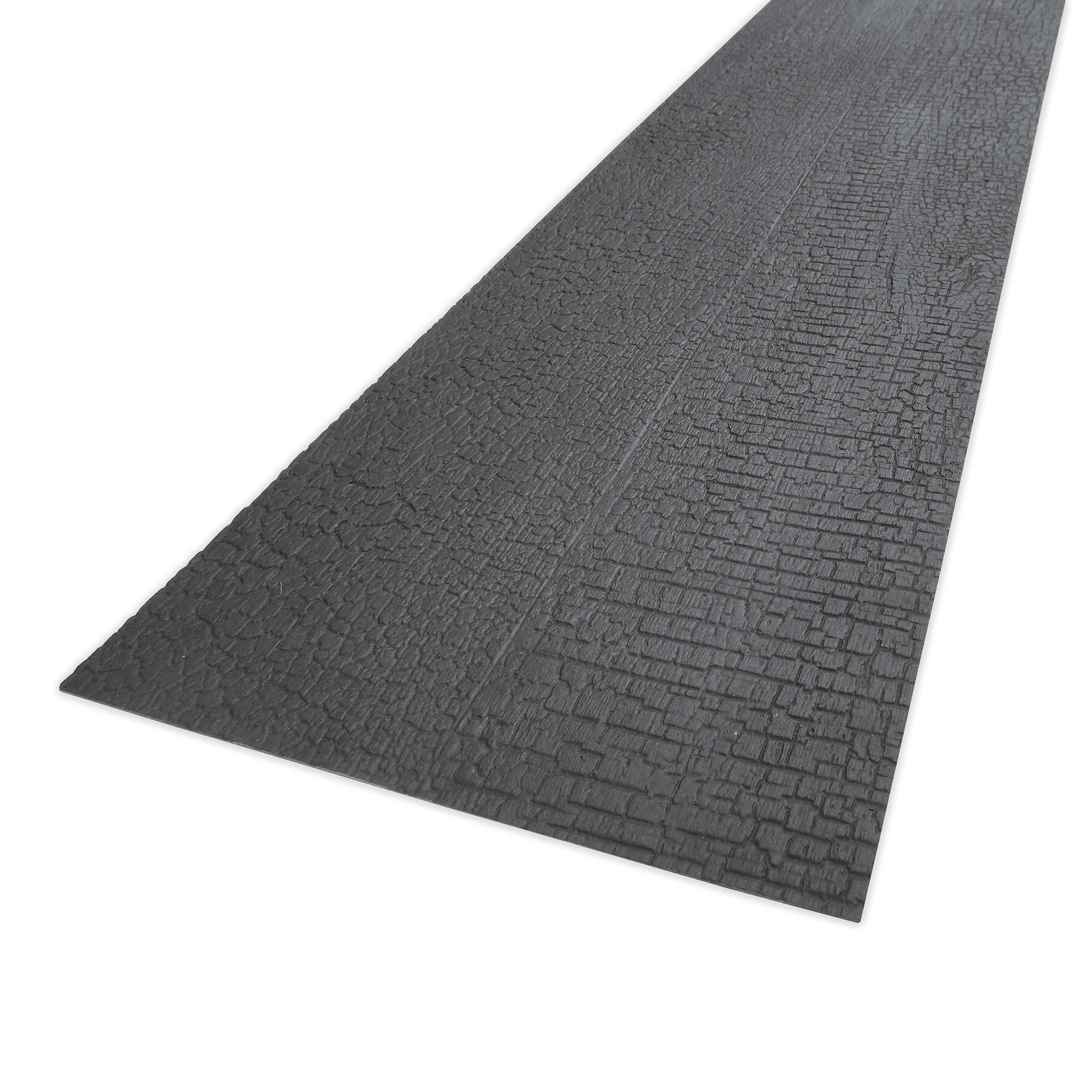
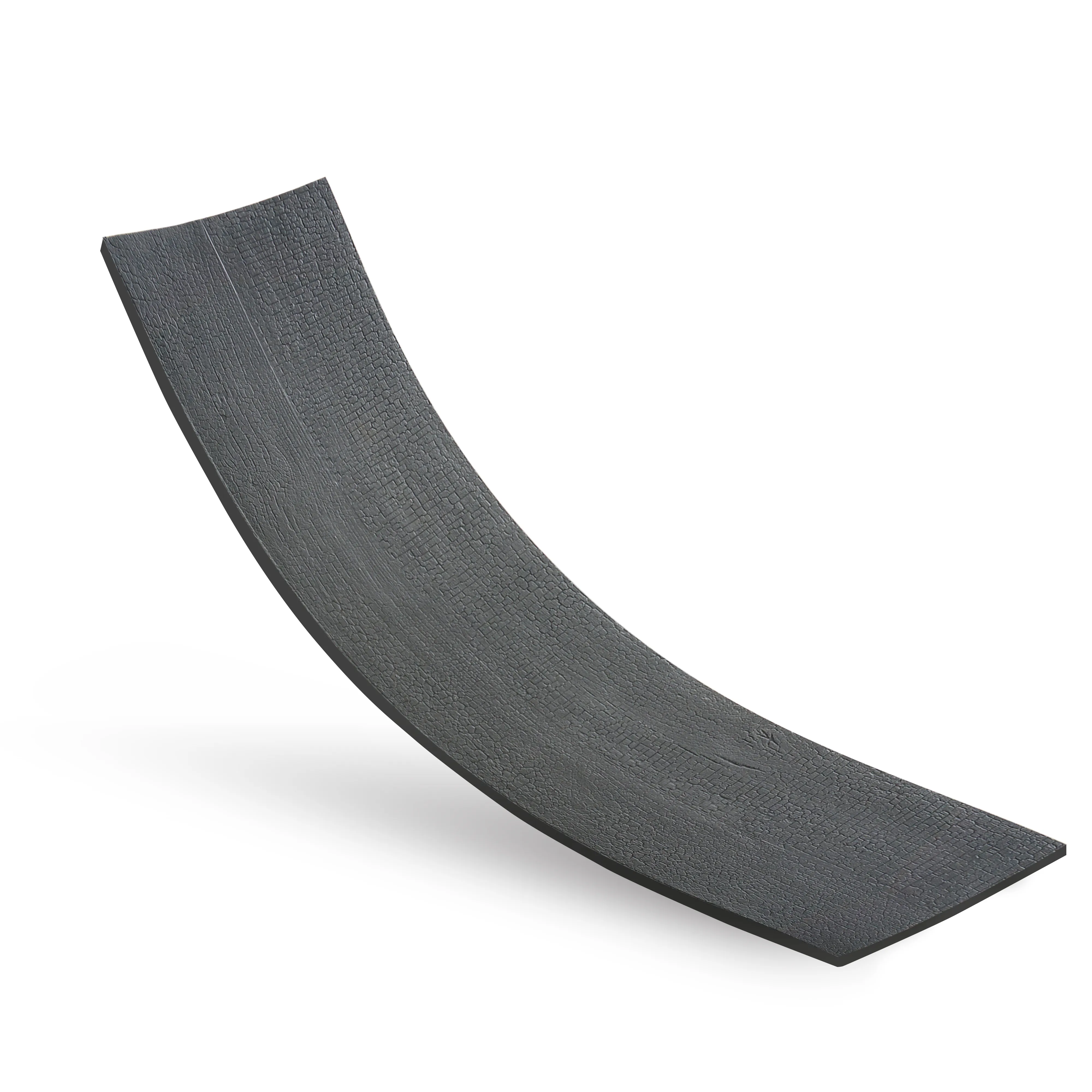
If MCM is the tech-savvy innovator, Charcoal Burnt Wood Board is the artisanal storyteller. Created using a traditional Japanese technique called shou sugi ban , where wood is burned to char its surface, this material wears its history on its sleeve. The charring process not only gives it that striking, almost metallic black finish but also acts as a natural sealant, making it resistant to rot, pests, and fire. It's the kind of material that feels alive—each board has unique scorch marks, knots, and grain patterns that tell a story of fire and wood merging.
But here's the catch: that charred surface isn't just about aesthetics. The burning process alters the wood's chemical makeup, which in turn affects its pH. And that's where things get interesting. While its warmth and texture make it perfect for interiors (think feature walls, ceiling panels, or even furniture), we need to ask: how does that pH play into its long-term behavior?
To get to the bottom of their pH profiles, we set up a simple but rigorous test. We sourced samples of MCM Flexible Stone (in a classic travertine (starry green) finish) and Charcoal Burnt Wood Board from reputable suppliers, ensuring they were fresh but not brand-new (we wanted to mimic real-world conditions, not just factory-fresh materials). Here's how we did it:
First, we used the slurry method, a standard way to measure the pH of solid materials. For each sample, we ground a small piece into a fine powder (about 50g), mixed it with 100ml of distilled water (pH 7, neutral), and stirred gently for 5 minutes. After letting it sit for 30 minutes (to let the chemicals leach into the water), we used a calibrated pH meter to take readings. This method tells us the "core" pH of the material—how it might behave if it were to degrade or interact with water over time (say, in a rainy climate or a humid bathroom).
Next, we measured surface pH, which is crucial for understanding how the material interacts with its immediate environment. Using a flat pH probe, we dampened the surface of each sample with a drop of distilled water, waited 60 seconds, and took readings. This simulates scenarios like condensation on a wall, a spilled drink, or even just dust and moisture in the air—all things that happen in real spaces.
Finally, we wanted to see if pH levels changed with exposure. We placed both samples in a controlled chamber with 80% humidity and 30°C (86°F) temperature—mimicking a tropical climate—and took pH readings every week for a month. Why? Because materials don't exist in a vacuum; humidity, heat, and time can all shift their chemical balance.
After a month of testing, the data painted a clear picture. Let's break down what we found, starting with the numbers that matter most:
| Test Type | MCM Flexible Stone | Charcoal Burnt Wood Board |
|---|---|---|
| Slurry pH (Initial) | 8.2 (Slightly Alkaline) | 5.1 (Moderately Acidic) |
| Surface pH (Initial) | 7.8 (Near-Neutral) | 4.8 (Acidic) |
| Slurry pH (After 1 Month) | 8.1 (Stable) | 5.3 (Slightly Less Acidic) |
| Surface pH (After 1 Month) | 7.7 (Stable) | 5.0 (Stabilized) |
| pH Stability | 98% (Minimal Change) | 94% (Slight Stabilization) |
MCM Flexible Stone came in with a slurry pH of 8.2—slightly alkaline, which makes sense given its mineral-rich composition. Its surface pH was even closer to neutral at 7.8, meaning the outer layer (the part that touches other materials or skin) is gentle and non-reactive. What impressed us most? After a month in humid conditions, its pH barely budged—dropping only 0.1 points. That stability is a big win for long-term projects. Alkaline materials can sometimes cause issues like efflorescence (those white, powdery deposits on stone), but MCM's pH is mild enough to avoid that, especially when paired with neutral substrates like fair-faced concrete .
Charcoal Burnt Wood Board started more acidic, with a slurry pH of 5.1 and surface pH of 4.8. This makes sense: burning wood releases organic acids (like acetic acid from the charring process), which linger in the wood's pores. But here's the surprise: after a month, its pH stabilized. The slurry pH inched up to 5.3, and surface pH to 5.0—not a huge shift, but enough to show it's not getting more acidic over time. For context, fresh untreated wood typically has a pH of 4.5–5.5, so Charcoal Burnt Wood is right in that range, just on the lower end due to the charring.
Numbers are helpful, but how do these pH profiles translate to actual projects? Let's look at two scenarios where pH matters most:
Imagine cladding a commercial building's exterior with MCM Flexible Stone. Its slightly alkaline, stable pH means it plays well with mortar (which is typically alkaline, pH 12–13) and metal fasteners (acidic materials can corrode metal over time). In rainy climates, where water runs down the walls, MCM won't leach harmful chemicals into the soil or discolor the building's foundation. It's like a reliable friend—consistent, low-maintenance, and ready for whatever the weather throws at it.
Charcoal Burnt Wood Board, on the other hand, is better suited for sheltered exteriors (like a covered patio) or interiors. Its initial acidity could be a problem if paired with alkaline materials like limestone or brick, as the two might react and cause staining. But in a covered porch with proper sealing (a clear, pH-neutral sealant can help buffer the surface), it's a stunner—its rich color and texture standing up to mild moisture without issue.
Indoors, pH plays a role in air quality and comfort. MCM Flexible Stone's neutral surface pH (7.8) means it won't off-gas harmful fumes or irritate sensitive skin—perfect for hospitals, schools, or homes with kids. Its stability also means it won't interact with paints or wallpapers, keeping colors vibrant and surfaces smooth.
Charcoal Burnt Wood Board's acidity is less of a concern indoors, but it does require a little care. For example, in a kitchen with marble countertops (pH 8–9, alkaline), placing a Charcoal Burnt Wood backsplash directly against the marble might cause slow discoloration over time. The fix? A thin layer of pH-neutral sealant between them, or choosing a different material for the backsplash. But in a bedroom or home office, where it's paired with wood or drywall (both neutral), its acidity is a non-issue—just a beautiful, textured surface that feels like a hug from nature.
At the end of the day, MCM Flexible Stone and Charcoal Burnt Wood Board aren't rivals—they're teammates, each shining in different roles. MCM brings stability, versatility, and peace of mind for high-traffic, high-moisture, or long-term projects. Its pH profile is a testament to its engineering: designed to work with other materials, not against them. Whether you're wrapping a skyscraper in travertine (starry green) or adding a curved accent wall in a hotel lobby, MCM is the quiet achiever that keeps spaces looking fresh for decades.
Charcoal Burnt Wood Board, meanwhile, is the artist of the two. Its slightly acidic pH is part of its charm—a reminder that it's a natural material with a story. It adds warmth, texture, and a touch of the wild to spaces, making them feel lived-in and loved. With a little planning (like sealing or avoiding direct contact with highly alkaline materials), it's more than capable of holding its own in residential and light-commercial projects.
So, which one should you choose? Ask yourself: What's the space for? How long do I want it to last? And most importantly, how do I want people to feel when they're there? pH gives you the facts, but your vision gives those facts meaning. After all, the best buildings aren't just built—they're felt.
Recommend Products












