
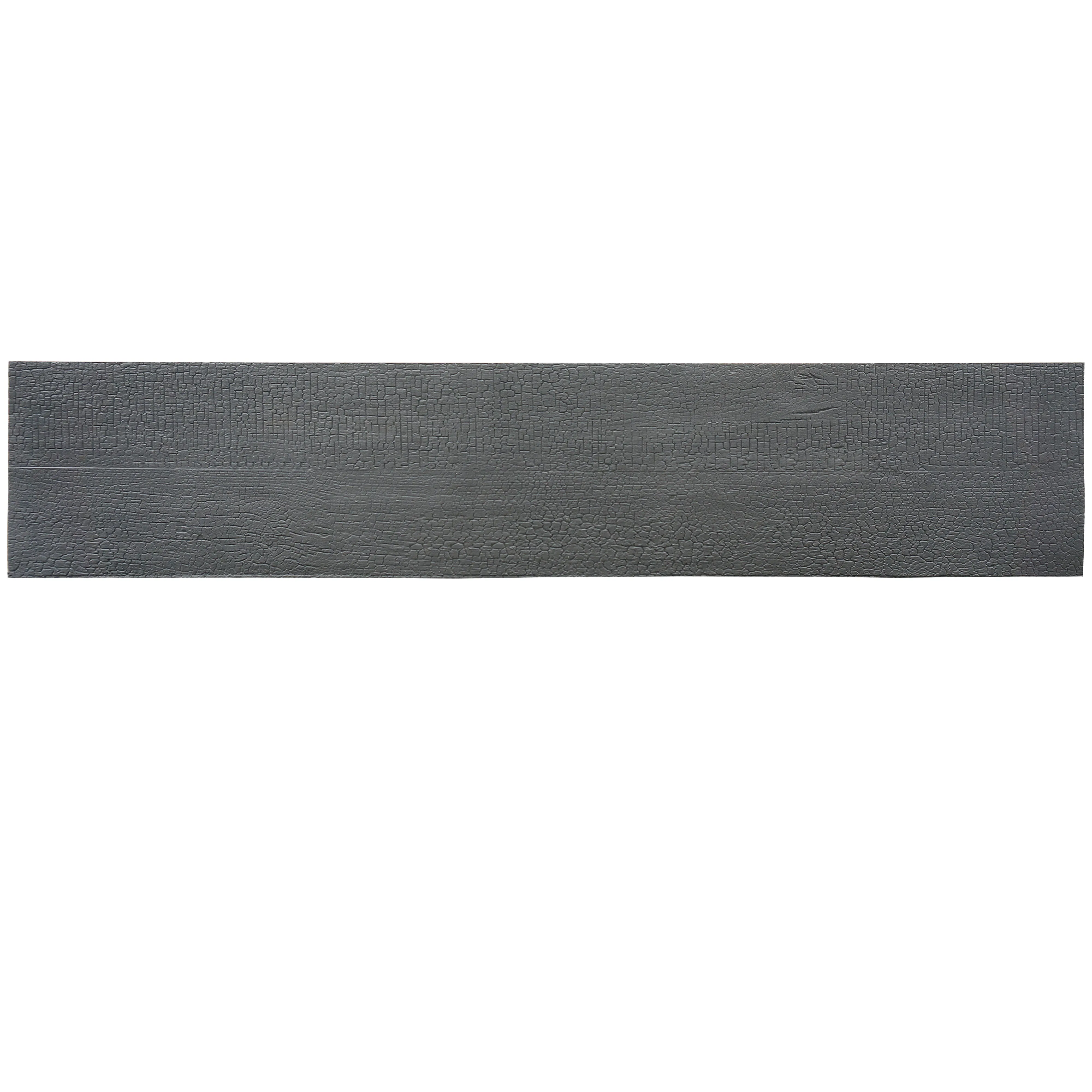
Walk into any thoughtfully designed space—whether it's a boutique hotel lobby, a cozy home office, or a bustling café—and your first impression often starts with touch. Not the intentional kind, where you reach out to feel a countertop, but the subtle, almost subconscious way surfaces interact with light, movement, and your peripheral vision. Is that wall rigid and cold, or does it have a gentle give, a texture that seems to breathe? That's the magic of surface flexibility—it's not just about bendability; it's about how a material tells a story, adapts to its surroundings, and invites connection. Today, we're diving into two materials that are redefining this narrative: MCM Flexible Stone and Charcoal Burnt Wood Board. Let's unpack what makes them unique, how they measure up, and why they're becoming staples in the toolkits of designers and architects worldwide.
Surface flexibility is the unsung hero of interior and exterior design. Rigid materials have their place—there's a reason marble and concrete have stood the test of time—but they limit creativity. Curved walls, undulating facades, or custom-shaped furniture? Traditional stone or solid wood often buckle under the pressure, literally. Brittle, heavy, and unforgiving, they demand straight lines and flat surfaces, boxing designers into a "one-size-fits-all" mold. But modern spaces crave personality. They want to flow, to surprise, to feel less like a construction and more like a living, breathing environment. That's where flexible surfaces step in. They bend without breaking, conform without cracking, and turn "impossible" designs into reality. And when it comes to balancing durability, aesthetics, and that all-important flexibility, two names keep popping up: MCM Flexible Stone and Charcoal Burnt Wood Board. Let's start by getting to know each one.
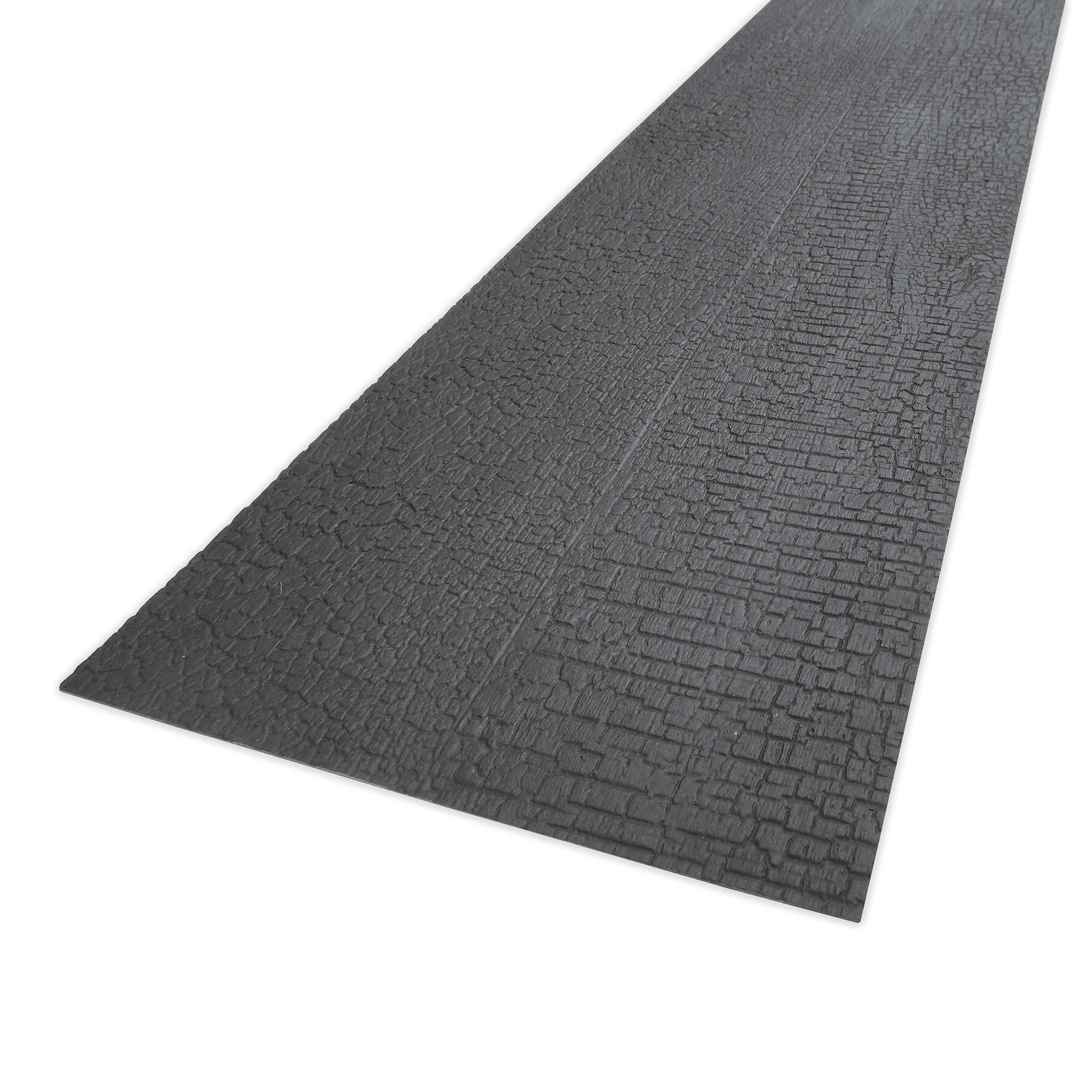
First, let's demystify MCM Flexible Stone. MCM stands for Modified Composite Material, and if you're not familiar with the term, think of it as nature and technology shaking hands. It's a blend of mineral aggregates (think crushed stone, marble dust, or travertine particles), high-performance polymers, and a reinforcing backing—often fiberglass or a lightweight mesh—that gives it strength without the bulk. The result? A material that looks and feels like natural stone but behaves more like a high-quality fabric. It's thin (usually 3-6mm thick), lightweight (about 3-5kg per square meter), and yes—flexible enough to curve around corners, wrap columns, or even form gentle waves in a feature wall.
Flexibility in MCM isn't about flopping like a towel—it's controlled, intentional, and engineered. The secret lies in its composition. Unlike solid stone, which is a single, dense block, MCM is a layered material. The mineral aggregates provide the texture and visual appeal (whether it's the starry sparkle of Travertine (Starry Blue) or the muted elegance of Lunar Peak Silvery), while the polymer binders act as a "glue" that allows slight movement. The fiberglass backing adds tensile strength, so when you bend it, it doesn't snap—it flexes, then retains its shape. Most MCM Flexible Stone can handle radii as tight as 30cm (that's a curve with a 30cm diameter) without cracking, making it a dream for custom projects. Imagine a retail store with a facade that undulates like a wave, each panel of Travertine (Starry Blue) catching the light to mimic a night sky—no rigid stone slab could pull that off without shattering.
One of the best things about MCM Flexible Stone is that it doesn't skimp on texture. Natural stone lovers will appreciate that it retains the organic, tactile qualities of the real deal. Take Travertine (Starry Blue), for example—it's embedded with tiny, reflective particles that look like stars scattered across a dark blue sky. When the material flexes, those particles catch light differently, creating a dynamic, almost animated effect. Run your hand over it, and you'll feel the same pits and grooves as natural travertine, minus the weight. For a sleeker vibe, there's Lunar Peak Silvery—a finish that mimics the moon's surface, smooth yet subtly pitted, with a cool metallic sheen that pairs beautifully with MCM's flexibility. It's the kind of material that makes you do a double-take: "Is that really stone?" Spoiler: It is, just reimagined.
Flexibility is great, but what good is a material that bends if it scratches, stains, or fades? MCM Flexible Stone checks those boxes, too. The polymer binders make it resistant to water, UV rays, and even mild chemicals—perfect for kitchens, bathrooms, or outdoor spaces. It won't warp in humidity or crack in extreme temperatures, and unlike natural stone, it doesn't need constant sealing. Install it in a high-traffic area, and it'll stand up to scuffs and bumps. Plus, it's easy to cut and install—no heavy machinery required. A pair of standard shears or a circular saw with a masonry blade, and you're good to go. Whether you're cladding an entire wall, creating a custom backsplash, or designing a curved fireplace surround, MCM adapts to the project, not the other way around.
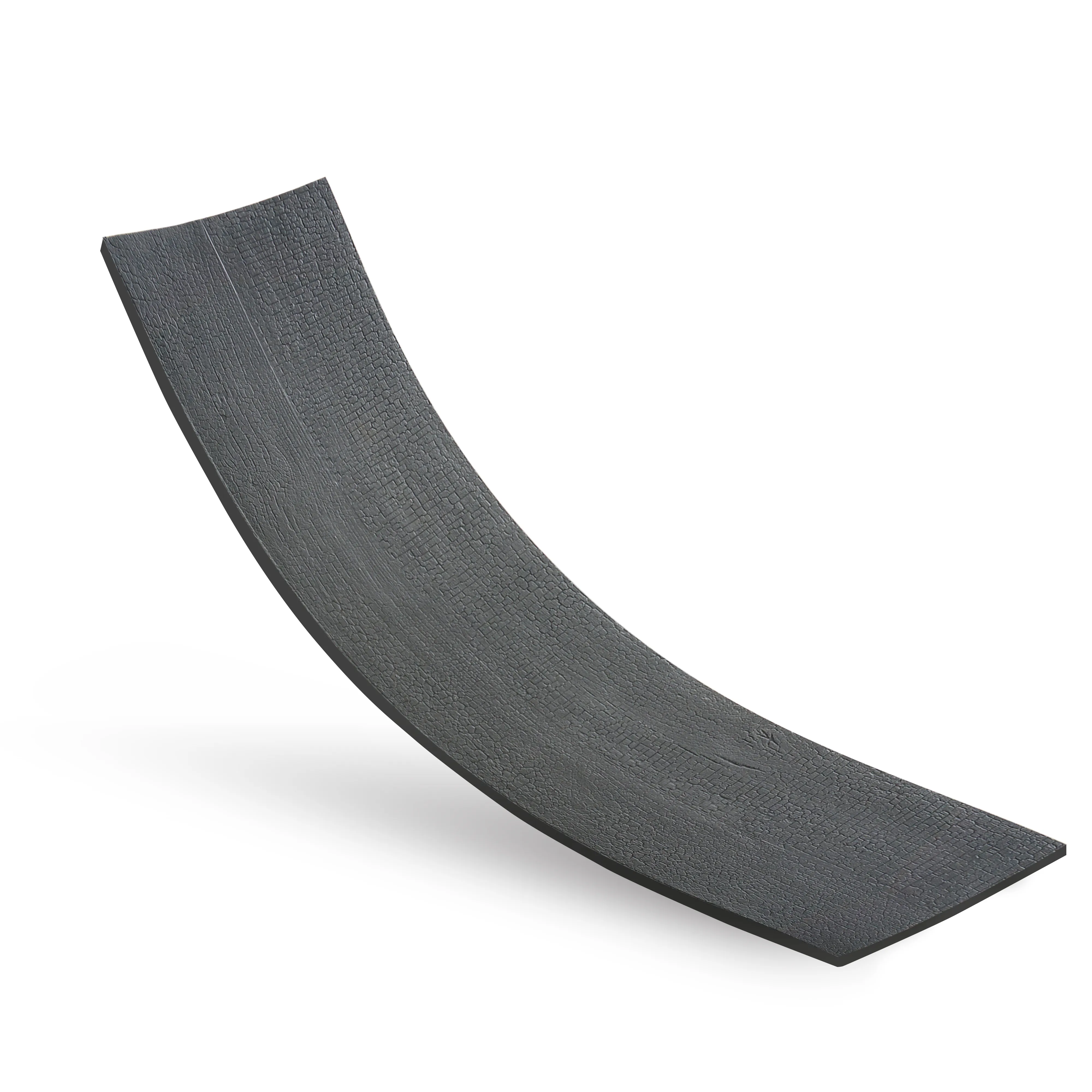
Now, let's shift to something a little more… elemental. Charcoal Burnt Wood Board isn't new—in fact, it's rooted in an ancient Japanese technique called shou sugi ban , where wood is charred to enhance its durability. But modern innovation has taken this tradition and given it a flexible edge. Today's Charcoal Burnt Wood Boards are made by treating sustainably sourced wood (think cedar, pine, or oak) with a controlled charring process. The wood is burned just enough to create a protective layer of carbon, then brushed to remove loose ash, and sealed with a natural oil or wax to lock in the texture. The result? A material that's fire-resistant, bug-proof, and surprisingly flexible—especially compared to untreated solid wood.
Wood has always had some natural flexibility—think of a tree bending in the wind—but solid planks are still prone to splitting or warping when pushed too far. Charcoal Burnt Wood Board changes that, thanks to its construction. Most boards are made from thin veneers of charred wood laminated together with a flexible adhesive, often over a lightweight substrate like plywood or fiberboard. This lamination allows the wood to flex across its width, making it suitable for curved surfaces or even ceiling panels with gentle arcs. It's not as bendable as MCM—you won't wrap it around a pencil-thin column—but it holds its own in projects that need a soft curve, like a rounded bookshelf or a wavy accent wall in a bedroom.
Where MCM leans into modern composites, Charcoal Burnt Wood Board.——,,.,,,.,,.,,,.,——,,,.
,.,,.,10-15,.,,,.,:,MCM,()."",——,,.
Now that we've explored each material, let's put them side by side. The table below breaks down their key features, so you can see how they stack up when it comes to flexibility, texture, durability, and more.
| Feature | MCM Flexible Stone | Charcoal Burnt Wood Board |
|---|---|---|
| Material Composition | Mineral aggregates, polymers, fiberglass backing | Charred wood veneers, flexible adhesive, substrate (plywood/fiberboard) |
| Flexibility Rating (1-10) | 9/10 – Bends to radii as tight as 30cm; ideal for curves and custom shapes | 6/10 – Flexes across width for gentle arcs; less suited for tight curves |
| Texture | Varied – From smooth (Lunar Peak Silvery) to textured (Travertine (Starry Blue)) | Rough, charred surface with visible wood grain; warm and organic |
| Weight (per sq. meter) | 3-5kg – Lightweight, easy to handle and install | 8-12kg – Heavier than MCM but lighter than solid wood |
| Durability | Water-resistant, UV-resistant, scratch-resistant; low maintenance | Fire-resistant, bug-proof; needs occasional resealing (every 2-3 years) |
| Best For | Curved walls, exterior facades, high-moisture areas (kitchens, bathrooms) | Accent walls, ceiling panels, outdoor decks, rustic or natural-themed spaces |
| Environmental Impact | Recyclable components; reduces reliance on natural stone mining | Sustainable sourcing options; low-VOC sealants available |
| Price Range | Mid-range – More affordable than natural stone, slightly higher than standard tiles | Mid-to-high range – Depends on wood species; sustainable options may cost more |
Great design rarely relies on a single material. The magic happens when different textures, colors, and flexibilities come together. MCM Flexible Stone and Charcoal Burnt Wood Board are no exception—they shine even brighter when paired with complementary materials. Let's explore a few standout combinations that designers are loving right now.
For a look that's equal parts sleek and organic, pair MCM Flexible Stone with Lunar Peak Silvery. Lunar Peak Silvery is a metallic-finish composite that mimics the moon's surface—cool, slightly pitted, and impossibly smooth. Imagine a restaurant interior where the main wall is clad in MCM's Travertine (Starry Blue), its surface rippling gently like a night sky. Accent panels of Lunar Peak Silvery break up the blue, adding geometric shapes that catch the light like moonlight. The contrast is striking: the stone's earthy texture and flexibility play against the metallic's rigidity, creating a space that feels both grounded and futuristic. It's a combo that works indoors or out—think of a hotel facade where curved MCM waves meet sharp Lunar Peak Silvery angles, turning a building into a piece of art.
Charcoal Burnt Wood's warm, organic texture pairs surprisingly well with the industrial edge of Foamed Aluminium Alloy Board (Vintage Silver). Foamed aluminium is lightweight, durable, and has a unique, porous texture that adds depth without weight. Picture a home office where a Charcoal Burnt Wood accent wall curves gently behind the desk, its charred grain adding warmth. Opposite it, a Foamed Aluminium Alloy Board (Vintage Silver) shelf floats, its silvery finish and geometric lines balancing the wood's rustic vibe. The flexibility here is key: the wood bends to soften the space, while the aluminium adds structure. It's a nod to both the past (traditional woodworking) and the future (high-tech alloys), and it works in spaces that want to feel lived-in but not outdated.
At the end of the day, materials are only as good as how they perform in real life. Let's look at two projects that showcase MCM Flexible Stone and Charcoal Burnt Wood Board in action, proving that flexibility isn't just a buzzword—it's a problem-solver.
A small café in downtown Portland wanted to stand out on a busy street. The owner dreamed of a curved facade that would invite pedestrians in, but traditional stone was too heavy and expensive, and vinyl siding felt cheap. Enter MCM Flexible Stone in Travertine (Starry Blue). The installers were able to bend the 4mm-thick panels around a steel frame, creating a gentle wave that wraps the front of the building. The Travertine (Starry Blue) texture catches the sun during the day, sparkling like a starry sky, and at night, LED lights behind the panels make the facade glow. "We thought it was impossible," the owner said. "But MCM made it easy—no cracks, no waste, and it looks like real stone. Our customers keep asking, 'How did you do that?'"
A family in Colorado wanted a backyard deck that could withstand harsh winters and hot summers, but they hated the look of composite decking. They chose Charcoal Burnt Wood Boards for the flooring and a curved privacy screen. The boards flexed slightly over the deck's joists, creating a more comfortable, springy surface underfoot than rigid wood. The privacy screen, which curves around the seating area, blocks wind without feeling like a wall. "We wanted something that felt natural but tough," the homeowner explained. "The charred wood looks amazing—like it's been here for years—and it hasn't warped or cracked, even with snow and rain. Plus, the flexibility means we could shape the screen to fit the space perfectly."
No material is perfect, and both MCM Flexible Stone and Charcoal Burnt Wood Board have their trade-offs. Let's break them down.
Pros: Ultra-flexible, lightweight, low maintenance, water and UV resistant, wide range of textures/colors, eco-friendly (reduces stone mining). Cons: Less "organic" feel than real stone or wood; some textures can feel artificial if not chosen carefully; may fade over time in extreme UV exposure (though most are treated to resist this).
Pros: Warm, natural texture; fire and bug resistant; sustainable; ages beautifully; adds character to any space. Cons: Less flexible than MCM; heavier; needs occasional resealing; not ideal for high-moisture areas (like showers) without extra waterproofing.
At the end of the day, the choice between MCM Flexible Stone and Charcoal Burnt Wood Board comes down to your project's needs, style, and environment. If you're after tight curves, low maintenance, or a modern, sleek look, MCM is the way to go. It's the material for dreamers—those who see a curved wall and think, "Why not?" If you crave warmth, tradition, and a texture that tells a story, Charcoal Burnt Wood Board is your match. It's for the designers who want to honor the past while embracing flexibility. And if you're feeling bold? Pair them. Mix MCM's curves with Charcoal Burnt Wood's grain, add a touch of Lunar Peak Silvery or Foamed Aluminium Alloy Board (Vintage Silver), and create a space that's as unique as you are.
Surface flexibility isn't just about bending materials—it's about bending the rules of what a space can be. It's about creating environments that adapt to people, not the other way around. And whether you choose MCM Flexible Stone, Charcoal Burnt Wood Board, or a little bit of both, one thing's for sure: the future of design is flexible. And honestly? It's never looked better.
Recommend Products












