
Imagine standing in the middle of a construction site, surrounded by the hum of machinery and the buzz of workers. A contractor approaches, scratching his head as he stares at blueprints. "We need a material that looks sleek, but the building's structure can't handle heavy loads," he mutters. "And we're on a tight deadline—polish concrete would take weeks to cure." Sound familiar? For architects, contractors, and designers, the battle between aesthetics, practicality, and time is a daily grind. Today, we're diving into two contenders: the old reliable, traditional polish concrete, and the new kid on the block, MCM flexible stone . Let's unpack why weight and installation might just be the game-changers you've been looking for.
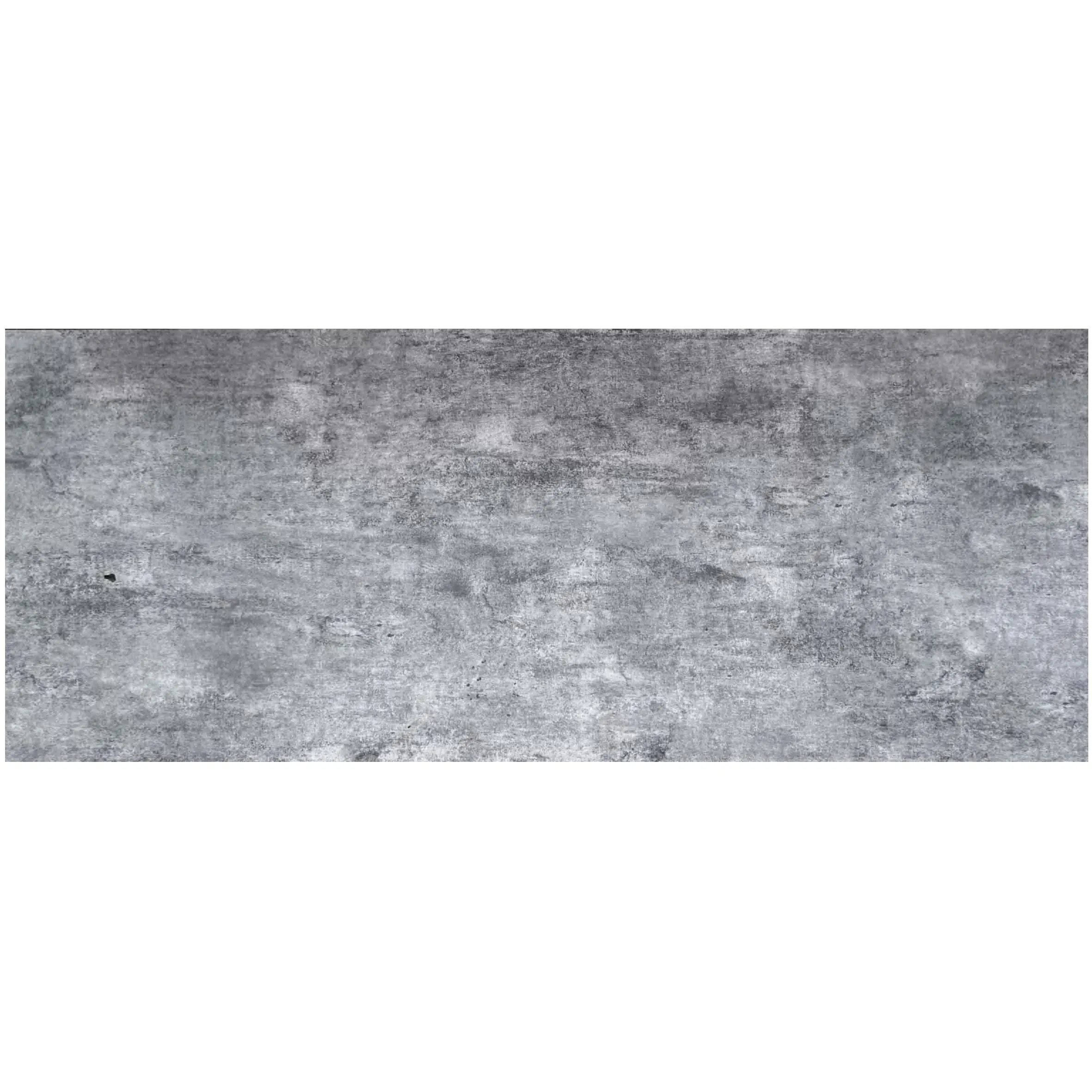
Before we jump into the nitty-gritty, let's get clear on the players. Traditional polish concrete is the tough, dense material you've seen in warehouses, modern homes, and industrial-style spaces. It's made by grinding and sealing concrete surfaces to a smooth, glossy finish—durable, but heavy and unforgiving. On the flip side, MCM flexible stone is a bit of a marvel: a modified composite material that mimics the look of natural stone (think travertine, marble, or even fair-faced concrete ) but with a twist. It's thin, lightweight, and—you guessed it—flexible. No more brittle, crack-prone slabs; this stuff bends, adapts, and cuts like a dream.
Let's talk about weight. It's not just about how heavy a material is to lift (though that matters for your crew's backs). It's about structural load, transportation costs, and even the feasibility of a project. Traditional polish concrete? It's a heavyweight. We're talking 20–30 kg per square meter for a standard 50mm slab. That might not sound like much until you multiply it by 10,000 square meters for a high-rise lobby. Suddenly, you're adding hundreds of tons to the building's foundation—costing more in steel reinforcements, deeper footings, and engineering headaches.
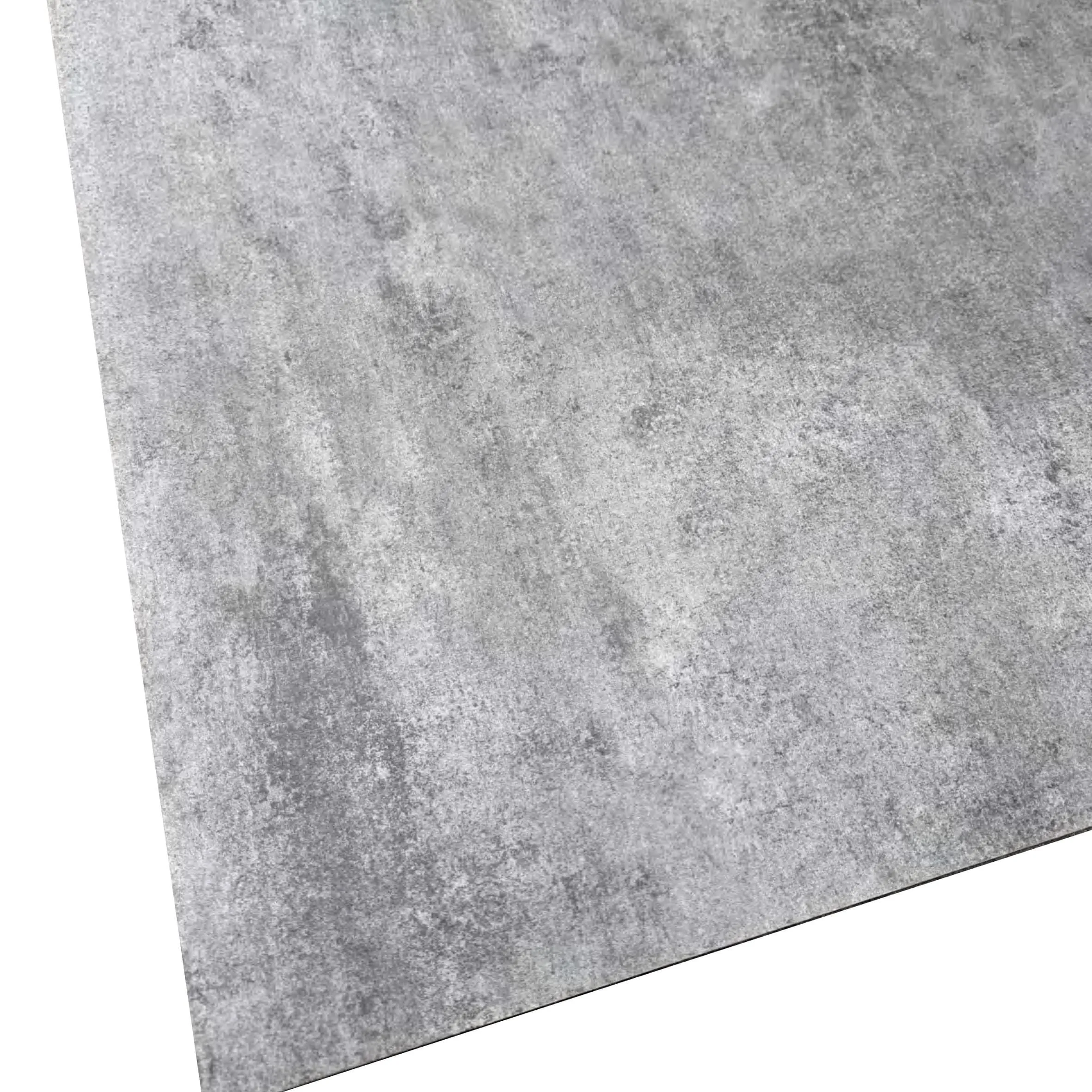
MCM flexible stone? It's the featherweight champion. Clocking in at just 4–6 kg per square meter , it's roughly 70% lighter than polish concrete. To put that in perspective: a truckload that can carry 100 sqm of polish concrete can haul 500 sqm of MCM. That's fewer trips, lower fuel costs, and less wear and tear on roads. But the real win? Structural relief. Imagine retrofitting a historic building with a modern facade—polish concrete might require reinforcing the walls, but MCM? It glues right on, no structural overhaul needed. It's like swapping a lead jacket for a linen shirt.
Real Project Example: A 12-story office building in Chicago recently swapped polish concrete for MCM flexible stone on its exterior cladding. The result? The structural engineer calculated a 40% reduction in load on the building's frame, allowing the team to add an extra floor of usable space. "We never would have fit that 13th floor with concrete," the project manager told me. "MCM didn't just save us money—it gave us more revenue."
Now, let's get our hands dirty with installation. Traditional polish concrete is a marathon, not a sprint. First, you pour the slab, wait 28 days for it to cure, grind it with heavy machinery, seal it, and repeat if there are imperfections. Oh, and if you're working on a vertical surface? Forget it—polish concrete isn't made for walls or curves. It's rigid, so it needs perfectly flat substrates, and any mistake means jackhammering and starting over.
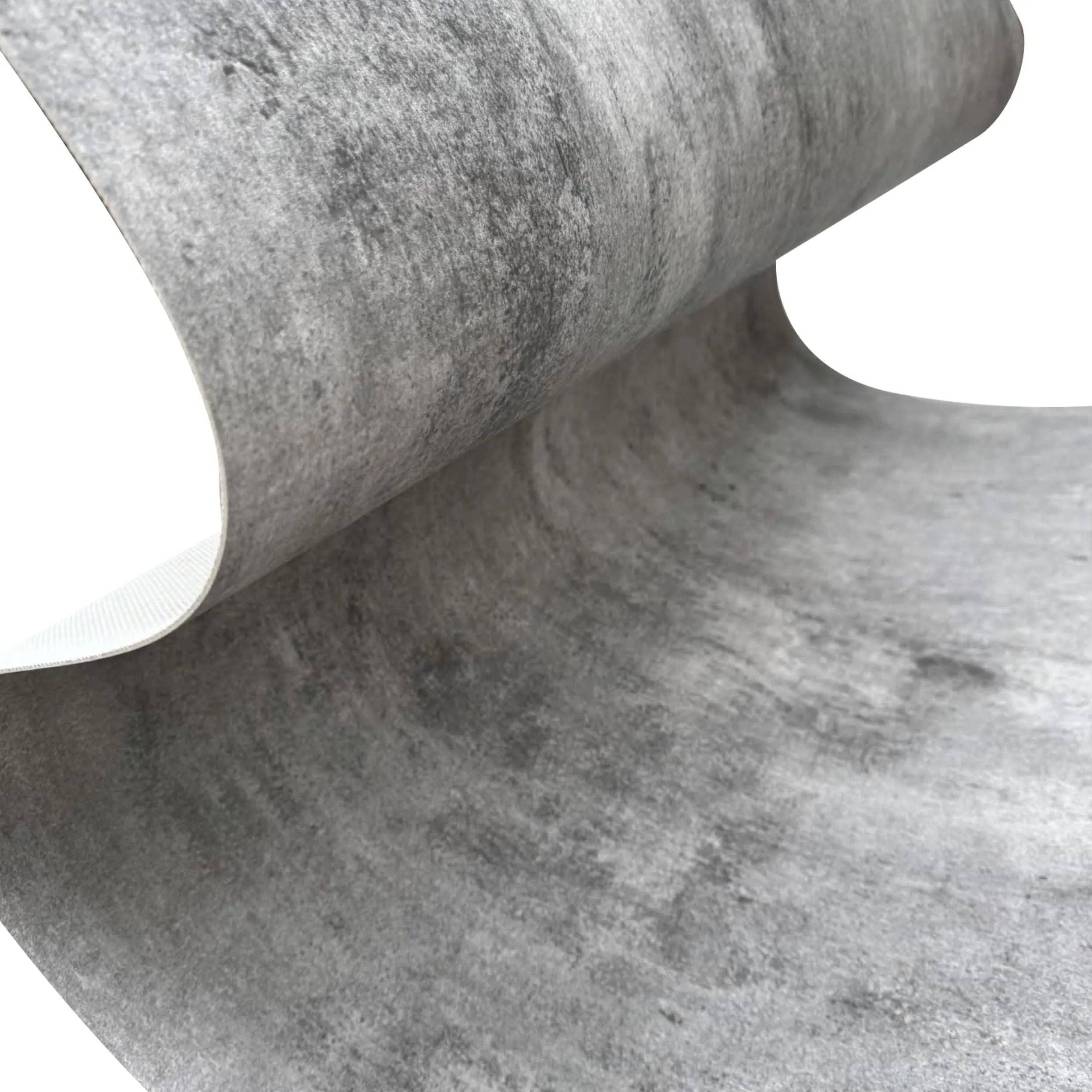
MCM flexible stone? It's a sprint with a coffee break. Installation is straightforward: measure, cut with standard tools (no diamond blades needed), apply a lightweight adhesive, and press into place. No curing time, no heavy equipment, no mess. A crew of two can install 80–100 sqm per day with MCM, compared to 20–30 sqm per day with polish concrete. That's a 300% increase in speed. And here's the kicker: it adapts. Need to cover a curved wall in a boutique hotel? MCM bends to the shape. Installing over uneven old brick in a historic renovation? It conforms, hiding imperfections without extra prep work.
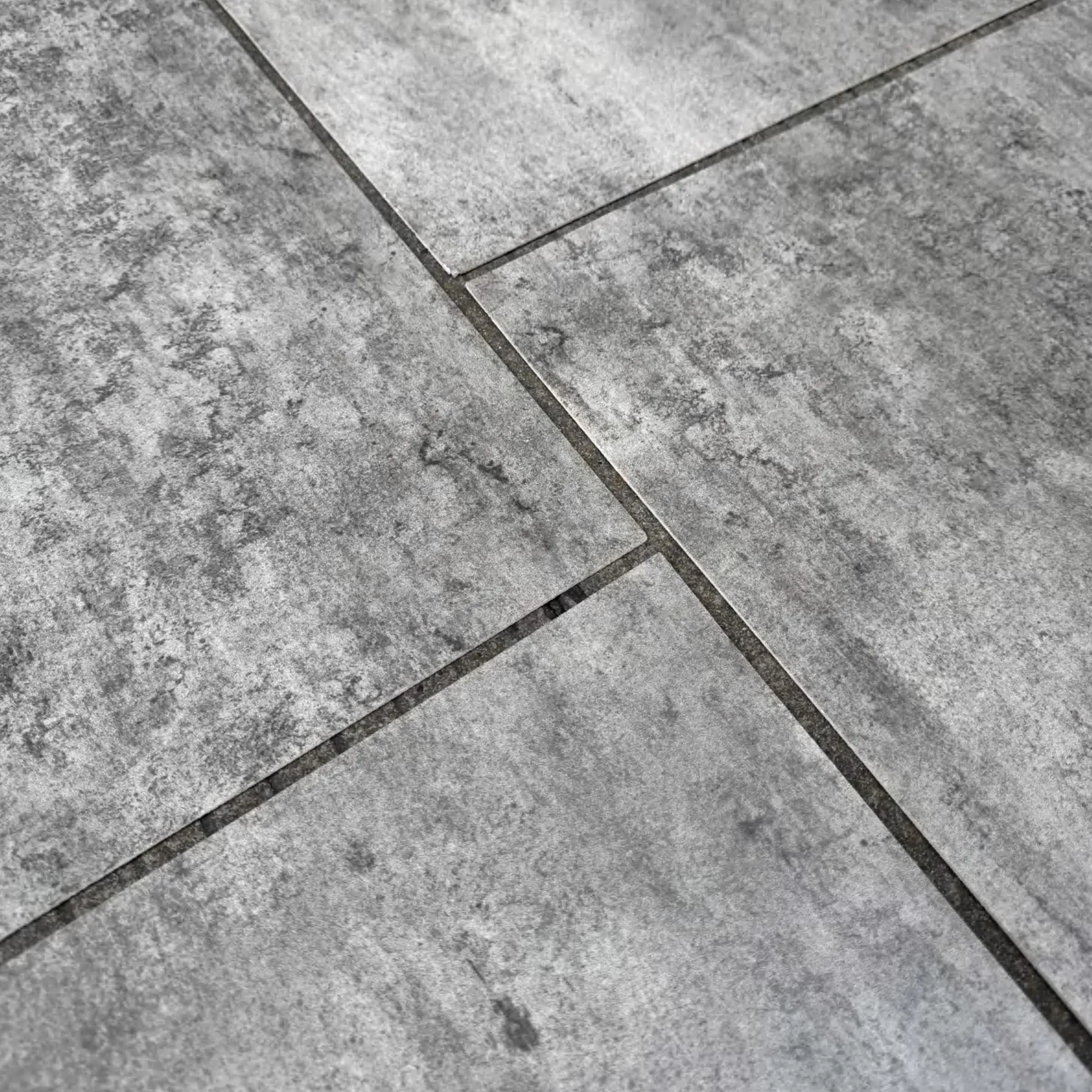
Let's be honest: if MCM looked cheap, none of this would matter. But here's the surprise: it's a design chameleon. Want the industrial edge of fair-faced concrete ? MCM has a finish thats those raw, textured pores. Craving the warmth of travertine? Check out the travertine (starry green) or travertine (vintage gold) options, with subtle veining that looks like it was quarried from an Italian hillside. Or maybe you're into the futuristic vibe of the lunar peak series—silvery, golden, or black finishes that mimic the moon's cratered surface. MCM doesn't just match polish concrete's look; it blows it out of the water with variety.
Polish concrete, for all its durability, is limited. You get gray, maybe a tinted overlay if you're feeling bold, but that's about it. It's a one-trick pony. MCM? It's a whole circus. Want to mix lunar peak silvery panels with travertine (starry blue) accents on a restaurant wall? Go for it. The lightweight nature means you can layer textures without worrying about the load. It's design freedom without the guilt.
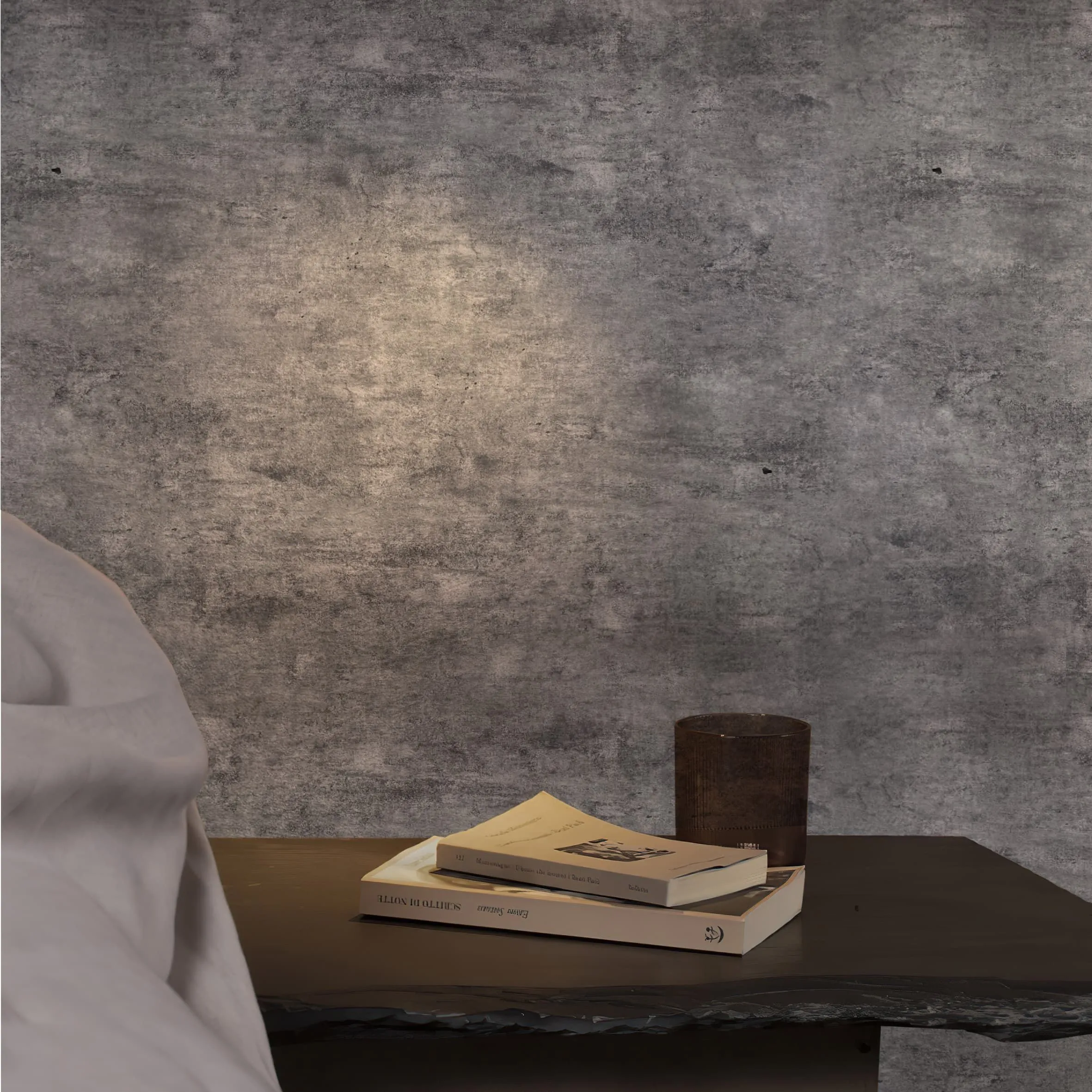
Still on the fence? Let's look at two scenarios where MCM flexes its muscles (pun intended):
Scenario 1: High-Rise Exteriors A developer wants a sleek, modern look for a 20-story apartment building. With polish concrete, the structural engineer insists on thicker steel beams to support the weight, adding $200,000 to the budget. MCM? It's installed in 2 weeks instead of 6, saves on steel, and the residents get balconies with lunar peak golden cladding that shimmers in the sunset. Happy developer, happy wallet.
Scenario 2: Historic Renovation A 1920s theater needs a lobby refresh but can't handle heavy materials. Polish concrete would require reinforcing the 100-year-old floors, risking damage to original moldings. MCM fair-faced concrete panels are glued directly over the existing terrazzo, matching the theater's industrial-chic vibe. The project finishes in 3 days, and the historic society gives it a stamp of approval. No jackhammers, no dust, no drama.
At the end of the day, construction is about solving problems. Traditional polish concrete solves the durability problem but creates new ones: weight, time, and rigidity. MCM flexible stone? It solves all of that and adds beauty to the mix. It's lighter, faster to install, adaptable to any surface, and comes in a rainbow of styles (looking at you, travertine (starry red) and lunar peak black ). Whether you're building a skyscraper, renovating a café, or designing a boutique hotel, MCM isn't just a material—it's a shortcut to better, faster, more creative construction.
So, next time you're staring at blueprints, scratching your head like that contractor I mentioned earlier, remember: heavy doesn't have to mean better. Sometimes, the lightest option is the strongest choice.
Recommend Products












