
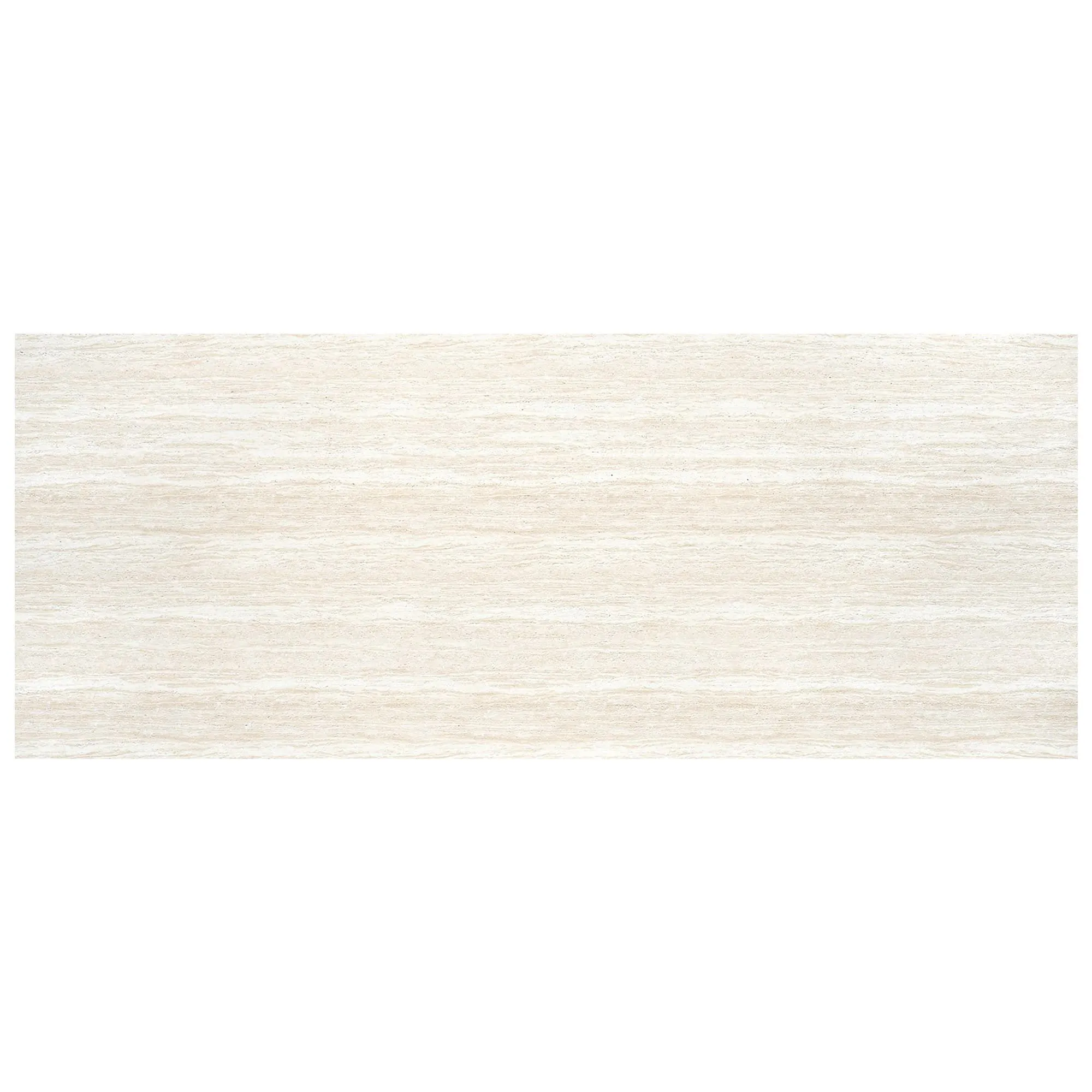
Curved walls have a way of transforming spaces—they soften harsh angles, create flow, and evoke a sense of movement that straight lines simply can't match. Think of the sweeping arcs of a modern art museum, the cozy nook of a boutique café, or the grand entrance of a luxury hotel, where a curved wall greets guests like a silent embrace. But for all their beauty, curved walls have long been a headache for architects and builders. Traditional materials—heavy stone slabs, rigid wood panels, or brittle concrete—resist the gentle bends and tight radii that make these designs possible. That is, until the MCM Flexible Stone Wood Line came along. This innovative material isn't just changing how we build curved walls; it's redefining what's possible.
Architecture is as much about emotion as it is about function. Curved walls tap into something primal: they feel organic, welcoming, and timeless. From the ancient Roman aqueducts to Frank Lloyd Wright's fluid designs, curves have always signaled innovation. But here's the catch: traditional building materials weren't made for flexibility. Take natural stone, for example—stunning, durable, but dense. A slab of travertine (beige), with its warm, earthy tones, might look perfect on a straight wall, but try bending it into a 90-degree curve, and it'll crack. Wood panels, while warmer, warp with moisture and can't hold a tight bend without splintering. Even fair-faced concrete, celebrated for its raw, industrial charm, requires complex formwork and often results in uneven surfaces when shaped into curves. The result? Many architects have had to compromise, toning down their vision to fit what rigid materials can handle. But what if there was a material that could keep up with those bold ideas?
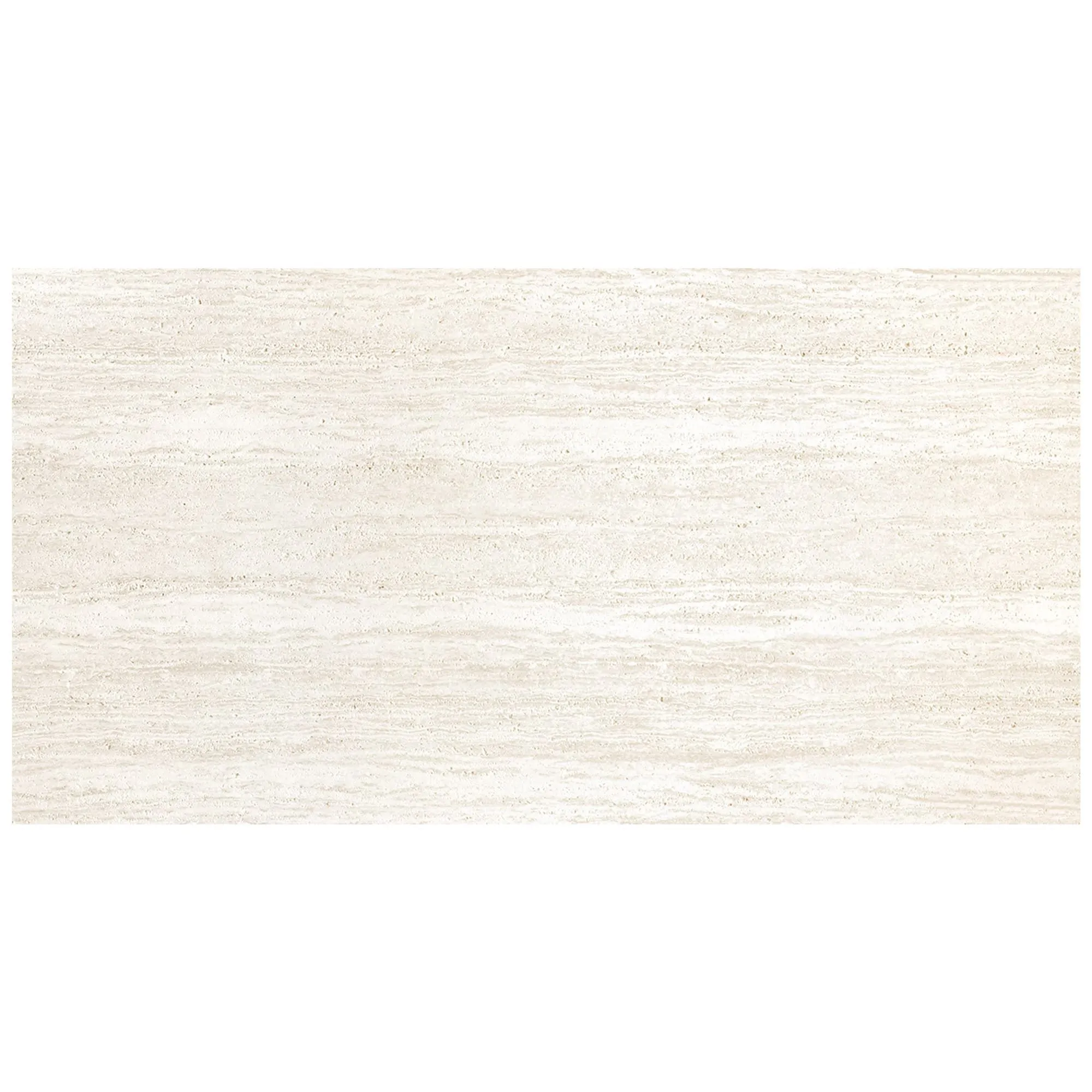
MCM, or Modified Composite Material, isn't your average building product. It's a blend of natural minerals, high-performance polymers, and reinforcing fibers—engineered to be strong, lightweight, and yes, flexible. Unlike solid stone or wood, MCM is a composite, which means its properties can be fine-tuned. And the MCM Flexible Stone Wood Line? It's the star of the show. Designed to mimic the warmth and texture of real wood, this line takes the best of both worlds: the aesthetic appeal of wood grain and the technical prowess of MCM. But let's back up—what makes MCM so special, and how does the Wood Line stand out in a crowded market?
First, MCM is lightweight. Traditional stone slabs can weigh 30-40 kg per square meter; MCM panels tip the scales at just 5-8 kg. That might not sound like a big deal until you're hoisting materials to the 10th floor of a construction site or trying to attach them to a curved substrate without extra structural support. Second, it's durable. MCM resists moisture, fire, and UV rays, making it suitable for both interior and exterior use. And third—most importantly for curved walls—it's flexible. Not "bend-until-it-snaps" flexible, but "wrap around a column like it's fabric" flexible. The Wood Line takes this a step further by adding a hyper-realistic wood grain finish, complete with knots, swirls, and varying tones that mimic oak, walnut, and pine. It's the kind of material that makes you do a double-take: "Is that wood? How is it bending like that?"
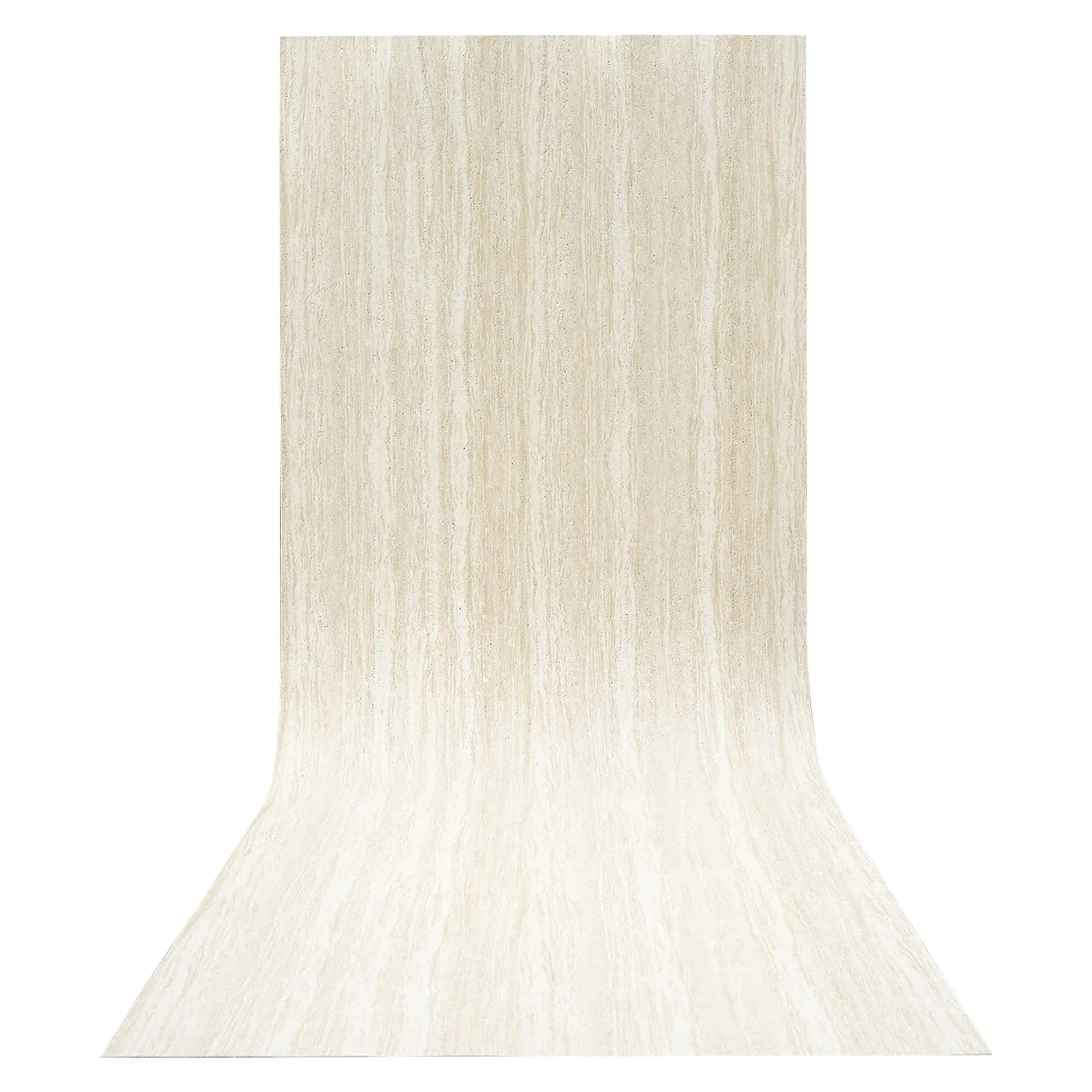
Let's talk about the "Wood Line" in MCM Flexible Stone Wood Line. This isn't just a material with a wood pattern printed on it—it's a masterclass in texture and realism. Run your hand over a panel, and you'll feel the subtle ridges of the grain, the slight indentations where a knot would be, the variation in color that makes real wood so charming. But unlike real wood, this line won't warp in humidity, rot in the rain, or get eaten by termites. It's wood's beauty without wood's weaknesses. And then there's the flexibility. The Wood Line panels are thin—typically 4-6 mm thick—and designed to bend both horizontally and vertically. This isn't just about gentle arcs, either. We're talking tight curves, concave shapes, even spiral walls. Imagine a restaurant with a curved banquette wall clad in warm, honey-toned Wood Line panels, or a retail store where the facade undulates like a wave, all in rich, walnut-inspired texture. It's possible now, and it's all thanks to how MCM is engineered.
The secret lies in the composite matrix. MCM starts with a base of natural minerals—think marble dust, limestone, or recycled stone particles—bound together by a polymer resin. This resin acts like a flexible glue, allowing the panel to bend without losing structural integrity. Reinforcing fibers (often glass or carbon) add tensile strength, so even when bent, the panel won't tear. The result is a material that feels solid but moves like a sheet of thick paper. Compare that to the MCM big slab board series, which are larger (up to 3 meters in length) and designed for expansive, straight surfaces—equally impressive, but optimized for scale rather than curves. The Wood Line, by contrast, is all about precision and adaptability.
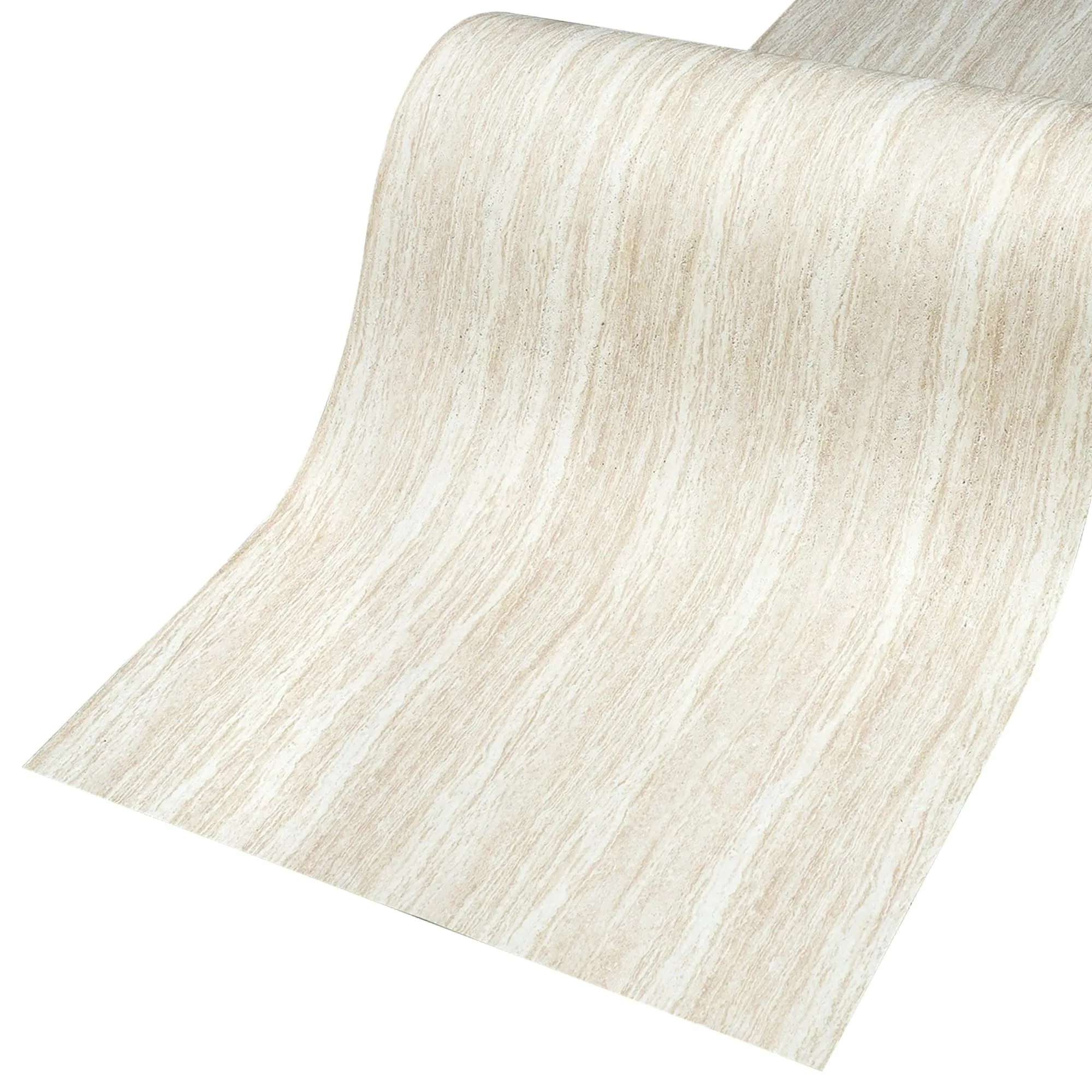
Flexibility is great, but what does it actually mean for builders? Let's get technical (but not too technical). The MCM Wood Line can bend to a minimum radius of 50 cm—that's a curve as tight as a large dinner plate. For context, traditional wood panels might manage a 1-meter radius if you're lucky, and natural stone? Forget it—most can't bend at all without breaking. How does the Wood Line pull this off? Thickness is key. At 4-6 mm, it's thin enough to flex, but the composite core ensures it doesn't lose strength. The panels are also lightweight, so they don't put stress on the substrate when bent. Installers can even cut them on-site with standard tools, allowing for last-minute adjustments to fit unique curves.
But flexibility isn't just about bending; it's about maintaining that bend over time. MCM Wood Line panels are designed to hold their shape indefinitely, even in extreme temperatures. Whether it's the sweltering heat of a desert or the freezing cold of a winter storm, the material won't crack, warp, or lose its curve. That's a game-changer for exterior applications, where traditional wood would shrink and expand, and stone would succumb to thermal stress. And because the panels are so lightweight, they're easier to transport, handle, and install—no need for cranes or heavy lifting equipment. A two-person crew can clad a curved wall in a fraction of the time it would take to install travertine (beige) slabs or custom wood panels.
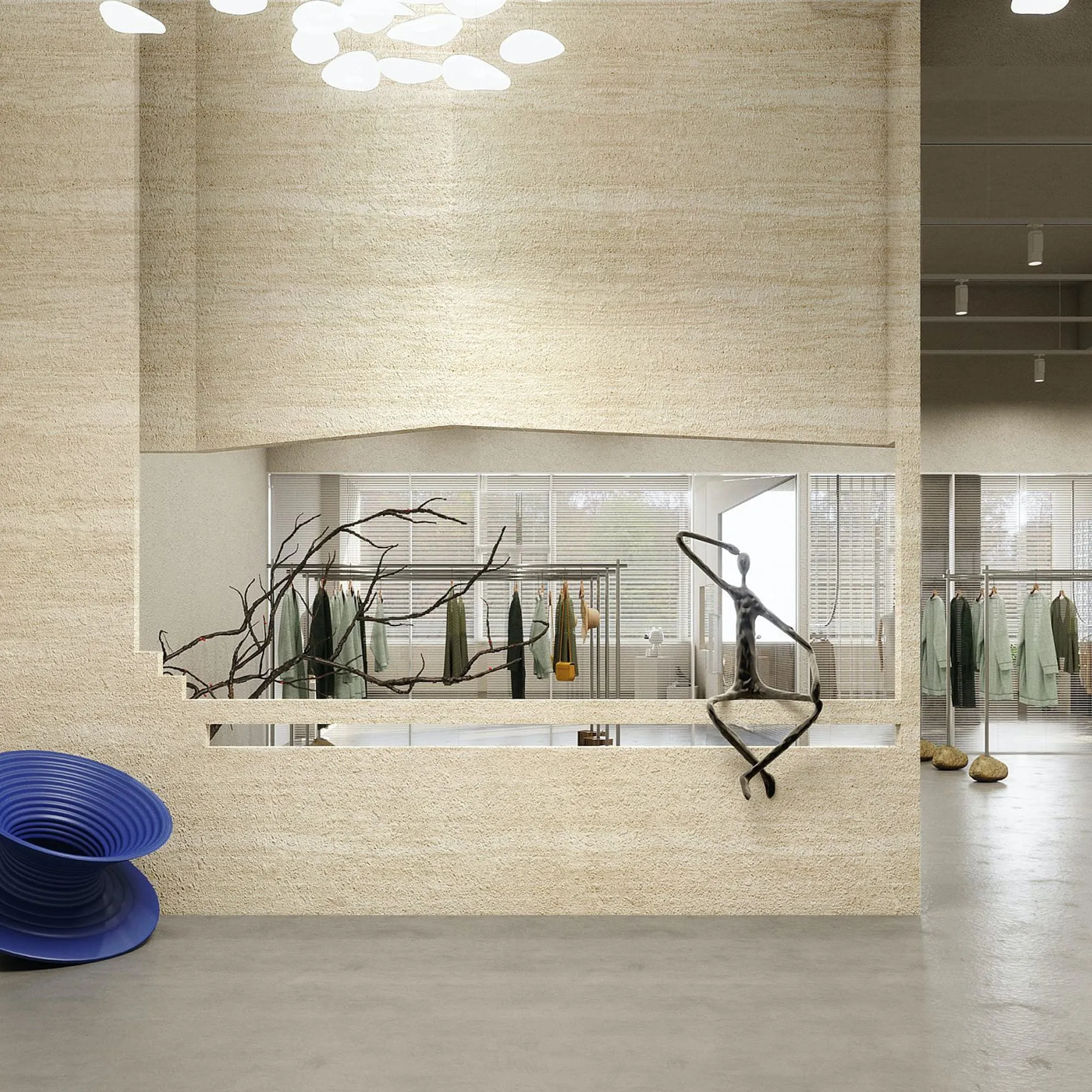
Still not convinced that MCM Wood Line is the best choice for curved walls? Let's put it head-to-head with two common alternatives: traditional wood panels and natural stone slabs (like travertine beige). The table below breaks down the key factors that matter to architects, builders, and homeowners:
| Feature | MCM Flexible Stone Wood Line | Traditional Wood Panels | Natural Stone Slabs (Travertine Beige) |
|---|---|---|---|
| Thickness | 4-6 mm | 10-15 mm | 20-30 mm |
| Weight per sqm | 5-8 kg | 12-18 kg | 25-35 kg |
| Minimum Bending Radius | 50 cm (tight curves possible) | 100 cm (limited to gentle arcs) | Not flexible (will crack when bent) |
| Water Resistance | High (resists rot, mold, and moisture) | Low (warps with humidity; needs sealing) | Medium (porous; requires regular sealing) |
| Installation Time | Fast (lightweight, cut on-site, easy to attach) | Slow (requires careful handling, sealing, and support) | Very slow (heavy, requires mortar, structural support) |
| Cost Over Time | Low (minimal maintenance, long lifespan) | High (needs replacement every 5-10 years; sealing costs) | Medium-High (expensive upfront; sealing and repair costs) |
Curved walls aren't just for grand public spaces—they belong in homes, too. Imagine a master bedroom with a curved accent wall behind the bed, clad in warm, oak-inspired MCM Wood Line panels. It adds depth, coziness, and a touch of luxury without overwhelming the room. Or a home office with a curved desk area, where the Wood Line panels wrap around the space, creating a sense of focus and calm. Because the material is lightweight, it's even suitable for interior partitions, turning a plain room into a dynamic, multi-functional space.
Commercial projects are where MCM Wood Line really steals the show. Consider a hotel lobby with a sweeping curved facade that rises two stories, clad in a mix of Wood Line panels and MCM big slab board series in complementary tones. The Wood Line adds warmth, while the big slabs provide scale—together, they create a focal point that guests will remember. Retail stores are another perfect fit. A clothing boutique with a curved wall that guides customers through the space, its wood grain texture creating a welcoming, boutique-like atmosphere. Even restaurants and cafes benefit: curved banquette walls in rich, walnut Wood Line panels make diners feel enclosed and cozy, while curved bar fronts add a touch of sophistication. And because MCM is fire-resistant and easy to clean, it's ideal for high-traffic areas where durability matters as much as design.
Exterior applications are equally impressive. Imagine a museum with a curved exterior wall in Wood Line panels, its wood grain texture softening the building's modern lines and blending with the surrounding landscape. Or a office building with a curved facade that catches the light, the Wood Line panels shifting in tone as the sun moves. Unlike traditional wood, which fades and rots outdoors, MCM Wood Line resists UV rays, rain, and snow, ensuring the facade looks fresh for decades.
In today's world, sustainability isn't a nice-to-have—it's a must. MCM Flexible Stone Wood Line checks that box, too. Traditional wood panels require cutting down trees, and natural stone mining can disrupt ecosystems. MCM, by contrast, is made with a high percentage of recycled materials, including post-consumer stone dust and recycled polymers. It also has a low carbon footprint: the manufacturing process uses less energy than mining and cutting natural stone, and the lightweight panels reduce transportation emissions. Because MCM Wood Line is so durable, it lasts for decades, reducing the need for frequent replacements—a key factor in sustainability. And when it does reach the end of its lifespan, many MCM panels are recyclable, closing the loop on waste.
Compare that to fair-faced concrete, which requires large amounts of cement—a material with a significant carbon footprint. Or travertine (beige) slabs, which often travel thousands of miles from quarries to job sites, adding to their environmental impact. MCM Wood Line proves that you don't have to choose between beauty, flexibility, and sustainability—you can have all three.
One of the best things about MCM Wood Line is how customizable it is. Sure, the wood grain finish is stunning, but what if you want something a little different? Maybe a lighter oak tone for a beach house, or a darker walnut for a cozy library. MCM Wood Line comes in a range of wood species-inspired patterns, from pine to teak, and can be colored to match any design palette. You can even mix and match textures: pair Wood Line panels with 3D-printed MCM elements for a wall that's both curved and tactile. The possibilities are endless, and that's by design. MCM manufacturers understand that every project is unique, and they're happy to work with architects and designers to create custom solutions.
Customization isn't just about color, either. MCM Wood Line panels come in various sizes, from small planks to large sheets, allowing for seamless installations with minimal seams. Installers can also create custom cuts and shapes on-site, ensuring the panels fit even the most complex curves. Whether you're designing a tight spiral staircase wall or a gentle, sweeping arc, MCM Wood Line can be tailored to your vision.
Architecture is evolving, and curves are back in a big way. As architects push for more organic, human-centered designs, materials like MCM Flexible Stone Wood Line are becoming essential tools. They're not just solving old problems—they're inspiring new ideas. Imagine a world where every curved wall isn't a compromise, but a celebration of what's possible. A world where homes feel warmer, offices feel more inviting, and public spaces feel more connected, all thanks to walls that bend, flow, and adapt.
MCM Wood Line is more than a material; it's a catalyst for creativity. It's allowing architects to dream bigger, builders to work smarter, and homeowners and businesses to enjoy spaces that feel truly one-of-a-kind. And as MCM technology continues to advance—with new textures, colors, and even more flexible formulations—the future of curved architecture looks brighter than ever.
Curved walls have always been a symbol of architectural innovation. With MCM Flexible Stone Wood Line, that innovation is now accessible to everyone. This material combines the best of wood's warmth, stone's durability, and composite's flexibility into a product that's changing how we build. Whether you're designing a cozy home nook or a landmark commercial project, MCM Wood Line makes curved walls not just possible, but practical, affordable, and stunning.
So the next time you walk into a space with a curved wall that takes your breath away, take a closer look. Chances are, it's clad in MCM Flexible Stone Wood Line. And if it's not yet—soon, it will be. The future of building is flexible, and it's here.
Recommend Products












