| Performance Metric | MCM Flexible Wave Panel | Natural Stone Slab | Ceramic Tile | Traditional Cement Board |
|---|---|---|---|---|
| Weight (kg/m²) | 4-6 | 20-30 | 15-20 | 12-15 |
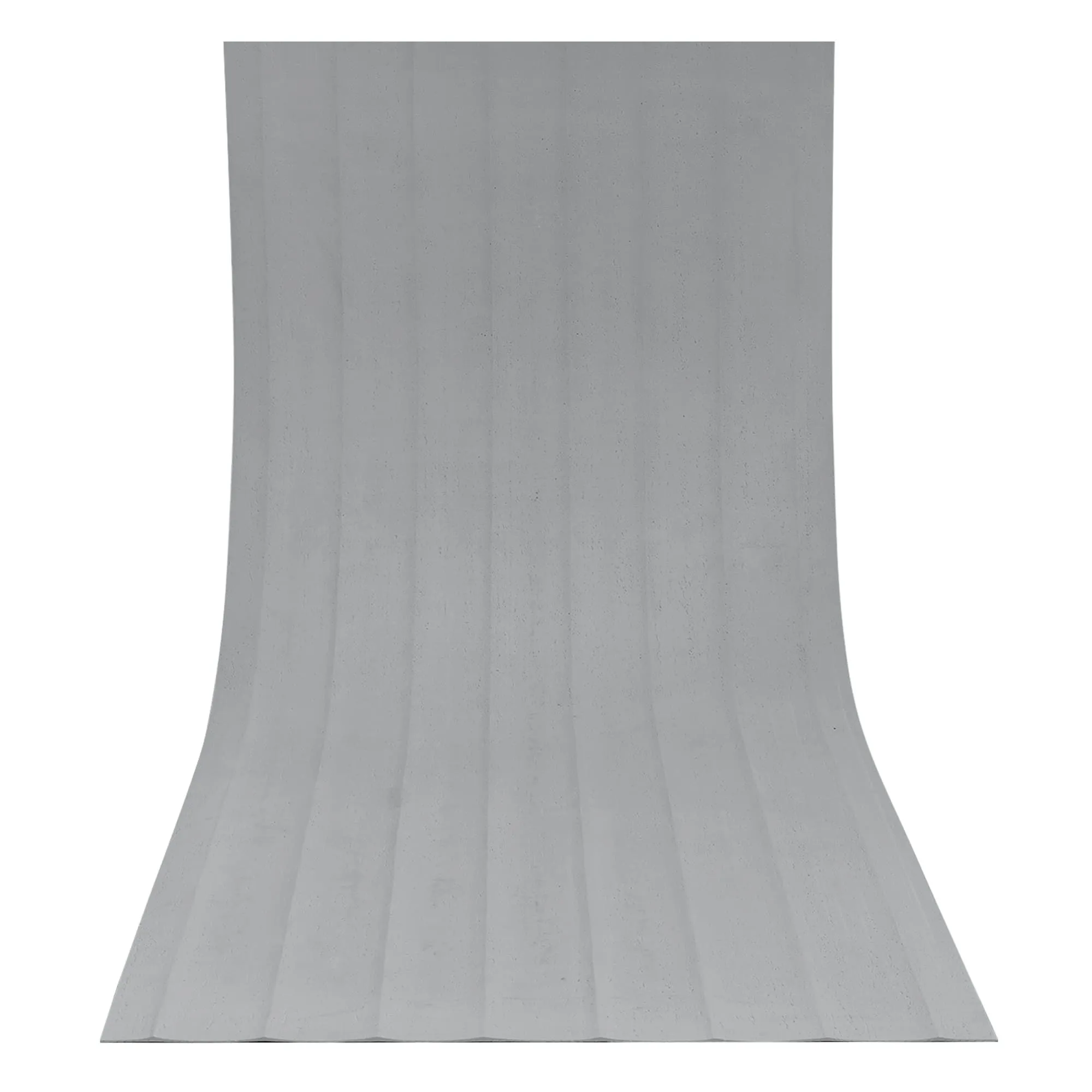
| Maximum Bend Radius | 50 cm (can curve around a 1m diameter circle) | Not bendable (cracks at >1°) | Not bendable (cracks at >3°) | Not bendable (rigid) |
| Installation Time (per m²) | 0.5-1 hour (no special tools needed) | 2-3 hours (requires cutting, reinforcing) | 1-1.5 hours (risk of breakage during cutting) | 1-2 hours (heavy lifting required) |
| Water Absorption Rate | <0.5% (resistant to mold and mildew) | 1-3% (prone to staining if unsealed) | 3-5% (requires regular sealing) | 5-8% (can absorb moisture and weaken) |
| Environmental Impact | Low carbon footprint (recyclable materials, 90% less energy to produce than natural stone) | High (quarrying, transportation, and cutting use significant energy) | Medium (firing in kilns emits CO2) | Medium (cement production is energy-intensive) |
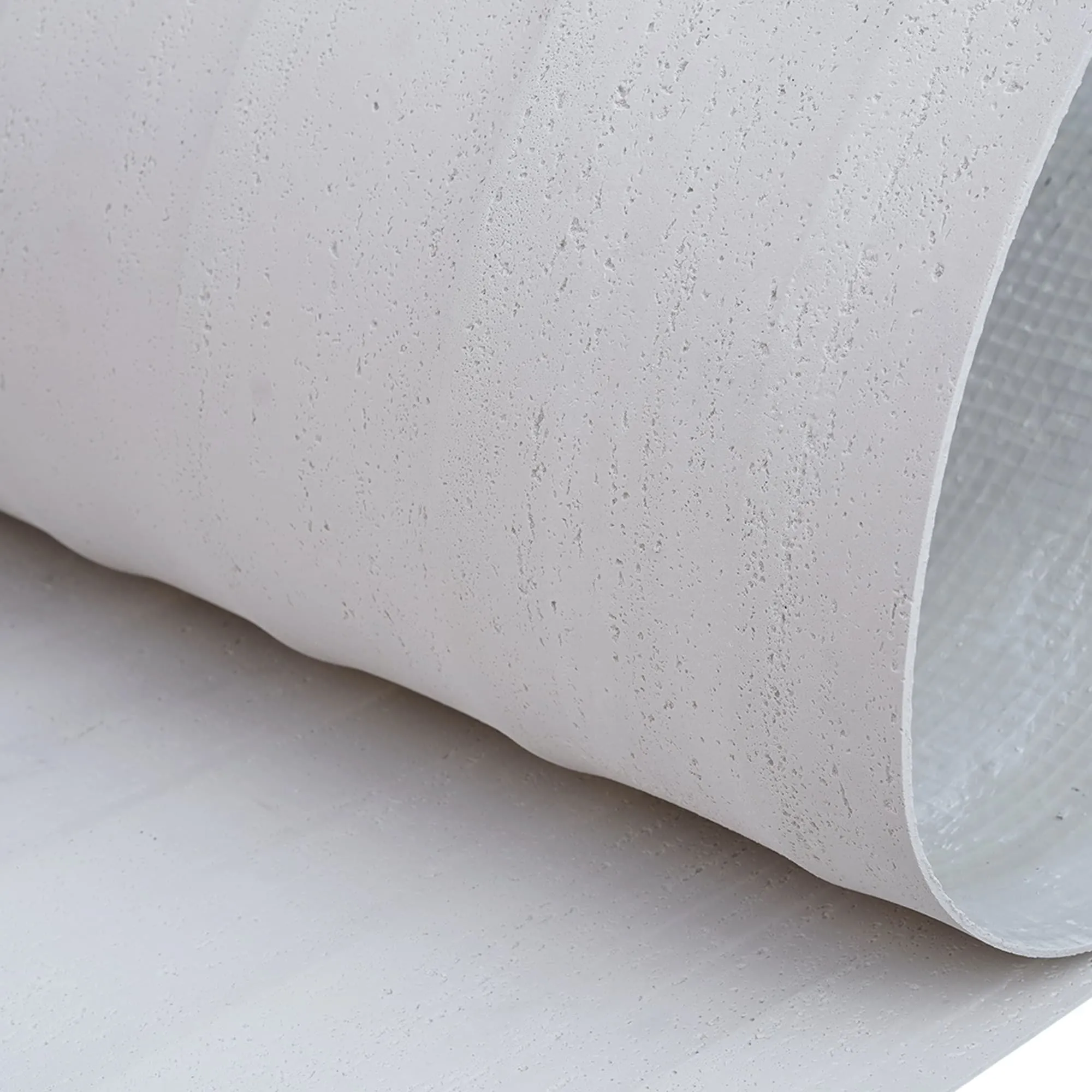
You might be wondering: How can a cement-based material bend like that? It's all in the modification process. Traditional cement is mixed with water, which reacts to form rigid crystals. MCM, however, adds a polymer binder that acts like a "flexible glue," holding the cement particles together while allowing them to shift slightly under stress. Think of it like a spider's web—strong enough to support weight, but elastic enough to sway in the wind without tearing.
The Wave Panel takes this a step further with its
thickness gradient design
. The core is reinforced with fiberglass mesh for tensile strength, while the surface layer is textured to mimic natural wave patterns. This combination means the panel can flex up to 120° (that's a full semicircle!) without delaminating or losing its finish. For architects, this isn't just a material—it's a blank canvas.
In 2024, a commercial complex in Riyadh, Saudi Arabia, wanted a facade that reflected the region's desert landscapes—specifically, the rolling sand dunes that shift with the wind. The design called for 12-meter-tall walls with continuous, wave-like curves, no straight lines allowed.
Initially, the contractor considered natural sandstone, but the weight (25 kg/m²) would have required steel reinforcements adding $300,000 to the budget. Then they turned to COLORIA GROUP's MCM Wave Panels.
The result? A 1,200 m² facade installed in just 10 days (half the time of traditional stone), with zero waste (thanks to custom-cut panels) and a weight of only 5 kg/m², eliminating the need for extra steel. Today, the "Dune Wall" is a landmark, with the Wave Panels catching the desert sun to create shifting shadows that mimic real sand dunes. As the project architect put it: "We didn't just build a wall—we built a landscape."
Wave Panels are stars on their own, but they shine even brighter when paired with COLORIA GROUP's
MCM Big Slab Board Series
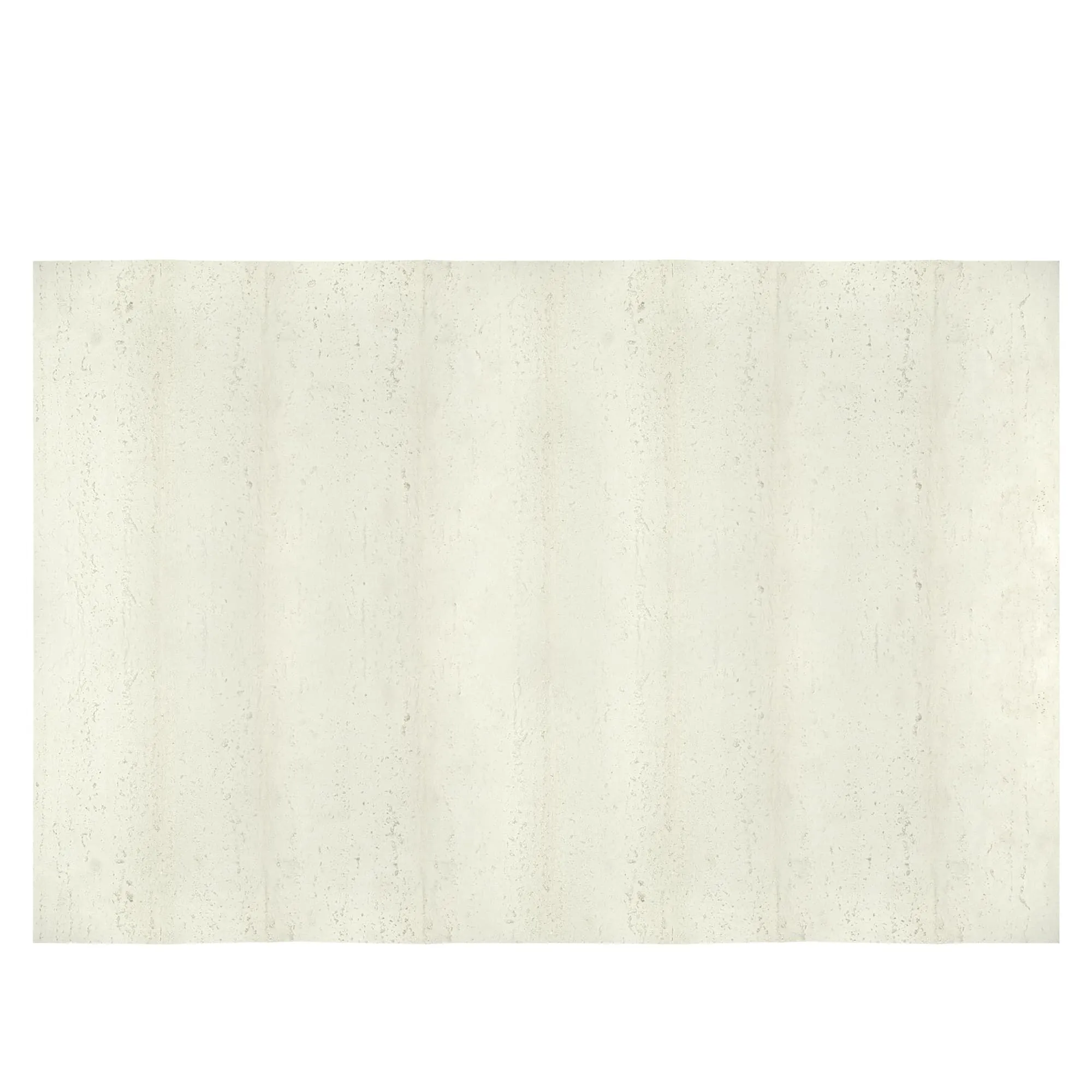
. These large-format panels (up to 3m x 1.5m) are ideal for flat or gently curved sections, creating a cohesive look with minimal seams. Imagine a building where the lower half features smooth, 3-meter-tall Big Slab Boards in a warm travertine finish, transitioning into undulating Wave Panels above—no awkward gaps, no mismatched textures, just a fluid design that feels intentional.
This versatility is why MCM Big Slab and Wave Panels are often used together in mixed-use developments. For example, a hotel might use Big Slabs for the lobby's flat walls (maximizing space and light) and Wave Panels for the reception desk backdrop (adding depth and texture). It's design harmony, made possible by materials that work as a team.
Recommend Products