
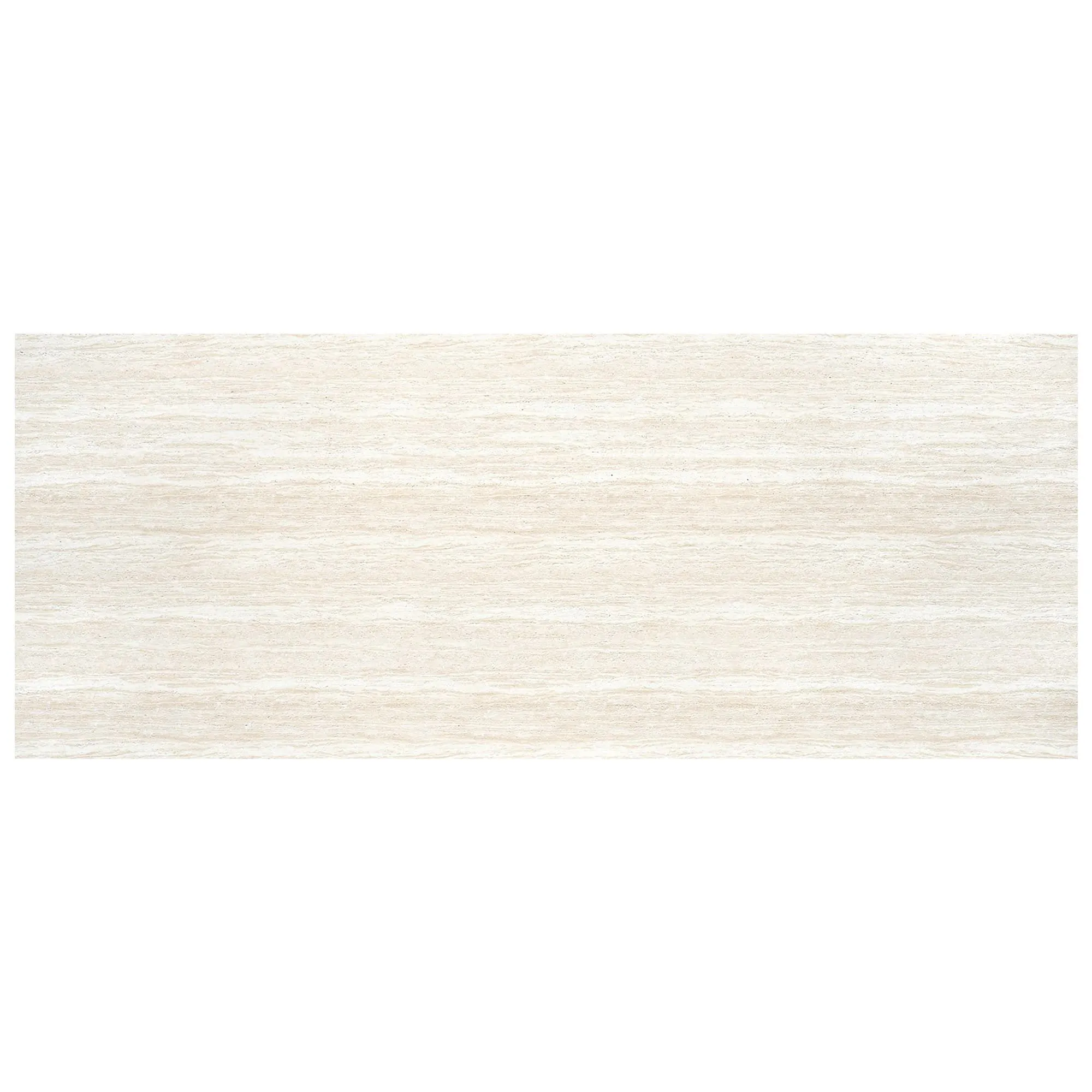
Redefining Curved Wall Design with Flexibility, Durability, and Natural Beauty
Walk into any modern architectural space today, and you'll likely notice a shift: sharp angles are making way for soft, flowing curves. Curved walls add warmth, movement, and a sense of organic harmony to interiors and exteriors alike, whether it's a boutique hotel lobby, a residential living room, or a commercial office. But here's the problem: traditional building materials weren't designed for curves. Wood, stone, concrete—these rigid materials fight against the bend, often cracking, warping, or requiring expensive custom fabrication to fit even the gentlest arc.
Take traditional wood line panels, for example. While they bring a timeless, natural look, their rigidity makes them nearly impossible to bend without splintering. Bamboo mat board, another popular natural option, fares slightly better but still lacks the flexibility to handle tight curves, often resulting in gaps or uneven edges. Even fair-faced concrete, celebrated for its industrial chic, is heavy and brittle, requiring complex formwork that drives up costs and limits design freedom. For architects and designers, the dream of seamless curved walls has long been hindered by the limitations of the materials at hand.
But what if there was a material that could bend with the wall's curve, not against it? A material that combines the beauty of natural wood with the durability of stone, all while being lightweight and easy to install? Enter MCM Flexible Wood Line—a game-changer in the world of curved wall design.
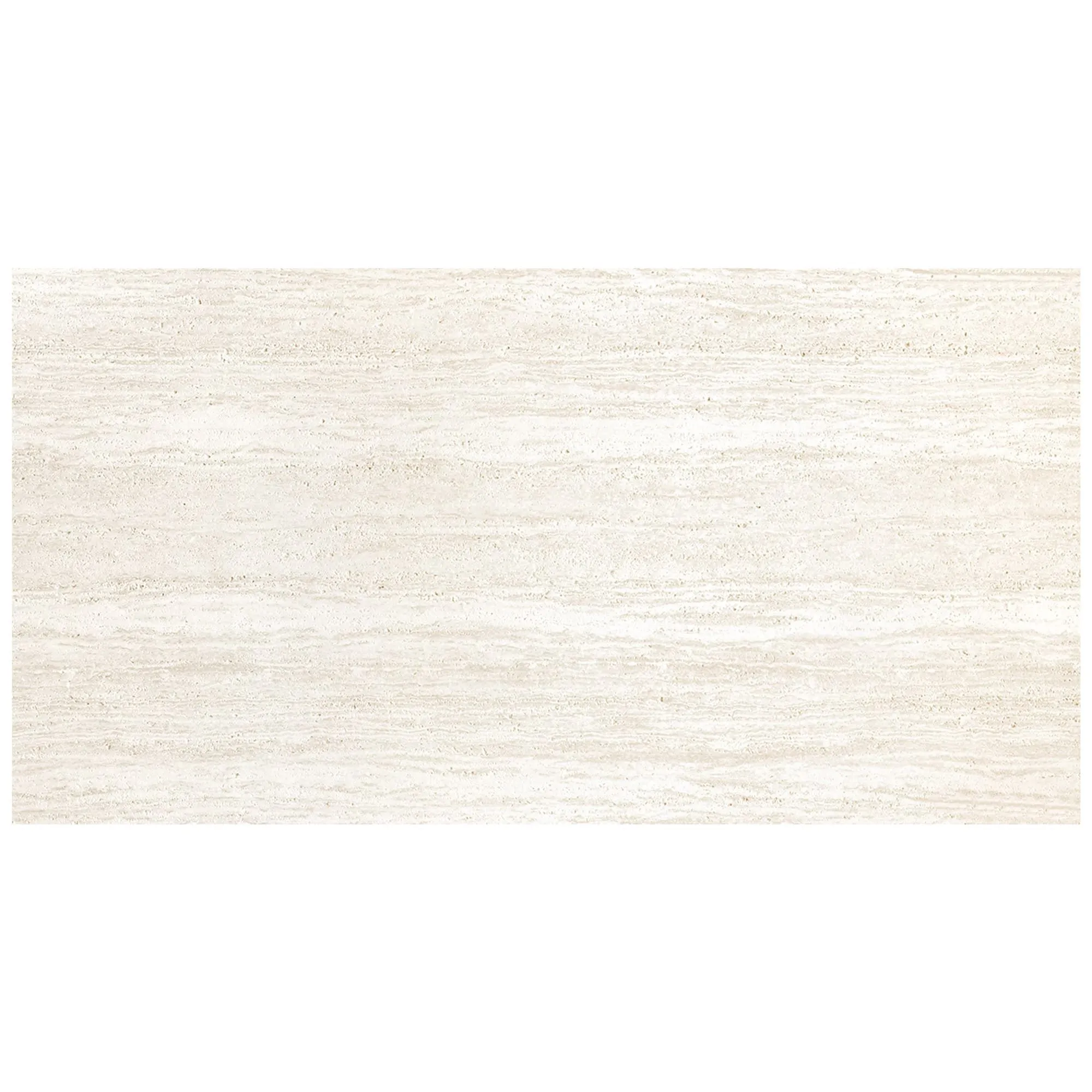
MCM, or Modified Composite Material, is a cutting-edge technology that has been transforming the construction and design industries over the past decade. At its core, MCM is a blend of natural minerals, polymers, and reinforcing fibers, engineered to mimic the look and feel of traditional materials while offering enhanced performance. MCM flexible stone, a broader category that includes MCM Flexible Wood Line, takes this a step further by prioritizing flexibility without sacrificing strength.
So, what makes MCM Flexible Wood Line different? Unlike solid wood or stone, which are dense and inflexible, this material is crafted as a thin, lightweight sheet (typically 3-5mm thick) with a rigid core and a flexible surface layer. The wood line texture is achieved through advanced 3D printing techniques that replicate the grain, knots, and warmth of real wood, right down to the subtle variations that make natural materials so appealing. But beneath that lifelike surface lies a composite structure designed to bend—without cracking—around curves as tight as 30cm in radius (that's a curve with a diameter of just 60cm!).
To put that in perspective: a standard wooden panel would snap if bent to a 50cm radius, and traditional stone would shatter at anything less than a 2-meter radius. MCM Flexible Wood Line's ability to handle tight curves opens up a world of design possibilities, from gently curved accent walls to dramatic, sweeping arches that were once only feasible with expensive custom metal or glass.
But flexibility isn't its only trick. This material is also impressively durable. It's resistant to moisture, making it suitable for bathrooms and kitchens where traditional wood would warp. It's fire-retardant, meeting strict safety codes for commercial spaces. And it's UV-stable, so exterior installations—like curved facade panels or outdoor seating walls—won't fade or degrade under the sun. Add in its lightweight nature (just 4-6kg per square meter, compared to 20-30kg for natural stone), and you have a material that's not only beautiful and flexible but also practical for both professionals and DIYers.
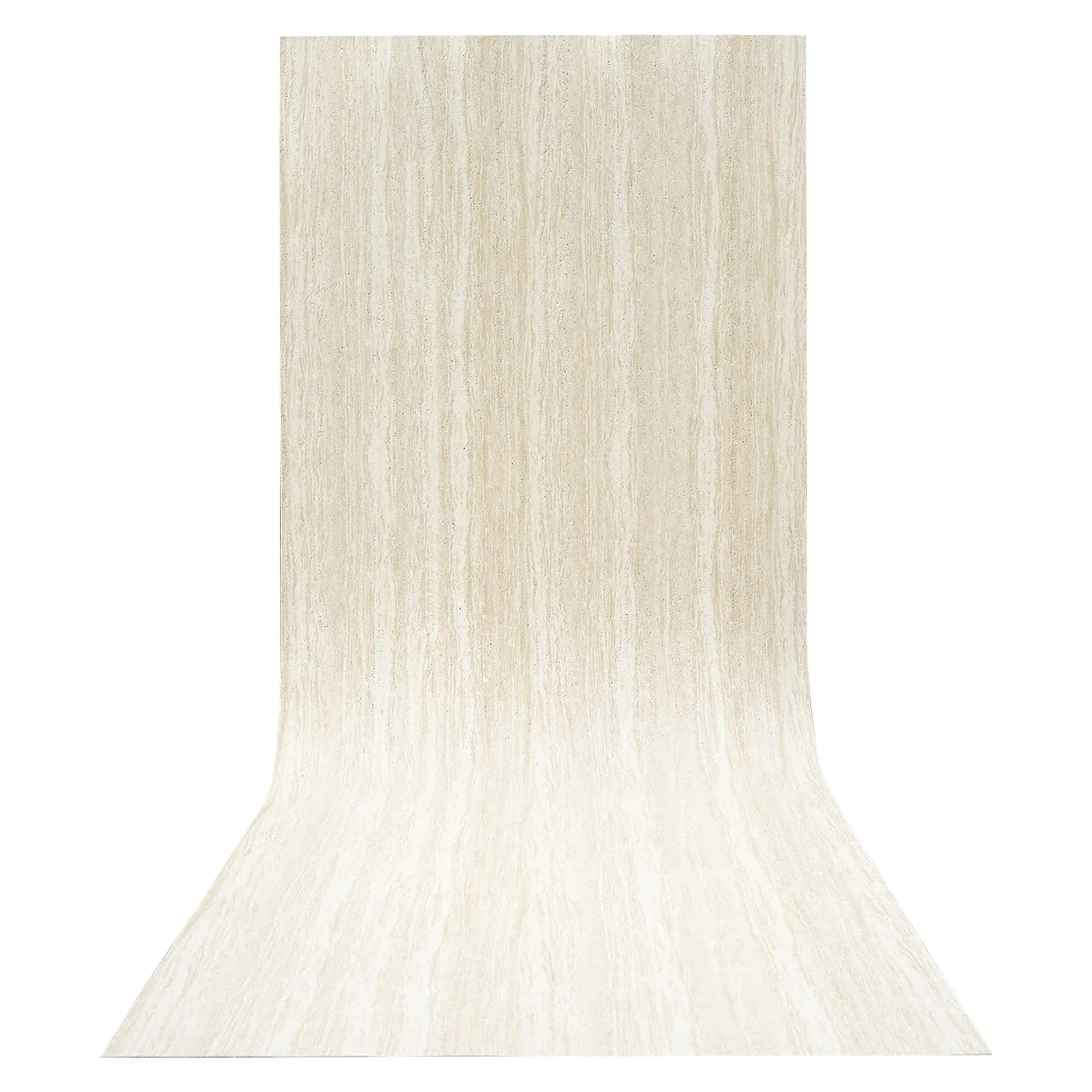
To truly appreciate MCM Flexible Wood Line, it helps to see how it stacks up against other popular wall materials. Let's break down the key factors that matter most to designers, builders, and homeowners: flexibility, weight, installation ease, durability, and cost.
| Material | Flexibility (1-10) | Weight (kg/m²) | Installation Difficulty (1-10) | Durability (1-10) | Cost (Relative) |
|---|---|---|---|---|---|
| MCM Flexible Wood Line | 9 (Bends to 30cm radius) | 4-6 | 2 (DIY-friendly) | 8 (Moisture, fire, UV-resistant) | Moderate |
| Traditional Wood Line | 3 (Bends to 1m+ radius) | 8-12 | 5 (Requires precise cutting) | 5 (Prone to warping, rot) | Low to Moderate |
| Bamboo Mat Board | 5 (Bends to 50cm radius) | 6-8 | 4 (Fragile edges) | 6 (Better moisture resistance than wood) | Moderate |
| Fair-Faced Concrete | 1 (Rigid, no bending) | 20-25 | 9 (Requires formwork, professionals) | 9 (High compressive strength) | High (Labor + materials) |
As the table shows, MCM Flexible Wood Line outperforms traditional options in flexibility, weight, and installation ease, while holding its own in durability. Its moderate cost is offset by savings in labor (no need for specialized installers) and reduced structural support requirements (thanks to its low weight). For curved walls, this isn't just a marginal improvement—it's a paradigm shift.
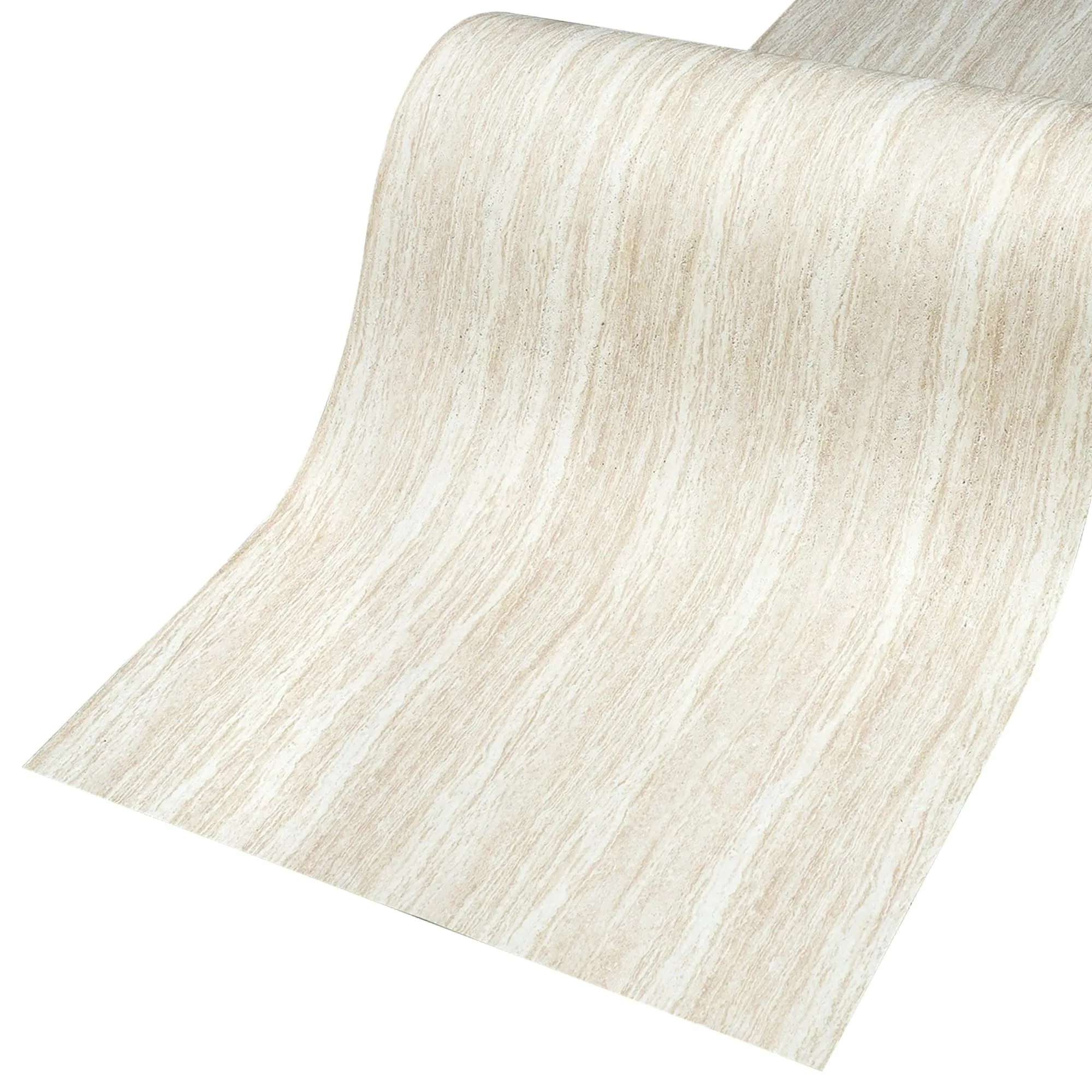
One of the most exciting things about MCM Flexible Wood Line is how accessible it is. You don't need to be a seasoned contractor to achieve professional-looking results. Whether you're a homeowner tackling a weekend project or a designer working with a tight timeline, the installation process is straightforward and stress-free. Here's how it works:
Curved walls, whether interior or exterior, need a smooth, clean base. Start by inspecting the wall for any bumps, cracks, or debris. Fill small cracks with a flexible filler (avoid rigid spackle, as it can crack when the wall moves slightly) and sand down rough spots. For exterior walls, ensure the surface is dry and free of moss or mildew—give it a quick wash with a mild detergent if needed. The goal is a flat, even surface that the MCM sheets can adhere to without air bubbles or gaps.
MCM Flexible Wood Line comes in standard sheet sizes (typically 1220mm x 2440mm, or 4ft x 8ft), but don't let that limit you. The material cuts easily with a circular saw, jigsaw, or even a sharp utility knife for straight cuts. Measure your curved wall carefully, marking the sheets with a pencil. When cutting for curves, add a 5mm buffer on the edges—you can always trim excess later, but it's harder to add material back! For tight curves, consider making small relief cuts along the back of the sheet (not the visible wood line side) to help it bend more easily. These cuts should be shallow (1-2mm deep) and spaced 2-3cm apart, like tiny notches that allow the material to flex.
Most installations use a high-quality construction adhesive designed for flexible materials. Apply the adhesive in a zigzag pattern on the back of the MCM sheet, leaving a 2cm gap around the edges to prevent squeeze-out. For extra security—especially on exterior walls or ceilings—you can use mechanical fasteners like small nails or screws, but be sure to countersink them slightly and fill the holes with wood putty (matching the wood line color) for a seamless look. For curved surfaces, start at the center of the sheet and work your way out to the edges, gently pressing the material against the wall and smoothing out any air bubbles with a rubber roller. The flexibility of the material means it will conform to the curve naturally—no forcing required.
Once the sheets are installed, trim any excess material with a utility knife or sandpaper for a clean edge. If you're joining multiple sheets, use a color-matched sealant to fill the seams—this prevents moisture from seeping in and ensures a smooth, continuous look. For a more polished finish, add corner trims or molding in a complementary style (think bamboo mat board for a natural contrast or lunar peak silvery for a modern metallic accent). And that's it! In just a few hours, you've transformed a plain curved wall into a stunning focal point.
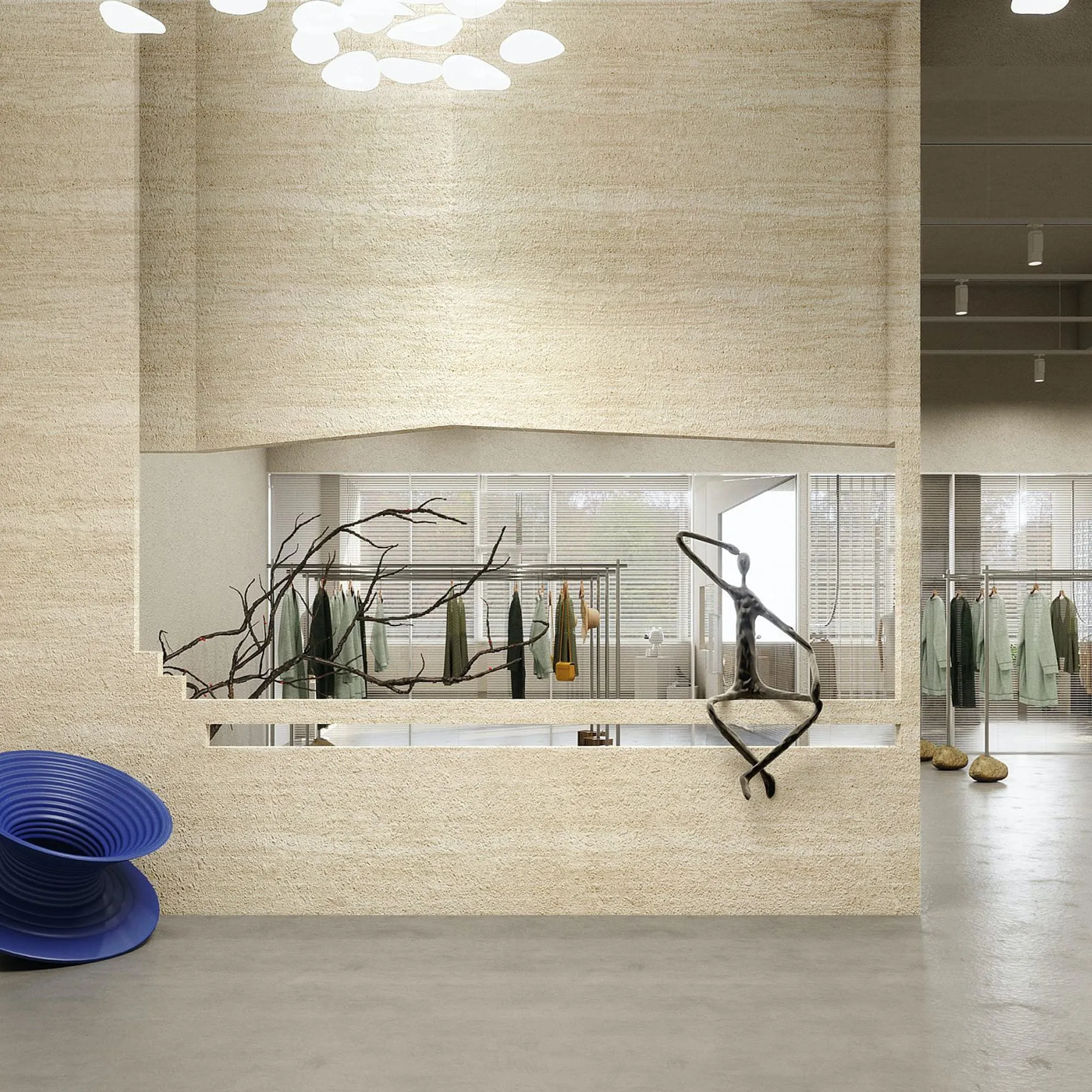
MCM Flexible Wood Line is a team player—it shines on its own, but truly comes alive when paired with other materials to create texture, contrast, and depth. Here are some design ideas to inspire your next project:
For spaces that feel cozy and earthy, combine MCM Flexible Wood Line with bamboo mat board. Use the wood line for the curved main wall and bamboo mat board for accent panels or wainscoting. The light, golden tones of bamboo complement the warm browns of the wood line, creating a space that feels like a retreat into nature. This combination works beautifully in bedrooms, home offices, or yoga studios—anywhere you want to promote relaxation. Add potted plants and soft lighting to enhance the organic vibe.
Balance soft curves with rugged texture by pairing MCM Flexible Wood Line with fair-faced concrete. Imagine a restaurant where the curved bar front is clad in wood line, while the surrounding walls are raw, unfinished concrete. The contrast between the warm, organic wood and the cool, industrial concrete creates visual tension that's both edgy and inviting. Add metal accents (like brass light fixtures or steel bar stools) to tie the look together. This combo is perfect for commercial spaces like cafes, breweries, or coworking offices that want to blend comfort with a modern, urban feel.
For a touch of luxury, pair MCM Flexible Wood Line with lunar peak silvery—a shimmering, metallic MCM finish that mimics the look of moonlit stone. Use the wood line for the lower half of a curved wall and lunar peak silvery for the upper half, separated by a thin metal trim. The wood adds warmth, while the silvery accents add a celestial glow, making the space feel elegant and otherworldly. This design works well in hotel lobbies, ballrooms, or high-end retail spaces where drama and sophistication are key. Add recessed lighting to highlight the curve and make the lunar peak silvery surface sparkle.
Blend the charm of a countryside cottage with contemporary design by combining MCM Flexible Wood Line with stone accents like muretto stone or lime stone (beige). Use the wood line for the curved walls of a living room, and add a stone fireplace surround or accent wall. The rough, textured stone contrasts with the smooth, flowing wood line, creating a space that feels both timeless and fresh. Add plush rugs, leather furniture, and vintage decor to complete the rustic modern look—ideal for residential spaces or boutique bed-and-breakfasts.
Still not convinced? Let's look at how MCM Flexible Wood Line has transformed real spaces, solving design challenges and exceeding expectations.
The Wave Café wanted to live up to its name with a space that felt fluid and dynamic. The owners dreamed of a curved interior wall that wrapped around the seating area, creating a sense of intimacy. Traditional materials were out of the question—wood line panels were too rigid, and custom curved concrete would have blown their budget. Enter MCM Flexible Wood Line in a light oak finish. The installers were able to bend the sheets to a 45cm radius, creating a smooth, wave-like wall that took just two days to install. The result? A café that feels warm and welcoming, with customers often commenting on how the curved wall makes the space feel "hugging" and inviting. Best of all, the material has held up perfectly to daily wear and tear, including spills and the humidity of Portland's rainy seasons.
A homeowner in Malibu wanted to replace the rigid, outdated wood paneling in their oceanfront home with something that could handle the coastal climate and complement the natural surroundings. They chose MCM Flexible Wood Line in a driftwood finish for a curved accent wall in the living room, which overlooks the Pacific Ocean. The material's moisture resistance was a key selling point—no more worrying about warping from salt air! The curved wall now serves as a focal point, with the wood line texture echoing the waves outside. The homeowner was so impressed that they later added MCM Flexible Wood Line to their outdoor shower walls, proving the material's versatility for both interior and exterior use.
The Nova Hotel in Dubai needed a showstopping lobby to compete with the city's luxury resorts. Their vision: a grand, curved reception desk wall that made a statement. They chose MCM Flexible Wood Line in a dark walnut finish, paired with lunar peak golden accents for a touch of glamour. The wall curves gently around the reception area, with built-in LED lighting that highlights the wood grain and makes the space feel opulent. Because MCM is lightweight, the hotel saved on structural costs—no need to reinforce the floor to support heavy stone or concrete. Guests and critics alike have praised the design, with one travel magazine calling it "a masterclass in blending warmth and luxury."
One of the best things about MCM Flexible Wood Line is that it's low-maintenance—no need for expensive treatments or constant upkeep. Here's how to keep it looking beautiful for years to come:
As architects and designers continue to push the boundaries of what's possible, flexible building materials like MCM Flexible Wood Line will only grow in popularity. The demand for organic, flowing spaces is on the rise, driven by a desire for environments that feel less sterile and more human-centered. MCM technology is evolving too—manufacturers are experimenting with new textures, colors, and even smart features (like integrated LED lighting or thermal insulation). In the next decade, we can expect to see MCM flexible stone products that are even more durable, more sustainable (with recycled materials), and more customizable than ever before.
But for now, MCM Flexible Wood Line stands as a testament to how innovation can turn design dreams into reality. It's not just a material—it's a tool that empowers creators to build spaces that are beautiful, functional, and uniquely human. Whether you're a homeowner looking to add a curved accent wall or an architect designing the next iconic building, MCM Flexible Wood Line offers the flexibility, durability, and beauty to make your vision come to life—without the cracks, the cost, or the compromise.
So, what will you create with it? The possibilities are as endless as the curves you can now build.
Recommend Products












