
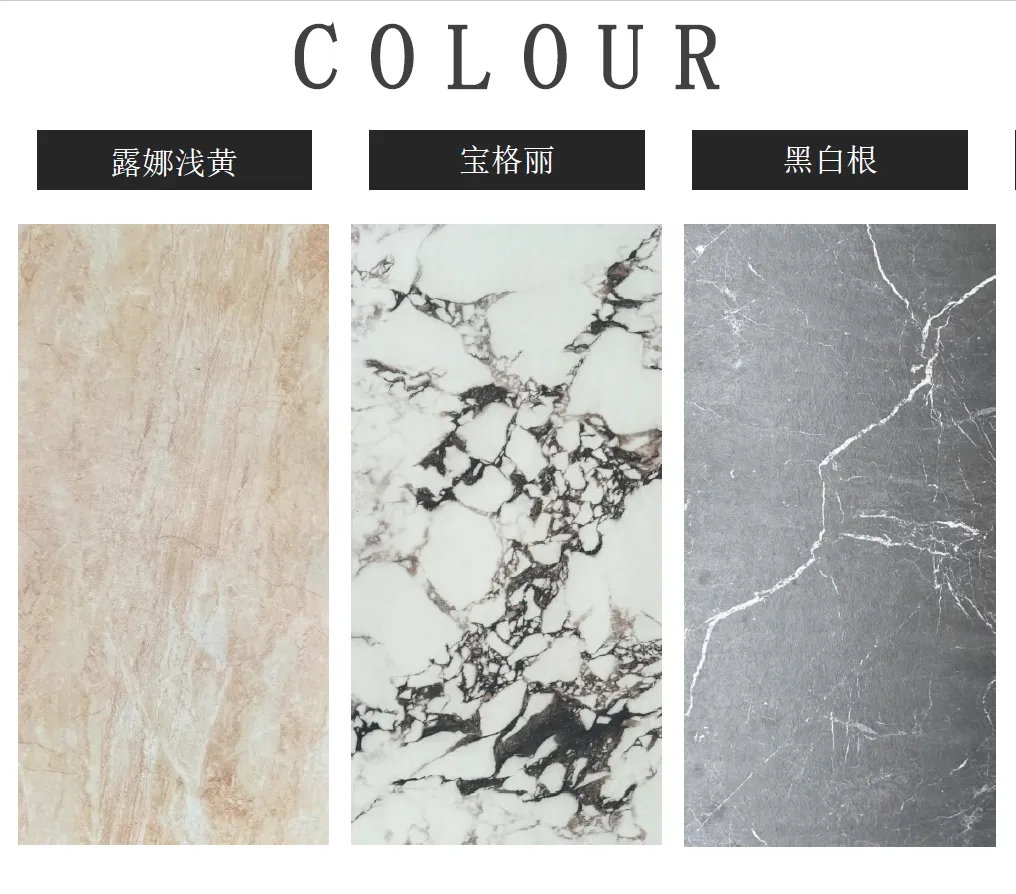
Marble has long been the gold standard of luxury in architecture and design. Its veined patterns, smooth finish, and timeless elegance have adorned everything from ancient temples to modern penthouses. But here's the thing: that beauty comes with a hidden cost—one that's been weighing on our planet for decades. Quarrying natural marble tears into the earth, leaving scars on landscapes, generating massive waste, and contributing to carbon emissions. So, what if we could have that same stunning aesthetic without the environmental guilt? Enter MCM, or modified composite materials, and their game-changing product lines. Today, we're diving into whether MCM's marble-inspired series—think flexible stone, foamed aluminium alloy boards, and travertine imitations—really are greener than the real thing. Spoiler: the answer might just change how you think about building materials forever.
Before we get into MCM, let's ground ourselves in the reality of natural marble production. Quarrying marble isn't a gentle process. Imagine (oops, scratch that—let me rephrase) Consider driving past a quarry: giant machines tearing into mountainsides, dynamite blasts echoing through valleys, and piles of discarded rock that'll never see the inside of a luxury home. That's the starting point. For every ton of usable marble, up to 5 tons of waste rock are left behind, according to the Marble Institute of America. Those quarries? They're often in fragile ecosystems, disrupting habitats and water sources. Then there's transportation: marble is heavy—really heavy. Shipping blocks from quarries in Italy, Turkey, or India to construction sites worldwide burns through fossil fuels, leaving a trail of carbon emissions. And once it's installed? Marble is porous and prone to staining, meaning it needs regular sealing with chemical treatments, and if it cracks (which it does), replacing it means starting the whole process over again. It's a cycle that's beautiful on the surface but messy underneath.
MCM stands for modified composite material—a fancy term for a blend of natural minerals, polymers, and recycled materials designed to mimic the look and feel of natural stone, wood, or metal. The magic of MCM lies in its manufacturing process: instead of hacking away at mountains, MCM products are engineered in controlled facilities, using less energy, generating less waste, and often incorporating recycled content. They're lightweight, flexible, and durable—qualities that not only make them easier to work with but also kinder to the planet. MCM manufacturers like to say they're "copying nature, not conquering it," and honestly? It's a philosophy that resonates more each day as sustainability becomes a non-negotiable in design.
Let's break down why MCM might just be the eco-warrior of building materials. First, production. MCM is made by mixing natural stone powders (often recycled from quarry waste, by the way) with polymers to create a thin, flexible sheet. This process uses up to 70% less energy than traditional stone quarrying and cutting, according to industry reports. Since MCM sheets are lightweight—sometimes up to 80% lighter than natural stone—transportation becomes a breeze. Less weight means fewer trucks on the road, less fuel burned, and lower carbon emissions. And because they're flexible, they can be curved, bent, and installed with minimal cutting, which translates to less on-site waste. No more piles of discarded stone fragments at construction sites—just precise, efficient installation.
Durability is another win. MCM products are designed to withstand the elements: rain, wind, UV rays, even extreme temperatures. Unlike natural marble, which can chip or stain, MCM resists wear and tear, meaning buildings stay beautiful longer without the need for frequent replacements. And when they do reach the end of their life? Many MCM materials are recyclable, closing the loop on waste. Compare that to natural marble, which, once damaged, often ends up in landfills. It's a small shift in materials, but it adds up to a big difference for the planet.
Now, let's get specific. MCM isn't just a single product—it's a family of materials, each with its own environmental perks. Let's zoom in on a few standout series that are making waves in sustainable design.
Flexible stone is exactly what it sounds like: thin, bendable sheets that look and feel like natural stone but weigh a fraction of the real thing. Take MCM's flexible stone series—think options like "Lunar Peak Silvery" or "Masonry Stone." These sheets are made by compressing stone powder, recycled polymers, and fibers into a material that's less than 3mm thick but incredibly strong. Here's why that matters for the environment: because it's lightweight, a single truck can carry 10 times more flexible stone than natural stone, slashing transportation emissions. It's also easy to install—no need for heavy machinery or specialized labor—and can be applied to curved surfaces, reducing the need for custom-cut stone (and the waste that comes with it). Plus, since it's made with recycled stone powder, it's diverting waste from quarries that would otherwise end up in landfills. It's a win-win: you get the texture of natural stone without the environmental toll of quarrying.
Next up: MCM's foamed aluminium alloy boards, available in vintage silver, gold, and classic gold. Aluminium is already one of the most recyclable materials on the planet—recycling it uses 95% less energy than producing it from raw ore. But MCM takes it a step further with their foamed version. The "foamed" part means the material is filled with tiny air pockets, making it lightweight but surprisingly durable. This not only reduces transportation emissions but also makes installation easier, cutting down on construction time (and thus energy use). And because it's 100% recyclable, at the end of its life, that "Vintage Gold" board can be melted down and turned into a new product, no new ore needed. Compare that to natural marble, which is essentially a one-and-done material—once it's broken or outdated, it's trash. Aluminium's circular lifecycle is a huge environmental advantage, and MCM's foamed version maximizes that.
Travertine is another natural stone favorite, prized for its porous texture and earthy tones. MCM's travertine series—including stunning options like "Starry Green," "Starry Red," and "Vintage Silver"—replicates that look using a blend of natural minerals and recycled materials. What's cool about these is that they capture the unique "starry" effect of natural travertine (those tiny holes formed by gas bubbles in the stone) without ever touching a quarry. Instead of extracting travertine from fragile limestone deposits, MCM engineers the texture in a lab, using molds and colorants that mimic the real thing. The result? A material that's just as visually striking but uses a fraction of the energy and generates almost no waste. Plus, MCM travertine is non-porous, so it doesn't need sealing, and it's resistant to staining—meaning it lasts longer and requires fewer chemicals over its lifetime. It's proof that you don't have to destroy a landscape to bring a landscape's beauty indoors.
Words are great, but sometimes you need data to see the difference. Let's put natural marble and MCM head-to-head in a few key environmental categories.
| Environmental Factor | Natural Marble | MCM (e.g., Flexible Stone, Foamed Aluminium) |
|---|---|---|
| Extraction Impact | High: Quarrying disrupts ecosystems, generates 5x waste per ton of usable stone. | Low: Uses recycled stone powder and polymers; no mining or quarrying. |
| Energy Use in Production | High: Requires heavy machinery, cutting, and polishing; high electricity use. | Low: Engineered in controlled facilities with 70% less energy than natural stone production. |
| Transportation Emissions | High: Heavy weight means more fuel burned per unit of material. | Low: Lightweight (80% lighter than natural stone) reduces trucking needs and emissions. |
| Waste Generation | High: On-site cutting and shaping create significant waste; non-recyclable. | Low: Pre-cut sheets minimize installation waste; many products are recyclable. |
| Durability & Lifespan | Moderate: Prone to staining, cracking, and requires frequent sealing; 10-20 year lifespan. | High: Resistant to stains, UV rays, and impact; 30+ year lifespan with minimal maintenance. |
Looking at that table, it's clear: MCM isn't just marginally better for the environment—it's a paradigm shift. From extraction to installation to end-of-life, MCM materials are designed to minimize harm at every step.
It's one thing to talk about environmental benefits on paper, but it's another to see them in action. Let's take a quick look at how MCM is being used in real projects to reduce carbon footprints. In Dubai, a recent hotel renovation swapped traditional marble cladding for MCM's "Gobi Panel" and "Fair-Faced Concrete" series. The result? The project's transportation emissions dropped by 60% because the MCM materials were lighter and sourced locally. In New York, a residential high-rise used MCM's "Travertine (Starry Blue)" for its lobby walls, avoiding the need to import 200 tons of natural travertine from Turkey. That alone saved an estimated 15 tons of CO2 emissions from shipping. And in Tokyo, a sustainable office building chose MCM's foamed aluminium alloy boards (vintage silver) for its facade, knowing that at the end of the building's life, those boards can be recycled into new materials. These aren't small changes—they're proof that choosing MCM can have a tangible, measurable impact on the planet.
Let's circle back to the question we started with: Is MCM's marble series greener than natural marble? The answer, based on everything we've covered, is a resounding yes. MCM materials like flexible stone, foamed aluminium alloy boards, and travertine imitations offer the same aesthetic appeal as natural marble but with drastically lower environmental impact. They reduce quarrying waste, cut transportation emissions, use less energy in production, and last longer—all while diverting materials from landfills. Could MCM be perfect? No—no material is. But compared to natural marble, which has been harming the planet for centuries, MCM is a giant leap forward.
At the end of the day, choosing building materials is about more than just looks. It's about the legacy we leave—for our communities, our planet, and future generations. MCM isn't just a trend; it's a reminder that beauty and sustainability don't have to be enemies. So the next time you're designing a space, whether it's a home, an office, or a public building, ask yourself: Do I want to contribute to a cycle of environmental harm, or do I want to be part of the solution? With MCM, the answer is clear. Here's to building a world where luxury and sustainability go hand in hand—one flexible stone sheet, one foamed aluminium panel, one starry travertine wall at a time.
Recommend Products












