
In cities from Dubai to Tokyo, Sydney to New York, a quiet revolution is unfolding in the world of construction. Architects, developers, and designers are no longer settling for the limitations of traditional building materials. They're seeking something that marries durability with beauty, sustainability with versatility, and practicality with bold design vision. Enter the MCM Marble Series—a collection of engineered materials that's quickly becoming the go-to choice for global projects. But what makes it so special? Let's dive in, step by step, and explore why this series is redefining what's possible in modern architecture.
Let's start with the basics. MCM stands for Modified Composite Material, a cutting-edge technology that blends natural minerals, high-performance polymers, and advanced manufacturing techniques. Unlike traditional marble or stone, which is quarried and cut from the earth, MCM is engineered in a lab to address the very flaws that have long frustrated builders: weight, brittleness, installation complexity, and environmental impact. The Marble Series takes this innovation a step further by replicating the timeless elegance of natural stone—think the veining of marble, the texture of travertine, the rugged charm of granite—while adding a host of modern upgrades. It's not just a material; it's a solution to the daily headaches of global construction.
What sets the MCM Marble Series apart from, say, a slab of Italian marble or a sheet of traditional ceramic tile? Let's break down the benefits that have architects raving:
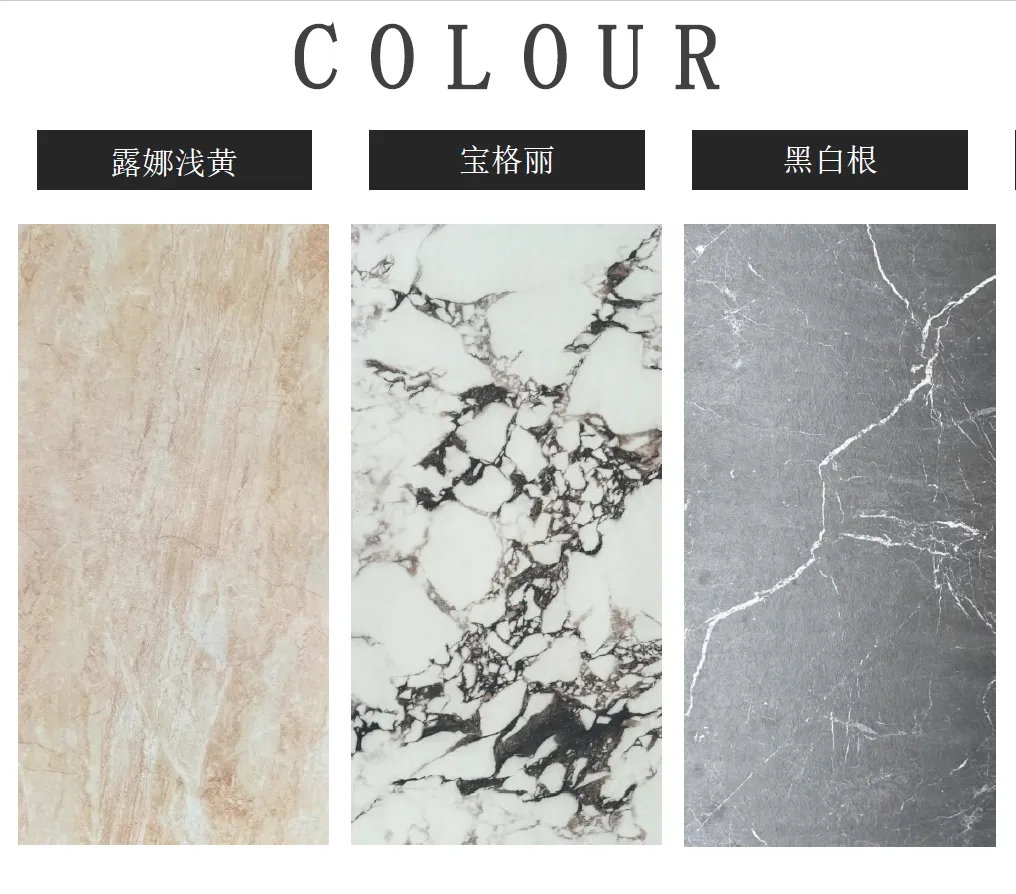
With so many options in the MCM Marble Series, it's hard to pick favorites—but a few collections have emerged as stars in global projects. Let's shine a light on the ones turning heads:
Ever walked into a luxury hotel lobby and marveled at the seamless, floor-to-ceiling stone walls? Chances are, those massive slabs were once a logistical nightmare—until the MCM Big Slab Board Series came along. These panels come in sizes up to 3 meters by 1.5 meters, eliminating the need for unsightly grout lines or multiple seams. For projects like airports, convention centers, or high-end retail spaces, this means a cleaner, more immersive design. Plus, because they're lightweight, installing these "mega-slabs" doesn't require heavy machinery or reinforced structures. A recent project in Singapore's Marina Bay Sands expansion used the Big Slab Series for its exterior cladding, cutting installation time by 40% compared to traditional granite.
If you're designing a building that needs to stand out in a skyline, look no further than Lunar Peak Silvery . This finish mimics the soft, iridescent glow of moonlight on stone—cool, metallic, and undeniably futuristic. It's become a staple for high-rise exteriors in cities like Shanghai and Chicago, where architects want buildings that shift appearance with the time of day: silvery-gray at noon, warm blue-tinged at dusk. One notable example? The 2024 renovation of the Chicago Tribune Tower, where Lunar Peak Silvery panels replaced outdated limestone, giving the historic structure a contemporary edge without losing its heritage charm.
Travertine is a classic for a reason—its porous, honeycomb texture adds warmth to any space. But the travertine (starry blue) variant in the MCM series takes it to a new level. Tiny, iridescent particles are embedded into the material, creating the illusion of stars twinkling in a deep blue sky. It's perfect for hospitality projects: think a rooftop bar in Bali, a spa in the Maldives, or a boutique hotel in Santorini. Designers love it because it's bold but not overwhelming—just enough "wow" factor to make guests stop and stare. And unlike natural blue travertine (which is rare and expensive), MCM's version is affordable and consistent in color, so every panel matches perfectly.
Still on the fence? Let's put MCM head-to-head with traditional building materials. The table below compares key factors that matter most to global project teams:
| Factor | MCM Marble Series | Natural Marble | Traditional Ceramic Tiles |
|---|---|---|---|
| Weight (per sq.m) | 4-6 kg | 20-30 kg | 15-20 kg |
| Installation Time | 30% faster (no heavy lifting) | Slow (requires specialized labor) | Moderate (grouting needed) |
| Durability (UV/Weather Resistance) | 50+ years (no fading/cracking) | 20-30 years (prone to staining/etching) | 15-25 years (chipping at edges) |
| Carbon Footprint | Low (70% recycled materials, minimal waste) | High (quarrying, transportation) | Moderate (firing in kilns) |
| Design Customization | Unlimited (colors, textures, sizes) | Limited (natural variation, rare colors) | Moderate (standard patterns) |
Numbers tell part of the story, but real projects tell the rest. Let's look at three recent examples where the MCM Marble Series stole the show:
The Azure Sands Hotel, a luxury beachfront property in Dubai, wanted its lobby to feel like "stepping into a celestial oasis." The design team chose travertine (starry blue) panels for the feature wall behind the reception desk. The result? A 12-meter-wide wall that shimmers like a starry night, complemented by warm lighting and white marble floors. Because MCM is lightweight, the installation took just 3 days (compared to 2 weeks for natural stone), and the panels have held up perfectly against the humid Dubai climate—no fading, no water damage, and zero maintenance headaches.
Renovating a 17th-century palazzo in Rome is no small feat. The goal was to preserve the building's historic charm while updating its interiors for modern offices. The team turned to the MCM flexible stone collection, specifically the muretto stone (beige) finish, which mimics the weathered, sun-baked texture of traditional Roman stone walls. Because MCM is flexible, it could be applied to the palazzo's uneven, curved walls without cracking—something natural stone would never tolerate. The result? A space that feels both ancient and new, with zero damage to the original structure.
For the Nexus Tower, a LEED Platinum-certified office building in Seattle, sustainability was non-negotiable. The architects chose fair-faced concrete panels from the MCM series for the exterior, paired with lunar peak silvery accents. The fair-faced concrete finish gave the building an industrial, eco-conscious vibe, while the Lunar Peak panels added a sleek, modern contrast. Thanks to MCM's low carbon footprint and recyclable materials, the project earned extra LEED points—and the building's energy-efficient design (made possible by MCM's insulating properties) has cut heating/cooling costs by 22% annually.
In an era where "green building" is no longer optional, the MCM Marble Series walks the walk. Let's break down why it's a favorite among eco-focused teams:
At the end of the day, global projects demand materials that can keep up with global demands: materials that are tough enough for harsh climates, beautiful enough for iconic designs, and responsible enough for a planet we're all trying to protect. The MCM Marble Series isn't just keeping up—it's leading the charge. Whether you're building a skyscraper in Dubai, a boutique hotel in Bali, or a historic renovation in Rome, this series offers something traditional materials can't: peace of mind. No more stressing over cracked stone, missed deadlines, or sky-high costs. Just innovative, beautiful, sustainable solutions that let your vision take center stage.
So, to the architects, developers, and dreamers out there: The next time you're planning a project that needs to stand out on the global stage, ask yourself: Why settle for the old way when the future of building is already here? The MCM Marble Series isn't just a material—it's your partner in building something extraordinary.
Recommend Products












