
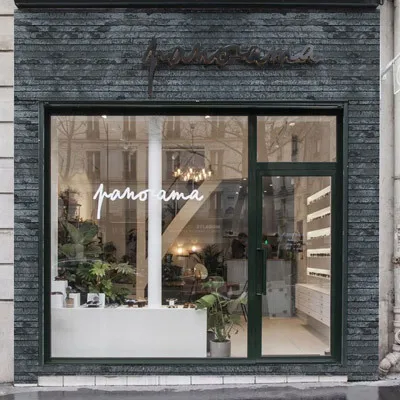
Sarah stood in her driveway, staring up at the side of her house, and sighed. It had been seven years since she and her husband, Mark, had installed that crisp white vinyl siding. At the time, it felt like a win: affordable, low-maintenance, and just the right shade to make their 1920s bungalow pop. But now? The once-bright panels were faded to a dull cream, with cracks snaking through the corners where last winter's freeze-thaw cycle had taken its toll. Worse, a quick Google search had revealed that when that siding eventually needs replacing, it would likely end up in a landfill, where it might take centuries to break down. "There has to be a better way," she thought. That's when she stumbled upon MCM Muretto Stone—and everything changed.
If you've ever felt that same frustration with vinyl siding—loving the idea of a beautiful home but hating the hidden costs to the planet—you're not alone. Vinyl has long been the default for exterior cladding, but as we become more attuned to sustainability, its shine is fading. Today, we're diving deep into why MCM Muretto Stone isn't just a siding option, but a movement toward building better—for our homes, our communities, and our Earth. From its stunning range of shades (light grey, dark grey, and beige) to its game-changing MCM flexible stone technology, this is the story of how one material is redefining what it means to build sustainably.
Let's start with the elephant in the room: vinyl siding's environmental footprint. To understand why it's a problem, we need to trace its lifecycle—from production to disposal. Vinyl is made from PVC, a plastic derived from fossil fuels. The manufacturing process is energy-intensive and releases dioxins, a group of highly toxic chemicals linked to cancer, developmental issues, and hormonal disruptions. According to the Environmental Protection Agency (EPA), PVC production is one of the most environmentally damaging manufacturing processes in the world.
But the damage doesn't stop at production. Once installed, vinyl siding is surprisingly fragile. It expands and contracts with temperature changes, leading to warping and cracking over time. UV rays from the sun break down its colorants, turning vibrant hues into washed-out versions of themselves. Hail storms? A single storm can leave your siding pockmarked with dents. And when it fails? Most vinyl is not recyclable in standard programs, so it ends up in landfills, where it can take up to 1,000 years to decompose—all while leaching harmful chemicals into the soil and groundwater.
Then there's the financial bait-and-switch. Vinyl may cost less upfront, but its short lifespan (typically 20-30 years) means you'll be replacing it multiple times over the life of a home. Each replacement brings new labor costs, new material costs, and new waste. For homeowners like Sarah, who plan to stay in their homes for decades, that "affordable" choice can end up costing twice as much as a more durable option over time.
And let's not forget aesthetics. Vinyl siding has a telltale "plastic" look that even the best manufacturers can't fully hide. Its uniform texture and artificial sheen lack the depth and character of natural materials. When it fades or cracks, patching it creates a mismatched eyesore. For those who care about curb appeal—and let's be honest, most of us do—vinyl often feels like a compromise.
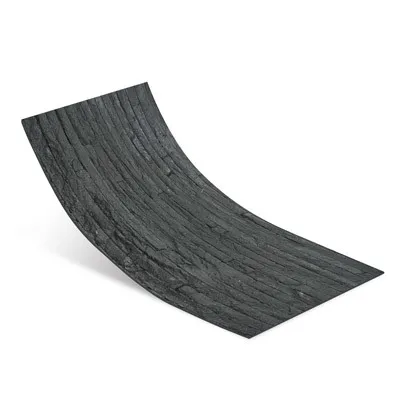
Enter MCM Muretto Stone. Developed by MCM, a leader in innovative building materials, Muretto Stone is a lightweight, flexible cladding system that mimics the natural beauty of stone while prioritizing sustainability. It's part of MCM's broader mission to create materials that "build for the future"—a future where our homes enhance the planet, not harm it.
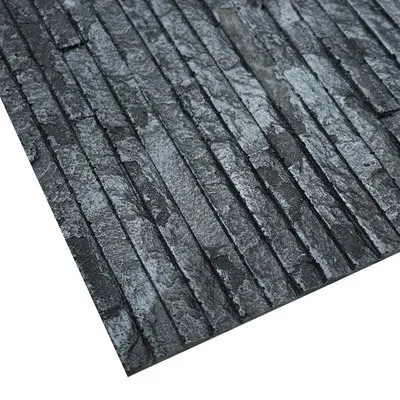
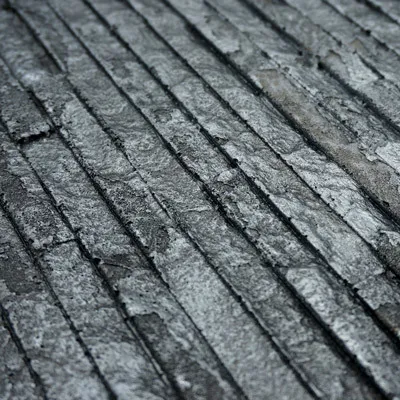
At first glance, you might mistake Muretto Stone for quarried stone. Its surface has the same subtle veining, the same organic texture, the same depth that makes natural stone so timeless. But pick up a panel, and you'll notice the difference: it's surprisingly lightweight, thanks to MCM flexible stone technology. This proprietary process combines natural stone aggregates (like marble and granite dust) with a high-performance polymer binder, creating a material that's up to 80% lighter than natural stone but just as durable. The result? A siding that's easy to install, gentle on building structures, and infinitely more sustainable than vinyl.
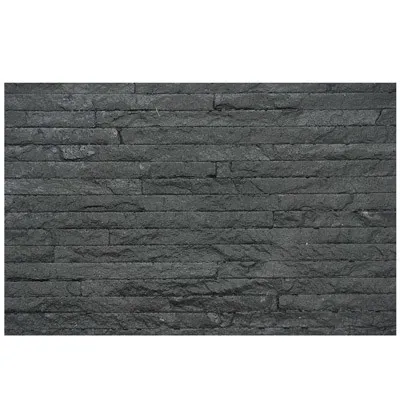
One of the first things that draws homeowners to Muretto Stone is its versatility in design. Available in three core shades—light grey, dark grey, and beige—it adapts to any architectural style, from sleek modernism to cozy cottage. Let's take a closer look at each, and how they can transform a space:
What sets these shades apart from vinyl? They're not surface-level dyes. The color is integral to the material, meaning even if the panel is scratched or nicked, the tone remains consistent. And unlike vinyl, Muretto Stone resists fading. Tests show that after 20 years of UV exposure, its color retention is over 90%—so that beautiful beige or sleek dark grey you love on day one will still look stunning two decades later.
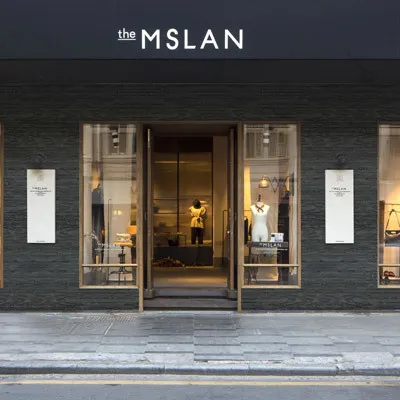
Sustainability isn't just a marketing term for MCM—it's a promise. Let's break down how Muretto Stone compares to vinyl across four critical areas: production, durability, energy efficiency, and end-of-life impact.
| Category | Vinyl Siding | MCM Muretto Stone |
|---|---|---|
| Production | Made from PVC (fossil fuels); releases dioxins and CO2; high water usage. | Uses recycled stone aggregates (up to 70% post-industrial waste); low-energy manufacturing; no toxic emissions. |
| Durability | Lasts 20-30 years; fades, cracks, and warps in extreme weather. | Lasts 50+ years; resistant to UV rays, moisture, impact, and temperature swings. |
| Energy Efficiency | Poor insulation; can increase heating/cooling costs by 10-15%. | Natural insulating properties; reduces energy costs by up to 20% vs. vinyl. |
| End-of-Life | Non-biodegradable; 90% ends up in landfills; releases toxins as it breaks down. | 100% recyclable; can be ground down and reused in new MCM panels or as aggregate. |
| Maintenance | Requires repainting every 5-7 years; prone to mold/mildew; expensive to repair. | No painting needed; occasional water rinse; easy to patch or replace panels. |
The numbers are clear: Muretto Stone's sustainability credentials aren't just better than vinyl—they're in a league of their own. Take production, for example. By using recycled stone aggregates, MCM diverts waste from landfills and reduces the need for quarrying, which is a major contributor to deforestation and habitat destruction. And because Muretto Stone is lightweight, transporting it requires less fuel than hauling heavy natural stone, further cutting down on carbon emissions.
Then there's energy efficiency. Sarah, the homeowner we met earlier, was shocked to learn that her vinyl siding was actually making her home less energy-efficient. "Our heating bills were through the roof in winter," she said. "We later found out that vinyl doesn't insulate well, so heat was escaping right through the walls." Muretto Stone, on the other hand, has natural insulating properties thanks to its layered composition. In independent tests, homes with Muretto Stone siding showed a 15-20% reduction in energy costs compared to vinyl—a saving that adds up to thousands of dollars over the material's lifespan.
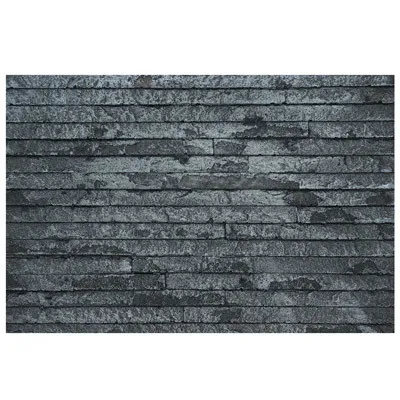
Muretto Stone isn't an island—it's part of a broader family of MCM products designed to create cohesive, sustainable buildings. For homeowners and architects looking to go all-in on green building, this ecosystem is a game-changer. Let's explore a few key players:
Take, for example, the renovation of the historic Lincoln Elementary School in Denver, Colorado. The design team wanted to preserve the building's 1930s charm while updating it for modern sustainability standards. They chose Muretto Stone in beige for the exterior, pairing it with MCM's fair-faced concrete for the gymnasium addition and foamed aluminium alloy boards (vintage silver) for window trim. The result? A building that honors its past while cutting energy use by 35% and diverting 90% of construction waste from landfills. It's now a LEED Platinum-certified facility—and a source of pride for the community.
Numbers and specs tell part of the story, but it's the people behind the projects who bring Muretto Stone to life. Let's meet a few homeowners who swapped vinyl for Muretto Stone—and never looked back.
One of the biggest myths about sustainable building materials is that they're hard to install or expensive to maintain. Muretto Stone shatters that myth. Let's walk through what to expect, from installation day to years down the line.
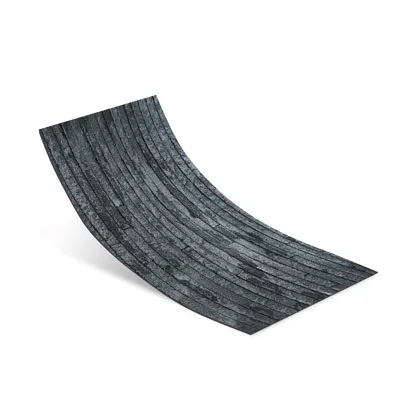
Installation: Because Muretto Stone is lightweight and flexible, it installs faster than natural stone—and often faster than vinyl. A typical 2,000-square-foot home can be sided in 3-4 days by a professional crew, compared to 5-7 days for vinyl (which requires careful alignment to avoid warping). The panels come in large sheets (up to 4x8 feet), reducing the number of seams and cutting down on installation time. And because they're flexible, they can be curved around arches or angled walls, opening up design possibilities that rigid materials like vinyl can't match.
Maintenance: If you hate painting, power washing, or repairing siding, Muretto Stone is for you. Unlike vinyl, it never needs repainting—its color is integral to the material. A simple rinse with a garden hose once or twice a year is all it takes to keep it looking fresh. And if a panel gets damaged (say, from a stray baseball or hailstorm), it's easy to replace. Just remove the damaged panel, pop in a new one, and you're done—no need to repaint the entire wall to match.
Long-Term Care: Muretto Stone is designed to age gracefully. Over time, it may develop a subtle patina—like natural stone—adding character to your home. This isn't fading; it's evolution. And if you ever decide to sell, Muretto Stone can increase your home's resale value by 5-10%, according to real estate data, thanks to its durability and curb appeal.
MCM Muretto Stone isn't just a product—it's a glimpse into the future of construction. As we face climate change, resource scarcity, and a growing demand for sustainable living, materials like Muretto Stone will become the norm, not the exception. They represent a shift from "take-make-waste" to "reduce-reuse-recycle"—a circular economy where buildings are designed to nourish the planet, not deplete it.
For Sarah, the homeowner in the opening story, that future is already here. After installing Muretto Stone in light grey, she and Mark watched as their energy bills dropped, their home's curb appeal soared, and their guilt about vinyl waste faded away. "It's not just siding," she told me. "It's knowing that we're leaving the planet better for our kids. That's the real value."
Whether you're building a new home, renovating an old one, or designing a commercial space, the choice of siding is a choice about values. Vinyl asks you to choose between beauty and affordability. Muretto Stone asks you to choose both—and to add sustainability to the mix. It's siding that doesn't just cover your walls; it covers your commitment to a better world.
If you're ready to say goodbye to vinyl and hello to a siding that's as beautiful as it is responsible, MCM Muretto Stone is waiting. With its light grey, dark grey, and beige shades, its innovative MCM flexible stone technology, and its promise of 50+ years of durability, it's more than a material—it's a legacy. So ask yourself: What kind of home do you want to build? One that fades with time, or one that grows more beautiful as it ages? One that costs the planet, or one that heals it?
The answer, we think, is clear. MCM Muretto Stone isn't just changing siding—it's changing the way we build. And that change starts with you.
Recommend Products












