
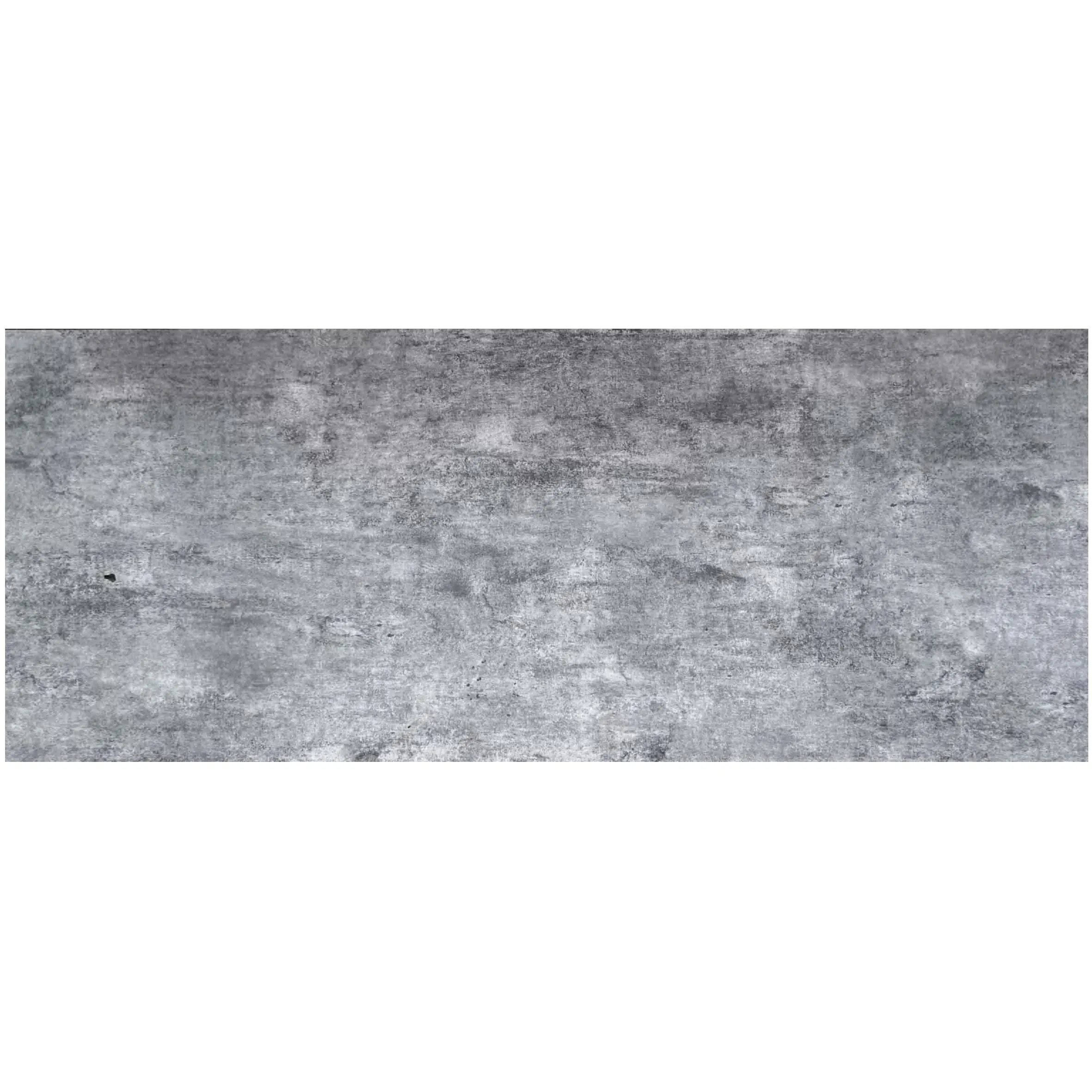
Fire safety in buildings isn't a new concern, but recent years have brought it into sharper focus. With urban spaces growing denser and buildings reaching new heights, the risk of fire spreading quickly has never been greater. Add to that the increasing use of synthetic materials in interiors—many of which are highly flammable—and the need for fire-resistant construction materials becomes non-negotiable.
Think about it: a single spark in a commercial kitchen, an electrical fault in a retail store, or even a discarded cigarette in a hotel hallway could lead to disaster if the building's materials aren't up to the task. That's where floor materials play a critical role. Floors are often the first surface to catch fire (from falling embers or heat sources) and can act as pathways for flames to spread. Choosing a floor that resists ignition and slows fire spread isn't just compliant with building codes—it's a lifeline for occupants and first responders.
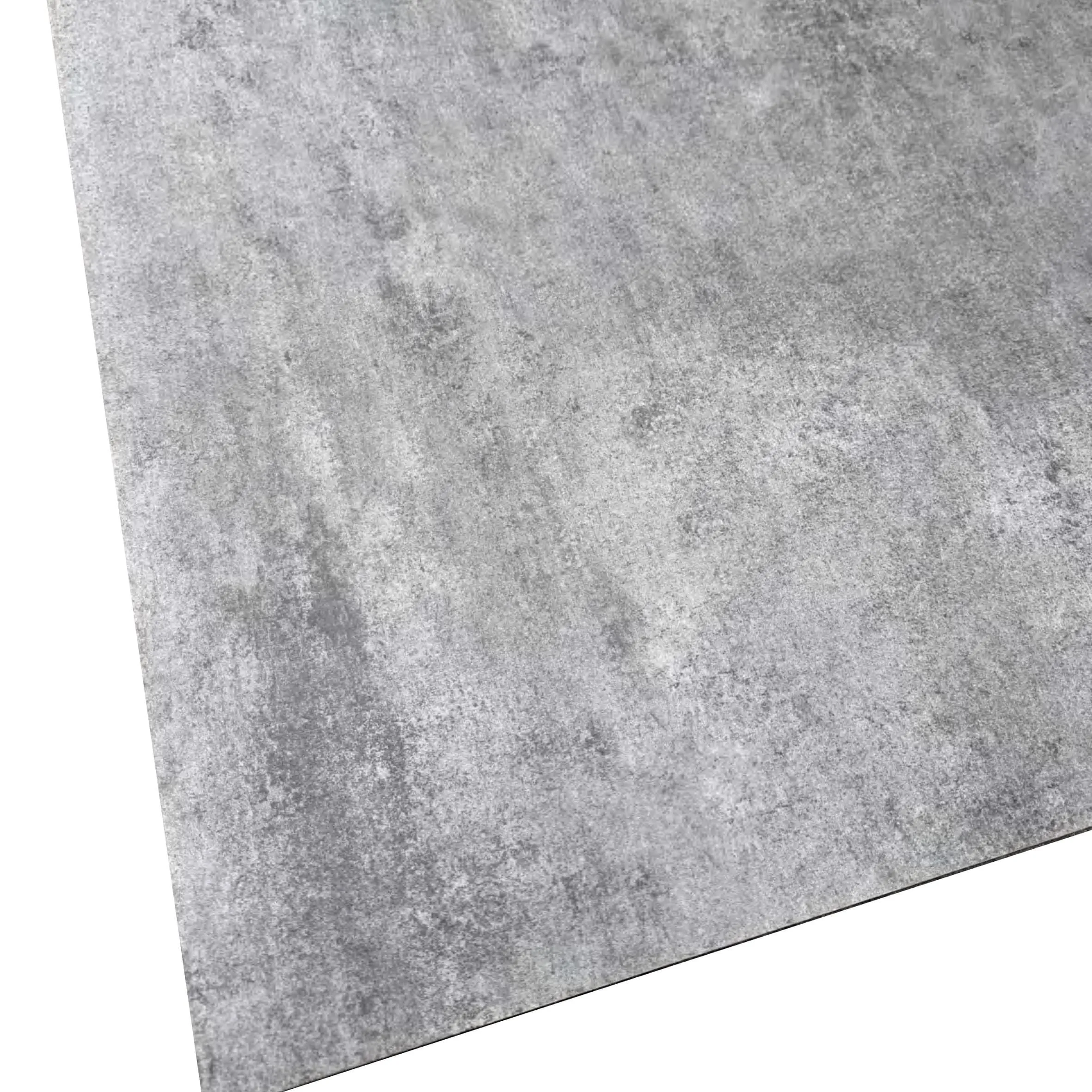
At the heart of MCM Polish Concrete Floors is COLORIA GROUP's proprietary Modified Cementitious Material (MCM)—a blend of high-grade cement, mineral aggregates, and advanced polymers designed to enhance performance without compromising on safety. Unlike traditional concrete or synthetic flooring options (like vinyl or hardwood), MCM Polish Concrete is engineered from the ground up to resist fire. Here's how:
MCM starts with cement, a naturally fire-resistant material that doesn't burn or release toxic fumes when exposed to high heat. But COLORIA takes it further by modifying the cement matrix with additives that strengthen its thermal stability. Unlike wood, which ignites at around 300°C, or vinyl, which melts and releases harmful gases, MCM Polish Concrete maintains its structural integrity even when temperatures soar. It doesn't catch fire, drip, or contribute to flame spread—making it a passive fire protection system in itself.
When it comes to fire ratings, the gold standard is the EN 13501-1 classification. MCM Polish Concrete Floors proudly carry an A1 rating—the highest possible, meaning they are "non-combustible" and do not contribute to fire growth. This isn't just a marketing claim; it's backed by rigorous testing. In laboratory conditions, MCM samples are exposed to temperatures exceeding 1,000°C, and they consistently show zero flame spread, minimal heat release, and no production of flammable volatiles. For projects in high-risk areas (like hospitals, schools, or high-rise buildings), this rating isn't just preferred—it's often legally required.
| Material | Fire Rating (EN 13501-1) | Behavior Under Fire | Toxic Fume Release |
|---|---|---|---|
| MCM Polish Concrete | A1 (Non-combustible) | No ignition, no flame spread, maintains structural integrity | None |
| Hardwood Flooring | D-s3, d2 (Combustible) | Ignites at ~300°C, contributes to flame spread | Low to moderate (smoke, carbon monoxide) |
| Vinyl Flooring | B-s1, d0 to D-s3, d2 (Varies by type) | Melts at high heat, releases toxic chlorine gas | High (hydrogen chloride, dioxins) |
| Traditional Concrete | A1 (Non-combustible) | May crack under extreme heat; lower thermal stability than MCM | None |
Fire doesn't just threaten lives—it threatens the structural stability of buildings. When traditional concrete is exposed to intense heat, it can spall (crack and flake) as water trapped inside turns to steam, weakening the material. MCM Polish Concrete, however, is formulated to minimize spalling. The modified cement matrix and controlled porosity allow steam to escape slowly, reducing internal pressure. This means even in a prolonged fire, the floor remains intact, providing a stable surface for evacuation and preventing the collapse of upper floors.
In 2024, a leading developer in Riyadh, Saudi Arabia, chose MCM Polish Concrete Floors for a 20-story mixed-use tower housing offices, retail spaces, and a childcare center. Safety was a top priority—local regulations for high-rises in Saudi Arabia are among the strictest in the Middle East, requiring A1-rated materials in all common areas.
The project team was initially considering traditional polished concrete, but concerns about spalling and long-term durability led them to explore COLORIA's MCM solution. "We needed a floor that could handle heavy foot traffic, look sleek, and most importantly, keep people safe," said the project architect. "MCM checked all those boxes. During testing, we were impressed by how it withstood extreme heat without cracking. For a building with over 1,000 daily occupants, that peace of mind is priceless."
Today, the tower's lobby, corridors, and childcare center floors are finished with MCM Polish Concrete in a light grey shade (matching the building's modern aesthetic). Not only has it met all fire safety codes, but it has also reduced maintenance costs—resisting stains, scratches, and wear from daily use.
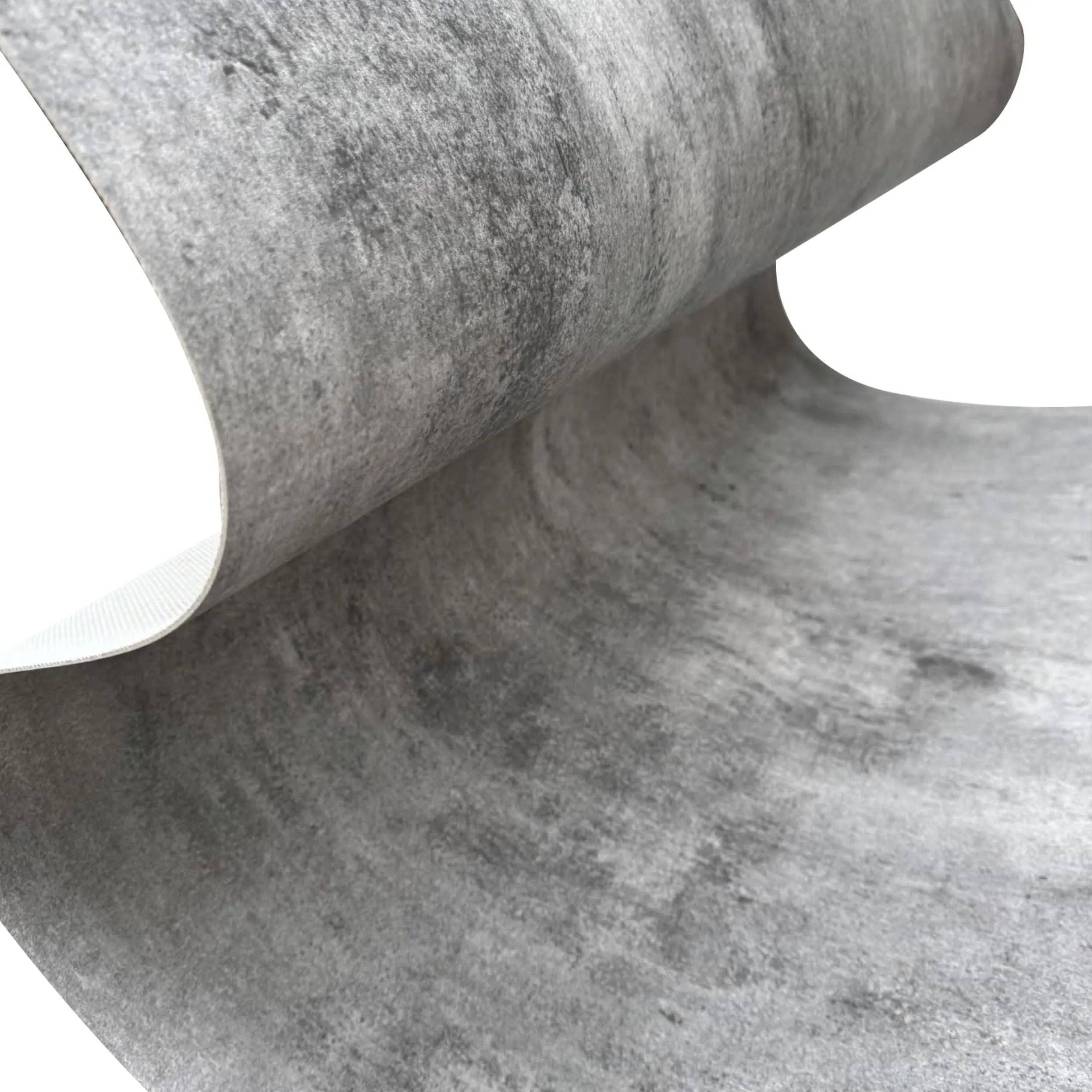
Fire resistance is a star feature, but MCM Polish Concrete Floors offer a whole package of benefits that make them ideal for safety-conscious projects. Let's break down what else they bring to the table:
Safety isn't just about fire—it's also about the health of occupants and the planet. MCM Polish Concrete is low-VOC (volatile organic compounds), meaning it doesn't release harmful chemicals into the air like some synthetic floors. It's also made with locally sourced materials and recycled aggregates, reducing its carbon footprint. For projects aiming for LEED or BREEAM certification, this sustainability edge is a major plus.
Who says safety has to be boring? MCM Polish Concrete comes in a range of finishes, from high-gloss polish to matte, and can be tinted to match any color scheme. Pair it with other MCM products like MCM Flexible Stone for accent walls or MCM 3D Printing Series for custom patterns, and you get a cohesive, safe, and stunning interior. For the Riyadh tower project, the design team used MCM's custom coloring to create a gradient effect in the lobby, proving that safety and aesthetics can go hand in hand.
Traditional concrete is heavy, adding extra load to building structures. MCM Polish Concrete, however, is lighter (thanks to its optimized aggregate blend) without sacrificing strength. This reduces stress on foundations and supports, making it ideal for retrofits or buildings with weight restrictions. And with a lifespan of 50+ years (compared to 10-15 years for vinyl or hardwood), it's a long-term investment in safety and durability.
Safety also means reliability. MCM Polish Concrete is resistant to stains, chemicals, and moisture—no need for harsh sealants or frequent waxing. A simple sweep and damp mop keep it looking fresh. In high-traffic areas (like airports or train stations), this translates to less downtime for maintenance and more consistent safety performance over time.
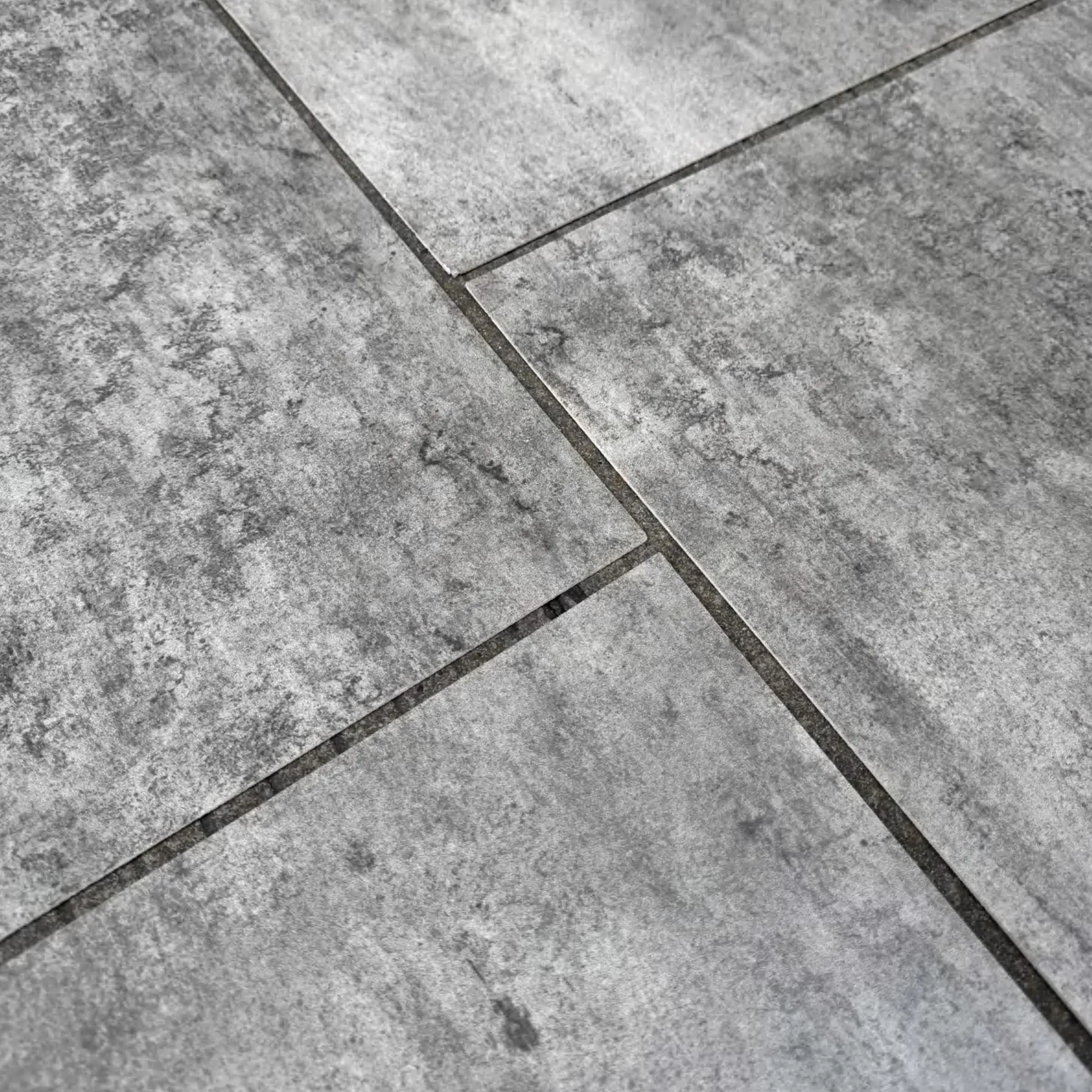
With so many flooring options on the market, why trust COLORIA GROUP's MCM Polish Concrete? Here's the difference:
Recommend Products












