
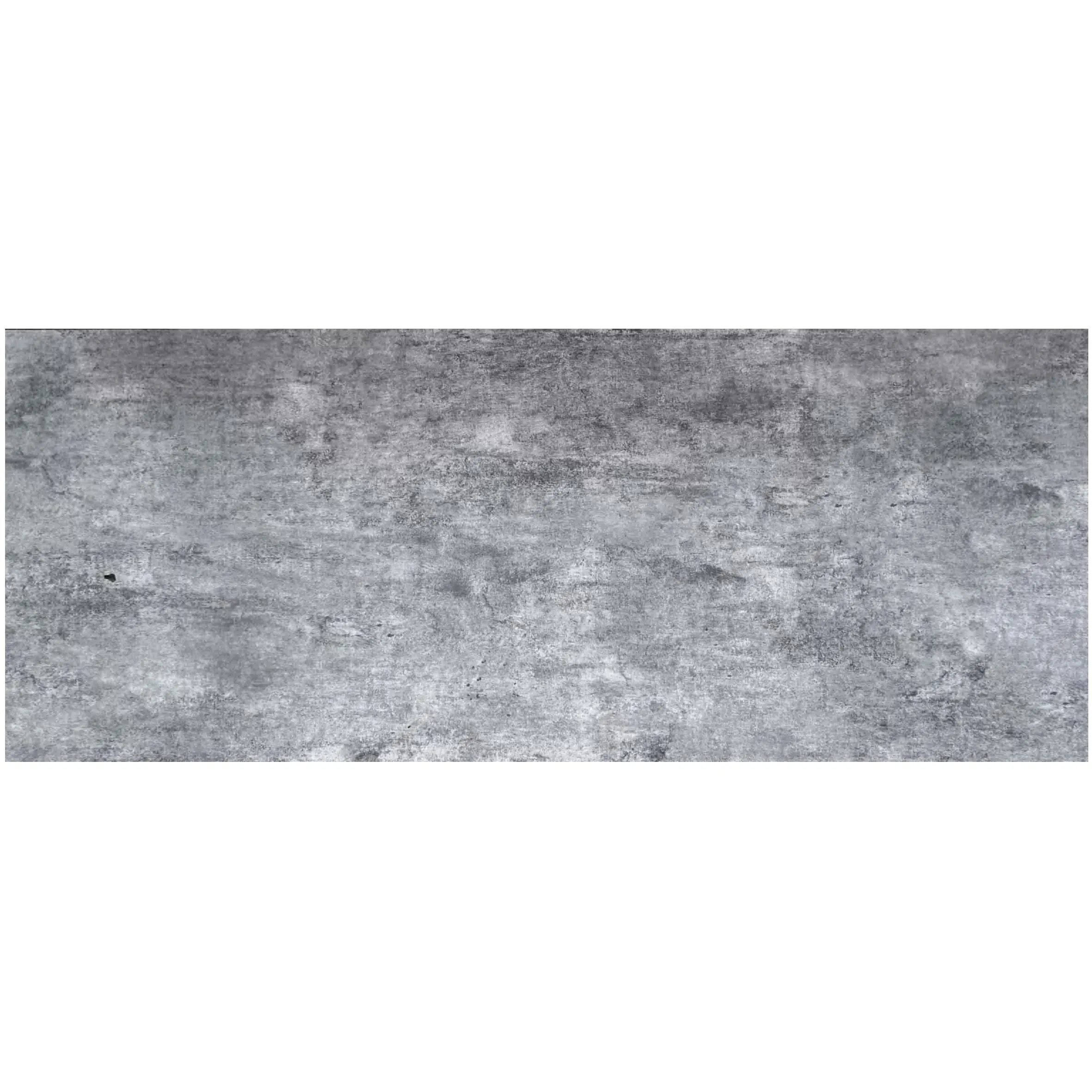
In the heart of Riyadh, where summer temperatures regularly soar above 50°C, architects and developers face a unique challenge: creating spaces that withstand extreme heat while maintaining aesthetic appeal. Traditional building materials often falter here—marble tiles crack under thermal expansion, standard concrete absorbs heat like a sponge, and wood warps within months of installation. But across Saudi Arabia's skyline, a new solution is emerging: MCM Polish Concrete Floors from COLORIA GROUP, a modified cementitious material that's redefining durability and design in one of the world's harshest climates.
Derived from COLORIA's revolutionary MCM (Modified Cementitious Material) technology, these floors aren't just building materials—they're climate-adaptive surfaces engineered to thrive where others fail. Blending industrial strength with artistic versatility, they address the dual demands of Saudi Arabia's environment: beating the heat and elevating spaces with custom textures that range from the sleek metallic sheen of Lunar Peak Silvery to the raw elegance of Fair-Faced Concrete .
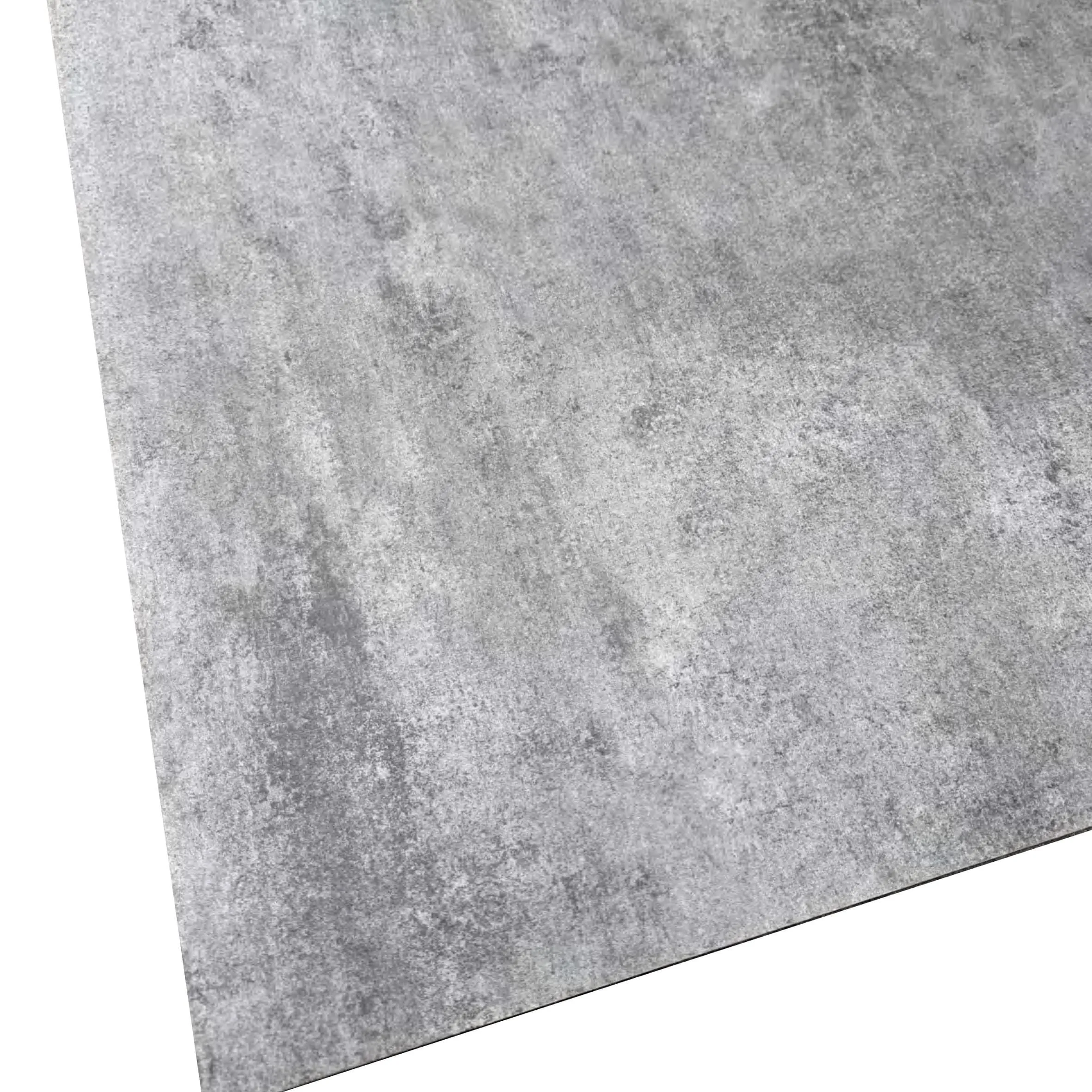
To understand the impact of MCM Polish Concrete, it's critical to first recognize the limitations of conventional options in Saudi Arabia's unique conditions:
These challenges aren't just technical—they're financial. A 2023 study by the Saudi Construction Authority found that replacing failed flooring in commercial buildings costs an average of SAR 450 per square meter, not including downtime during renovations. For large-scale projects like shopping malls or hospitality complexes, this translates to millions in unexpected expenses.
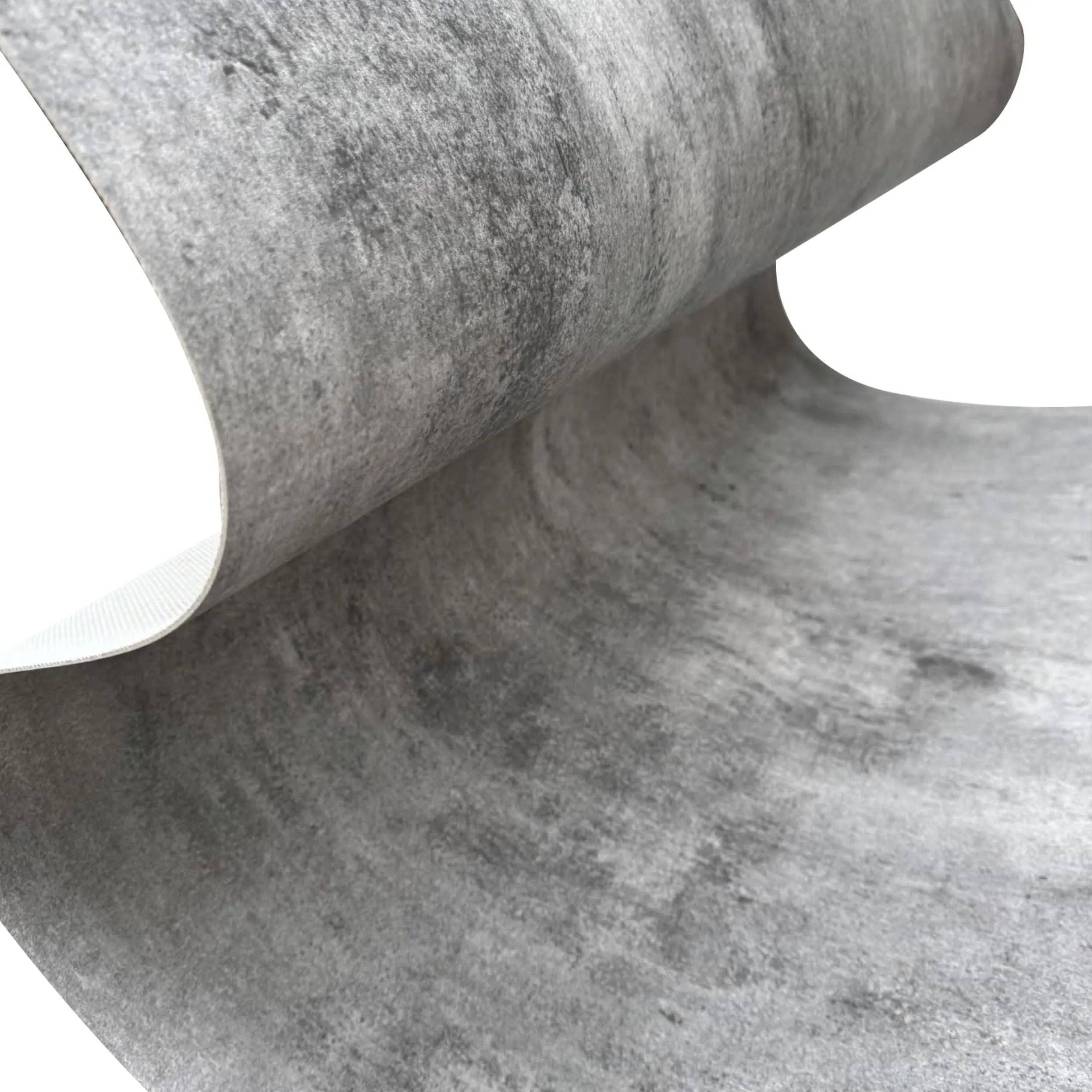
At the core of COLORIA's solution is MCM technology—a blend of Portland cement, mineral aggregates, and proprietary polymers that transforms traditional concrete into a lightweight, heat-resistant composite. Unlike standard concrete, which relies on heavy aggregates, MCM uses nano-sized particles that create a denser matrix, reducing porosity by 60% and thermal conductivity by 40%. The result? A floor that stays cooler, resists cracks, and stands up to Saudi Arabia's relentless sun.
But what truly sets MCM Polish Concrete apart is its versatility. Through COLORIA's MCM 3D Printing Series , the material can be molded into custom textures—from the flowing waves of desert dunes to geometric patterns inspired by traditional Najdi architecture. For the Riyadh Tech Hub, a recent project used 3D-printed MCM panels to create a floor that mimics the ripples of an oasis, with embedded Lunar Peak Silvery accents that reflect sunlight, reducing surface temperatures by an additional 8°C compared to flat concrete.
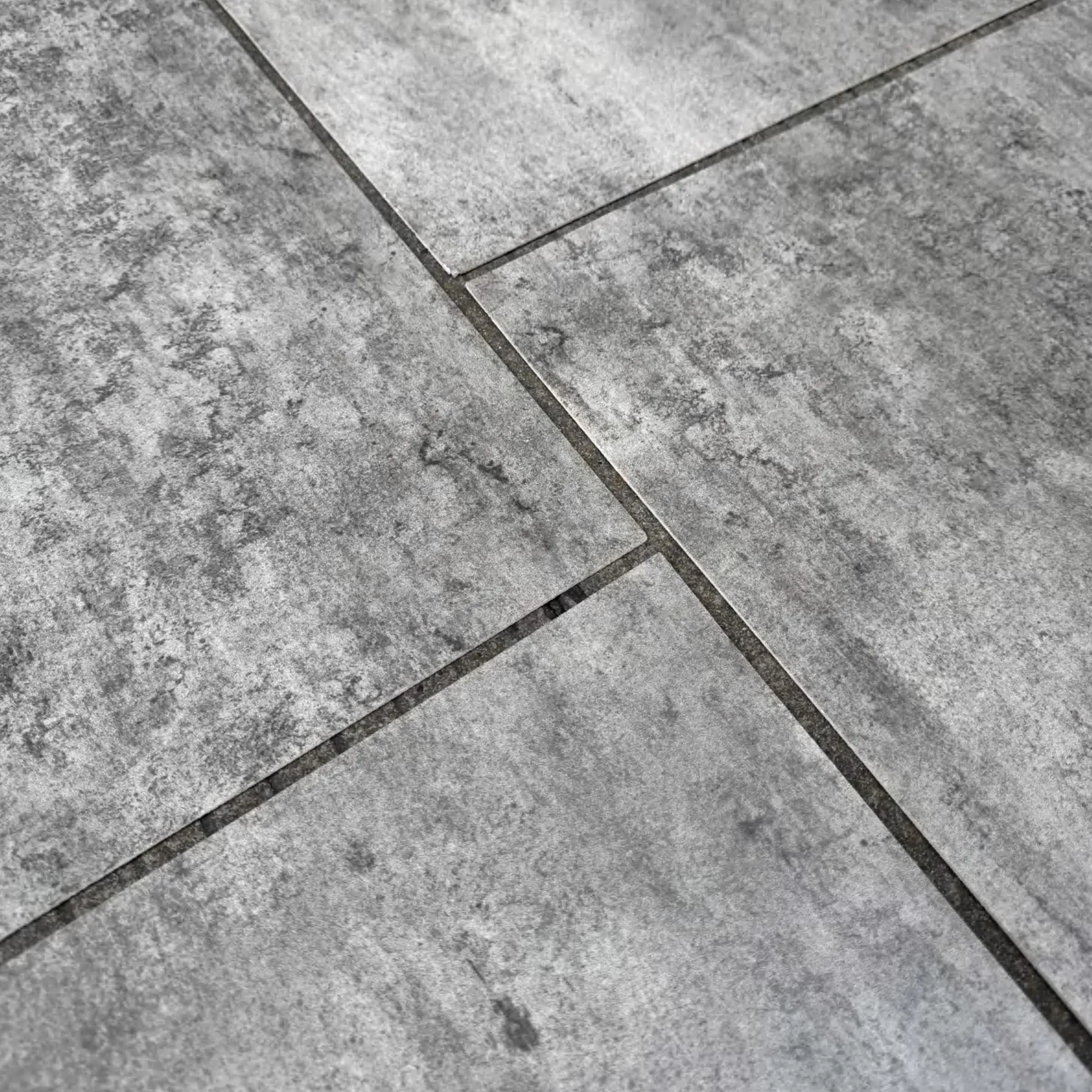
In Jeddah's waterfront developments and Riyadh's luxury villas, MCM Polish Concrete is gaining traction for five unbeatable benefits:
Laboratory tests at King Saud University's Center for Construction Materials that MCM Polish Concrete maintains structural integrity even when exposed to continuous 80°C heat—far exceeding Saudi Arabia's peak summer temperatures. Its low thermal conductivity (0.3 W/m·K) means floors stay up to 12°C cooler than standard concrete, reducing air conditioning loads by up to 25% in commercial buildings.
Unlike natural stone, which fades under Saudi Arabia's intense UV radiation, MCM Polish Concrete's pigments are integrated at the molecular level. The result? Colors like Lunar Peak Golden and rusty red retain their vibrancy for over 15 years, as demonstrated in a 2018 installation at Dammam's Corniche Mall that still looks brand-new today.
Thanks to COLORIA's MCM Flexible Stone technology, these floors can bend up to 3mm under thermal stress without cracking—a critical feature in regions with extreme temperature fluctuations. In Riyadh's Al Faisaliah Tower expansion, this flexibility allowed installers to cover 2,000 m² in just 10 days, with zero callbacks for repairs in three years of operation.
The non-porous surface of MCM Polish Concrete repels dust and sand, making it ideal for cities like Riyadh and Dhahran, where sandstorms strike an average of 20 times per year. A simple hose-down is enough to remove debris, eliminating the need for harsh chemical cleaners or frequent resealing—a stark contrast to natural travertine, which requires professional sealing every 6 months.
In a region increasingly focused on green building (Saudi Vision 2030 mandates 50% of new constructions be LEED-certified by 2030), MCM Polish Concrete shines. It contains 30% recycled materials, emits 40% less CO₂ during production than standard concrete, and is fully recyclable at the end of its lifespan. For the LEED Platinum-certified King Abdullah Financial District, this sustainability edge was a deciding factor in choosing COLORIA's solution.
| Feature | MCM Polish Concrete | Standard Concrete | Marble Tiles | Ceramic Tiles |
|---|---|---|---|---|
| Max Heat Resistance | 80°C | 50°C (cracks above 60°C) | 45°C (fades at 55°C) | 60°C (warps at 70°C) |
| Thermal Conductivity (W/m·K) | 0.3 | 1.2 | 2.0 | 1.5 |
| Installation Time (m²/day) | 150 | 80 | 60 | 75 |
| Maintenance Cost (SAR/m²/year) | 12 | 35 | 85 | 42 |
| Expected Lifespan | 25+ years | 10–15 years | 8–12 years | 10–15 years |
*Data based on 5-year field tests in Riyadh, Jeddah, and Dammam
From commercial plazas to luxury resorts, MCM Polish Concrete is leaving its mark on Saudi Arabia's built environment. Here are three standout examples:
When Riyadh's King Khalid International Airport needed a flooring solution for its new terminal, durability and aesthetics were non-negotiable. The project spans 120,000 m² of high-traffic areas, exposed to direct sunlight and thousands of daily passengers. COLORIA's team proposed a custom blend of Fair-Faced Concrete with Lunar Peak Silvery inlays, creating a surface that's both slip-resistant and reflective. Since completion in 2024, the floors have withstood 52°C summer days and sandstorms without cracking or fading, reducing maintenance costs by an estimated SAR 2.3 million annually.
For a luxury villa complex overlooking the Red Sea, developers wanted outdoor terraces that could handle saltwater spray and intense heat. Traditional wood decking would require replacement every 2–3 years, while stone tiles risked slipping when wet. COLORIA's solution? MCM Flexible Stone panels shaped into wave-like patterns, mimicking the sea's movement. The flexible material conforms to the terrace's curved edges, while its non-slip texture and heat resistance (staying 10°C cooler than stone) make it perfect for evening gatherings. "Our clients love that they can walk barefoot even at noon," says project architect Lina Hassan. "It's transformed how they use their outdoor spaces."
In NEOM, where sustainability is a core mandate, COLORIA's MCM 3D Printing Series is being used to create custom flooring for the city's innovation hub. Using 3D-printed molds, the team produced interlocking panels with integrated drainage channels, designed to capture rainwater (rare but precious in the region) and reduce surface runoff. The panels feature a rusty red finish that echoes the surrounding desert landscape, proving that climate-resilient materials can also honor local aesthetics.
With decades of experience in the Middle East, COLORIA GROUP isn't just a supplier—they're partners in climate-resilient design. Their Saudi Arabia-based team offers end-to-end support, from custom texture development (using 3D scanning to replicate local stone patterns) to on-site installation training. "What sets them apart is their willingness to adapt," says Mohammed Al-Mansoori, a Riyadh-based contractor. "When we needed a floor that matched the historic Fair-Faced Concrete of a 1970s government building, they spent weeks refining the mix until it was perfect."
This commitment to customization extends to COLORIA's material library, which includes region-specific options like Lunar Peak Silvery (inspired by the Arabian moonlit desert) and rusty red (mimicking the iron-rich sands of the Empty Quarter). Each finish is tested in Saudi labs for UV resistance and thermal stability, ensuring it meets the country's strict building codes.
As Saudi Arabia continues to grow—with mega-projects like NEOM, Qiddiya, and the Red Sea Project driving demand for innovative building solutions—MCM Polish Concrete is poised to become the standard for climate-adaptive design. Its ability to blend durability, sustainability, and artistry addresses the unique challenges of the region, proving that even in the harshest environments, beauty and performance can coexist.
For architects and developers ready to beat the heat without compromising on design, COLORIA's MCM Polish Concrete Floors offer more than a material—they offer peace of mind. In a country where the sun never relents, it's the first flooring solution that truly keeps up.
Recommend Products












