
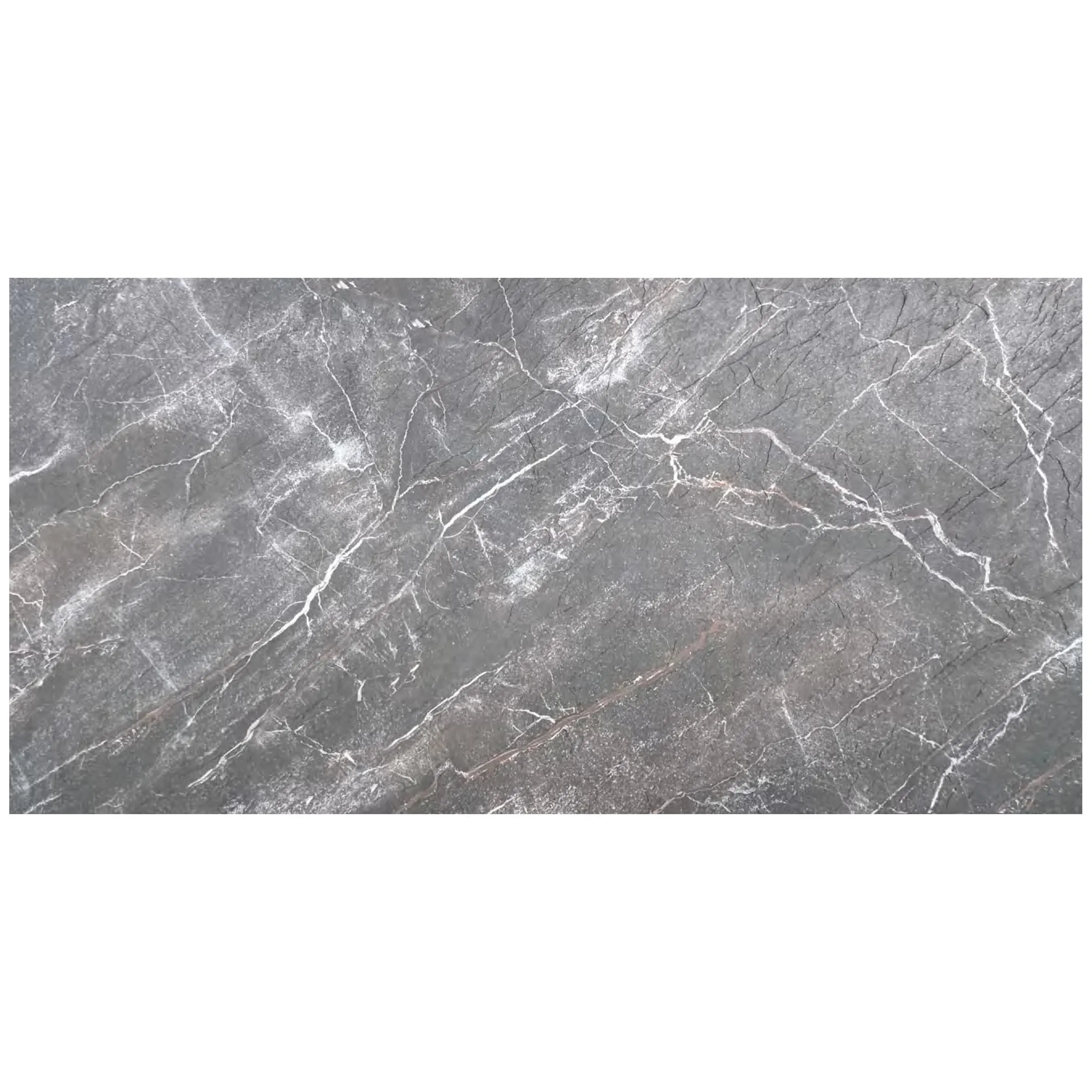
First, let's talk about why Slate Portoro is so coveted (and so costly). Quarried from select regions, this natural stone is prized for its dramatic contrast—inky black stone swirled with threads of gold that look like liquid sunlight frozen in time. It's been a staple in high-end hotels, luxury residences, and boutique retail spaces for decades, and for good reason: it makes a statement. But that statement comes with a steep price. Between extraction, transportation, cutting, and sealing, Slate Portoro can cost upwards of $200 per square foot. For most projects—whether you're renovating a kitchen backsplash or designing a commercial lobby—that's a budget-buster.
Worse, it's not just the upfront cost. Natural stone like Slate Portoro is heavy, requiring reinforced structures and specialized installers. It's also porous, meaning it needs regular sealing to prevent stains—a hidden maintenance cost that adds up over time. When you factor in all that, it's no wonder so many project managers find themselves asking: *Is there another way?*
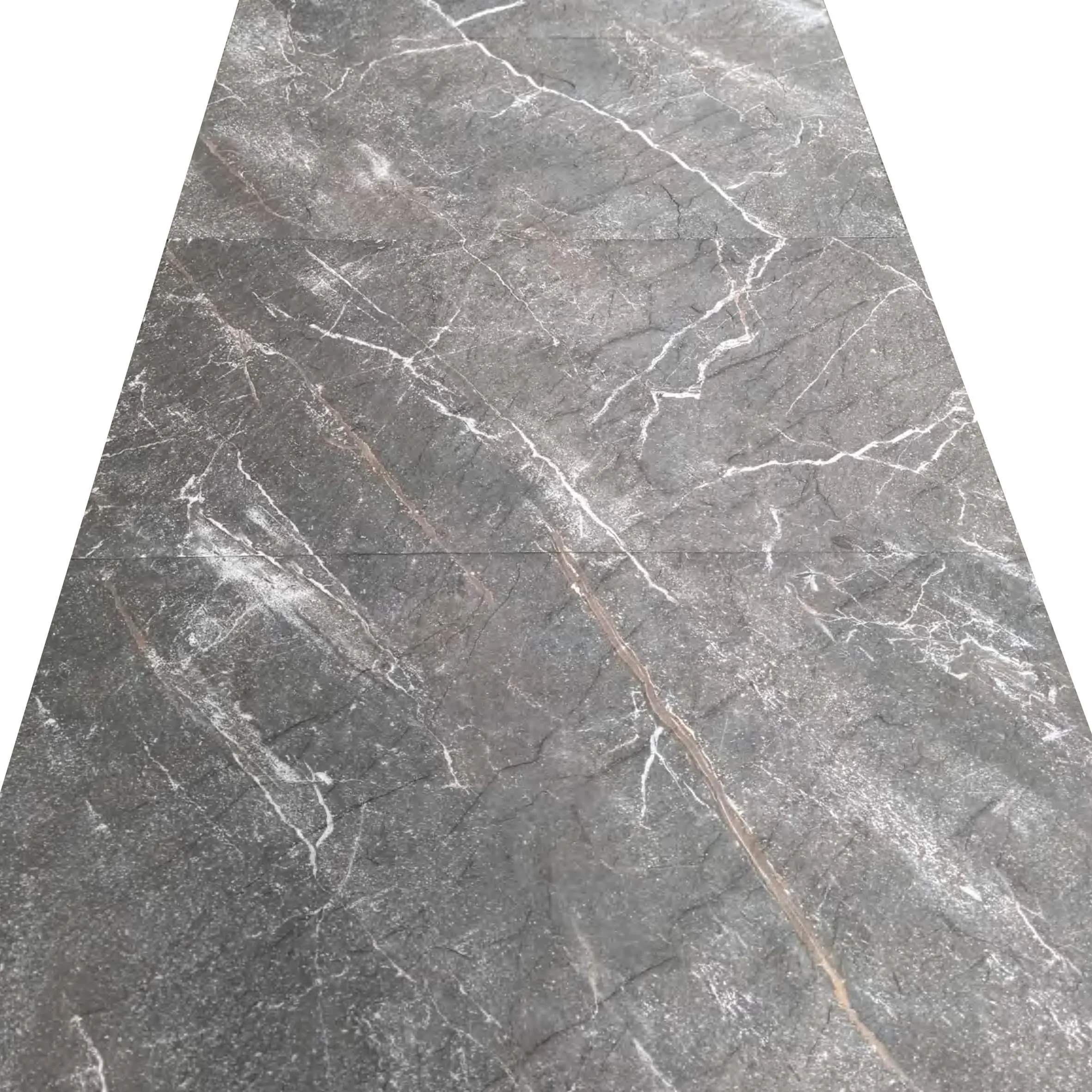
The MCM Project Board Series isn't about "settling." It's about reimagining what's possible with modern materials science. MCM, short for Modified Composite Material, blends natural minerals with advanced polymers to create surfaces that mimic the look and feel of high-end stone, metal, and wood—without the sky-high price tag or logistical headaches. These boards are lightweight (so no need for extra structural support), durable (resistant to scratches, moisture, and UV rays), and easy to install (many can be cut with standard tools and glued directly to walls or substrates). Best of all, they're designed to capture the essence of luxury materials—from the texture of rough-hewn stone to the sheen of polished metal—at a fraction of the cost.
Let's break down five standout options from the MCM lineup that give Slate Portoro a run for its money—without emptying your bank account.
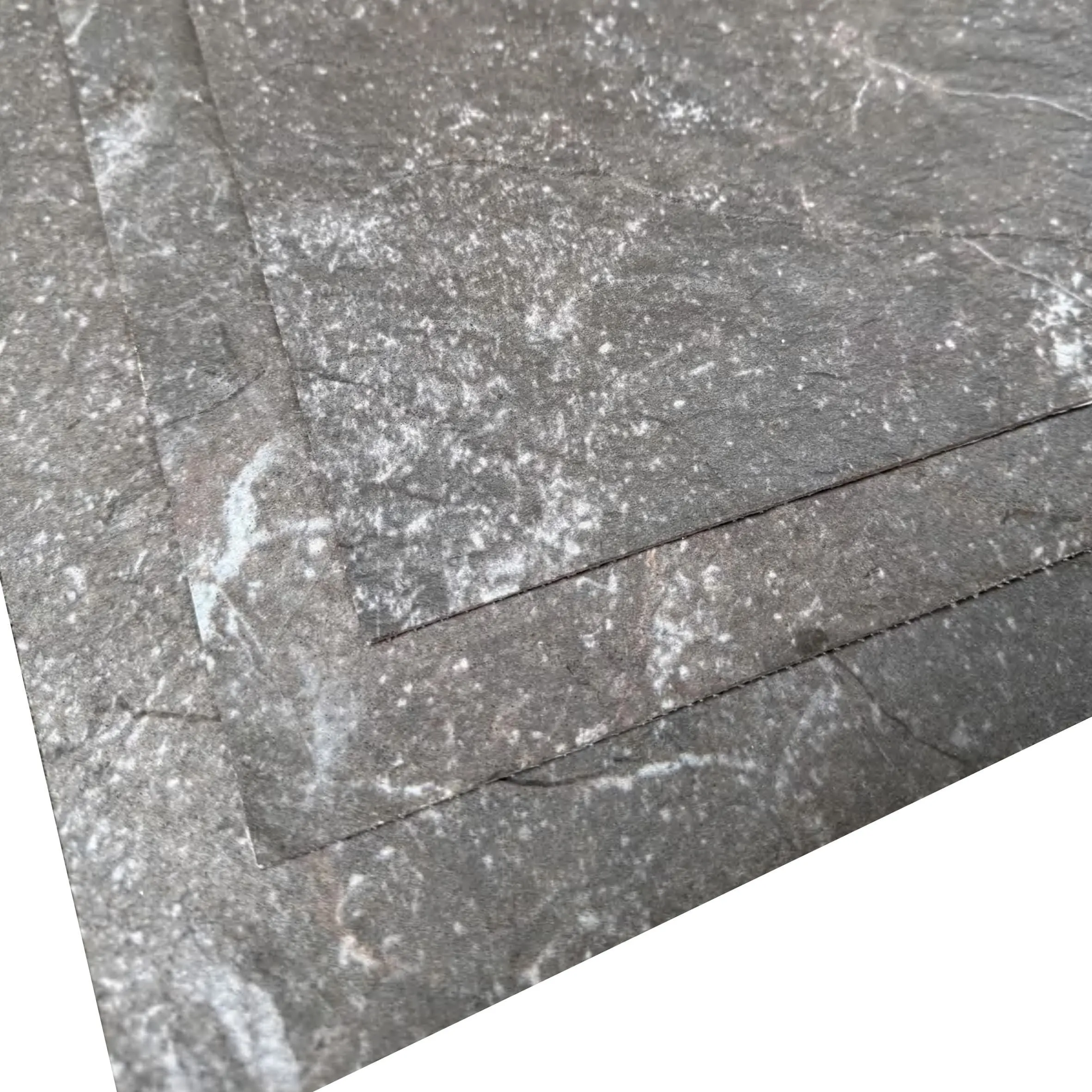
If versatility had a material mascot, it would be MCM flexible stone. This stuff is a game-changer. Made by compressing natural stone particles into thin, bendable sheets, it can mimic almost any texture—including the bold veining of Slate Portoro. Imagine a surface that looks like it was quarried from the earth but weighs less than drywall and can curve around corners, wrap columns, or even cover furniture. That's MCM flexible stone.
Priced at around $45–$65 per square foot, it's roughly a third the cost of Slate Portoro. And since it's lightweight, installation is a breeze—no heavy machinery or specialized labor required. We recently worked with a café owner in Chicago who used MCM flexible stone in a "Portoro-inspired" finish for their counter tops. Guests still rave about the "luxury vibe," and the owner saved enough to invest in new seating. Win-win.
If your project leans more modern or industrial, fair-faced concrete might be your new best friend. Unlike traditional concrete, which is often hidden behind drywall or paint, fair-faced concrete is left exposed, showcasing its raw, organic texture—subtle variations in color, tiny air bubbles, and the soft sheen of a sealed finish. While it doesn't replicate Slate Portoro's gold veins, it offers a bold, monochromatic look that's equally striking, especially when paired with warm wood accents or metallic fixtures.
At $30–$50 per square foot, fair-faced concrete is one of the most affordable options on this list. It's also incredibly durable (we're talking decades of wear and tear) and low-maintenance—just a quick wipe with a damp cloth to keep it looking fresh. A recent office renovation in Austin used fair-faced concrete panels for their reception wall, and the result? A space that feels sleek, sophisticated, and surprisingly warm—all for under $10,000, compared to the $30,000+ Slate Portoro would have cost.
Travertine has been around since ancient Rome, but the MCM Project Board Series gives it a fresh twist with its vintage silver finish. Think soft, muted gray tones with subtle pits and grooves that add depth and character—like a stone that's been gently weathered by time, but with a modern, cool-toned edge. It's not as bold as Slate Portoro, but it's undeniably elegant, and it pairs beautifully with both warm and cool color palettes.
Priced at $55–$75 per square foot, travertine (vintage silver) is still a steal compared to Slate Portoro. It's also surprisingly durable for a natural stone alternative—resistant to scratches and stains when sealed properly. A boutique hotel in Bali used this material for their guest room walls, and guests often comment on how "serene" and "upscale" the spaces feel. Pro tip: Pair it with brass fixtures for a touch of luxury that nods to Slate Portoro's gold veins without the cost.
For projects that crave a touch of glamour, foamed aluminium alloy board in vintage gold is a showstopper. Made from lightweight, high-strength aluminium alloy, this material has a rich, metallic finish that shimmers like aged gold—think the warmth of a vintage locket or an old brass lamp. It's bold, it's modern, and it adds instant personality to any space, whether you're using it for an accent wall, a bar front, or even ceiling panels.
At $60–$80 per square foot, it's pricier than fair-faced concrete but still far more affordable than Slate Portoro. And since it's foamed, it's incredibly lightweight and fire-resistant—making it ideal for commercial spaces. A restaurant in Seattle used vintage gold foamed aluminium for their back bar, and it's become the focal point of the space. Patrons can't stop taking photos, and the owner loves that it's easy to clean and maintain.
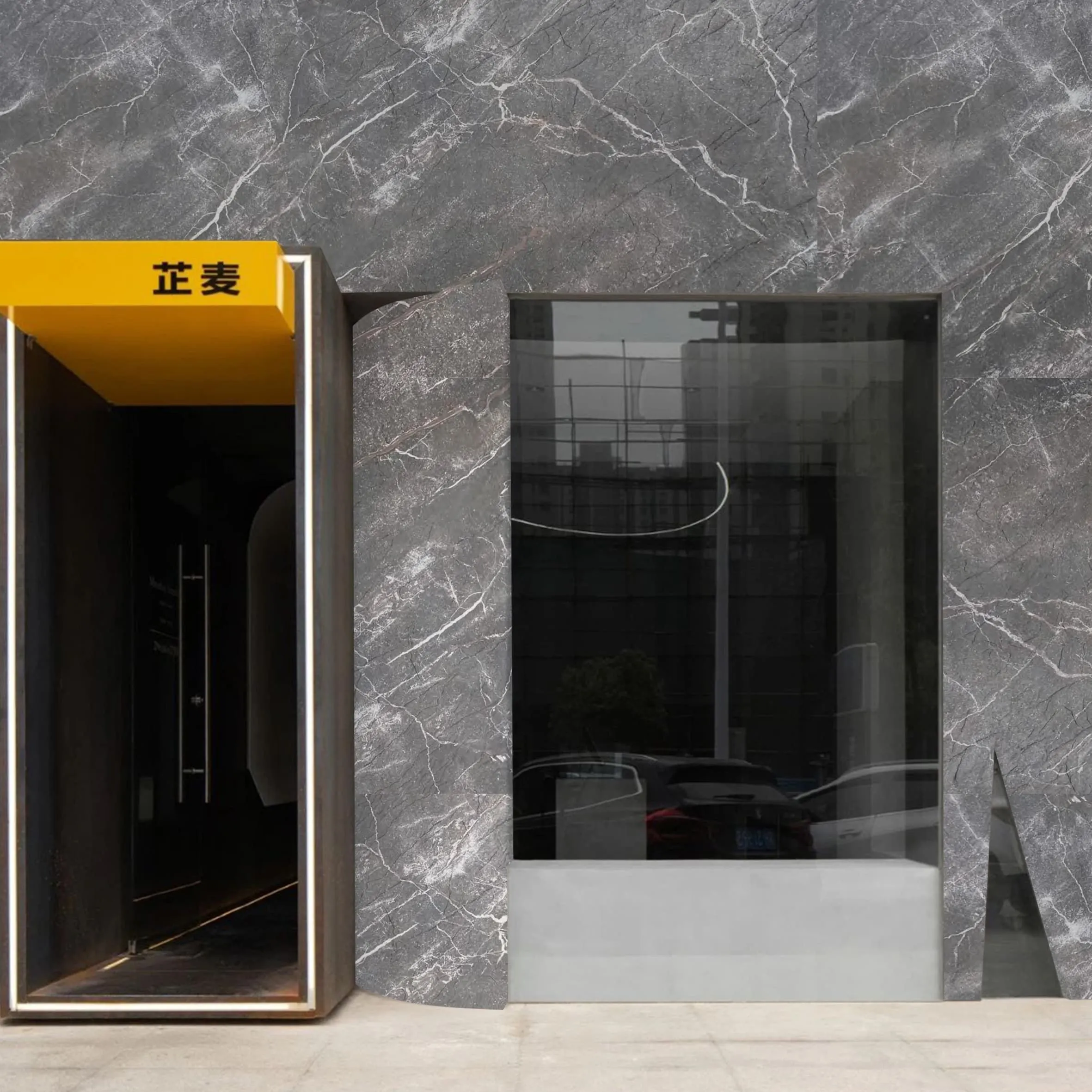
If you prefer a more organic, earthy look, rough granite stone (medium grey) is a standout choice. With its coarse texture, subtle flecks of white and black, and deep gray base, it's the material equivalent of a well-worn leather jacket—tough, timeless, and full of character. It doesn't have Slate Portoro's dramatic veining, but it offers a rugged luxury that works in both rustic and contemporary settings.
Priced at $50–$70 per square foot, it's durable enough for high-traffic areas like entryways or outdoor patios, and it ages beautifully—developing a richer patina over time. A bed and breakfast in Vermont used rough granite stone for their exterior facade, and guests often mention how it "blends perfectly with the mountains" while still feeling upscale. Plus, since it's part of the MCM series, it's pre-cut and easy to install, saving on labor costs.
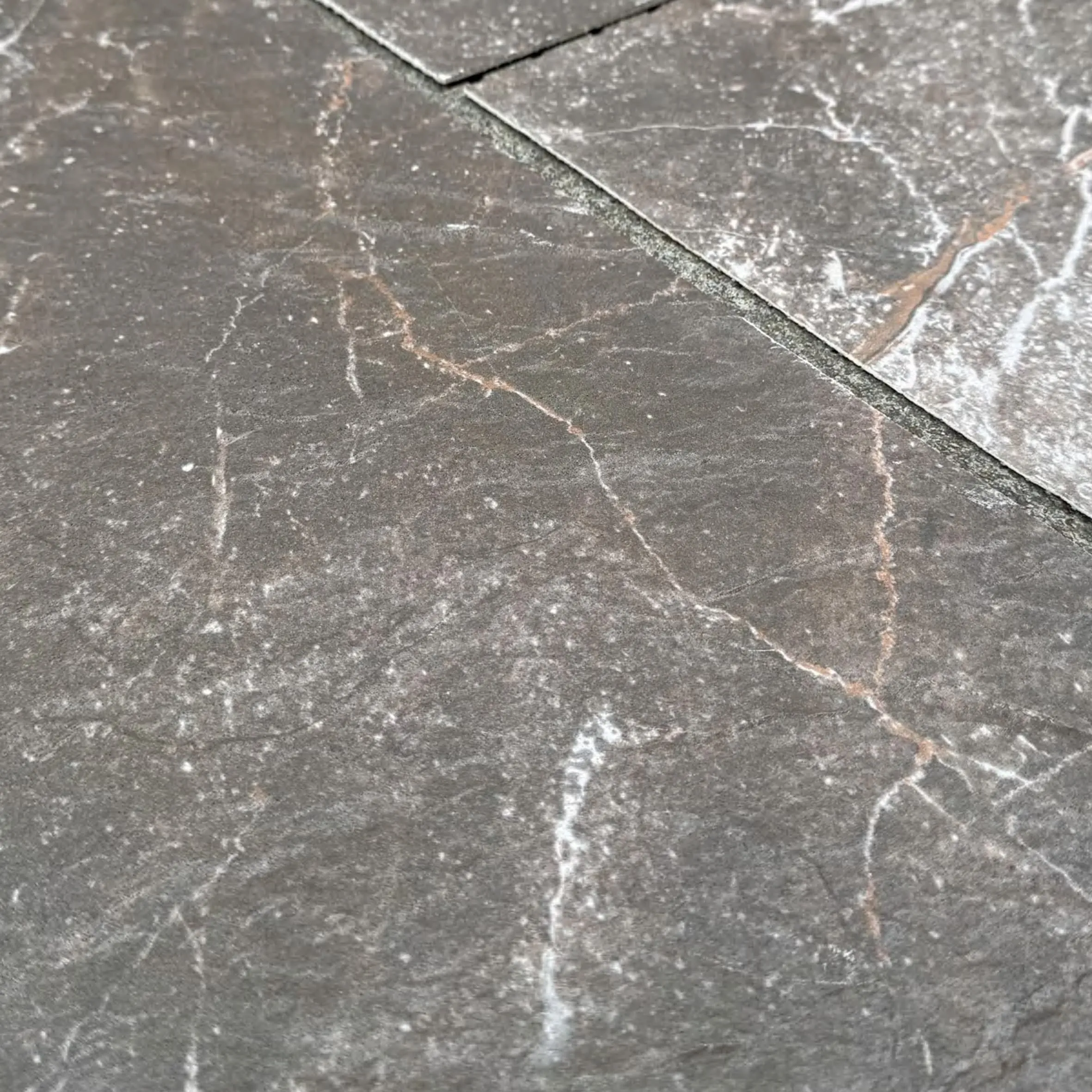
| Material | Cost per sq. ft. | Aesthetic Vibe | Durability | Best For |
|---|---|---|---|---|
| MCM Flexible Stone | $45–$65 | Versatile; mimics high-end stone | High (scratch/moisture resistant) | Countertops, accent walls, furniture |
| Fair-Faced Concrete | $30–$50 | Raw, industrial, monochromatic | Very High (wear-resistant, low-maintenance) | Reception walls, floors, outdoor patios |
| Travertine (Vintage Silver) | $55–$75 | Elegant, weathered, cool-toned | Medium-High (seal annually) | Hotel rooms, bathroom walls, backsplashes |
| Foamed Aluminium Alloy (Vintage Gold) | $60–$80 | Metallic, glamorous, modern | Very High (fire-resistant, lightweight) | Accent walls, bar fronts, ceiling panels |
| Rough Granite Stone (Medium Grey) | $50–$70 | Rugged, earthy, organic | High (ideal for high-traffic areas) | Exterior facades, entryways, outdoor kitchens |
| Slate Portoro (Natural Stone) | $200+ | Dramatic, bold, luxurious | High (requires sealing/maintenance) | High-end lobbies, luxury bathrooms |
Let's not forget about the planet. Traditional natural stones like Slate Portoro have a heavy environmental footprint—quarrying disrupts ecosystems, transportation burns fossil fuels, and cutting generates tons of waste. The MCM Project Board Series, on the other hand, is designed with sustainability in mind. Many of the materials, like foamed aluminium alloy and MCM flexible stone, use recycled content and require less energy to produce. Fair-faced concrete, too, can incorporate recycled aggregates, reducing the need for virgin materials.
Plus, their lightweight design means lower transportation emissions, and their durability ensures they won't need to be replaced every few years. For eco-conscious clients or LEED-certified projects, this is a huge bonus. As one architect put it: "We're not just saving money—we're saving resources. It's a win for the budget and a win for the planet."
One of the biggest hidden costs of natural stone is installation. Slate Portoro requires teams of specialists, heavy equipment, and sometimes even structural reinforcements. The MCM Project Board Series? Most of these materials can be installed by a standard contractor with basic tools. MCM flexible stone cuts like vinyl, fair-faced concrete panels snap into place, and foamed aluminium alloy is lightweight enough to hang with standard brackets.
We spoke with a general contractor in Denver who recently used MCM flexible stone for a retail client. "We saved two full days of labor compared to installing real Portoro," he said. "The client was thrilled—they got the look they wanted, and we finished under budget. That's the kind of project that makes everyone happy."
At the end of the day, great design is about solving problems—including budget constraints. Slate Portoro is beautiful, but it's not the only way to create a space that wows. The MCM Project Board Series—with options like MCM flexible stone, fair-faced concrete, and travertine (vintage silver)—proves that you can have style, durability, and affordability all in one. Whether you're designing a home, a restaurant, or a commercial space, these materials let you tell your project's story without breaking the bank.
So the next time you find yourself falling for a "budget-buster" material, take a deep breath. There's a better way—and it's probably in the MCM Project Board Series. Your spreadsheet (and your sanity) will thank you.
Recommend Products












