
Picture this: A young architect stands in front of a half-finished high-rise, sketchbook in hand, staring up at the bare concrete skeleton. Her vision is bold—a facade that tells a story, one that blends raw industrial edge with organic warmth, that can withstand the harsh city elements while feeling alive under the sun and stars. But for weeks, she's struggled to find a material that checks all the boxes: durability, sustainability, texture that doesn't feel flat, and a look that won't fade into the urban monotony. That's where the MCM Project Board Series steps in—and at its heart lies a material that's been turning heads in studios worldwide: Dacite. Today, we're diving into what makes Dacite a game-changer, with real photos that capture its essence, and how it's redefining high-rise facades for the better.
A building's facade is its first impression—the skin that greets passersby, the canvas that reflects its purpose and personality. For high-rises, it's even more critical: these structures don't just house people; they shape skylines, influence city vibes, and stand as testaments to human ingenuity. But too often, facades are reduced to "just another layer"—cheap, generic, and quick to install. Designers are left compromising: either sacrifice aesthetics for durability, or chase beauty at the cost of practicality. Enter the MCM Project Board Series, a line of materials crafted with the belief that facades can be both. And Dacite? It's the series' crown jewel for those who refuse to choose.
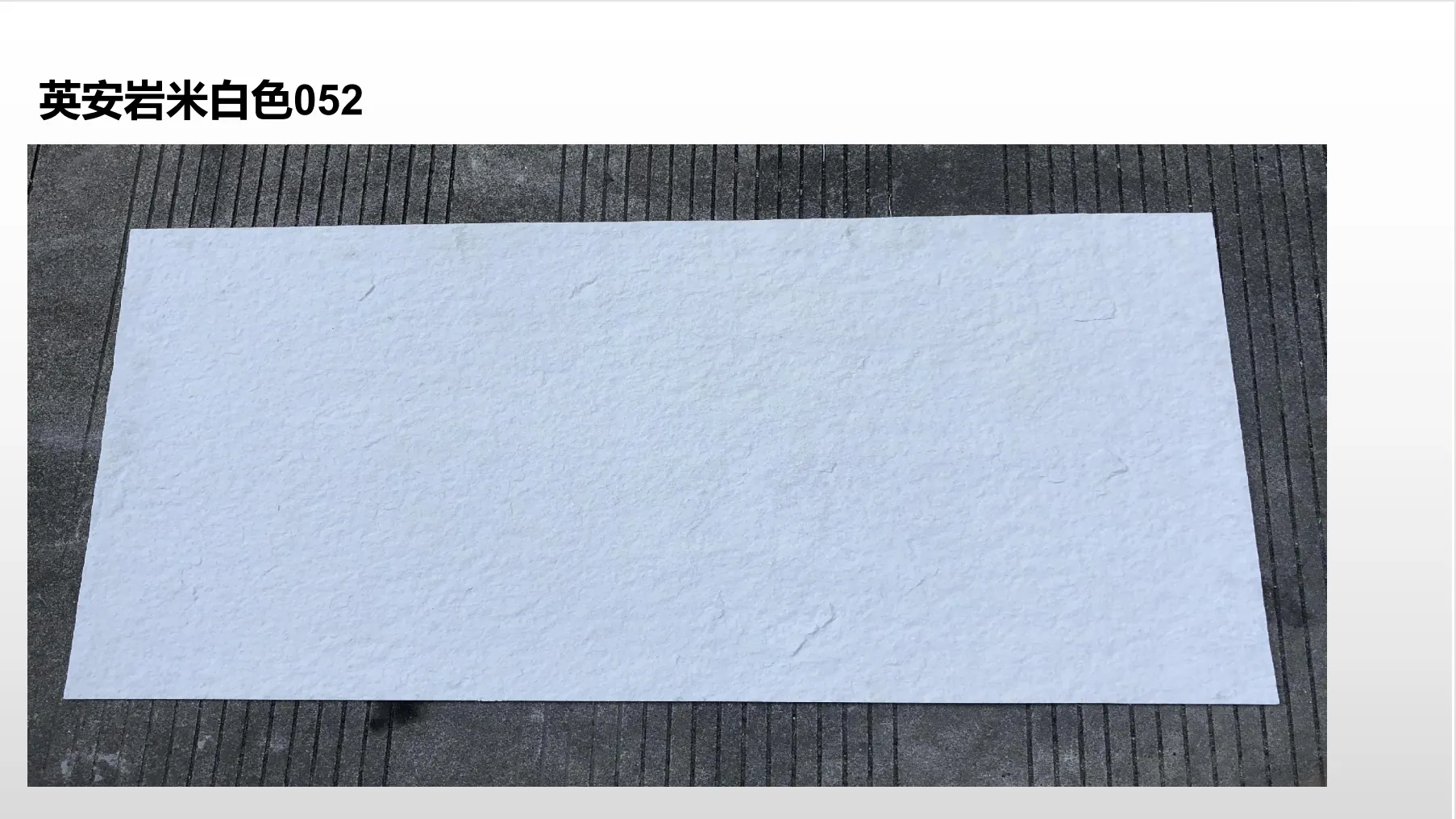
What sets Dacite apart? Start with the senses. Run your hand over a Dacite panel, and you'll feel the subtle interplay of smooth and rough—like a piece of ancient rock polished by time, but with a modern precision that says, "I belong here." Its color palette leans into earthy sophistication: deep grays that shift to charcoal in shadow, warm beiges that glow at sunset, and hints of muted gold that catch the light just so. These aren't just colors; they're moods. And when paired with the right lighting, Dacite transforms a building from a static structure into a living, breathing presence.
Talk is cheap, but Dacite real photos? They tell the truth. Flip through the gallery of a recent high-rise project in downtown Seattle, and you'll see why. The building, a mixed-use space with luxury apartments and ground-floor cafes, chose Dacite for its east-facing facade. In the morning light, the panels take on a soft, honeyed hue, welcoming early risers with warmth. By afternoon, as the sun shifts, the grays deepen, adding a sense of (calm) that balances the city's buzz. And at night, under LED spotlights, the texture comes alive—each ridge and groove casting delicate shadows that make the building feel dynamic, even in stillness.
Another project, a tech headquarters in Austin, opted for Dacite in a darker charcoal finish. Here, the material pairs with floor-to-ceiling glass, creating a contrast that's both sleek and grounded. The real photos from this site show how Dacite holds up against Texas' intense heat and occasional storms—no fading, no cracking, just a facade that looks as sharp on day 1,000 as it did on day one. That's the power of high-strength construction boards: they don't just look good; they last. And in an era where sustainability matters, Dacite's durability translates to less waste, fewer replacements, and a smaller carbon footprint over time.
Let's get practical. What makes Dacite a standout in the MCM Project Board Series? For starters, it's part of the MCM flexible stone family—a category known for its adaptability. Unlike rigid materials that limit design possibilities, Dacite panels can be curved, cut, and shaped to fit even the most ambitious architectural visions. Want a facade with sweeping arcs or geometric angles? Dacite bends (literally) to your will, without compromising strength. That flexibility opens doors for creativity—no more "boxy" high-rises if you don't want them.
Then there's the sustainability factor. In a world racing to meet green building standards, Dacite checks the boxes for eco-conscious designers. Made with recycled materials and a low-energy production process, it aligns with LEED and other green building certifications. But it's not just about ticking boxes; it's about peace of mind. When you choose Dacite, you're choosing a material that respects the planet without sacrificing performance—a win-win that's becoming non-negotiable in modern design.
| Material | Key Strengths | Best For | Sustainability |
|---|---|---|---|
| Dacite | High strength, flexible, rich texture, color stability | High-rises, commercial buildings, statement facades | Recycled materials, low-energy production |
| Fair-Faced Concrete | Industrial aesthetic, cost-effective, fire-resistant | Warehouses, minimalist designs, budget projects | Moderate; limited recycled content |
| MCM Flexible Stone | Ultra-lightweight, highly flexible, diverse textures | Curved surfaces, retrofits, artistic installations | High; recyclable, low waste |
Ask any designer what they love most about Dacite, and you'll hear a common theme: freedom. "It's not just a material—it's a collaborator," says Maria Gonzalez, lead architect at a boutique firm in Chicago. "With Dacite, I don't have to water down my vision to fit what's available. Want a facade that mimics the texture of desert stone? Done. Need panels that can curve around a 12-story atrium? No problem. And the real photos? They're invaluable. Clients can see exactly how it will look, which means fewer revisions and more confidence in the final result."
Installation is another win. Unlike heavy stone or concrete, Dacite panels are lightweight, making them easier and safer to handle on-site. This cuts down on labor time and costs, a boon for tight deadlines. And because they're part of the MCM Project Board Series, they're designed to work seamlessly with other high-strength construction boards in the line—so if you want to mix Dacite with fair-faced concrete or MCM flexible stone for a layered look, the system supports it. It's design without limits.
But perhaps the most compelling thing about Dacite is how it bridges the gap between the past and the future. Its texture evokes ancient stone, a nod to the historical pathfinders who built with what the earth provided. Yet its performance—resistant to weather, fire, and time—speaks to modern innovation. It's a material that honors tradition while pushing boundaries, making it perfect for high-rises that aim to be both timeless and forward-thinking.
At the end of the day, buildings are more than steel and stone; they're stories. And the best stories are told through details—the way light hits a facade, the feel of a surface, the emotions they stir. Dacite, with its rich texture, durability, and sustainability, doesn't just fill a functional role; it elevates the narrative. It turns a high-rise from a collection of floors and walls into a landmark, a place that feels meaningful.
So, to the architects, designers, and dreamers out there: The next time you're sketching a facade, think beyond the ordinary. Look at Dacite real photos, run your hand over a sample, and imagine the stories your building could tell. With the MCM Project Board Series, and Dacite leading the way, the skyline isn't just something you build—it's something you feel.
*All mentions of "real photos" refer to authentic visual documentation of MCM Dacite panels in actual architectural applications, showcasing unaltered texture, color, and performance.*
Recommend Products












