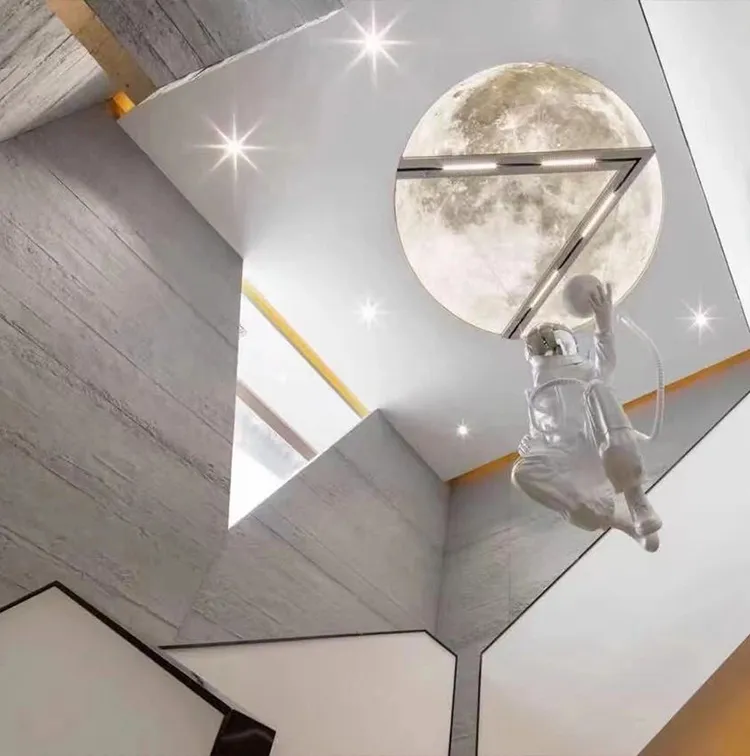
The Project Board Series isn't a one-size-fits-all solution—it's a family of engineered cement boards, each tailored to different heavy-duty needs. At its core, though, every panel shares a few key traits: durability, design flexibility, and a commitment to sustainability. Let's break down what makes these boards stand out, starting with the materials that power them.
Materials That Mean Business
At the heart of the Project Board Series is a focus on high-performance materials. Take
MCM flexible stone
, for example. It's exactly what it sounds like: stone that bends. By combining natural stone particles with a polymer matrix, MCM flexible stone panels retain the look and feel of real stone but with the added benefit of flexibility—meaning they can be curved, cut, or shaped to fit even the most complex architectural designs. Imagine wrapping a building's facade in the warm, organic texture of travertine without worrying about it cracking during installation or wear. That's the magic of flexible stone.
Then there's
fair-faced concrete
, a classic for a reason. Known for its raw, industrial-chic aesthetic, fair-faced concrete panels in the Project Board Series are reinforced with MCM technology to make them stronger and lighter than traditional concrete. They're perfect for projects that want that "unfinished" look with a polished level of durability—think warehouse conversions, modern art galleries, or industrial-style exteriors that need to stand up to harsh weather.
And let's not forget the aesthetic powerhouses: finishes like
travertine (starry green)
and
lunar peak silvery
. These aren't just pretty faces—they're functional designs. Travertine (starry green) mimics the look of natural travertine stone with subtle, star-like flecks of green, adding depth and warmth to any surface. Lunar peak silvery, on the other hand, leans into modern minimalism, with a sleek, metallic silver finish that shimmers under light, perfect for contemporary commercial buildings or high-end retail spaces. The best part? These finishes are baked into the material, so they won't fade or chip, even after years of sun, rain, or snow.
Manufacturing: Where Science Meets Craft
Creating an MCM Project Board isn't just about mixing materials—it's a process that balances science and craftsmanship. The journey starts with selecting high-quality raw materials: natural stone aggregates (like those used in travertine or granite), mineral powders, and a polymer binder. These ingredients are mixed under controlled conditions, then pressed into panels using high-pressure machinery to ensure density and strength. After pressing, the panels are cured at specific temperatures to activate the polymer, creating a bond that's resistant to moisture, heat, and impact. Finally, they're finished with textures or colors—like the starry green travertine or lunar peak silvery—to achieve the desired look.
The result? A panel that's up to 80% lighter than solid stone but just as strong, with a lifespan that can exceed 50 years. That's the kind of longevity that makes project managers sleep better at night.