
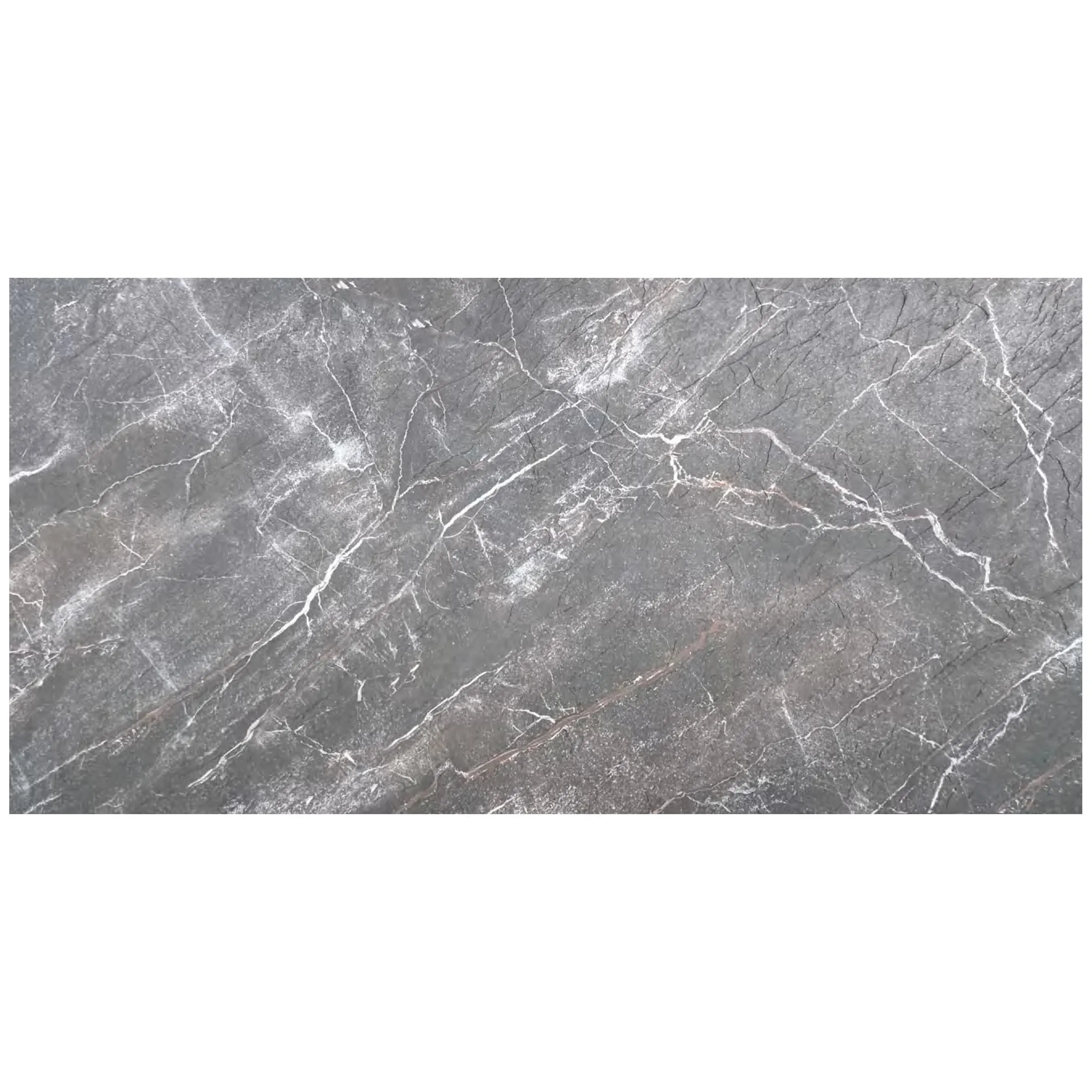
Walk into any space—whether it's the lobby of a sleek downtown office, the kitchen of a family home, or the hallway of a historic museum—and the walls around you do more than just divide rooms. They set the mood, tell a story, and shape how we experience the world. But what if those walls, those "silent storytellers," came with an invisible risk? When it comes to building materials, beauty and safety have long felt like opposing forces. We crave textures that feel alive, colors that inspire, and surfaces that age gracefully—but we also need to know they'll stand strong when disaster strikes. That's where the conversation gets real: choosing materials that don't just look good, but keep us safe .
For years, designers and builders have turned to materials like Slate Portoro for its striking, luxurious appearance—deep blacks swirled with gold veins, a look that screams elegance. But here's the catch: natural stones like Slate Portoro, while stunning, often fall short when it comes to fire resistance. When exposed to high heat, they can crack, spall, or even release toxic fumes, turning a beautiful surface into a hazard. In a world where building codes are stricter than ever and safety is non-negotiable, we need a better alternative. Enter the MCM Project Board Series —a line of engineered materials designed to marry the best of aesthetics with uncompromising fire safety. Let's dive into how this series is redefining what's possible for modern construction.
Slate Portoro isn't alone in this dilemma. Many traditional building materials prioritize looks over resilience. Take marble, for example—gorgeous, but prone to etching and heat damage. Or untreated wood, which adds warmth but is highly flammable. Even some "modern" options, like certain veneers or composite panels, can contain plastics or adhesives that ignite quickly when exposed to fire. The result? A trade-off no one wants to make: either settle for a surface that feels cold and industrial, or cross your fingers that the worst-case scenario never happens.
Consider a scenario we've all seen in news headlines: a small kitchen fire spreads faster than expected because the wall behind the stove was clad in a material that couldn't withstand the heat. Or a hotel lobby fire where toxic smoke from burning materials hinders evacuation. These aren't just statistics—they're human stories. And they're why the MCM Project Board Series was created. This isn't just about meeting minimum code requirements; it's about reimagining what safety looks like. What if your accent wall could look like ancient travertine, but resist temperatures that would make traditional stone crumble? What if your commercial space could have the raw, organic feel of fair-faced concrete , but with a fire rating that gives firefighters and occupants alike a fighting chance?
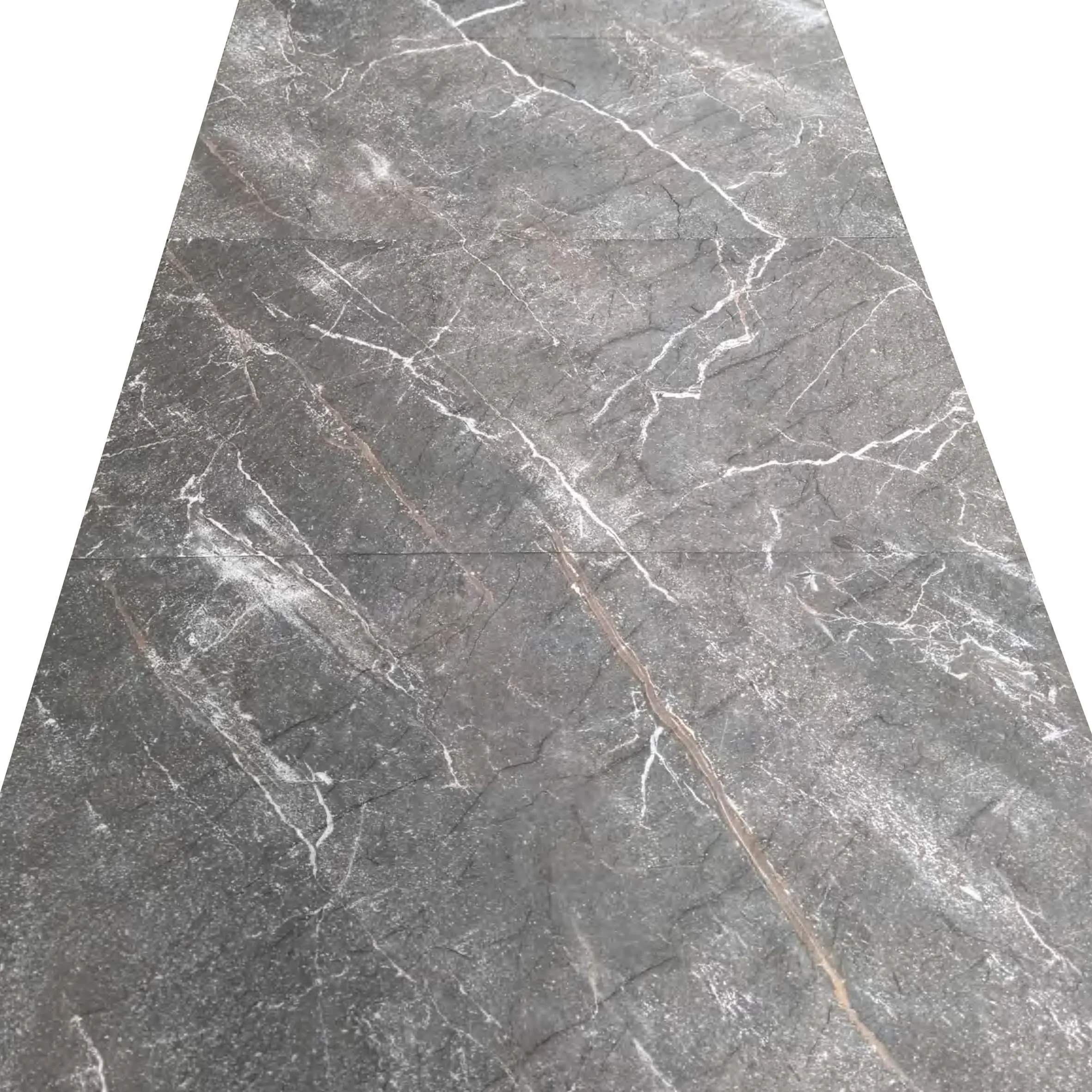
At its core, the MCM Project Board Series is about engineering materials that don't just perform —they connect . Developed by a team of material scientists and designers, these boards combine a non-combustible core with surface textures that mimic the world's most beloved natural stones, woods, and metals. The star of the show? MCM flexible stone —a revolutionary material that bends, curves, and conforms to any design, all while boasting a fire resistance rating that puts traditional stones to shame. But it's not just about flexibility. Let's break down the key players in this series and why they're game-changers.
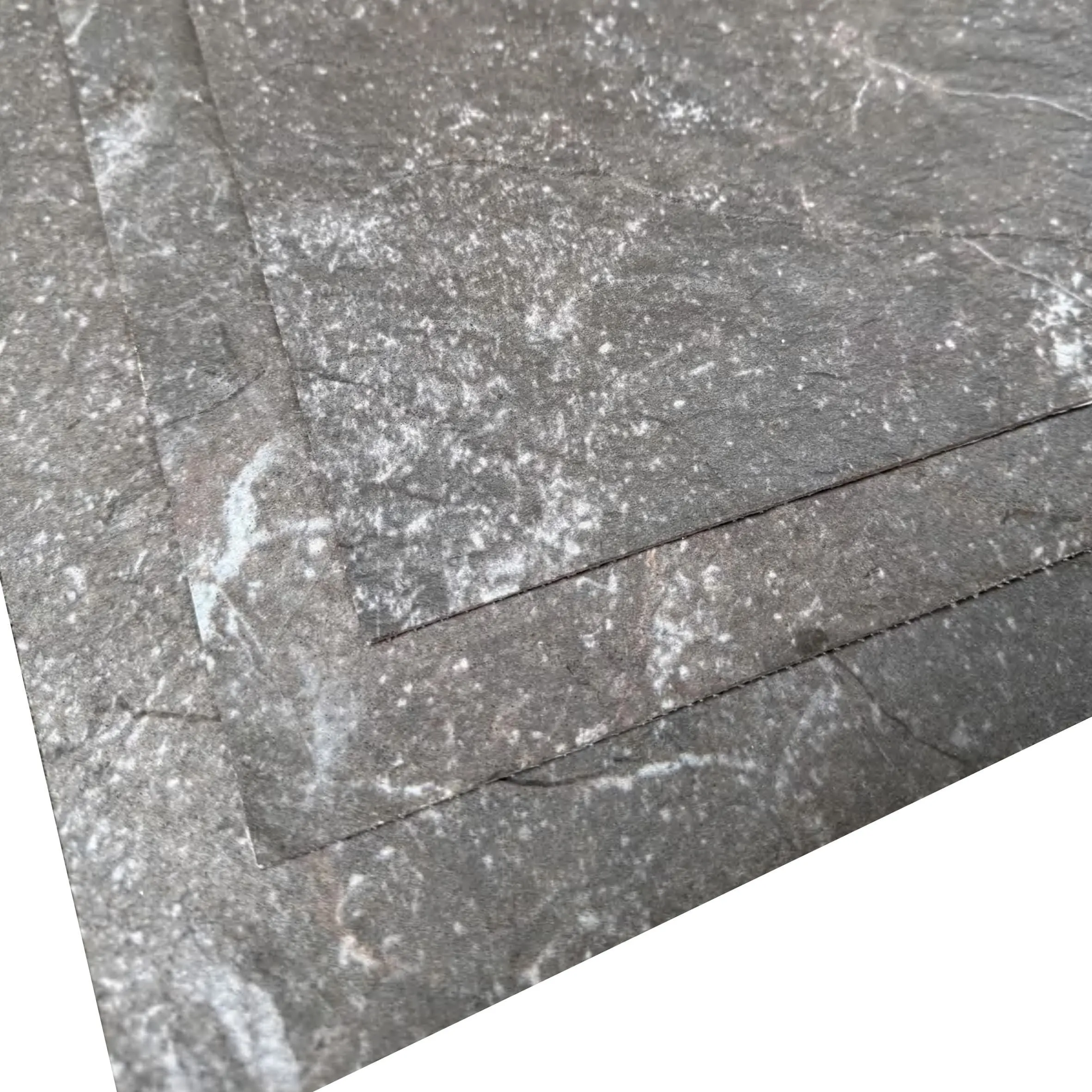
To truly understand the impact of these materials, let's put them side by side. Below is a snapshot of some standout products in the series, comparing their fire resistance, aesthetic appeal, and real-world applications:
| Product Name | Fire Resistance Rating | Aesthetic Features | Best For |
|---|---|---|---|
| MCM Flexible Stone – Epoch Stone | ASTM E84 Class A (Non-combustible) | Subtle, earthy veining mimicking 100-year-old stone; flexible for curved walls and columns | Residential accent walls, boutique hotel lobbies, heritage building renovations |
| Fair-Faced Concrete – Century Stone | ASTM E84 Class A (Non-combustible) | Raw, industrial texture with natural color variations; smooth or lightly textured finish | Commercial offices, art galleries, modernist homes |
| Lunar Peak Silvery | ASTM E84 Class A (Non-combustible) | Metallic, moon-like sheen with subtle crater-like indentations; lightweight and durable | High-rise exteriors, airport terminals, futuristic retail spaces |
| Travertine (Starry Green) | ASTM E84 Class A (Non-combustible) | Swirls of deep green with "starry" crystal inclusions; warm, organic feel | Restaurants, wellness centers, outdoor patios (weather-resistant) |
What stands out here? Every product in the series carries an ASTM E84 Class A rating—the highest fire resistance classification, meaning they won't ignite, spread flames, or release significant smoke when exposed to fire. But unlike, utilitarian fire-resistant materials of the past, these boards feel alive . Epoch Stone , for instance, isn't just a slab of concrete; it's engineered to look like stone that's been weathered by time, with veins that tell a story of the earth. Lunar Peak Silvery adds a touch of the cosmos to a space, with a metallic finish that shimmers without feeling artificial. Even Century Stone , with its industrial concrete vibe, has a warmth that comes from its natural color variations—no two panels look exactly alike.
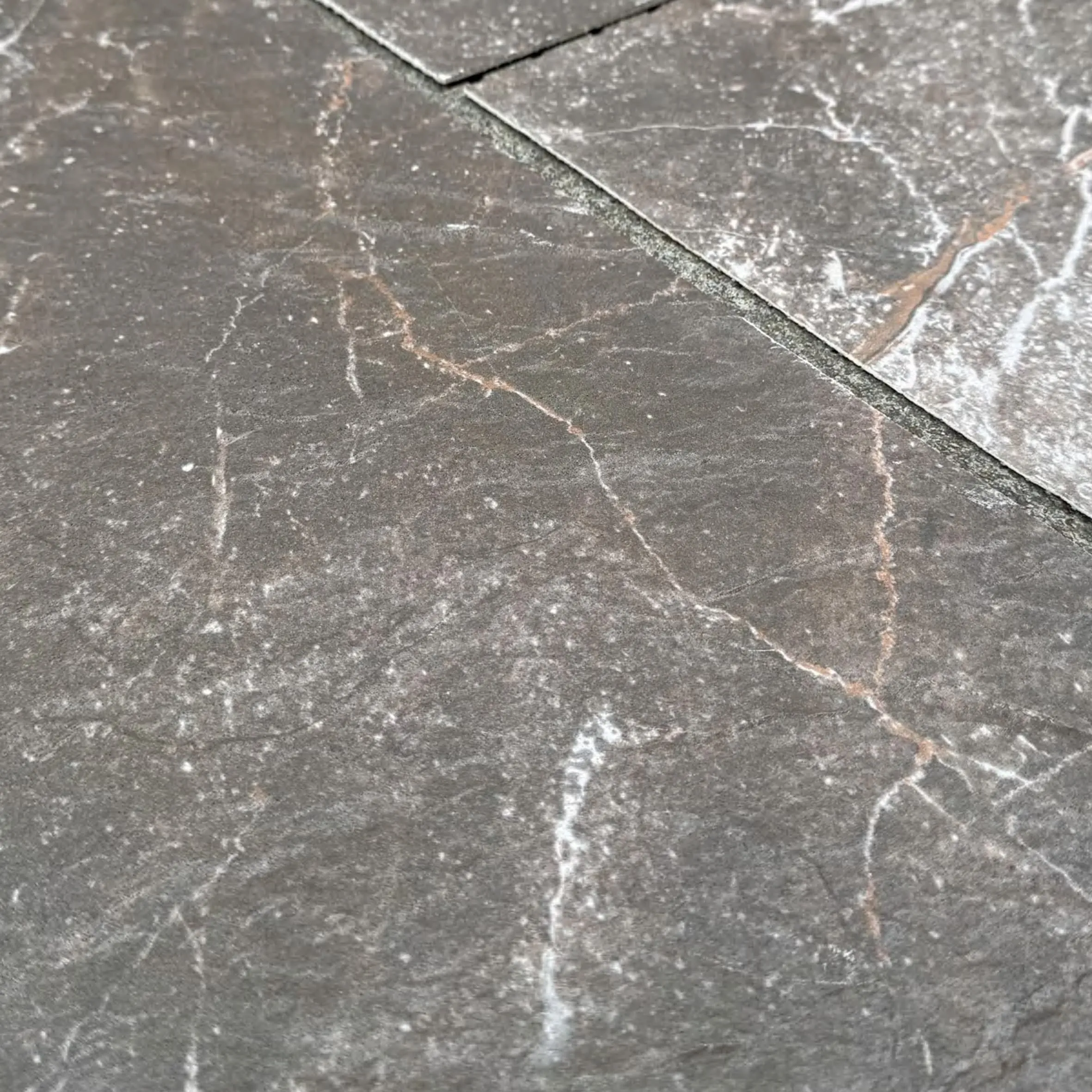
Fire resistance is the star feature, but the MCM Project Board Series doesn't stop there. These materials are built to solve the everyday headaches builders and homeowners face. Let's break down the perks that make them a no-brainer for modern projects:
Flexibility That Sparks Creativity: Traditional stone is heavy and rigid—try bending a slab of Slate Portoro to fit a curved wall, and you'll end up with a pile of. MCM flexible stone , on the other hand, can be bent to a radius as tight as 30cm, making it perfect for unique architectural features. Imagine a spiral staircase wrapped in travertine (starry blue) , or a rounded home theater wall clad in wood grain board —all without compromising safety.
Durability That Outlasts Trends: These materials aren't just fire-safe—they're tough. Resistant to moisture, mold, and UV fading, they hold up in humid bathrooms, sunny outdoor patios, and high-traffic commercial spaces. Epoch Stone , for example, won't crack in freezing temperatures or warp in humidity, making it ideal for both indoor and outdoor use. Say goodbye to costly repairs or replacements every few years.
Sustainability That Matters: In an era of eco-conscious building, MCM Project Board Series delivers. Many products are made with recycled materials—think crushed stone, reclaimed concrete, or recycled aluminum—and their lightweight design reduces transportation emissions. Plus, since they're so durable, they generate less waste over time. It's a win for the planet and your project budget.
Easy Installation, Happy Contractors: Heavy materials like natural stone require specialized equipment and teams to install, driving up labor costs. MCM boards, by contrast, are lightweight (often 70% lighter than traditional stone) and easy to cut, drill, or glue. A small crew can clad an entire accent wall in a day, saving time and money without sacrificing quality.
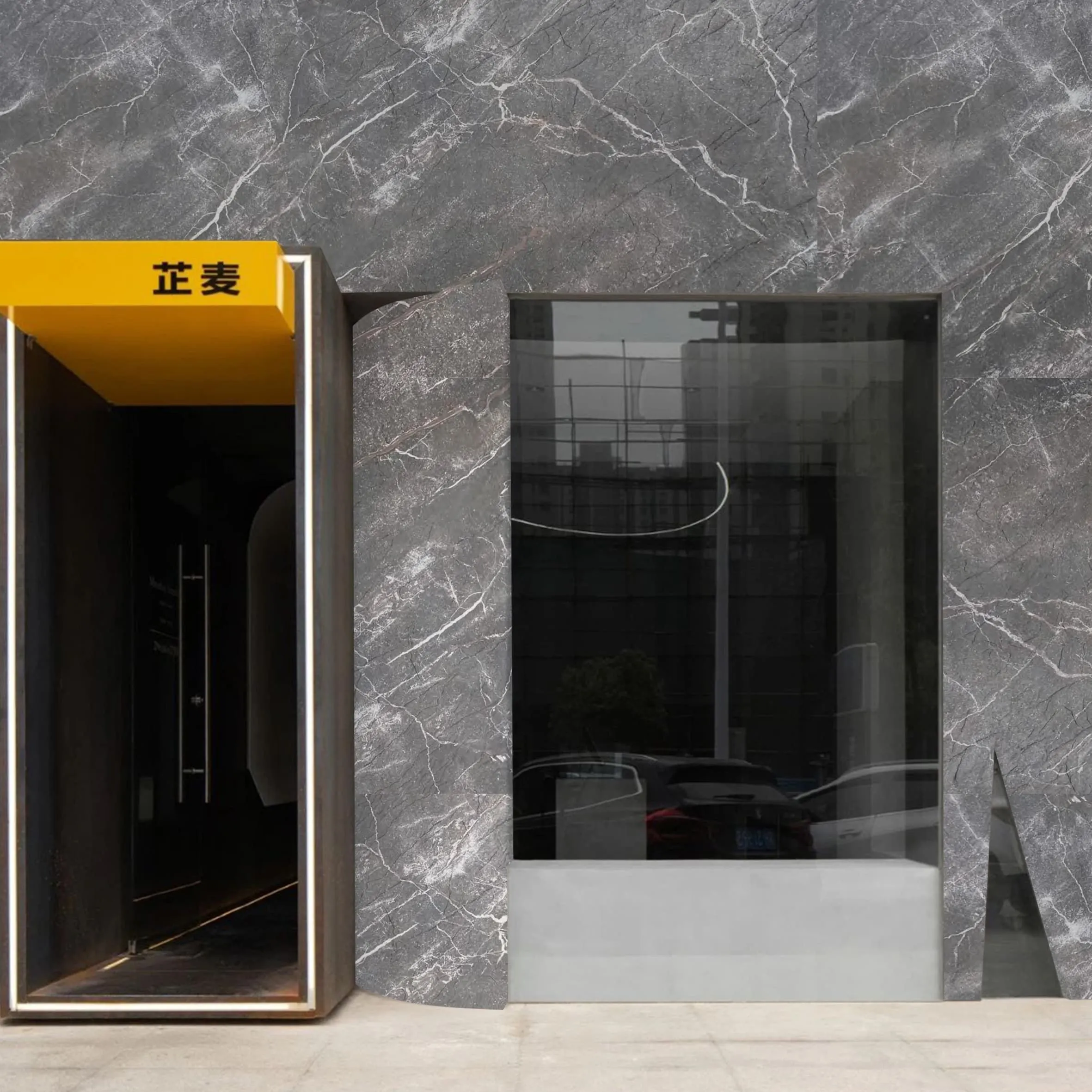
The beauty of the MCM Project Board Series is its versatility. These materials don't just work in one type of space—they elevate every type of space. Let's explore a few real-world scenarios where they've made a difference:
Family Homes: Safety Without Sacrificing Warmth
For families, the living room isn't just a room—it's where kids play, where holidays are celebrated, where memories are made. That's why many homeowners are choosing
epoch stone
for their fireplace surrounds or TV walls. It adds the cozy, rustic feel of natural stone, but parents can rest easy knowing it won't catch fire or release toxins if a stray spark flies. One homeowner in Portland, Oregon, put it this way: "I used to worry every time we lit a fire in the fireplace. Now, with Epoch Stone, I can enjoy the warmth without the stress."
Commercial Spaces: Code-Compliant and Stylish
Restaurants, hotels, and offices face strict fire codes—and for good reason. A single fire in a crowded space can have devastating consequences.
Century Stone
has become a favorite for restaurant owners who want that trendy "industrial chic" look without cutting corners on safety. A popular café chain in Chicago recently renovated its locations with Century Stone walls, pairing them with wooden tables and warm lighting. The result? A space that feels inviting but meets the city's rigorous fire safety standards.
Historical Renovations: Preserving the Past, Protecting the Future
Renovating a heritage building is a labor of love—you want to honor its history, but you also need to bring it up to modern safety codes. That's where
historical pathfinders stone
(a standout in the MCM series) shines. Designed to mimic the weathered, timeworn texture of 19th-century stone, it allows architects to restore a building's original charm while upgrading its fire resistance. A recent renovation of a 1800s schoolhouse in Boston used Historical Pathfinders Stone on the exterior, and visitors can't tell the difference between the original stone and the new MCM panels. "It's like giving the building a new lease on life," said the project architect. "We preserved its soul, but now it's safer than ever."
At the end of the day, there are plenty of fire-resistant materials on the market. So what makes the MCM Project Board Series different? It's simple: it doesn't make you choose . Too often, fire-resistant materials feel like an afterthought—gray, generic, and uninspired. MCM, by contrast, starts with aesthetics and builds safety in from the ground up. It's for the designer who wants a wall that makes people stop and say, "Wow, what is that?" and the builder who needs to check every safety box. It's for the homeowner who refuses to live in a space that feels like a hospital, and the business owner who wants to welcome customers with style and peace of mind.
Take lunar peak golden , for example. It's a fire-resistant panel with a shimmering, almost otherworldly finish that looks like sunlight hitting a mountain at dawn. Or travertine (starry red) , which adds bold color and texture to a room without the fire risk of painted drywall. These aren't "compromise" materials—they're upgrades. They prove that safety can be beautiful, and beauty can be safe.
As we look ahead, the demand for materials that do more—look better, last longer, keep us safer—will only grow. The MCM Project Board Series isn't just keeping up with that demand; it's leading the charge. It's a reminder that building materials are more than just surfaces. They're about protecting what matters most: our families, our communities, our stories. So the next time you're planning a project—whether it's a small home renovation or a large-scale commercial build—ask yourself: Why settle for "pretty but perilous" when you can have both beauty and safety? With MCM, you don't have to.
In the end, the walls around us should do more than just stand there. They should inspire us, comfort us, and above all, protect us. The MCM Project Board Series gets that. It's not just a product line—it's a promise: that the spaces we build today will be as safe as they are stunning, for years to come.
Recommend Products












