

Walk through any modern city, and you'll see a skyline defined by ambition. Glass towers pierce the clouds, and concrete behemoths command attention. But as our architectural language evolves, there's a growing desire for something more than just height and scale. There's a yearning for texture, for dynamism, for a facade that tells a story. We're moving away from the era of monotonous, flat surfaces and entering a new age where buildings breathe with rhythm and movement. This is where the concept of 'wave panels' comes into play, transforming static structures into fluid, sculptural forms.
Imagine a commercial complex whose walls ripple like the surface of a calm sea, or a residential tower whose facade mimics the gentle undulations of sand dunes. This isn't a futuristic fantasy; it's a tangible reality made possible by innovative materials. For decades, architects who dreamed of such designs were often constrained by the limitations of traditional materials. Stone was too heavy and costly to carve into intricate waves. Metal was prone to corrosion and difficult to shape uniformly over large areas. Concrete, while versatile, required complex and expensive formwork for anything beyond basic shapes. The dream of fluid architecture often crashed against the rocks of practicality.
This is the challenge that COLORIA GROUP set out to solve. As a dedicated one-stop solution provider in the building materials sector, we saw a clear gap between architectural vision and material capability. Our response is the MCM Project Board Series , a revolutionary line of Modified Cementitious Material products specifically engineered for large-scale developments. This series isn't just another cladding option; it's a toolkit for creativity. It empowers architects and developers to seamlessly integrate complex, three-dimensional designs like wave panels into their projects without the traditional trade-offs of cost, weight, and installation complexity. It's about making the extraordinary achievable and bringing a new, organic rhythm to the built environment.
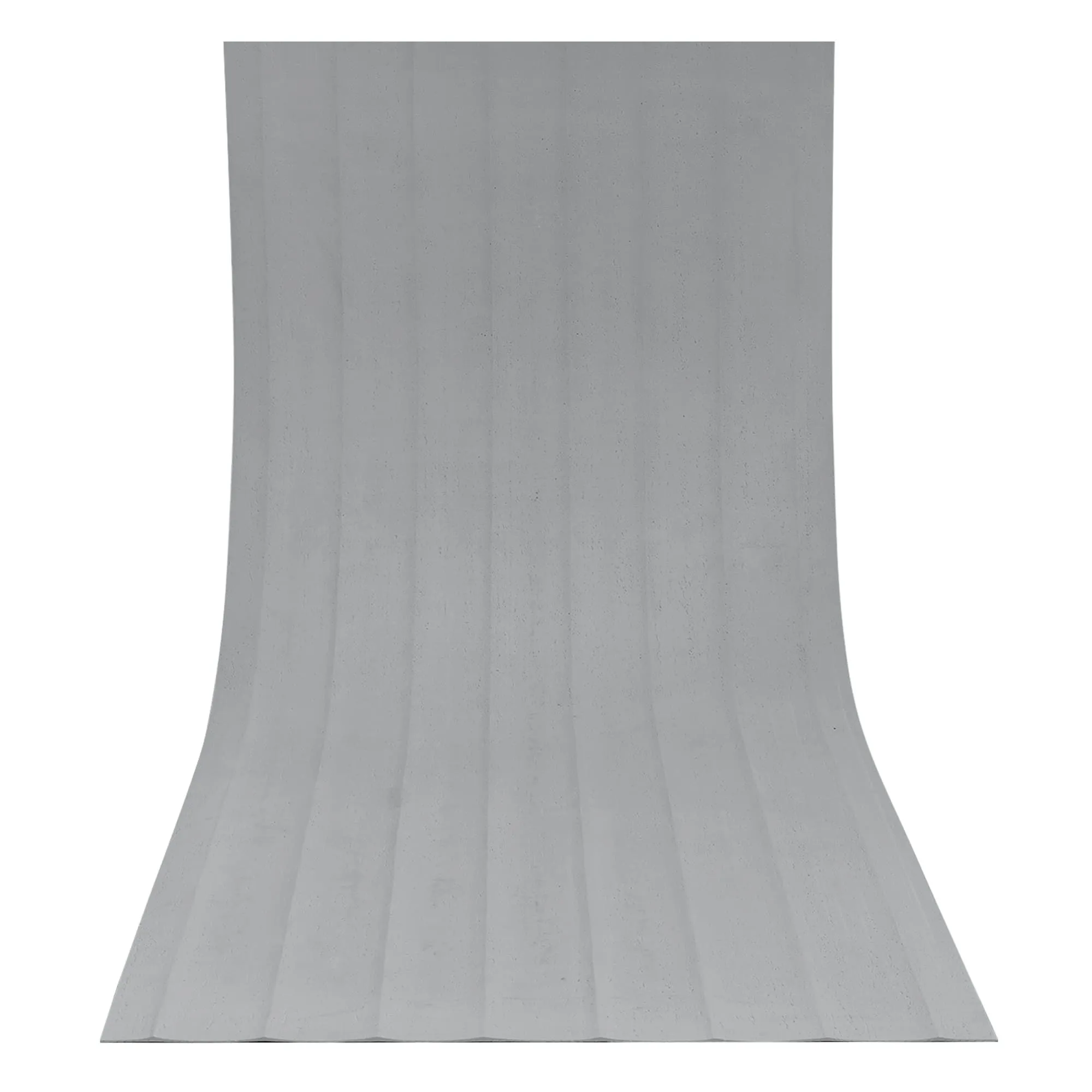
So, what exactly is the MCM Project Board Series ? At its core, it's a product born from a deep understanding of the demands of modern construction. MCM, or Modified Cementitious Material, is an advanced composite made from natural mineral powders, cementitious binders, and other eco-friendly components. Through a specialized molding and curing process, we can create panels that are incredibly versatile. The Project Board Series is our specialized offering tailored for developers, contractors, and architects working on substantial projects like residential complexes, office parks, hotels, and public buildings.
Unlike standard cladding, this series is built for performance and scale. We understand that in a large-scale development, efficiency is just as important as aesthetics. Every panel needs to be consistent, easy to install, and durable enough to withstand the elements for decades. The MCM Project Board Series delivers on all these fronts. It's lighter than traditional stone or precast concrete, which significantly reduces the structural load on the building and simplifies logistics and installation. This seemingly small detail can lead to substantial savings in both foundational requirements and labor costs over the course of a multi-story project.
The true innovation of the MCM Project Board Series lies in its ability to be custom-molded into virtually any shape, texture, or pattern—including the sophisticated, flowing contours of wave panels. This is where art meets engineering.
This customization is not just a superficial feature. It allows for complete design freedom. Whether the project calls for sharp, geometric waves or soft, organic ripples, our process can replicate the vision with stunning precision. The panels can be produced in large formats, minimizing seams and creating a more monolithic, seamless appearance on the facade. This is particularly crucial for wave designs, where joints can disrupt the visual flow and undermine the entire aesthetic. Furthermore, these panels can be colored and textured to mimic a vast array of natural materials, from travertine and sandstone to slate and granite, or even produced in bold, contemporary solid colors. This combination of form, color, and texture makes it a uniquely powerful tool for architectural expression.
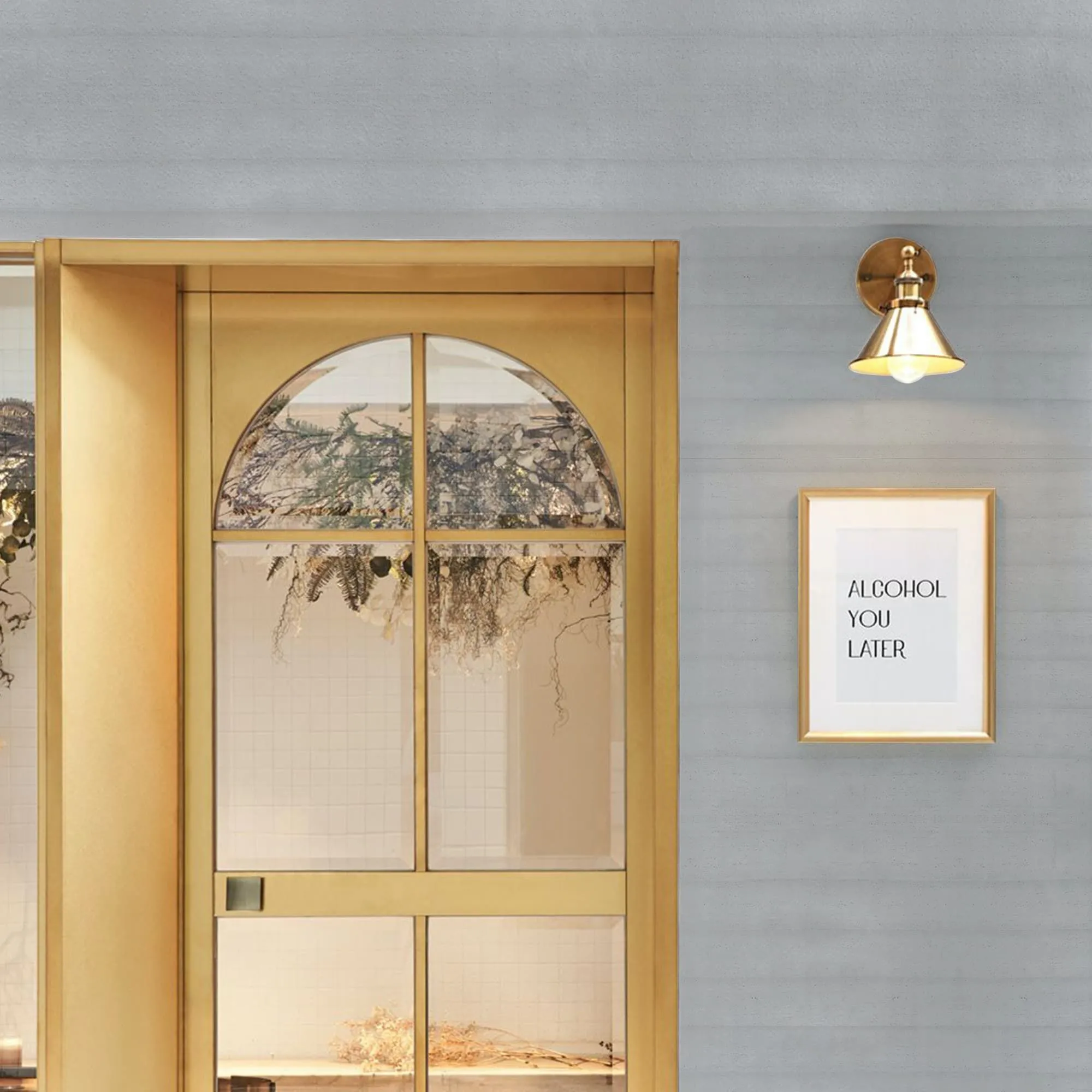
The integration of wave panels using the MCM Project Board Series is more than an aesthetic choice; it's a strategic one. It allows a building to interact with its environment in a dynamic way, particularly with light.
A flat facade reflects light uniformly. A wave panel facade, however, creates a constantly shifting canvas of light and shadow. As the sun journeys across the sky, the highlights and shaded areas move across the building's surface, giving it a sense of life and animation. In the morning, the gentle light might catch the crests of the waves, creating soft, elongated shadows. At midday, the high sun can create sharp, dramatic contrasts in the troughs. By sunset, the warm, low-angled light bathes the entire surface in a rich gradient of color. This dynamic interplay turns the building itself into a piece of kinetic art, changing its mood and appearance throughout the day and across the seasons. This is particularly impactful in regions with strong, consistent sunlight, such as our key markets in areas like Saudi Arabia, where architectural form can be dramatically enhanced by the desert sun.
Large-scale developments, such as extensive housing projects or sprawling commercial centers, often run the risk of appearing monolithic and repetitive. Wave panels are an incredibly effective strategy to combat this. By introducing a textural element across a large surface, you break the visual monotony without needing to change the core structure or footprint of the building. You can use panels with a consistent wave pattern to create a sense of cohesive rhythm, or you can vary the depth and frequency of the waves across different sections of the facade to delineate different areas or create focal points. For example, the base of a tower might feature deep, dramatic waves that gradually soften into a gentler ripple on the upper floors, creating a sense of visual lift and elegance.
Beyond the beauty, the practical benefits of using MCM for wave panels are compelling. Let's compare it to the alternatives.
| Feature | MCM Project Board Wave Panels | Traditional Precast Concrete | Carved Natural Stone |
|---|---|---|---|
| Weight | Lightweight, reducing structural load and foundation costs. | Extremely heavy, requiring significant structural reinforcement. | Very heavy, with similar structural demands to concrete. |
| Customization & Complexity | Highly customizable. Complex curves and waves are easily achieved through molding. | Complex shapes require expensive, custom-built formwork for each unique panel. | Carving is labor-intensive, extremely expensive, and limited by stone type. |
| Installation | Faster and simpler installation due to lower weight and large panel sizes. | Slow, requires heavy machinery and specialized labor. | Difficult and time-consuming, requires expert masons. |
| Consistency | High consistency from panel to panel due to controlled manufacturing process. | Can have variations in finish and color between batches. | Natural variations in color and veining, which can be unpredictable. |
| Sustainability | Composed of natural minerals and recycled components. Low-energy production process. A prime example of eco-friendly building materials . | High carbon footprint due to cement production and heavy transport. | Quarrying has a significant environmental impact. High waste from carving. |
| Cost-Effectiveness | Significantly more cost-effective for complex 3D shapes, especially at scale. | Very high initial cost for custom molds and structural support. | Prohibitively expensive for large-scale application of complex designs. |
This table clearly illustrates why the MCM Project Board Series is the superior choice for modern, large-scale projects aiming to incorporate dynamic 3D facades. It democratizes high-end design, making it accessible and practical for a wider range of developments.
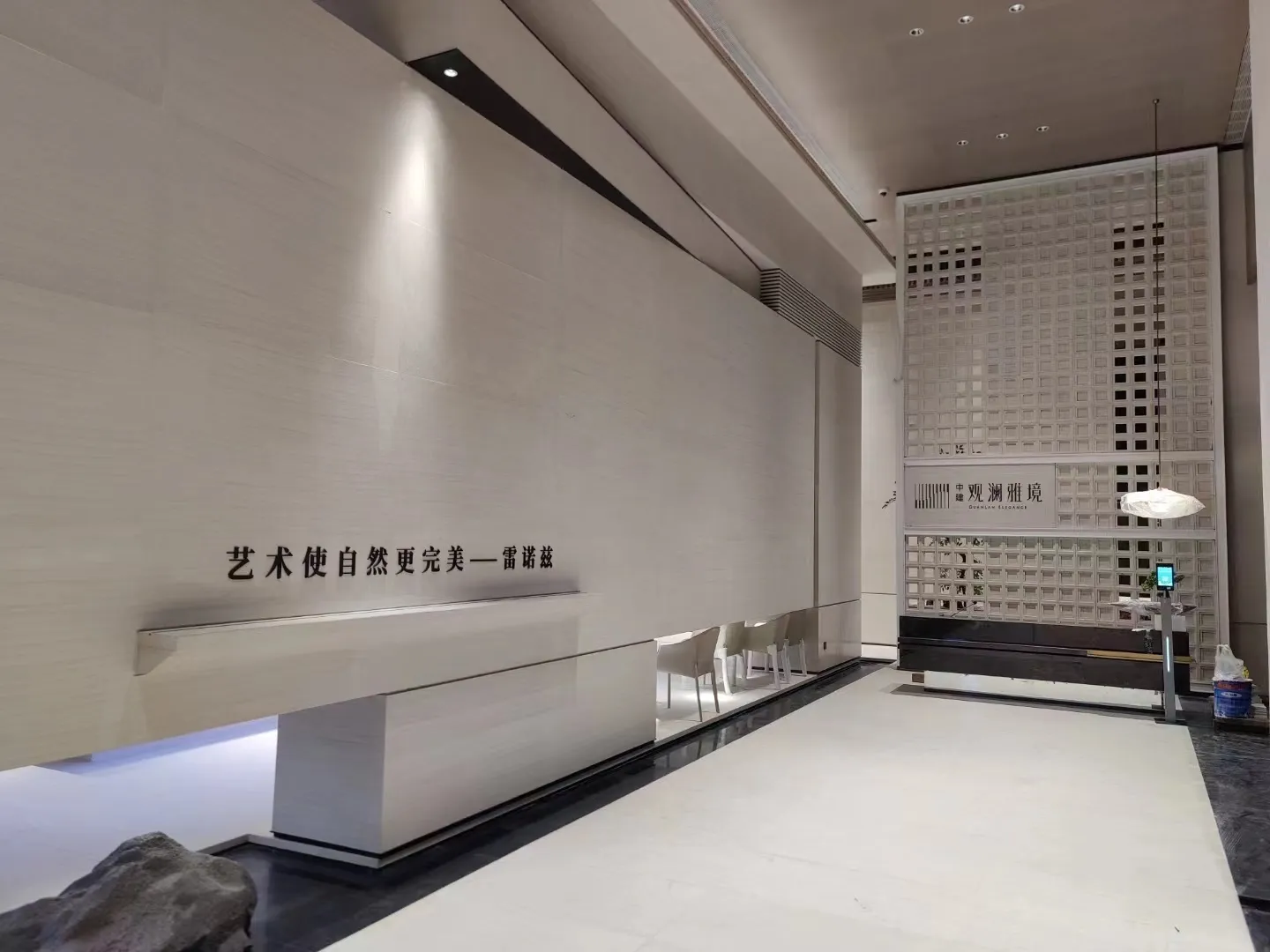
At COLORIA GROUP, we pride ourselves on being more than just a product manufacturer; we are a one-stop solution provider. The true power of our offerings is revealed when our product lines work in synergy. A large-scale development rarely relies on a single material. The beauty of a project often comes from the thoughtful combination of different textures, finishes, and forms. Our diverse MCM portfolio is designed to facilitate this creative blending.
For instance, an architect can use the MCM Project Board Series for the main wave-panelled facade, creating a grand, sweeping statement. For the podium levels or main entrance, they might switch to our MCM Big Slab Board Series to create a smooth, sophisticated contrast that grounds the building. These large-format slabs offer a clean, minimalist look that beautifully complements the dynamic texture of the waves above.
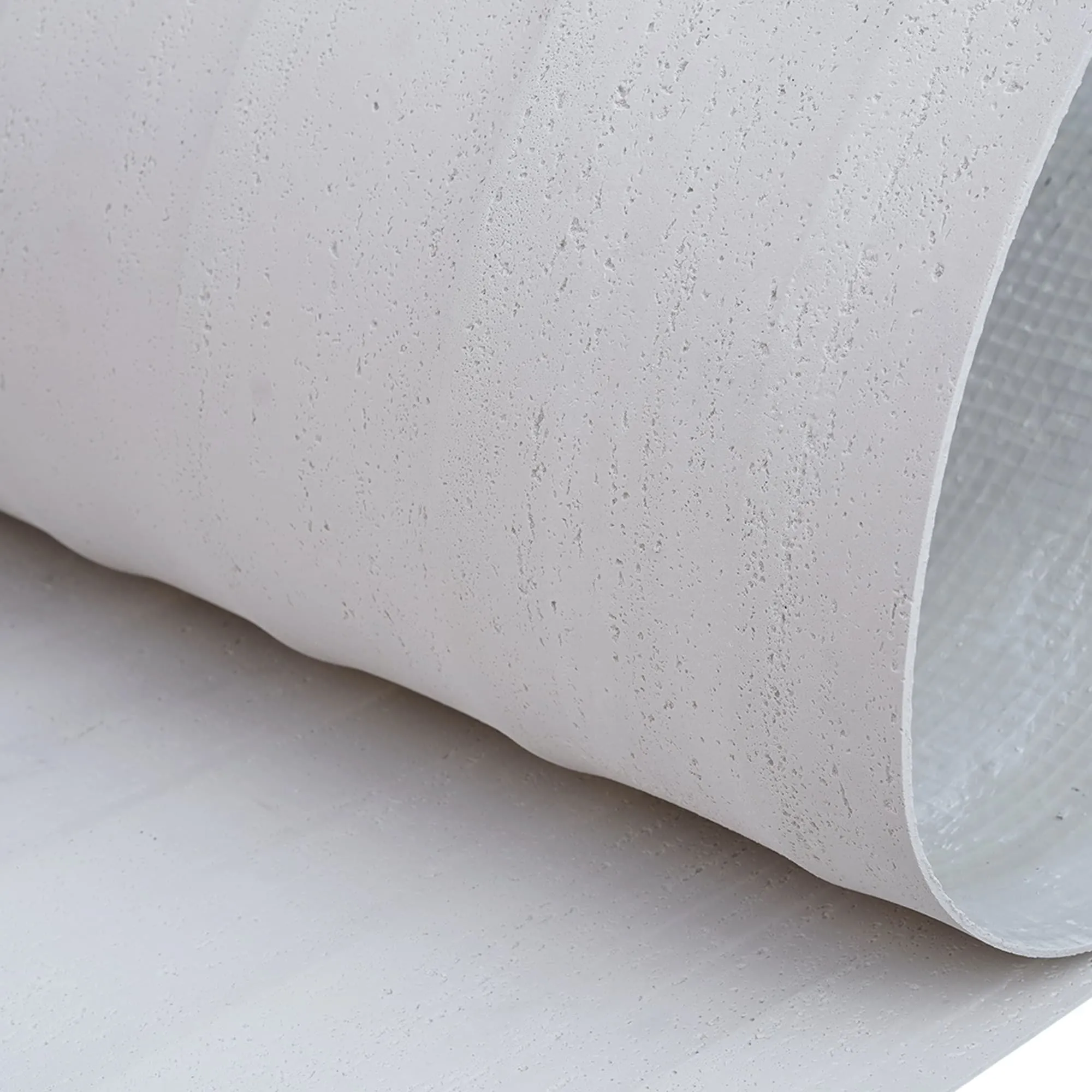
In other areas, such as interior feature walls or exterior accent sections, the MCM Flexible Stone series comes into its own. This incredibly thin, lightweight, and flexible material can be wrapped around curved columns, arches, and other complex geometries where a rigid board would be impractical. Imagine the undulating wave facade transitioning seamlessly into a curved entranceway clad in the rich, natural texture of MCM Flexible Stone . This creates a holistic and immersive design experience. For truly unique, bespoke elements, our MCM 3D Printing Series can be employed to create one-of-a-kind sculptural pieces, artistic screens, or branded insignia that integrate perfectly with the broader material palette.
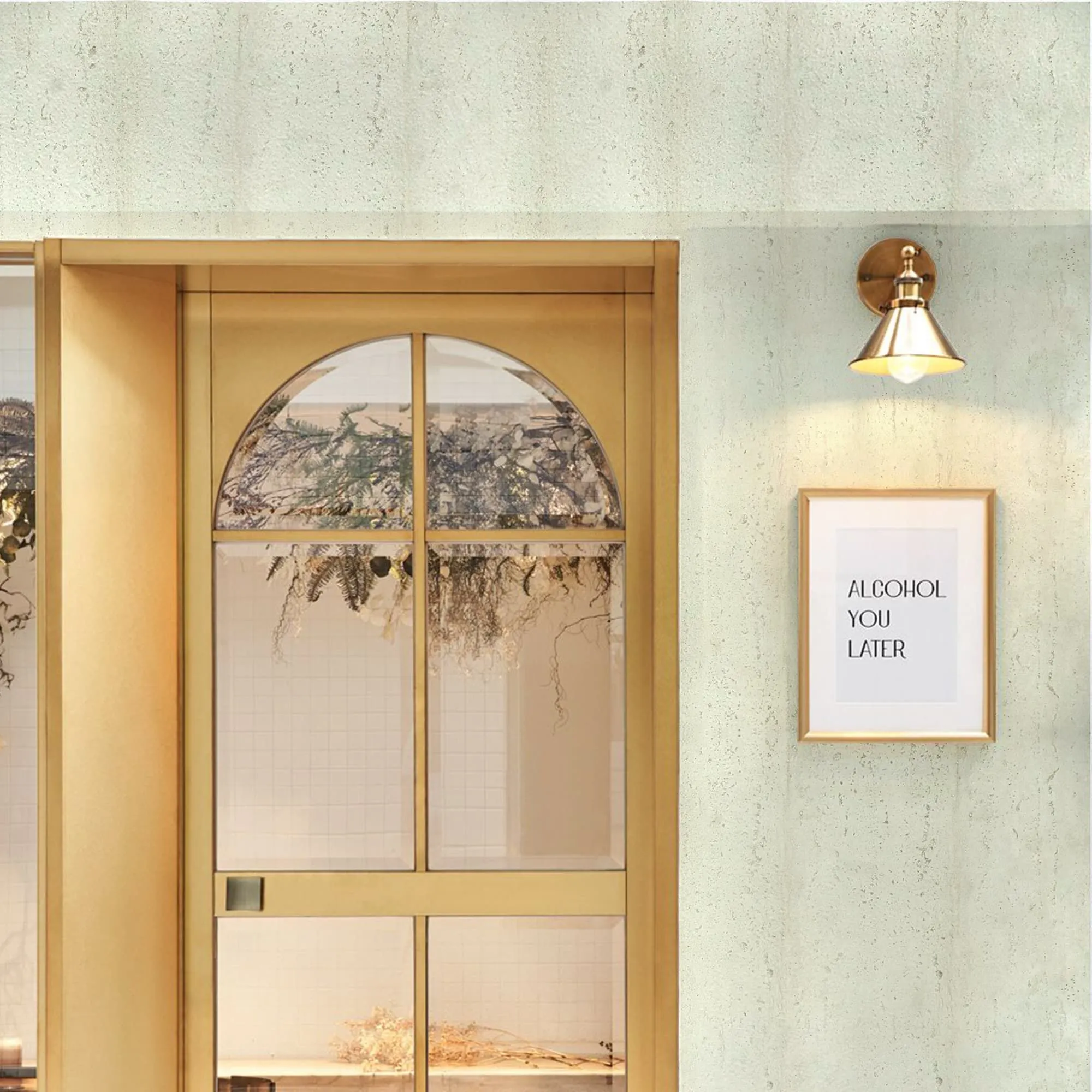
Let's visualize how this works in a real-world scenario. Consider a new, large-scale mixed-use development in a thriving international business hub—a project that needs to make a bold statement to attract premium tenants and visitors. The architectural vision is for a trio of towers that symbolize "flow"—the flow of people, data, and commerce.
The primary facade of all three towers is clad in wave panels from the MCM Project Board Series . Each tower has a slightly different wave frequency, creating a subtle differentiation while maintaining a unified family look. The panels are finished with a metallic-sheen terra cotta color, which shimmers and changes tone from dawn to dusk. The wave design isn't just for looks; the troughs are engineered to discreetly house channels for rainwater runoff, integrating function with form.
At the ground level, where the towers meet a bustling public plaza, the facade transitions to the MCM Big Slab Board Series in a dark, honed slate finish. These large, smooth panels create a strong, elegant base and provide a durable surface for the high-traffic pedestrian areas. The entrance canopies are dramatic, curved structures. Here, MCM Flexible Stone in a light travertine finish is used to wrap the complex curves perfectly, creating a warm and inviting entryway that feels both natural and futuristic.
Inside the main lobby, the wave motif is reintroduced on a grand feature wall, but this time it's a highly intricate, artistic interpretation created with our MCM 3D Printing Series . This wall becomes the centerpiece of the interior, a direct link to the building's exterior identity.
In this example, COLORIA GROUP acts as the central partner. We work with the architects from the early design phase to prototype the wave panels, ensuring the final product matches their vision. We coordinate the production and delivery of all four different MCM product series, timed perfectly with the construction schedule. Our technical team provides on-site consultation to the installation crews, ensuring best practices are followed for each material type. The result is a landmark project delivered efficiently, within budget, and with a stunning, cohesive aesthetic that would have been incredibly difficult and expensive to achieve with a mix of unrelated suppliers and traditional materials. This is the tangible value of our integrated approach and our commitment to providing cutting-edge, eco-friendly building materials .
The era of the flat, lifeless facade is drawing to a close. The future of architecture is textural, dynamic, and sustainable. It's about creating buildings that are not just shelters, but experiences—structures that engage our senses and respond to their environment. Wave panels, realized through the advanced capabilities of the MCM Project Board Series , are at the forefront of this movement.
COLORIA GROUP is proud to be the engine driving this transformation. By offering a lightweight, customizable, cost-effective, and sustainable solution, we are removing the traditional barriers to architectural creativity. Our comprehensive ecosystem of MCM products, from project boards and big slabs to flexible stone and 3D printed forms, ensures that any vision, no matter how ambitious, can be brought to life with harmony and precision. For developers and architects looking to make their mark and build the landmarks of tomorrow, the message is clear: the time to embrace the wave is now.
Recommend Products











