
In the world of engineering and architecture, every material choice is a silent promise—to endure the test of time, to harmonize with design visions, and to turn blueprints into tangible, breathing spaces. For professionals who bridge creativity and functionality, the search for materials that balance durability, aesthetics, and practicality is never-ending. Enter the MCM Project Board Series —a collection that doesn't just offer materials, but stories told through texture, color, and authenticity. Today, we're diving deep into one of its most versatile stars: lime stone (beige) , and why real photos of these materials are non-negotiable for engineering success.
Before we zoom in on lime stone (beige), let's take a moment to appreciate the MCM Project Board Series as a whole. More than a catalog, it's a toolkit for visionaries. From the rugged charm of fair-faced concrete to the celestial allure of the lunar peak series (think silvery sheens and golden glows that mimic starlit mountain tops), and the organic warmth of wood grain board , each line is crafted with engineering needs in mind. Lightweight yet strong, flexible yet stable, these materials are designed to adapt to the most demanding projects—whether you're cladding a skyscraper, restoring a heritage building, or designing a public plaza.
What sets the MCM Project Board Series apart? It's the marriage of innovation and authenticity. Take MCM flexible stone , for example. Unlike traditional stone, it bends without breaking, making it ideal for curved facades or intricate designs—no more compromising on shape for durability. Or 3D printing series , which pushes the boundaries of what's possible, letting engineers create custom textures and patterns that were once thought unachievable.
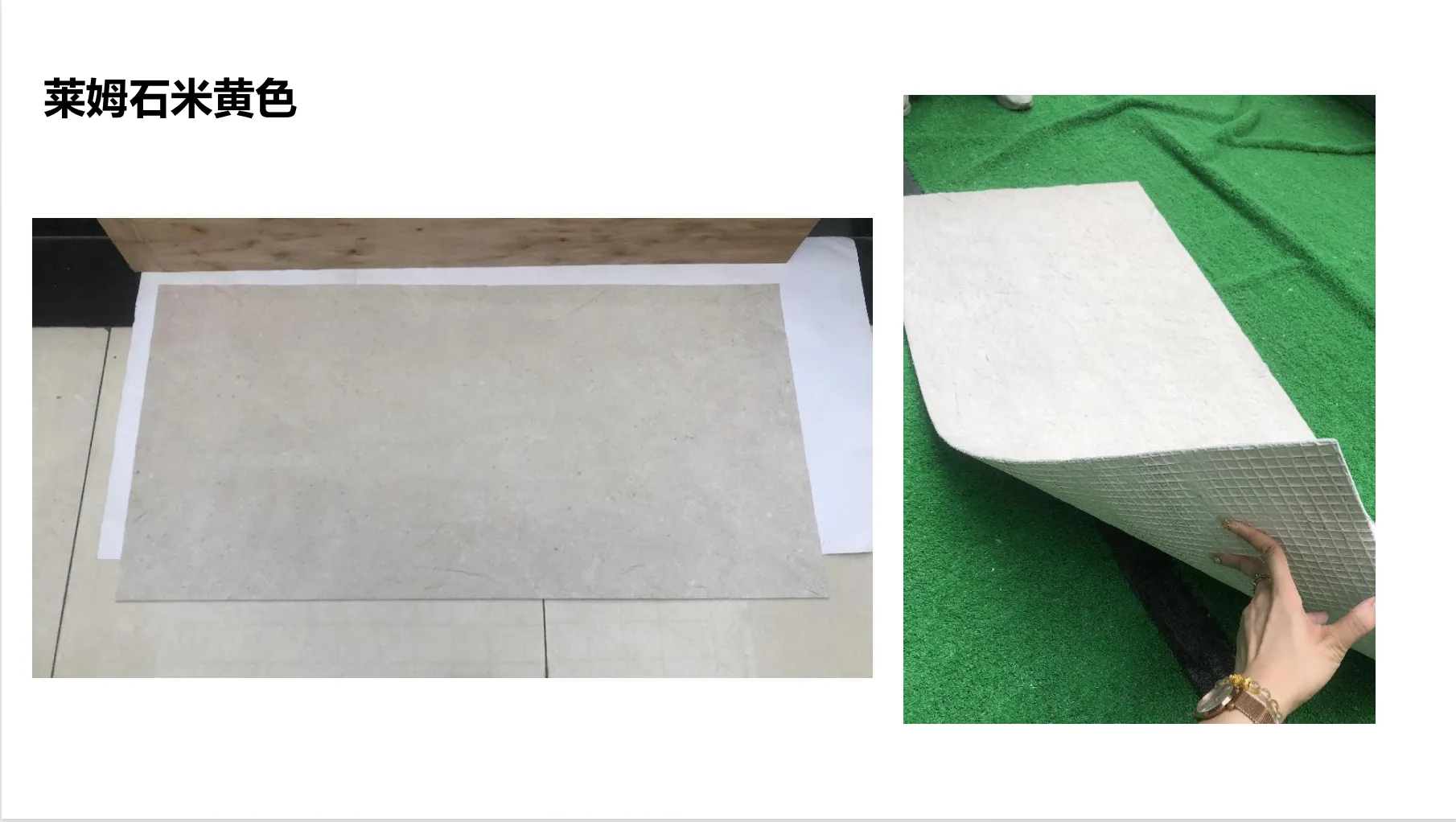
If there's one material in the MCM lineup that embodies "quiet confidence," it's lime stone (beige) . Soft yet sturdy, its warm, earthy hue evokes a sense of permanence without feeling heavy. Picture a sunlit courtyard with walls clad in this stone—its subtle variations in tone (captured flawlessly in real photos) add depth, while its smooth texture invites touch. But don't let its gentle appearance fool you: this is a material built for the long haul.
Engineers love lime stone (beige) for its practical perks. It's naturally resistant to weathering, so it stands up to rain, wind, and UV rays without fading or cracking. Its low water absorption rate makes it ideal for humid climates or areas prone to heavy rainfall—no more worrying about mold or structural damage. And because it's part of the MCM family, it's lighter than traditional limestone, reducing the load on building frames and cutting down on installation time.
But here's the kicker: real photos of lime stone (beige) are game-changers. A rendering might show a uniform beige slab, but real photos reveal the material's true character—tiny fossilized imprints, delicate veining, and how it interacts with different light sources. For an engineer tasked with matching a material to a client's vision, these details aren't just nice-to-haves; they're critical. A photo taken at noon might highlight its golden undertones, while one at dusk could bring out warmer, terracotta hues. This level of specificity ensures there are no surprises during installation—what you see in the photo is exactly what you get on-site.
Let's talk about the elephant in the room: engineering projects are high-stakes. A single misstep in material selection can lead to delays, budget overruns, or even safety issues. That's why relying on generic stock images or overly edited renderings is a risky move. Real photos, on the other hand, are a form of transparency. They show the material as it exists in the real world—flaws and all (though with MCM, "flaws" are just part of the charm).
Imagine specifying a travertine (starry green) for a hospital lobby, drawn to its cosmic-like sparkle in a rendering. But if the real stone has a more muted shimmer than expected, the client might be disappointed. Real photos eliminate that guesswork. They let engineers and designers examine the material up close—checking for consistency in color, the size of aggregate particles, even how it reflects light in different environments. It's like test-driving a car before buying it: you wouldn't commit without seeing it in person, and neither should you with building materials.
For lime stone (beige), real photos also showcase its versatility. One photo might feature it as a sleek exterior cladding on a modern office building, while another could show it as a rustic accent wall in a boutique hotel. These visual examples help engineers visualize how the material will perform in their specific project—whether it needs to complement glass and steel or blend with natural wood elements.
Lime stone (beige) is a standout, but the MCM Project Board Series offers a wealth of options tailored to different engineering needs. Let's break down some top contenders, using real photos as our guide:
| Material Name | Key Features (via Real Photos) | Engineering Advantages | Ideal Applications |
|---|---|---|---|
| Lime Stone (Beige) | Warm beige hue with subtle veining; smooth texture with fossilized details. | Weather-resistant, low water absorption, lightweight. | Exterior cladding, accent walls, public plazas. |
| Fair-Faced Concrete | Raw, industrial aesthetic with visible formwork lines and slight color variations. | High compressive strength, fire-resistant, minimal maintenance. | Warehouses, art galleries, bridge abutments. |
| Lunar Peak Silvery | Metallic silver sheen with a textured, moon-like surface. | Corrosion-resistant, reflective (reduces heat absorption), lightweight. | High-rise facades, sports stadiums, futuristic buildings. |
| MCM Flexible Stone | Natural stone appearance with a bendable, thin profile. | Adapts to curved surfaces, easy to install, impact-resistant. | Curved walls, decorative arches, heritage restorations. |
To truly appreciate lime stone (beige), let's look at how it's been used in real projects. Take the "Heritage Gateway" project in downtown Portland—a restoration of a 1920s train station. The architects wanted to preserve the building's historic charm while updating its structure for modern use. They chose lime stone (beige) for the exterior cladding, drawn to its ability to mimic the original limestone but with improved durability.
Real photos of the MCM lime stone (beige) were instrumental here. The client was initially hesitant about using a "modern" material, worried it would clash with the station's vintage brickwork. But after reviewing close-up photos of the stone's texture and color variations—how it picked up the warm tones of the brick and softened the sharp edges of the new steel windows—they were sold. Today, the station stands as a testament to how MCM materials can honor the past while embracing the future.
Another example: the "Riverside Community Center" in Austin, Texas. The engineers needed a material that could withstand the city's hot, humid summers and occasional floods. Lime stone (beige) checked all the boxes—its low water absorption kept mold at bay, and its UV resistance ensured the color wouldn't fade under the Texas sun. Real photos helped the design team visualize how the stone would look alongside the center's large glass windows, creating a seamless blend of indoor and outdoor spaces.
While lime stone (beige) is a star player, the MCM Project Board Series has something for every engineering challenge. Need a material that screams "futuristic"? Boulder slab (vintage silver) offers a sleek, metallic finish with a rugged edge—perfect for tech company headquarters. Restoring a historical building? Historical pathfinders stone mimics the look of ancient masonry, complete with weathered textures that tell a story (and real photos capture every crack and crevice).
For projects where sustainability is key, foamed aluminium alloy board (vintage gold) is a standout. Lightweight and 100% recyclable, it's ideal for green building certifications. And let's not forget travertine (starry red) —with its bold, cosmic pattern, it's a statement material for accent walls or feature facades. Again, real photos are crucial here, as they show how the red hues shift from day to night, ensuring the material aligns with the project's lighting design.
At the end of the day, engineering is about problem-solving—and the right materials are the tools that make solutions possible. The MCM Project Board Series doesn't just provide materials; it provides peace of mind. Whether you're specifying lime stone (beige) for a community center or fair-faced concrete for a warehouse, real photos ensure you're making informed decisions based on reality, not renderings.
So, to all the engineers, architects, and designers out there: don't just imagine your project—see it. Dive into the MCM Project Board Series, explore the real photos, and let the materials speak for themselves. Because when you build with MCM, you're not just constructing a structure; you're creating something that will stand tall, inspire, and endure—one authentic, beautiful stone (or concrete slab, or metallic panel) at a time.
Recommend Products












