
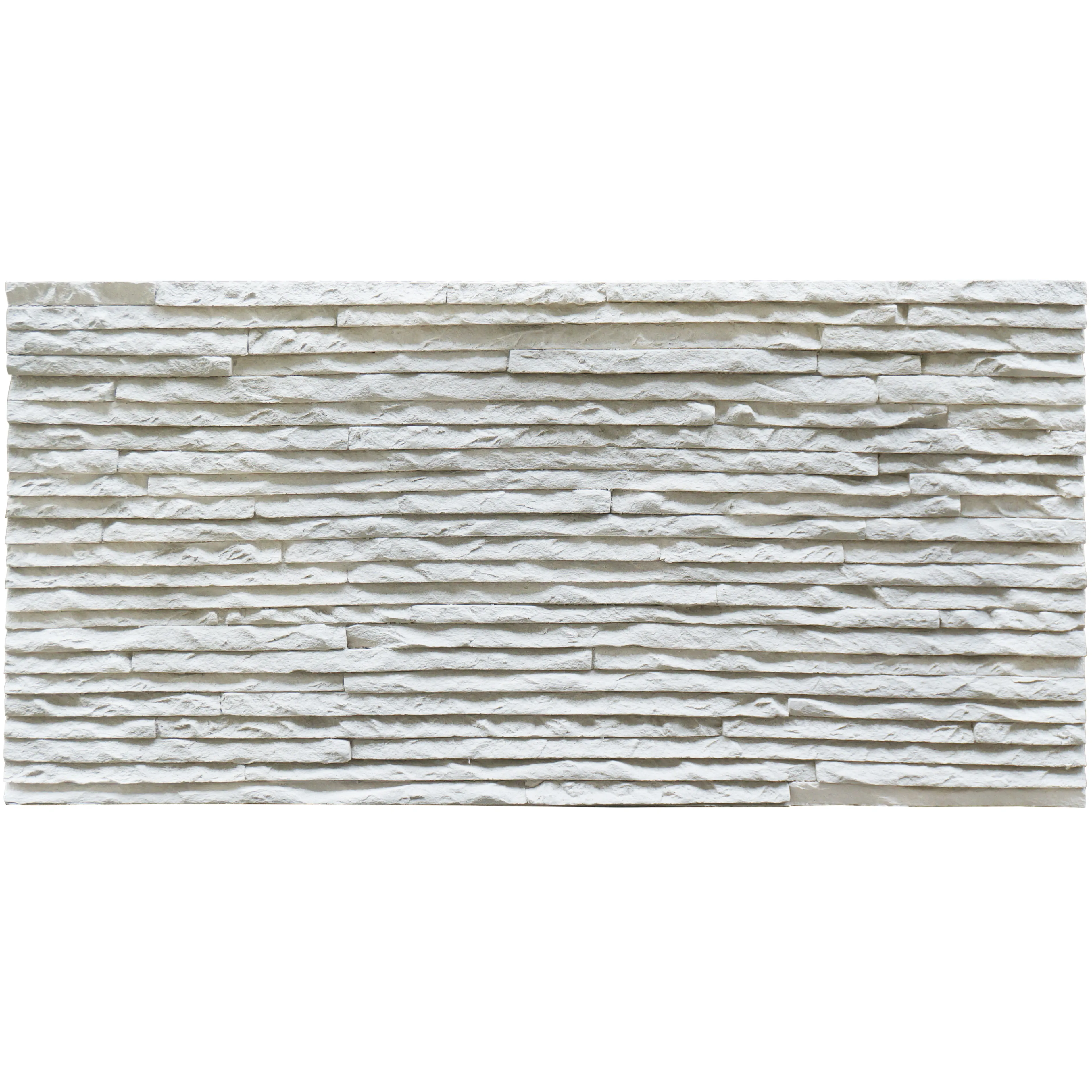
Walk into any building—old or new—and your first impression isn't just about the layout or the light. It's about the walls beneath your fingertips, the texture that catches your eye, the way the material feels like it belongs, or doesn't. Construction materials aren't just tools; they're storytellers. They whisper about the building's purpose, its personality, and the people who built it. That's where the MCM Project Board Series comes in. More than a collection of panels, it's a lineup of materials designed to turn large-scale construction from a cold, technical process into something human—something that resonates.
From the innovative 3D Printing Series that bends traditional design rules to the Flexible Stone Series that brings natural beauty without the bulk, MCM has reimagined what building materials can be. But today, we're zeroing in on a standout star: Muretto Stone (Beige). It's not just a panel. It's the quiet confidence of a well-designed space, the warmth that makes a mall feel like a community hub, or a campus building feel like a second home. Let's dive into why this unassuming beige stone is becoming the go-to for architects and builders tackling big projects—and why it might just change how you think about construction materials.
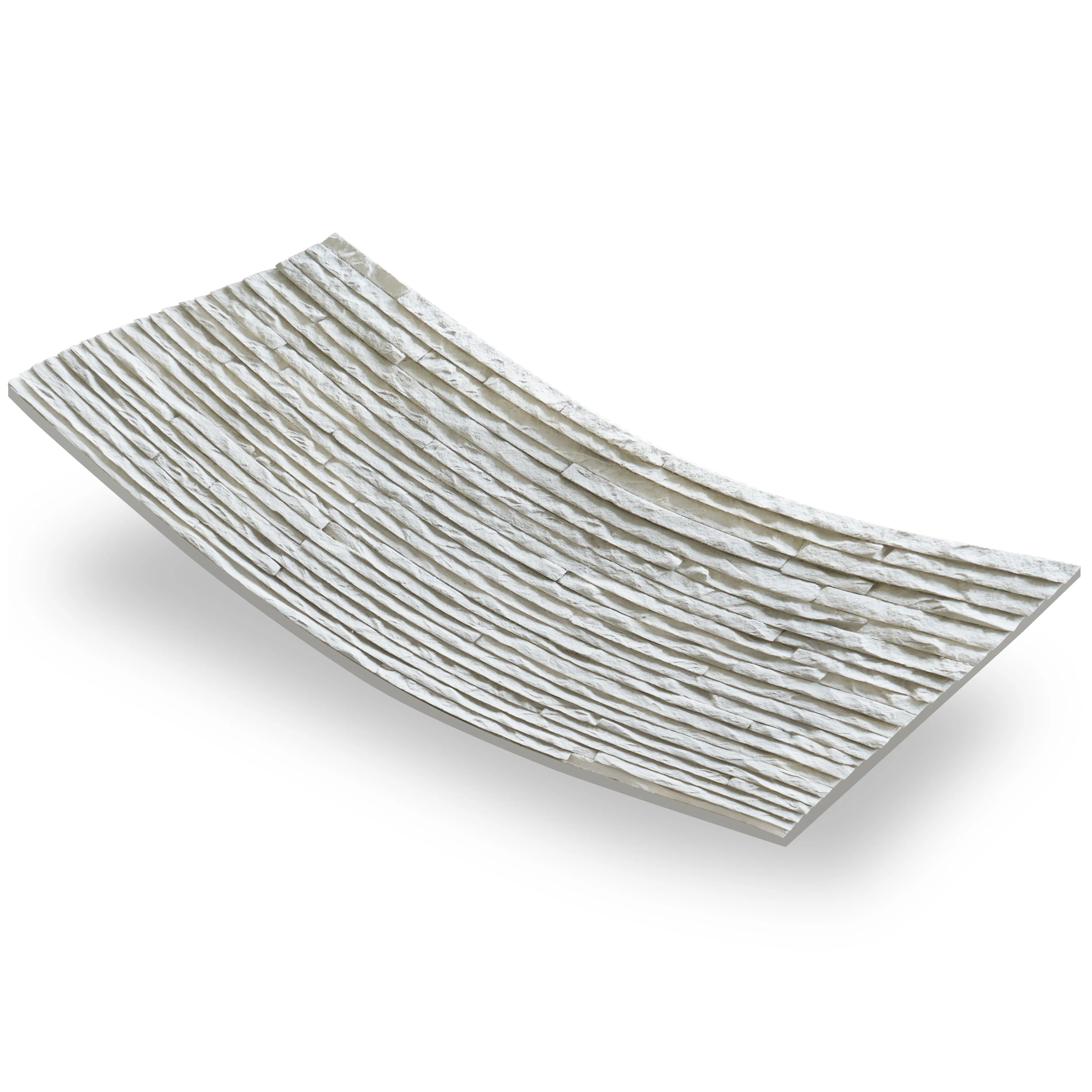
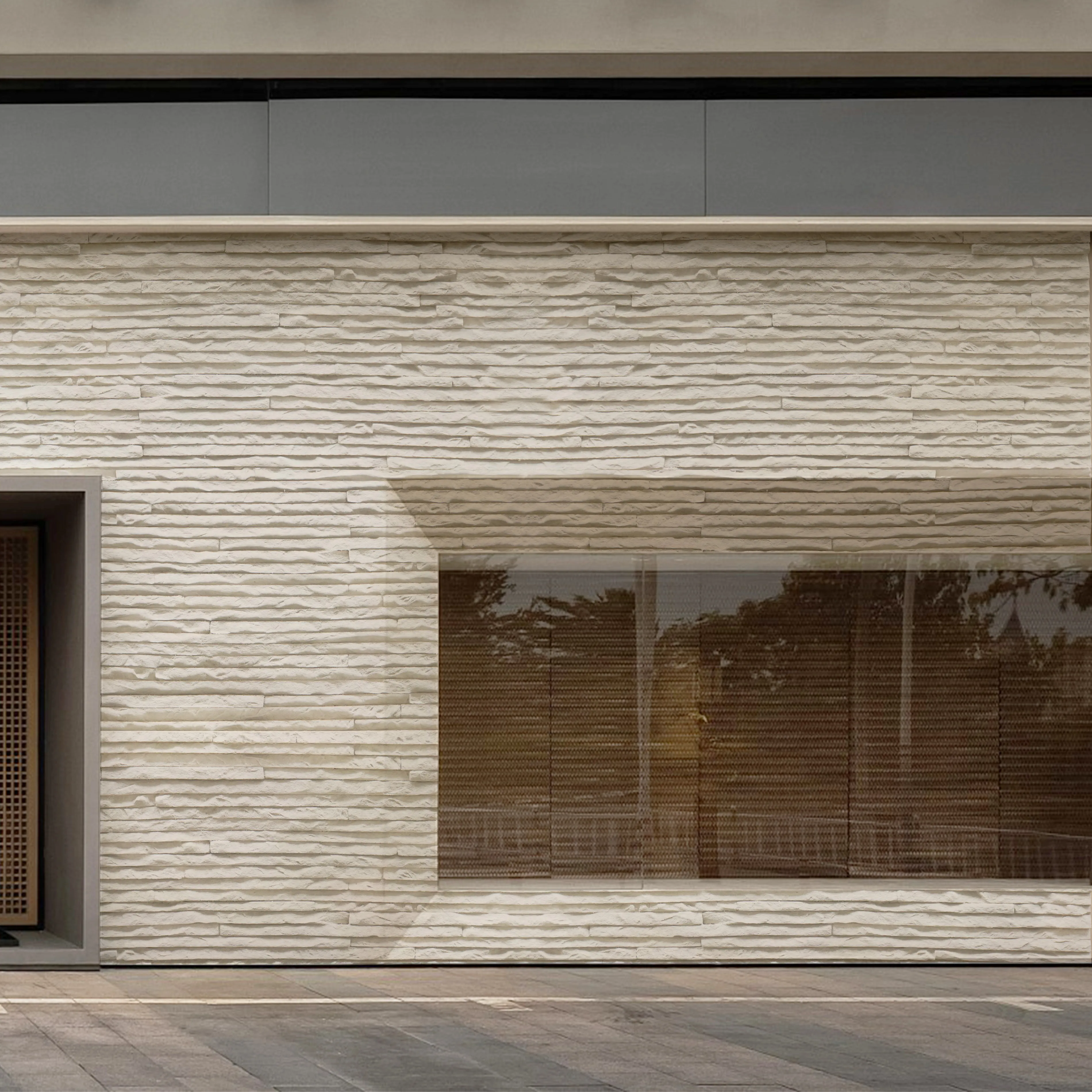
Picture this: a sunlit plaza, its walls glowing softly in the afternoon light. The material looks like it's been there for decades—weathered just enough to feel lived-in, but crisp enough to feel modern. Run your hand over it, and it's smooth without being slippery, textured without being rough. That's Muretto Stone (Beige) in action. It's a masterclass in balance: drawing from the timeless charm of traditional muretto (Italian for "small wall") construction, but reengineered for the demands of 21st-century large-scale projects.
At first glance, its color is understated—think warm sand dunes at dawn, or the soft beige of a well-loved book cover. But look closer, and you'll notice the subtleties: tiny variations in tone that mimic natural stone, a matte finish that doesn't glare under harsh lights, and a surface that seems to breathe. Unlike some synthetic materials that feel plastic or cold, Muretto Stone (Beige) has a tactile warmth to it. It doesn't shout for attention; it invites connection. "It's the kind of material that makes people pause," says Elena, an architect who used it on a recent shopping center project. "They'll brush their hand against the wall and say, 'Is this real stone?' When I tell them it's MCM, they're shocked—it feels that authentic."
But here's the twist: that "authentic" feel comes with a host of modern upgrades. Traditional stone is heavy, brittle, and a nightmare to install on large surfaces. Muretto Stone (Beige), part of MCM's Big Slab Board Series, flips that script. It's lightweight—up to 70% lighter than natural stone—so it doesn't strain structural supports. It's flexible, meaning it can bend slightly without cracking, making it perfect for curved facades or uneven walls. And it's durable, standing up to rain, wind, and even the occasional scuff from a wayward shopping cart. In short, it's the best of both worlds: the soul of old-world stone, the smarts of new-world engineering.
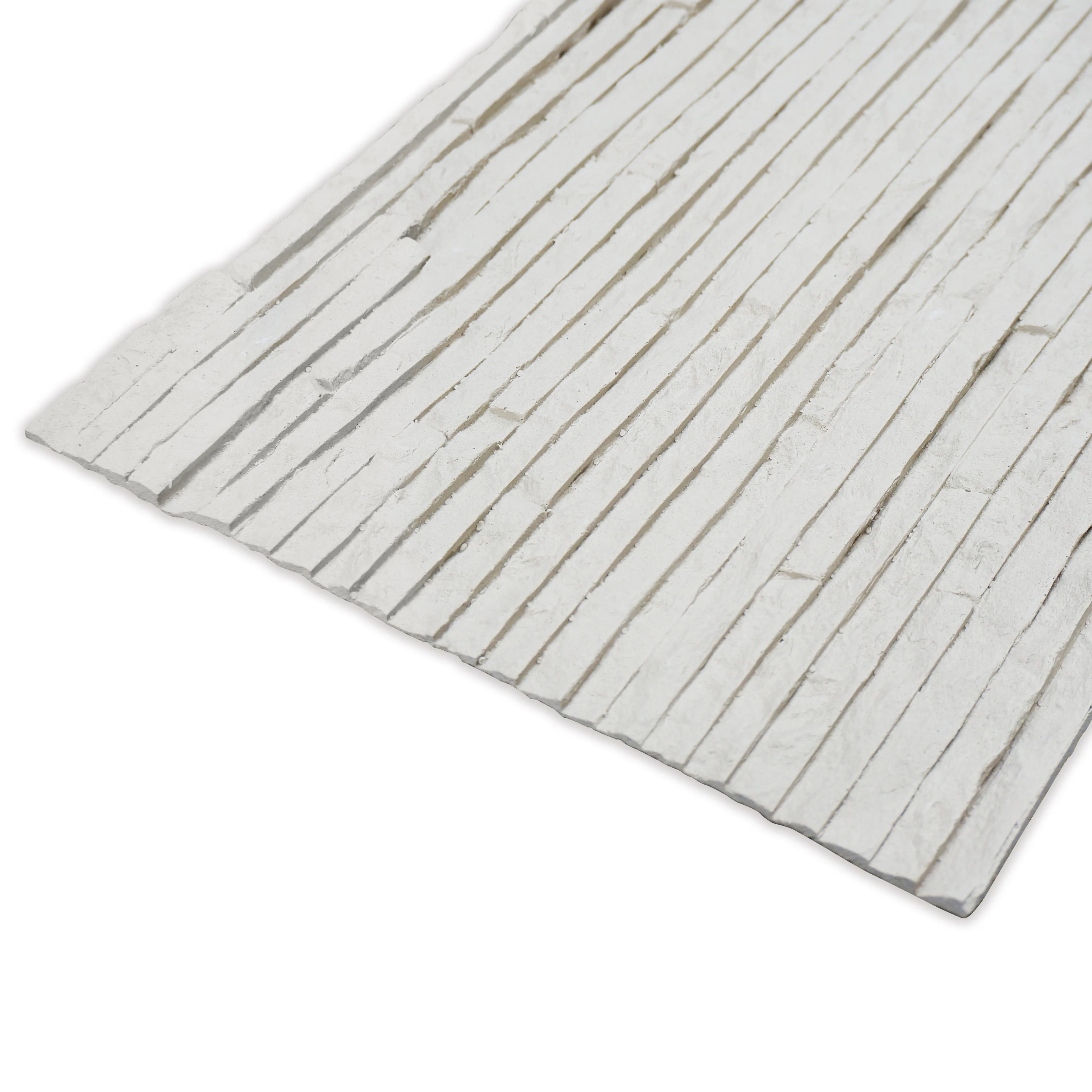
Let's talk logistics. Large-scale construction—think universities, airports, commercial complexes—isn't just about design. It's about deadlines, budgets, and keeping hundreds of workers coordinated. Any material that slows down installation, blows the budget, or needs constant maintenance is a nonstarter. Muretto Stone (Beige) checks all the boxes, and then some.
First, it's a time-saver. Thanks to its lightweight design and compatibility with MCM's Big Slab Board Series, installers can cover more ground in less time. "On our last hospital project, we used Muretto panels for the exterior cladding," recalls Marcus, a construction manager. "Compared to traditional stone, which required cranes and careful lifting, these panels were carried by two people. We cut installation time by 40%. That's huge when you're on a tight schedule."
Then there's customization. Large projects rarely stick to one-size-fits-all. Muretto Stone (Beige) comes in slabs up to 1.2m x 2.4m, but can be cut to fit any shape—arches, corners, even intricate patterns. Need a logo embedded in the wall? No problem. Want to mix and match with other MCM series, like the sleek Fair-Faced Concrete panels for a modern contrast? It plays well with others. "We paired Muretto with Fair-Faced Concrete on a tech campus," says Elena. "The beige grounded the space, while the concrete added edge. It was like pairing a cozy sweater with a sharp blazer—perfect harmony."
Durability is another win. Large buildings face harsh conditions: UV rays, rain, pollution, even temperature swings. Muretto Stone (Beige) is built to resist all of it. Its surface doesn't fade, crack, or stain easily, which means less maintenance down the line. "We had a client worried about graffiti on a public library," Marcus adds. "Muretto cleaned right off with soap and water. Traditional stone would've needed harsh chemicals or sandblasting. That's a big relief for facility managers."
And let's not forget sustainability. In an era where "green building" isn't just a trend but a requirement, Muretto delivers. It's made with recycled materials, has a low carbon footprint during production, and is 100% recyclable at the end of its life. Plus, its lightweight nature reduces transportation emissions—trucks can carry more panels per trip, cutting down on fuel use. For projects aiming for LEED or BREEAM certification, that's a major plus.
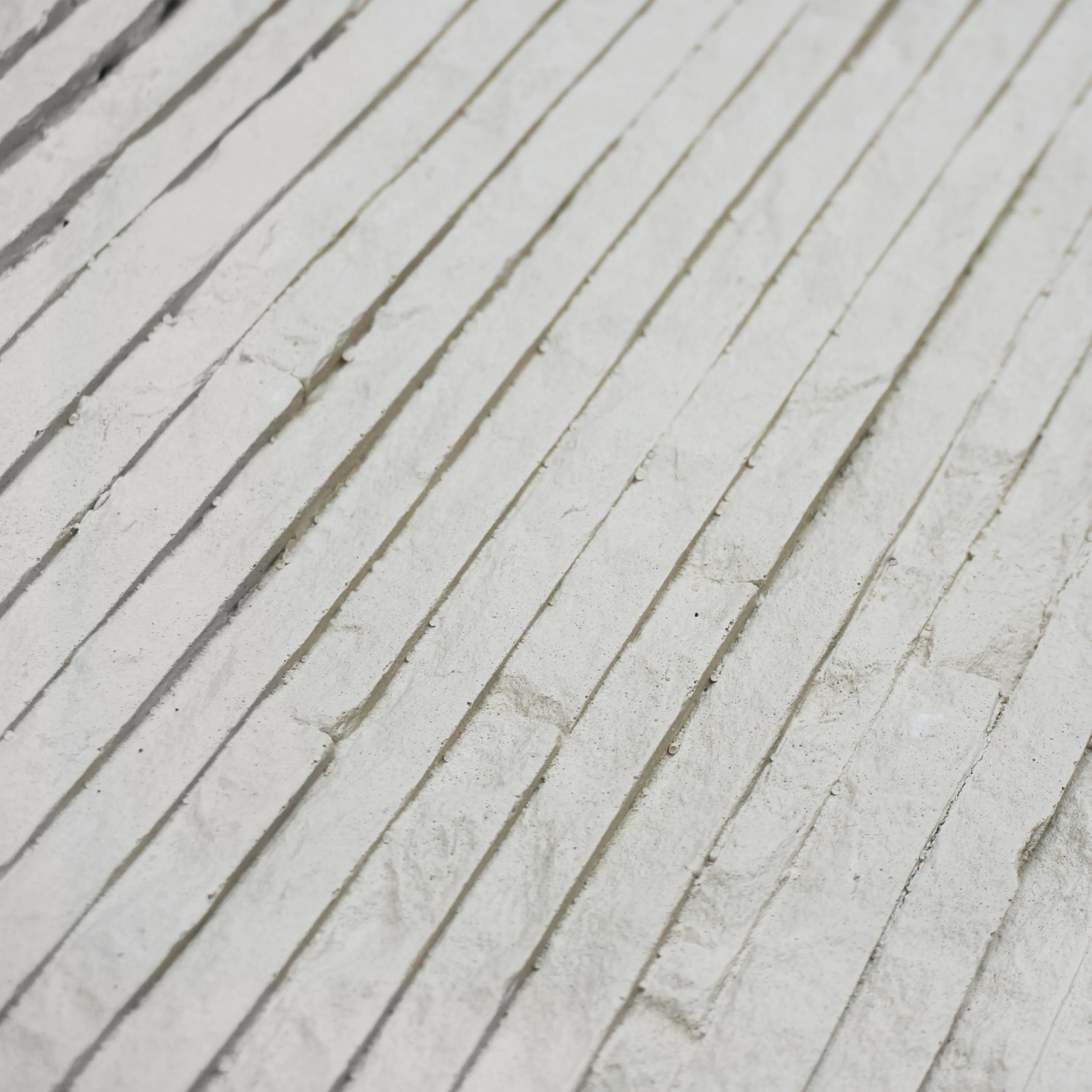
Sure, Muretto Stone (Beige) sounds great—but how does it compare to other popular materials for large-scale projects? Let's put it head-to-head with two heavyweights: Fair-Faced Concrete (a modern staple) and Travertine (Starry Green) (a bold natural stone alternative).
| Feature | Muretto Stone (Beige) | Fair-Faced Concrete | Travertine (Starry Green) |
|---|---|---|---|
| Aesthetic Appeal | Warm, lived-in beige with subtle texture; balances tradition and modernity. | Industrial, minimalist gray; sleek but can feel cold in large spaces. | Vibrant green with star-like veining; bold but may clash with neutral designs. |
| Installation Ease | Lightweight (70% lighter than stone); easy to cut/shape; fast installation. | Heavy; requires formwork and curing time; slower for large areas. | Brittle; heavy; needs careful handling to avoid cracking. |
| Durability | Resists fading, staining, and weathering; flexible to prevent cracks. | Strong but prone to staining; can develop hairline cracks over time. | Natural pores trap dirt; requires regular sealing; vulnerable to chipping. |
| Sustainability | Recycled materials, low carbon footprint, fully recyclable. | High cement use (high CO2 emissions); limited recyclability. | Quarrying impacts ecosystems; heavy transportation emissions. |
| Cost (Long-Term) | Mid-range upfront; low maintenance costs save money over time. | Low upfront; high maintenance (sealing, repairs) adds costs. | High upfront; expensive sealing and replacement costs. |
The verdict? Fair-Faced Concrete is a solid choice for ultra-modern, industrial looks, but it lacks warmth. Travertine (Starry Green) is stunning for statement walls, but its upkeep and brittleness make it risky for large-scale use. Muretto Stone (Beige), though, hits the sweet spot: it's versatile, durable, sustainable, and—most importantly—human. It doesn't just build walls; it builds spaces people want to be in.
Let's step beyond specs and talk about real projects. Take the Riverbank Mall in Austin, Texas—a 500,000-square-foot complex that needed to feel both grand and approachable. The architects wanted a material that would stand up to Texas heat and rain but also make shoppers feel welcome. They chose Muretto Stone (Beige) for the exterior and interior walkways.
"We wanted the mall to feel like a town square," says James, the lead architect. "Something that didn't feel corporate or sterile. Muretto's beige tone was perfect—it's neutral enough to let storefronts shine, but warm enough to make the space feel inviting. And the texture? People love running their hands over it. We've had shoppers post photos of the walls on Instagram, calling it 'the coziest mall ever.'"
Then there's the Westlake University campus in Hangzhou, China. With 12 buildings spread over 1,200 acres, the project needed a unifying material that could adapt to different architectural styles—from traditional to futuristic. Muretto Stone (Beige) became the thread that tied it all together. "We used it on dormitories, lecture halls, even the library," says Li Wei, the project manager. "In the dorms, it feels homey; in the library, it feels scholarly. And because it's lightweight, we could install it on the upper floors without reinforcing the structure. That saved us months of work and millions in costs."
Perhaps the most telling example is the Coastal Community Center in Miami, Florida. Located blocks from the ocean, it faces saltwater, humidity, and hurricane-force winds. The team initially considered Travertine (Starry Green) for its tropical vibe but worried about durability. They switched to Muretto Stone (Beige) and haven't looked back. "After Hurricane Ian, we inspected the center," says Maria, the facility director. "The Muretto walls? Not a scratch. No fading, no water damage. The Travertine would've been stained or cracked. Muretto didn't just survive—it thrived. And it still looks as good as the day it was installed."
At the end of the day, large-scale construction isn't just about building bigger—it's about building better. Better for the environment, better for the people who use the space, better for the communities that grow around it. Muretto Stone (Beige) fits that vision perfectly. It's a material that understands that a building's success isn't measured in square feet or steel beams, but in the memories made inside its walls.
So, the next time you walk into a large building—whether it's a mall, a school, or a community center—take a moment to notice the walls. If they feel warm, textured, and somehow just right, there's a good chance you're looking at Muretto Stone (Beige). And if not? Maybe it's time for the builders to take a cue from MCM: construction isn't about materials. It's about stories. And Muretto? It's a story worth telling.
Recommend Products












