
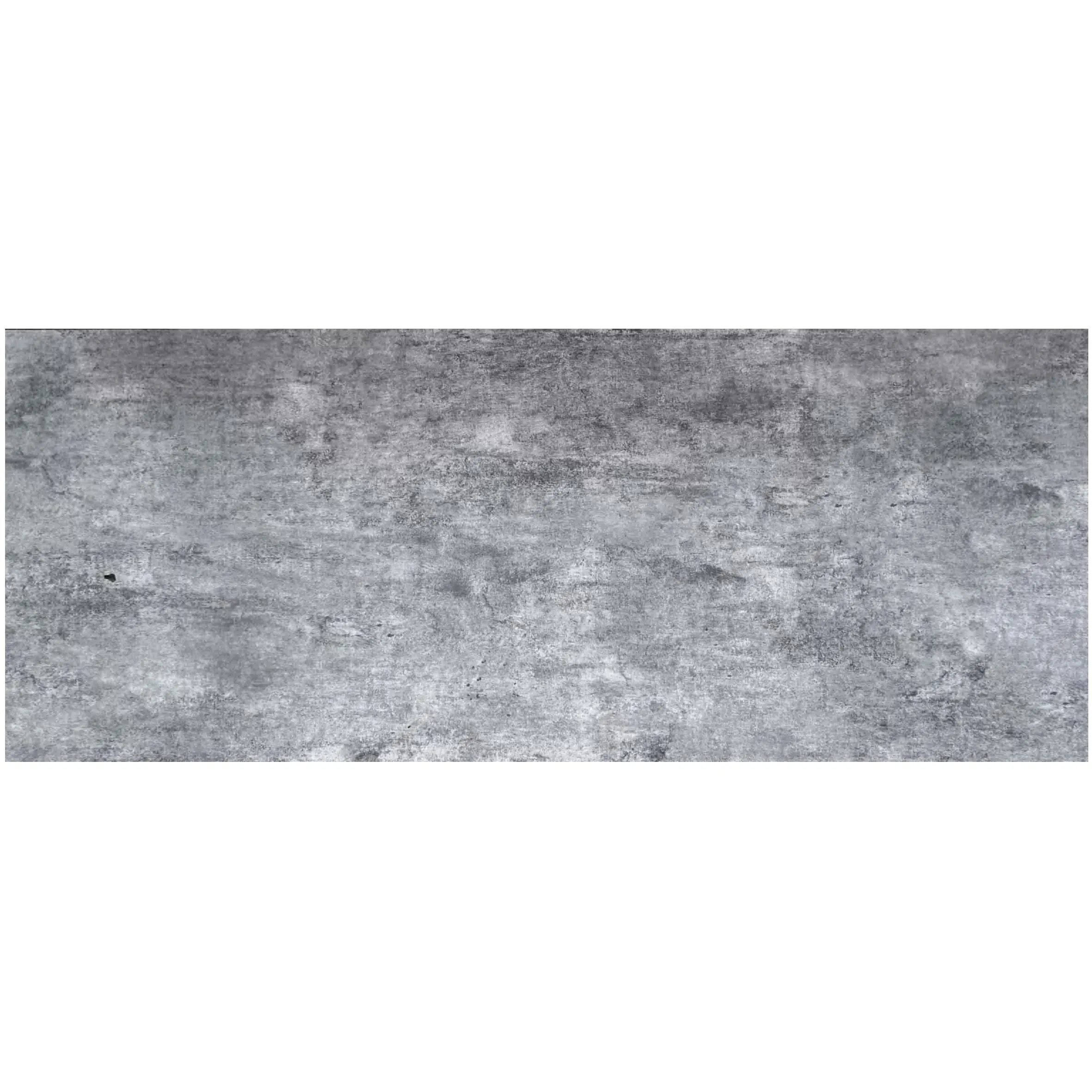
Infrastructure is the silent storyteller of a community. It's the bridge that connects neighborhoods, the plaza where kids chase pigeons after school, the transit hub that carries commuters home to their families, and the public library where future dreamers first discover the world. But for too long, the materials that build these spaces have been stuck in a trade-off: either durable but dull, or beautiful but fragile. Enter the MCM Project Board Series—a lineup of building materials designed to rewrite that story. Today, we're zooming in on one of its brightest stars: Polish Concrete. More than just a building material, it's a blend of strength, flexibility, and soul, crafted to turn infrastructure into something that doesn't just serve us, but inspires us.
Before we dive into Polish Concrete, let's take a moment to understand the bigger picture: the MCM Project Board Series. At its core, MCM (which stands for Modified Composite Material) is all about reimagining what building materials can be. Think of it as a team of engineers, designers, and craftspeople sitting down and asking, "What if we didn't have to choose between durability and design? What if our materials could keep up with the chaos of city life and make our streets feel like home?" The result is a collection of panels and boards—from flexible stone cladding panels that mimic the texture of ancient stone to 3D-printed art concrete that bends to architectural whims—all built on the backbone of modified composite material panels. These aren't just products; they're tools for builders and architects to create spaces that last, adapt, and matter.
And in this lineup, Polish Concrete stands out. It's not trying to replace traditional concrete; it's trying to elevate it. Traditional concrete is the workhorse of infrastructure—reliable, strong, but often cold, heavy, and prone to cracking over time. Polish Concrete takes that reliability and wraps it in a layer of innovation. It's lighter, more flexible, and yes, polished —but not in a sterile, corporate way. Its finish has depth, like a well-loved book cover that shows its character without losing its structure. It's concrete with a story.
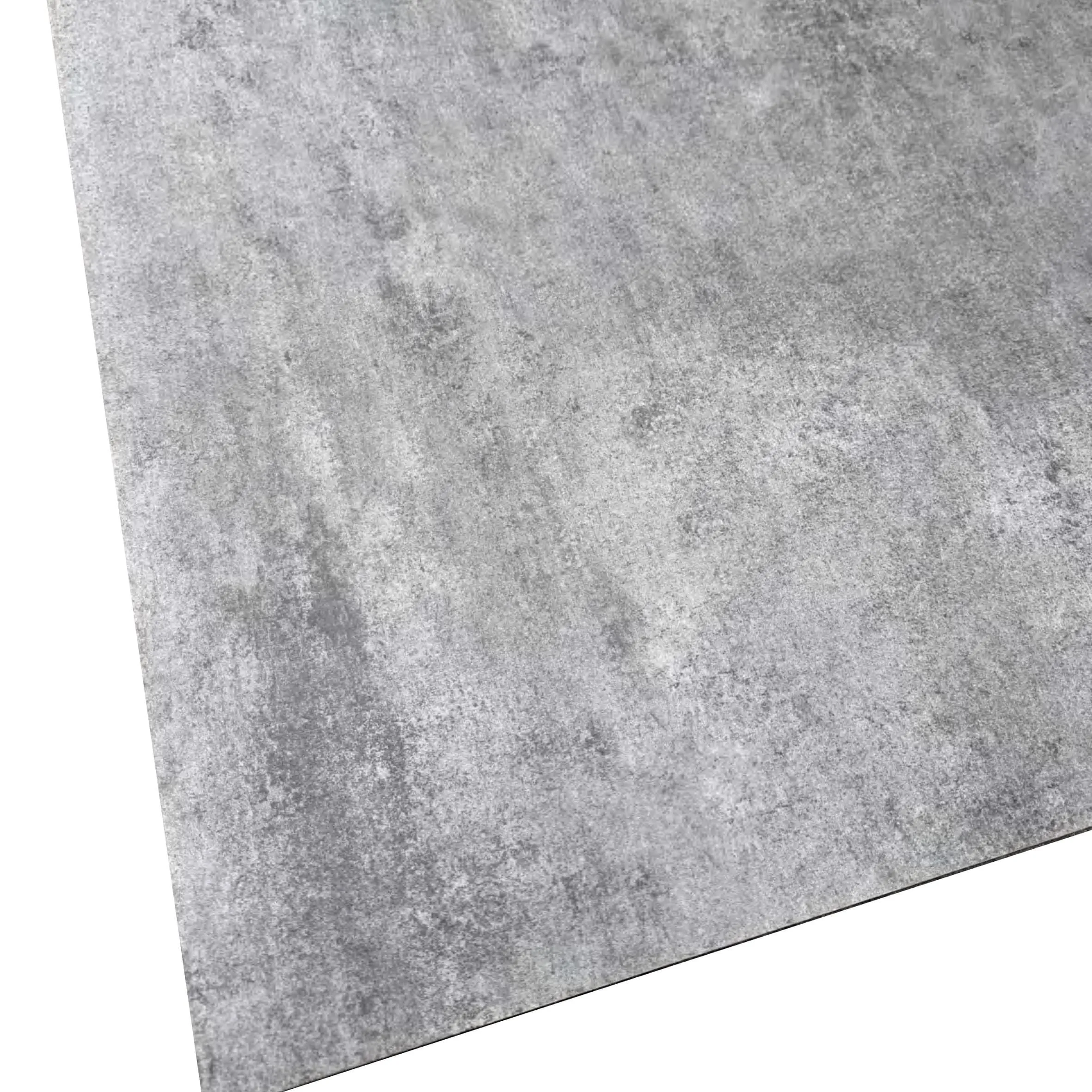
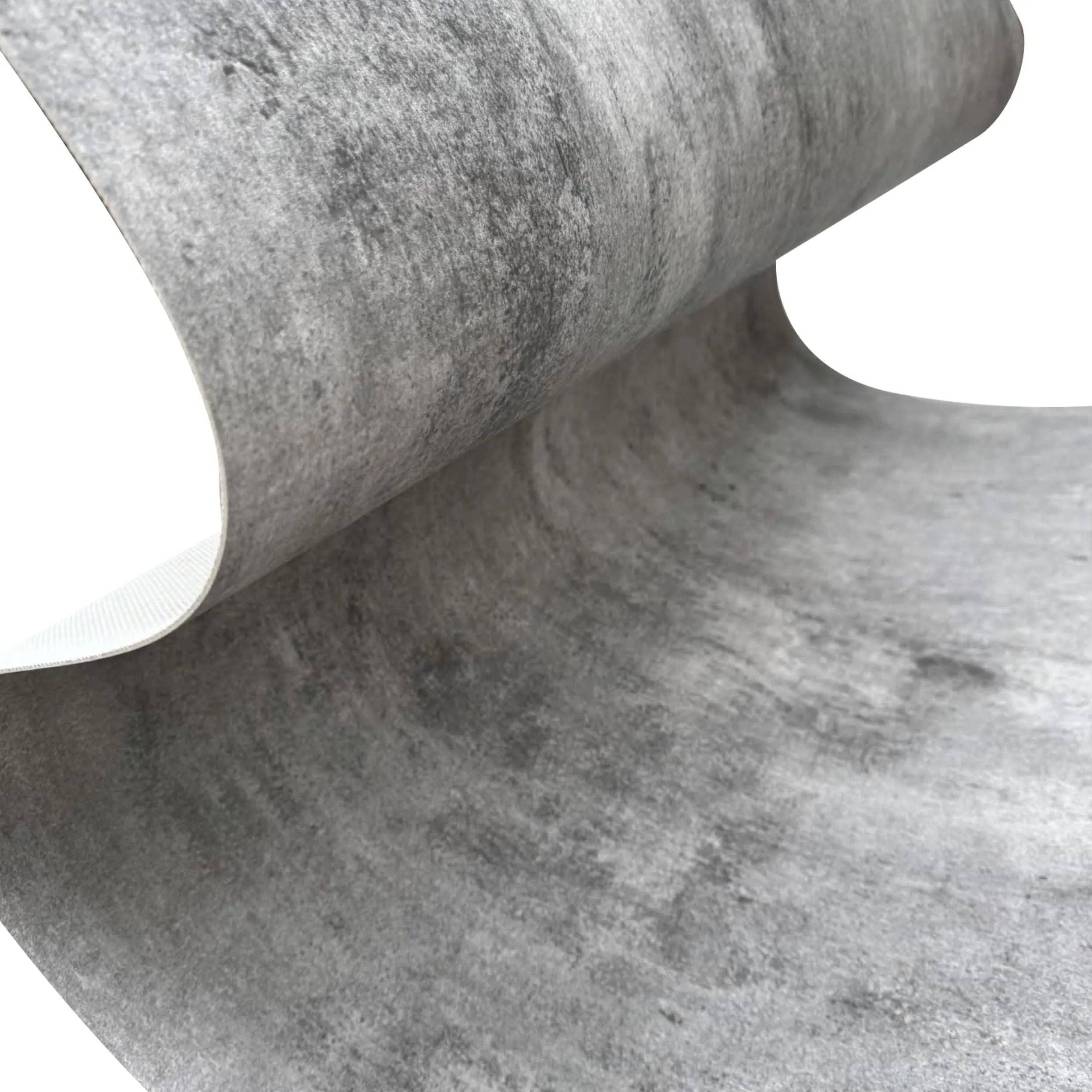
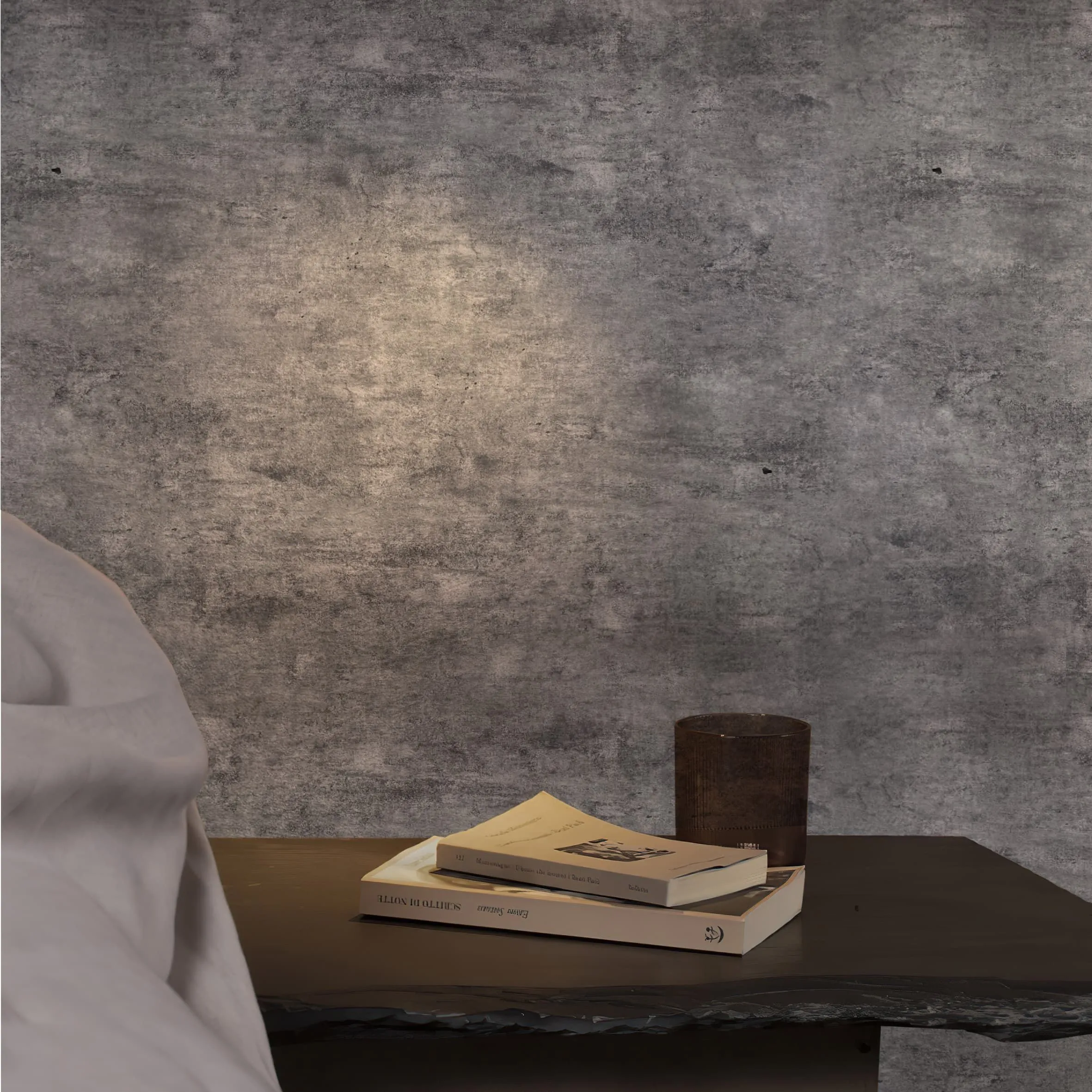
So, what exactly is Polish Concrete? Let's break it down. At its base, it's a modified composite material, which means it starts with a mix of high-strength fibers, polymers, and natural aggregates, but with a twist: MCM's proprietary manufacturing process that bonds these ingredients into a panel that's both lighter than traditional concrete and surprisingly flexible. The "polish" comes from a specialized finishing technique that brings out a smooth, matte sheen—think of it as the difference between a rough sketch and a watercolor painting. It's not overly shiny; it's warm, with subtle variations in tone that catch the light differently throughout the day.
But here's where it gets interesting: Polish Concrete isn't just about looks. Let's say you're building a pedestrian bridge in a busy urban area. Traditional concrete would require heavy machinery, weeks of curing time, and might end up looking like every other bridge in the city. Polish Concrete panels, on the other hand, are prefabricated. That means they're made in a controlled factory setting, where quality is consistent, and then transported to the site for quick installation. Imagine cutting construction time by half—less disruption to local businesses, less noise for residents, and a finished product that's ready to welcome foot traffic sooner.
Let's talk about the "tough" part. Infrastructure doesn't live in a bubble. It faces rain, snow, scorching sun, and the constant wear and tear of thousands of people passing through. Polish Concrete is built to laugh in the face of that chaos. Thanks to its composite structure, it's resistant to cracking—even in areas with frequent temperature swings, where traditional concrete might start to show signs of stress after a few years. It's also resistant to stains and abrasions. Picture a public plaza with a Polish Concrete floor: kids spilling ice cream, cyclists skidding to a stop, food trucks setting up shop—none of it leaves a permanent mark. A quick hose-down, and it's back to looking fresh, like it's ready to host the next community event.
And let's not forget weight. Traditional concrete is heavy, which means supporting structures (like bridge beams or building frames) need to be beefed up to handle the load. Polish Concrete, being a composite, is significantly lighter—up to 30% lighter, in fact. That translates to lower transportation costs, easier installation, and even the ability to use it in retrofitting older buildings where weight is a concern. Imagine a century-old train station getting a facelift with Polish Concrete panels; it can keep its historic charm without compromising on modern durability.
Here's the thing about infrastructure: we don't just use it—we live with it. A gray, featureless overpass can make a morning commute feel like a chore; a bridge with texture, color, and character can turn that same commute into a moment of calm. Polish Concrete gets this. Its finish is designed to play with light. On a cloudy day, it has a soft, matte warmth; on a sunny afternoon, it glows with subtle highlights. It comes in a range of tones, from classic off-whites that blend with historic architecture to deeper grays that add contrast to modern designs. And because it's a composite, it can be molded into shapes that traditional concrete can't—curves, angles, even custom patterns that reflect the local culture of a neighborhood.
"We used Polish Concrete for the new pedestrian plaza in downtown Rivertown, and the difference is night and day," says Maria Gonzalez, an architect who specializes in urban design. "Before, the space felt like an afterthought—just a slab of concrete between buildings. Now, people linger. They take photos. Kids draw with chalk on it. It's not just a plaza anymore; it's a gathering spot. That's the power of a material that doesn't just exist in a space, but enhances it."
Numbers tell a story too. Let's put Polish Concrete head-to-head with traditional concrete to see how it stacks up in the areas that matter most for infrastructure:
| Feature | Traditional Concrete | MCM Polish Concrete |
|---|---|---|
| Weight (per sq. ft) | 15-20 lbs | 8-10 lbs (30-40% lighter) |
| Flexural Strength | 300-500 psi (prone to cracking under stress) | 1,200-1,500 psi (resistant to bending and cracking) |
| Installation Time (for 1,000 sq. ft) | 3-5 days (requires curing time) | 1-2 days (prefabricated panels, no curing wait) |
| Sustainability | High carbon footprint (cement production is energy-intensive) | Lower carbon footprint (recycled aggregates, energy-efficient manufacturing) |
| Aesthetic Versatility | Limited (basic finishes, hard to customize) | High (custom colors, textures, and shapes; compatible with other MCM products like flexible stone cladding) |
The numbers speak for themselves, but here's the real takeaway: Polish Concrete isn't just better on paper—it's better in practice. It's the difference between a project that drains time, budget, and creativity, and one that empowers builders to dream bigger.
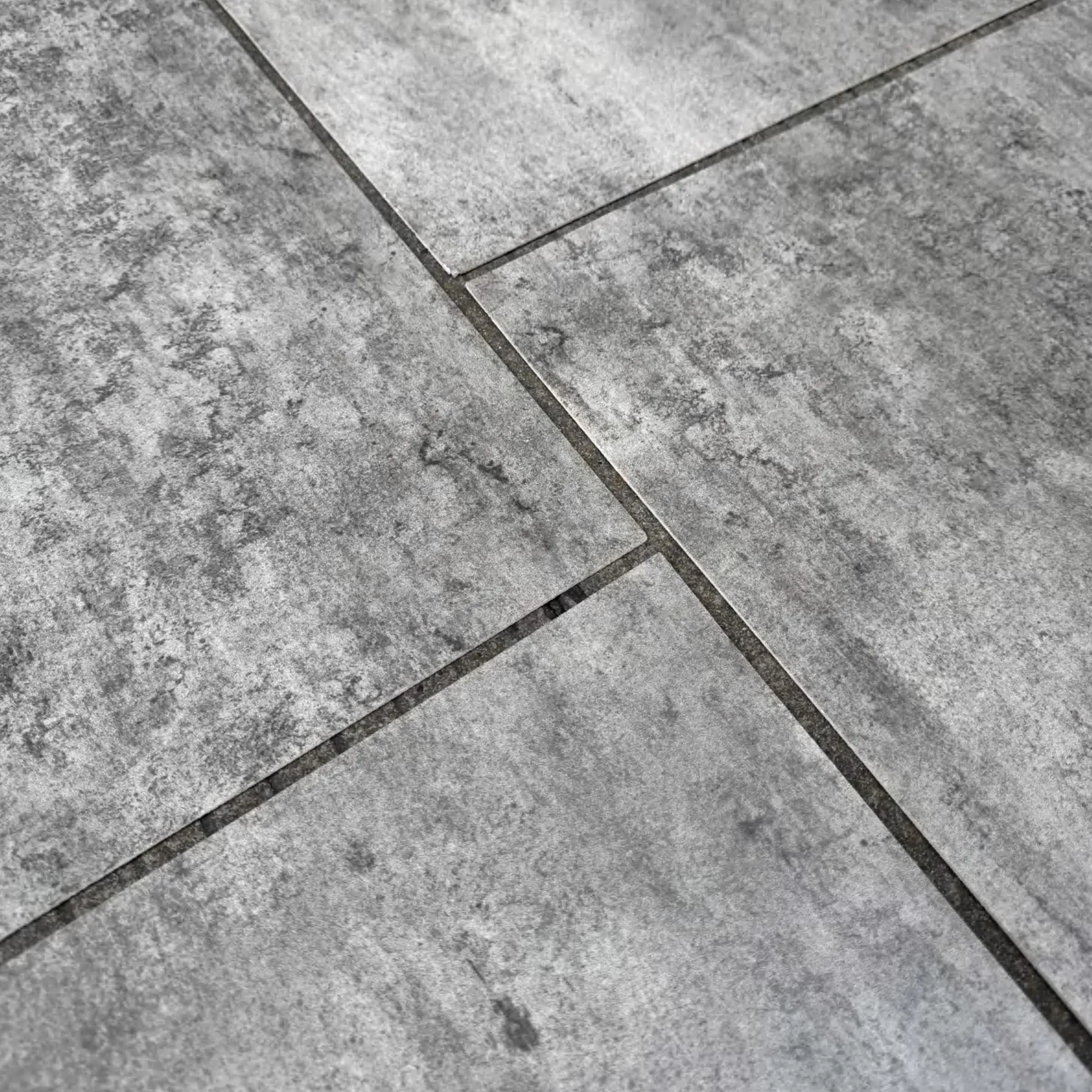
Let's get concrete (pun intended) about where Polish Concrete is making waves. It's not just for show—it's for use . Here are a few areas where it's proving its worth:
Public plazas are the living rooms of cities, and Polish Concrete is the perfect flooring. Take the example of Greenview Plaza in Portland, Oregon. Before its renovation, it was a cracked, uneven space that few people used. Now, it's covered in Polish Concrete panels in soft beige and gray tones, with integrated planters and custom-etched patterns that reflect the city's logging history. The panels are slip-resistant, even in the rain, and easy to clean—so when the weekly farmers' market sets up, vendors don't have to worry about stains or damage. "It's like the plaza finally grew into itself," says local resident James Park. "My kids love riding their scooters here, and I love that it still looks new after two years of constant use."
Bridges take a beating—heavy traffic, harsh weather, constant vibration. Polish Concrete's flexibility and durability make it ideal for bridge decks and pedestrian walkways. The Silver Line Bridge in Denver, Colorado, used Polish Concrete panels for its pedestrian path. Not only did it cut construction time by 40%, but the panels' light weight reduced strain on the bridge's structure. Plus, the polished finish adds a reflective quality that makes the bridge glow at night, turning it into a local landmark. Commuters now call it "the Mirror Bridge" and often stop to take photos at sunset.
Schools and hospitals need materials that are durable, easy to sanitize, and calming. Polish Concrete checks all three boxes. The new wing of Riverside Hospital in Chicago used Polish Concrete for its waiting areas and corridors. Its matte finish doesn't show fingerprints or scuffs, and it's resistant to chemicals, making cleaning a breeze. "In a hospital, every minute counts," says facility manager Lisa Chen. "We don't have time to constantly repair floors. Polish Concrete has held up to wheelchairs, stretchers, and even the occasional dropped medical equipment. And patients tell us the soft, neutral color helps them feel more relaxed. It's a small thing, but in healthcare, small things matter."
In today's world, no conversation about infrastructure can ignore sustainability. We need to build for today without compromising tomorrow, and Polish Concrete takes this seriously. As part of the MCM Project Board Series, it's designed with green building materials in mind. Its production uses recycled aggregates (like crushed glass and reclaimed concrete), reducing the need for virgin materials. The manufacturing process is energy-efficient, with lower carbon emissions compared to traditional concrete production. And because it's lightweight, transporting it requires less fuel, further cutting down on its carbon footprint.
But sustainability isn't just about production—it's about longevity. A material that needs frequent replacement is never truly green. Polish Concrete's durability means fewer repairs, less waste, and a longer lifespan. It's also recyclable at the end of its life; the panels can be broken down and used as aggregate in new construction. Imagine a future where infrastructure materials are part of a circular economy, where nothing goes to waste. Polish Concrete is a step toward that future.
While Polish Concrete is a standout, it's not alone. The MCM Project Board Series offers a range of materials that complement it, letting architects mix and match to create unique designs. For example, pairing Polish Concrete with flexible stone cladding panels can add texture to a building's facade—think a community center with a Polish Concrete base and stone-like panels above, blending modern durability with a rustic, welcoming feel. Or using 3D-printed art concrete accents alongside Polish Concrete floors to add visual interest to a transit hub. The series is designed to work together, giving builders the freedom to be creative without sacrificing functionality.
And let's not forget other stars in the lineup, like fair-faced concrete (which offers a raw, industrial charm) and the Lunar Peak series (with silvery, golden, and black finishes that mimic the moon's surface). But Polish Concrete remains a favorite for infrastructure because it balances so many needs: strength, beauty, sustainability, and adaptability. It's the kind of material that makes you think, "Why didn't we do this sooner?"
So, what does the future hold for Polish Concrete and the MCM Project Board Series? If the past few years are any indication, it's bright. As cities grow and evolve, there's a growing demand for infrastructure that doesn't just function, but fosters connection. People want spaces that reflect their values—sustainability, community, creativity—and materials like Polish Concrete are helping make that possible.
Imagine a world where every bus stop has a Polish Concrete bench that's comfortable, durable, and beautiful; where every schoolyard has a Polish Concrete play surface that can handle years of kids' laughter without cracking; where every bridge tells a story through its texture and design. That's the world MCM is building toward. It's not just about construction—it's about creating legacy.
At the end of the day, infrastructure is about people. It's about the parent pushing a stroller across a plaza, the student rushing to class across a bridge, the community gathering for a festival in a newly renovated square. Polish Concrete isn't just a material for these moments—it's a partner in them. It's strong enough to last, flexible enough to adapt, and beautiful enough to matter. And in a world that's always rushing, that's something worth building.
So here's to the future of infrastructure: lighter, brighter, more human. And here's to Polish Concrete, leading the way—one panel, one project, one community at a time.
Recommend Products












