
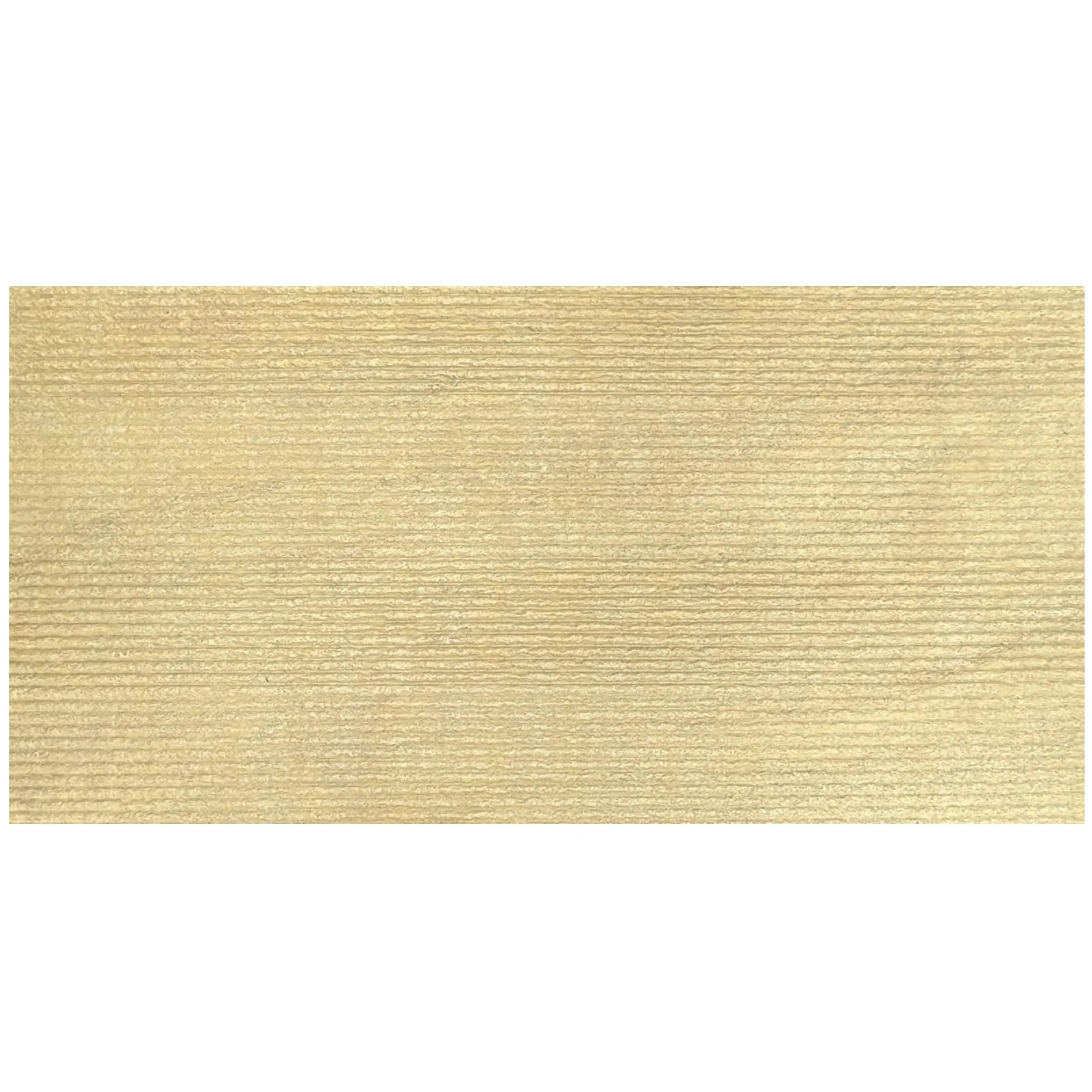
Bridging tradition, innovation, and durability for the buildings of tomorrow
Walk into any large-scale development today—a sprawling airport terminal, a convention center that hosts thousands, or a mixed-use complex that blends offices, retail, and green spaces—and you'll quickly realize: the materials that clothe these structures do more than just fill space. They set the mood, tell a story, and even influence how we experience the space. Heavy, cold concrete might feel imposing, but what if the walls could feel warm, textured, and alive with character? That's the challenge architects and developers face: balancing grand scale with human warmth, durability with design flexibility, and tradition with innovation.
In recent years, one material series has emerged as a quiet revolutionary in this space: the MCM Project Board Series. Designed specifically for large-scale projects, it's not just a product line—it's a solution to the headaches that come with building big. And at the heart of many of these success stories? A stone that feels both timeless and fresh: Gravel Omani Stone. Let's dive into how the MCM Project Board Series is elevating Gravel Omani Stone from a beautiful raw material to a star player in some of the world's most ambitious developments.
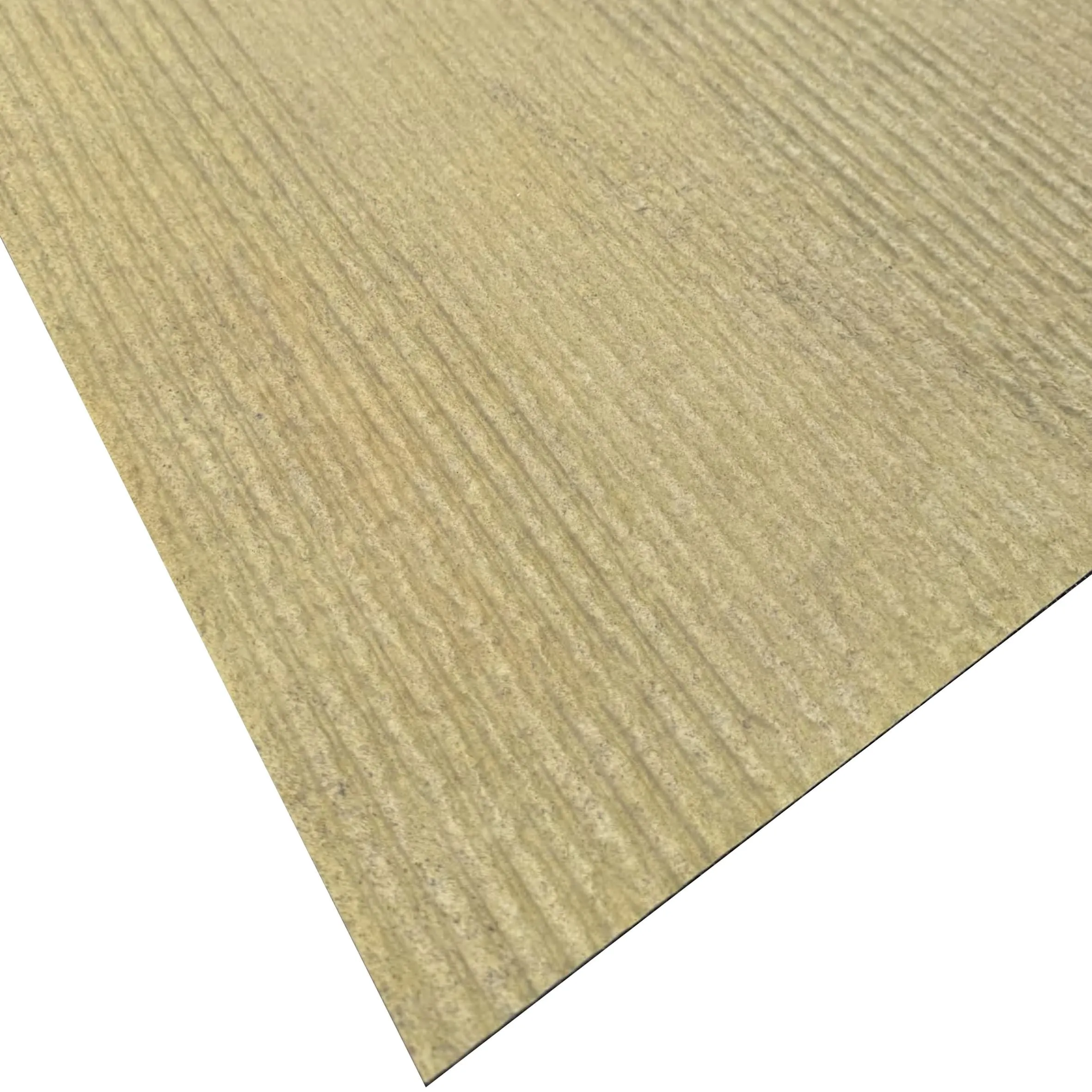
First, let's get to know the MCM Project Board Series. At its core, MCM (Modified Composite Material) is all about reimagining what building materials can do. Traditional stone slabs, while stunning, are heavy—often weighing 50-80 kg per square meter. That weight adds stress to structures, limits where they can be installed, and drives up construction time and costs. MCM flips the script: by combining natural stone aggregates (like Gravel Omani Stone) with advanced polymers, it creates panels that are up to 80% lighter than solid stone, yet just as durable. Think of it as stone, but with a "flexible backbone" that bends without breaking, installs in a fraction of the time, and adapts to the unique demands of large spaces.
The series includes a range of innovations tailored to mega-projects: from mcm big slab board series that cover entire wall sections in one go, to mcm flexible stone that curves around corners or follows architectural contours, to cutting-edge options like the mcm 3d printing series for hyper-custom designs. But what truly sets it apart is how it elevates specific stone varieties—like Gravel Omani Stone—to new heights of functionality and beauty.
Gravel Omani Stone isn't just any stone. Hailing from the deserts and mountains of Oman, it carries the warmth of ancient landscapes—subtle grains of sand, flecks of gold and terracotta, and a texture that feels both rugged and refined. In traditional use, it's been prized for flooring, accent walls, and even historical monuments, where its natural patina ages like fine wine. But in large-scale projects, using it "as is" posed challenges: solid slabs were too heavy for high-rise facades, too brittle for curved surfaces, and too time-consuming to install across thousands of square meters.
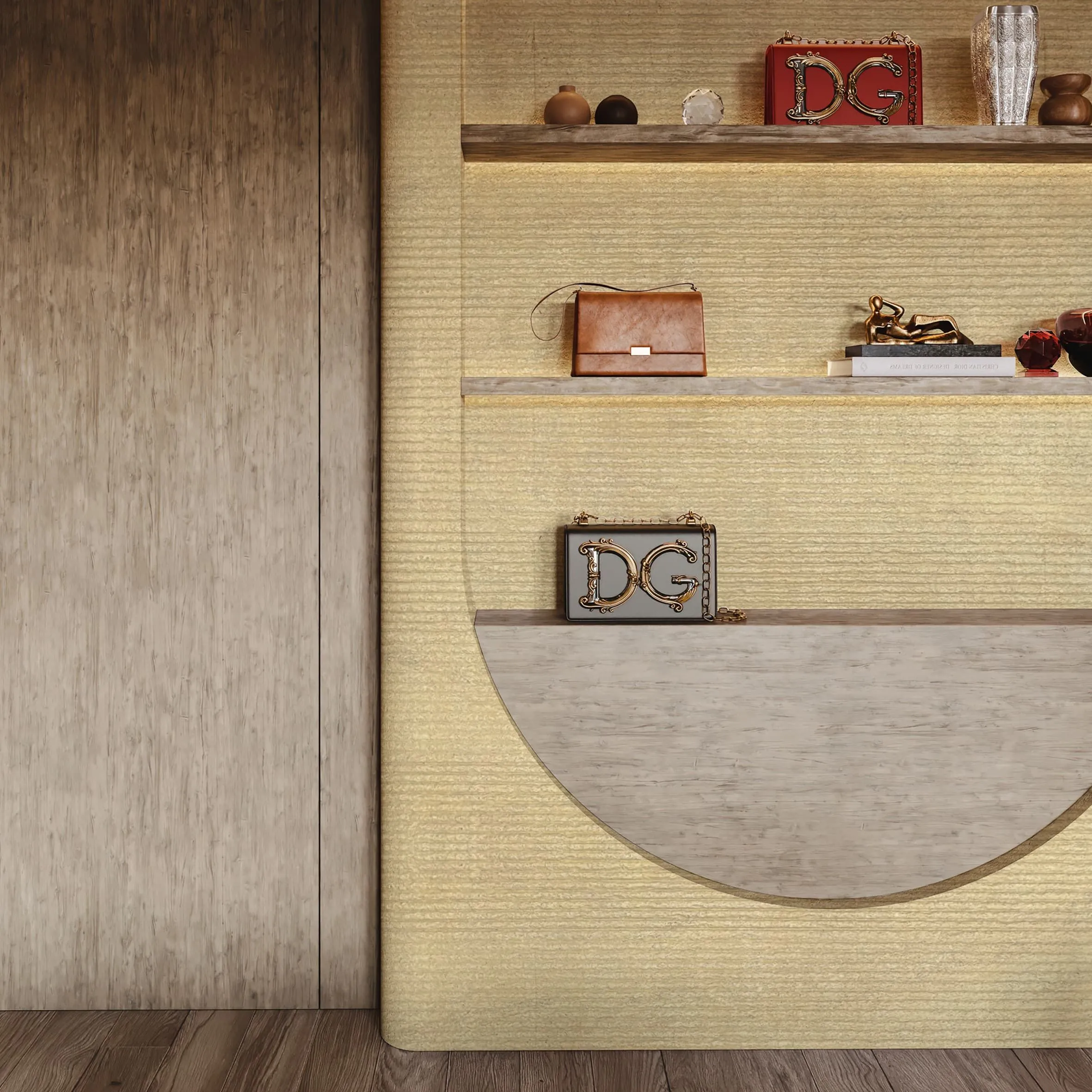
Enter the MCM Project Board Series. By integrating Gravel Omani Stone aggregates into its composite panels, MCM preserves the stone's natural beauty while solving its practical limitations. The result? A material that looks and feels like authentic Gravel Omani Stone but behaves like a modern engineering marvel—light enough to clad a 50-story tower, flexible enough to wrap around a circular auditorium, and durable enough to withstand harsh weather, heavy foot traffic, and the test of time.
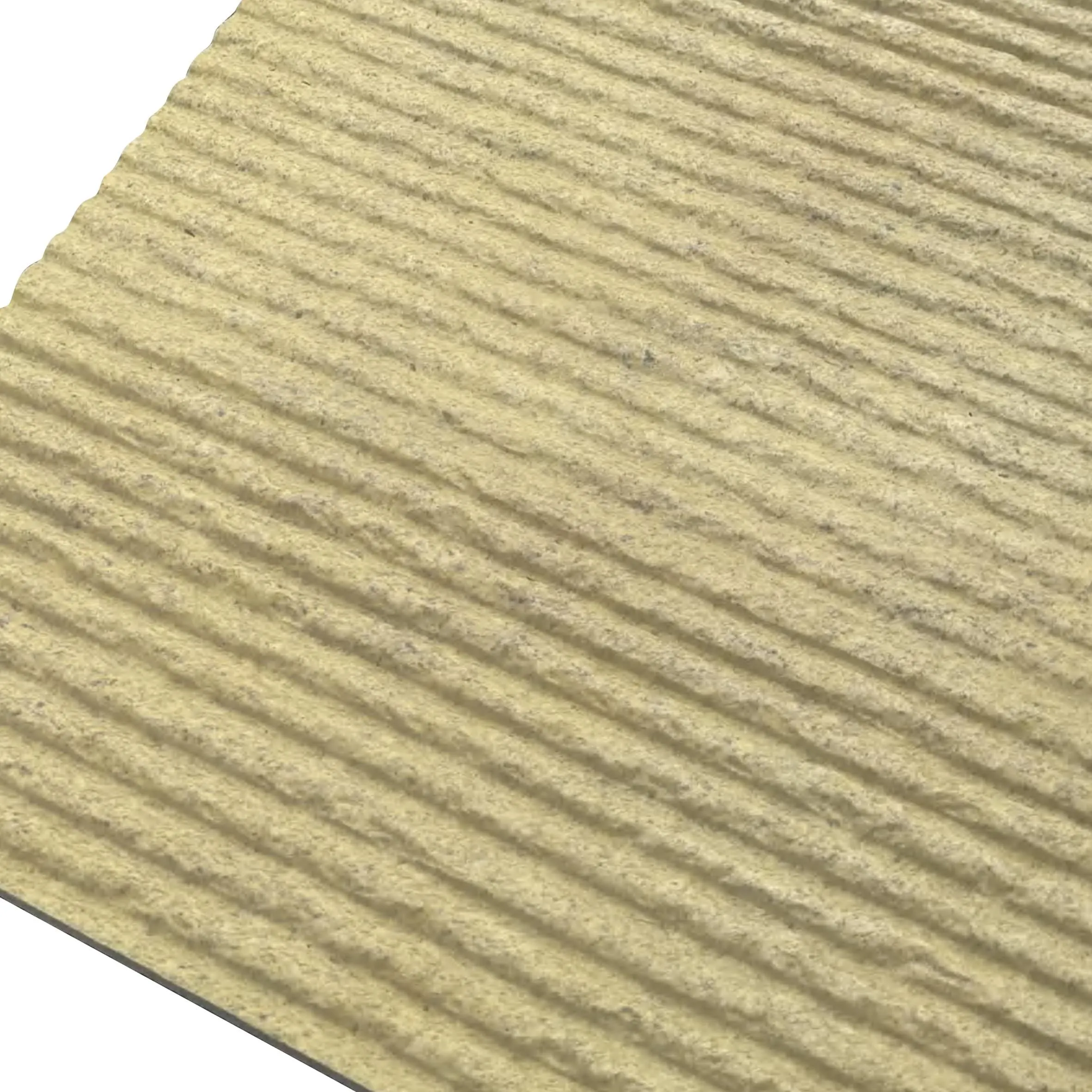
For developers and architects, the partnership between MCM Project Board Series and Gravel Omani Stone isn't just about aesthetics—it's about solving real-world problems. Let's break down the top three ways MCM makes Gravel Omani Stone viable for large-scale projects:
Imagine trying to hang a 60 kg stone slab on the 20th floor of a building. Not only does it require heavy machinery and reinforced structural support, but it also increases the project's carbon footprint (more fuel for lifts, more steel for supports). MCM's Gravel Omani Stone panels, by contrast, weigh just 8-12 kg per square meter. That's lighter than many types of drywall, yet they offer the same impact resistance as solid stone. For a project like a 100,000 sq m convention center, that translates to reduced structural costs, faster installation, and a lower environmental impact—all without sacrificing the stone's signature look.
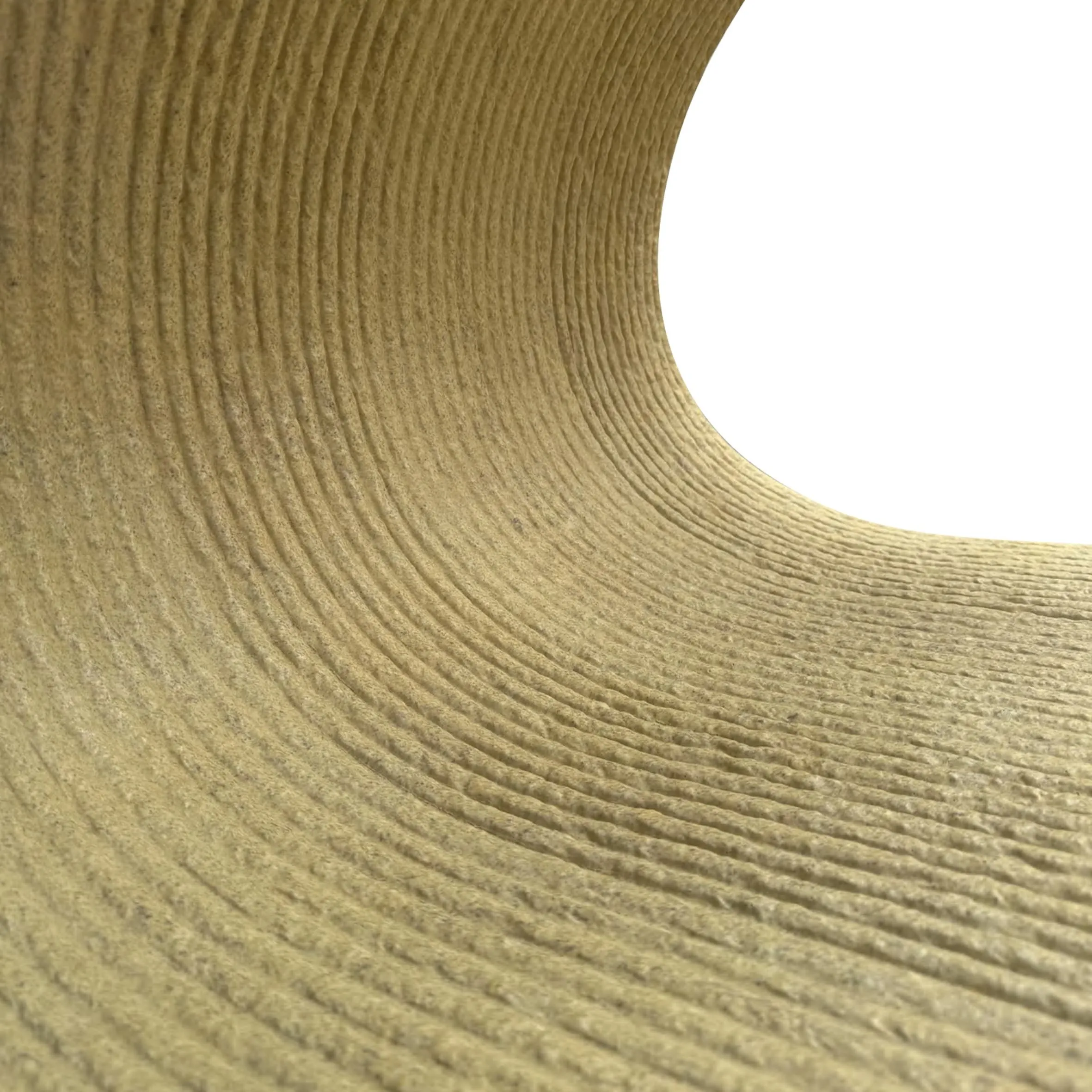
Modern architecture loves curves, angles, and unconventional shapes. A straight wall is functional, but a gently curved facade can turn a building into a landmark. Traditional stone slabs, however, are rigid—they crack if bent, and cutting them to fit complex contours wastes material and time. MCM's flexible stone technology changes that. Gravel Omani Stone panels can bend up to 30 degrees without losing integrity, making them perfect for rounded walls, arched doorways, or even 3D-printed design elements (thanks to the mcm 3d printing series ). This flexibility lets architects dream bigger, knowing their vision for a "flowing" lobby or a "sculptural" exterior won't be limited by the material's rigidity.
Large-scale developments see it all: rain, humidity, UV rays, foot traffic from thousands of people, and even the occasional coffee spill. Gravel Omani Stone, in its natural form, is porous—over time, moisture can seep in, causing discoloration or erosion. MCM's panels, however, are coated with a protective layer that repels water, resists stains, and blocks UV rays. In tests, they've proven to maintain their color and texture for over 20 years, even in harsh climates like the Middle East's deserts or coastal areas with salt spray. For developers, that means lower maintenance costs and a building that still looks "new" decades after opening day.
| Factor | MCM Project Board Series (with Gravel Omani Stone) | Traditional Solid Stone Slabs |
|---|---|---|
| Weight (kg per sq m) | 8-12 | 50-80 |
| Installation Time (per sq m) | 30-45 minutes (2-3 workers) | 2-3 hours (4-5 workers, plus machinery) |
| Customization Options | Curved, 3D-printed, custom colors/textures | Limited to straight cuts; minimal texture variation |
| Durability (expected lifespan) | 20+ years (resistant to moisture, stains, UV) | 15-20 years (prone to chipping, discoloration) |
| Environmental Impact | Uses 70% less raw stone; lower transport emissions | High quarrying impact; heavy transport footprint |
The Challenge: Skyline Mall was designed to be more than a shopping center—it was meant to be a "destination." With 150,000 sq m of space, including a food court, luxury retail, and a rooftop garden, developers wanted the interior to feel "warm and inviting," despite its size. The design team specified Gravel Omani Stone for the main atrium walls and walkways, citing its "earthy, desert-inspired charm." But with high ceilings (12 meters in the atrium) and curved walkway edges, traditional stone slabs were deemed too heavy and rigid.
The Solution: The MCM Project Board Series, specifically the mcm big slab board series (1.2m x 2.4m panels) with Gravel Omani Stone aggregates. These large-format panels covered the atrium walls in fewer pieces, reducing installation time by 40% compared to traditional stone. For the curved walkways, mcm flexible stone panels were used, bending to follow the 2-meter radius of the path without visible seams.
The Result: Today, visitors to Skyline Mall rave about the "cozy yet grand" atmosphere of the atrium. The Gravel Omani Stone panels, with their warm tones and subtle texture, soften the mall's scale, making it feel less like a "megastructure" and more like a series of connected, intimate spaces. Maintenance crews report zero issues with staining or water damage, even in the food court area, and the developer estimates saving $2.3 million in structural and installation costs compared to using solid stone.
While Gravel Omani Stone is a standout, the MCM Project Board Series supports a wide range of materials, each tailored to different project needs. For example, lunar peak silvery and lunar peak golden offer a sleek, metallic finish for modern tech hubs, while fair-faced concrete panels bring industrial-chic vibes to lofts and creative spaces. The foamed aluminium alloy board (vintage silver) is a favorite for exterior cladding, thanks to its rust resistance and lightweight properties. But what ties them all together is MCM's commitment to solving the unique challenges of large-scale development—whether that's weight, flexibility, or sustainability.
Sustainability, in particular, is a growing focus. MCM panels use 70% less raw material than traditional stone or concrete, and their lightweight nature reduces carbon emissions during transport and installation. For developers aiming for LEED or BREEAM certifications, this is a significant advantage. Gravel Omani Stone, already a natural material, becomes even more eco-friendly when paired with MCM's low-waste production process.
As cities grow and projects get more ambitious, the demand for materials that can keep up will only increase. We're already seeing architects experiment with combining Gravel Omani Stone MCM panels with the mcm 3d printing series to create custom "sculptural" elements—think a lobby wall that looks like a flowing sand dune, or a facade that mimics the texture of desert wind erosion. The possibilities are endless, and MCM is positioned to lead the charge, turning "what if" into "what is."
At the end of the day, large-scale developments aren't just about size—they're about creating spaces that people want to be in. Gravel Omani Stone, with its timeless beauty, and the MCM Project Board Series, with its innovative engineering, are proving that even the biggest buildings can have a heart. So the next time you walk through a grand new development, take a closer look at the walls. Chances are, you're looking at MCM—and maybe even a little piece of Oman—hard at work, making the world a more beautiful, functional place, one panel at a time.
Recommend Products












