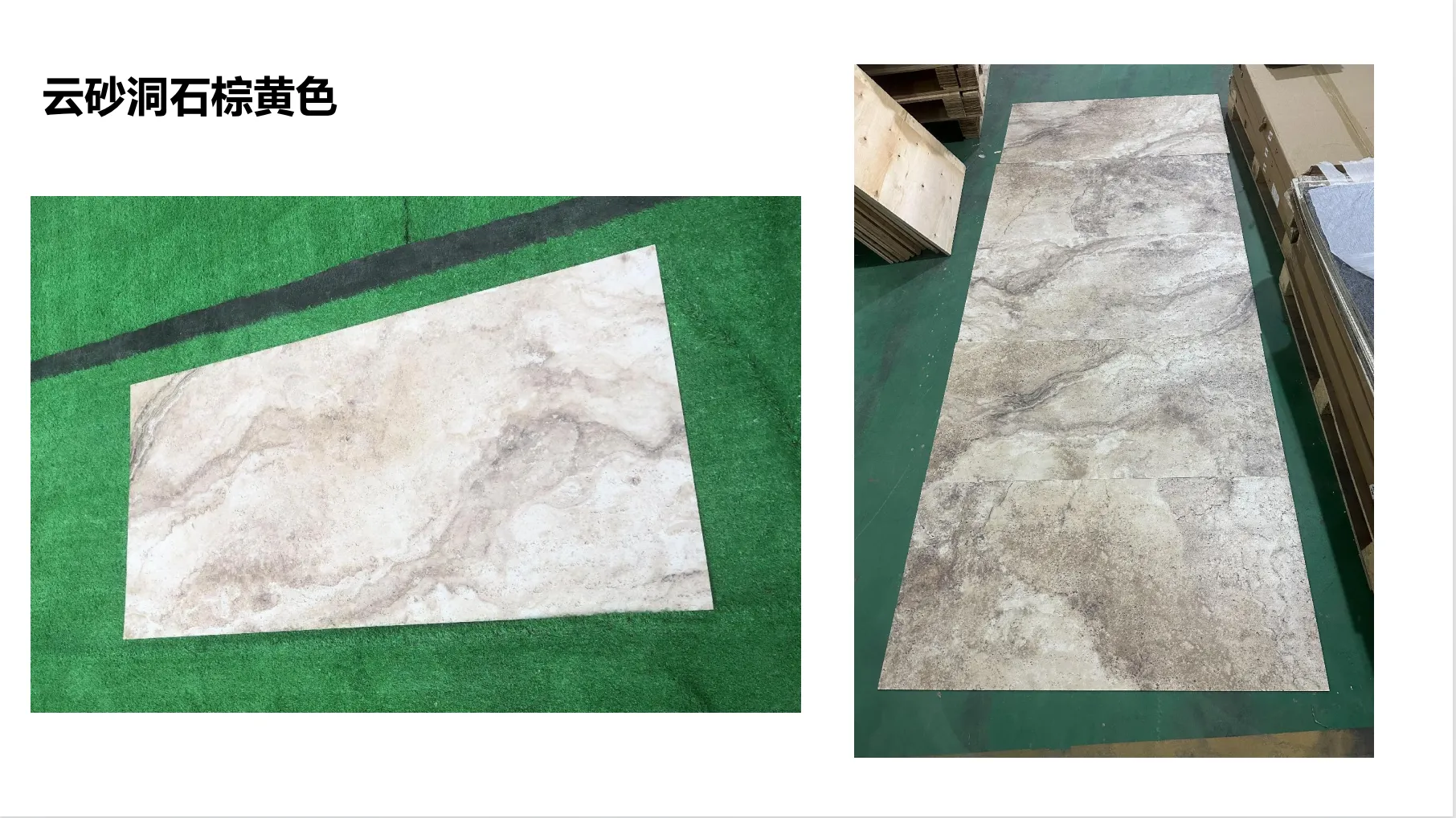
In the world of architecture and design, the choice of building materials is more than just a practical decision—it's a statement. It shapes how a space feels, functions, and endures over time. Today, we're diving into two standout options that have been turning heads in the industry: the innovative
MCM Project Board Series
and the timeless
dark grey dolomitic travertine
. Both bring unique strengths to the table, but when it comes to balancing cost, durability, and design flexibility, one might just edge out the other. Let's explore what makes each material special, how they stack up against each other, and why cost-effectiveness isn't just about the price tag.
First, Let's Get to Know the Contenders
The MCM (Modified Composite Material) Project Board Series is a modern marvel in building materials. Born from the need for lighter, more versatile alternatives to traditional stone and concrete, MCM panels are engineered to deliver the look and feel of natural materials without the heaviness or maintenance headaches. At the heart of this series lies
MCM flexible stone
—a material that bends without breaking, making it ideal for curved surfaces or complex architectural designs. Think of it as nature's beauty, reimagined with cutting-edge technology.
Within the MCM family, two stars shine bright: the
MCM big slab board series
and
prefabricated MCM panel systems
. Big slab boards are exactly what they sound like—large, seamless panels that minimize grout lines and create a sleek, modern aesthetic. Prefabricated systems, on the other hand, are factory-cut and ready to install, reducing on-site labor time and ensuring consistent quality. Together, these innovations make MCM a favorite for commercial spaces, retail outlets, and even residential projects where speed and style matter.
Now, shift gears to
dolomitic travertine(dark grey)
—a stone with roots in ancient history. Travertine itself is a form of limestone formed by mineral deposits from hot springs, known for its porous texture and earthy tones. Dolomitic travertine, a variant rich in dolomite mineral, adds an extra layer of density and durability, making it harder and more resistant to wear than standard travertine. The dark grey hue? It's a modern twist on a classic, offering a moody, sophisticated look that pairs beautifully with both warm wood tones and cool metal accents.
Dark grey dolomitic travertine carries the weight of tradition. It's the kind of material that feels timeless, like it's been part of the landscape for centuries. Walk into a space clad in this stone, and you'll notice the subtle veining, the way light plays off its surface, and the organic texture that no man-made material can fully replicate. It's a choice for designers who want to evoke a sense of permanence and luxury.
To truly understand which material is the more cost-effective solution, we need to look beyond upfront costs. Let's break down the key factors that impact long-term value: installation, maintenance, durability, and design flexibility. A side-by-side comparison will help paint a clearer picture.
|
Factor
|
MCM Project Board Series
|
Dark Grey Dolomitic Travertine
|
|
Upfront Cost
|
Generally 30-40% lower than natural stone. Prefabricated systems reduce material waste, cutting costs further.
|
Higher initial investment due to extraction, processing, and transportation of natural stone.
|
|
Weight
|
Ultra-lightweight (5-8 kg/m²). No need for reinforced structural support.
|
Heavy (20-25 kg/m²). Requires sturdy framing and often additional structural work.
|
|
Installation Time
|
Rapid installation with
prefabricated MCM panel systems
. A team can cover 200+ m² in a day.
|
Time-consuming: cutting, sealing, and fitting each slab individually. May take 3-5x longer than MCM.
|
|
Maintenance
|
Minimal. Resistant to stains, moisture, and UV rays. Wipe clean with water and mild soap.
|
Requires regular sealing (every 1-2 years) to prevent staining. Susceptible to etching from acidic substances.
|
|
Durability
|
Highly durable. Resists cracking, fading, and impact. Warranties up to 20 years.
|
Durable but prone to scratches and chips. May need repairs or replacements over time.
|
|
Sustainability
|
Eco-friendly. Made with recycled materials and low-VOC adhesives. Classified as
green building materials
.
|
Natural but resource-intensive. Quarrying can disrupt ecosystems; transportation adds carbon footprint.
|
|
Design Flexibility
|
Unmatched.
MCM flexible stone
bends to curves, accepts custom colors, and mimics any texture (wood, stone, metal).
|
Limited by natural variations. Curved surfaces require specialized cutting and increase waste.
|
Cost-Effectiveness: It's About the Long Game
Upfront Savings with MCM: More Than Just Dollars and Cents
Let's talk numbers. Suppose you're renovating a 500 m² commercial facade. With dark grey dolomitic travertine, you're looking at material costs of $80-$120 per m², plus $50-$70 per m² for installation—easily totaling $65,000-$95,000. Now, swap that for MCM Project Board Series: material costs drop to $40-$60 per m², and installation to $20-$30 per m². Total? $30,000-$45,000. That's a savings of $35,000-$50,000 upfront. But the savings don't stop there.
Because MCM is lightweight, you skip the need for structural reinforcements. For a travertine facade, reinforcing the building's frame could add another $15,000-$20,000 to the budget. With MCM, that line item disappears. And since installation is faster, labor costs plummet—no paying a crew for extra weeks on-site.
The Hidden Costs of Natural Stone
Dark grey dolomitic travertine is stunning, but its beauty comes with ongoing expenses. Sealing is non-negotiable. A high-quality stone sealer costs $15-$25 per m², and you'll need to reapply it every 12-18 months. Over 10 years, that's $1,500-$2,500 for a 100 m² surface. MCM? No sealing required. A quick hose-down or wipe with a damp cloth is all it takes to keep it looking fresh.
Then there's the risk of damage. Natural stone is porous, so a spilled glass of wine or a rainstorm with acid rain can leave permanent stains. Repairing a cracked travertine slab means removing the damaged piece, sourcing a matching replacement (which is never 100% identical), and re-sealing the area—costing $300-$500 per repair. MCM, with its resistance to stains and impact, rarely needs fixing. Even if it does, replacing a panel takes 30 minutes and costs a fraction of the price.
Design Flexibility: When Creativity Meets Budget
Cost-effectiveness isn't just about saving money—it's about getting the most bang for your buck in terms of design. Here's where MCM truly shines.
MCM flexible stone
can be shaped into curves, arches, or even 3D patterns, opening up possibilities that natural stone can't match. Imagine a restaurant with a sweeping, curved facade that looks like it's wrapped in stone—that's MCM making the impossible possible, without blowing the budget.
Dark grey dolomitic travertine, while beautiful, is limited by its rigidity. Cutting it into custom shapes generates waste (up to 20% of the stone is discarded), driving up costs. Want a unique texture or color? You're at the mercy of what nature provides. MCM, on the other hand, can mimic any finish—from the rough-hewn look of ancient stone to the sleek sheen of polished marble. And since it's man-made, you get consistent color and texture across every panel, ensuring a cohesive look.
For businesses that rebrand or refresh their spaces every 5-7 years, MCM's versatility is a game-changer. A retail store wanting to switch from a industrial vibe to a warm, natural aesthetic can simply replace MCM panels—no need to tear down walls or redo structural work. With travertine, that kind of overhaul would require ripping out the stone, repairing the underlying structure, and starting from scratch—a costly and disruptive process.
Sustainability: The Cost of Doing Good
In today's world, cost-effectiveness also means considering the planet. More and more clients and regulatory bodies are prioritizing
green building materials
, and for good reason. The MCM Project Board Series aligns with this ethos beautifully. Its production process uses recycled stone dust and low-energy manufacturing, cutting carbon emissions by up to 60% compared to natural stone extraction. Plus, its lightweight nature reduces transportation emissions—trucks can carry 3-4 times more MCM panels than travertine slabs, meaning fewer trips on the road.
Dark grey dolomitic travertine, while a natural material, has a heavier environmental footprint. Quarrying disrupts ecosystems, and processing stone requires significant water and energy. That said, travertine is biodegradable and can last for centuries if well-maintained, which is a sustainability win in its own right. But for projects aiming for LEED certification or green building credits, MCM often scores higher, thanks to its recycled content and energy-efficient installation.
Real-World Example: A Café's Facade Makeover
Let's look at a small-scale project to see how these materials play out in practice. A local café owner wanted to update their exterior from drab concrete to something more inviting. They considered two options: dark grey dolomitic travertine and the MCM big slab board series in a matching stone finish.
Travertine quote: $18,000 for materials and installation, plus $500 for initial sealing. Over 10 years, maintenance (sealing every 18 months) would add $3,000. Total 10-year cost: $21,500.
MCM quote: $8,500 for materials and installation, no sealing needed. Maintenance over 10 years: $200 (occasional cleaning supplies). Total 10-year cost: $8,700.
The café owner chose MCM, saving $12,800 over a decade. And here's the kicker: customers couldn't tell the difference. The MCM panels looked so much like real travertine that regulars commented on how "authentic" the new facade felt. The owner even used the savings to invest in better lighting and outdoor seating—proving that cost-effectiveness can lead to better overall design.
When to Choose Travertine? The Case for Tradition
We've sung MCM's praises, but that doesn't mean dark grey dolomitic travertine has no place. For heritage buildings, luxury resorts, or projects where "authenticity" is non-negotiable, natural stone still holds sway. There's a tactile quality to travertine—cool underfoot on a hot day, with a depth of color that shifts with the light—that MCM, for all its technology, can't fully replicate. If budget isn't a primary concern and the goal is to create a space with timeless elegance, travertine is a worthy investment.
For example, a boutique hotel in Tuscany recently renovated its lobby using dark grey dolomitic travertine. They wanted to honor the region's stone-building heritage, and the material's organic texture complemented the hotel's rustic charm. The higher cost was justified by the value it added to the guest experience and the property's overall brand.
Final Verdict: MCM Takes the Crown for Cost-Effectiveness
When you weigh upfront costs, installation time, maintenance, design flexibility, and sustainability, the MCM Project Board Series emerges as the more cost-effective solution for most modern projects. It delivers the aesthetic appeal of natural stone at a fraction of the cost, with added benefits like lightweight installation, minimal upkeep, and eco-friendly credentials. Whether you're designing a commercial plaza, a residential facade, or a retail store, MCM lets you stretch your budget further without sacrificing style.
That said, dark grey dolomitic travertine will always have a special place in design—for projects that value tradition, authenticity, and the irreplaceable beauty of natural stone. The key is to align your material choice with your project's goals, budget, and long-term vision. After all, the most cost-effective solution is the one that meets your needs today and stands the test of time tomorrow.