
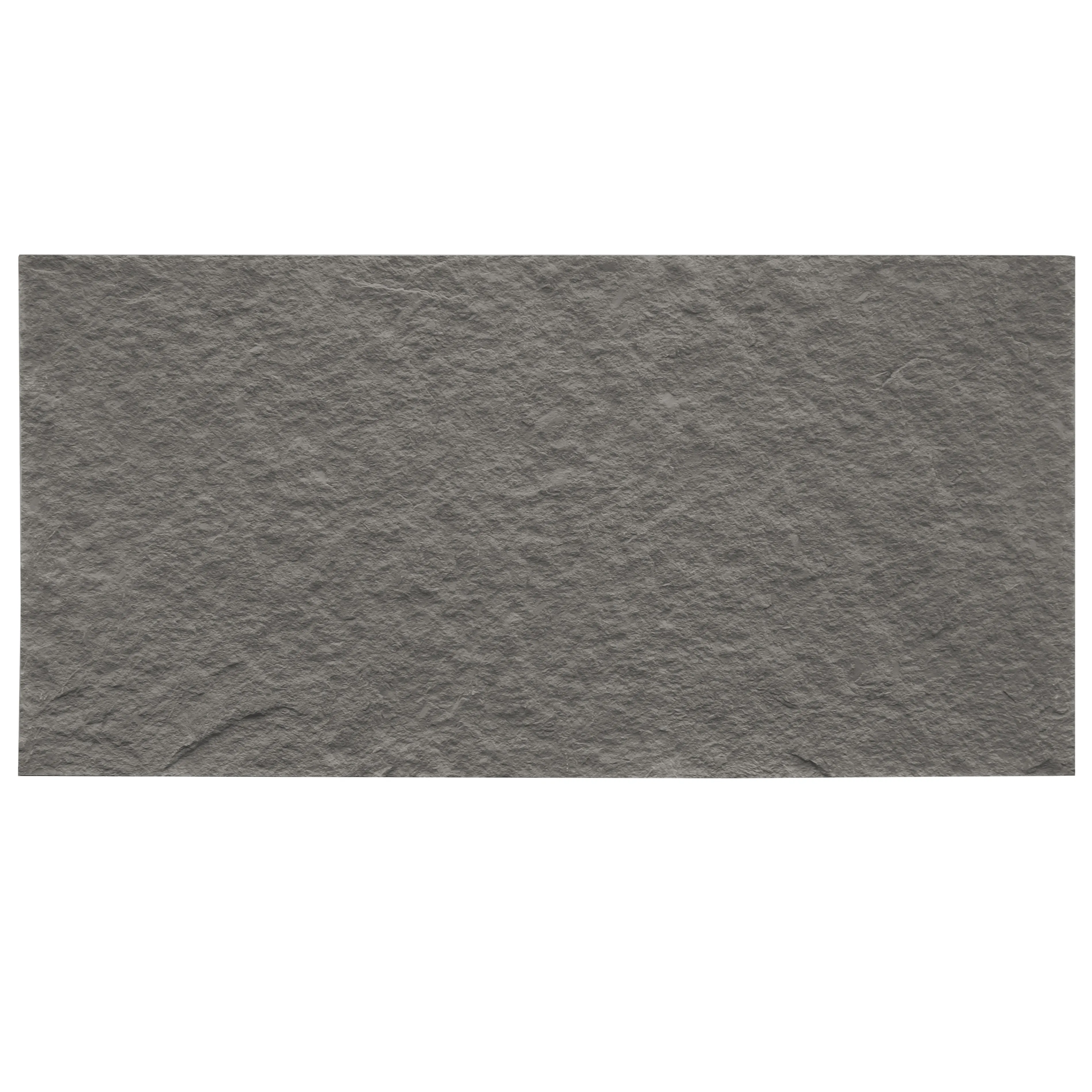
In the world of architecture and design, the materials we choose do more than just fill space—they tell stories, shape experiences, and leave lasting impressions. Whether you're crafting a cozy home, a sleek commercial space, or a landmark building, the balance between tradition and innovation often hinges on the surfaces we select. Today, we're diving into two distinct contenders: the MCM Project Board Series , a champion of modern composite technology, and Rough Granite Stone (Medium Grey) , a timeless natural classic. Let's explore how these materials stack up, from their core properties to the way they transform the spaces we inhabit.
Before we dive into details, let's set the stage. The MCM Project Board Series isn't just a single product—it's a family of advanced building materials rooted in modified composite technology. Think of it as innovation wrapped in versatility: lightweight, flexible, and designed to mimic the look of natural materials without the drawbacks of their bulk or maintenance. At its core, MCM (Modified Composite Material) leverages techniques like mcm 3d printing series and mcm flexible stone to create panels that bend, adapt, and redefine what's possible in design.
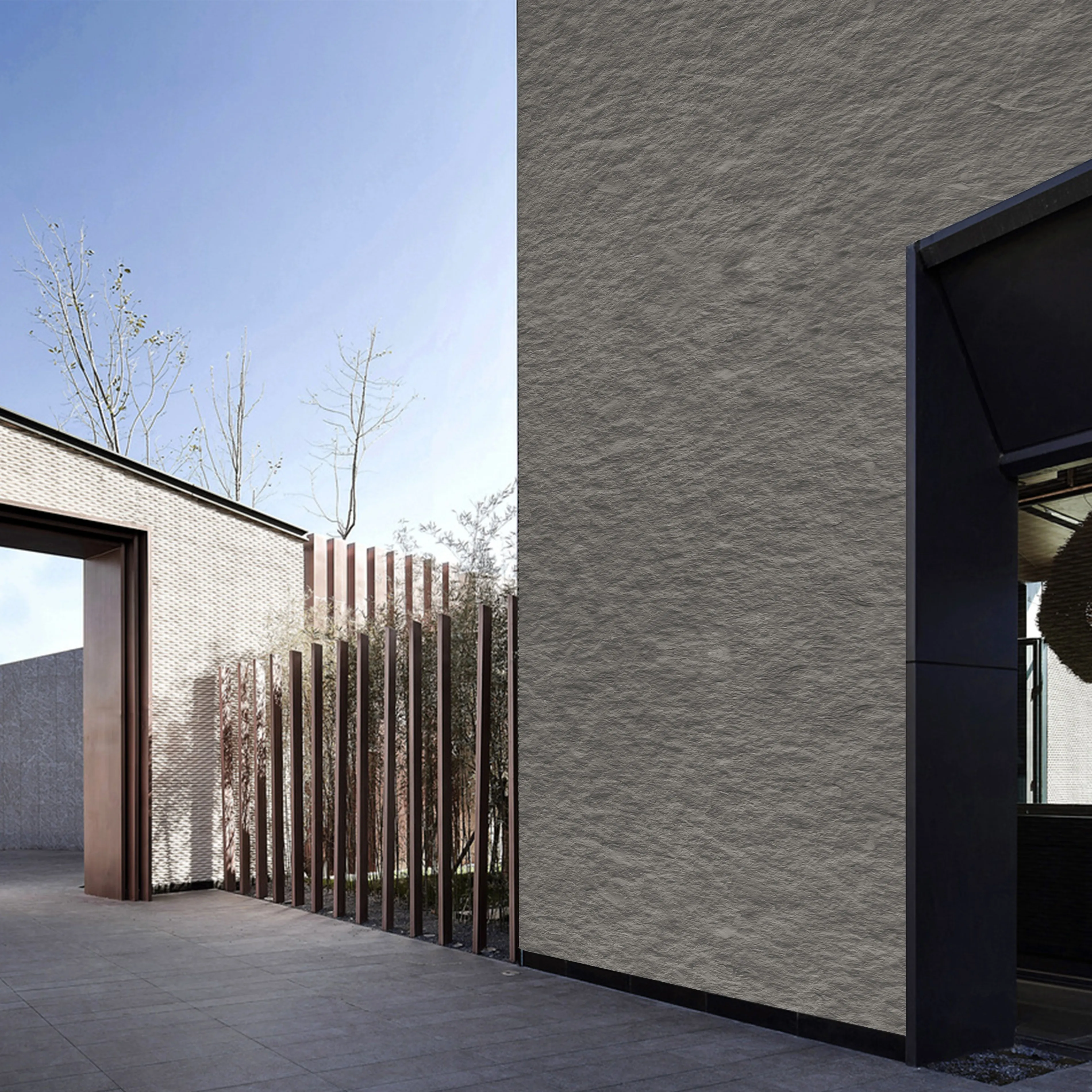
On the other side, Rough Granite Stone (Medium Grey) is nature's handiwork. Quarried from deep within the earth, this stone is a mix of quartz, feldspar, and mica, forged over millennia into a dense, rugged material. Its medium grey hue, marked by subtle flecks of white and black, and rough, chiseled texture, evoke a sense of timelessness. It's the material of ancient temples, grand monuments, and homes that feel grounded in the earth itself.
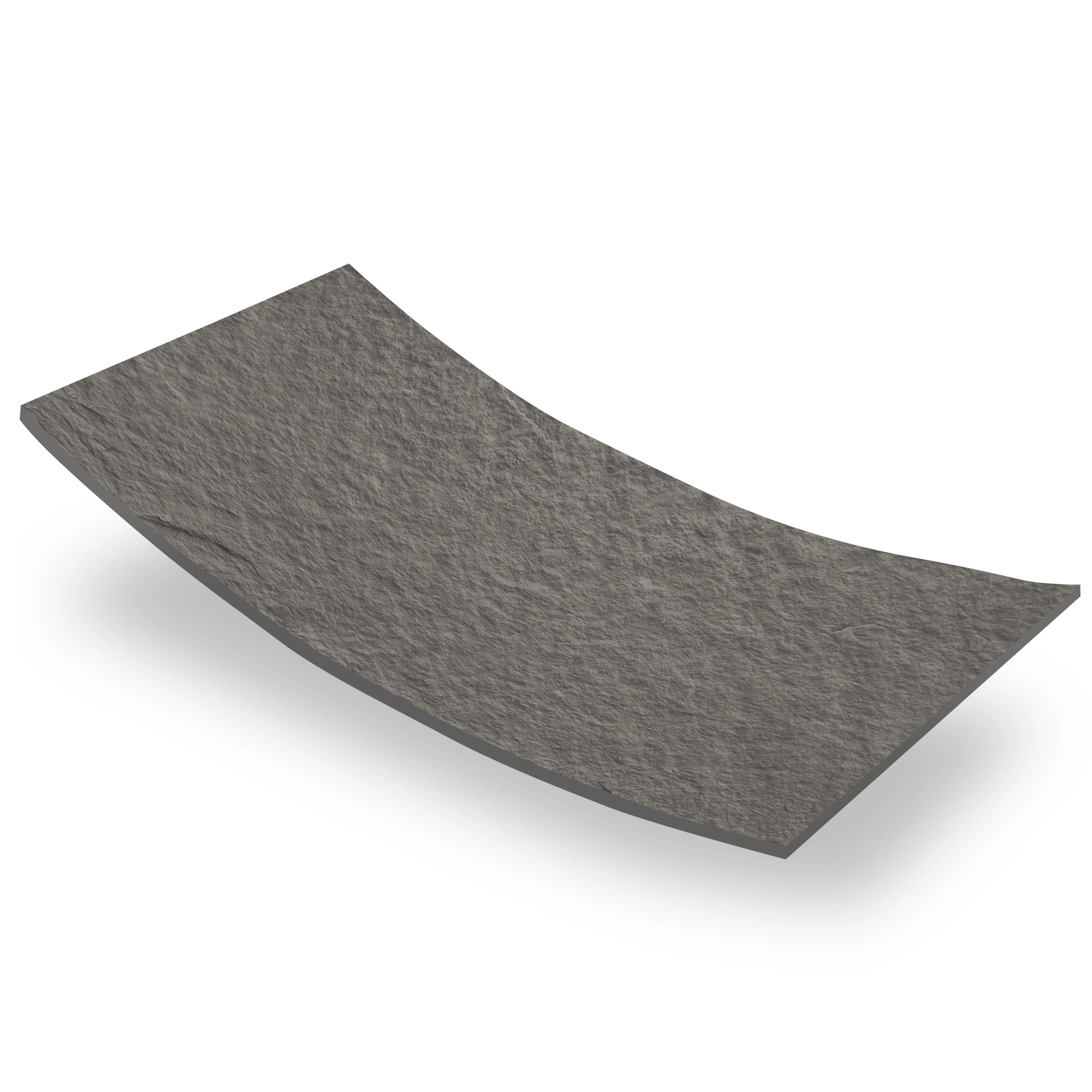
MCM Project Board Series: Engineered for Adaptability
MCM panels are a masterclass in smart engineering. At their core, they often combine layers of high-performance resins, mineral composites, and reinforcing materials—think
foamed aluminium alloy board
for structural integrity or
flexible stone
for that authentic texture. What makes them stand out is their "flexible" nature: unlike rigid natural stone, MCM can curve around corners, cling to uneven surfaces, or even be shaped into 3D forms, thanks to the
mcm 3d printing series
that allows for intricate, custom designs. This composition also makes them remarkably lightweight, often weighing a fraction of natural stone.
Rough Granite Stone (Medium Grey): Nature's Durable Canvas
Granite, by contrast, is purely natural. Formed from slowly cooling magma, its composition is a mix of hard minerals—quartz (for scratch resistance), feldspar (for color), and mica (for that subtle shimmer). The "medium grey" variant gets its tone from a balanced blend of these minerals, with no two slabs exactly alike. Its rough texture is intentional: it's often chiseled or blasted to reveal the stone's inner character, creating a surface that's tactile and full of depth. But this natural durability comes with a trade-off: density. A single slab of rough granite can weigh hundreds of pounds, making it a heavyweight in every sense.
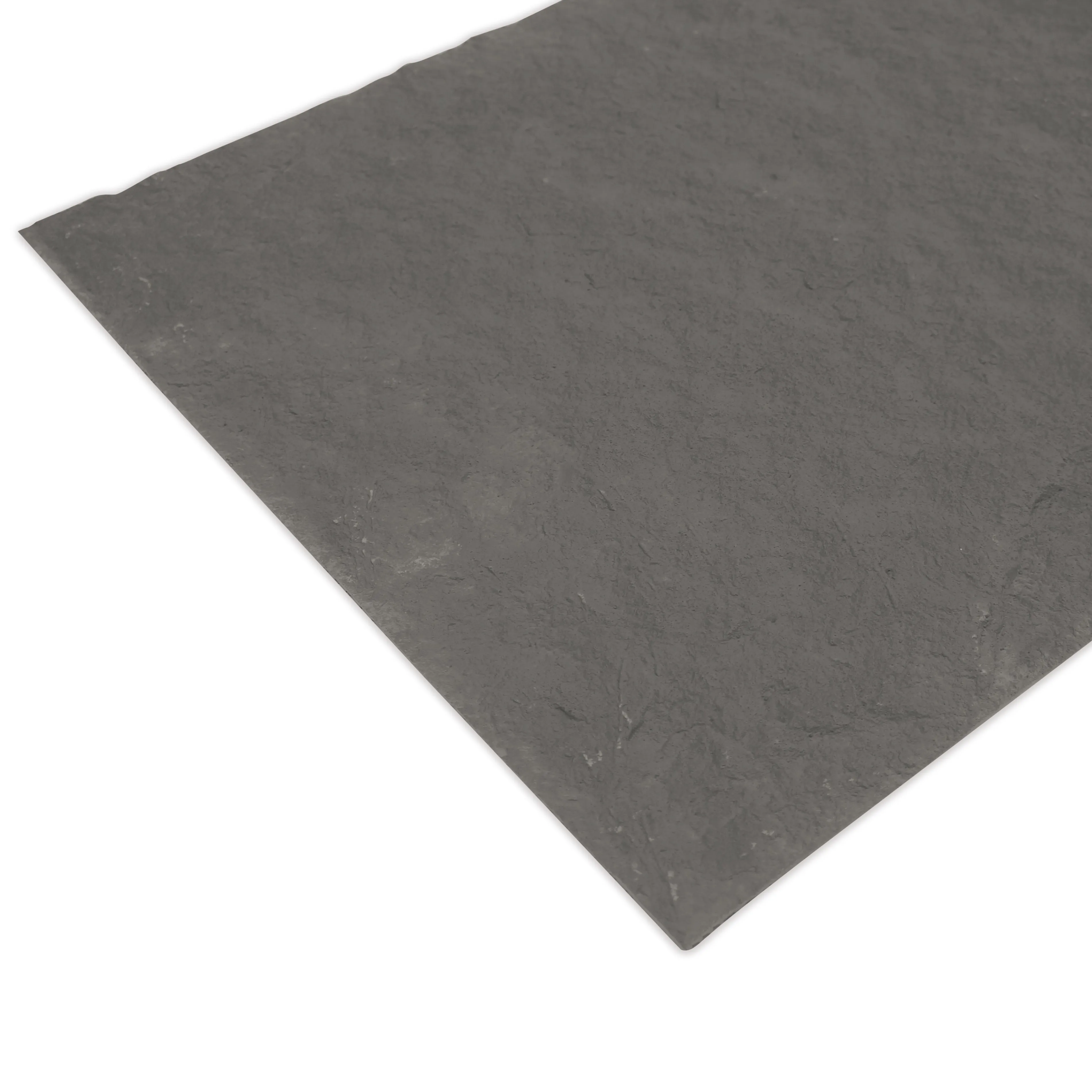
When it comes to aesthetics, both materials bring unique personalities to the table—but they cater to very different design languages.
MCM Project Board Series: Versatility Meets Creativity
MCM thrives on variety. Want the look of
lunar peak silvery
metal for a futuristic facade? Or maybe the warm glow of
travertine (vintage gold)
for an interior wall? The MCM Project Board Series delivers. Thanks to advanced printing and molding techniques, it can replicate the texture of rough granite, the sheen of marble, or even the organic patterns of
travertine (starry green)
with tiny, glittering accents. The
mcm 3d printing series
takes this further, allowing designers to create custom textures—ripples, waves, or geometric patterns—that would be nearly impossible to achieve with natural stone. It's a chameleon, adapting to minimalist, industrial, or bohemian styles with equal ease.
Rough Granite Stone (Medium Grey): Organic, Earthy, and Unapologetically Raw
Granite's beauty lies in its imperfection. No two slabs of Rough Granite (Medium Grey) are identical: one might have a streak of white quartz, another a cluster of black mica, or a vein of pink feldspar. Its rough surface catches light in unexpected ways, creating shadows and highlights that shift throughout the day. This is a material that doesn't need to "perform"—it simply
is
. It pairs beautifully with wood, metal, or glass, adding warmth to modern spaces or grounding traditional ones. For those who crave authenticity, nothing beats the real deal.
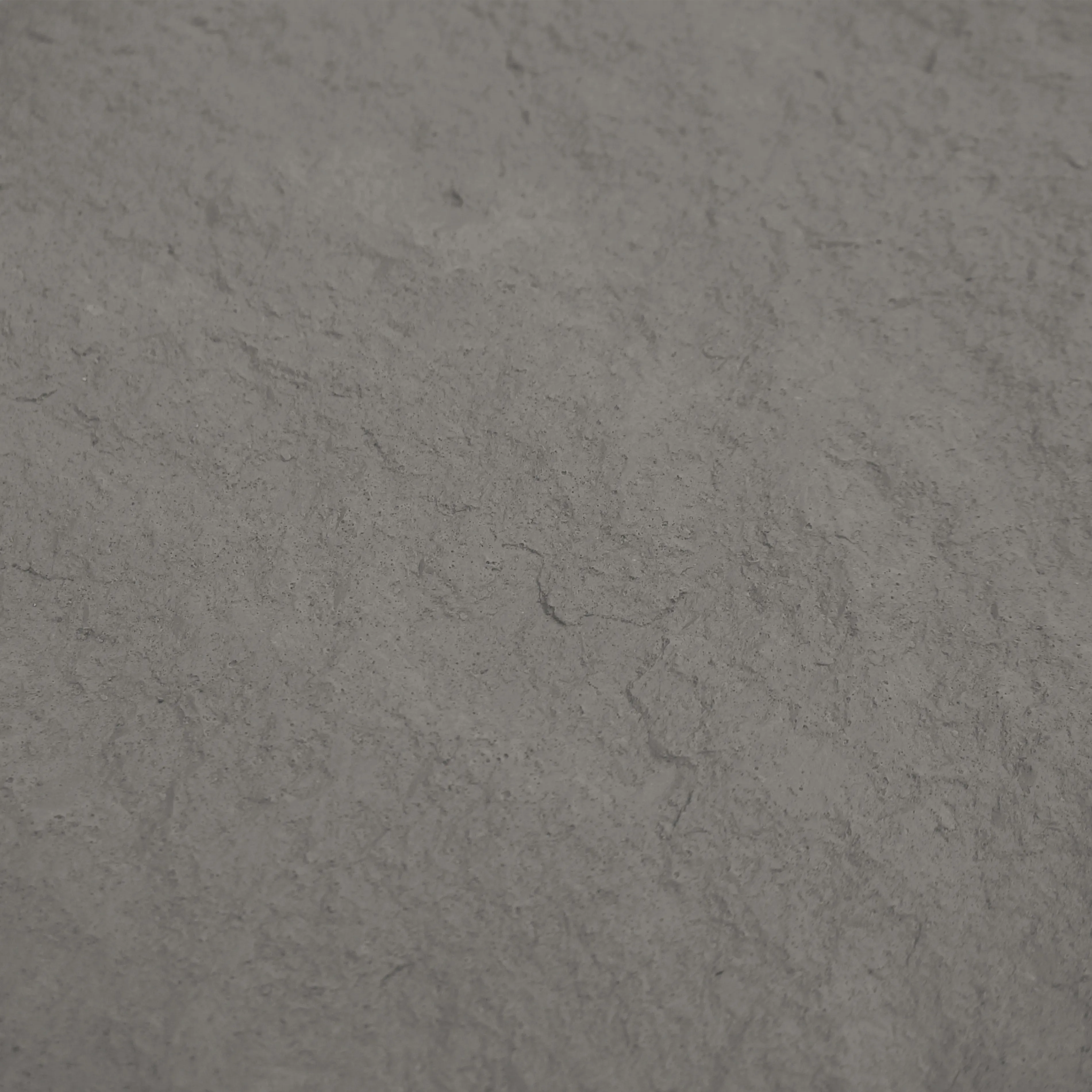
Looks matter, but a material's true test is how it holds up over time. Let's break down their performance in key areas:
Durability: Weather, Wear, and Tear
MCM panels are built to withstand the elements. Their composite core resists moisture, so they won't warp or rot in humid climates, and they're fade-resistant, even under harsh sunlight. Thanks to their flexibility, they're also less prone to cracking from temperature fluctuations—ideal for regions with extreme heat or cold. While they're not indestructible, they hold up surprisingly well to impacts, making them a solid choice for high-traffic areas.
Granite, of course, is legendary for durability. Its high compressive strength (often over 20,000 psi) means it can handle heavy loads, and its hardness (7 on the Mohs scale) makes it scratch-resistant. Spills? Granite can handle them—though it's porous, so sealing is a must to prevent stains from liquids like wine or oil. The downside? Its rigidity. A heavy impact or uneven support can cause it to crack, and once it does, repairs are difficult (often requiring replacement).
Installation: Ease and Accessibility
Here's where MCM truly shines. Its lightweight nature (often 3-5 kg per square meter) makes handling a breeze—no need for heavy machinery or reinforced structural support. Installers can cut it on-site with standard tools, and its flexibility means it adheres smoothly to curved walls or ceilings. For projects on tight deadlines, this translates to faster installation and lower labor costs.
Granite installation is a labor-intensive affair. A single slab can weigh 50-100 kg per square meter, requiring cranes, forklifts, and a team of installers. It also needs precise measurements and a perfectly level surface—any imperfection in the substrate will show through. For large projects, this can add weeks to the timeline and significantly boost costs.
Maintenance: Keeping Things Looking Fresh
MCM is low-maintenance by design. A quick wipe with soap and water is usually enough to clean off dirt or grime, and it doesn't require sealing or special treatments. Even in commercial spaces, where scuffs and spills are common, MCM panels retain their looks with minimal effort.
Granite, while durable, demands more care. Sealing every 1-3 years is necessary to keep stains at bay, and harsh cleaners can damage its surface. Its rough texture also traps dirt, requiring regular scrubbing to maintain that "just-quarried" look. For busy homeowners or commercial spaces, this ongoing maintenance can be a hassle.
| Feature | MCM Project Board Series | Rough Granite Stone (Medium Grey) |
|---|---|---|
| Weight (per sq.m) | 3-5 kg (lightweight) | 50-100 kg (heavy) |
| Flexibility | High (bends to curves, 3D shapes) | Low (rigid, prone to cracking if bent) |
| Installation Time | Fast (lightweight, easy to cut/shape) | Slow (requires heavy machinery, precise leveling) |
| Maintenance | Minimal (soap and water, no sealing) | Moderate (sealing every 1-3 years, regular scrubbing) |
| Design Options | Unlimited (3D printing, custom textures, colors like lunar peak silvery or travertine (starry green) ) | Natural variations (limited to quarry colors/textures) |
| Sustainability | Eco-friendly (often uses recycled materials, low carbon footprint) | High environmental impact (quarrying, transportation emissions) |
In an era where sustainability matters more than ever, material choices carry environmental weight. MCM panels often score points here: many manufacturers use recycled plastics or minerals in their composition, and their lightweight design reduces transportation emissions. The mcm 3d printing series also minimizes waste, as panels are printed to exact specifications, leaving little scrap. Production processes are often energy-efficient, further lowering their carbon footprint.
Granite, while natural, has a heavier environmental toll. Quarrying disrupts ecosystems, and transporting massive slabs over long distances emits significant CO2. There's also waste: cutting granite to size generates leftover stone that's often discarded. For eco-conscious builders, this can be a dealbreaker.
MCM Project Board Series: Modern Spaces, Bold Visions
MCM is a favorite in modern architecture. Its flexibility makes it perfect for statement facades—think a hotel with a curved,
lunar peak golden
exterior that shimmers at sunset. Interior designers love it for accent walls, backsplashes, or even custom furniture, where its 3D-printed textures (like
wave panel
or
star gravel
patterns) add depth. It's also ideal for renovation projects, where its lightweight nature avoids overloading existing structures.
Rough Granite Stone (Medium Grey): Timeless Spaces, Lasting Legacy
Granite still reigns in spaces where tradition and permanence matter. Historic renovations, luxury homes, or government buildings often opt for rough granite exteriors to evoke strength and heritage. Its durability also makes it a staple for outdoor spaces—think garden paths, pool surrounds, or patio floors that stand up to rain, snow, and foot traffic for decades. Indoors, it adds gravitas to fireplaces, entryways, or countertops in kitchens that blend rustic and modern styles.
At the end of the day, the choice between MCM Project Board Series and Rough Granite Stone (Medium Grey) comes down to your priorities. Ask yourself:
If you're drawn to innovation, versatility, and ease, MCM Project Board Series is a forward-thinking choice. If you crave the raw, unfiltered beauty of natural stone and don't mind the maintenance and cost, Rough Granite Stone (Medium Grey) will never go out of style.
In the end, both MCM and rough granite are more than just building materials—they're storytellers. MCM writes tales of progress, adaptability, and the future of design. Granite whispers of ancient earth, resilience, and the quiet beauty of nature's handiwork. Whether you choose the sleek innovation of mcm flexible stone or the timeless grit of rough granite, you're not just building a space—you're creating an experience that will be felt, remembered, and cherished for years to come. And isn't that what great design is all about?
Recommend Products












