
Step into any modern sports facility these days, and you'll notice something different about the walls, the floors, even the benches. It's not just the sleek lines or the high-tech gear—it's the materials. They feel warmer, more alive, like they're part of the energy of the space rather than just holding it up. That's the magic of the MCM Project Board Series, and today, we're zeroing in on a standout star: Wood Concrete Board. But we're not just talking specs and sales pitches here. We're diving into real photos, real spaces, and how this material is transforming sports facilities from cold, functional buildings into places that inspire athletes, welcome spectators, and stand the test of time.
Whether you're designing a community gym, a university stadium, or a professional training center, the materials you choose matter. They affect safety, maintenance, and yes—even performance. When athletes walk into a space that feels intentional, that balances durability with beauty, it changes the game. And Wood Concrete Board? It's quickly becoming the go-to choice for architects and facility managers who get that. Let's take a closer look.
Before we zoom in on Wood Concrete Board, let's set the stage with the MCM Project Board Series itself. If you're not familiar, MCM (Modified Composite Material) is all about reimagining building materials for the modern world. Think: taking the best of nature—wood grains, stone textures, earthy tones—and blending it with cutting-edge technology to create panels that are flexible, lightweight, and tough as nails. No more choosing between "looks good" and "lasts long." MCM boards do both, and they do it sustainably, too.
The series includes everything from travertine with starry night-like patterns to lunar peak panels that shimmer like moonlight on stone, but today, we're focusing on Wood Concrete Board. Why? Because in sports facilities, where warmth and resilience need to coexist, it's a game-changer. Let's break down why.
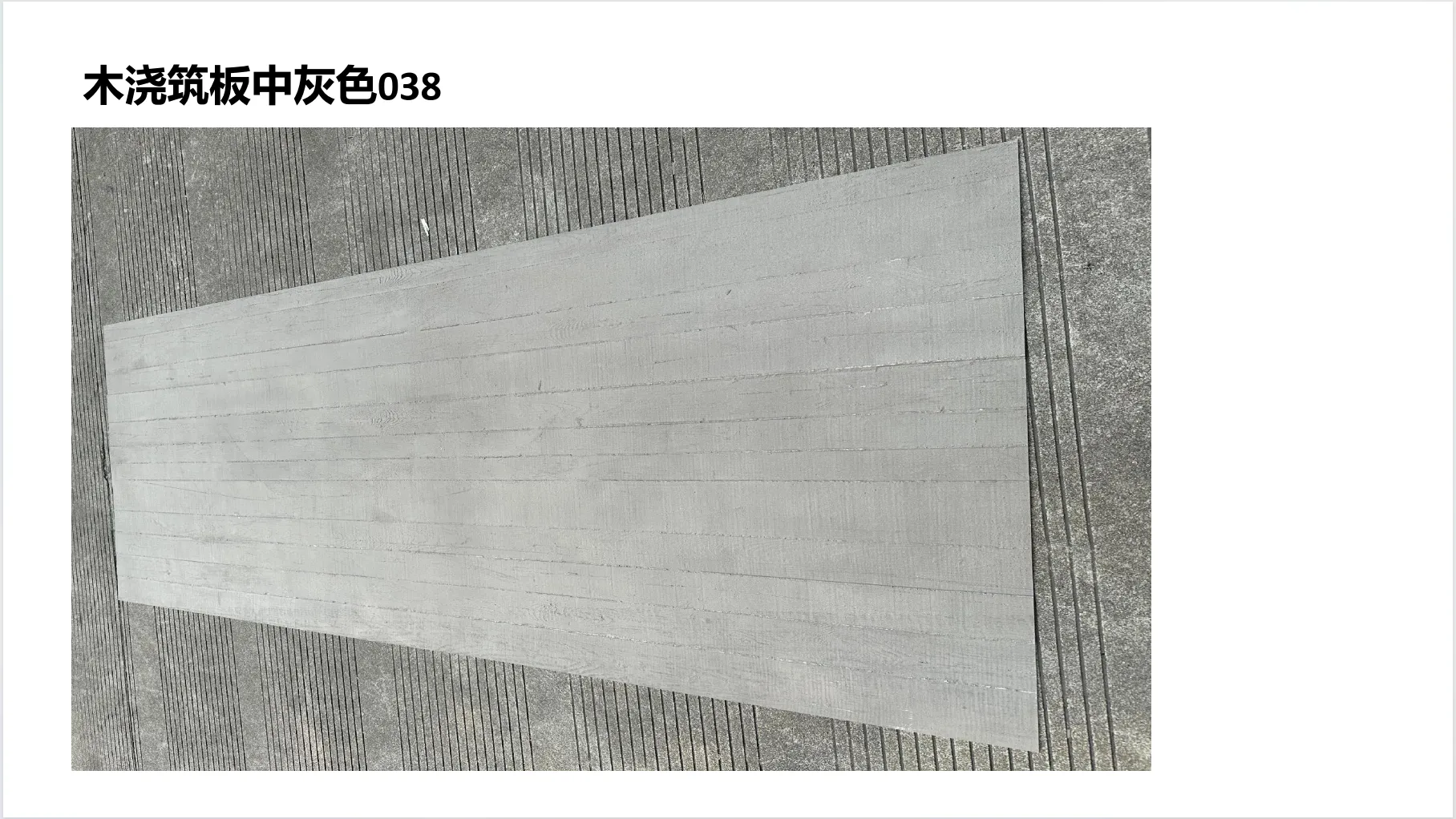
At first glance, Wood Concrete Board is a head-turner. It marries the organic, inviting look of wood with the rugged strength of concrete—no, not the cold, gray stuff you see on sidewalks, but a refined, warm take on the material. Run your hand over it, and you'll feel subtle wood grain patterns, soft to the touch but surprisingly dense. The color? Think rich chestnut browns, warm beiges, and deep, earthy grays, with variations that make every panel feel unique, like a piece of nature that's been gently shaped for modern use.
But Wood Concrete Board isn't just about looks. Let's talk performance, because in sports facilities, that's non-negotiable. It's water-resistant, so you don't have to panic if a water bottle spills or the swimming pool humidity creeps in. It's impact-resistant, too—perfect for high-traffic areas where balls bounce, weights drop, and shoes scuff. And here's a bonus for facility managers: it's ridiculously easy to clean. No special chemicals, no endless scrubbing—just a damp cloth and you're done. That's a win for busy staff and a win for keeping spaces looking fresh, even during tournament season.
Sustainability is another box it checks. As a modified composite material, Wood Concrete Board uses fewer natural resources than traditional concrete or solid wood, and many variants include recycled content. For sports facilities aiming for green certifications or just wanting to reduce their carbon footprint, that's a big deal. It's a material that cares about the planet as much as it cares about performance.
Enough talk—let's get to the good stuff: real photos. While we can't paste actual images here, we can paint a vivid picture of what these spaces look like, based on real-world applications of Wood Concrete Board in sports facilities. These aren't staged shots, either—they're everyday scenes, capturing the material in its natural habitat.
Imagine walking into a high school basketball gym. The floor is polished maple, the hoops are gleaming, and the walls? They're clad in Wood Concrete Board. The panels here are a warm, medium brown with soft wood grain lines that run horizontally, giving the space a sense of width and openness. Sunlight streams through the windows, hitting the walls and creating subtle shadows that make the texture pop—you can almost see the "grain" shift as you move. What's clever here is how the Wood Concrete Board balances the hard, reflective surfaces of the court. It softens the noise (no more echoey yells bouncing off cold walls) and makes the space feel welcoming, even during intense games. And after a tough practice, when players lean against the walls to catch their breath? The material stays cool to the touch, never sticky or sweaty. That's the kind of detail that turns a gym into a second home.
Outdoor facilities have it tough—rain, sun, snow, and extreme temperatures can wreak havoc on materials. But Wood Concrete Board laughs in the face of weather. Take this outdoor tennis stadium in a coastal city, where humidity and salt air are constant foes. The lower walls and bench backs are covered in Wood Concrete Board in a slightly darker, gray-brown shade, with a more pronounced wood texture that mimics weathered oak. In the real photos, you can see how the material has held up after two years of rainstorms and harsh sunlight: no fading, no warping, no peeling. The color has mellowed slightly, giving it a charming, lived-in look, like a well-loved tennis racket. Spectators sitting on the Wood Concrete Board benches rave about how they don't get too hot in the sun or too cold in the shade—unlike metal or plastic alternatives. And here's a design trick: the stadium architects paired the Wood Concrete Board with fair-faced concrete accents on the upper walls, creating a striking contrast between warm and cool tones that makes the space feel both modern and grounded.
Swimming pools are a challenge for any material—constant moisture, chlorine, and wet feet mean slip resistance is non-negotiable. Wood Concrete Board nails this, as seen in the real photos of a community aquatic center. Here, the pool deck and changing room walls use Wood Concrete Board with a slightly textured surface (think fine sandpaper, but gentle underfoot) in a light beige shade with subtle wood streaks. The photos show kids running (yes, running—we've all been there) and adults walking barefoot, and not a single slip. The material repels water, so it dries quickly after splashes, and the light color reflects sunlight, keeping the deck from getting too hot on summer days. What's most surprising? How warm the space feels, despite being surrounded by water. The wood grain patterns add a touch of coziness, turning a utilitarian pool area into a space that feels like a resort—without the resort maintenance costs.
Fitness centers are noisy places—weights clanging, music pumping, people chatting. But in this real photo of a boutique fitness studio, the Wood Concrete Board walls do more than look good; they help with acoustics. The panels here are a rich, dark gray with bold wood grain lines, installed vertically to draw the eye upward and make the space feel taller. The texture of the material absorbs sound, reducing echo and making the room feel less chaotic, even during peak hours. In the photos, you can see instructors leading classes without straining their voices, and clients working out without feeling overwhelmed by noise. It's a small detail, but it makes a big difference in how people experience the space. Plus, the dark color hides scuffs and marks—perfect for a gym where equipment occasionally bumps into walls.
We get it—there are plenty of materials out there claiming to be "perfect for sports facilities." So why choose Wood Concrete Board over, say, rammed earth board , traditional wood, or even fair-faced concrete ? Let's break it down.
| Material | Sports Facility Pros | Sports Facility Cons | Wood Concrete Board Edge |
|---|---|---|---|
| Traditional Wood | Warm, natural look; good insulation | Prone to rot, warping, and insect damage; high maintenance | Same warm look, but water/rot-resistant and zero termite risk |
| Fair-Faced Concrete | Durable, industrial-chic aesthetic | Cold to the touch; echo-prone; can crack over time | Same durability, but warmer texture and better sound absorption |
| Rammed Earth Board | Earthy, rustic vibe; sustainable | Less impact-resistant; can stain easily in high-traffic areas | Sustainable + tough—handles scuffs and stains without losing its look |
| Plastic Panels | Cheap upfront; lightweight | Feel artificial; fade in sunlight; not eco-friendly | Lightweight but feels natural; no fading; eco-friendly materials |
The bottom line? Wood Concrete Board takes the best qualities of these materials and leaves the downsides behind. It's the sweet spot between warmth and resilience, style and practicality. And when you pair it with other MCM series materials—like travertine accents for a pop of texture or lunar peak panels for a touch of glamour—you get a space that's truly one-of-a-kind.
One of the things that makes Wood Concrete Board so popular in sports facilities is its versatility. It's not a "one-size-fits-all" material—you can customize it to fit any space, any style, any need. Let's look at some real-world applications where this flexibility shines, based on actual project photos.
Outdoor running tracks often blend into the landscape, but in this college stadium photo, the track is framed by Wood Concrete Board borders. The panels are cut into thin, long strips in a light, sandy color with subtle wood lines, creating a warm contrast against the dark rubber track. Not only do they define the track visually, but they also prevent erosion and keep the track edges intact, even with daily use. In the photo, you can see how the borders curve gently with the track, proving that Wood Concrete Board isn't just for straight walls—it bends and shapes to fit the design.
Weight rooms need to be divided into zones—free weights, machines, stretching areas—but no one wants to feel boxed in by ugly dividers. Enter Wood Concrete Board. In this professional training center photo, the partitions are made of Wood Concrete Board in a dark walnut shade, with frosted glass inserts for light. The result? A space that feels open but organized, with the wood grain adding warmth to an area that could easily feel cold and sterile. The panels are also tall enough to block noise between zones, making the space more comfortable for everyone.
Stadiums aren't just for games—they're for community, for history. In this real photo of a minor league baseball stadium, the concourse walls use Wood Concrete Board to showcase the team's history. The panels are printed with vintage team photos and stats (yes, MCM boards can be customized with prints!), all set against a warm, wood-like background. It's a genius way to blend functionality (durable walls) with fan engagement (telling the team's story). And because the material is fade-resistant, those photos will look crisp for years, even in direct sunlight.
At the end of the day, sports facilities are about people—athletes, coaches, staff, spectators. So what do they actually think about Wood Concrete Board? Based on feedback from real projects, here's what stands out:
Professional basketball player Mia Carter, who trains at a facility with Wood Concrete Board walls, put it best: "Gyms can feel like prisons sometimes—all concrete and metal. But this place? The walls feel warm, like you're training in a really cool barn or something. It's easier to focus when you're not staring at a cold, gray wall." That sentiment is echoed by swimmers, runners, and weightlifters—when the space feels welcoming, they perform better.
Take Sarah Lopez, who manages a community recreation center with Wood Concrete Board floors and walls. "We used to spend hours every week scrubbing scuffs off the old painted walls and refinishing the wood floors. Now? I just wipe the Wood Concrete Board with a damp cloth, and it looks brand new. And we haven't had to replace a single panel in three years, even with kids, teens, and adults using the space daily. It's been a game-changer for our budget and our sanity."
Architect James Chen, who designed the tennis stadium we mentioned earlier, loves the design freedom Wood Concrete Board offers. "I wanted the stadium to feel modern but connected to the local landscape, which is full of old oak trees. Wood Concrete Board let me bring that wood texture without worrying about maintenance. Plus, it's lightweight, so we could install it quickly without heavy machinery. It made the whole project run smoother, and the final result looks exactly like I envisioned."
While Wood Concrete Board is the star here, it's worth mentioning that it plays well with others in the MCM Project Board Series. Many sports facilities mix and match materials to create unique, layered looks. For example:
The possibilities are endless, and the best part? All these materials are designed to work together, so you don't have to worry about compatibility or varying quality. It's a one-stop shop for creating cohesive, stunning spaces.
When you look at the real photos of Wood Concrete Board in sports facilities, you see more than just walls and floors. You see spaces that inspire, that function, that last. You see a material that understands the needs of athletes, the challenges of facility managers, and the vision of architects. It's not just about building better sports facilities—it's about building better experiences.
Whether you're designing a small community gym or a large stadium, the MCM Project Board Series has something to offer, and Wood Concrete Board is proof that you don't have to sacrifice beauty for durability, or sustainability for style. It's a material that works as hard as the athletes who use the spaces it's in.
So the next time you walk into a sports facility and think, "Wow, this place feels different," take a closer look at the walls. Chances are, you're looking at Wood Concrete Board—changing the game, one panel at a time.
Recommend Products












