
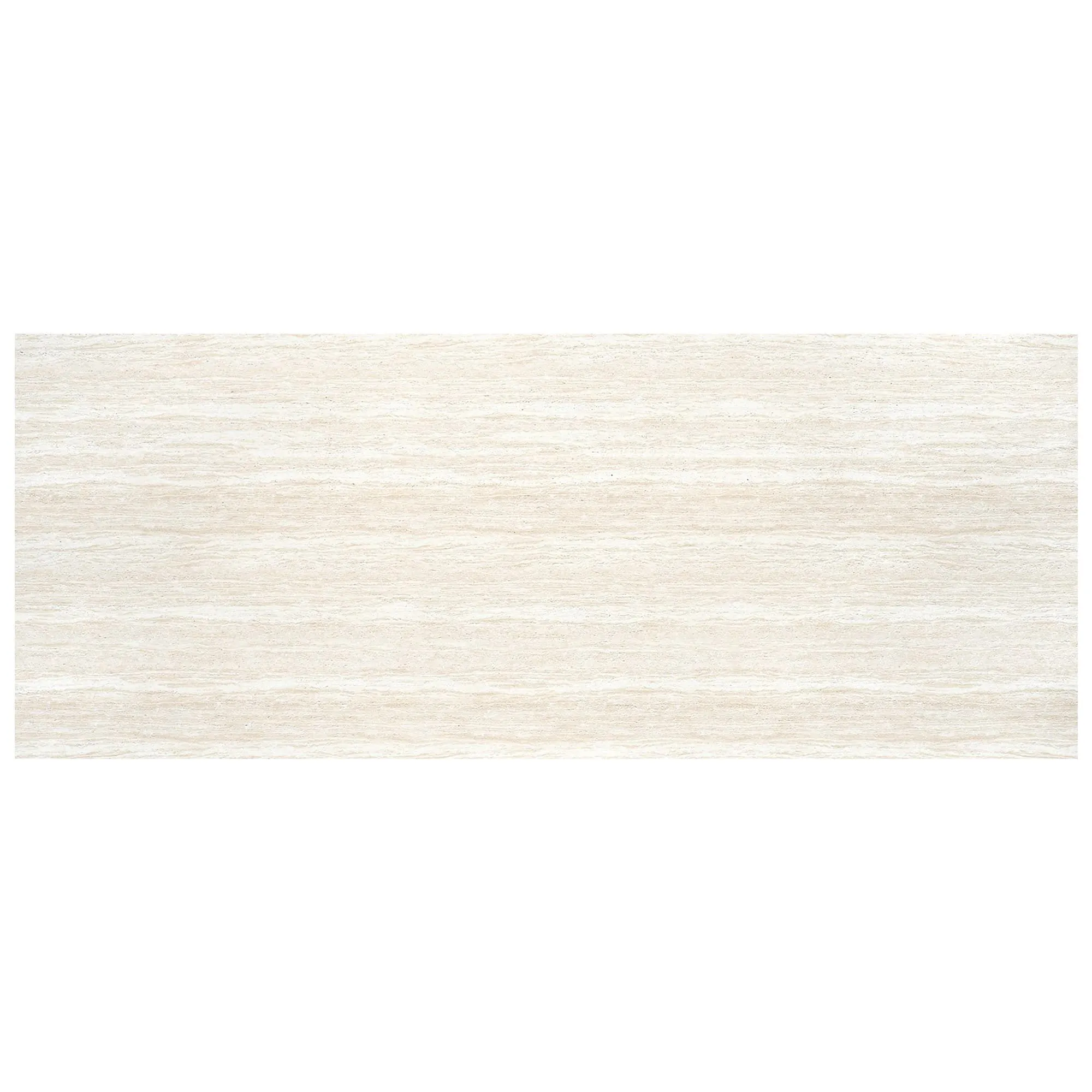
Walk into a modern airport terminal, and your first impression isn't just about the size of the space—it's about the materials that shape it. The walls that rise around you, the floors underfoot, the textures that catch the light—they all tell a story. In large-scale construction, where function meets art, choosing the right materials isn't just a practical decision; it's about creating spaces that feel alive, that connect people to something bigger than steel and concrete. That's where the MCM Project Board Wood Line Series comes in: a collection of materials designed to bridge the gap between nature's warmth and industrial strength, making it easier than ever to build spaces that matter.
Construction has always been a dance between two worlds: the raw beauty of natural materials and the precision of modern engineering. For decades, architects and builders have grappled with a trade-off: choose wood for its warmth, and risk its vulnerability to weather and time; opt for concrete or metal, and lose the organic texture that makes spaces feel human. The MCM Wood Line Series was born from a simple question: What if we didn't have to choose?
Inspired by the weathered barns of rural landscapes, the smooth grain of ancient oak trees, and the rugged charm of driftwood on a beach, the designers at MCM set out to capture the essence of wood without its limitations. They combined advanced mineral composites with recycled wood fibers, creating a material that looks and feels like the real thing—right down to the subtle knots and grain patterns—but stands up to the harshest conditions. It's not just about mimicking nature; it's about honoring it, then making it better.
Think about it: A hospital waiting room clad in cold, sterile panels can leave patients feeling anxious. But swap those panels for warm wood-grain textures, and suddenly the space feels calmer, more welcoming. A university campus with gray concrete walls might feel imposing, but add accents of natural stone and wood, and it becomes a place where students want to linger, study, and connect. Materials don't just fill space—they shape how we experience it. The MCM Wood Line Series is built to create those meaningful experiences, even in the largest, most complex projects.
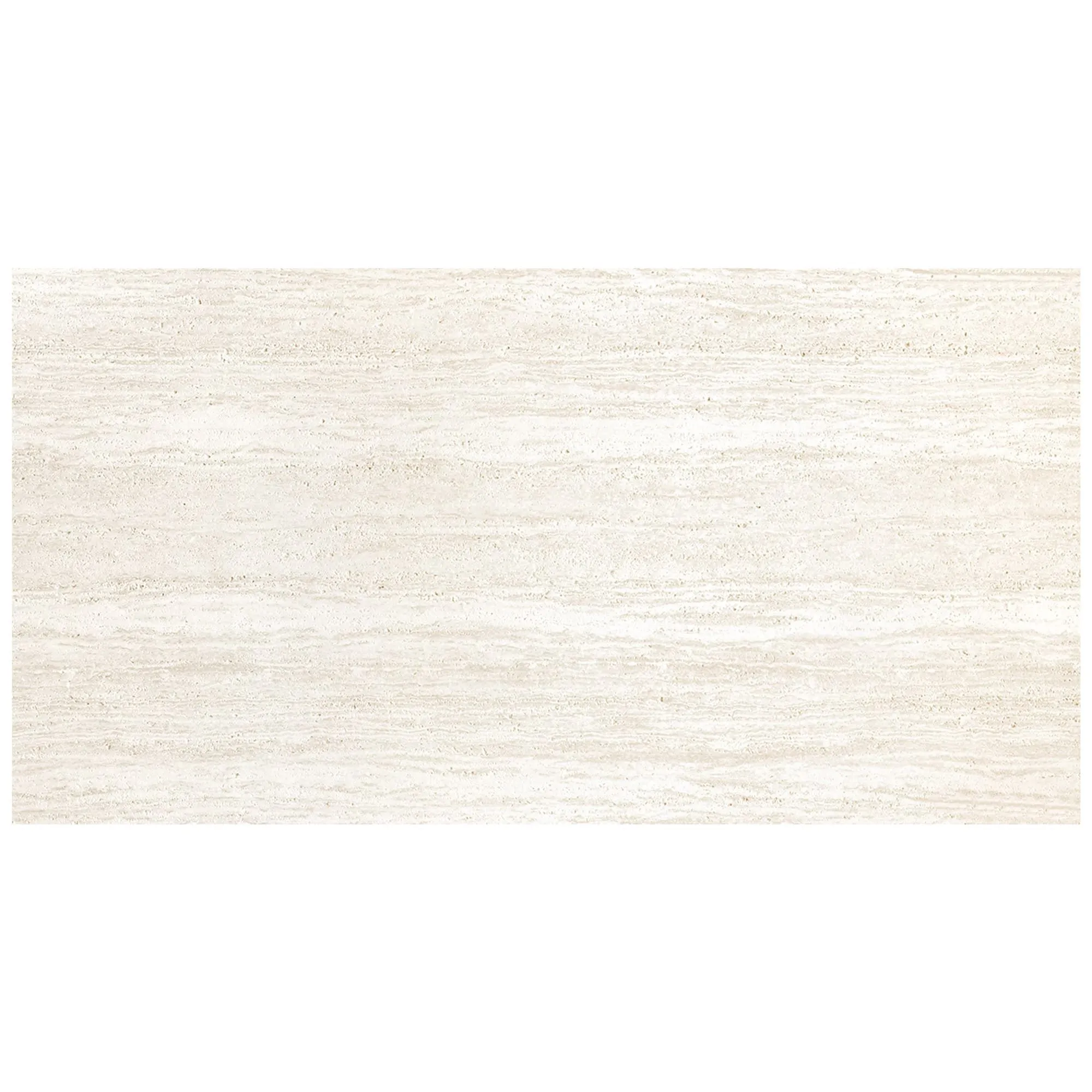
The MCM Wood Line Series isn't just one product—it's a family of materials, each designed to solve specific challenges in large-scale construction. Let's take a closer look at the standouts that make this series a favorite among architects and builders:
| Product Line | Core Material | Key Features | Ideal For | Why It Stands Out |
|---|---|---|---|---|
| Wood Line Series | Mineral composite + recycled wood fibers | Authentic wood grain patterns, 600x1200mm to 1200x2400mm sizes, 10+ finish options | Commercial lobbies, residential facades, hotel interiors | Warm, organic texture that ages gracefully; resistant to warping, rot, and pests |
| MCM Big Slab Board Series | Reinforced MCM composite | Up to 1800x3600mm slabs, minimal joints, lightweight (8-12kg/m²) | Airport terminals, convention centers, museum exteriors | Seamless, expansive surfaces that reduce installation time by 30% |
| MCM Flexible Stone | Natural stone powder + polymer backing | Bendable up to 90°, thin profile (3-5mm), fire-resistant | Curved walls, dome structures, irregular architectural elements | Mimics the look of natural stone but bends to fit any shape |
| Fair-Faced Concrete | High-performance concrete blend | Raw, unpolished finish, custom color matching, precast or poured-in-place | Industrial-chic offices, cultural centers, outdoor plazas | Raw, honest texture that pairs beautifully with wood and stone accents |
| Wood Grain Board | Engineered wood-MCM hybrid | Dual-texture options (smooth/rough), scratch-resistant, UV-stable | Retail storefronts, restaurant exteriors, public park pavilions | Combines the look of reclaimed wood with the durability of industrial materials |
At first glance, you might mistake the Wood Line Series for real wood—and that's the point. Run your hand over a panel, and you'll feel the subtle ridges of the grain, the slight variation in color that makes each piece unique. But unlike real wood, these panels won't crack in freezing temperatures, warp in humidity, or attract termites. They're built to last, even in high-traffic areas like shopping malls or train stations.
Take the wood grain board variant, for example. It's available in finishes that range from light ash to deep walnut, with options for "weathered" textures that look like they've been kissed by the sun and rain for decades. Architects love it for facades: imagine a 50-story residential tower clad in these panels, the wood tones softening the building's height and making it feel grounded, almost like a vertical forest. Inside, it works equally well—picture a co-working space with walls that feel like a cozy cabin, but with the fire resistance and sound absorption needed for a busy office.
Large-scale construction often means large-scale headaches—especially when it comes to covering expansive surfaces. Traditional materials like natural stone or concrete slabs are heavy, hard to transport, and prone to cracking. The MCM Big Slab Board Series changes the game with slabs as large as 1800x3600mm—about the size of a small car. That means fewer joints, less labor, and a smoother, more polished look.
Consider a convention center with a 10,000-square-meter exhibition hall. Using standard 600x600mm tiles would require thousands of cuts and grout lines, turning installation into a months-long process. With MCM Big Slabs, the same space can be covered in half the time, with seams that are almost invisible. And because the slabs are lightweight (around 10kg per square meter), they reduce the load on the building's structure, cutting down on foundation costs. It's not just about saving time and money—it's about creating a space that feels cohesive, where the focus is on the event, not the materials.
Architecture isn't always about straight lines. Curved walls, domed ceilings, and irregular shapes add character to buildings, but they've historically been a nightmare to clad. Enter MCM flexible stone —a material that bends like a sheet of plastic but looks like natural travertine, slate, or marble. Its thin, lightweight design (just 3-5mm thick) makes it easy to install on even the most complex surfaces, from the swooping roof of a cultural center to the rounded edges of a museum's exterior.
One project that showcases its versatility is a botanical garden visitor center with a curved glass-and-stone facade. The designers wanted the stone to "flow" around the building, mimicking the shape of the nearby hills. With traditional stone, this would have required custom-cut pieces and expensive scaffolding. With MCM flexible stone, the installers simply bent the panels to fit the curve, resulting in a seamless, organic look that cost a fraction of the traditional approach. It's design freedom, without the compromise.
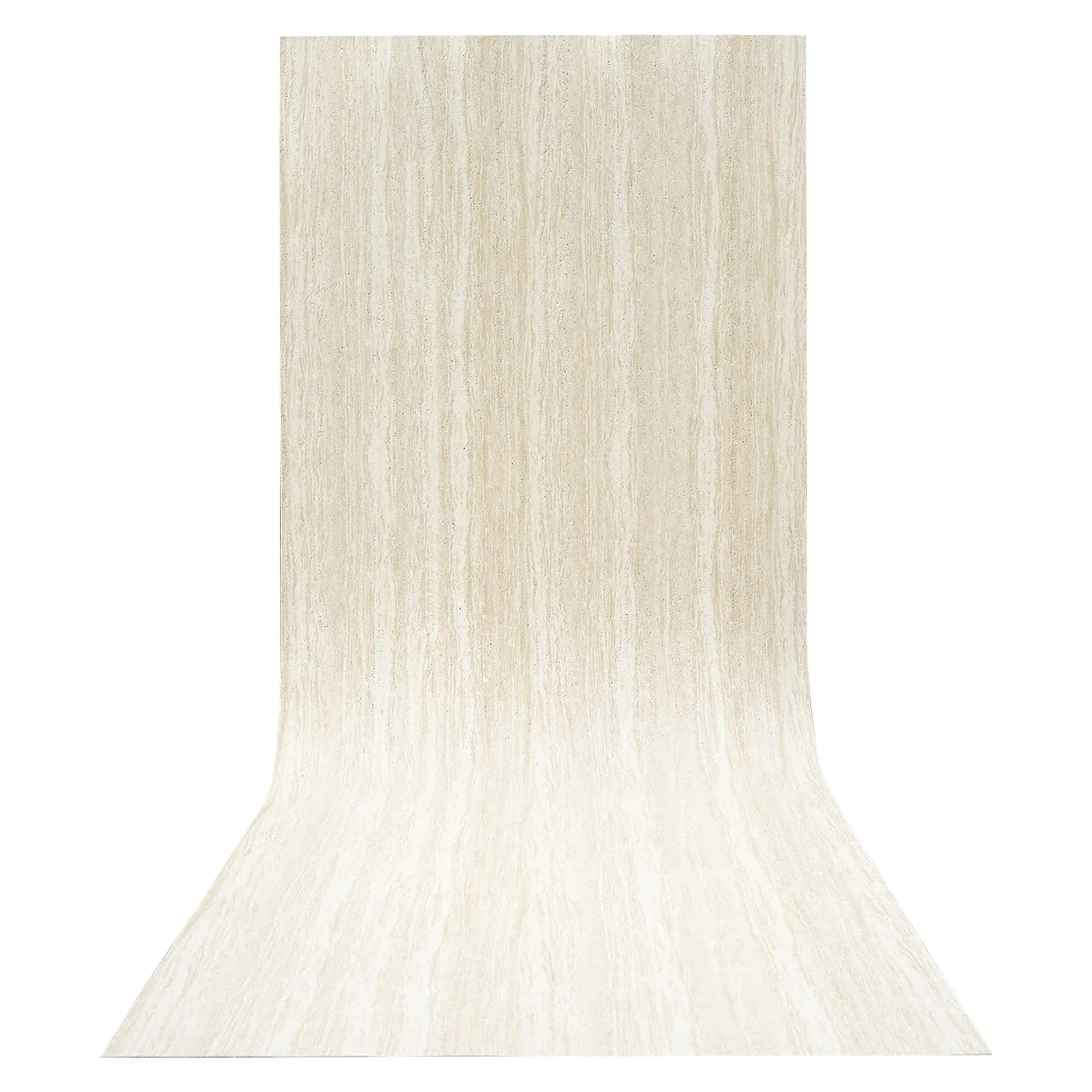
At the end of the day, builders and architects don't just need materials—they need partners. They need products that work with their deadlines, their budgets, and their vision. The MCM Wood Line Series delivers on all three, with benefits that go beyond aesthetics:
Real Impact, Real Projects: Take the Riverfront Arts District, a 25-acre development in a mid-sized city. The project included a performing arts center, a public library, and a waterfront promenade—all designed to revitalize the area. The architects chose the MCM Wood Line Series for the library's exterior, pairing warm wood-grain panels with fair-faced concrete accents. The result? A building that feels both modern and timeless, with textures that invite people to touch and explore. Today, the library is the district's most visited spot, proving that materials don't just build spaces—they build communities.
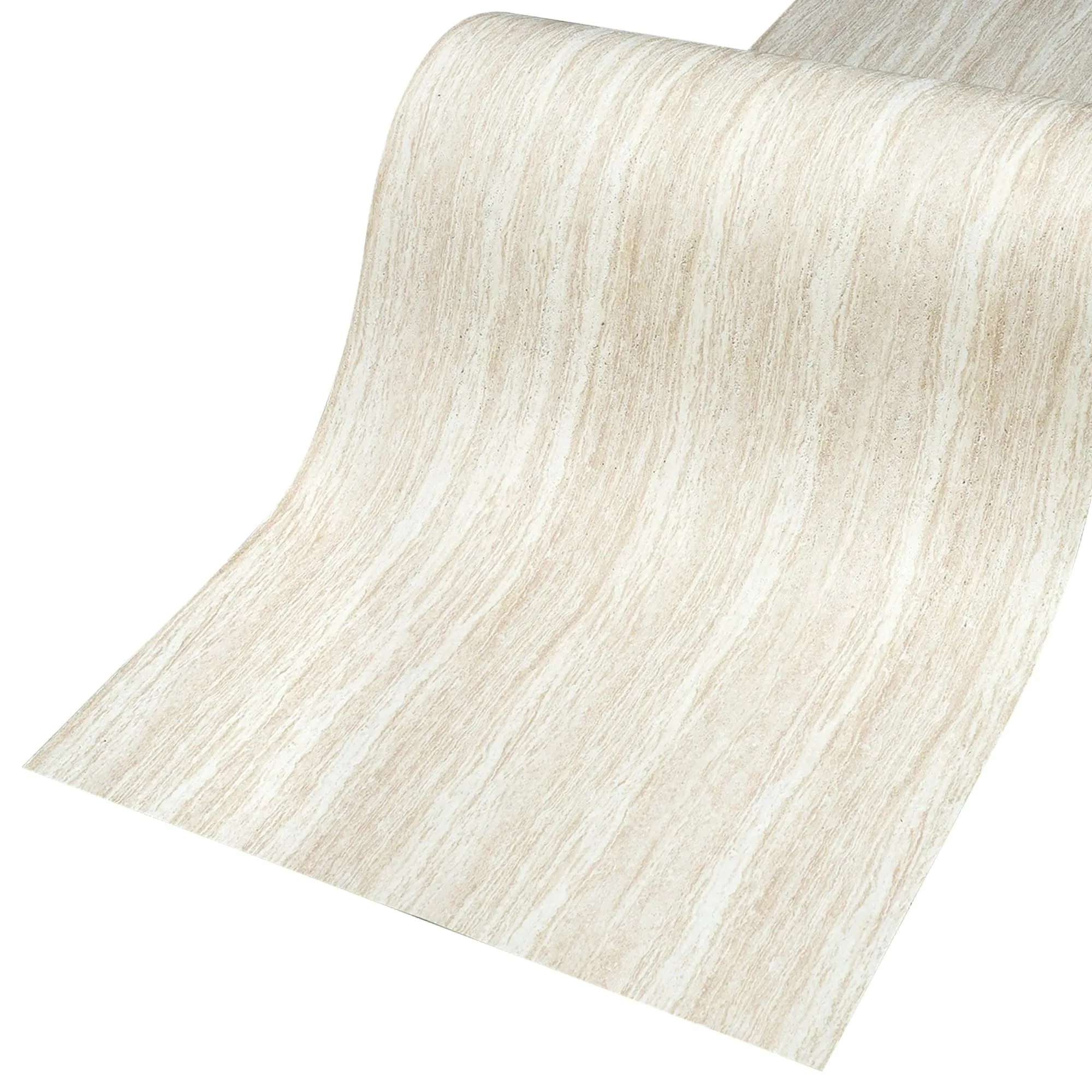
Sustainability in construction isn't just about using "green" materials—it's about building things that last. The MCM Wood Line Series is designed with the planet in mind, from manufacturing to installation to end-of-life. By using recycled wood fibers and mineral composites, MCM reduces the demand for virgin timber, helping to preserve forests. The panels are also 100% recyclable at the end of their lifespan, meaning they won't end up in landfills.
But sustainability isn't just about the environment—it's about economics, too. A material that lasts 50 years instead of 15 means lower replacement costs, less disruption to building occupants, and a smaller carbon footprint over time. For schools, hospitals, and public buildings—projects meant to serve communities for generations—this kind of longevity is priceless.
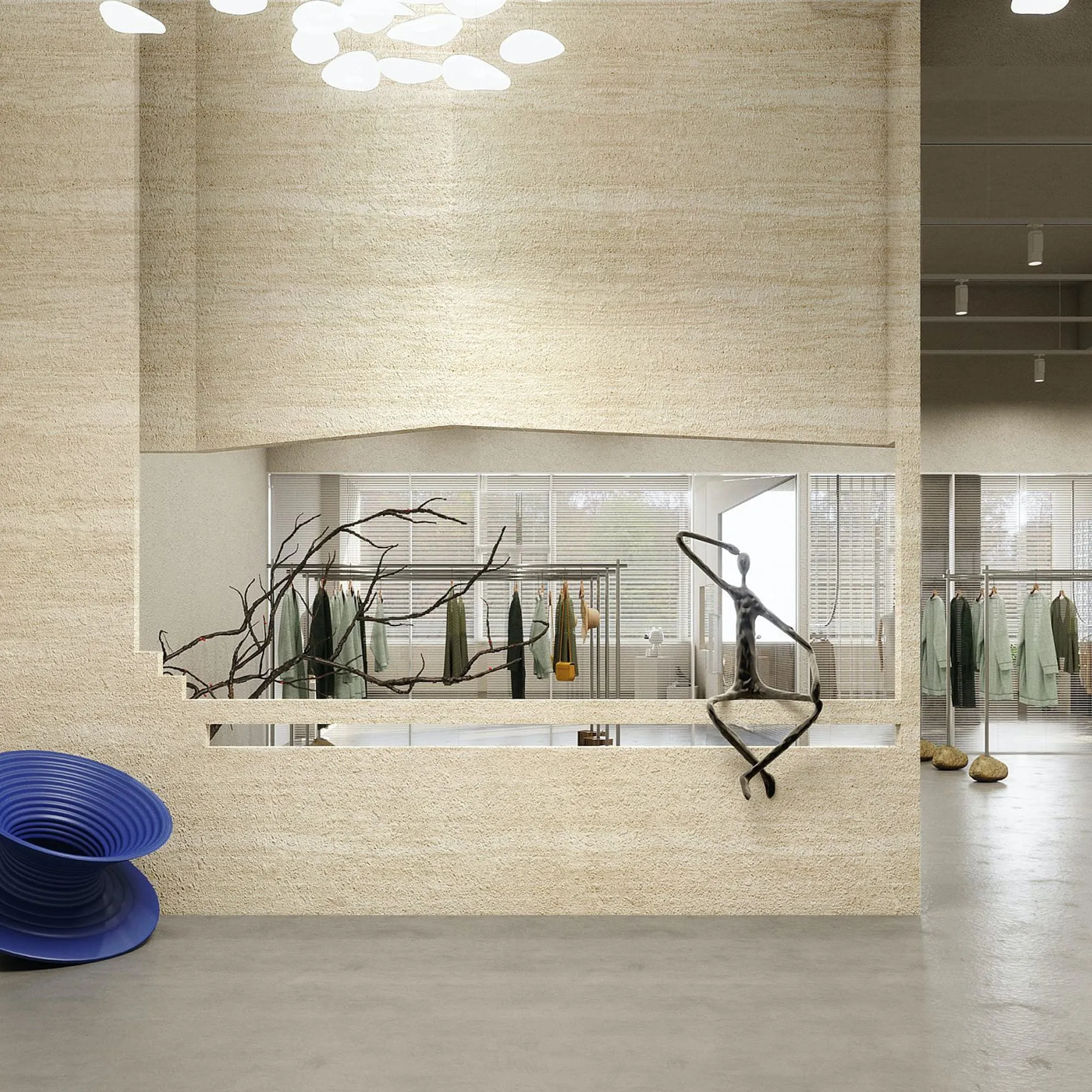
As cities grow and projects get more ambitious, the demand for materials that can keep up will only increase. The MCM Wood Line Series isn't just a collection of panels and slabs—it's a promise: that you don't have to sacrifice beauty for durability, or sustainability for affordability. It's about building spaces that feel like they belong in the world, not just on a blueprint.
So the next time you walk into a large-scale project—a stadium, a museum, a skyscraper—take a moment to look at the walls. If they feel warm, textured, and alive, chances are they're part of the MCM family. Because in the end, the best buildings aren't just made of materials—they're made of stories. And the MCM Wood Line Series is here to help you tell yours.
Recommend Products












