
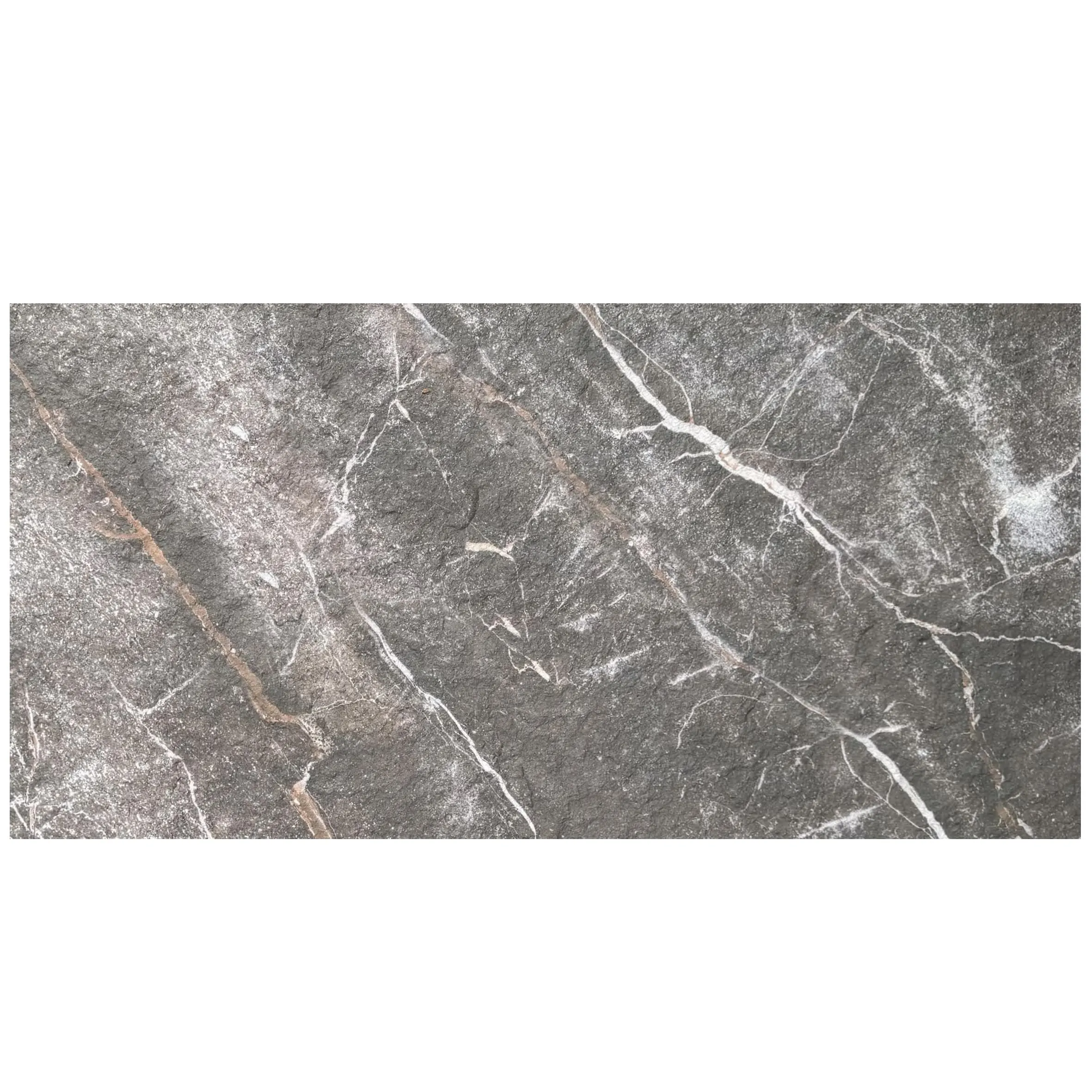
Picture this: You're standing on the construction site of a $1.5 billion mixed-use skyscraper, with a deadline looming 12 months away. The project includes a luxury hotel, high-end retail spaces, and premium offices—all requiring a finish that exudes elegance without slowing down the timeline. The original plan called for Granite Portoro cladding, a material known for its striking black background and golden veining, the kind that makes lobbies feel timeless. But there's a problem: your team just learned that sourcing, cutting, and installing enough Granite Portoro to cover the 80,000 sqm facade could add 16 weeks to the schedule. Sixteen weeks of delayed openings, missed investor commitments, and labor costs piling up. Sound familiar? For anyone managing mega projects, the tension between aesthetics and speed is all too real. Enter MCM Project Boards —a game-changer that doesn't just keep up with tight deadlines, but redefines what "fast" looks like in construction.
Mega projects—airports, stadiums, skyscrapers, and urban redevelopment zones—aren't just big; they're pressure cookers. With budgets in the billions and stakeholders ranging from investors to local governments, delays aren't just inconvenient—they're costly. A 2023 study by the Construction Industry Institute found that a single month of delay on a $1 billion project can add $3–$5 million in labor, financing, and penalty costs. Worse, delays erode trust: contractors lose bids, developers face angry tenants, and cities miss opportunities to revitalize neighborhoods.
The culprit? Often, it's the materials. Traditional stone like Granite Portoro, while beautiful, comes with a hidden price: time. From quarrying to shipping to installation, every step is a potential bottleneck. And in mega projects, where thousands of workers coordinate across trades—electricians, plumbers, steelworkers—one slow material can throw off the entire ecosystem. When the facade team is waiting on stone slabs, the interior fit-out can't start. When the interior is delayed, the HVAC system installation lags. It's a domino effect that no project manager wants to oversee.
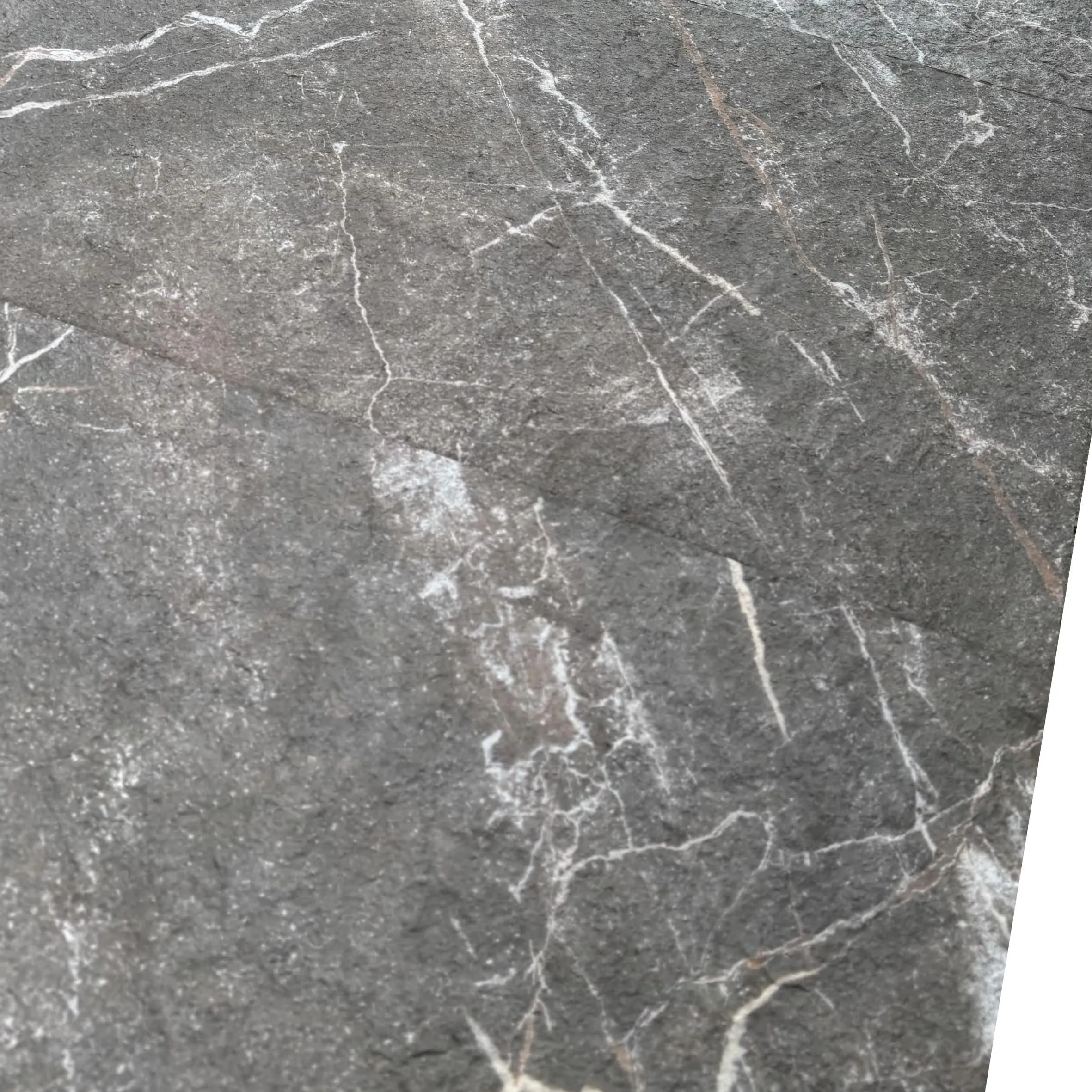
Let's get specific about Granite Portoro . Native to Italy, this natural stone is prized for its dramatic appearance—think the lobby of a five-star hotel or the exterior of a luxury condo tower. But its beauty comes with baggage:
Don't get us wrong: Granite Portoro is stunning. But in a world where mega projects need to deliver in 24 months instead of 36, "stunning" isn't enough. What if there was a material that matched that elegance—without the wait?
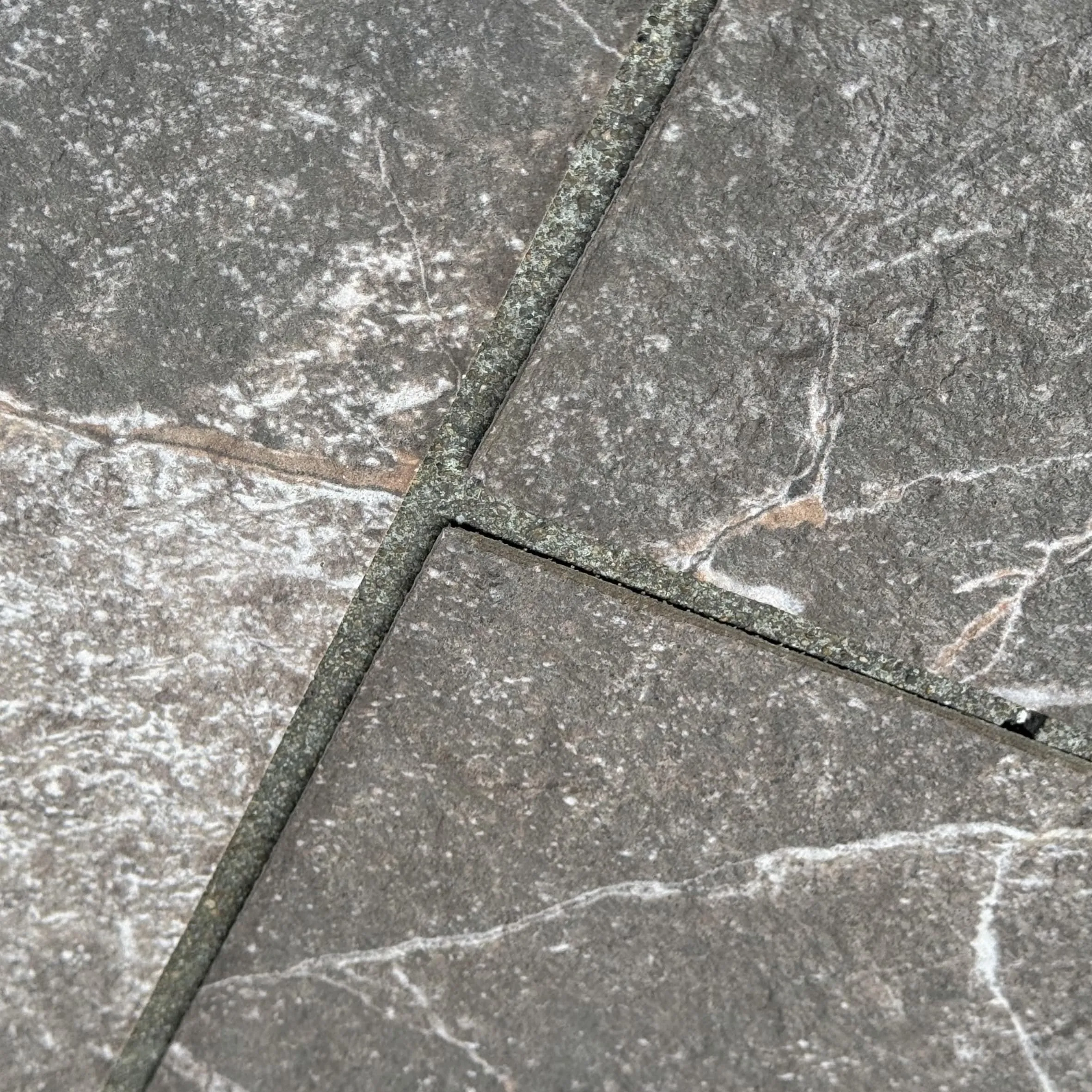
Enter MCM Project Boards —short for Modified Composite Material. Born from decades of innovation in construction materials, MCM boards are engineered to solve the speed problem without sacrificing style. Think of them as the "Swiss Army knife" of building materials: lightweight, flexible, customizable, and—most importantly—fast. Let's break down what makes them different.
At their core, MCM Project Boards are a blend of mineral aggregates, polymers, and fibers, pressed into large, thin sheets. They're designed to mimic the look of natural stone, concrete, or metal—including Granite Portoro—but with a twist: they're man-made, so every slab is consistent, and they're engineered for performance. Two standout lines lead the charge: MCM flexible stone (thin, bendable sheets for curved surfaces) and MCM big slab board series (extra-large panels up to 3000x1500mm, perfect for expansive facades).
But MCM isn't just about copying natural materials. Thanks to 3D printing series technology, manufacturers can create textures and patterns that would be impossible with natural stone—think geometric waves, custom logos, or even 3D-printed art panels. And because they're prefabricated in factories, every board arrives job-site ready: no cutting, no matching, no last-minute adjustments.
Let's get to the good stuff: how MCM Project Boards save time. It starts with weight. A 3000x1500mm MCM big slab weighs just 25–30 kg—about the same as a large suitcase. That means two workers can carry it, no crane needed. On a high-rise, that translates to faster hoisting, fewer elevator trips, and less congestion on site.
Installation is a breeze, too. MCM boards come with a peel-and-stick backing or mechanical fastening systems that any general contractor can handle—no specialized masons required. A team of 3 workers can install 200–300 sqm of MCM in a day, compared to 50–70 sqm with Granite Portoro. For a 50,000 sqm facade, that's 250 days vs. 714 days. Do the math: MCM shaves off nearly a year of installation time.
But speed isn't just about installation. MCM's prefabrication model cuts lead times from months to weeks. Need 10,000 sqm of MCM flexible stone with a custom "starry blue" travertine pattern? The factory can produce it in 4–6 weeks, thanks to automated production lines. Compare that to Granite Portoro's 12–16 weeks, and the difference is clear: MCM turns "we'll see" into "it's done."
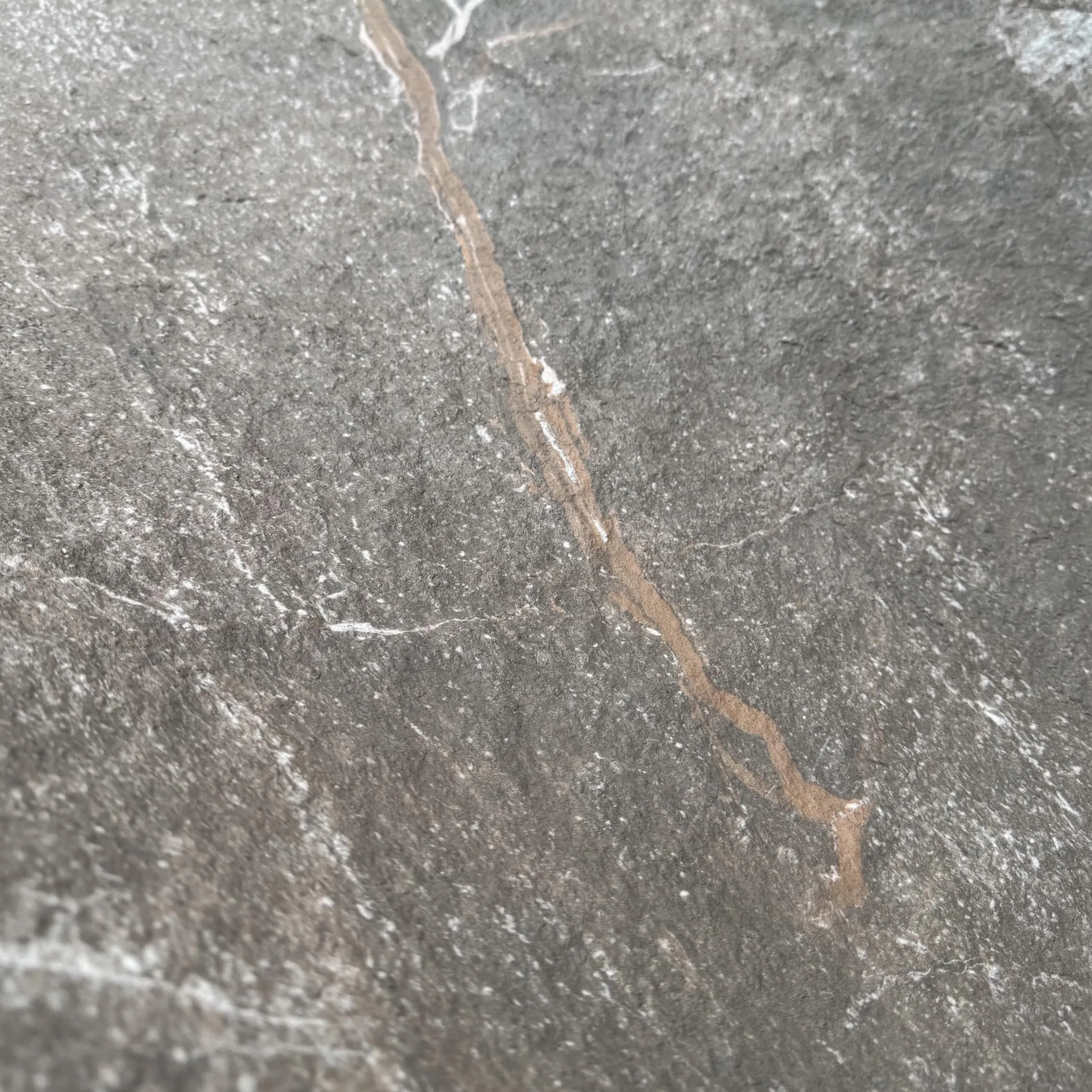
Sure, speed is the headline, but MCM Project Boards bring more to the table. Let's dive into the extras that make them a no-brainer for mega projects:
Mega projects need materials that last decades—think 50+ years. MCM delivers. Thanks to their composite makeup, they're resistant to:
Mega projects don't just need to be fast—they need to be memorable. With MCM's 3D printing series , the design possibilities are endless. Want a facade that looks like flowing water? 3D-printed wave panels. A lobby wall that mimics fair-faced concrete but with embedded LED lights? MCM can do that. Even mimicking rare stones like Granite Portoro is easy—MCM's digital printing technology captures every vein and color variation, so you get the look without the wait.
And because MCM is flexible (hello, MCM flexible stone ), it works on curved surfaces—think the swooping facade of a convention center or the rounded edges of a stadium. Natural stone, rigid by nature, can't match that versatility without expensive, time-consuming cutting.
Today's mega projects aren't just about speed and style—they're about sustainability. Investors, cities, and tenants demand green buildings, and MCM delivers here, too. Most MCM boards use 30–50% recycled materials (like post-industrial plastic and mineral waste), reducing their carbon footprint. They're also lightweight, which cuts transportation emissions: a truck can carry 10x more MCM boards than Granite Portoro slabs, slashing fuel use.
And because MCM is prefabricated, there's less waste on site. No leftover stone scraps, no sawdust, no water used for cutting. For projects aiming for LEED or BREEAM certifications, that's a big win.
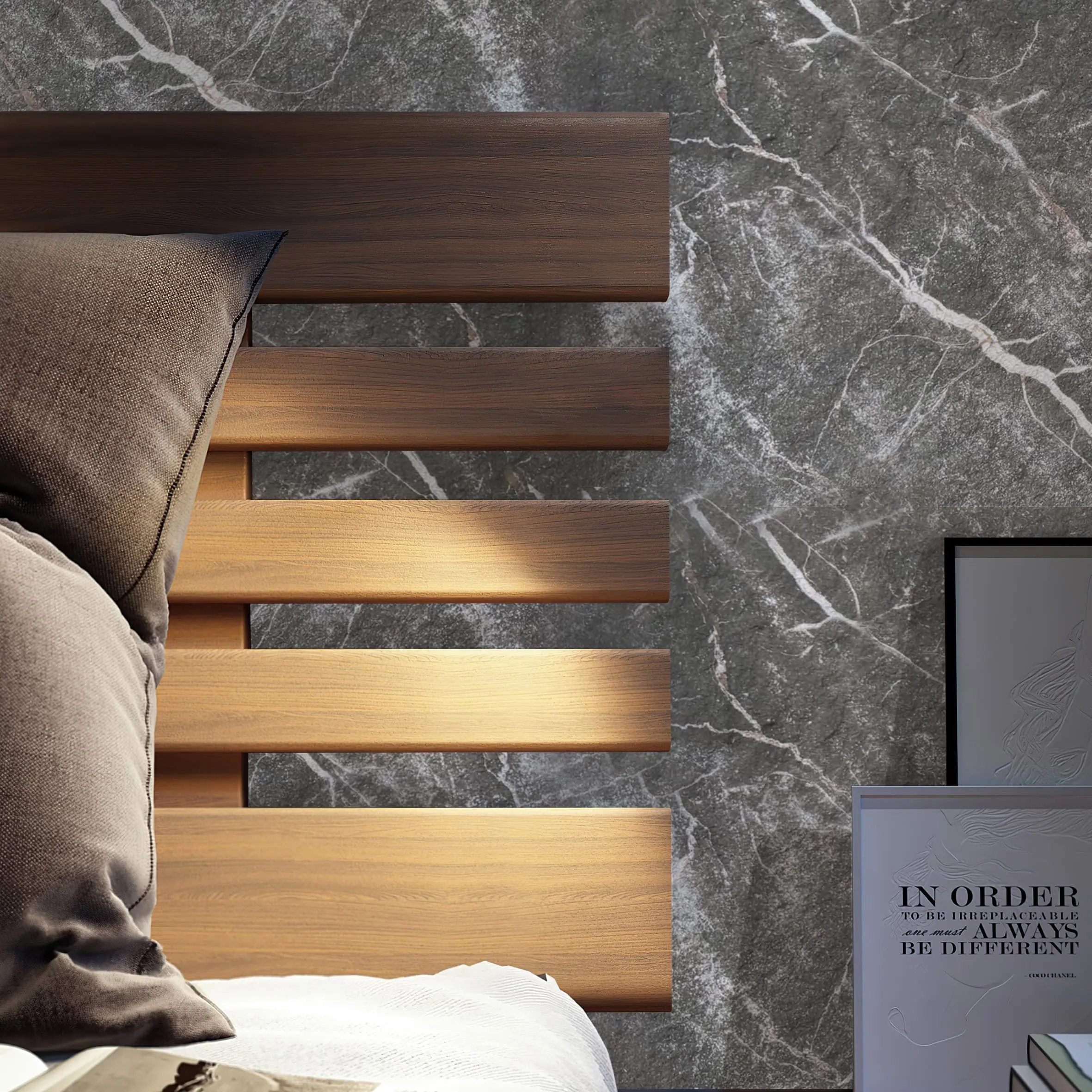
Still on the fence? Let's put MCM Project Boards and Granite Portoro head-to-head. The table below compares key metrics for a 50,000 sqm facade—typical for a mid-sized mega project:
| Metric | MCM Project Boards (Big Slab Series) | Granite Portoro |
|---|---|---|
| Installation Time | 250 days (3 workers x 200 sqm/day) | 714 days (3 workers x 70 sqm/day) |
| Lead Time (From Order to Delivery) | 4–6 weeks | 12–16 weeks |
| Weight per sqm | 12–15 kg | 80–100 kg |
| Customization Options | Unlimited (3D printing, colors, textures) | Limited (natural variation, fixed sizes) |
| Labor Cost (Installation) | $40–$60/hour (general contractors) | $100–$120/hour (specialized stone masons) |
| Durability (Expected Lifespan) | 50+ years | 50+ years (but prone to cracking/vein damage) |
| Carbon Footprint (per sqm) | 15–20 kg CO₂e | 40–50 kg CO₂e (quarrying + shipping) |
The verdict? MCM Project Boards cut installation time by 65%, reduce labor costs by 50%, and shrink carbon footprints by half. For a mega project, that's not just a win—it's a transformation.
In 2024, a Middle Eastern airport was racing to finish its new terminal by Q4, in time for the busy holiday season. The original plan called for Granite Portoro cladding on the terminal's 60,000 sqm facade, but by month 18 of the 24-month project, the stone supplier announced a 12-week delay due to quarrying issues. The project manager faced a choice: push the opening to 2025 (costing $15M in lost revenue) or find an alternative.
They chose MCM. Switching to MCM big slab board series with a Granite Portoro-look finish, the team:
Today, passengers walk through a terminal that looks identical to the original renderings—but it opened on time, and the developer avoided a PR disaster. "We thought we'd have to compromise on aesthetics," said the project architect. "MCM proved us wrong."
MCM isn't just for facades. Its versatility makes it ideal for nearly every part of a mega project:
The MCM big slab board series is a star here. Imagine a 100-story tower with a facade that changes color at sunset, thanks to 3D-printed, light-reactive MCM panels. Or a stadium with a wave-like exterior made from MCM flexible stone that curves seamlessly around the structure. MCM's lightweight nature also reduces the building's overall weight, cutting foundation costs—a hidden bonus for tall buildings.
Inside, MCM shines in high-traffic areas. Retail malls use it for feature walls that mimic fair-faced concrete but with warmer tones. Hotel lobbies opt for MCM's 3D printing series to create custom art installations. Even airports use it for check-in counters and baggage claim areas—its durability stands up to millions of passengers dragging suitcases.
MCM isn't just for buildings. Its resistance to weather and impact makes it perfect for infrastructure. A pedestrian bridge with MCM cladding can withstand years of rain, snow, and foot traffic without fading. A subway station's walls, made from fire-rated MCM, add safety and style to commuters' daily trips.
As technology advances, MCM is only getting faster and more innovative. The 3D printing series is evolving to allow on-site printing—imagine a mobile 3D printer arriving at your job site to produce custom MCM panels in hours, not weeks. Researchers are also developing self-healing MCM boards, which use microcapsules to repair cracks automatically, extending lifespans even further.
And as sustainability becomes more critical, MCM manufacturers are experimenting with bio-based polymers, reducing reliance on plastics. The goal? A carbon-negative building material that's still faster and cheaper than natural stone. For mega projects aiming to be net-zero by 2030, that's a game-changer.
Mega projects are the backbone of modern cities—they connect people, drive economies, and shape skylines. But they shouldn't have to choose between beauty and deadlines. MCM Project Boards prove that you can have both: the elegance of natural stone, the speed of prefabrication, and the durability of engineered materials.
So the next time you're staring down a tight deadline, remember: Granite Portoro is a classic, but classics don't always keep up with the future. MCM isn't just a material—it's a partner in getting the job done, on time and on budget. And in the world of mega projects, that's the ultimate win.
Recommend Products












