
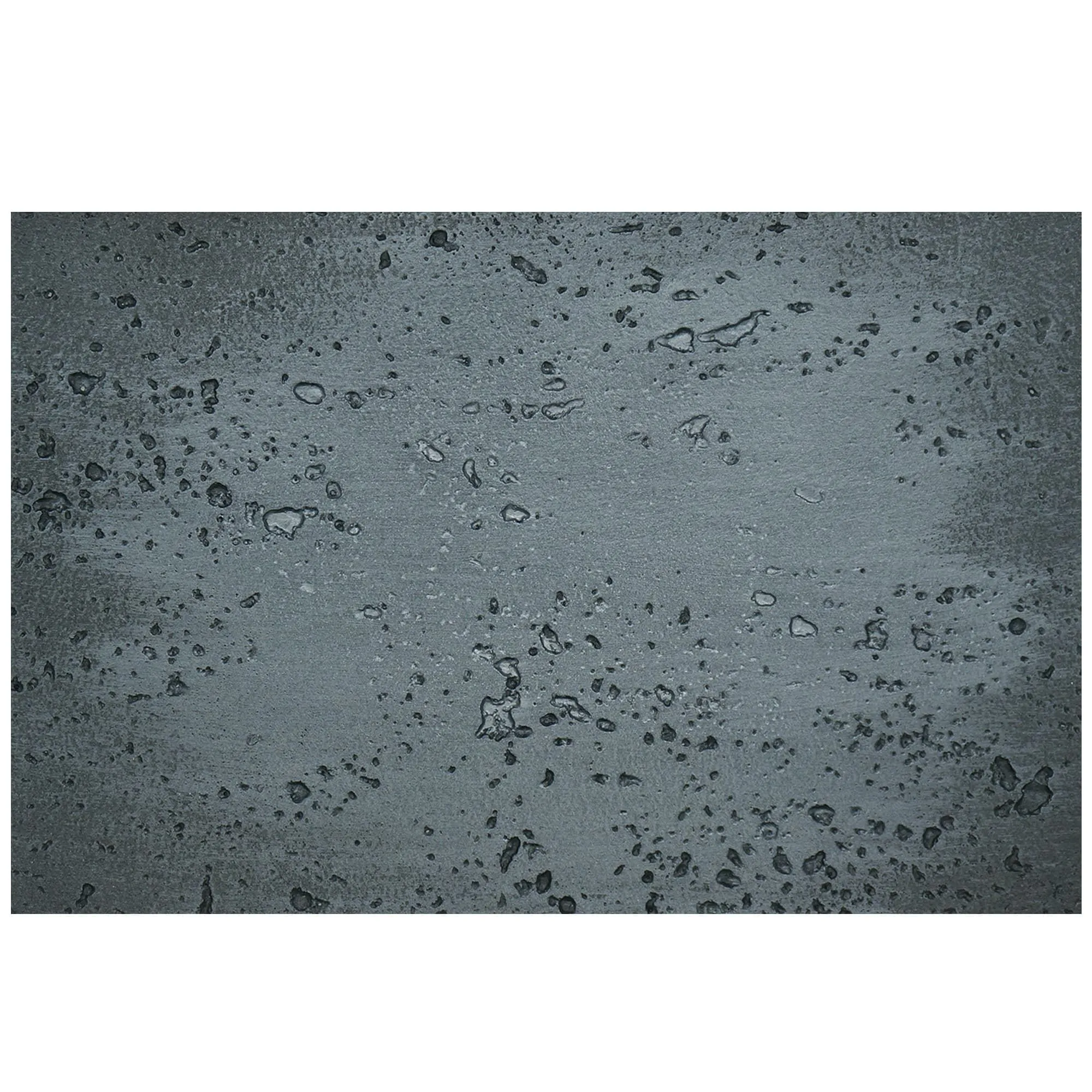
Imagine standing in front of a building that takes your breath away—not just for its beauty, but for how effortlessly it seems to blend form and function. Behind that facade, there's a silent hero: the building material. For architects and designers, choosing between materials is about more than aesthetics; it's about balancing beauty with practicality, especially when it comes to weight and structural integrity. Today, we're diving into two standout options in the world of cladding and surfacing: the innovative mcm project board series and the timeless travertine (vintage silver) . Let's explore how their weight and structural properties shape the way we build, design, and experience spaces.
First, let's get to know the newer kid on the block: MCM Project Boards. Part of the broader mcm flexible stone family, these boards are a product of modern engineering, designed to mimic the look and feel of natural stone while solving some of its biggest headaches. At their core, MCM (Modified Composite Material) boards are a clever blend of natural minerals (like stone powder or fibers) and high-performance polymers. This combo results in a material that's as visually striking as natural stone but with a twist: it's lightweight, flexible, and surprisingly durable.
The mcm project board series isn't just a single product—it's a lineup tailored for different needs. There's the mcm big slab board series for large, seamless installations, and thinner variants that act like lightweight flexible stone sheets , perfect for curved surfaces or tight spaces. What ties them all together? A focus on practicality. Unlike heavy natural stones, MCM boards are engineered to be easy to handle, transport, and install—without sacrificing the aesthetic appeal that makes stone so beloved.
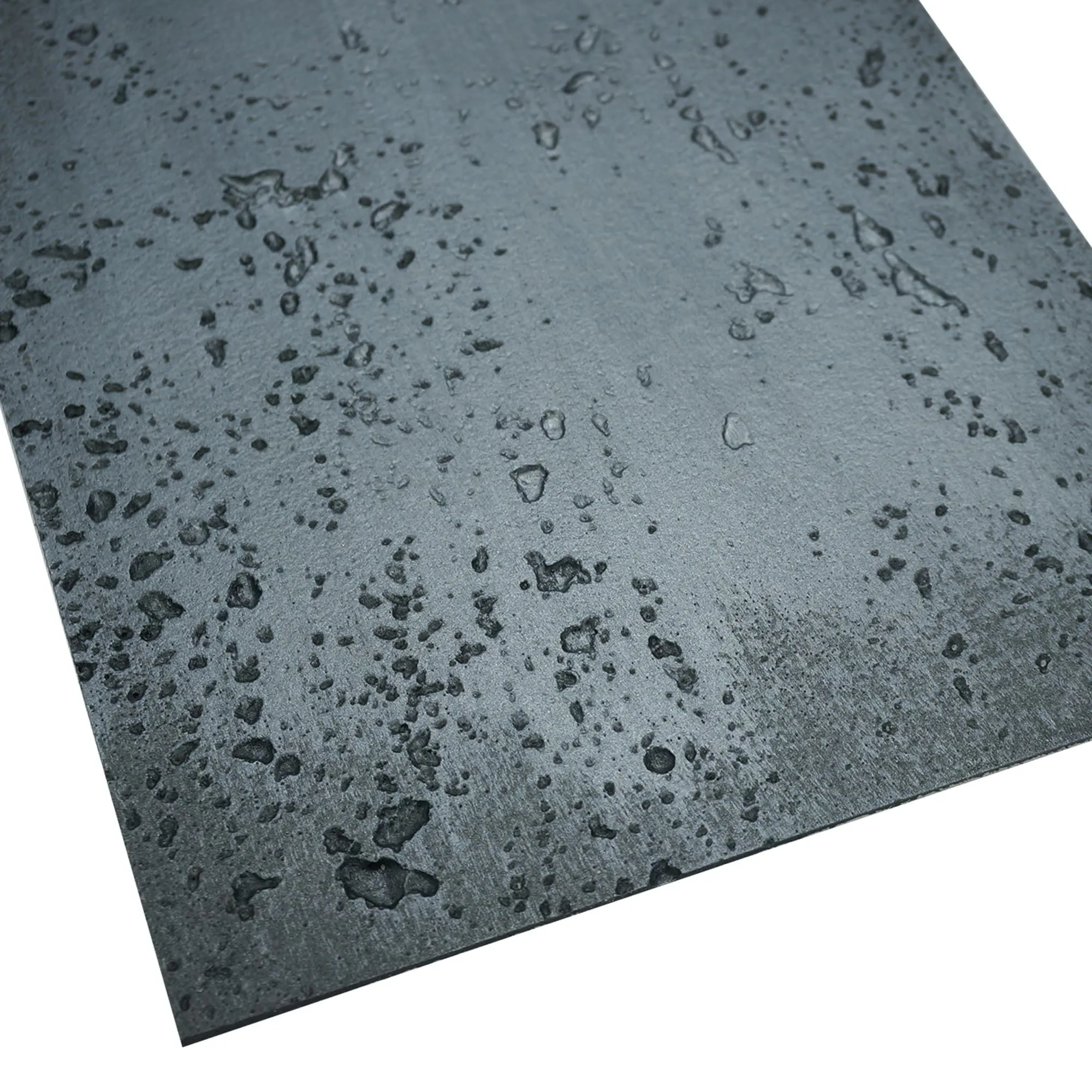
On the other side of the ring, we have travertine—specifically, travertine (vintage silver) . Travertine is a type of limestone formed by mineral deposits from hot springs, giving it a unique porous structure and distinctive veining. The "vintage silver" finish adds a modern twist, with a muted, metallic sheen that softens its natural earthiness, making it a favorite for luxury interiors and exteriors alike.
Natural stone has been a building staple for millennia, and travertine is no exception. Think of the Colosseum in Rome or the ancient baths of Hierapolis—travertine's durability and character have stood the test of time. Its vintage silver variant carries that legacy forward, offering a blend of old-world charm and contemporary elegance. But as with all natural stones, its beauty comes with certain trade-offs, especially when it comes to weight and structural demands.
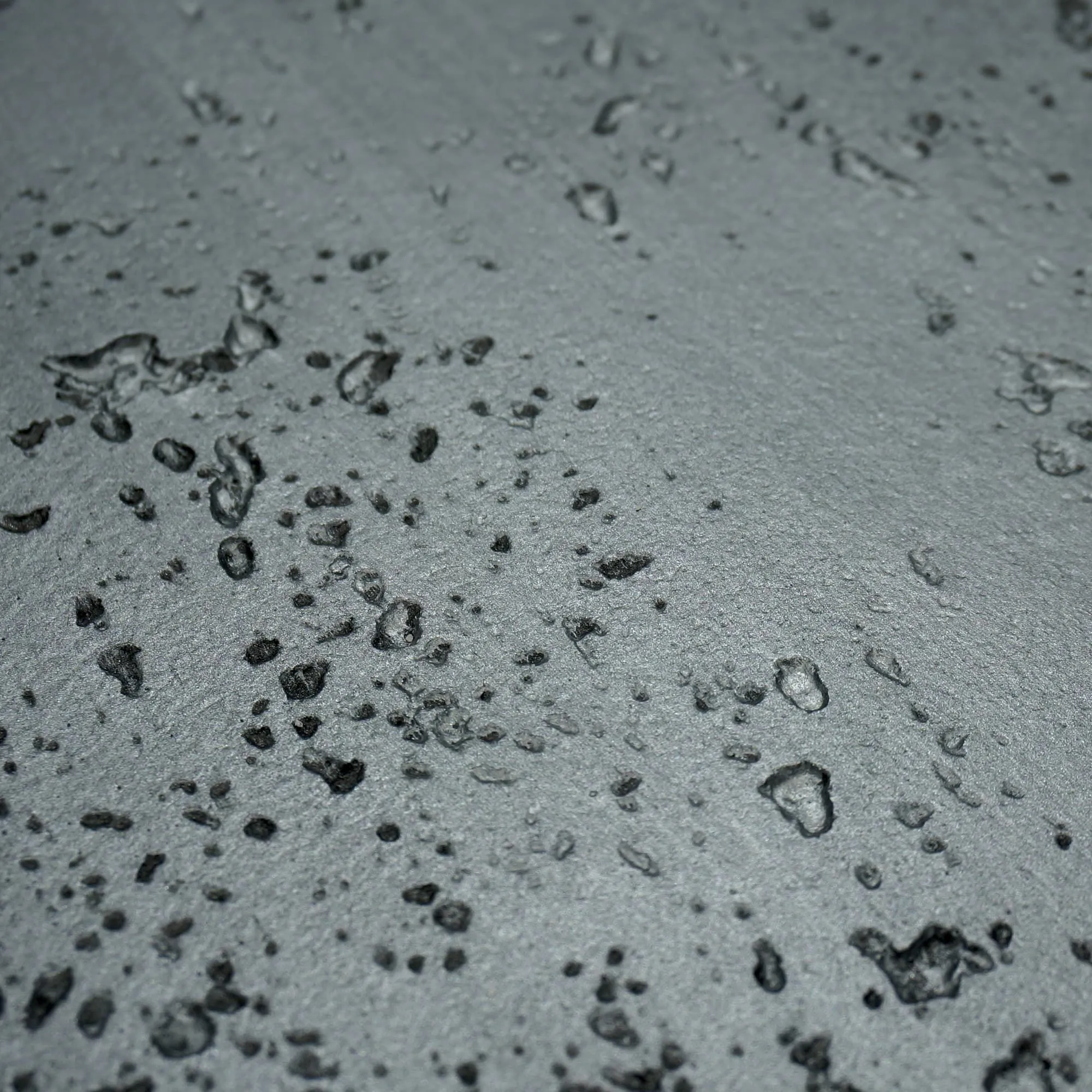
When it comes to construction, weight isn't just a number—it's a critical factor that affects everything from foundation design to installation costs. Let's put these two materials head-to-head in a side-by-side comparison:
| Property | MCM Project Boards (Typical) | Travertine (Vintage Silver) |
|---|---|---|
| Weight per Square Meter | 4–6 kg/m² | 20–25 kg/m² |
| Thickness Range | 3–8 mm | 10–30 mm (standard for cladding) |
| Flexural Strength | High (can bend without cracking) | Moderate (brittle under flexure) |
| Installation Load Requirement | Low (suitable for most existing structures) | High (requires reinforced support) |
| Transport Efficiency | High (more panels per shipment) | Low (fewer slabs per shipment, higher costs) |
The difference is stark. MCM Project Boards weigh roughly 1/5th of travertine (vintage silver) per square meter. To put that in perspective: covering a 100m² wall with travertine would add 2–2.5 tons of weight to a structure, while MCM would add just 400–600 kg. That's a game-changer for projects where structural load is a concern—like high-rise buildings, historic renovations, or retrofits where the existing foundation can't handle heavy materials.
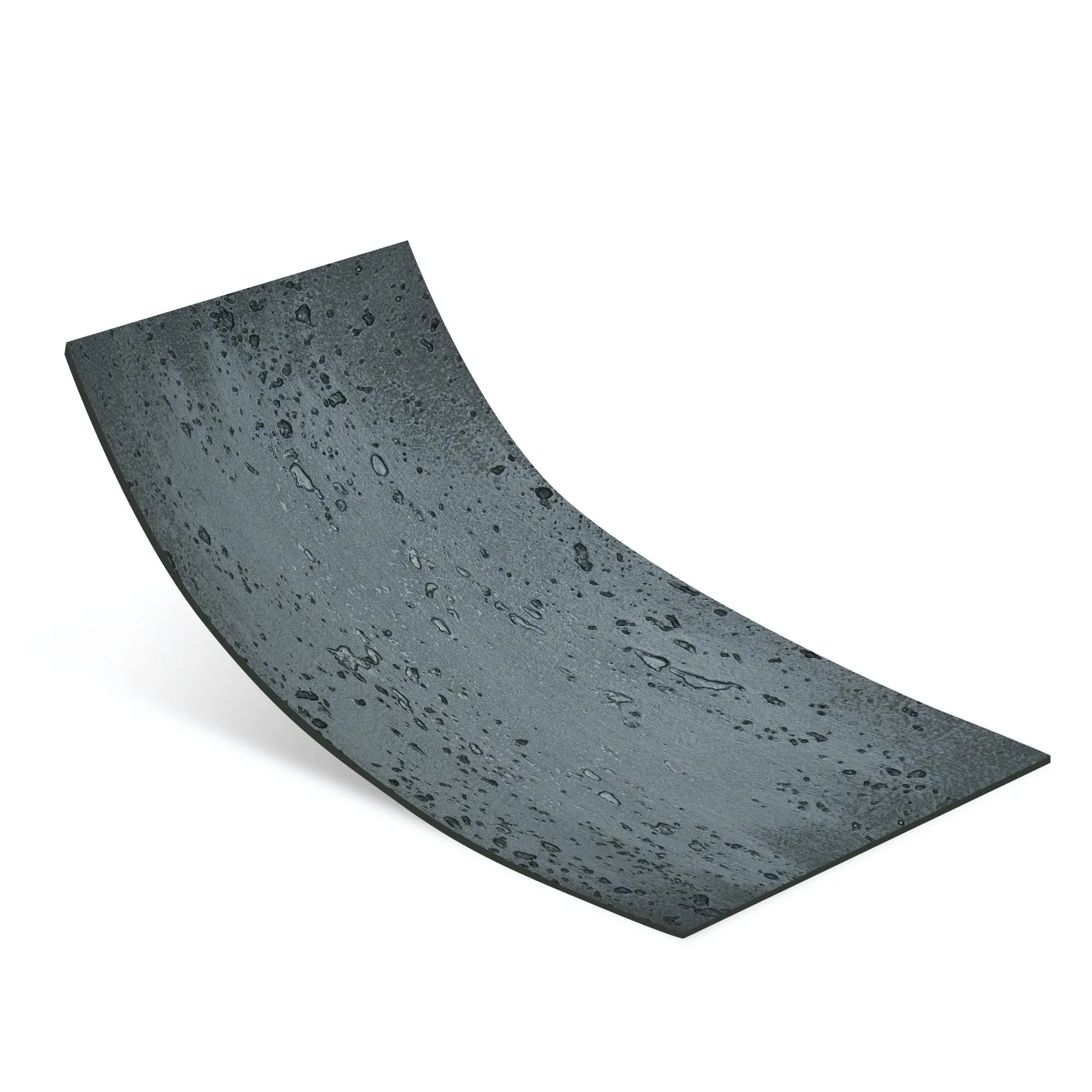
MCM's lightweight nature is just the tip of the iceberg. Its structural benefits go hand-in-hand with its design flexibility, making it a favorite among forward-thinking architects. Let's break down why it stands out:
Flexibility Without Fragility: Unlike rigid natural stones, mcm flexible stone can bend and conform to curved surfaces. This is a dream for designers aiming for organic, flowing lines—think rounded facades, arched doorways, or spiral staircases. Traditional stone would crack under such stress, but MCM's polymer binding allows it to flex without breaking, opening up a world of design possibilities.
Durability in Harsh Conditions: MCM boards are resistant to moisture, UV rays, and temperature fluctuations—issues that can cause natural stone to fade, crack, or erode over time. This makes them ideal for outdoor applications, from coastal buildings (where saltwater is a threat) to desert climates (where extreme heat and cold test materials). Their composite structure also resists chipping and scratching, ensuring long-term performance with minimal maintenance.
Installation Ease: Lightweight materials mean easier installation. MCM boards can be cut on-site with standard tools, carried by hand (no cranes needed for small sections), and installed with adhesives or mechanical fasteners. This speeds up construction timelines and reduces labor costs—a win for contractors and project managers alike. For large-scale projects, the mcm big slab board series takes this further, allowing for fewer seams and a more streamlined finish.
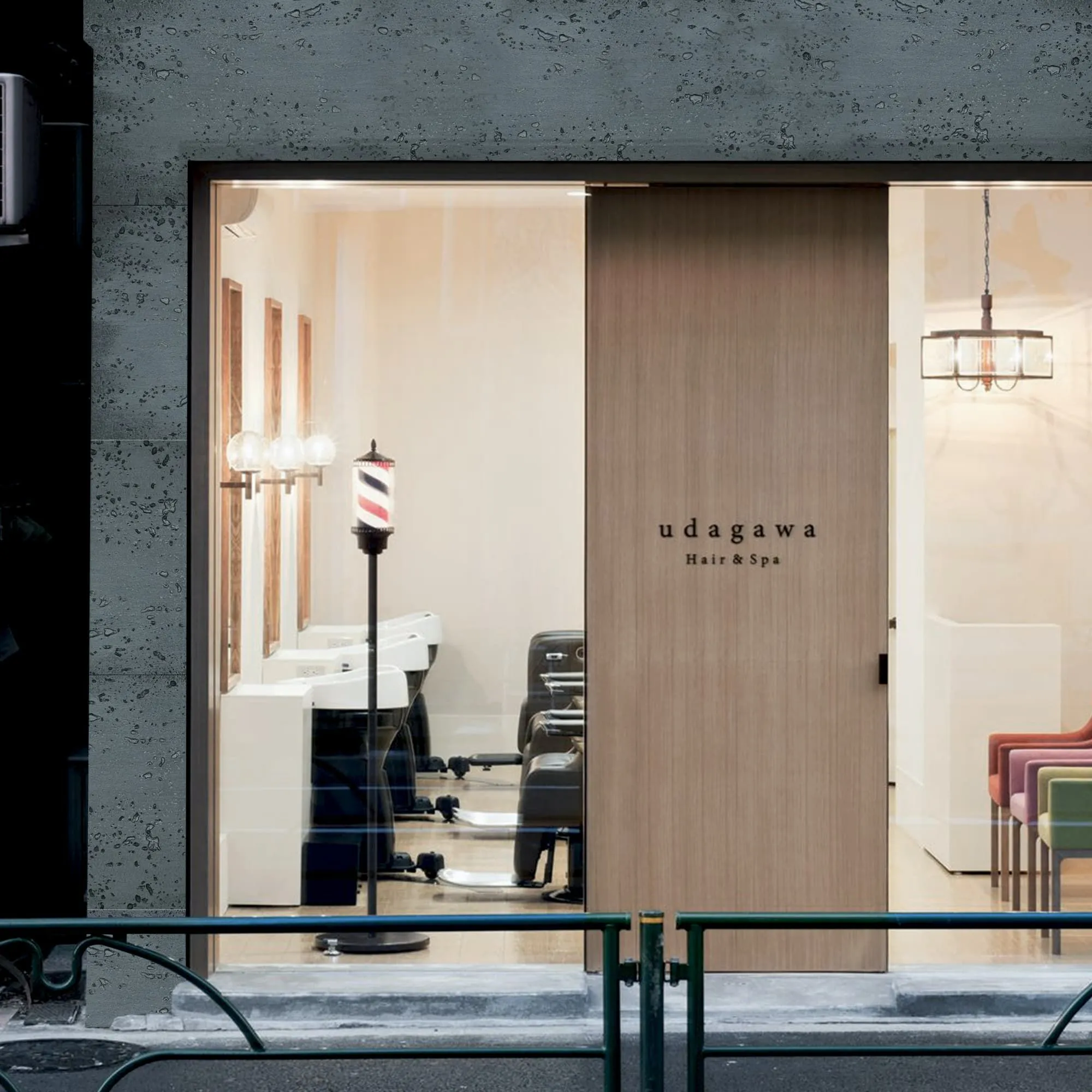
Travertine (vintage silver) isn't without its structural merits. As a natural stone, it's inherently strong in compression—meaning it can bear heavy vertical loads, which is why it's been used in ancient monuments and modern skyscrapers alike. Its density also gives it excellent sound insulation properties, making it a solid choice for interior walls or flooring where noise reduction is key.
However, its weight and brittleness present challenges. Let's face it: hauling 20–25 kg slabs up multiple floors isn't just labor-intensive—it's risky. Even a small drop can chip or crack the stone, leading to waste and added costs. Installing travertine also requires reinforced support structures, from thicker concrete slabs to steel brackets, which can drive up project expenses. In historic buildings, where original walls or foundations weren't designed for heavy cladding, travertine might not even be an option without extensive (and expensive) structural upgrades.
Another consideration is its porosity. Travertine's natural pores make it prone to staining if not sealed regularly. While this isn't a structural issue per se, ongoing maintenance adds to the long-term cost of ownership—a factor that designers and clients can't ignore.
So, when should you choose MCM Project Boards, and when does travertine (vintage silver) make sense? It all comes down to the project's unique needs.
MCM Project Boards Excel In: High-rise exteriors, where weight savings reduce structural stress and installation time; renovation projects, where existing buildings can't support heavy stone; curved or custom-shaped surfaces, thanks to their flexibility; and commercial spaces like shopping malls or airports, where durability and low maintenance are priorities. They're also a favorite for eco-conscious projects, as their lightweight design reduces transportation emissions and their composite makeup often includes recycled materials.
Travertine (Vintage Silver) Shines In: Luxury residential projects, where its natural beauty and tactile warmth take center stage; low-rise buildings with strong foundations, where weight isn't a constraint; and heritage sites or boutique hotels aiming for a timeless, upscale aesthetic. Its unique veining and vintage silver finish add character that's hard to replicate with composites, making it worth the extra effort for projects where "wow factor" is non-negotiable.
At this point, you might be thinking, "So MCM is lighter and easier to install—why does that matter beyond the construction site?" The answer is simple: weight and structure impact every stage of a project, from design to budget to long-term sustainability.
Cost Savings: Lighter materials mean lower transportation costs, fewer labor hours, and reduced structural reinforcement needs. For a 5,000m² commercial project, switching from travertine to MCM could save tens of thousands of dollars in foundation upgrades and installation alone.
Safety: Heavy materials increase the risk of accidents during installation and put more strain on a building's structure over time. MCM's lightweight design reduces these risks, making worksites safer and buildings more resilient to wear and tear.
Design Freedom: When weight isn't a barrier, architects aren't limited to flat, boxy designs. MCM's flexibility lets them push boundaries—think cantilevered overhangs, double-height curved walls, or even movable partitions. It's not just about building structures; it's about creating experiences.
At the end of the day, both mcm project board series and travertine (vintage silver) have their place in the world of design and construction. Travertine offers unmatched natural beauty and a legacy of durability, making it a timeless choice for projects where weight and cost are secondary to aesthetics. But for those prioritizing innovation, practicality, and design flexibility, MCM Project Boards—with their lightweight composition, structural resilience, and modern versatility—are hard to beat.
Whether you're designing a skyscraper that reaches for the clouds or a boutique hotel that tells a story, the materials you choose shape more than just the building—they shape how people interact with space. And in a world where efficiency, safety, and creativity are more important than ever, MCM Project Boards are proving that sometimes, the best way to honor tradition is to reimagine it.
Recommend Products












