
In the quiet hum of a city's morning rush, or the steady flow of a highway connecting towns, infrastructure is the invisible backbone that holds communities together. It's more than just roads, bridges, or terminals—it's the stage where daily life unfolds, where memories are made, and where progress takes shape. But for too long, the materials used to build these spaces have been stuck in a trade-off: choose strength, and you might lose beauty; prioritize design, and durability could suffer. That's where the MCM Project Series steps in, redefining what's possible with innovations like the Marble Concrete Board. Let's dive into how this material is transforming large-scale infrastructure from functional structures into lasting legacies.
Ask any engineer, architect, or construction manager about the hurdles of large-scale projects, and you'll hear a familiar list: heavy materials straining structural foundations, endless maintenance costs eating into budgets, and the struggle to make utilitarian spaces feel welcoming. Traditional concrete, while strong, is dense and unforgiving—transporting and installing it adds time and labor expenses. Natural stone, though beautiful, often comes with inconsistencies in supply and a hefty environmental footprint. And when projects span miles of highways or acres of commercial zones, these challenges multiply, leaving little room for creativity or long-term sustainability.
Then there's the human element. Infrastructure isn't just for machines; it's for people. A train station that feels cold and sterile can drain the energy of commuters. A school's exterior that looks worn after just a few years sends a message about how we value our communities. The materials we choose don't just build structures—they shape experiences. That's why forward-thinking teams are now demanding more: materials that work as hard as the people who use them, blending resilience with soul.
Enter the MCM Project Series—a lineup of building solutions designed to bridge the gap between function and feeling. At the heart of this series is the Marble Concrete Board, a material that defies the old trade-offs. But it's not alone; it's joined by innovations like Fair-Faced Concrete, celebrated for its raw, honest texture, and Epoch Stone, which brings a timeless, weathered elegance to modern builds. Together, these materials aren't just products—they're tools for storytellers, allowing designers to craft infrastructure that reflects the uniqueness of the places they serve.
What sets MCM apart? It starts with a simple belief: infrastructure should last, but it should also inspire. The team at MCM spent years collaborating with engineers and architects, listening to the frustrations of project managers, and even visiting job sites to understand the day-to-day realities of construction. The result? Materials that don't just meet industry standards—they redefine them.
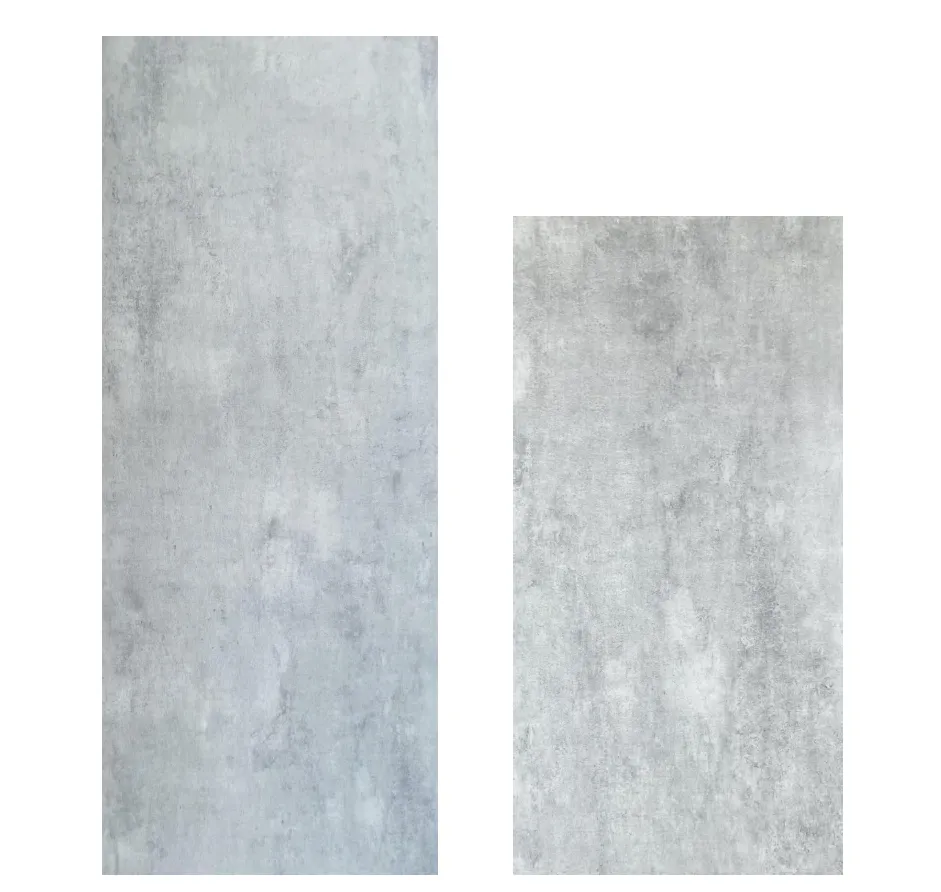
Let's zoom in on the star of the show: the Marble Concrete Board. At first glance, you might mistake it for polished natural marble or fine-grained concrete, but a closer look reveals its genius. It's a composite material, blending the best of both worlds—high-strength concrete for durability and marble aggregates for that subtle, organic beauty that makes spaces feel alive. Unlike traditional concrete, it's engineered to be lightweight (up to 30% lighter than standard options), easing the load on structural frameworks and cutting down on transportation costs.
But what truly makes it stand out is its versatility. Want the look of aged stone for a historical museum's facade? The Marble Concrete Board can mimic the texture of centuries-old masonry. Need a sleek, modern finish for an airport terminal? Its smooth, consistent surface pairs perfectly with glass and steel. And because it's factory-manufactured, there's no guesswork in quality—each panel is uniform, reducing waste and ensuring a seamless installation.
Fair-Faced Concrete, another gem in the MCM lineup, deserves a nod here too. It's the material for projects that value authenticity—its exposed, unadorned surface celebrates the natural variations of concrete, adding depth without pretense. Think of it as the "less is more" option, ideal for community centers or libraries where warmth and simplicity take center stage. And then there's Epoch Stone, which lives up to its name by capturing the look of stone that's been shaped by time, making it perfect for heritage sites or landmarks that aim to honor the past while building the future.
Let's break down the benefits that have project teams across the globe switching to MCM's Marble Concrete Board. First, durability. Infrastructure faces relentless wear—rain, snow, UV rays, and the constant foot or vehicle traffic. The Marble Concrete Board is tested to withstand over 50 years of harsh conditions, with minimal fading or cracking. That translates to lower maintenance costs over time, freeing up budgets for other community needs, like parks or public art.
Then there's installation efficiency. Traditional materials often require heavy machinery and teams of workers to maneuver. The Marble Concrete Board's lightweight design means it can be installed faster, with smaller crews, slashing project timelines. Imagine a highway rest stop that was supposed to take 12 months wrapping up in 9—less disruption for travelers, earlier opening for businesses, and happier stakeholders all around.
Sustainability is another key player. MCM sources recycled materials for its composite blends, reducing reliance on virgin resources. The production process emits significantly less carbon than quarrying natural stone or manufacturing traditional concrete, aligning with global efforts to build greener. And because the panels are so durable, they rarely need replacement, cutting down on waste over the project's lifecycle.
But perhaps the most underrated benefit is design freedom. With over 20 finish options—from the subtle veining of Marble Stream Stone to the industrial chic of Polish Concrete—architects can stop compromising on vision. A university campus can have a cohesive aesthetic across buildings, using different MCM textures to highlight unique spaces: warm Wood Grain Board for dormitories, sleek Linear Travertine for lecture halls, and rugged Boulder Slab for outdoor plazas. It's infrastructure that feels intentional, not generic.
| Material | Durability (Lifespan) | Weight (per sq.m) | Installation Time | Aesthetic Options | Sustainability |
|---|---|---|---|---|---|
| Traditional Concrete | 30-40 years | 220-240 kg | Slow (heavy machinery needed) | Limited (plain, gray) | High carbon footprint |
| Natural Stone | 40-60 years | 180-200 kg | Slow (inconsistent sizing) | High (unique patterns) | Quarrying impacts ecosystems |
| MCM Marble Concrete Board | 50+ years | 120-140 kg | Fast (lightweight, uniform panels) | Extensive (20+ textures/colors) | Recycled materials, low carbon |
To see the Marble Concrete Board in action, look no further than Riverfront Plaza, a 10-acre mixed-use development along the banks of the Merrimack River. The project aimed to transform a neglected industrial zone into a community hub with walking paths, a market hall, and outdoor performance spaces. The challenge? The plaza needed to withstand harsh New England winters (think freezing rain and snow) while reflecting the river's natural beauty.
The design team chose MCM's Marble Concrete Board for the main promenade, paired with Stream Limestone (Claybank) for the market hall facade and Lunar Peak Silvery for the performance stage. The result? A space that feels both rugged and refined. After two years of use, the boardwalk shows no signs of wear, even with daily foot traffic and seasonal weather extremes. Local businesses report a 20% increase in foot traffic, crediting the plaza's inviting design. "It's not just a place to walk anymore," says Maria Gonzalez, owner of a nearby café. "It's where families take photos, where musicians busk, where the community comes together. That's the power of choosing materials that feel alive."
Infrastructure is a promise to the future. When we build a bridge, we're saying, "This will serve your children." When we design a train station, we're declaring, "This will welcome travelers for decades." The MCM Project Series, with stars like the Marble Concrete Board, Fair-Faced Concrete, and Epoch Stone, honors that promise by creating materials that don't just last—they evolve with time. A facade that gains character as it ages, a pavement that tells the story of the community that walks on it, a terminal that feels as inspiring on its 50th anniversary as it did on opening day.
For project teams tired of choosing between strength and beauty, between efficiency and sustainability, MCM offers a third way: materials that work as hard as the people who build and use them. It's infrastructure with heart—proof that the spaces we create can be both resilient and remarkable.
So the next time you pass a newly built transit hub or a revitalized public square, take a closer look. Chances are, you'll see more than just concrete and stone. You'll see the future of infrastructure: strong, beautiful, and built for the stories yet to be told.
Recommend Products












