

In the world of commercial architecture, walls are more than just structural boundaries—they're storytellers. They set the tone for a space, influence how people feel within it, and leave lasting impressions. But for decades, designers and builders have grappled with a frustrating trade-off: the beauty of natural materials versus the practicality of modern construction needs. Enter MCM Project Board Series Wave Panels—where innovation, artistry, and engineering collide to redefine what commercial walls can be.
Walk through any mid-century commercial building, and you'll likely encounter the same wall cladding culprits: heavy stone slabs that require reinforced structural support, ceramic tiles prone to cracking in high-traffic areas, or synthetic panels that off-gas harmful chemicals. These materials weren't chosen for their flaws, of course—they were the best options available at the time. But as commercial spaces evolved to demand more flexibility, sustainability, and design flair, their limitations became impossible to ignore.
Take natural stone, for example. A marble lobby might exude luxury, but its weight often requires costly structural modifications. Quarrying it leaves ecological scars, and transporting it across continents adds a hefty carbon footprint. Then there's the issue of customization: natural stone's patterns are fixed by geology, leaving designers stuck with whatever nature provides. Synthetic alternatives, while lighter, often sacrifice durability—scratches, fading, and water damage become inevitable in busy commercial settings like airports or shopping malls.
Even modern concrete panels, once hailed as a sustainable solution, fall short. Their rigid, flat surfaces offer little in the way of visual interest, and their weight still poses challenges for retrofits or high-rise installations. For architects aiming to create spaces that feel both grand and intimate, dynamic and durable, the options have long been underwhelming.
It was this gap between vision and reality that drove the development of MCM Project Board Series Wave Panels. Born from COLORIA GROUP's decades of expertise in modified cementitious materials, these panels aren't just a new product—they're a new approach to building design. By reimagining what cement-based materials can do, the team behind MCM Project Board Series set out to create a wall cladding solution that doesn't just meet commercial needs, but elevates them.
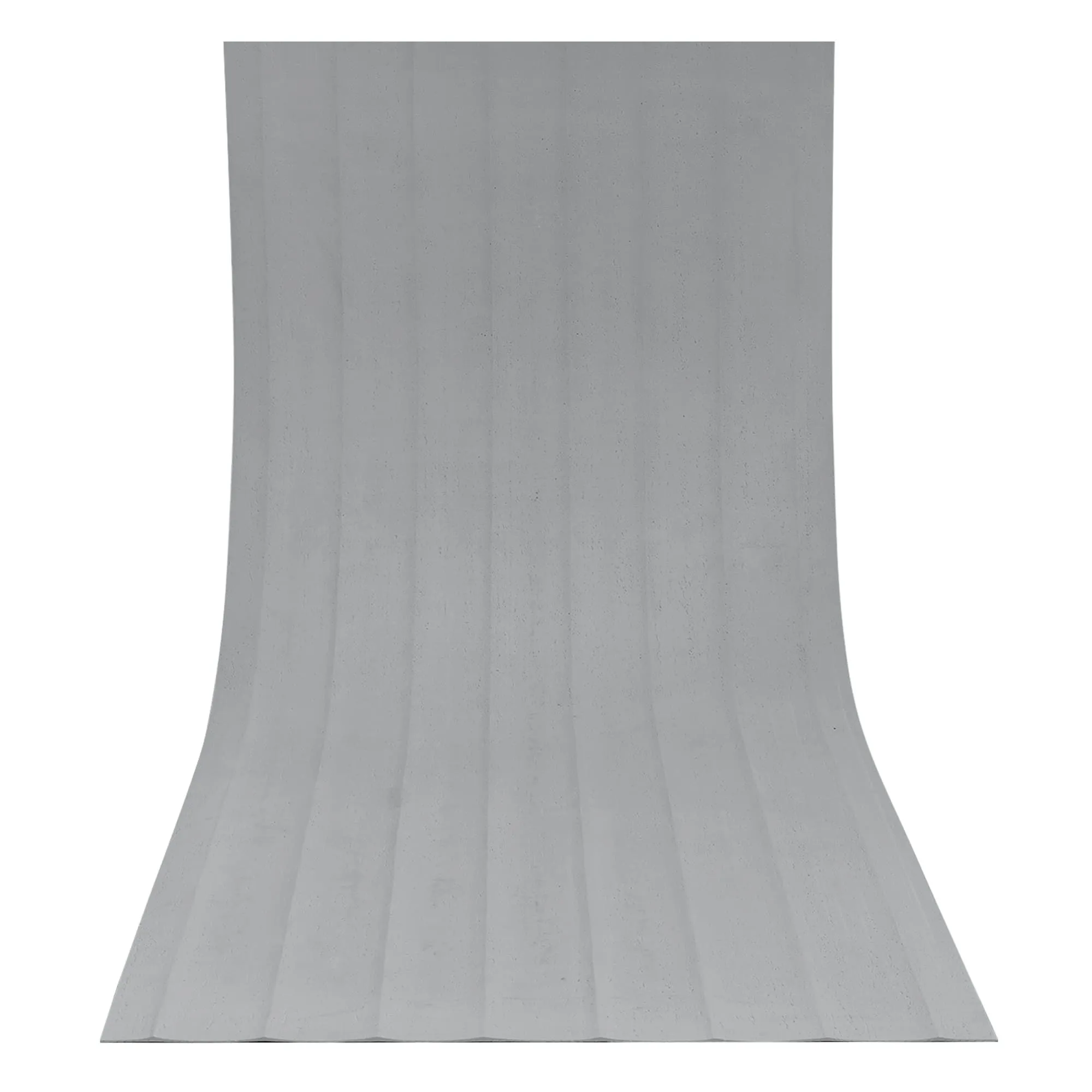
At their core, Wave Panels are a flagship offering within the MCM Project Board Series —a line of engineered wall cladding solutions designed specifically for the demands of commercial construction. But to call them "just panels" would be like calling a sports car "just a vehicle." These are precision-engineered pieces of functional art, built from COLORIA GROUP's proprietary modified cementitious material (MCM)—a blend that marries the strength of traditional cement with the flexibility of modern composites.
So, what makes them "wave" panels? The name comes from their defining feature: undulating, organic textures that mimic natural patterns like ocean swells, desert dunes, or wind-blown sand. Unlike flat, uniform panels, Wave Panels introduce movement to walls, turning static surfaces into dynamic focal points. Imagine a hotel lobby where the walls seem to breathe, their curves softening the space while their texture adds depth. Or an office atrium where light plays across rippled surfaces, creating ever-changing shadows throughout the day. That's the power of the wave design—and it's just the beginning of what these panels can do.
But the magic isn't just in the shape. It's in the material. MCM, the backbone of all COLORIA GROUP products, is a game-changer for several reasons. First, it's lightweight . Traditional stone panels can weigh upwards of 50 kg per square meter; Wave Panels tip the scales at just 8–12 kg/m². That's a 75% reduction in weight, which translates to easier transportation, simpler installation, and lower structural support costs—music to the ears of contractors and project managers.
Second, it's flexible . Despite being cement-based, MCM bends without breaking, allowing the panels to be curved on-site or factory-molded into custom shapes. This flexibility is what makes the wave texture possible, but it also opens doors for even more ambitious designs—think circular lobbies, curved facades, or accent walls that wrap around columns. Traditional rigid materials would crack under such stress, but Wave Panels adapt, making architectural dreams feasible.
Third, it's sustainably engineered . MCM is made from recycled industrial byproducts (like fly ash and silica fume) combined with natural minerals, reducing the need for virgin resources. The manufacturing process emits 60% less CO2 than traditional cement production, and the panels themselves are 100% recyclable at the end of their lifespan. For commercial projects chasing LEED certification or aiming to meet strict green building standards, this isn't just a bonus—it's a requirement.
And let's not forget durability. These panels are built to withstand the chaos of commercial life: they're fire-resistant (rated A1, the highest class for non-combustible materials), water-resistant, and scratch-proof. In independent tests, they've held up to extreme temperatures (from -40°C to 70°C), high humidity, and even the occasional impact from stray luggage carts or office chairs. For spaces like airports, hotels, or retail stores—where walls take a daily beating—this longevity is priceless.
Creating a lightweight, flexible, durable panel with a complex wave texture isn't just a matter of mixing cement and pouring it into a mold. It required COLORIA GROUP's engineers to rethink material science from the ground up—and the result is a blend of old-world craftsmanship and cutting-edge technology that's truly one-of-a-kind.
Let's start with the MCM 3D Printing Series connection. While Wave Panels are part of the Project Board Series, their intricate textures wouldn't be possible without the precision of 3D printing technology. The team uses large-format 3D printers to create custom molds for each wave pattern, allowing for infinite variations in depth, curve, and spacing. Want a gentle ripple that's 2cm high? No problem. Prefer a bold, 5cm crest that casts dramatic shadows? They can do that too. This level of customization was unheard of with traditional stone or concrete, where patterns are limited by the tools used to cut or stamp them.
But 3D printing is just the start. The real breakthrough is in the MCM material itself. Traditional cement is strong but brittle—it can't bend, and it's heavy. To fix that, COLORIA's scientists added proprietary polymers and natural fibers to the mix, creating a matrix that's both rigid enough to hold shape and elastic enough to flex. The result? A material that can be rolled, bent, and shaped without losing structural integrity. When combined with the lightweight aggregates in the mix (like expanded clay and recycled glass), the panels become easy to handle without sacrificing strength.
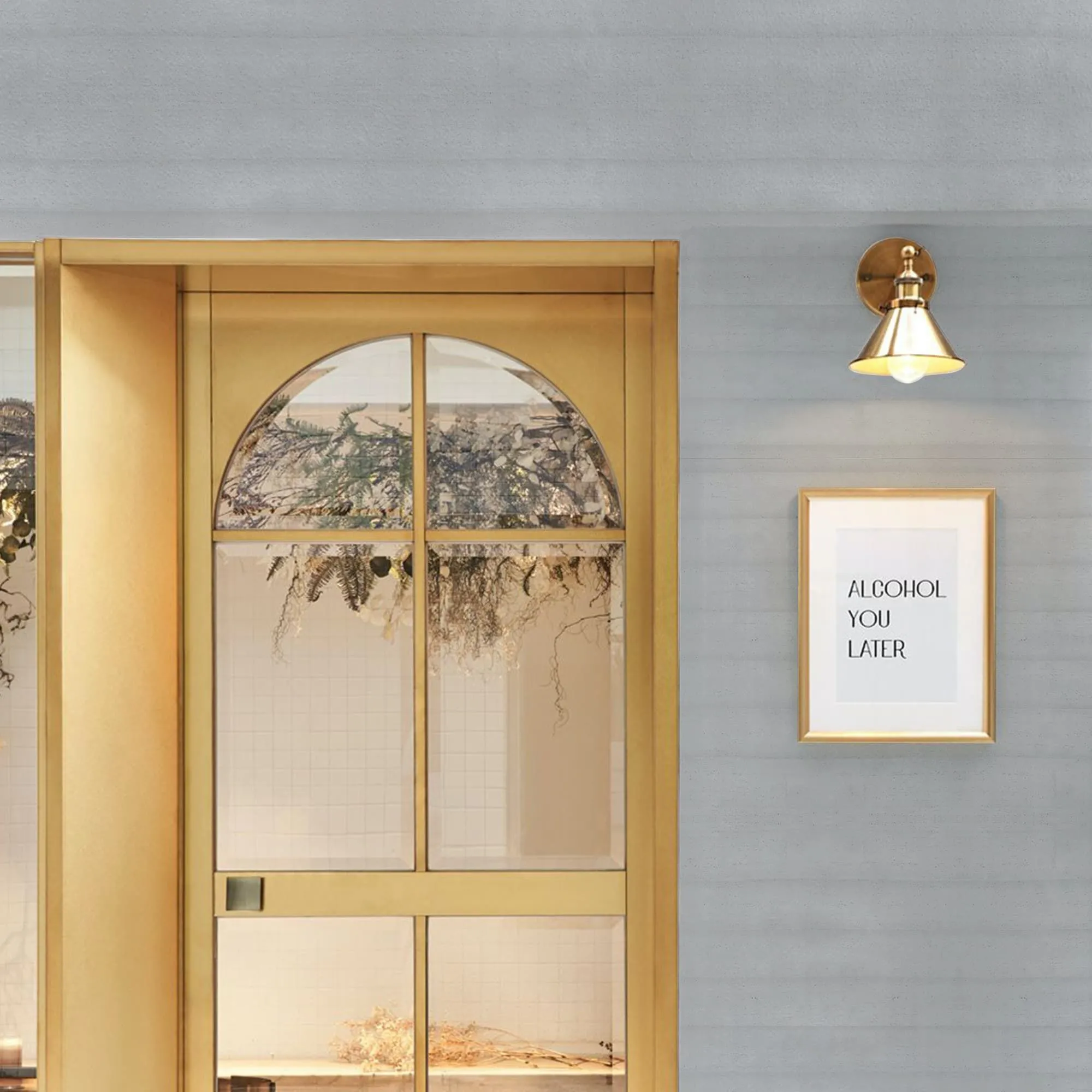
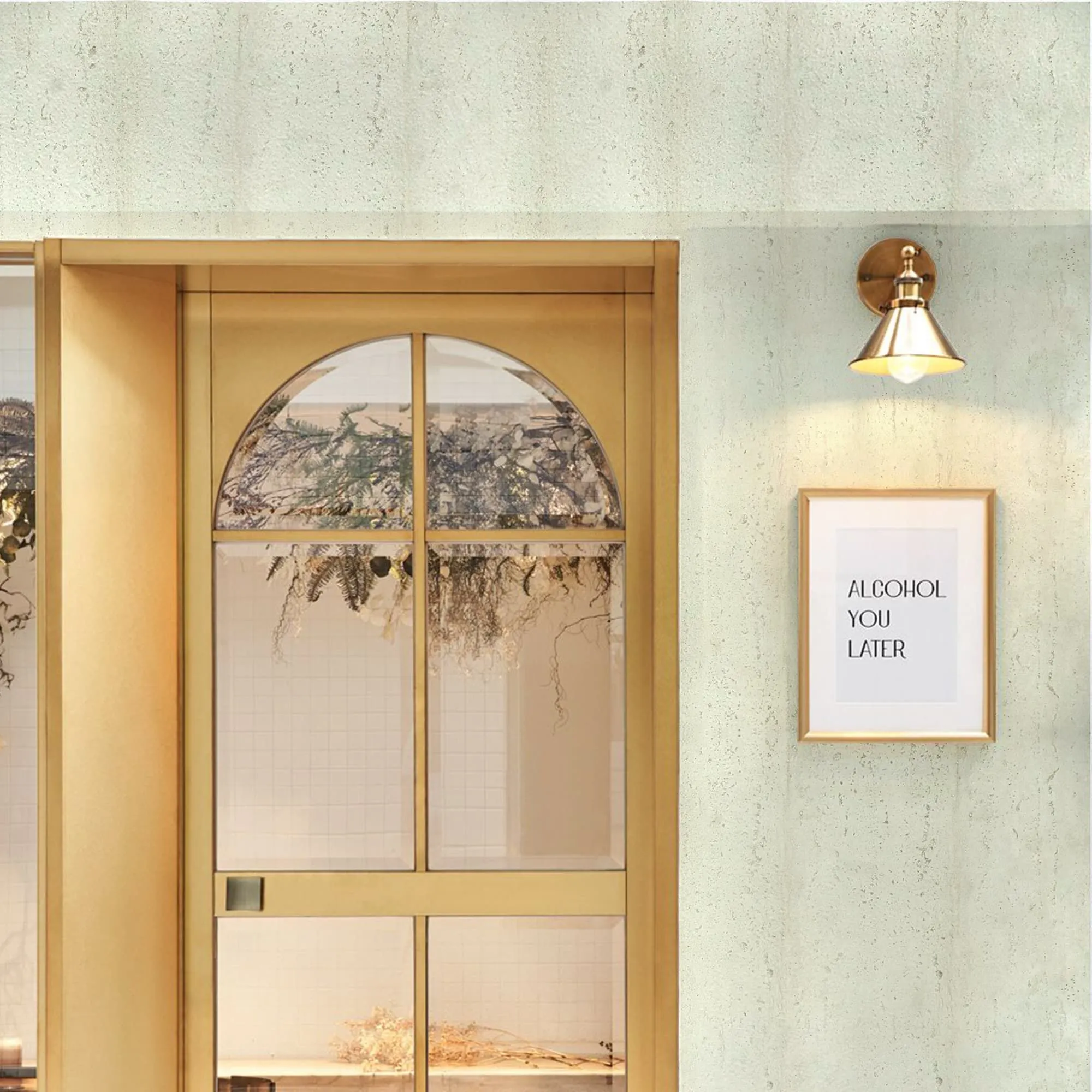
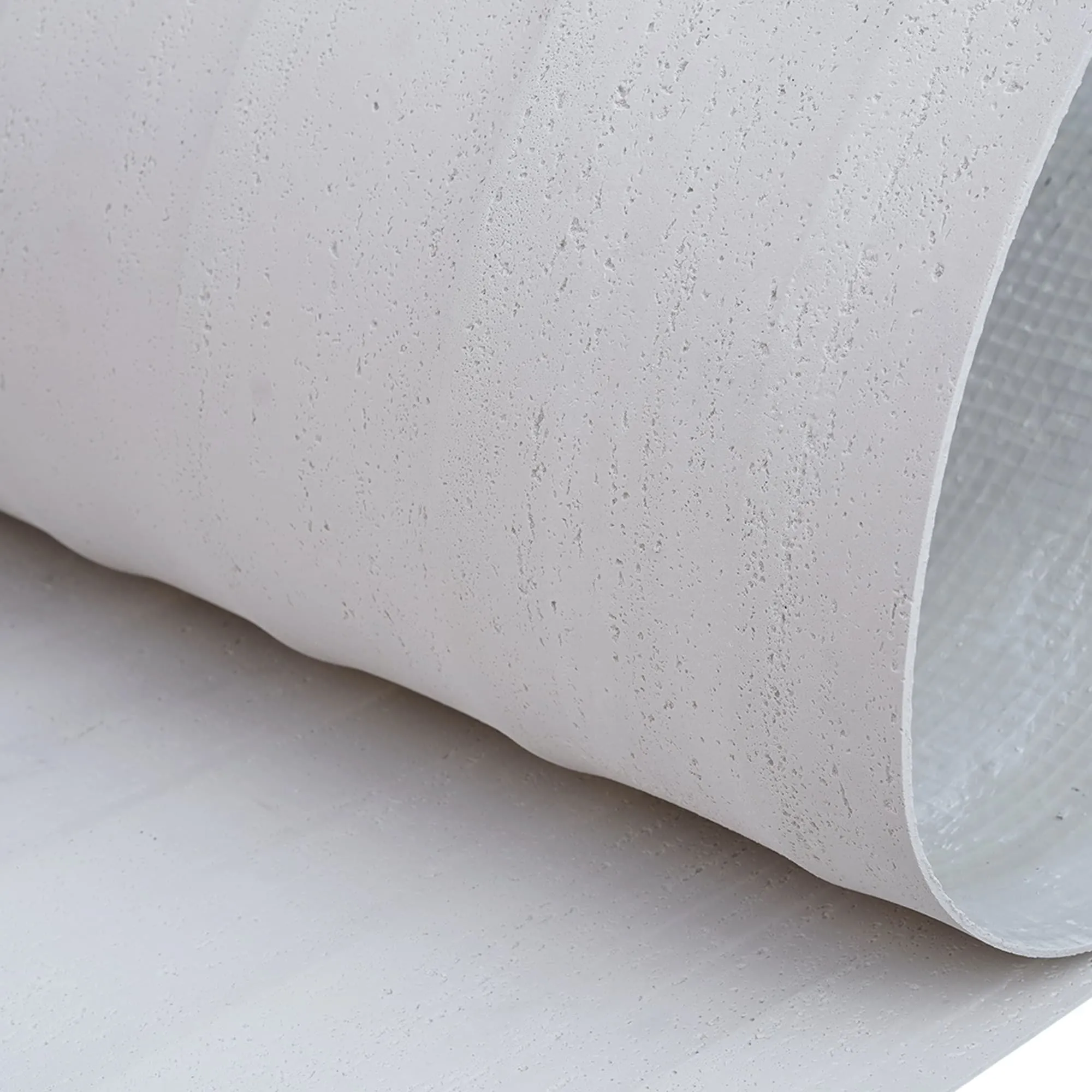
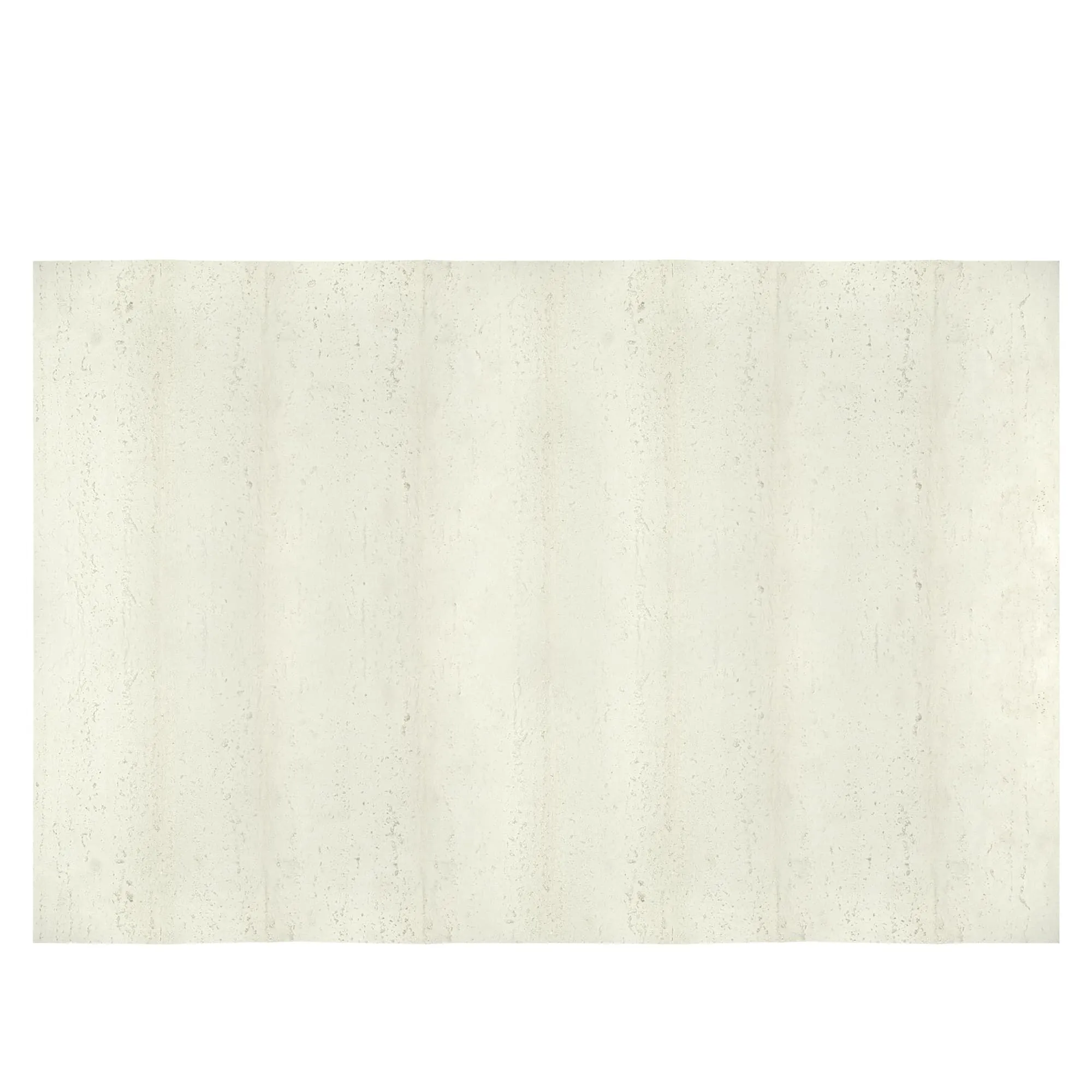
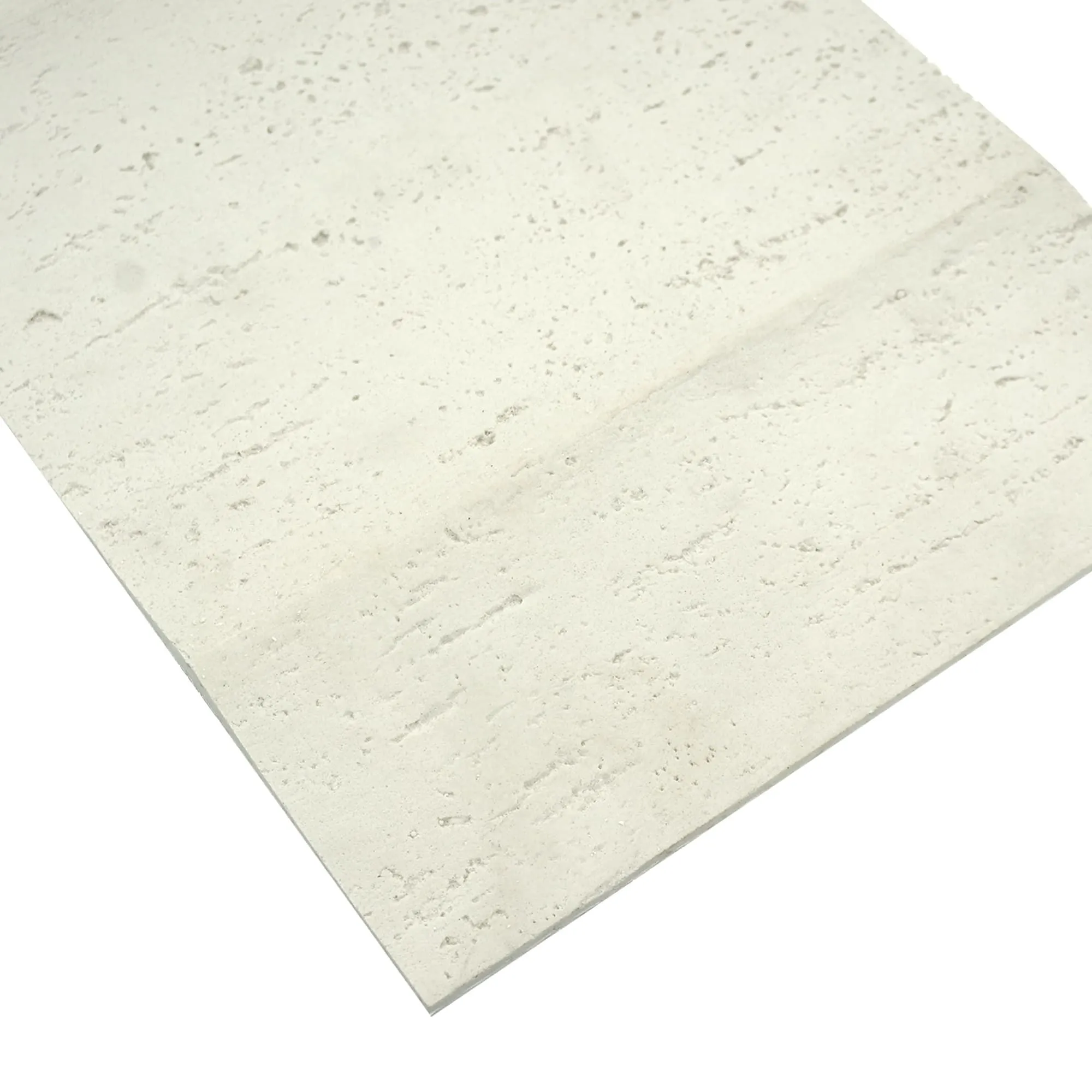
Another key innovation is the surface treatment. Each Wave Panel undergoes a multi-step finishing process that enhances both aesthetics and performance. For example, some panels are coated with a nano-ceramic sealant that repels water and stains, making them ideal for high-moisture areas like indoor pools or spa lobbies. Others receive a textured coating that mimics the feel of natural travertine (starry green) —a popular choice for hotels aiming to blend modern design with organic warmth. This versatility means that while the core material is consistent, the final look and feel can be tailored to match any design vision.
Perhaps most impressive is the quality control. Each Wave Panel is tested in COLORIA's in-house labs for everything from flexural strength to colorfastness. Panels are subjected to 1,000 hours of UV exposure to ensure they won't fade in sunlight, and freeze-thaw cycles to guarantee they hold up in cold climates. The result is a product with a 50-year lifespan—twice that of many traditional cladding materials. For commercial property owners, that means lower replacement costs and less maintenance over time.
Fun Fact: The wave patterns aren't just for show. Acoustic testing has shown that the undulating surface of Wave Panels helps absorb sound, reducing echo in large spaces like conference halls or hotel lobbies. It's a happy accident of design that turns a visual feature into a functional acoustic solution.
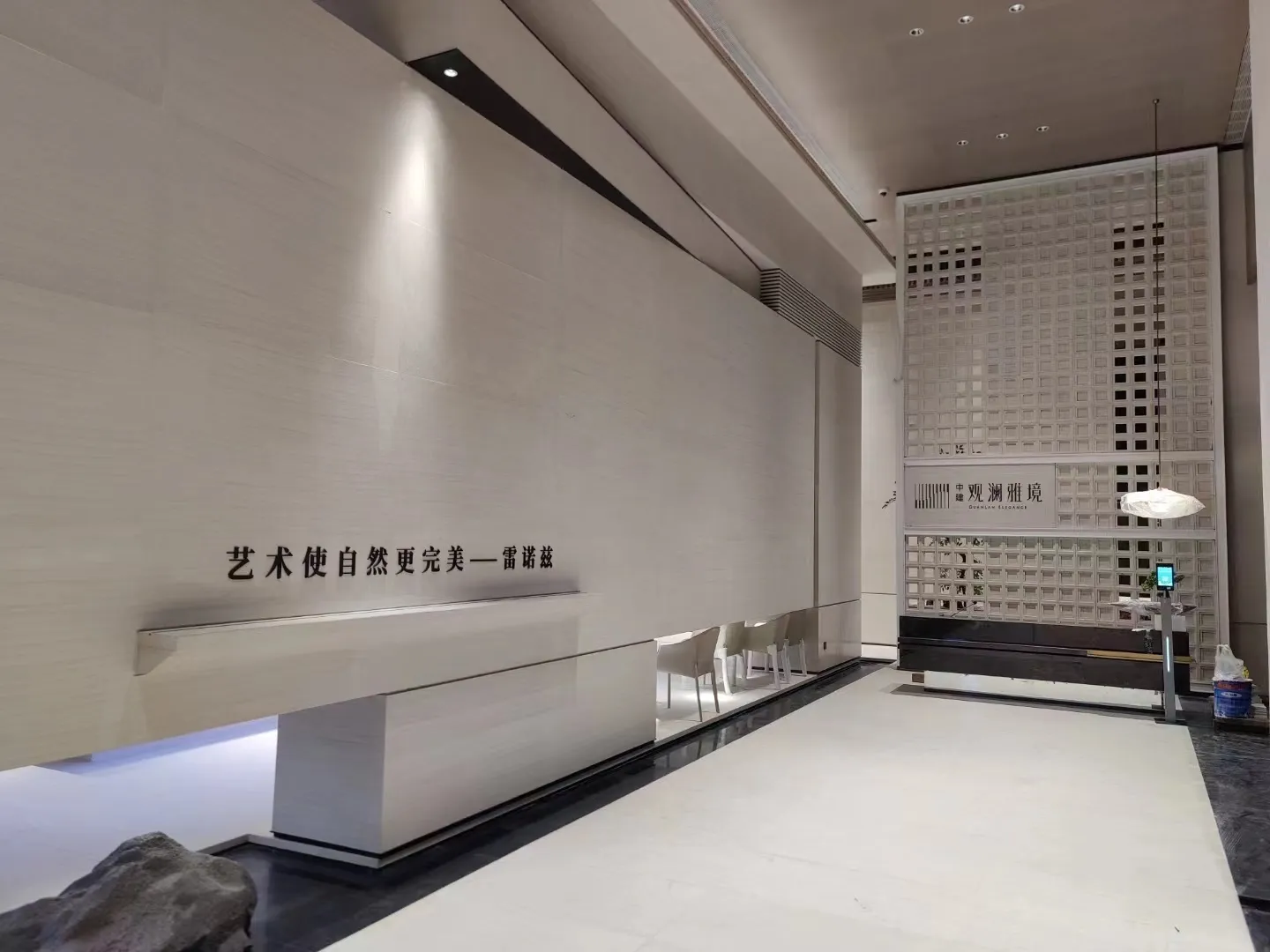
For commercial architects and designers, the biggest selling point of Wave Panels might just be the freedom they offer. In an industry where "we can't do that" is all too common, these panels flip the script: "What do you want to create?"
Take color customization, for example. While many cladding materials come in a limited range of pre-set hues, Wave Panels can be tinted to match any Pantone color or RAL code. Want a deep navy blue to complement a corporate brand? They'll mix it. Dreaming of a soft terracotta that evokes a Mediterranean vibe? Done. And because the color is integrated into the MCM material itself (not just painted on), it won't chip, fade, or wear off—even in high-traffic areas. This level of brand alignment is a game-changer for retail chains, hotels, and corporate headquarters looking to reinforce their identity through design.
Then there's texture. Beyond the signature wave pattern, the panels can be embossed with additional details like star gravel (small, raised pebbles that add tactile interest) or thread (fine, linear grooves that mimic woven fabric). Some clients opt for a combination—say, a wave base with star gravel accents—to create a truly unique wall. For a recent luxury resort project in the Maldives, COLORIA even created a custom "tidal wave" pattern that incorporated shell fragments into the MCM mix, blurring the line between indoor and outdoor spaces.
Size is another area where Wave Panels shine. Traditional stone panels are often limited to small sizes (60x60cm is common) because larger pieces are too heavy to transport and install. Wave Panels, however, can be produced in sizes up to 120x240cm—large enough to cover entire wall sections with minimal seams. This not only creates a more seamless look but also speeds up installation, as fewer panels mean fewer cuts and less labor. For a 500m² hotel lobby, that could translate to a week shaved off the construction timeline.
But perhaps the most exciting design possibility is mixing and matching with other MCM products. For example, a restaurant might pair Wave Panels with MCM Flexible Stone (a thin, bendable stone veneer) to create a feature wall that combines the dynamic waves with the natural look of stacked stone. Or an office building could use Wave Panels for the main facade and MCM Big Slab Board Series for the entranceway, creating a cohesive design language across the property. The modular nature of MCM products means the only limit is the designer's imagination.
"Working with Wave Panels was a revelation," says Maria Gonzalez, lead architect at a boutique design firm in Barcelona. "We'd been trying to create a curved wall in our client's hotel lobby for months, but traditional stone was too heavy, and synthetic panels looked cheap. Wave Panels gave us the best of both worlds—organic texture, custom color, and a weight that didn't require reinforcing the entire structure. The client was blown away, and now we're using them in three more projects."
Talk is cheap—what really matters is how products perform in the field. Since their launch, Wave Panels have been used in dozens of commercial projects worldwide, from boutique hotels in Dubai to corporate offices in New York. Let's take a closer look at a few standout examples to see how they've delivered on their promise of combining beauty and practicality.
The Azure Hotel wanted its lobby to feel like an "oasis in the desert"—a calm, luxurious space thated with the bustling city outside. Their design team envisioned a feature wall that mimicked the flow of water, but traditional materials couldn't deliver the look without compromising on durability (Riyadh's dry, hot climate is tough on many claddings). Enter Wave Panels.
The hotel chose a custom "desert wave" pattern—gentle, rolling curves in a warm beige tone, with star gravel accents that sparkled like sand in the sun. To enhance the oasis theme, COLORIA added subtle blue undertones to the MCM mix, creating a panel that shifted color depending on the light. The panels were paired with MCM Flexible Stone in a travertine (starry green) finish for the adjacent walls, creating a palette that felt both earthy and refreshing.
Installation took just 4 days (compared to the 2 weeks estimated for natural stone), and the lightweight panels meant no additional structural work was needed. Six months after opening, the hotel's general manager reported that the wall had become a social media sensation—guests were taking photos in front of it daily, and several travel bloggers had named it one of "Riyadh's most Instagrammable hotel lobbies."
Nexus Tower, a 30-story office building in Singapore's central business district, needed a facade that would stand out in a sea of glass and steel. The developer wanted something modern but timeless, durable enough to withstand Singapore's tropical rains, and sustainable enough to qualify for Green Mark certification (Singapore's equivalent of LEED).
The solution? Wave Panels in a bold, 5cm-high wave pattern, finished in a deep charcoal gray with a matte texture. The panels were installed on the building's east and west facades, where they acted as both cladding and sunshades, reducing heat gain by 20% (according to post-construction energy audits). The lightweight design also meant the tower's foundation didn't need to be reinforced, saving the developer $500,000 in structural costs.
"We were skeptical at first," admits James Tan, the project's construction manager. "How could something that looks so delicate be strong enough for a high-rise? But after seeing the test reports and watching the installation, we were convinced. Now, when people pass by Nexus Tower, they stop and look up—it's become a landmark in the area."
Horizon Mall wanted to create a "destination" shopping experience, with each floor themed around a different natural element. The "Water Floor" needed a centerpiece wall that felt immersive—something that made shoppers feel like they were walking along a sunlit beach. The design team specified Wave Panels in a soft, cream color with a glossy finish (to mimic wet sand) and integrated LED lights behind the panels to create the illusion of sunlight on water.
To add realism, COLORIA added recycled glass particles to the MCM mix, which caught the light and sparkled like seashells. The panels were installed in a continuous curve that wrapped around the floor's central atrium, creating a 100m² feature wall that quickly became the mall's most Instagrammed spot. Within six months of opening, foot traffic on the Water Floor was 30% higher than other floors, and several retailers reported increased sales due to the "Instagram effect."
In today's commercial construction landscape, sustainability isn't just a buzzword—it's a business imperative. Clients demand it, regulations require it, and more and more, consumers choose brands that align with their environmental values. That's why COLORIA GROUP built sustainability into the DNA of Wave Panels and all MCM products.
Let's start with the raw materials. MCM is made with 60% recycled content, including fly ash (a byproduct of coal power plants that would otherwise end up in landfills), recycled glass, and reclaimed concrete. By using these materials, COLORIA diverts thousands of tons of waste from landfills each year and reduces the need for virgin resources like limestone (which requires energy-intensive quarrying). The production process itself is also eco-friendly: COLORIA's factories run on 100% renewable energy (solar and wind), and water used in manufacturing is recycled and reused, with zero discharge into local waterways.
Then there's the carbon footprint. Traditional cement production is responsible for 8% of global CO2 emissions—making it one of the most carbon-intensive industries on the planet. MCM, however, requires 40% less energy to produce than traditional cement, and the addition of recycled materials further reduces its carbon impact. A life-cycle assessment conducted by an independent lab found that Wave Panels have a 55% lower carbon footprint than natural stone cladding and 30% lower than standard concrete panels.
Durability is another sustainability win. A product that lasts 50 years instead of 25 means half as many replacements, which translates to less material extraction, less manufacturing energy, and less waste. Wave Panels are also fully recyclable at the end of their lifespan—they can be ground up and used as aggregate in new MCM products, creating a circular economy model that minimizes waste.
For commercial projects chasing green building certifications, Wave Panels are a valuable asset. They contribute points toward LEED (Leadership in Energy and Environmental Design), BREEAM (Building Research Establishment Environmental Assessment Method), and Green Mark certifications, thanks to their recycled content, low VOC emissions, and energy-saving properties. For example, a hotel using Wave Panels on its facade might earn an extra 2–3 LEED points for sustainable materials, which can boost its marketability to eco-conscious travelers.
But sustainability isn't just about the environment—it's about people too. COLORIA GROUP ensures that all its suppliers adhere to fair labor practices, and the company invests in reforestation projects in regions where raw materials are sourced. For every 1,000m² of Wave Panels sold, the company plants 100 trees, offsetting even more of the product's carbon footprint. It's a holistic approach to sustainability that resonates with clients who want to build not just green buildings, but green legacies.
By now, you might be thinking, "Wave Panels sound great—but are they right for my project?" The short answer: if you're building or renovating a commercial space and care about design, durability, sustainability, or cost-effectiveness, the answer is almost certainly yes. Let's break down the key reasons why architects, contractors, and developers are choosing Wave Panels over traditional cladding materials.
Wave Panels aren't just a design statement—they're a practical solution to common commercial construction headaches. Need a lightweight material that won't require structural reinforcement? Check. Want a custom color and texture that aligns with your brand? Check. Need something durable enough to handle high traffic and harsh weather? Check. And because they're part of the MCM Project Board Series, they integrate seamlessly with other COLORIA products, so you can solve multiple design challenges with a single supplier.
It's true that Wave Panels have a higher upfront cost than some basic synthetic panels. But when you factor in their 50-year lifespan, lower installation costs (thanks to lightweight design), and minimal maintenance needs, they're actually more cost-effective over time. For example, a hotel that uses Wave Panels instead of natural stone could save $100,000 over 20 years in reduced installation labor, structural costs, and replacement expenses. It's an investment that pays dividends for decades.
In today's competitive commercial real estate market, standing out is key. A hotel with a generic concrete facade will blend in, but one with a custom Wave Panel feature wall becomes a destination. Retailers using Wave Panels report higher foot traffic and longer customer, while office buildings with unique MCM cladding command higher rents. In short, Wave Panels don't just improve your building—they improve your bottom line.
COLORIA GROUP isn't just a manufacturer—they're a partner. With offices in over 15 countries (including a dedicated team in Saudi Arabia), they offer local support from design to installation. Need help finalizing your wave pattern? Their in-house design team can create 3D renderings. Worried about installation in a remote location? They can send technical experts to train your crew. It's a level of service that gives clients peace of mind, even on the most complex projects.
| Feature | Wave Panels (MCM Project Board Series) | Traditional Natural Stone | Standard Concrete Panels | Synthetic PVC Panels |
|---|---|---|---|---|
| Weight (kg/m²) | 8–12 | 40–60 | 25–35 | 5–8 |
| Lifespan (years) | 50 | 30–40 | 20–30 | 10–15 |
| Customization Options | Unlimited (color, texture, size) | Limited by natural variation | Basic (color, finish) | Moderate (color, pattern) |
| Installation Time | Fast (lightweight, large panels) | Slow (heavy, requires specialized labor) | Moderate (heavy, but standardized) | Fast (lightweight, but fragile) |
| Sustainability | High (recycled content, low carbon) | Low (quarrying, transportation emissions) | Moderate (some recycled content) | Low (non-recyclable, off-gassing) |
| Durability (Scratch/Water/Fire Resistance) | Excellent (A1 fire rating, stain-resistant) | Good (scratch-resistant, but porous) | Good (fire-resistant, but prone to cracking) | Poor (easily scratched, flammable) |
As we look to the future of commercial architecture, one thing is clear: the demand for materials that balance beauty, functionality, and sustainability will only grow. Consumers are more design-savvy than ever, and businesses are realizing that the spaces they occupy are a reflection of their values. In this context, products like Wave Panels aren't just trends—they're the new standard.
COLORIA GROUP is already working on the next generation of MCM products, including Wave Panels with integrated smart technology (like embedded sensors that monitor temperature and humidity) and panels made with even higher recycled content. But even as technology evolves, the core philosophy behind Wave Panels remains the same: to create materials that empower designers to build better, more human-centered spaces.
So, whether you're designing a boutique hotel, a corporate headquarters, or a retail mall, Wave Panels offer a way to transform your vision into reality. They're more than just wall cladding—they're a tool for storytelling, a way to turn ordinary spaces into extraordinary experiences. And in a world where people crave connection and authenticity, that's more valuable than ever.
Ready to see what Wave Panels can do for your project? Reach out to the COLORIA GROUP team today. They'll help you explore patterns, colors, and combinations that bring your vision to life—and together, you'll build something that stands the test of time.
Recommend Products











